



Anamur is a coastal town and district located in Mersin Province, on the southern coast of Turkey along the Mediterranean Sea. It lies near the western edge of the historical region of Cilicia and is one of the southernmost settlements in the country. Anamur is known for its long beaches, agricultural production, and proximity to significant historical and natural sites.
The town is set between the Mediterranean coastline and the foothills of the Taurus Mountains, creating a landscape that combines coastal plains with rugged mountainous terrain. Anamur has a relatively small population compared to major Turkish cities, which contributes to its relaxed atmosphere and strong local identity.
Anamur enjoys a Mediterranean climate with hot, dry summers and mild winters. This climate supports intensive agriculture, particularly banana cultivation, which has become a defining feature of the local economy. In addition to agriculture, tourism, fishing, and small-scale trade play important roles in the town’s economic life.
History
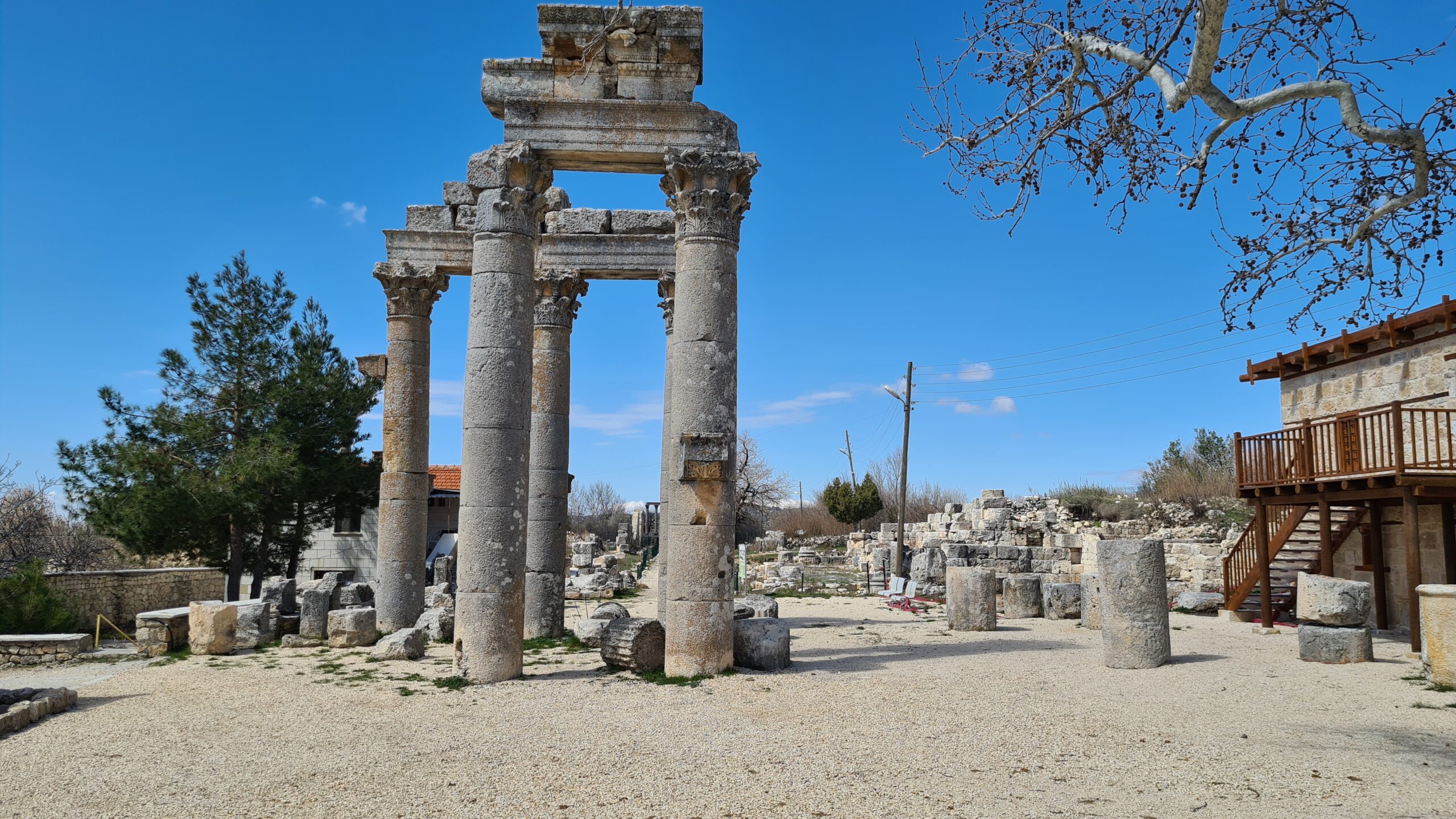
The area around Anamur has a long and complex history shaped by its strategic coastal location. In antiquity, the region was part of Cilicia and hosted several important settlements. Anamur itself developed near the ancient city of Anemurium, one of the most significant Roman cities on the southern Anatolian coast.
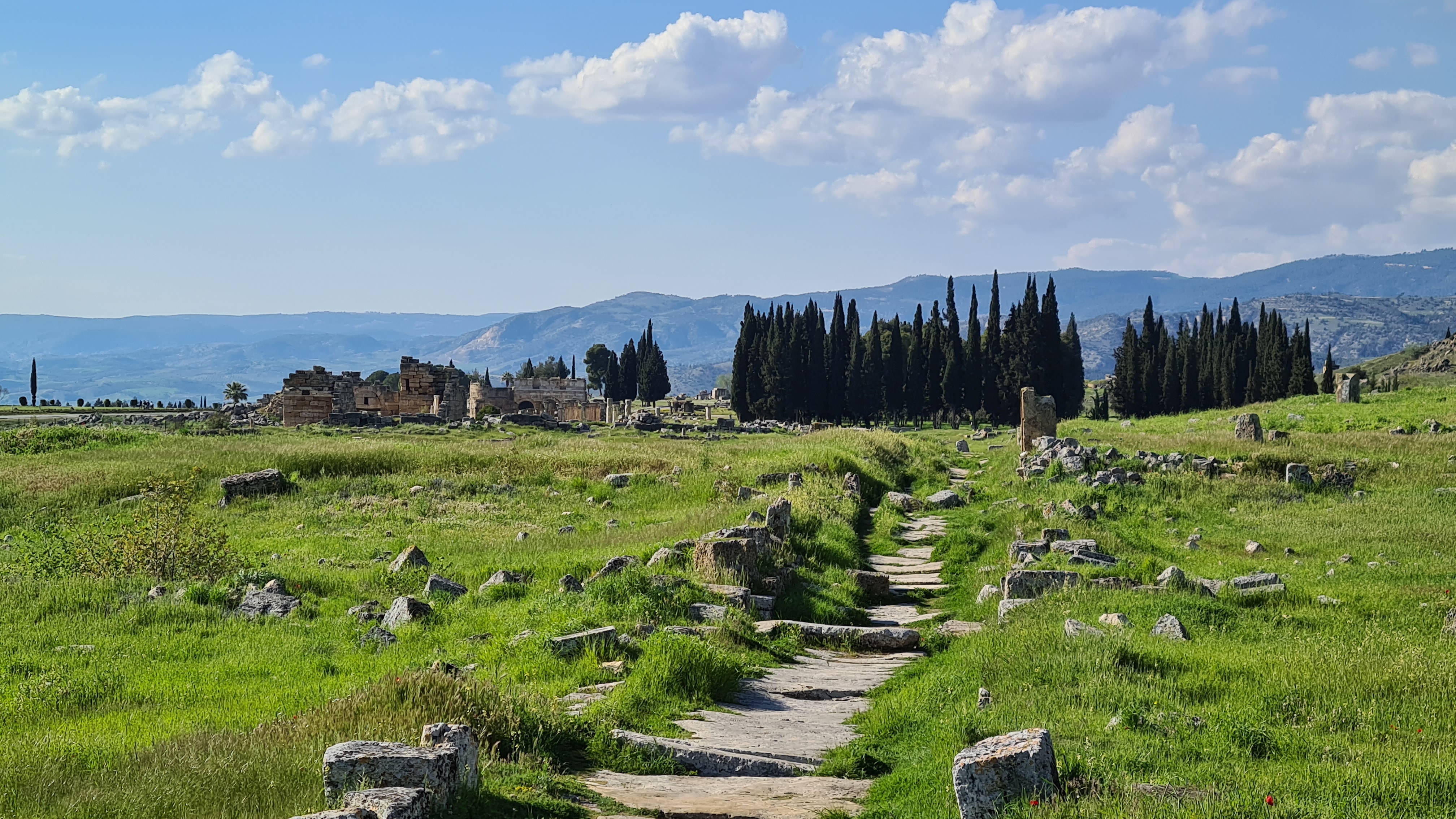
Anemurium flourished during the Roman and Byzantine periods as a port city and regional center. Its well-preserved remains indicate a prosperous urban settlement with public buildings, baths, streets, and necropolises. Over time, the ancient city declined due to changing trade routes, invasions, and natural disasters.
During the medieval period, the region came under the control of various powers, including the Seljuks, Armenian Kingdom of Cilicia, and later the Ottomans. Modern Anamur developed primarily in the late Ottoman and early Republican periods as a coastal agricultural settlement and district center.
Geology
Anamur’s geology reflects the interaction between the Mediterranean coastal plain and the Taurus Mountain system. The coastal areas consist mainly of alluvial deposits formed by rivers descending from the mountains, creating fertile soils suitable for agriculture.
Inland, the terrain rises sharply into limestone-dominated mountains characterized by karst features such as caves, sinkholes, and underground water systems. These geological formations influence water availability and land use in the region.
The coastline is shaped by marine processes, including erosion and sediment deposition, resulting in sandy beaches and rocky headlands. The region is also affected by tectonic activity, as southern Turkey lies within an active seismic zone.
Things to See
Anamur offers a variety of attractions combining ancient history, natural beauty, and coastal life:
Historical and Archaeological Sites
- Anemurium Ancient City, with well-preserved Roman ruins
- Mamure Castle, a medieval fortress near the coast
- Ancient necropolises and city walls
- Remains of Roman baths, theaters, and streets
Natural and Coastal Attractions
- Long sandy beaches along the Mediterranean coast
- Coastal parks and scenic viewpoints
- Taurus Mountain foothills suitable for hiking
- Caves and karst landscapes in the surrounding area
Local Life and Culture
- Banana plantations and agricultural landscapes
- Local markets and traditional cuisine
- Small fishing harbors and seaside areas
- Cultural festivals and community events