
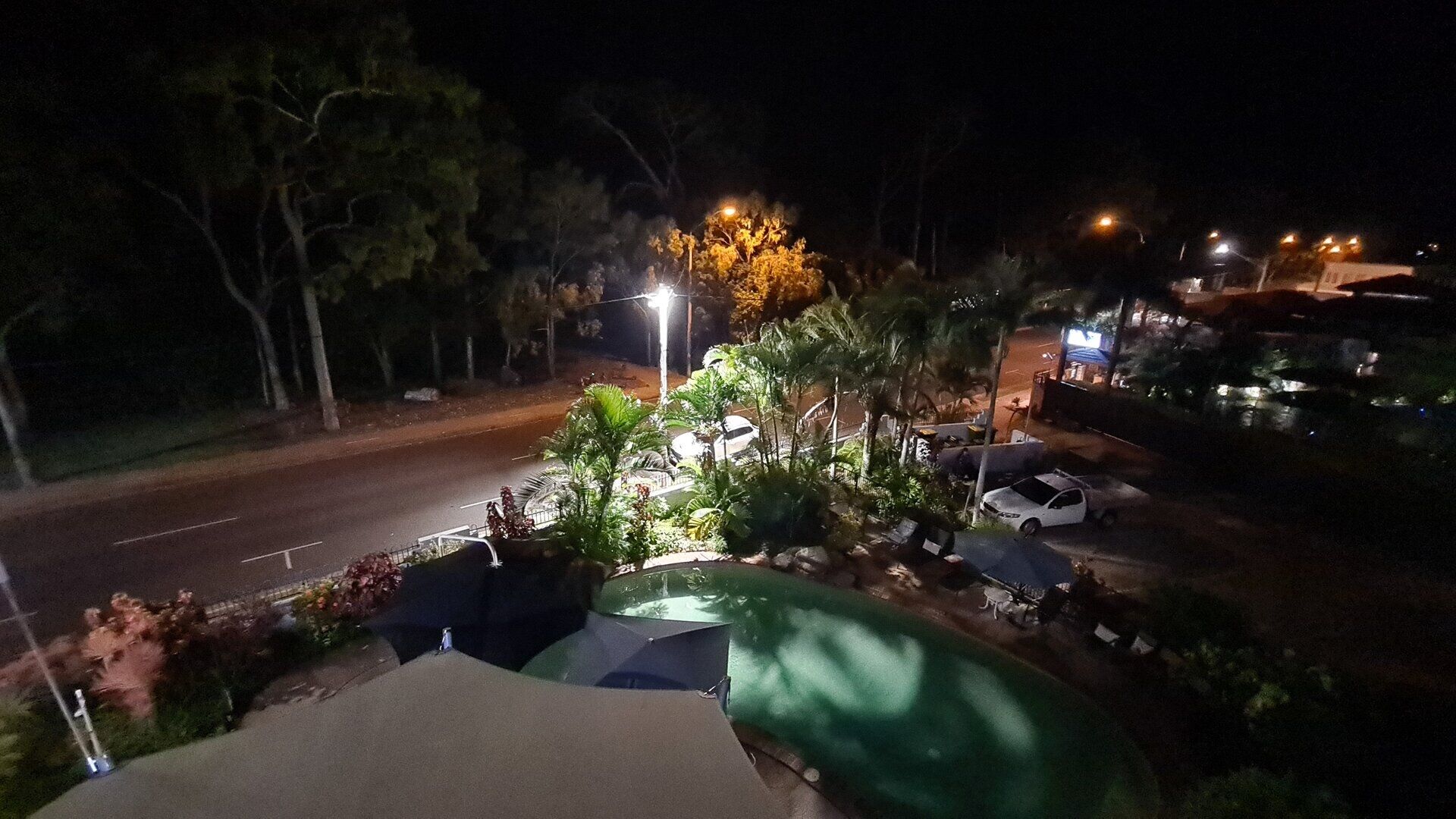
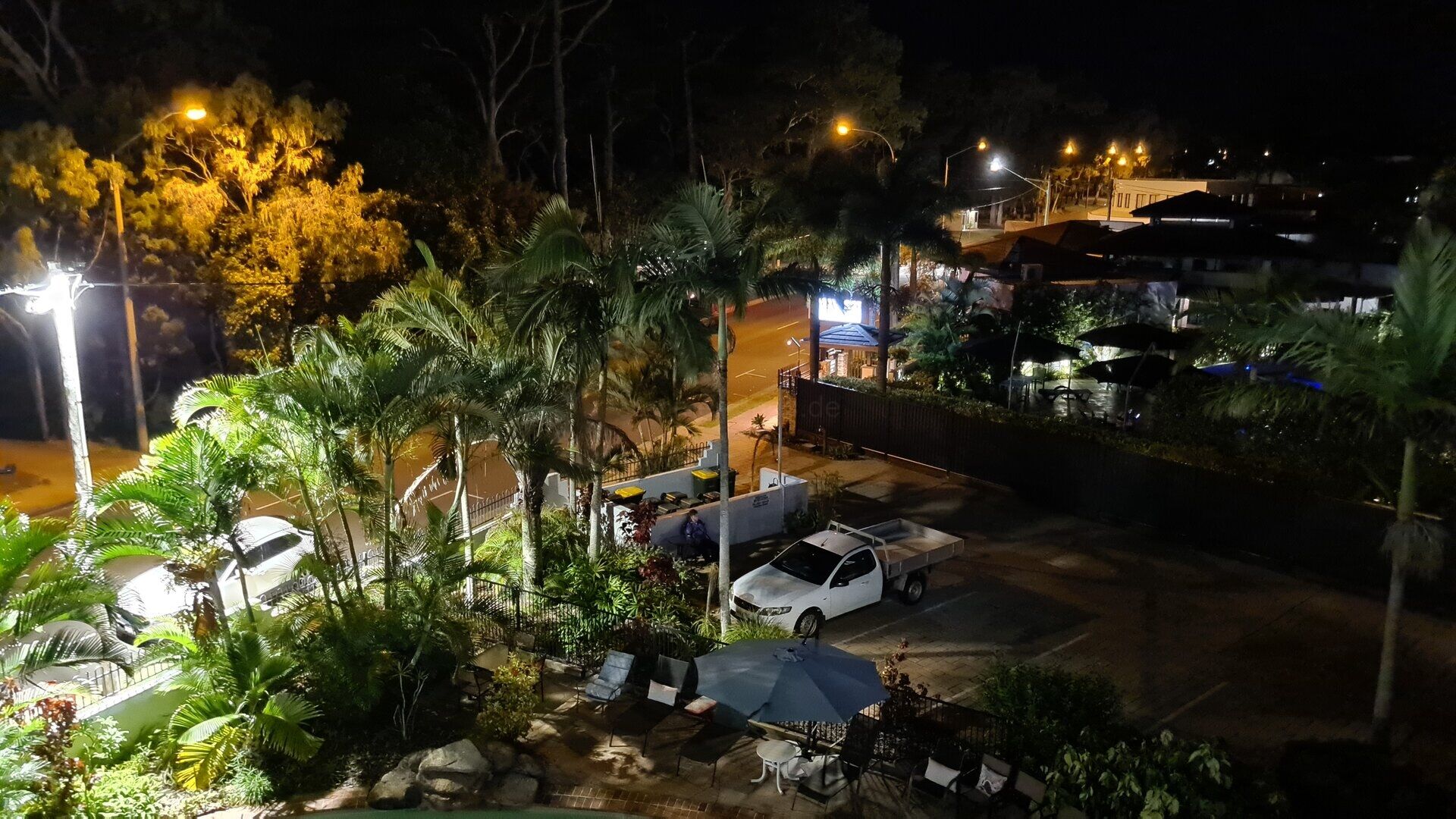
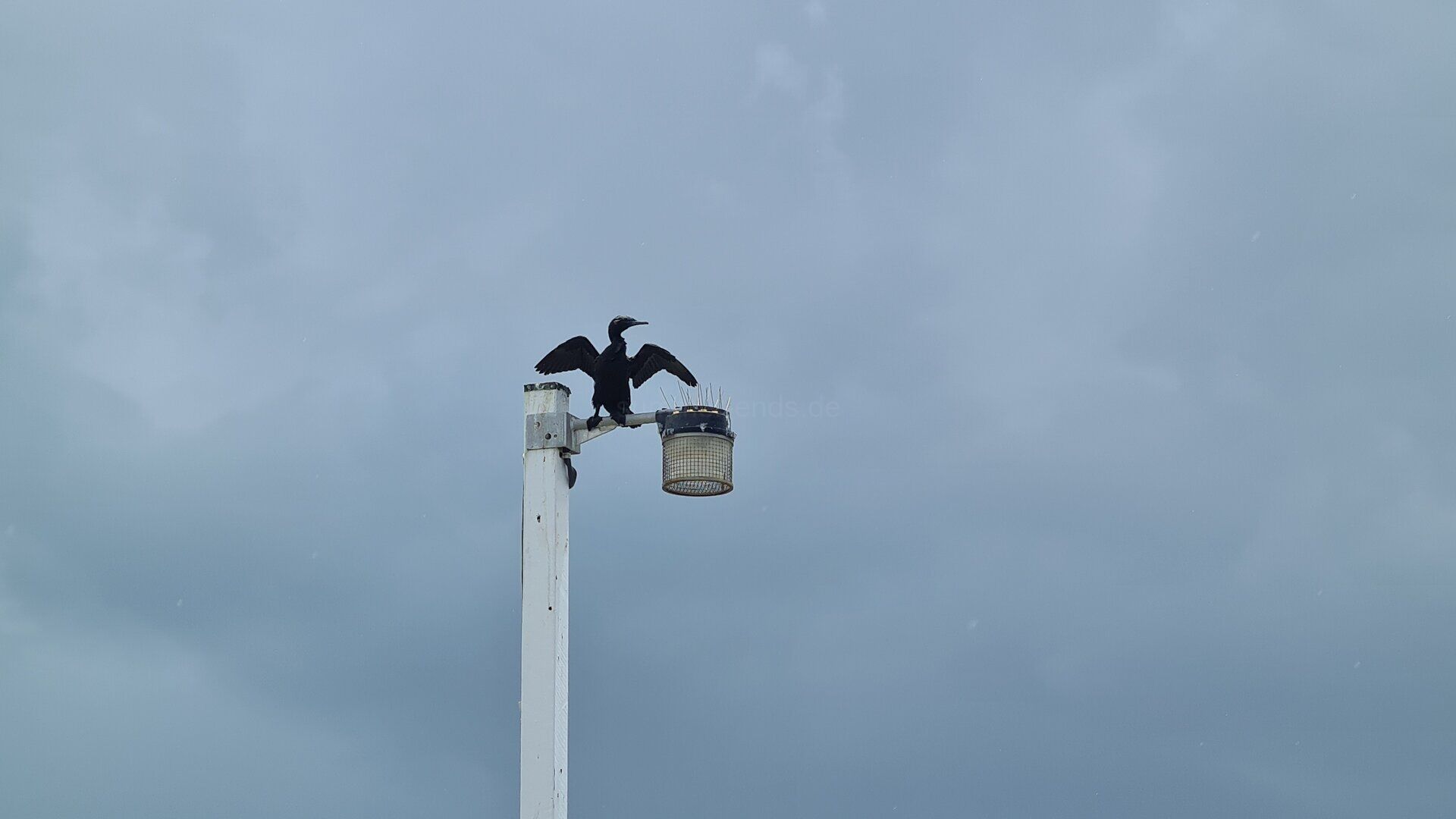
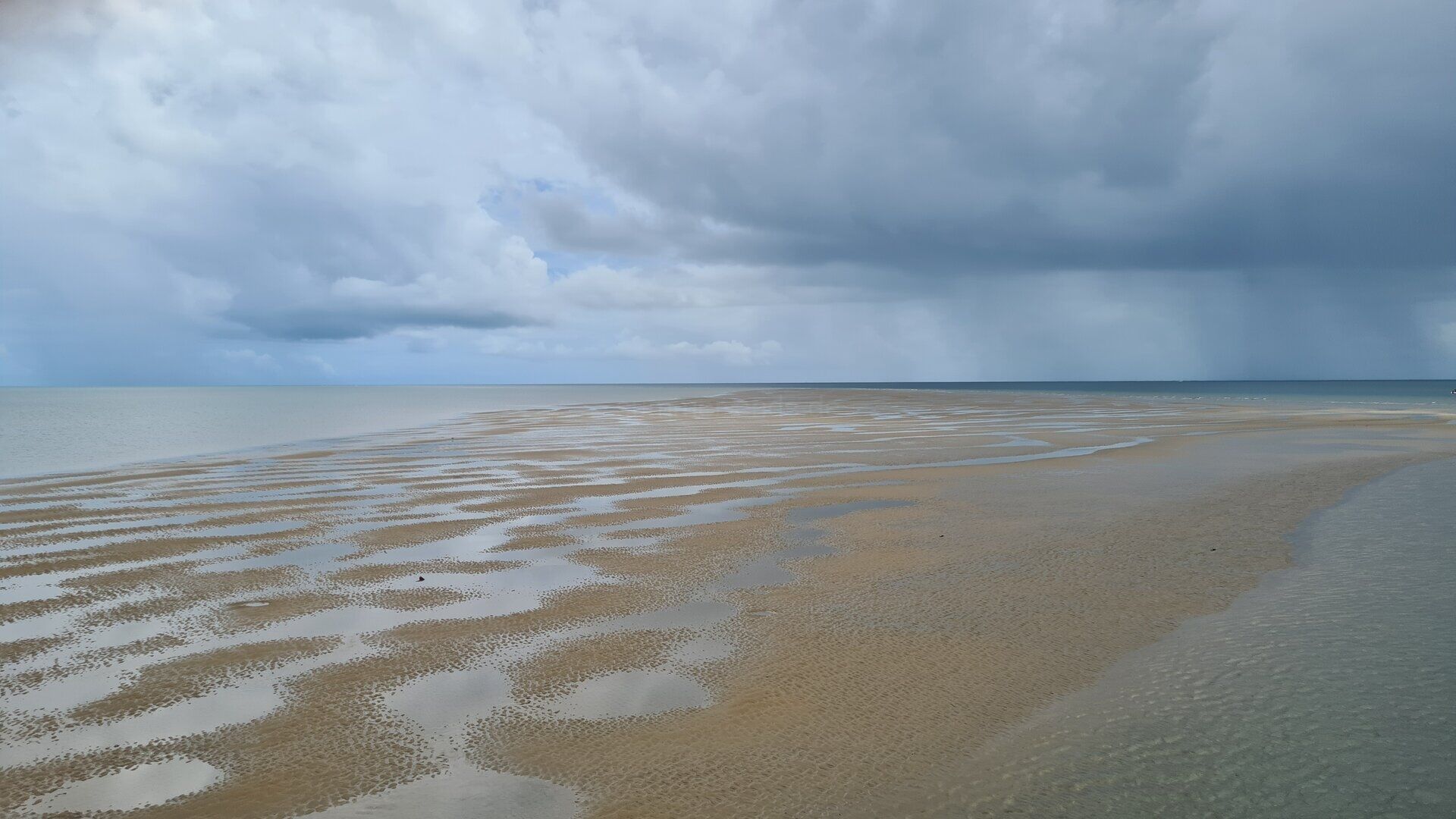
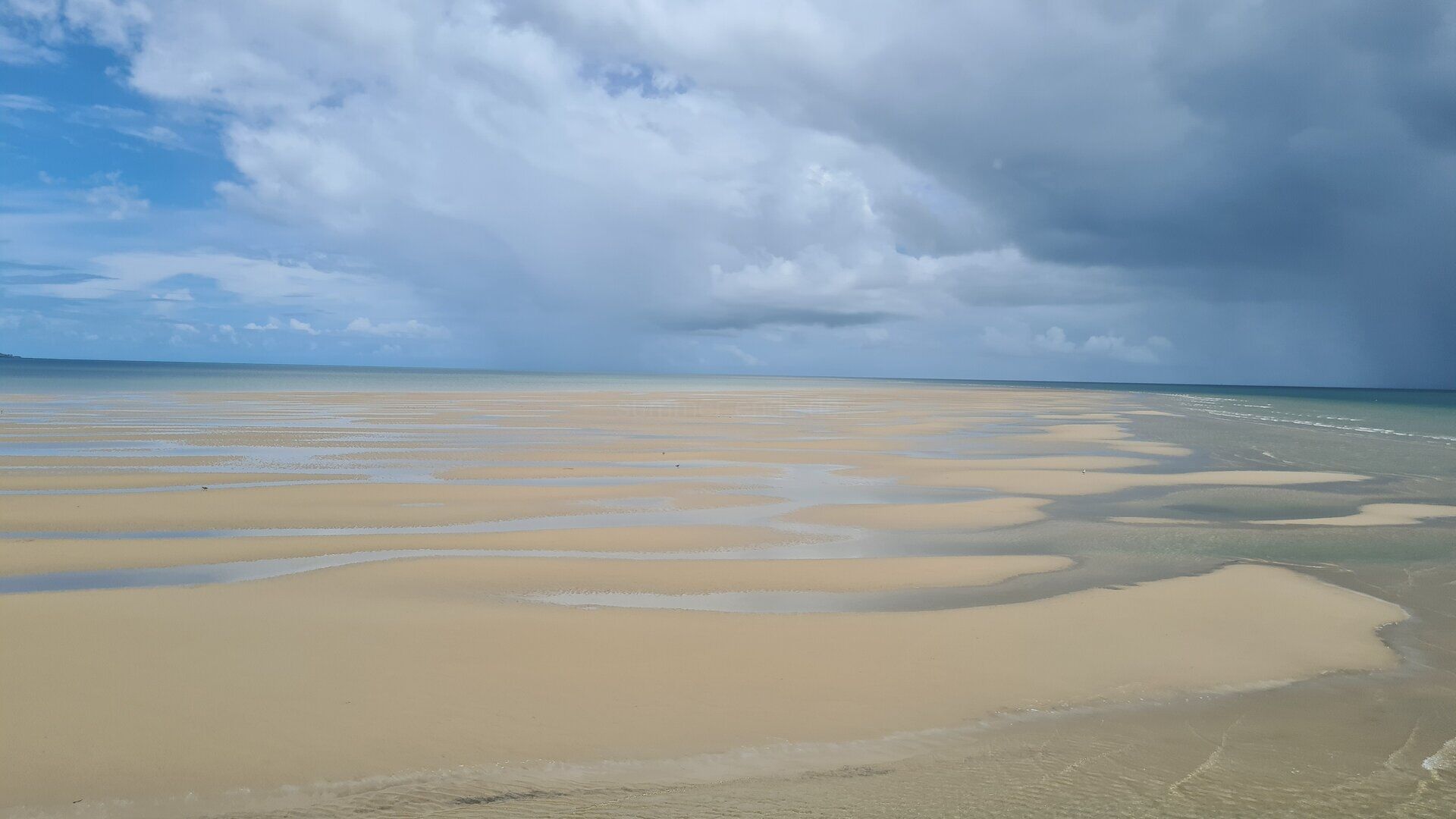
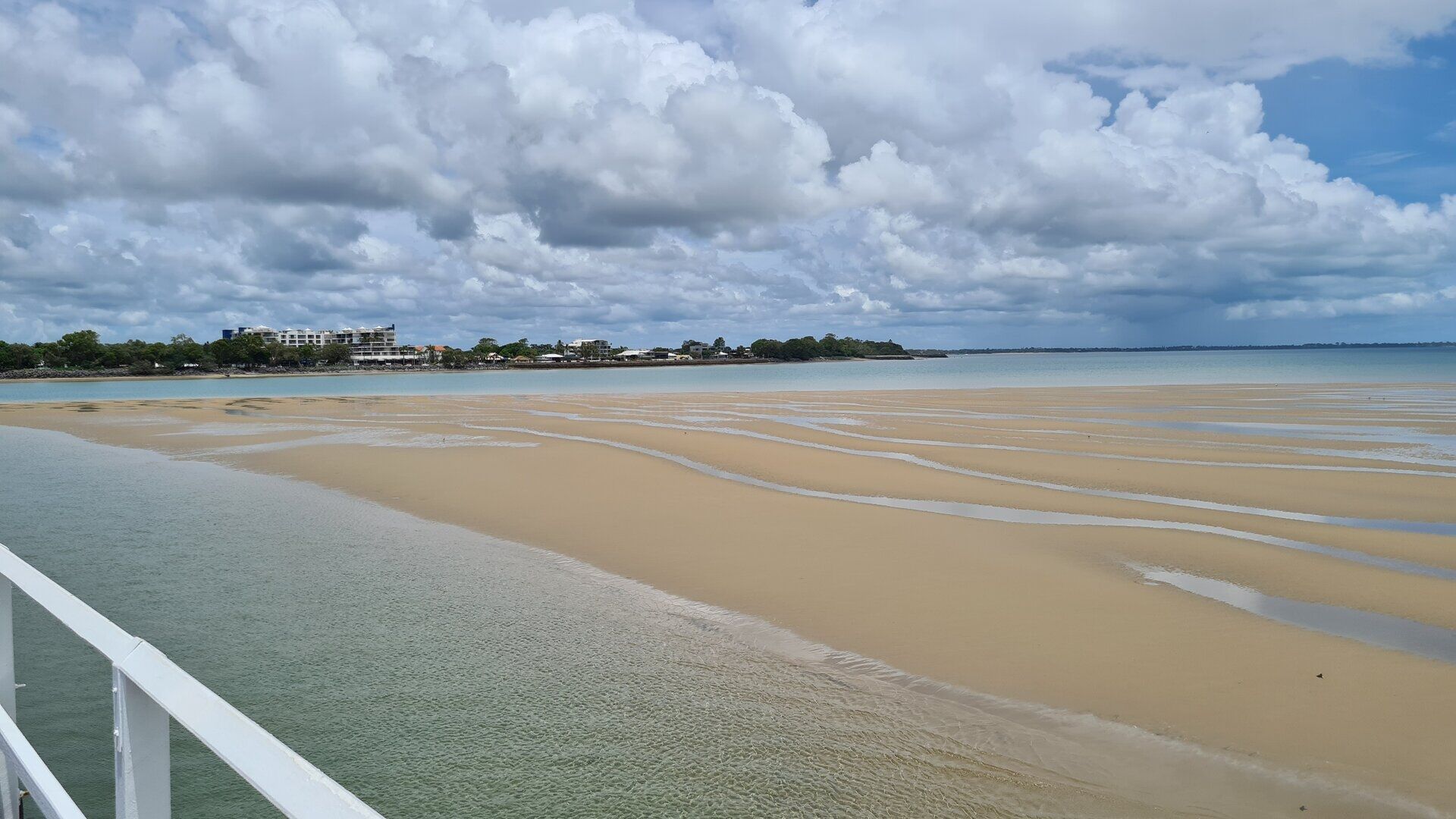
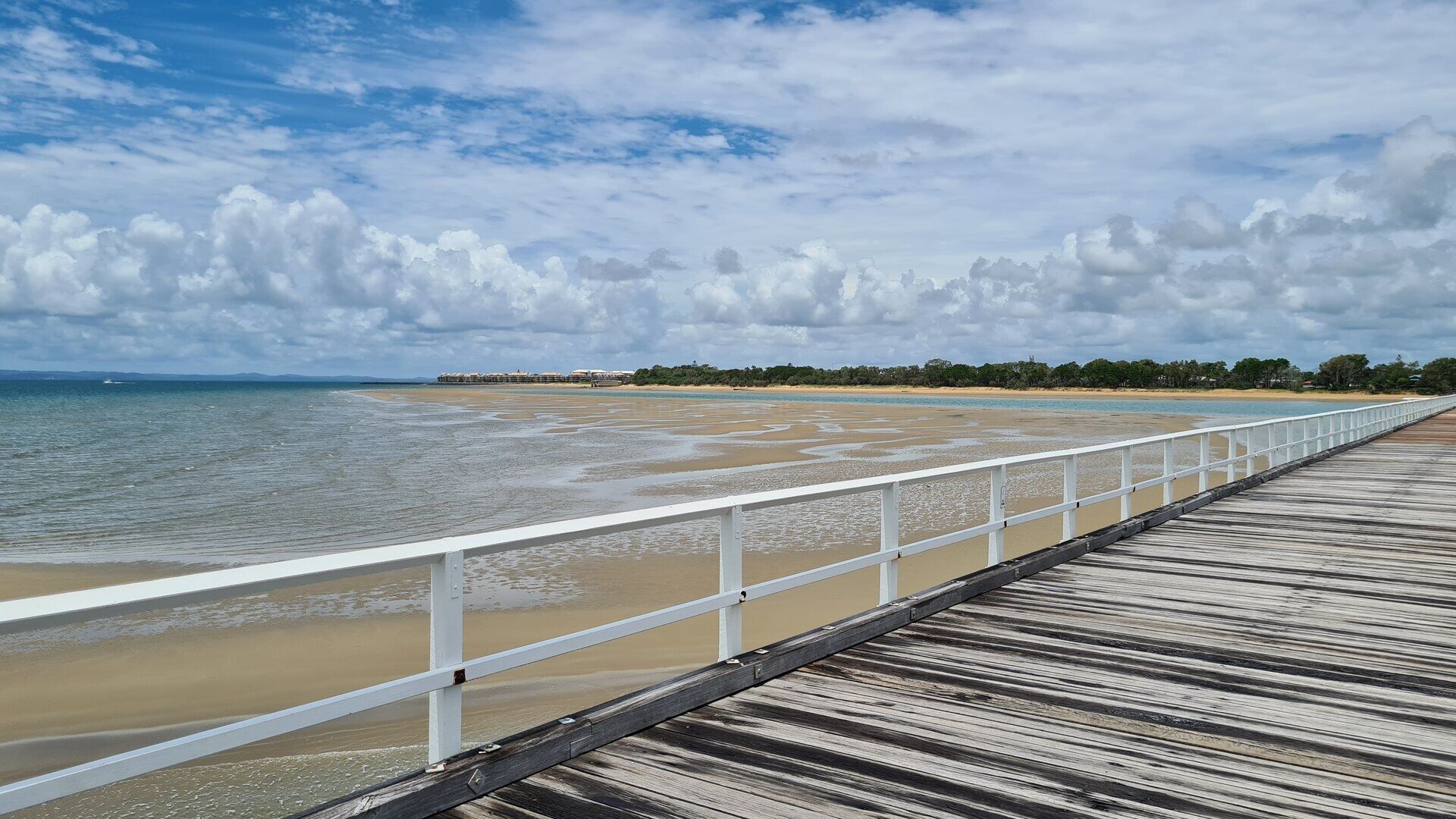
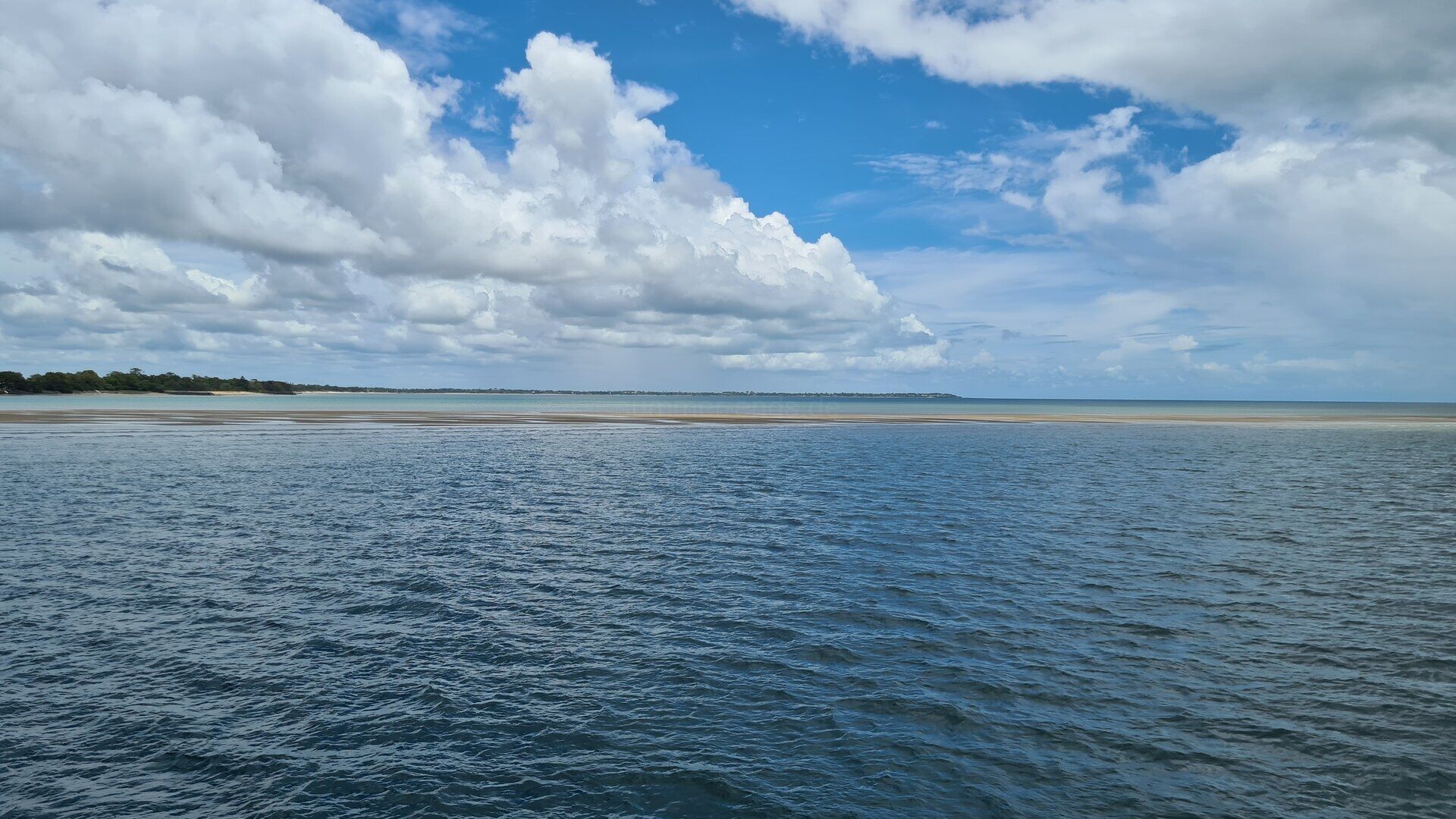
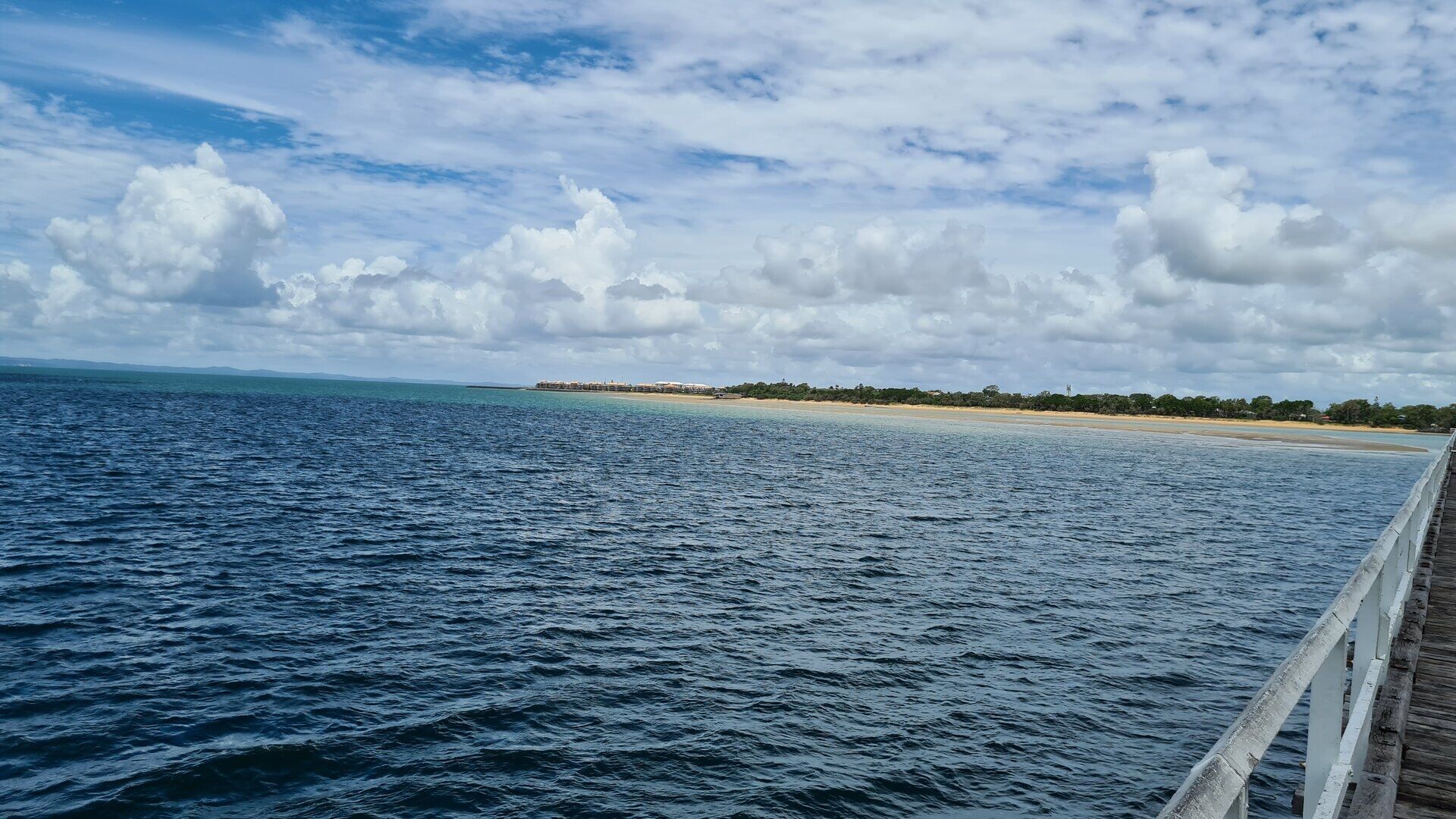
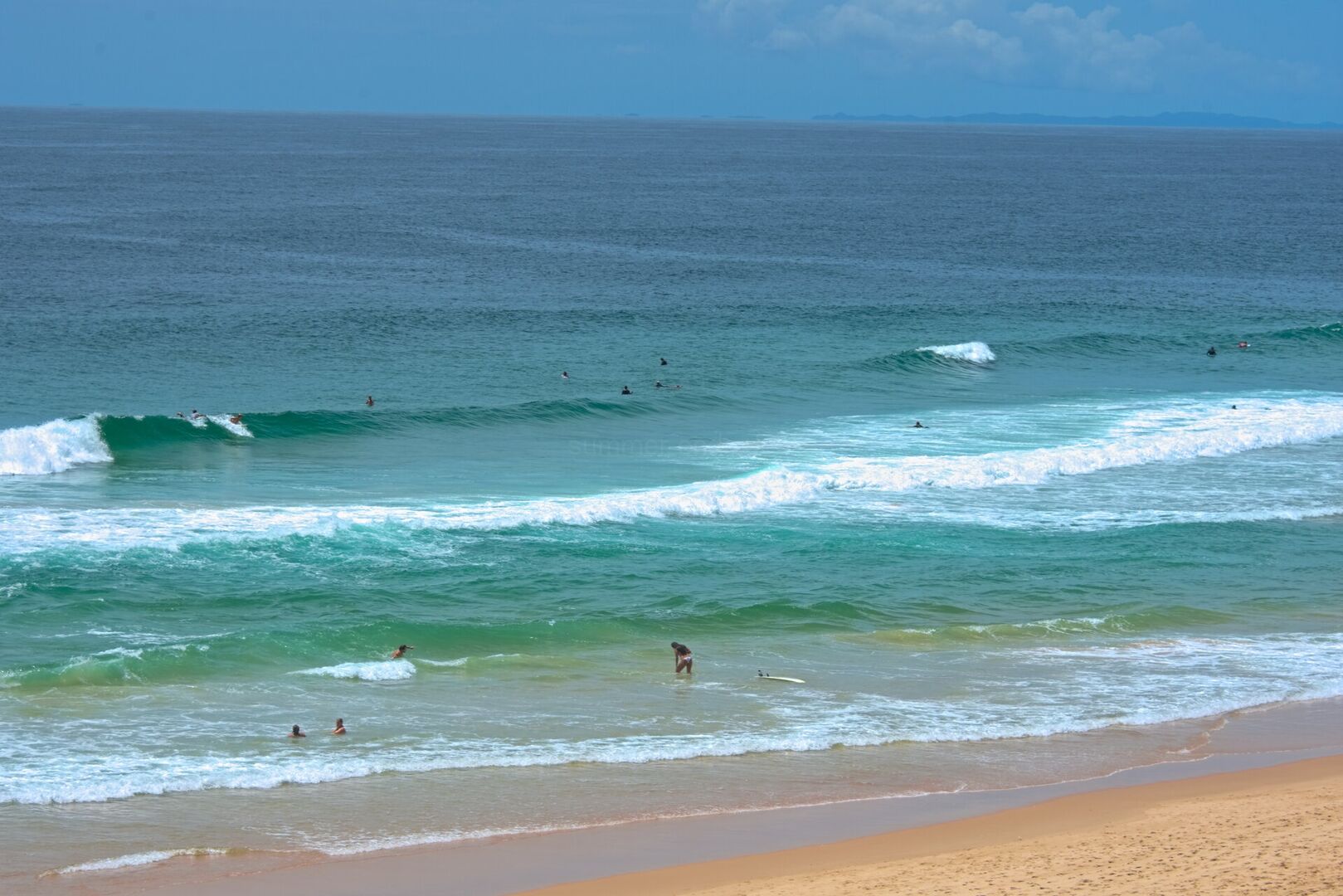
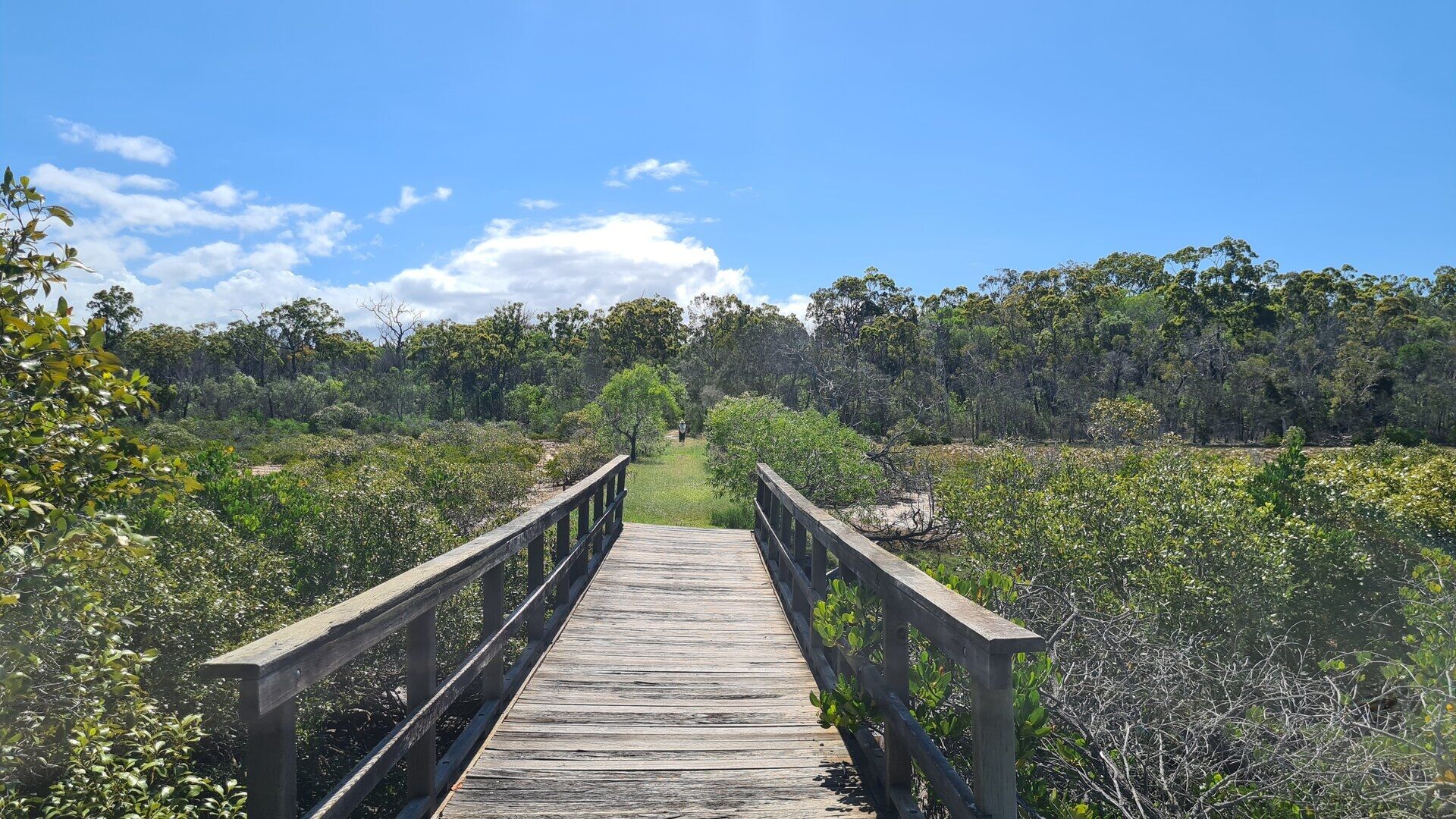
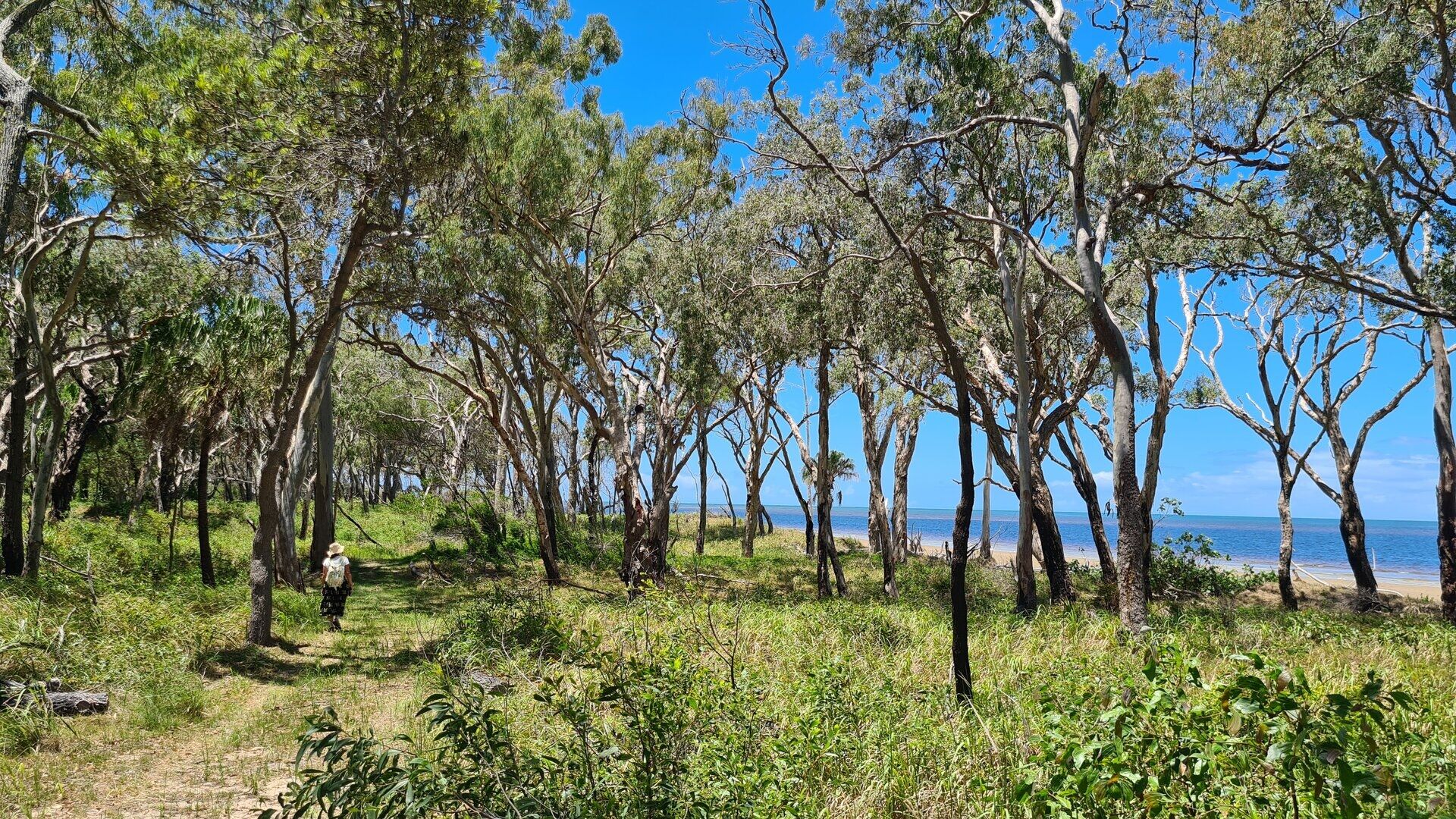
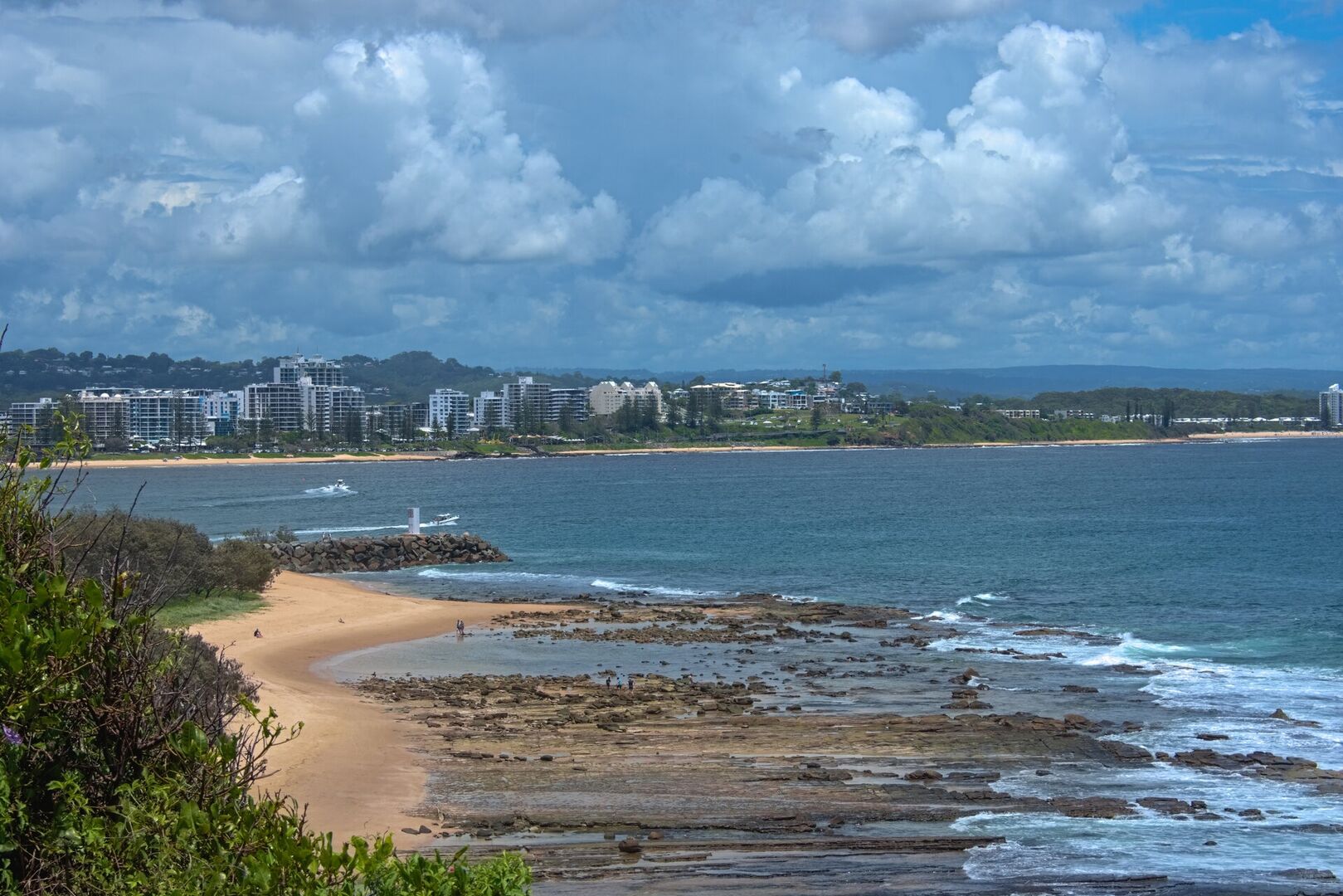
Hervey Bay is a coastal city located in the Wide Bay–Burnett region of Queensland, Australia. Situated approximately 290 kilometers north of Brisbane, it lies along the sheltered waters of the Great Sandy Strait, facing K’gari (Fraser Island). The city is well known for its relaxed coastal lifestyle, natural environment, and strong connection to marine tourism.
Hervey Bay is composed of several seaside suburbs, including Urangan, Torquay, Scarness, and Pialba, which together form a linear urban area along the coastline. With a population of over 55,000 residents, it serves as a regional center for healthcare, education, retail, and tourism.
The city enjoys a subtropical climate with mild winters and warm summers, making it attractive for year-round living and tourism. Hervey Bay is particularly popular with retirees and families, offering a slower pace of life compared to larger metropolitan areas while still providing essential services and infrastructure.
History
Before European settlement, the Hervey Bay region was inhabited by the Butchulla people, the Traditional Owners of the land and sea country that includes K’gari and the surrounding mainland. The Butchulla people maintained a deep cultural and spiritual connection to the coastal and marine environment, relying on fishing, hunting, and seasonal movement.
European exploration of the area began in the early 19th century, with the bay named after Augustus John Hervey, a British naval officer. Early European activity focused on timber extraction, fishing, and small-scale agriculture. Settlement remained limited for much of the 19th century due to the area’s relative isolation.
Development accelerated in the mid-20th century with improvements in road infrastructure and the growth of tourism. Hervey Bay gradually expanded from a collection of small coastal communities into a unified city. In recent decades, it has continued to grow as a tourism destination and regional service hub, while maintaining its strong connection to the natural environment.
Geology
Hervey Bay’s geology is shaped primarily by coastal and marine processes rather than tectonic activity. The city sits on a low-lying coastal plain formed by sand, silt, and alluvial deposits laid down over thousands of years by rivers and ocean currents.
The presence of K’gari (Fraser Island), the world’s largest sand island, plays a significant role in shaping the bay’s calm waters. The island acts as a natural barrier, protecting the coastline from strong ocean swells and contributing to the region’s gentle beaches and stable marine conditions.
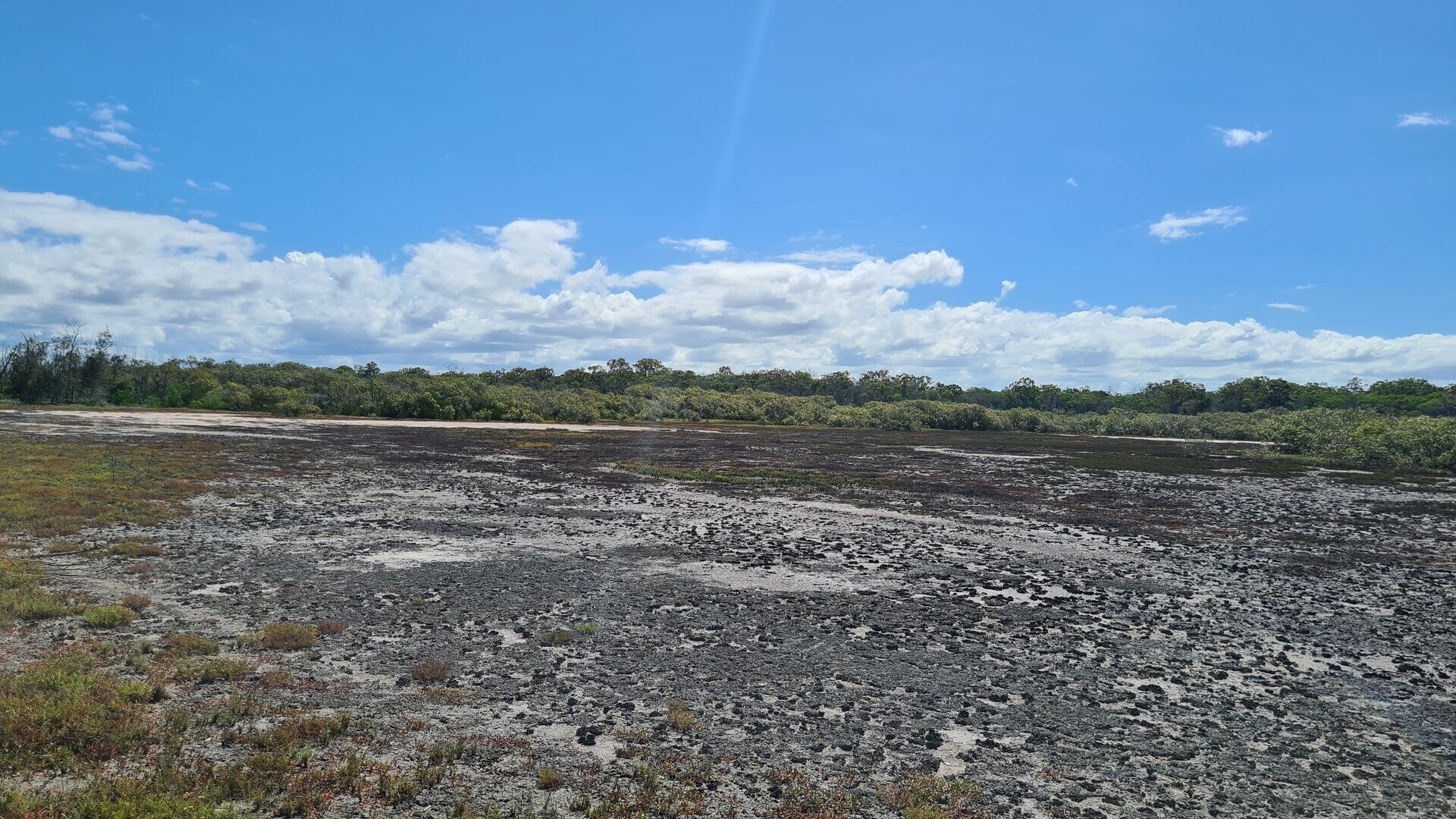
The surrounding geological environment includes estuaries, wetlands, and tidal flats, which support diverse ecosystems. These features are particularly important for coastal management, flood control, and habitat conservation.
Things to See
Hervey Bay offers a variety of attractions centered around nature, marine life, and coastal recreation:
Marine and Coastal Attractions
- Whale watching, as Hervey Bay is a major resting area for humpback whales during migration
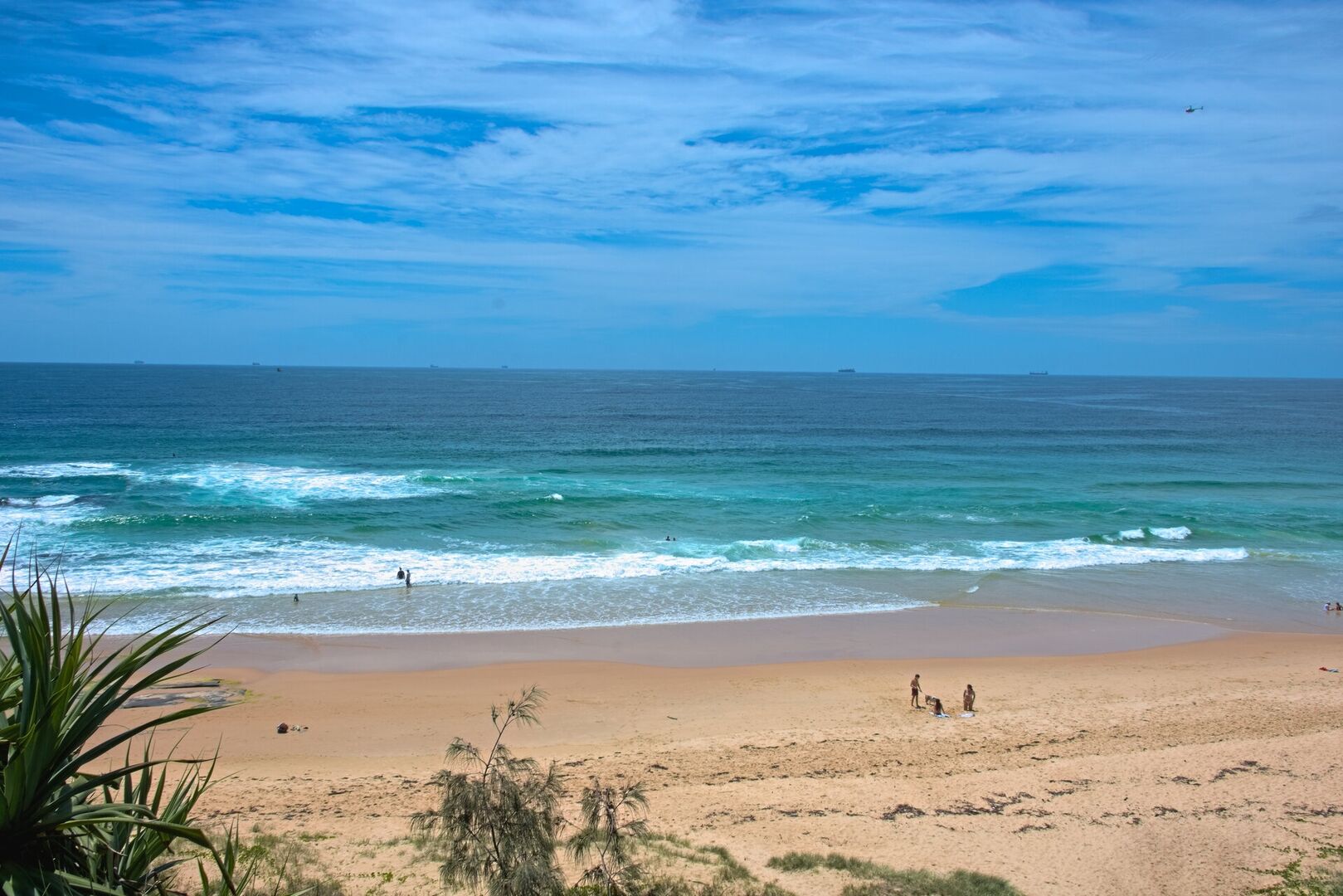
- Calm, sandy beaches ideal for swimming and family activities
- The Hervey Bay Esplanade, featuring walking and cycling paths along the coastline
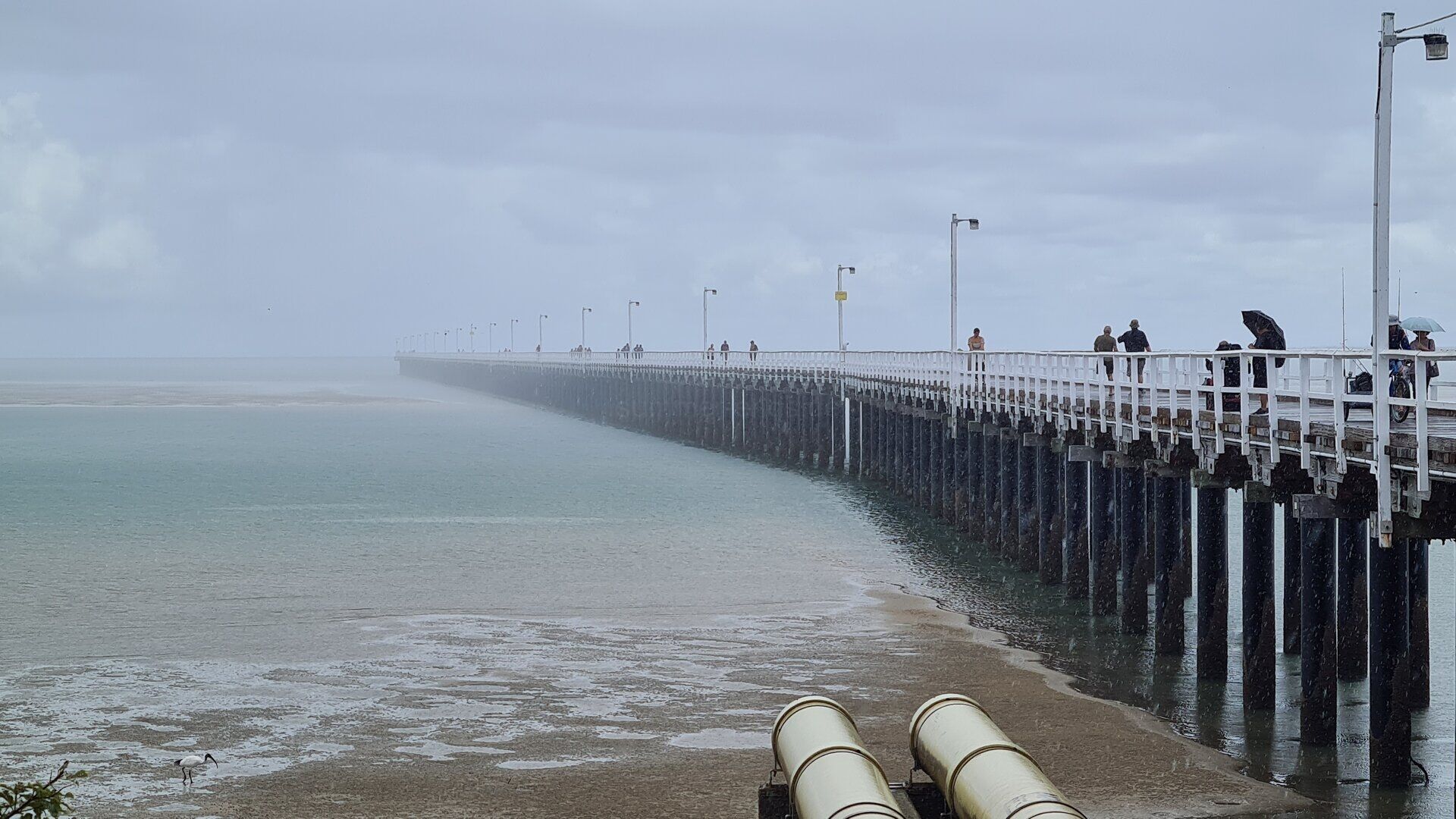
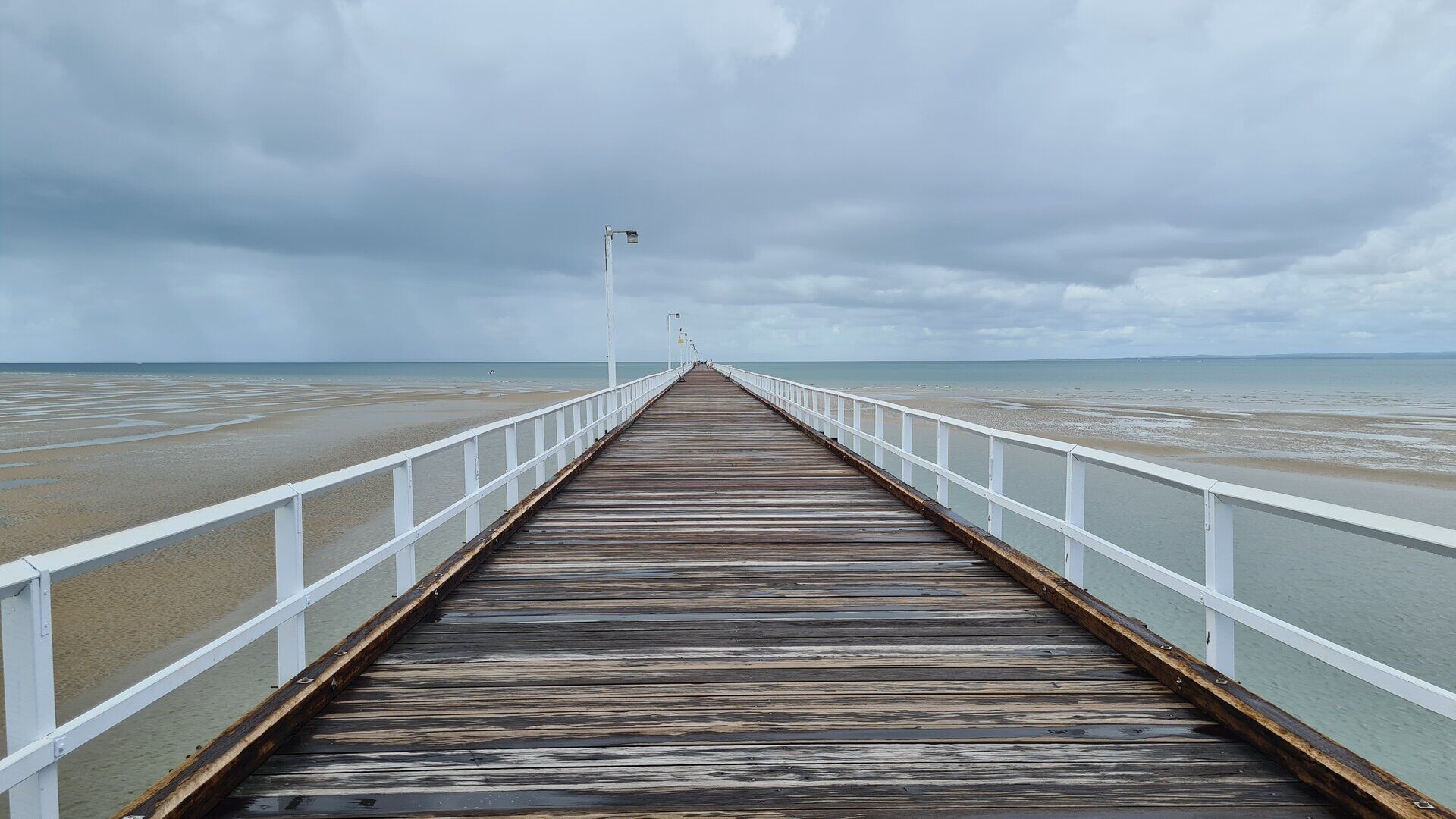
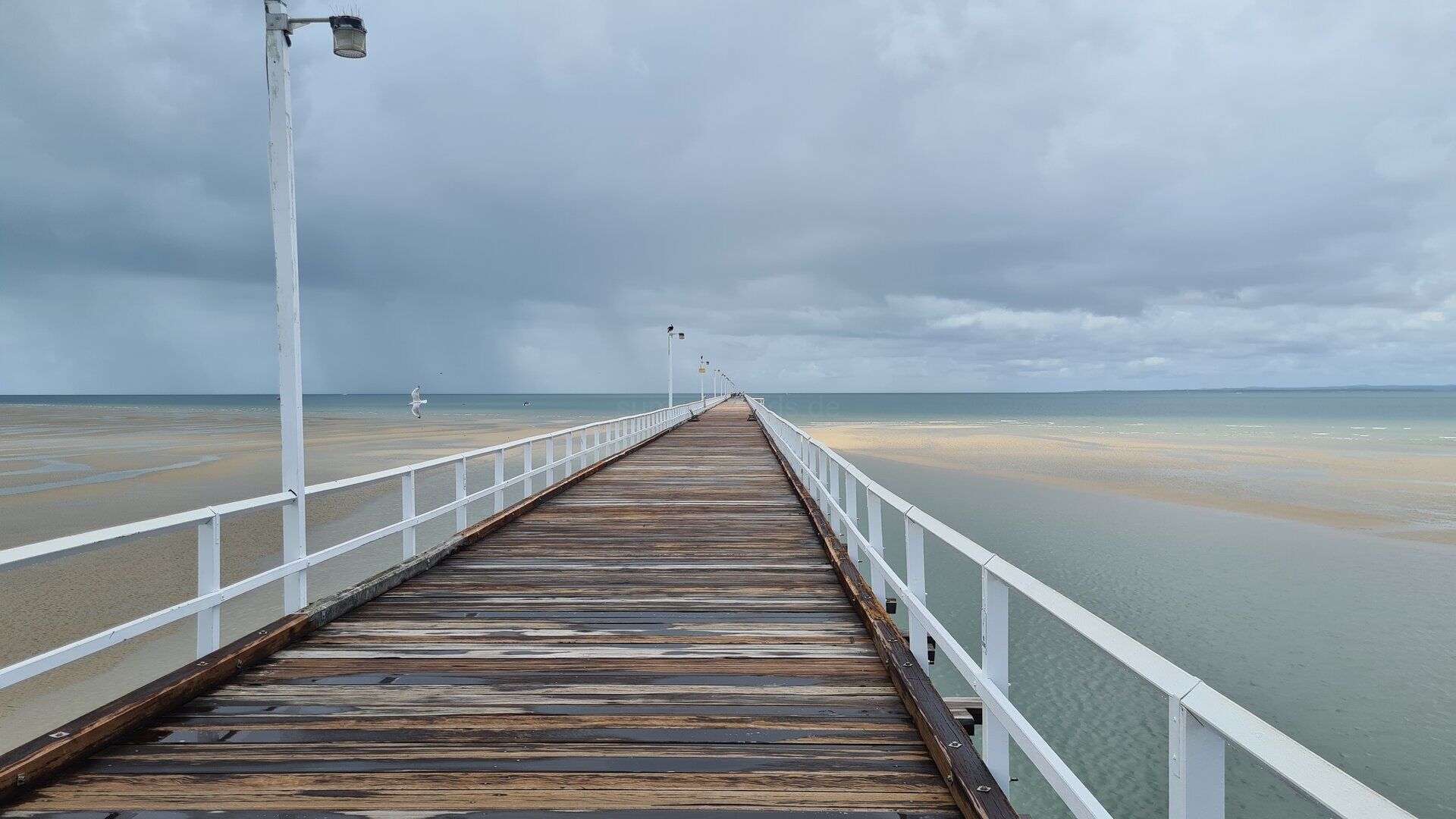
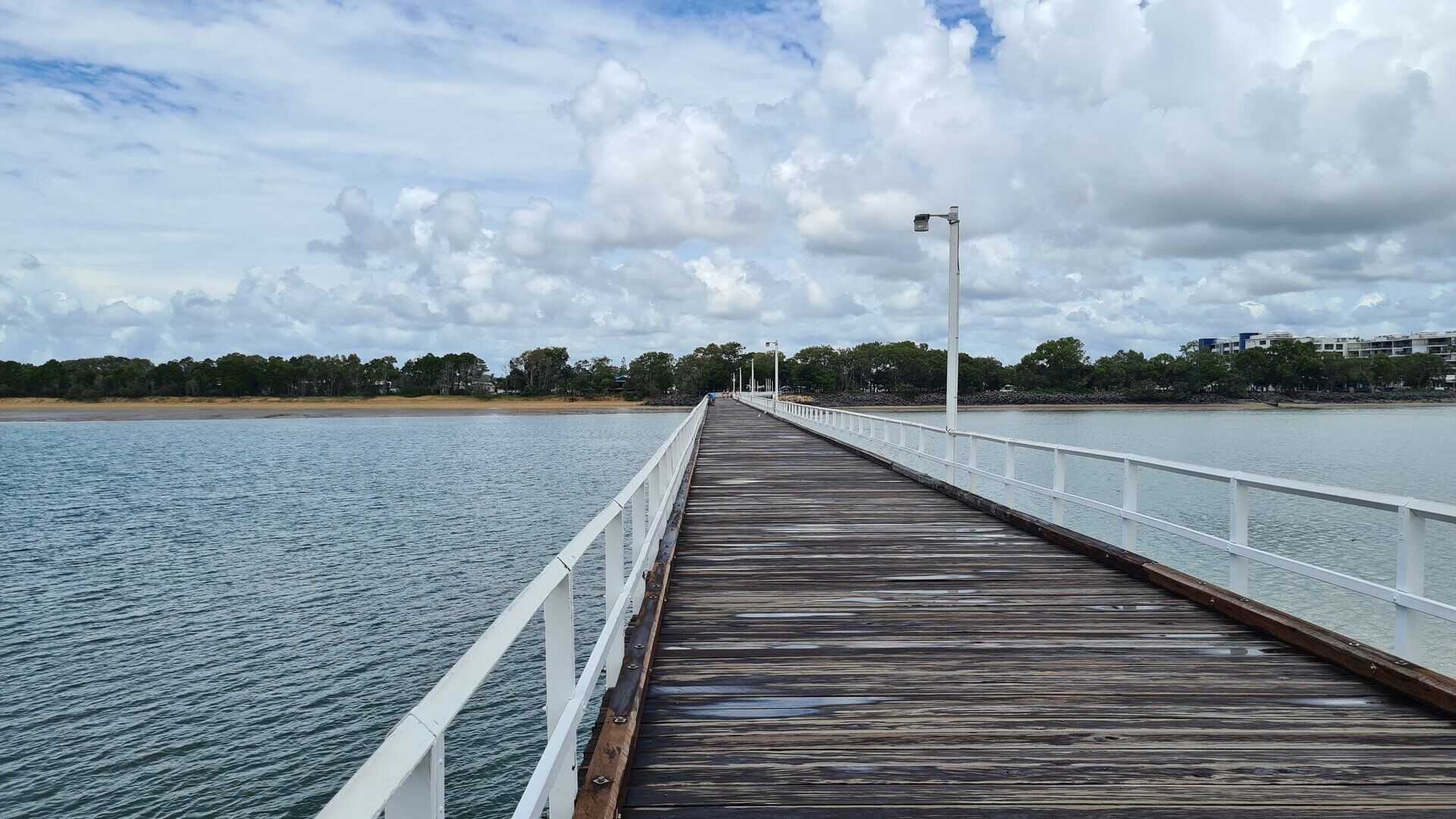
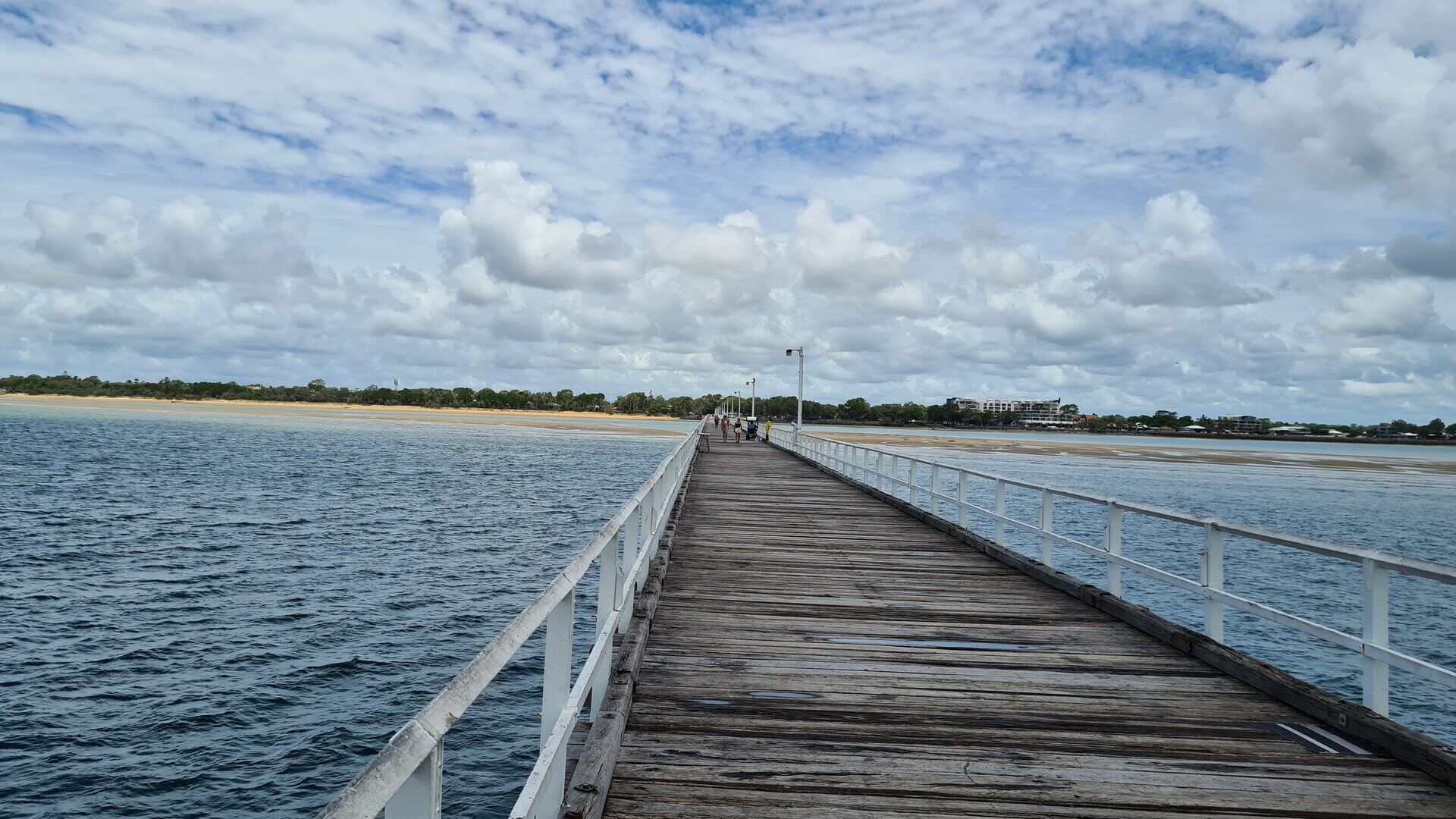
- Urangan Pier, a historic landmark extending into the bay
Natural and Environmental Sites
- Great Sandy Strait, rich in marine biodiversity
- Nearby access to K’gari (Fraser Island), a UNESCO World Heritage site
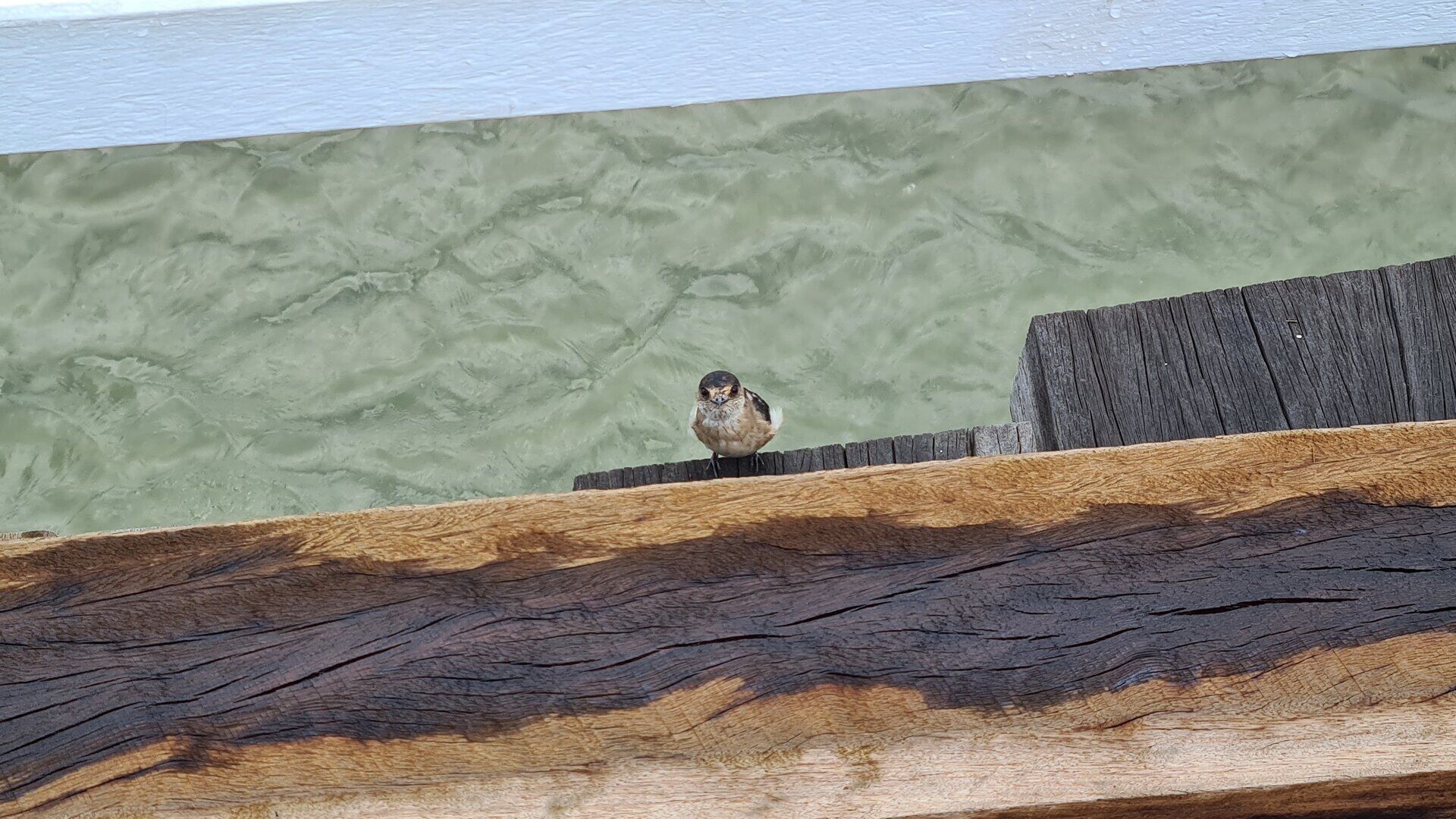
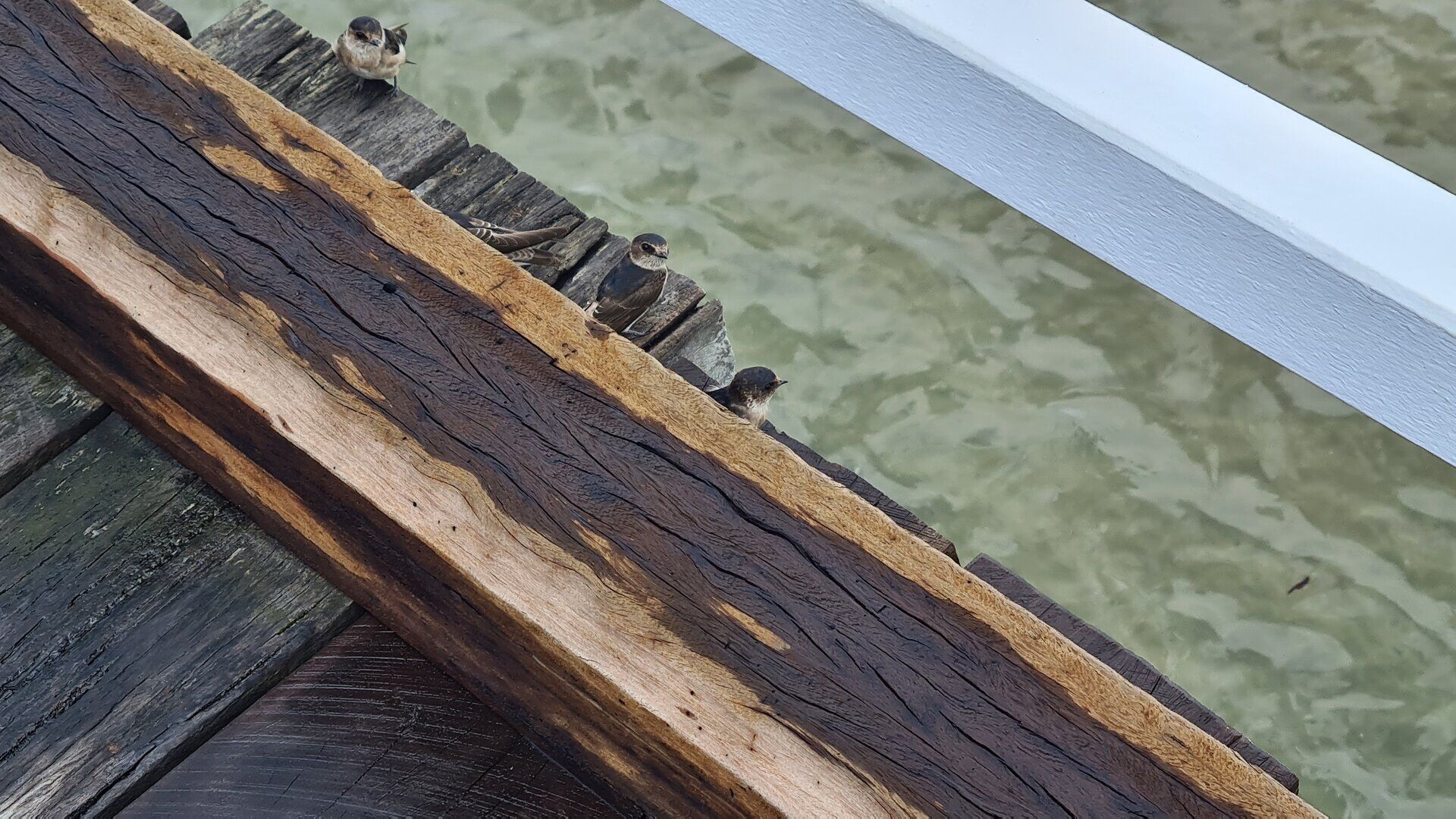
- Wetlands and birdwatching areas
- Coastal parks and conservation reserves
Cultural and Recreational Activities
- Hervey Bay Regional Gallery and cultural centers
- Local markets and community events
- Water-based activities such as kayaking, sailing, and fishing
- Dining focused on fresh seafood and local produce