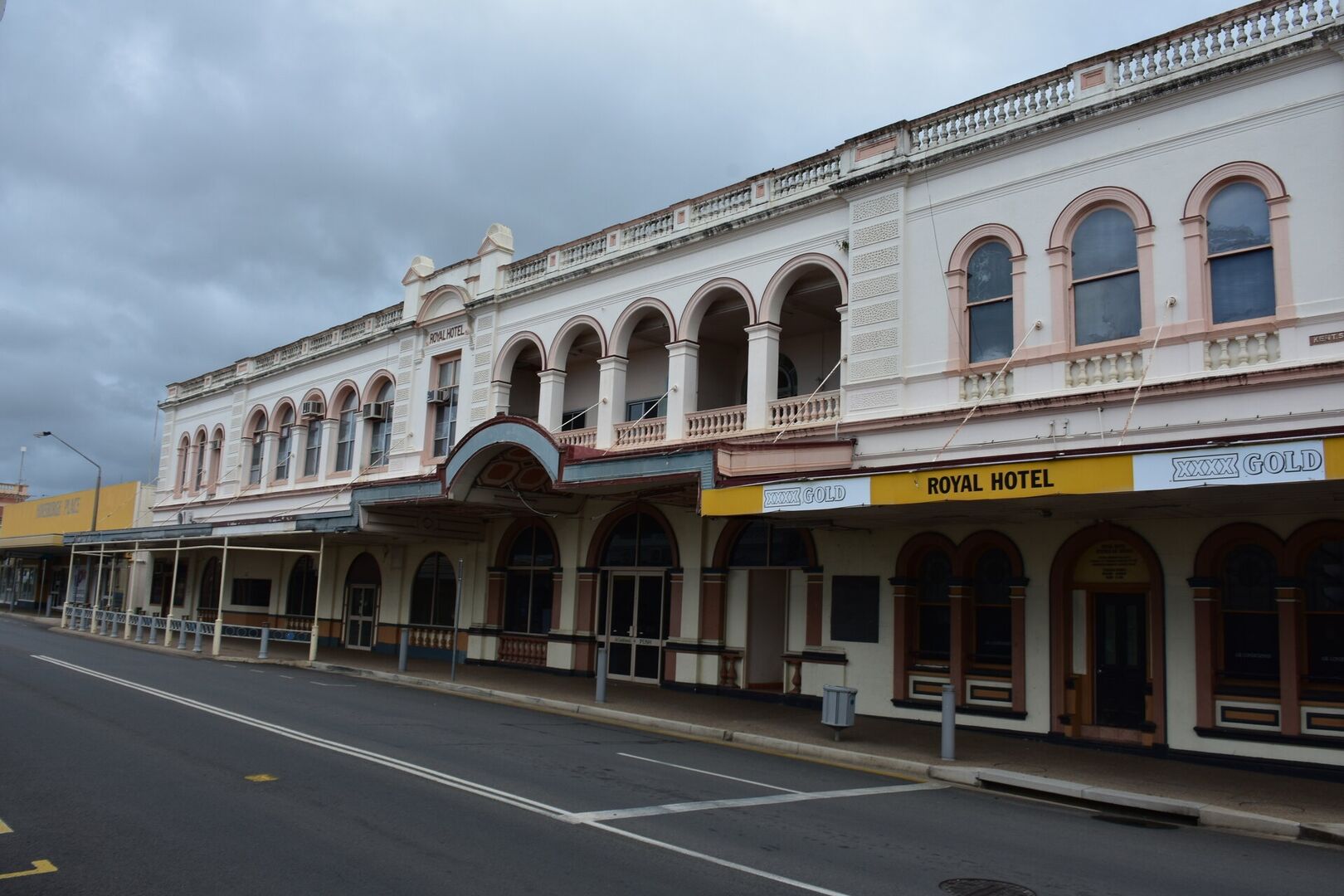
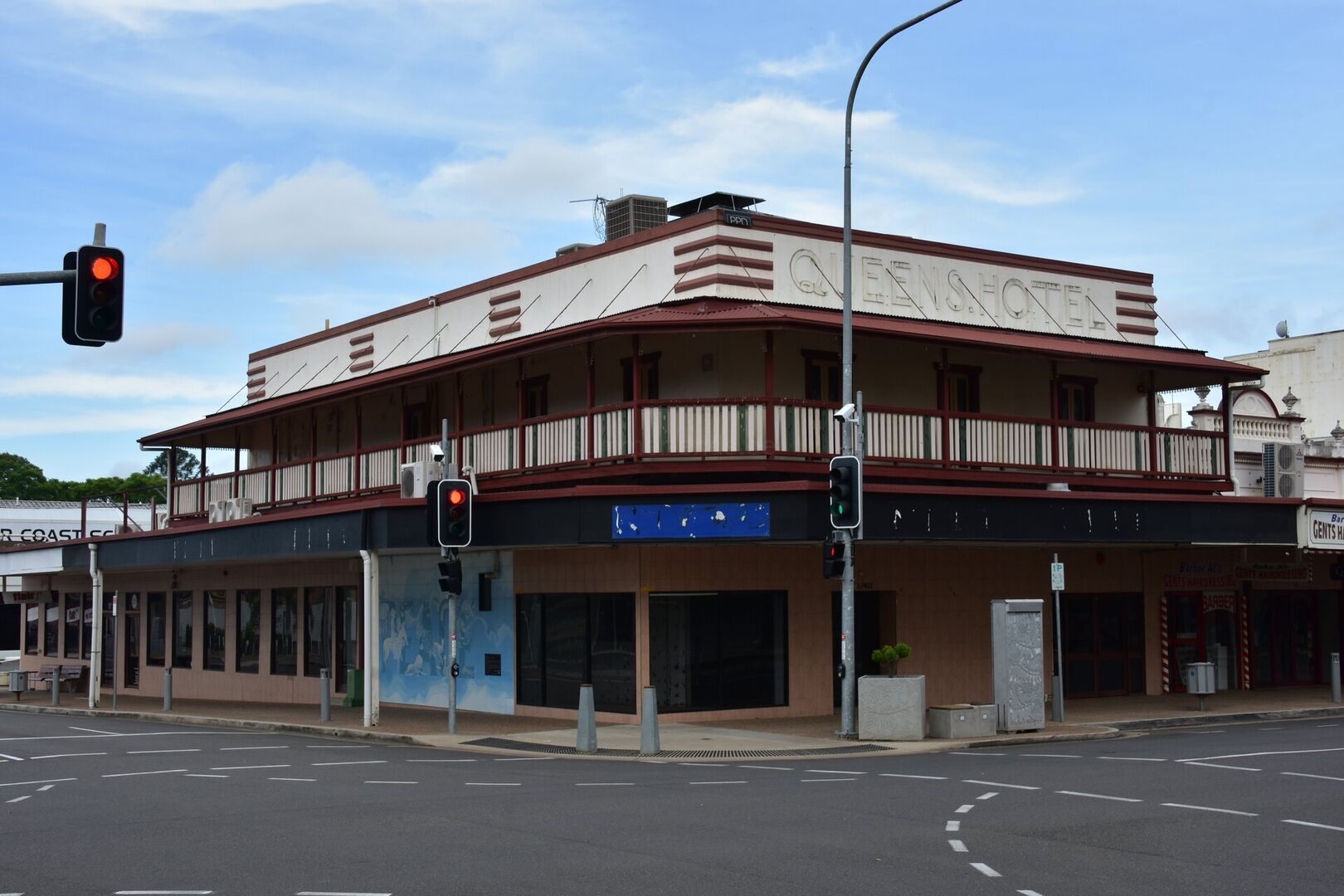
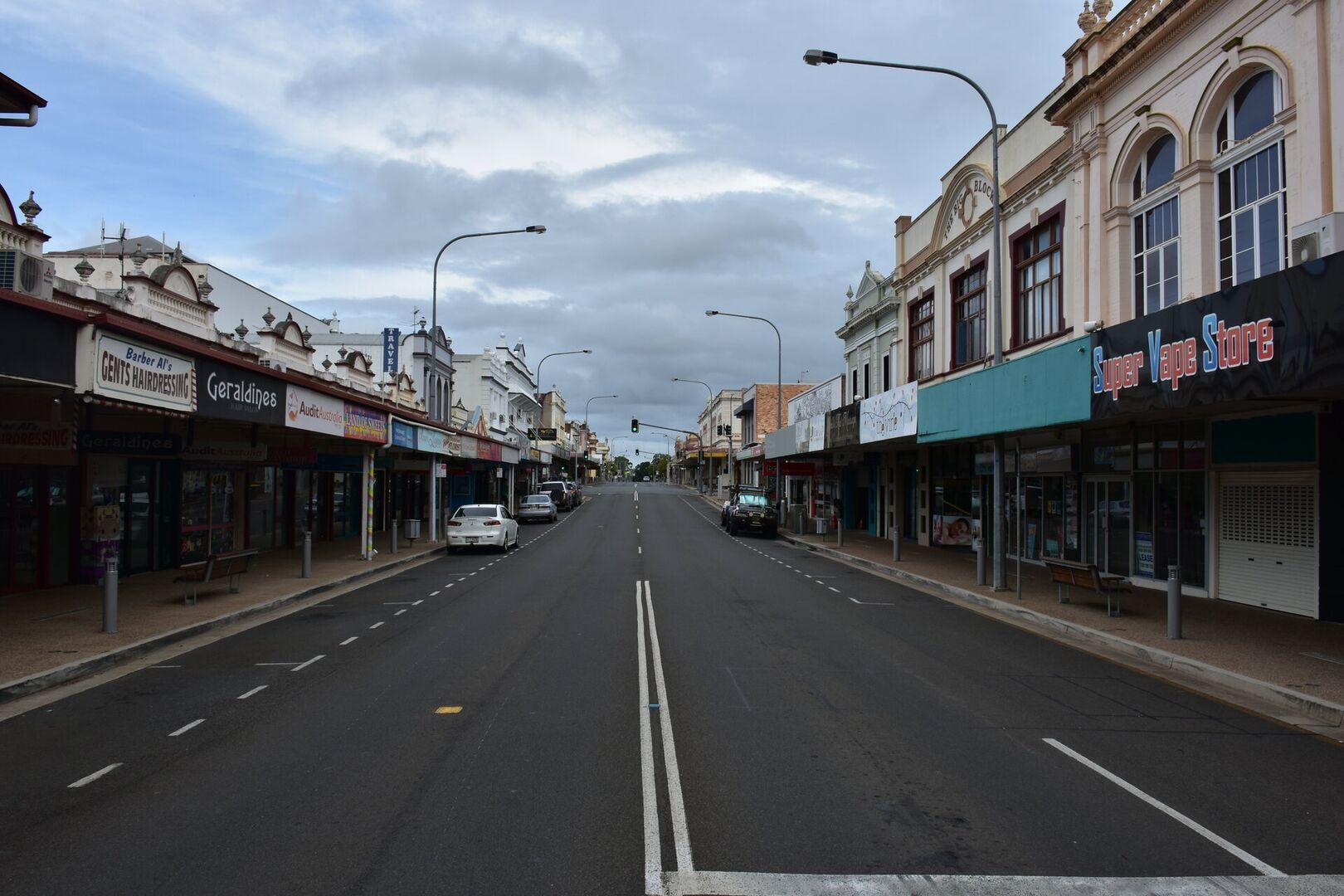
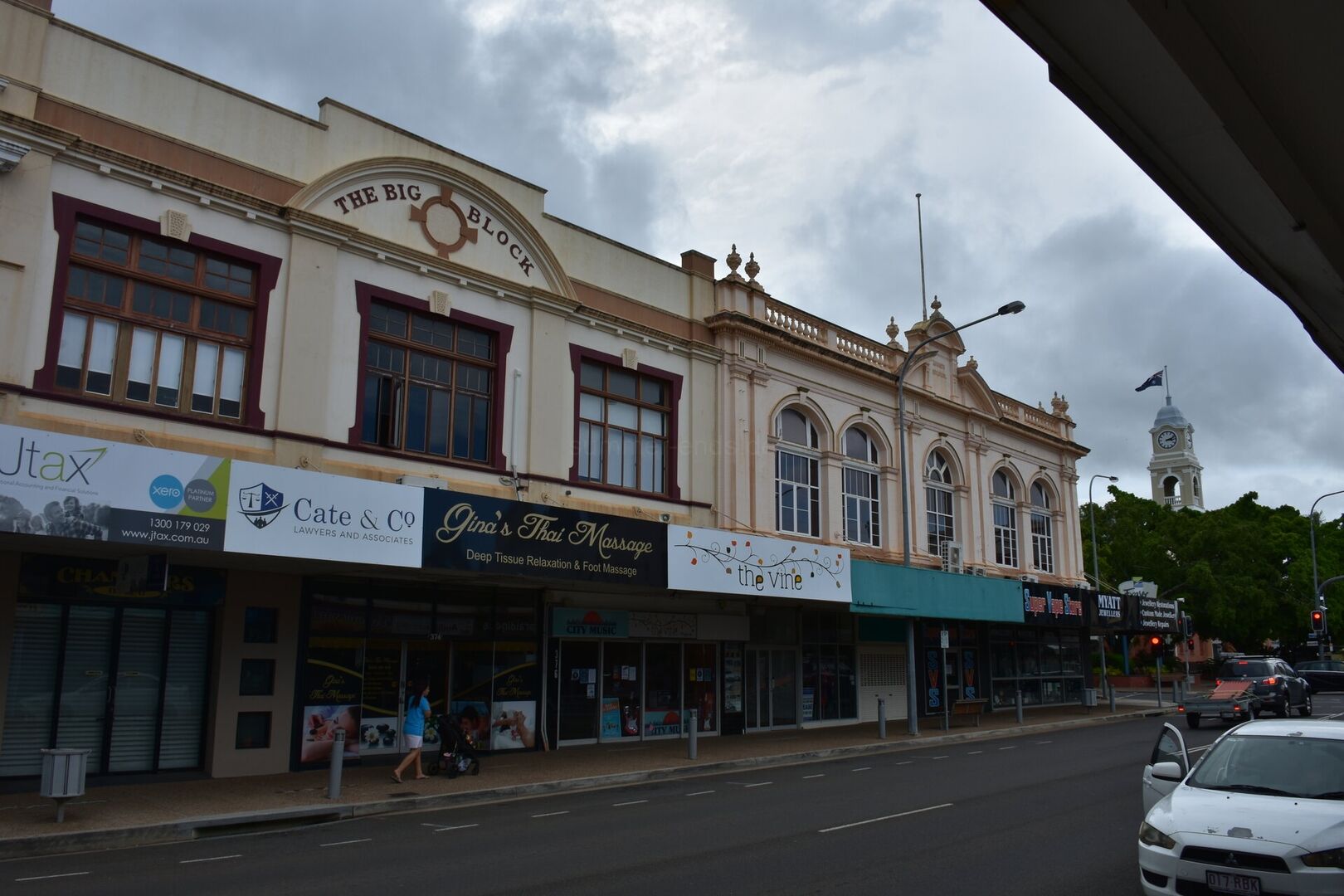
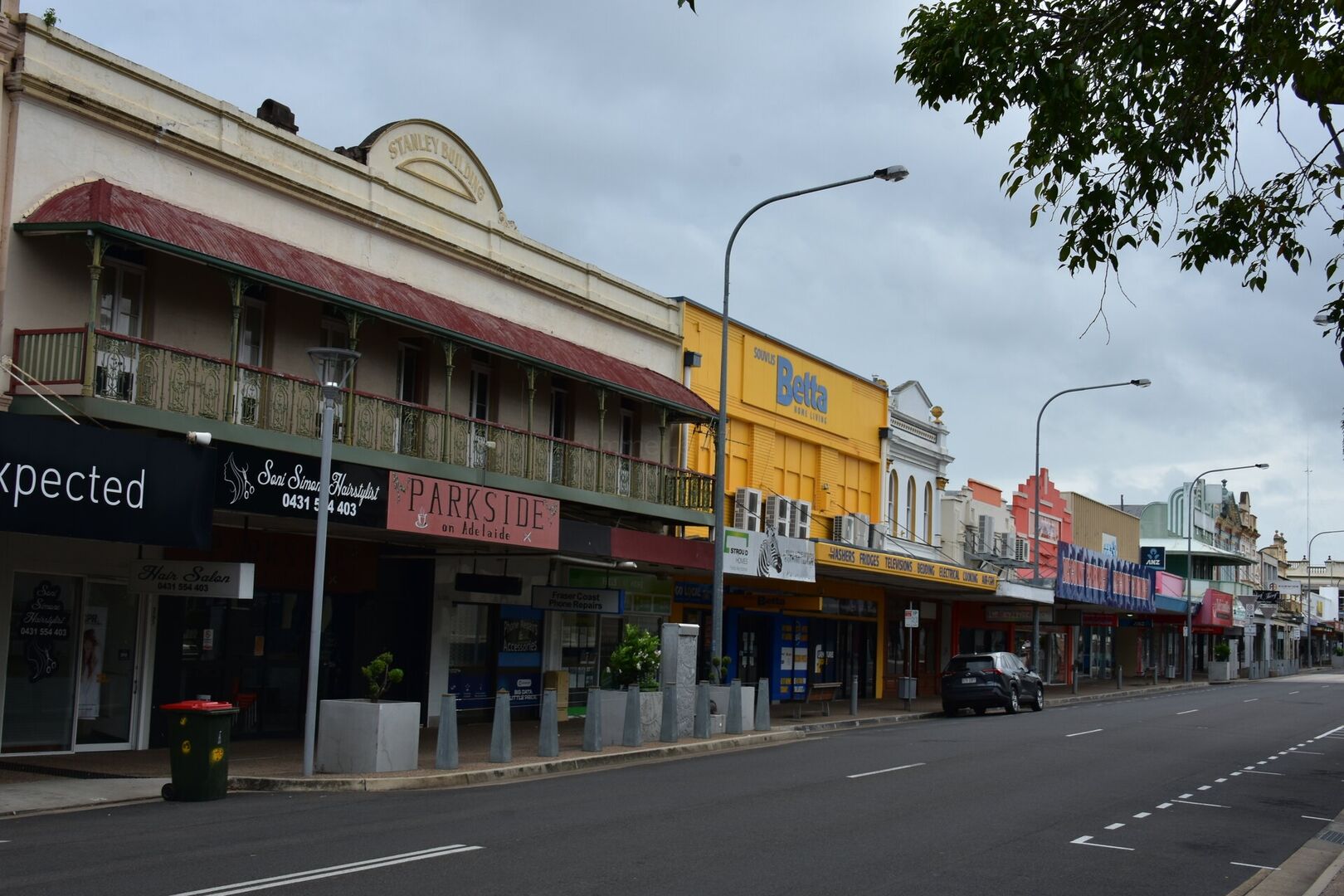
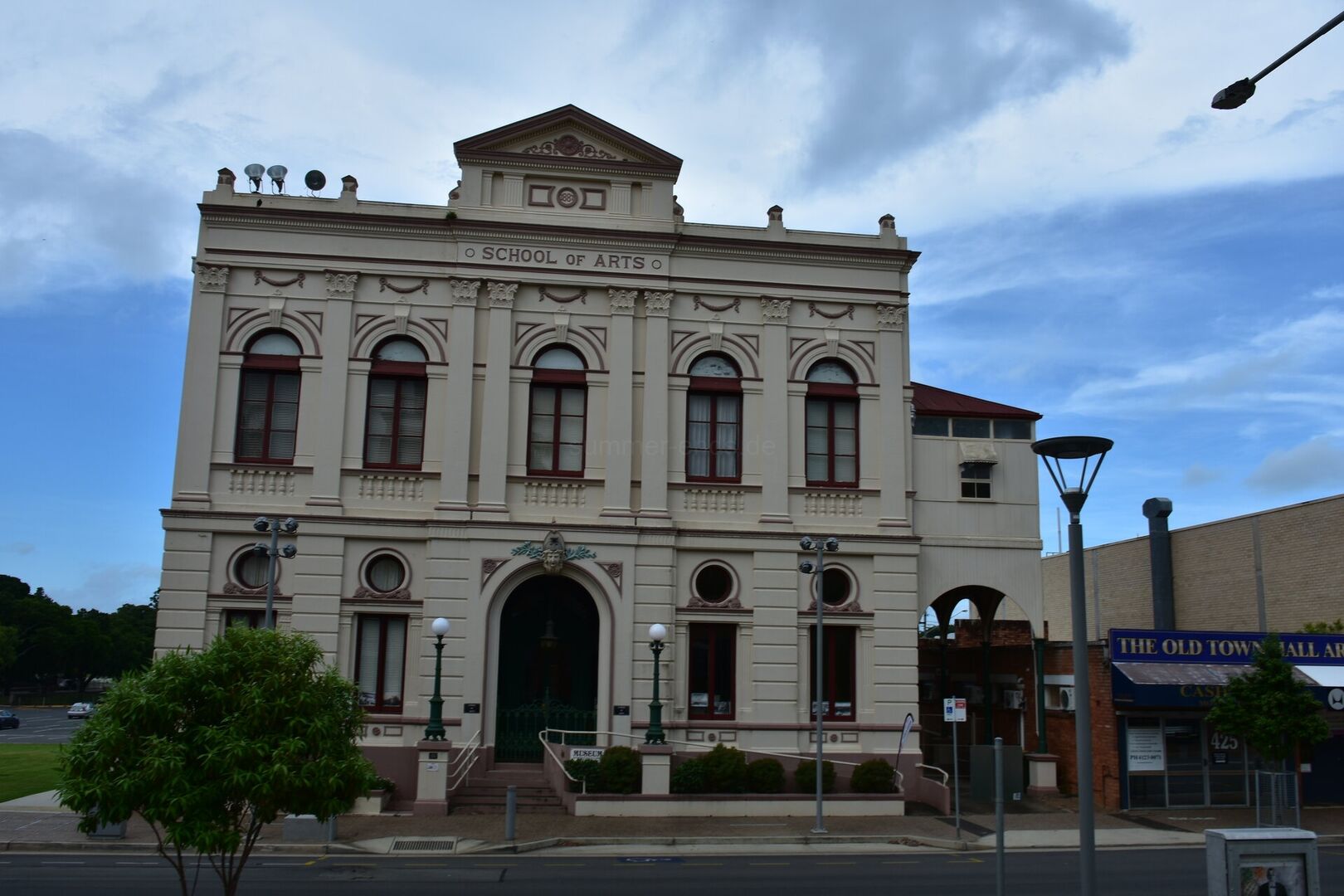
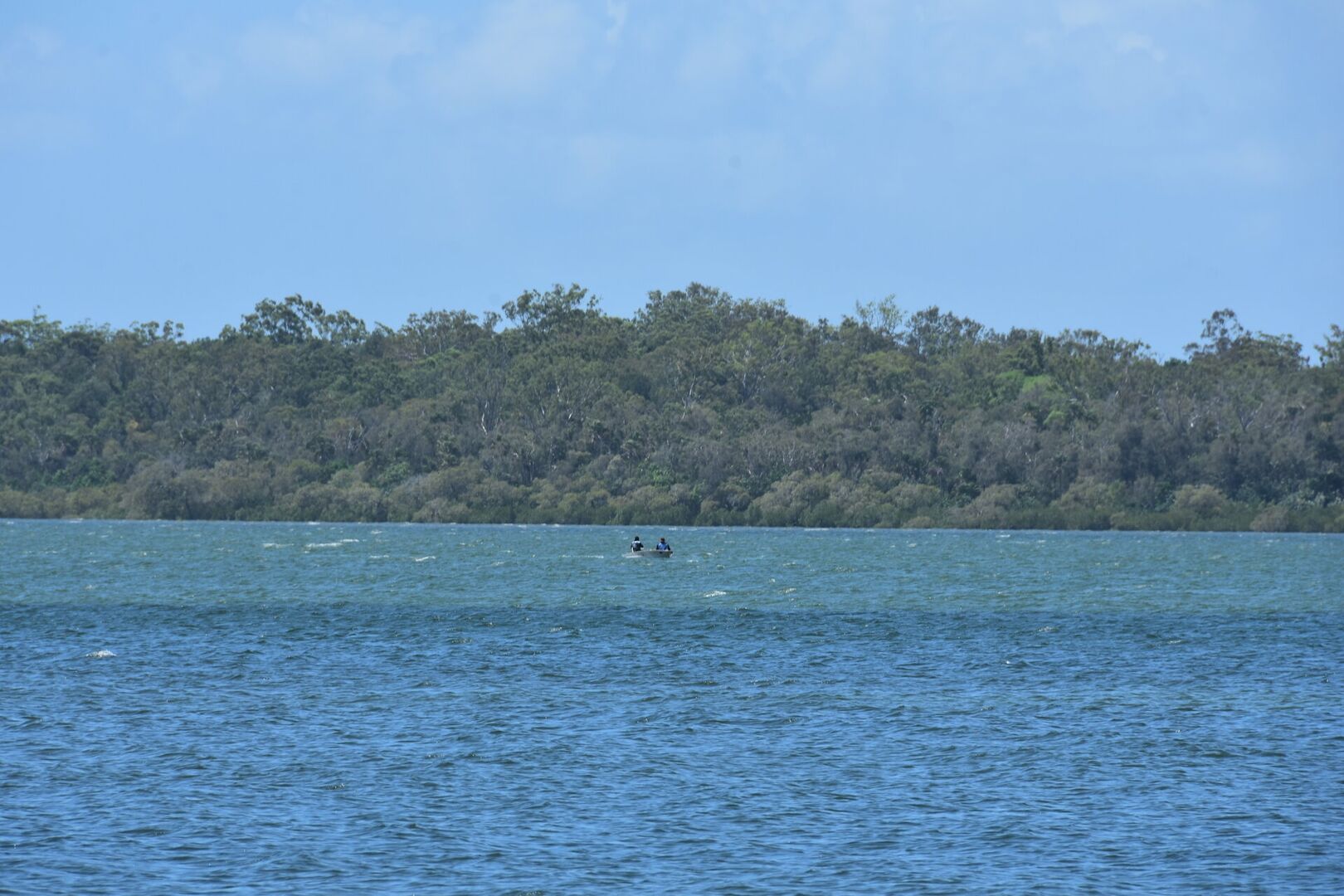
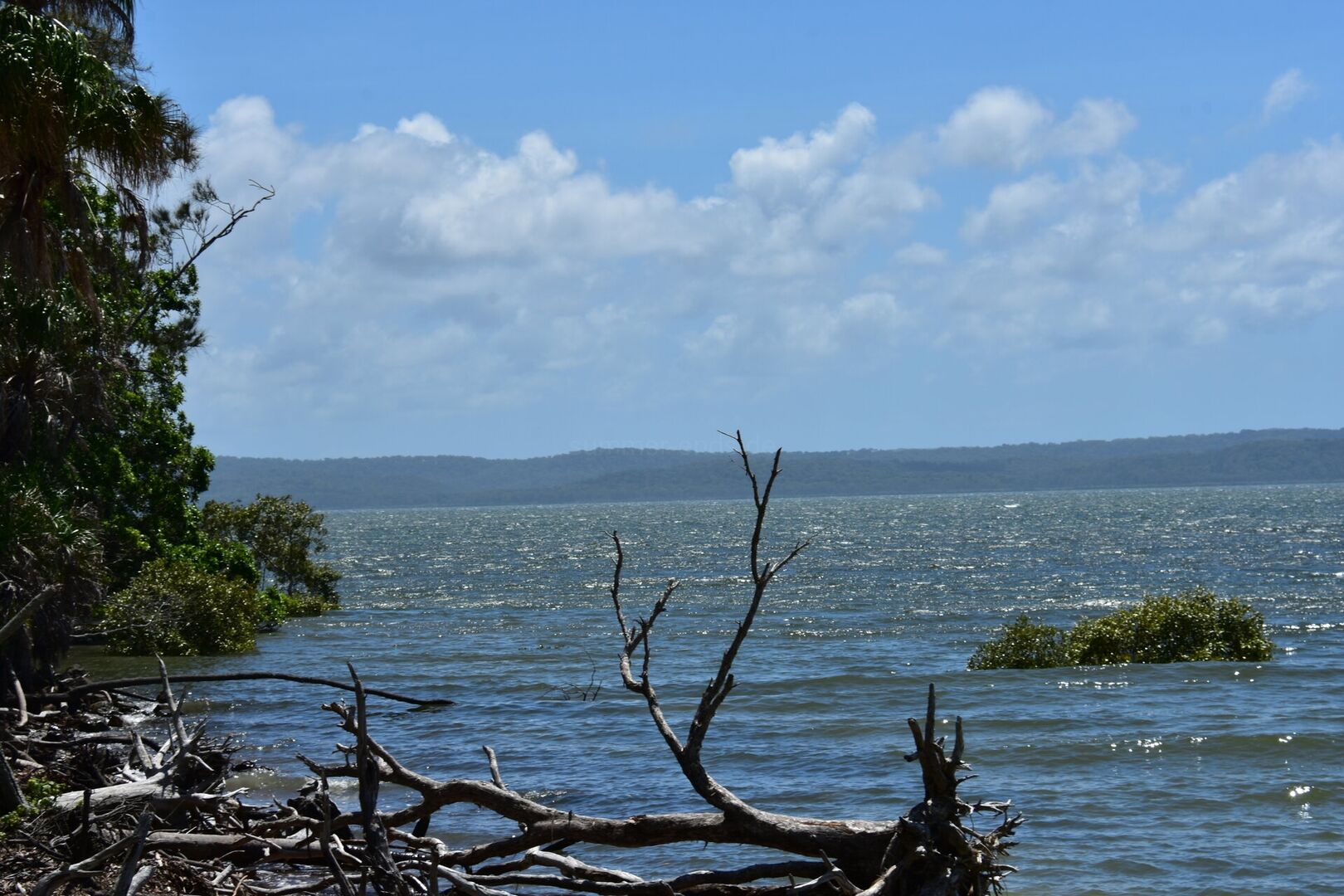
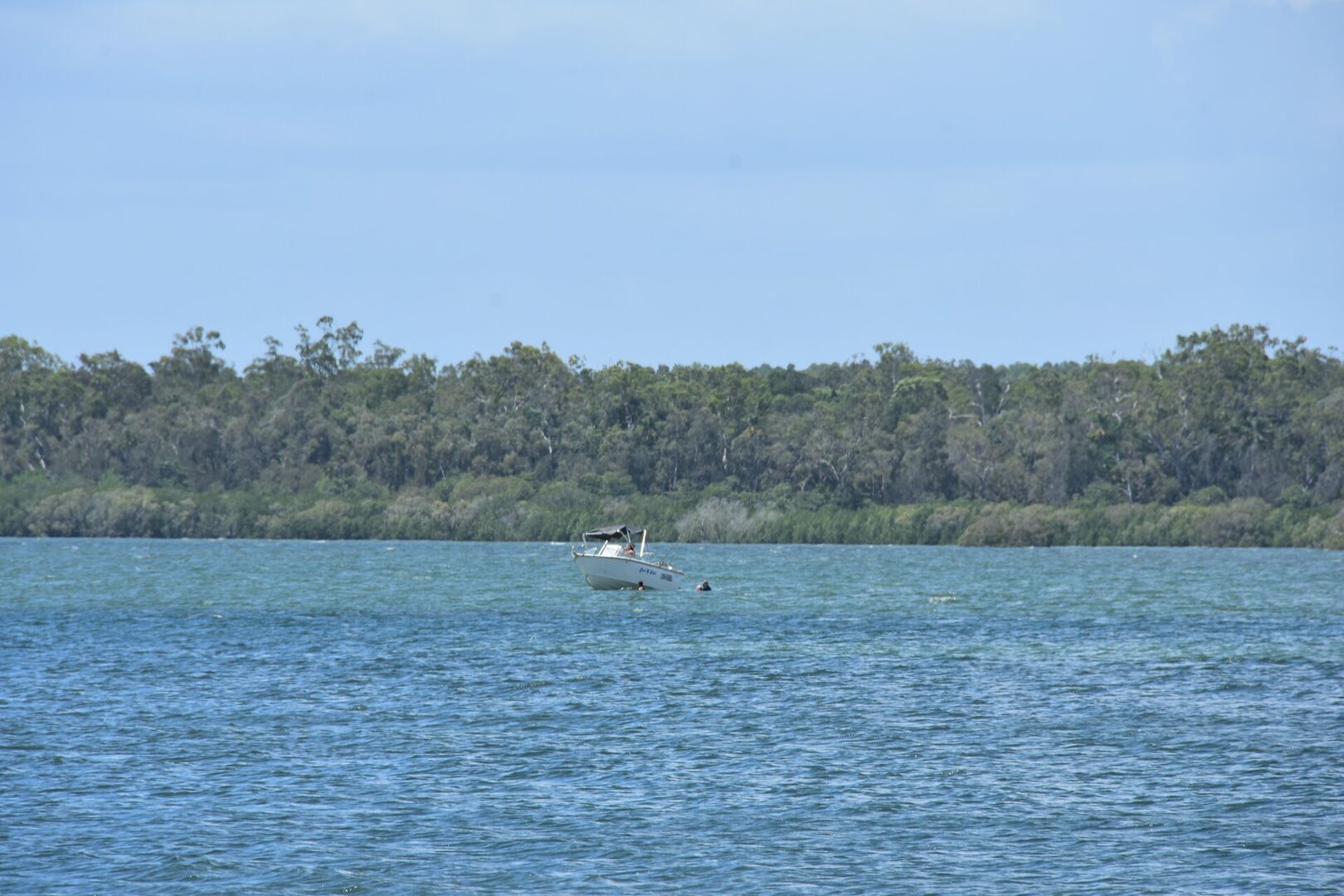
Hervey Bay is a coastal city in the Wide Bay–Burnett region of Queensland, Australia, located approximately 290 kilometers north of Brisbane. Positioned along the sheltered waters of the Great Sandy Strait and facing K’gari (Fraser Island), the city benefits from calm seas, gentle beaches, and a strong connection to marine environments. This unique setting has shaped both its lifestyle and economic development.
The city is formed by a series of interconnected seaside suburbs, including Urangan, Torquay, Scarness, Pialba, and Point Vernon. Together, these areas create a continuous coastal urban zone rather than a single central downtown. With a population exceeding 55,000 residents, Hervey Bay functions as an important regional service center, providing healthcare, education, retail, and administrative services to surrounding communities.
Hervey Bay has a subtropical climate characterized by warm summers, mild winters, and relatively low seasonal temperature extremes. This climate supports outdoor activities throughout the year and contributes to the city’s popularity among retirees, families, and long-term visitors. The local economy is driven by tourism, healthcare, construction, education, and marine-related industries.
History
The Hervey Bay region has been home to the Butchulla people for thousands of years. As the Traditional Owners of both the mainland and K’gari, the Butchulla people developed a deep cultural relationship with the land and sea, relying on fishing, shellfish gathering, and seasonal movement. Their cultural heritage remains an important part of the region’s identity and is increasingly recognized through education and conservation initiatives.
European exploration of the area began in the early 19th century, and the bay was named after Augustus John Hervey. Early European settlement was limited, with small-scale activities focused on timber extraction, fishing, and agriculture. The area’s isolation and lack of major transport routes slowed development during the 19th century.
Significant growth occurred during the 20th century as road infrastructure improved and coastal tourism expanded. What were once separate small beachside communities gradually merged into a single urban area. In the late 20th and early 21st centuries, Hervey Bay experienced steady population growth, particularly among retirees and lifestyle migrants, while maintaining a relatively low-density, relaxed urban form.
Geology
Hervey Bay’s geology is dominated by coastal and sedimentary processes rather than mountain-building or volcanic activity. The city is built on a low-lying coastal plain consisting mainly of sand, clay, and alluvial deposits formed over thousands of years by river systems and marine currents.
A defining geological feature of the region is K’gari, the world’s largest sand island, which lies just offshore. The island acts as a natural barrier that shields Hervey Bay from ocean swells, creating calm waters within the Great Sandy Strait. This geological protection is a key factor in the area’s suitability for boating, swimming, and whale migration.
The surrounding environment includes tidal flats, mangroves, wetlands, and estuaries, which support rich biodiversity and play an essential role in coastal stability and flood mitigation. These geological and environmental conditions require careful land-use planning and conservation to balance development and ecological preservation.
Things to See
Hervey Bay offers a range of attractions focused on marine life, natural landscapes, and relaxed coastal living:
Marine and Coastal Attractions
- Whale watching, as the bay is a major resting area for humpback whales during their annual migration
- Long, gently sloping beaches suitable for swimming and water sports
- The Hervey Bay Esplanade, a continuous coastal pathway for walking and cycling
- Urangan Pier, a historic structure extending into the bay
Natural and Environmental Sites
- The Great Sandy Strait Marine Park
- Gateway access to K’gari (Fraser Island), a UNESCO World Heritage site
- Coastal wetlands and birdwatching locations
- Nearby national parks and conservation reserves
Cultural and Recreational Activities
- Regional galleries, museums, and cultural centers
- Local markets, festivals, and community events
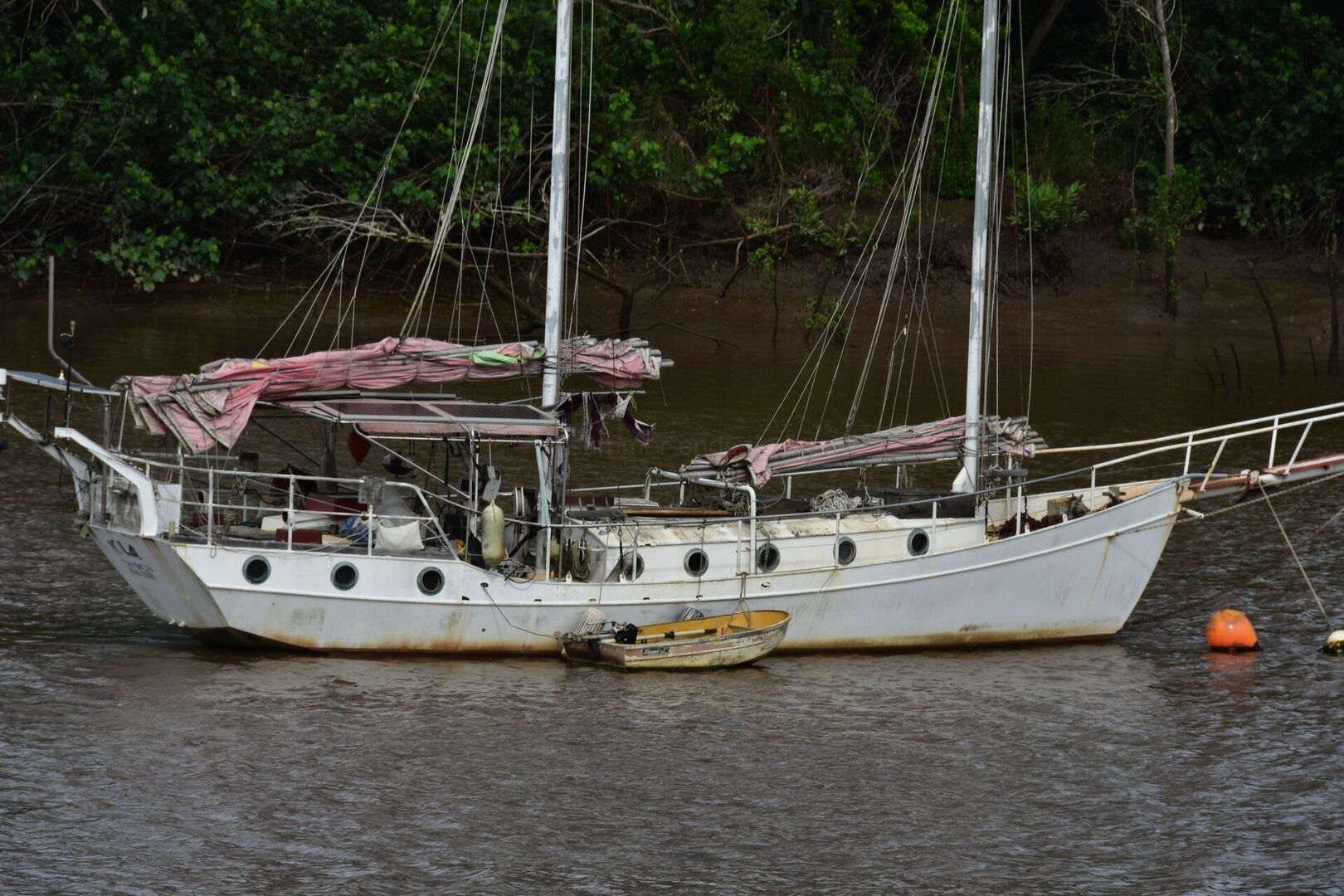
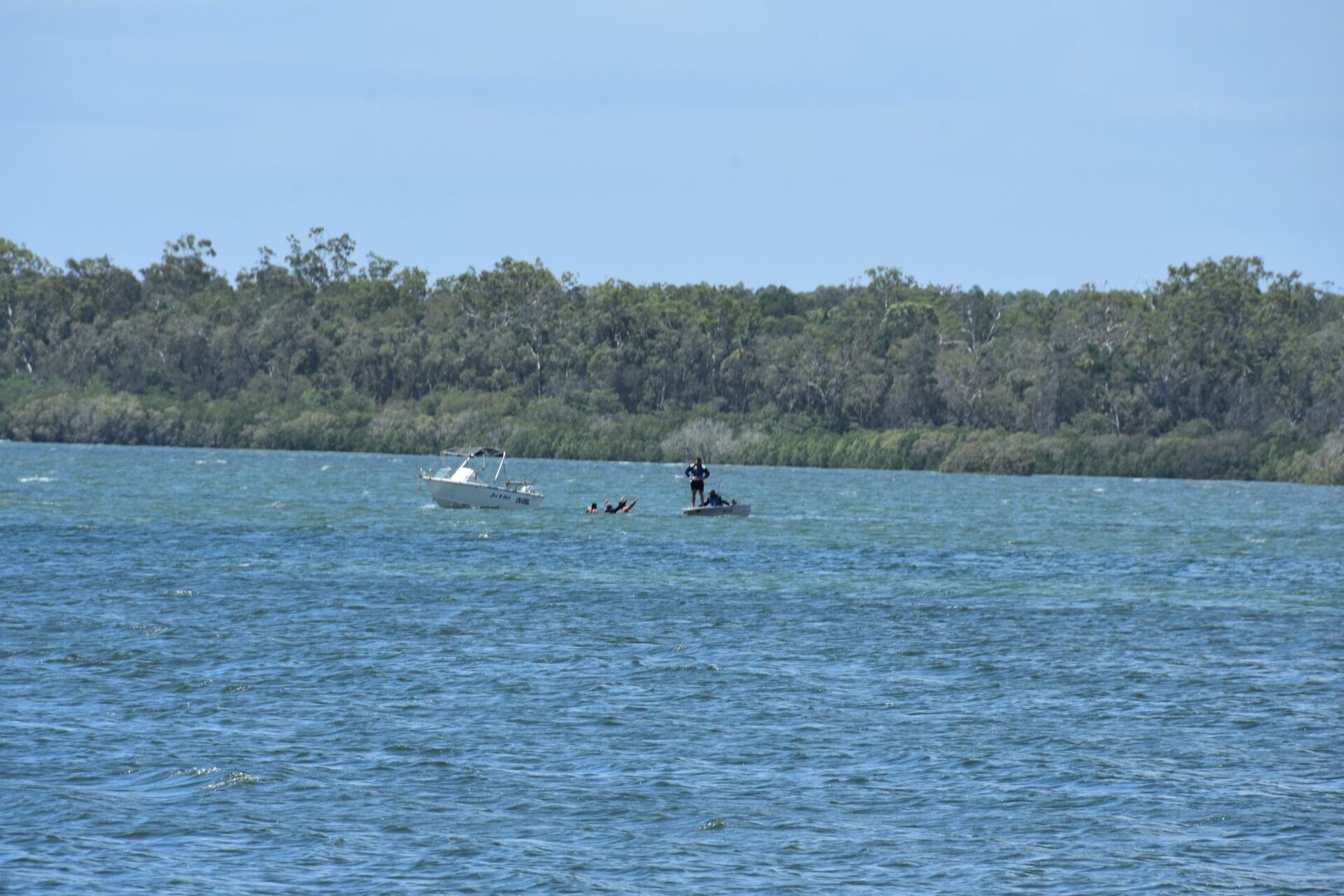
- Sailing, kayaking, fishing, and eco-tours
- Dining experiences featuring fresh seafood and regional produce