





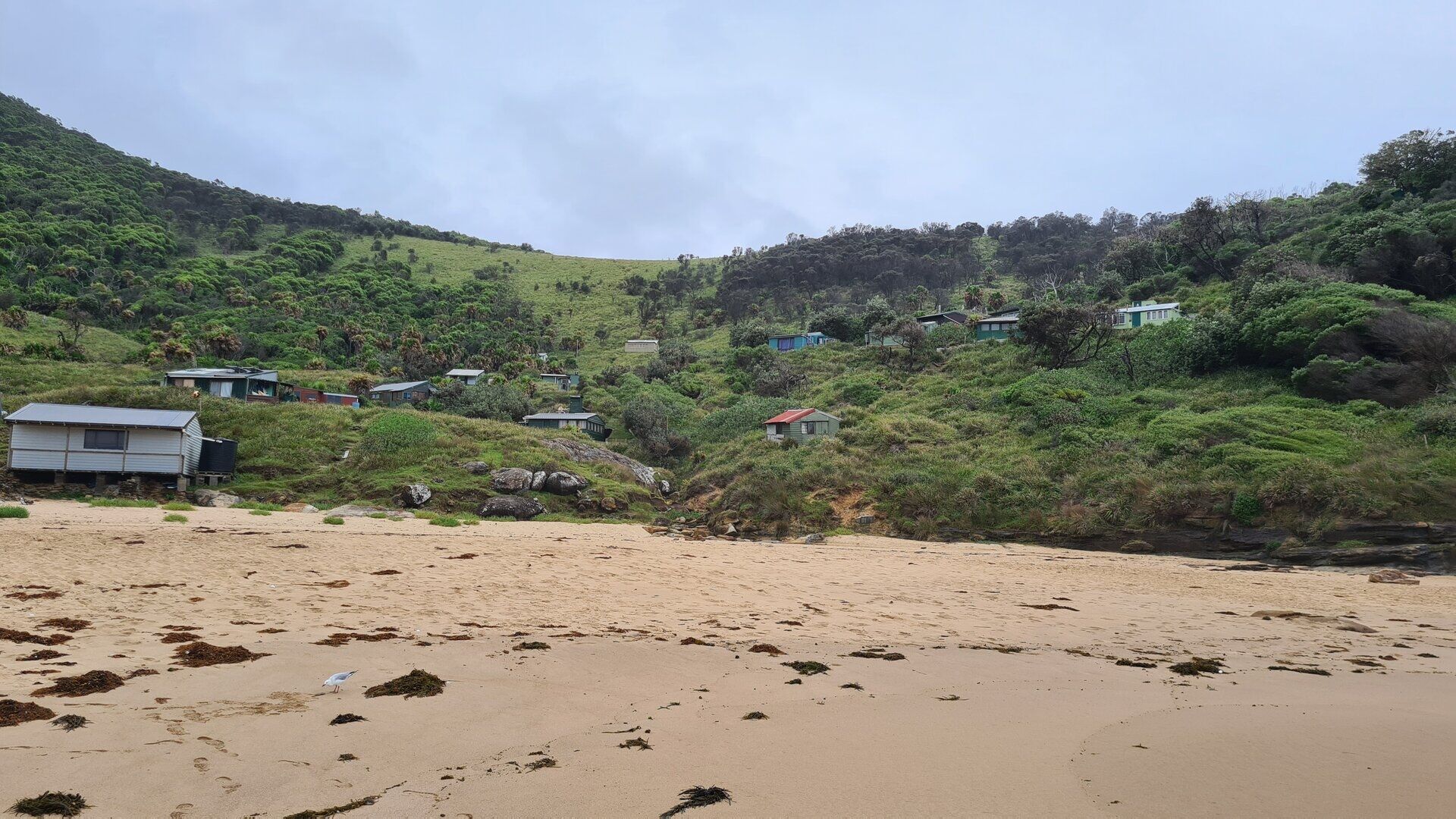
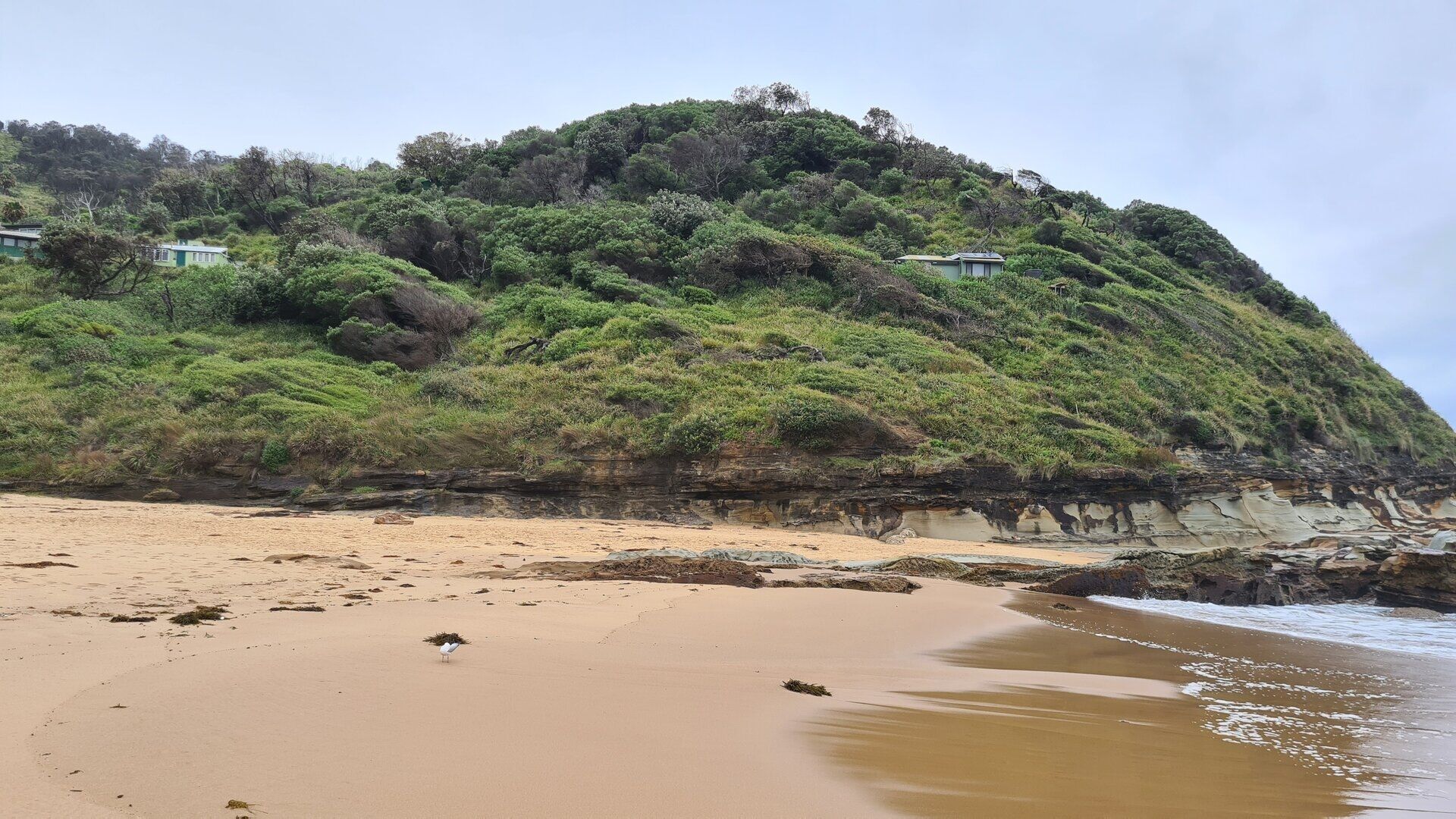
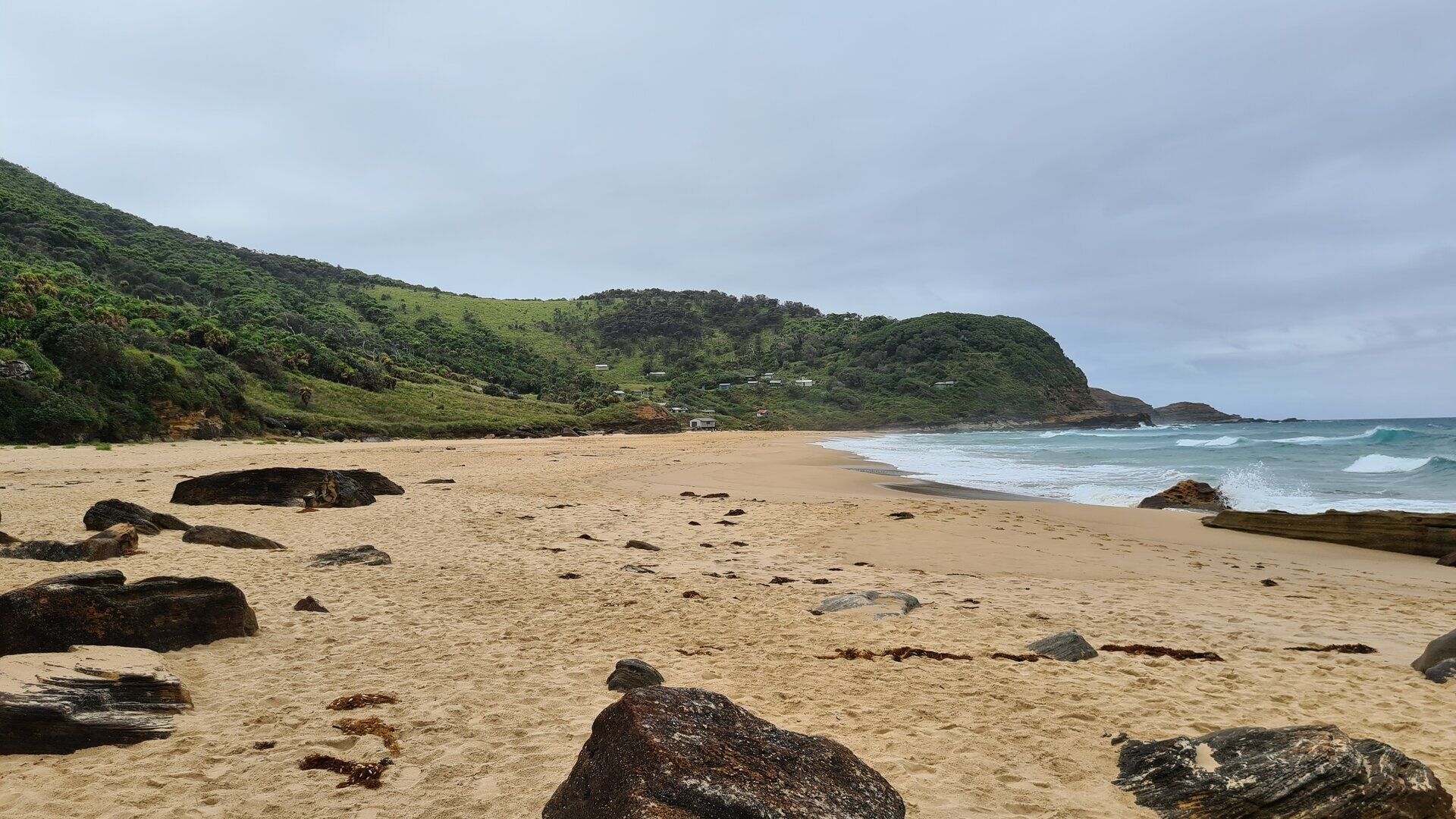



Sydney is the capital city of New South Wales and the most populous metropolitan area in Australia. Located on the country’s south-eastern coast along the Tasman Sea, it is built around Sydney Harbour, one of the largest and most complex natural harbors in the world. Sydney functions as Australia’s leading global city and a major gateway between Australia and the Asia-Pacific region.
The metropolitan area covers an extensive region that includes the historic inner city, coastal suburbs, river systems, national parks, and rapidly growing western districts. With a population exceeding five million residents, Sydney is one of the most culturally diverse cities in the world, shaped by successive waves of international migration.
Sydney has a temperate climate with warm summers and mild winters, allowing for an outdoor-oriented lifestyle year-round. The city’s economy is highly diversified, with strengths in finance, banking, technology, professional services, education, tourism, media, and international trade. Sydney is also home to major ports, airports, universities, and cultural institutions, reinforcing its national and international importance.
History
The Sydney region has been continuously inhabited for more than 60,000 years by Aboriginal peoples, particularly the Gadigal people of the Eora Nation. These communities developed complex social, cultural, and economic systems centered on the harbor, coastal areas, and inland waterways. Aboriginal heritage remains fundamental to Sydney’s identity and is increasingly acknowledged through cultural recognition and land management initiatives.
European settlement began in 1788 with the arrival of the First Fleet and the establishment of a British penal colony at Sydney Cove. As the first permanent European settlement in Australia, Sydney became the administrative and economic center of the colony of New South Wales.
Throughout the 19th century, Sydney expanded through trade, agriculture, and industrialization, supported by port activity and infrastructure development. The 20th century brought large-scale immigration, suburban growth, and modernization. Today, Sydney reflects a layered history that combines Indigenous heritage, colonial architecture, industrial development, and contemporary urban life.
Geology
Sydney’s geological foundation is defined by the Sydney Basin, a vast sedimentary basin that developed over hundreds of millions of years. The basin is composed mainly of sandstone, shale, and coal seams deposited during the Permian and Triassic periods.
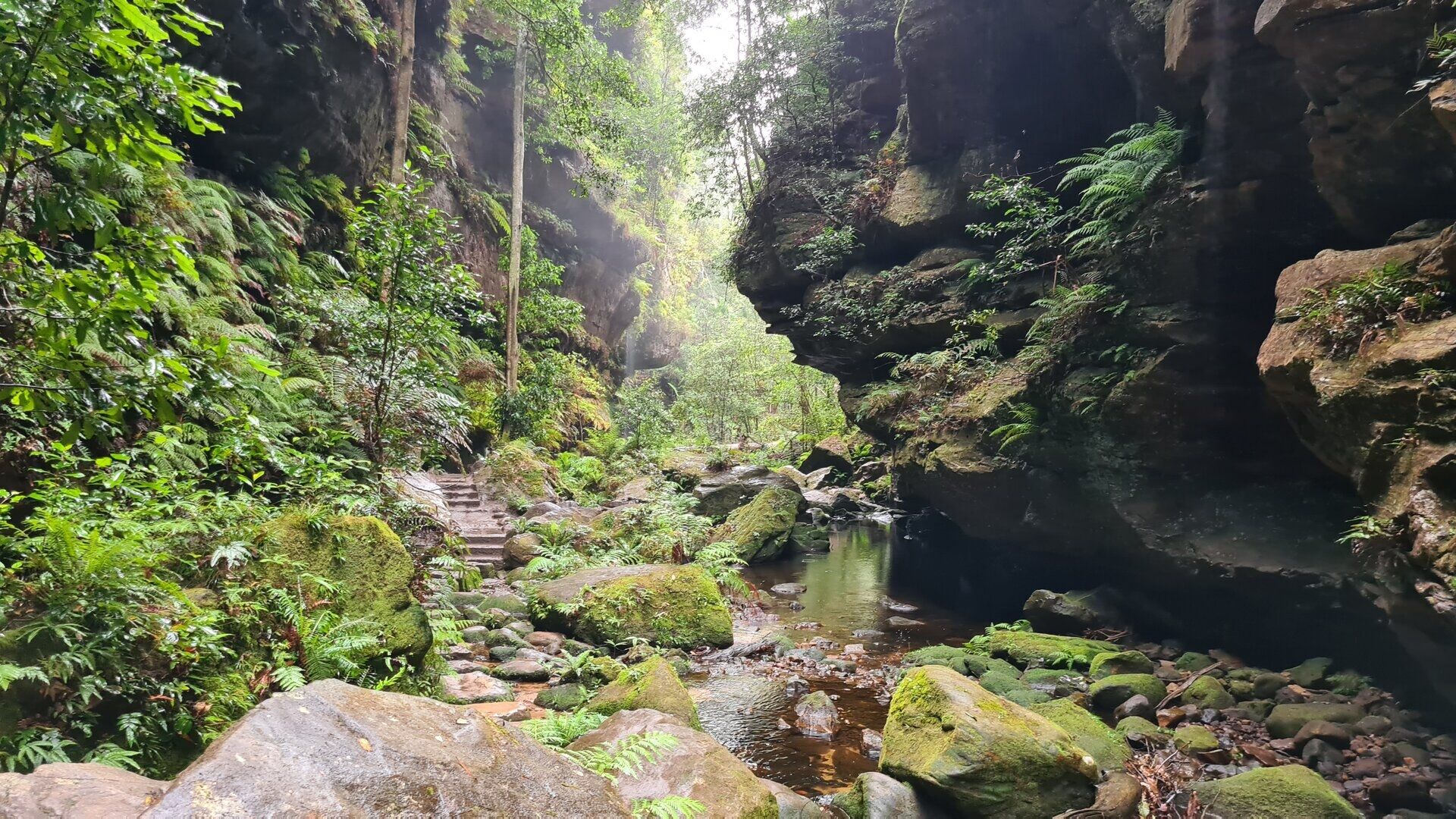
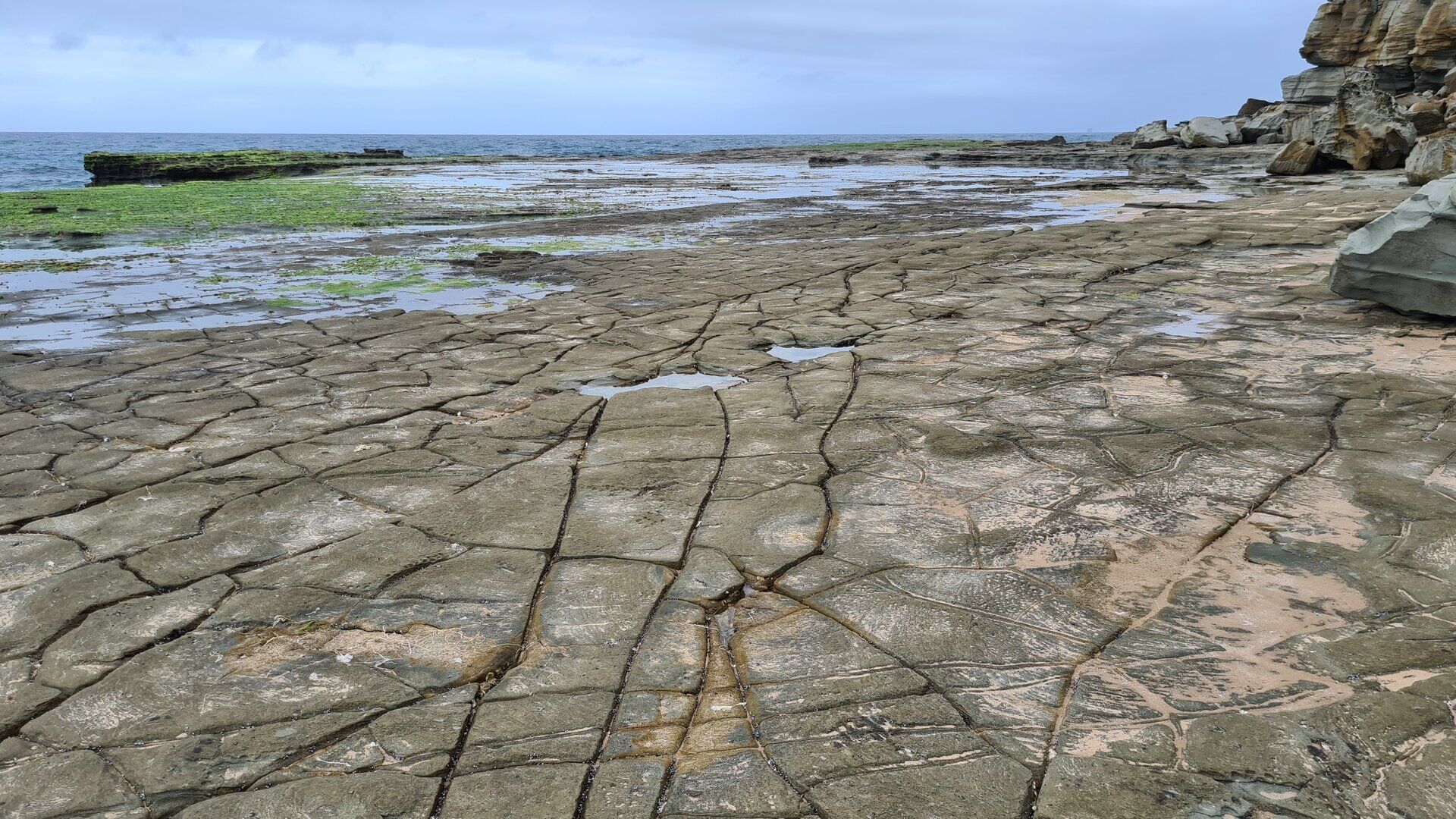
Sydney sandstone is a defining geological and visual element of the city. It forms the cliffs, headlands, and plateaus around the harbor and coastline and has strongly influenced settlement patterns and building styles. Erosion of sandstone layers by rivers and rising sea levels created the intricate network of inlets and coves that characterize Sydney Harbour.
The region’s geology also plays a role in the formation of beaches, estuaries, and fertile river valleys, such as those along the Parramatta and Hawkesbury rivers. These geological features continue to influence land use, infrastructure planning, and environmental conservation across the metropolitan area.
Things to See
Sydney offers a wide range of attractions reflecting its natural setting, historical depth, and cultural diversity:
Iconic Landmarks and Urban Areas
- Sydney Opera House and Sydney Harbour Bridge
- Circular Quay and The Rocks historic district
- Central Business District with modern and heritage architecture
- Barangaroo and Darling Harbour waterfront precincts
Beaches and Natural Landscapes
- Bondi, Manly, Coogee, and Cronulla beaches
- Coastal walking routes such as the Bondi to Coogee trail
- Sydney Harbour National Park
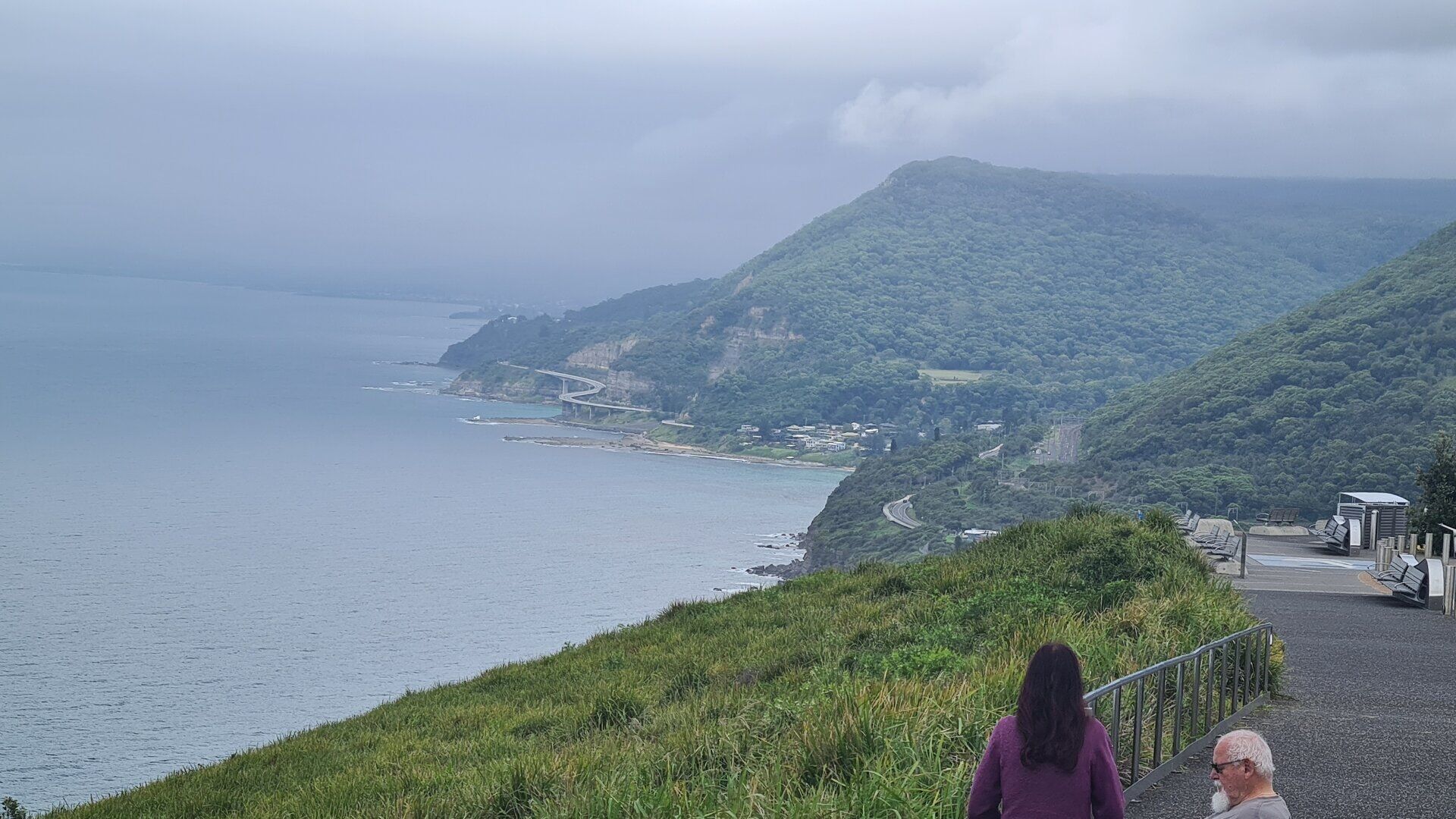
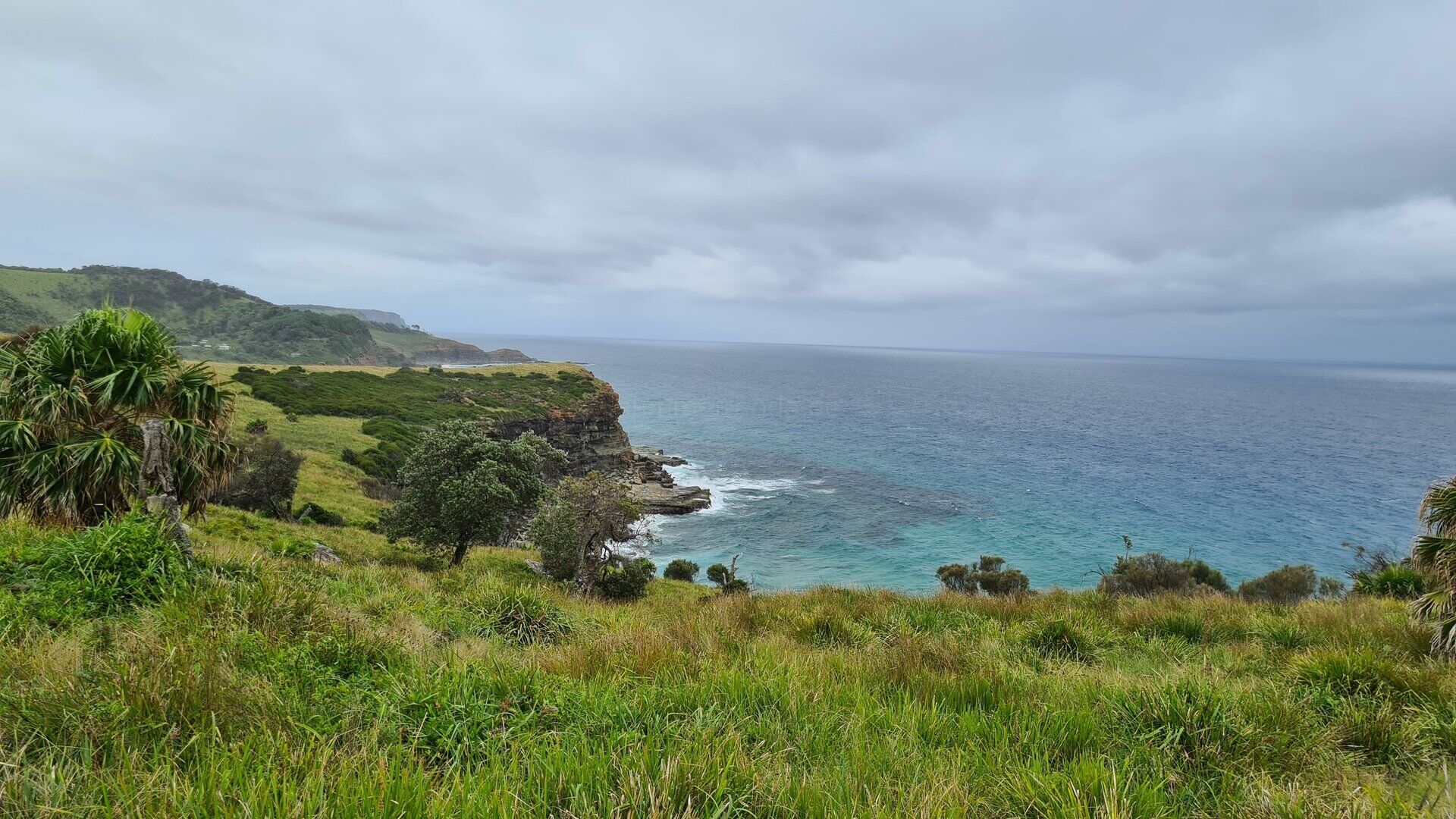
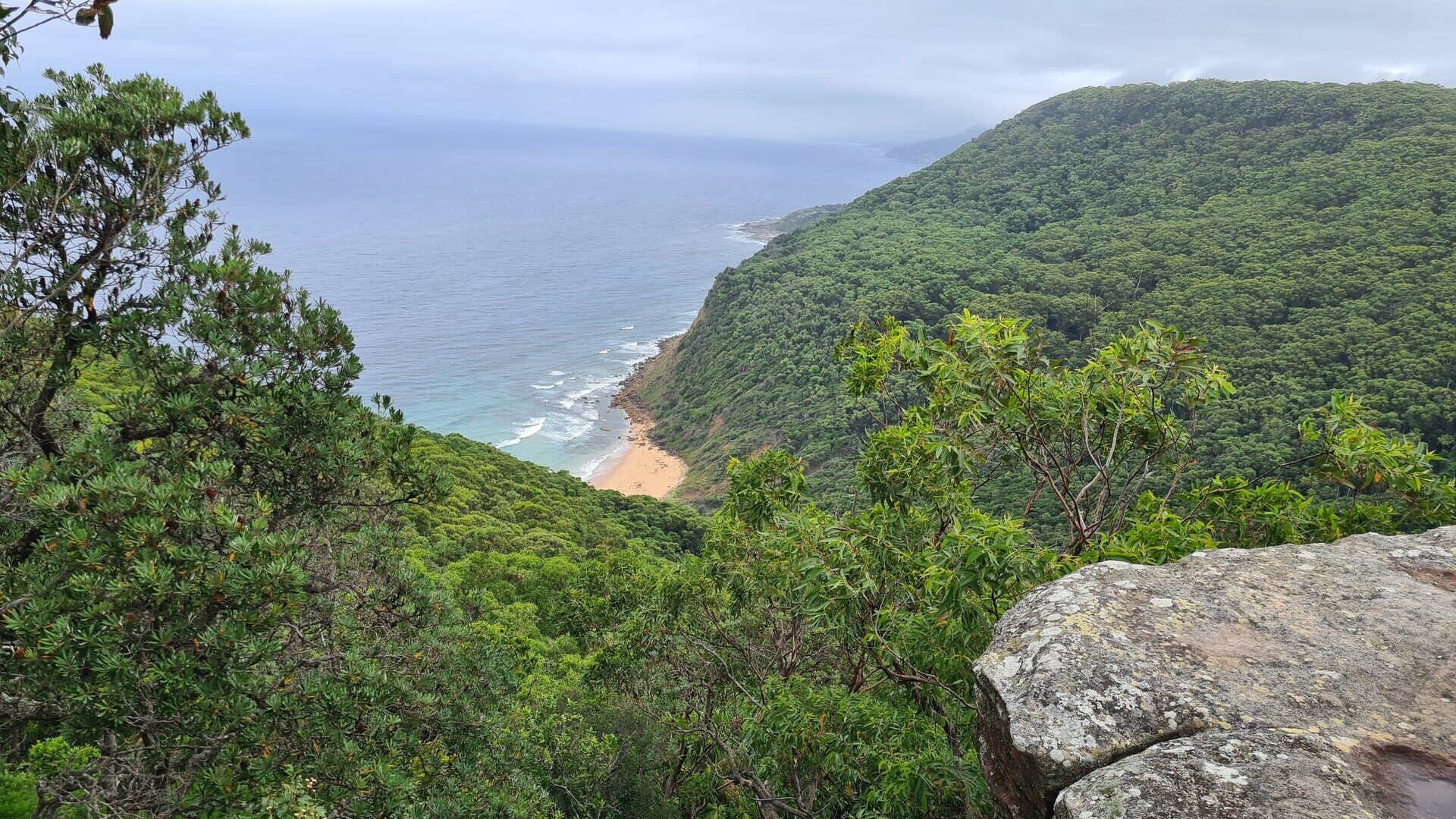
- Royal National Park and Blue Mountains (within reach of the city)
Culture, Lifestyle, and Events
- Major museums, galleries, and performing arts venues
- Diverse culinary scene influenced by global cultures
- Festivals, markets, and international sporting events
- Boating, ferry travel, and waterfront recreation