
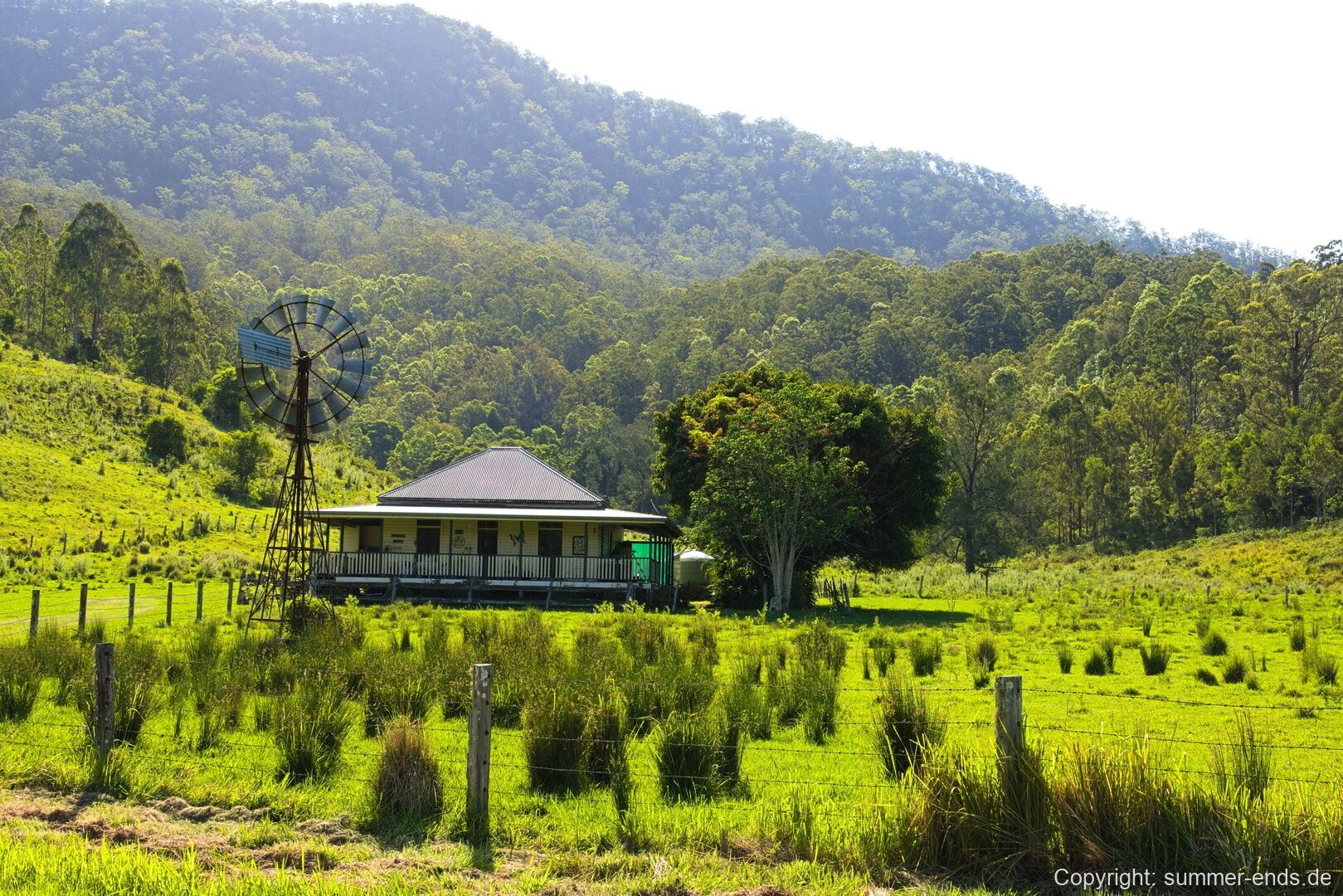
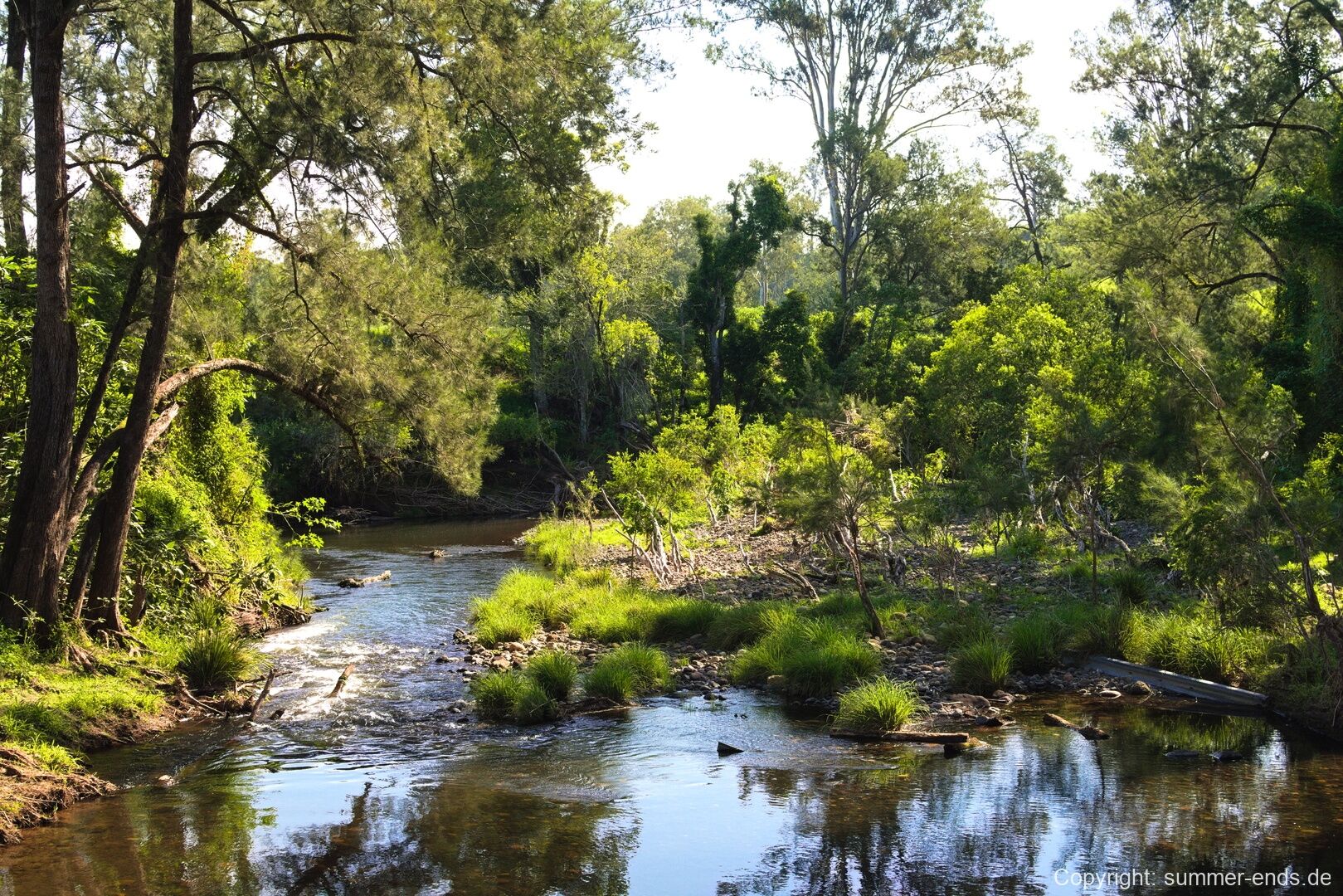
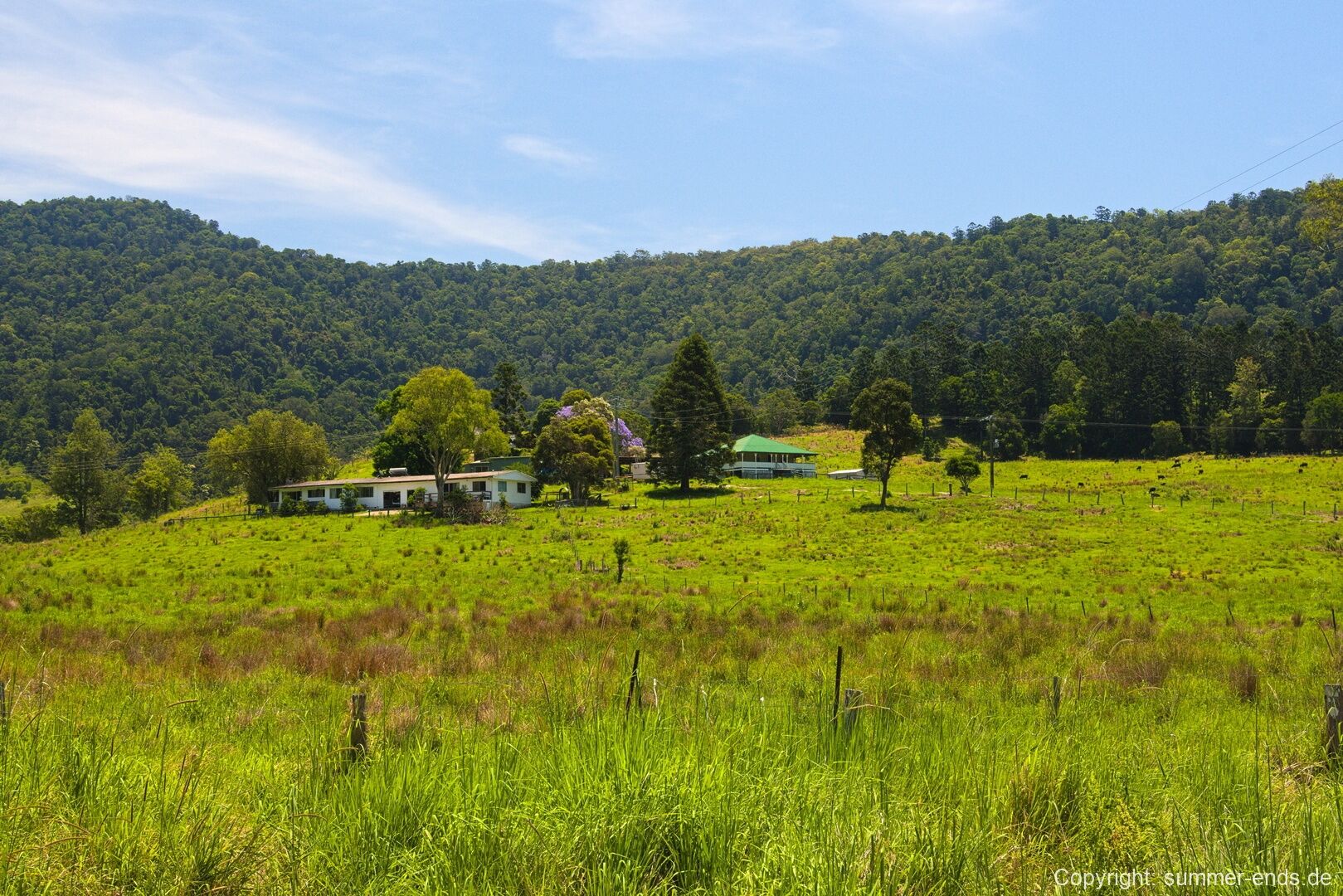
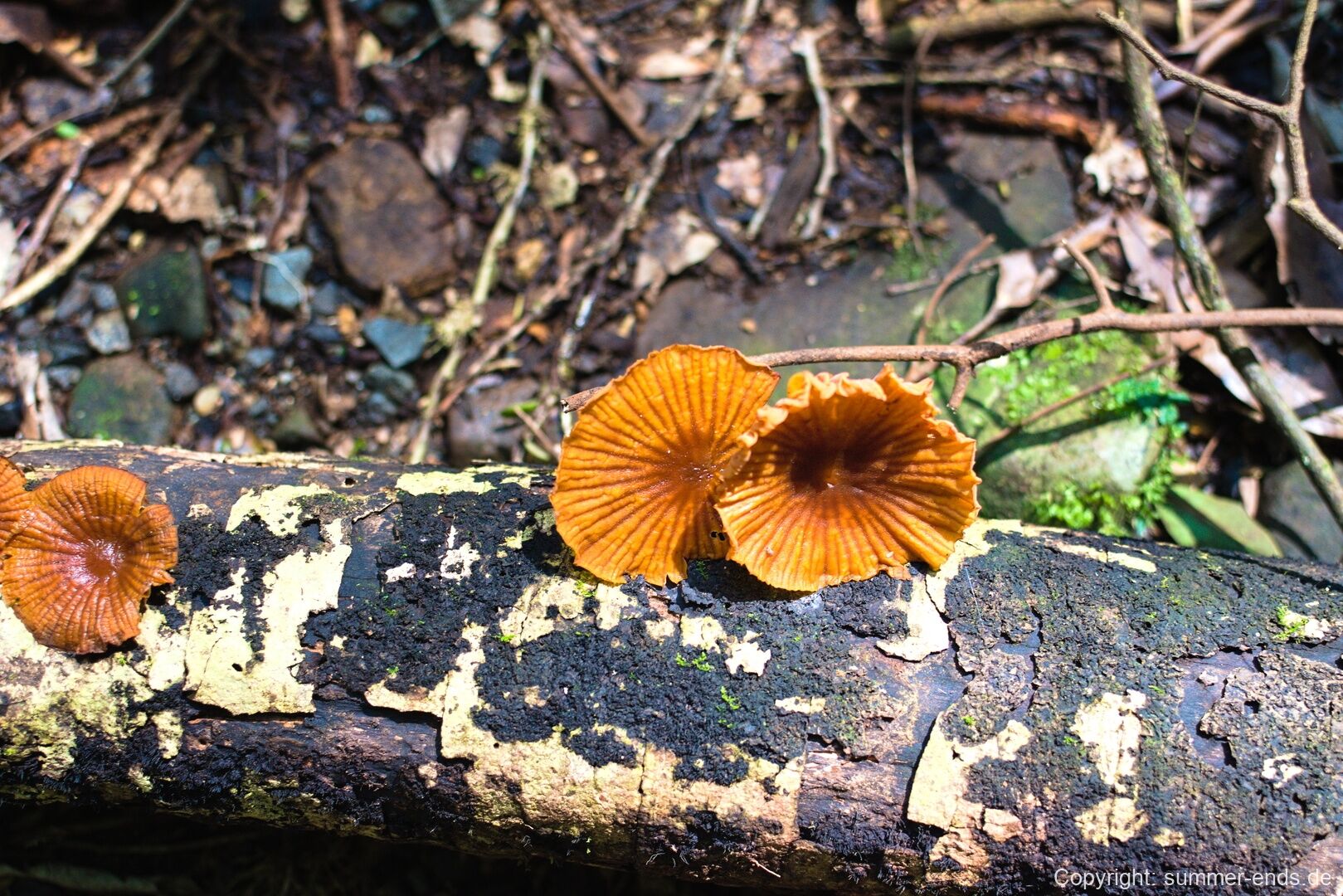

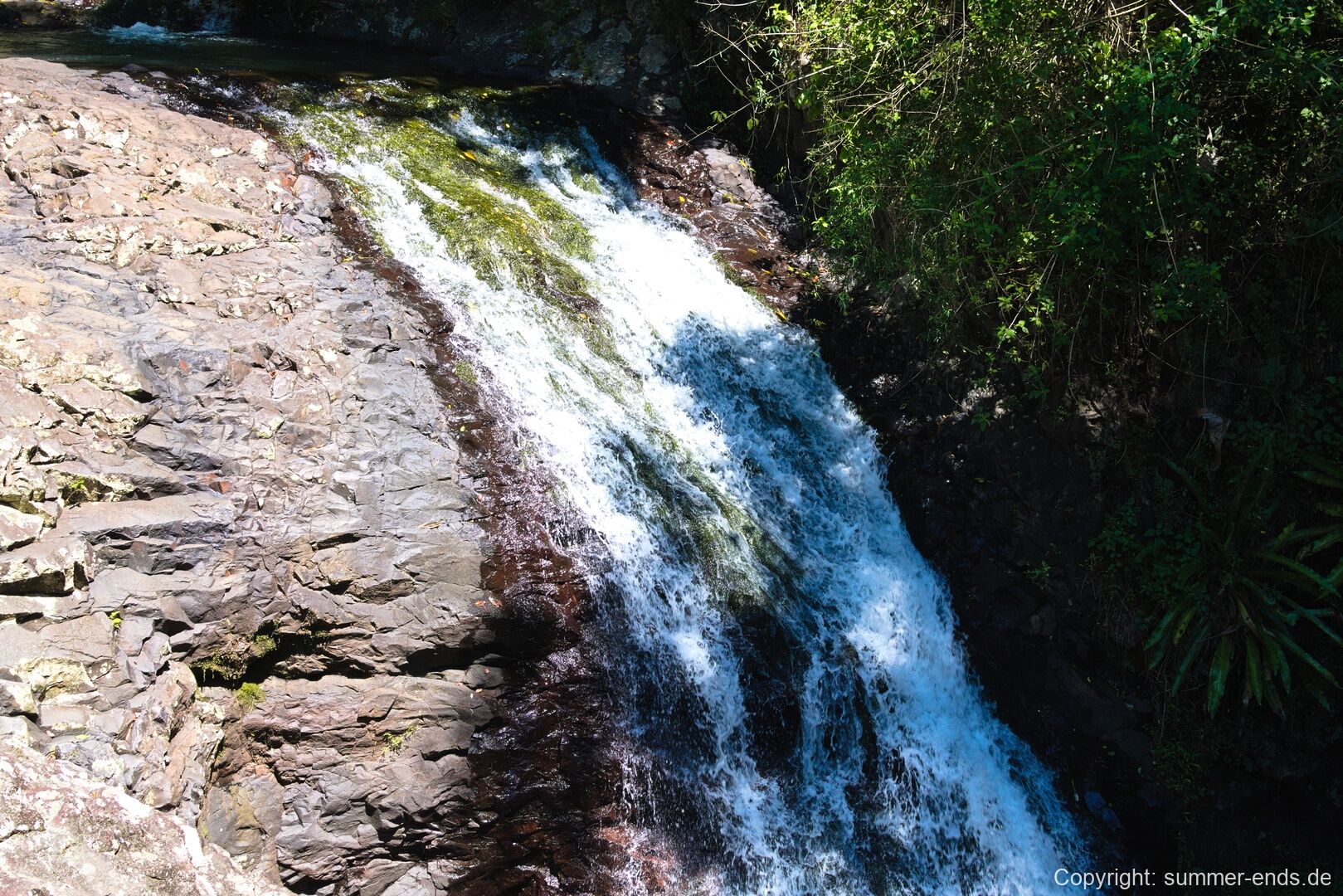
Border Ranges National Park is a protected area located in northeastern New South Wales, Australia, along the border with Queensland. It forms part of the Great Dividing Range and lies within the hinterland region between the Richmond and Tweed river catchments. The park covers rugged mountainous terrain characterized by steep escarpments, deeply incised valleys, elevated plateaus, and dense forest cover. It is part of the Gondwana Rainforests of Australia World Heritage Area and represents one of the largest remaining tracts of subtropical rainforest in the country. Human settlement within the park is absent, and land use is strictly focused on conservation, scientific research, and low-impact recreation.
History
Prior to European colonization, the area now protected as Border Ranges National Park formed part of the traditional lands of several Aboriginal groups, including the Bundjalung people. These communities maintained strong cultural, spiritual, and economic connections to the mountainous landscapes, forests, and waterways of the region. Evidence of long-term Aboriginal occupation includes ceremonial sites, pathways, and cultural landscapes, although dense forest cover limits the visibility of archaeological material in many areas.
European exploration began in the mid-19th century, driven largely by interest in timber resources. Extensive logging of valuable rainforest species occurred in the late 19th and early 20th centuries, significantly altering parts of the landscape. Growing awareness of the ecological importance of the region led to increasing conservation efforts throughout the 20th century. Border Ranges National Park was progressively gazetted from the 1970s onward, consolidating former state forests and protected lands into a national park framework aimed at preserving biodiversity, water catchments, and landscape integrity.
Geology
Geologically, Border Ranges National Park lies on the northern flank of the ancient Tweed Shield Volcano, a massive volcanic system that formed during the Miocene approximately 23 million years ago. The landscape represents deeply eroded remnants of this shield volcano, with resistant basalt flows forming high ridges, plateaus, and escarpments.
Basaltic bedrock dominates much of the park, derived from successive lava flows that once extended across a broad volcanic dome. Over millions of years, fluvial erosion, mass-movement processes, and chemical weathering have dissected the volcanic surface, producing steep valleys and sharp topographic relief. In some areas, older sedimentary rocks underlying the volcanic sequences are exposed, adding geological complexity. The basalt-derived soils are relatively fertile and, combined with high rainfall, support dense rainforest vegetation and high biomass ecosystems.
Things to See
Border Ranges National Park offers a range of features reflecting its volcanic origin, ecological significance, and wilderness character. Key points of interest include high-elevation lookouts along the escarpment that provide expansive views over the Tweed Valley, Richmond Valley, and, in clear conditions, toward the Pacific Ocean.
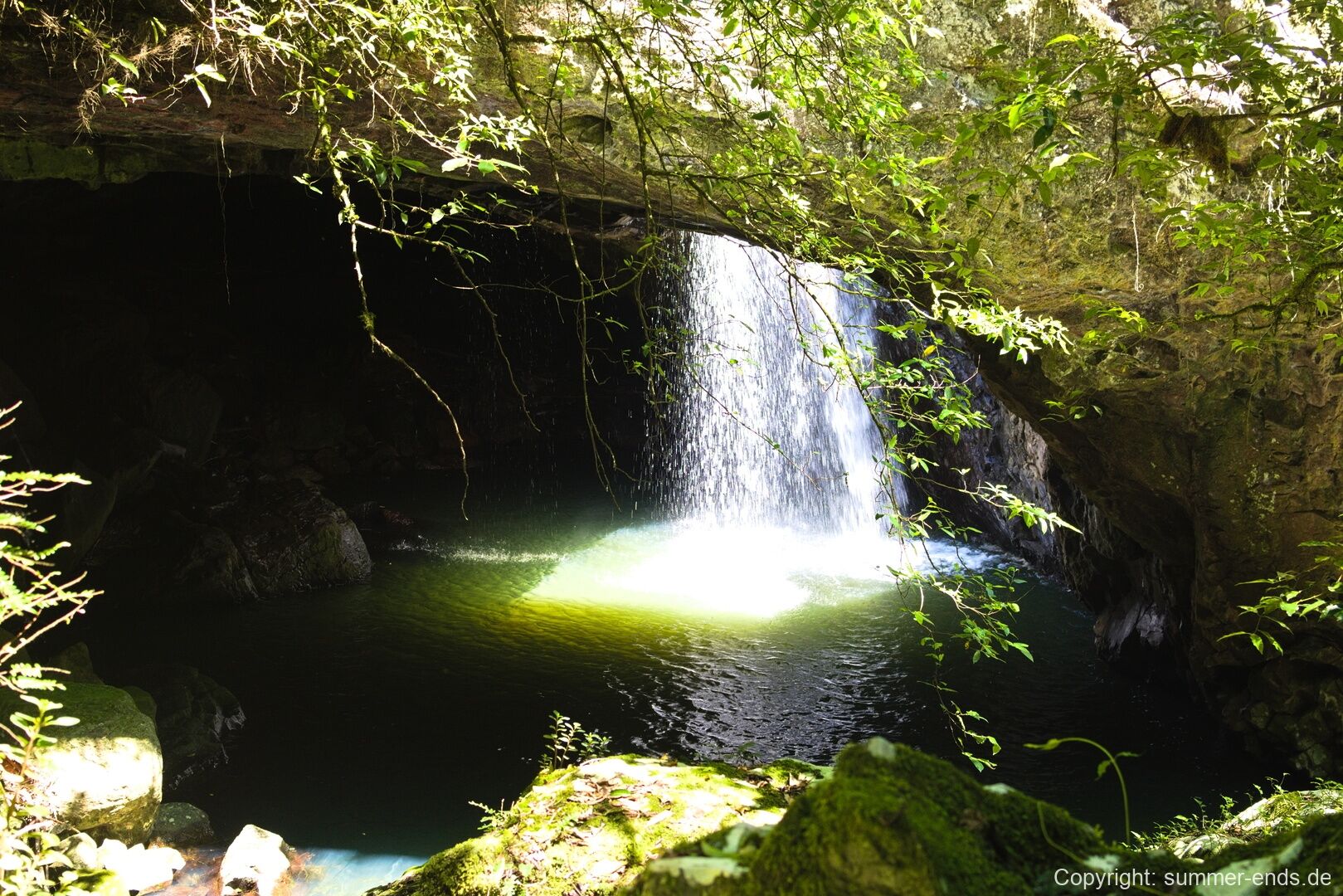
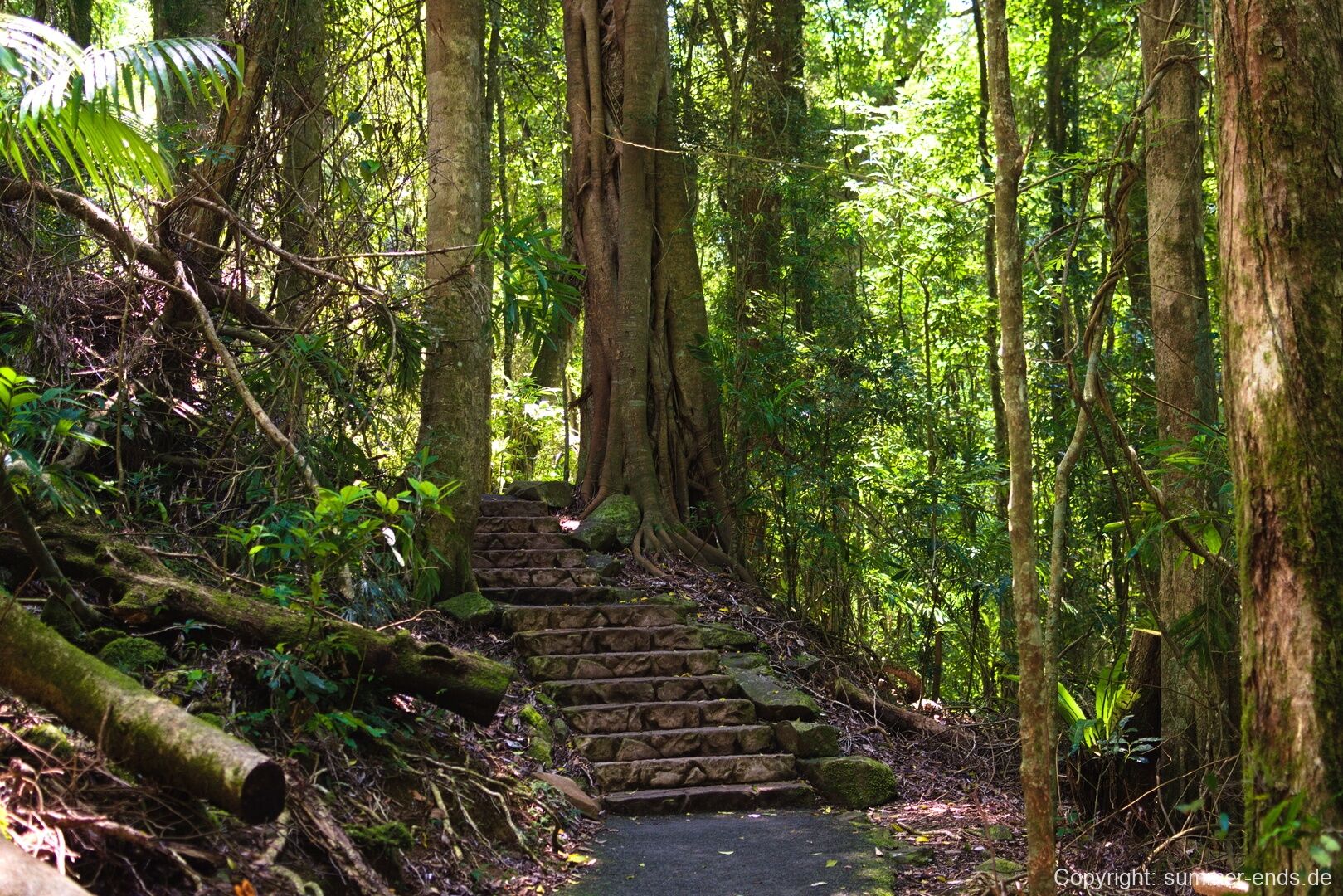
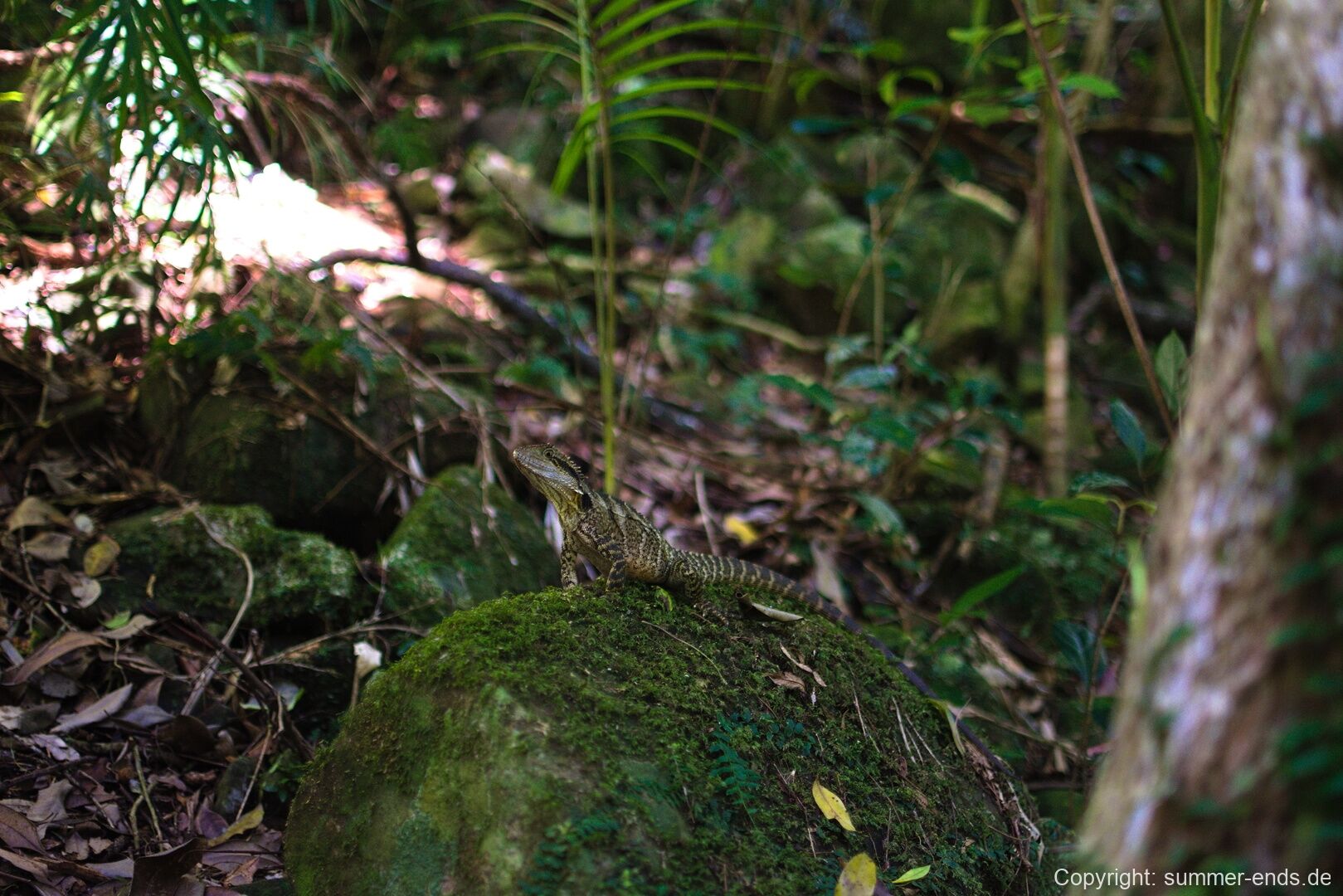
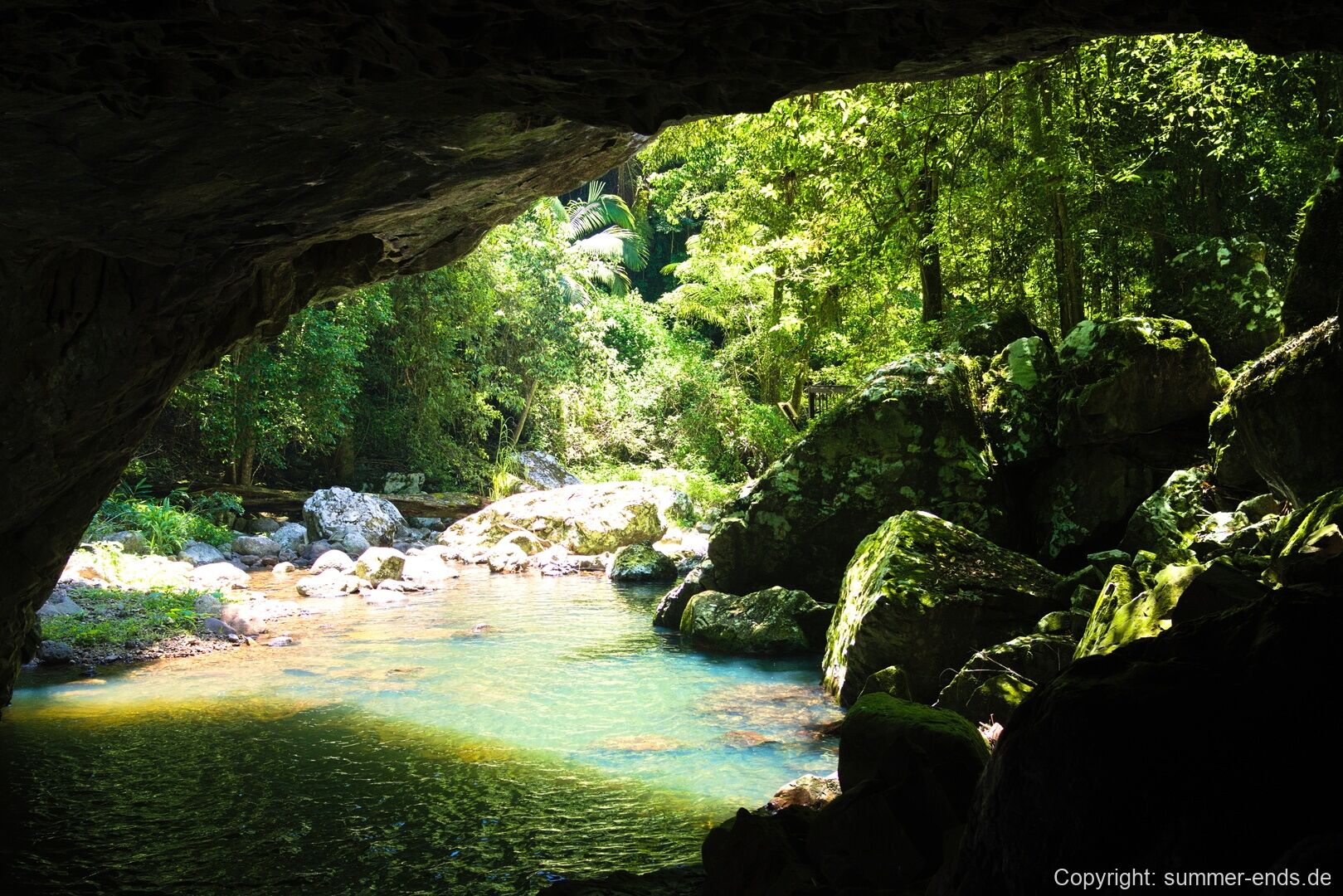
The park contains extensive tracts of subtropical and warm temperate rainforest, including ancient tree species and complex forest structures representative of Gondwanan ecosystems. Numerous walking tracks traverse ridgelines, valleys, and forest interiors, offering opportunities to observe geological formations, diverse vegetation communities, and native wildlife. Waterfalls, creeks, and headwaters within the park highlight its role as an important regional water catchment. The relative remoteness and low level of development make Border Ranges National Park a significant destination for nature-based exploration and landscape-scale conservation appreciation.