
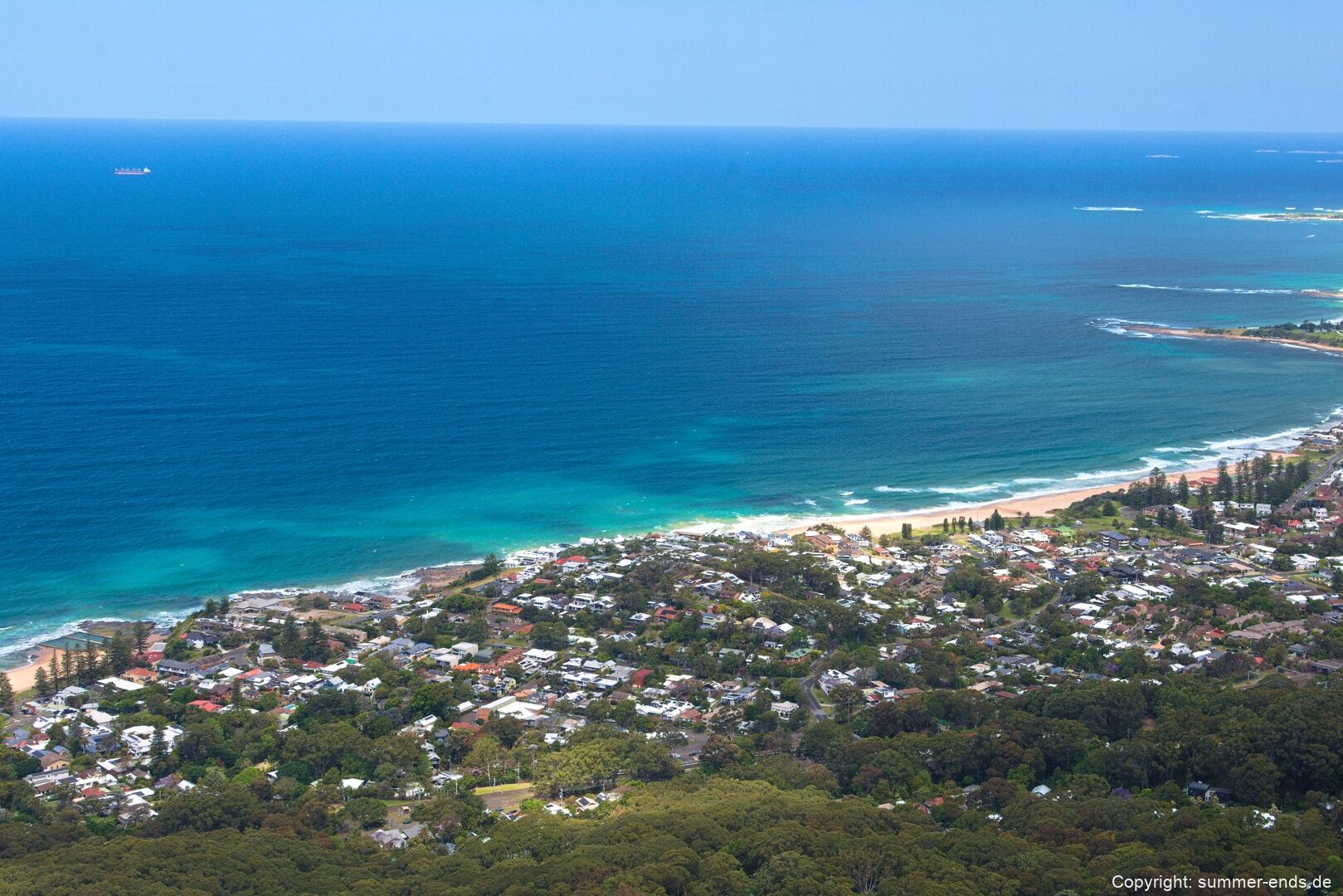
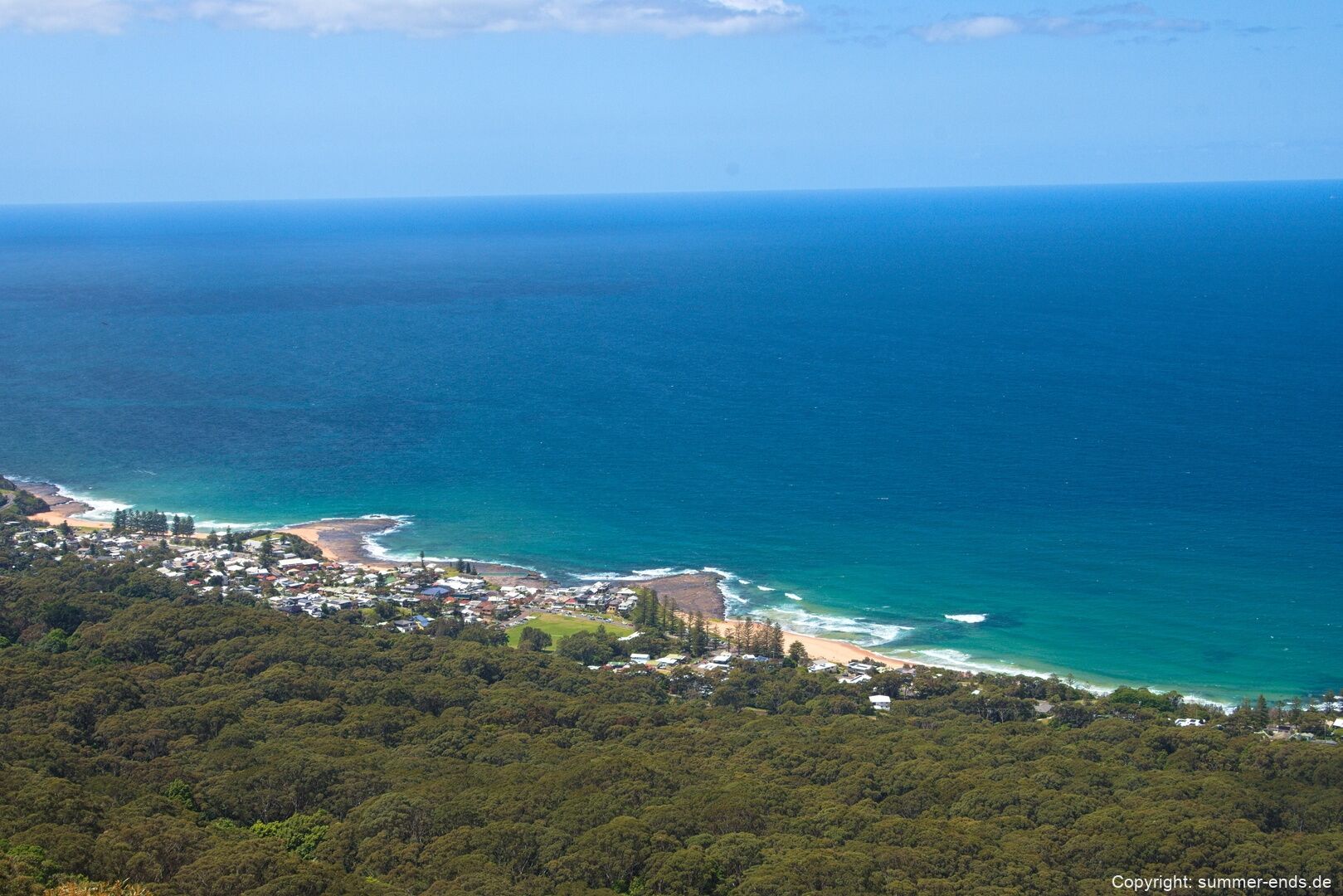
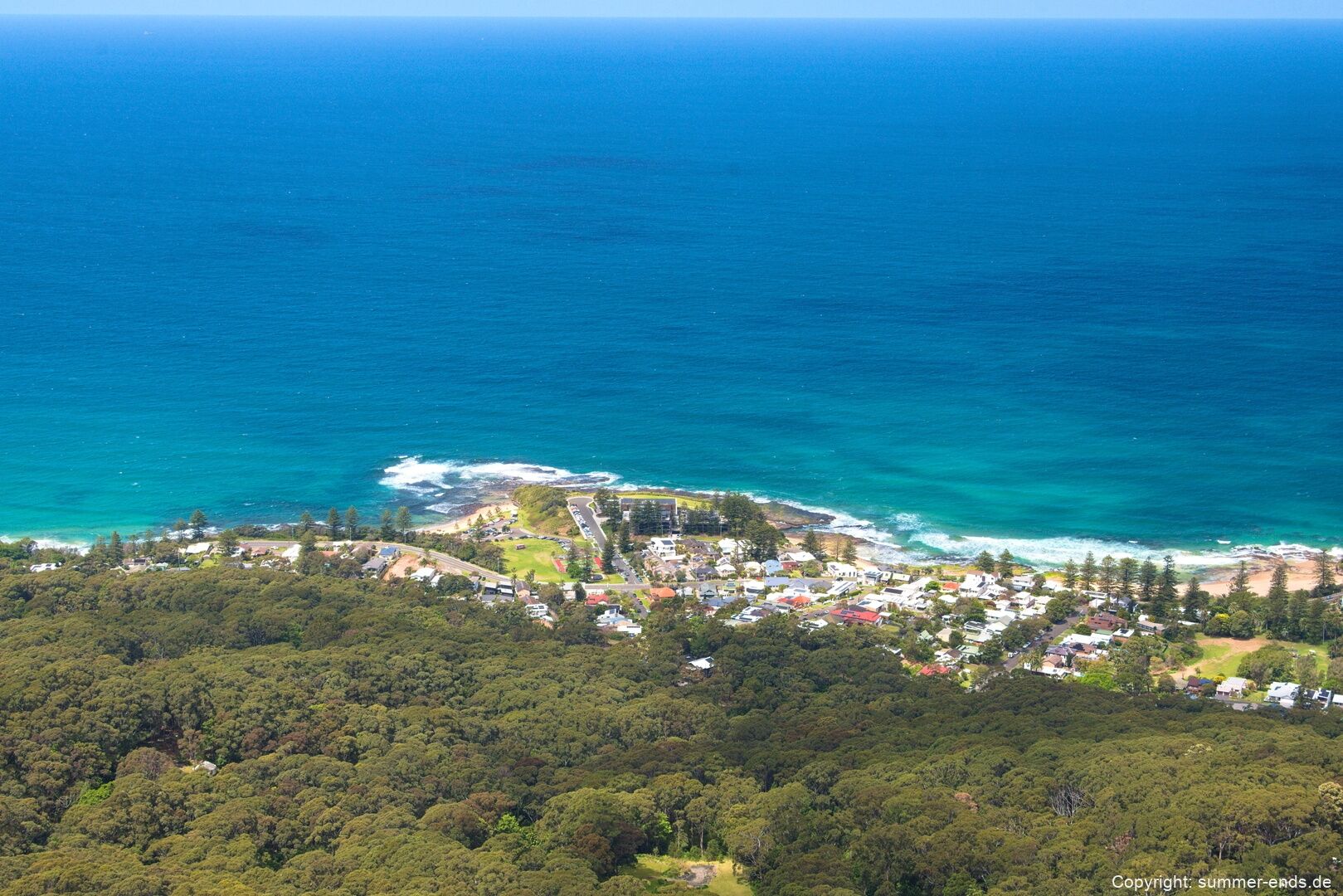
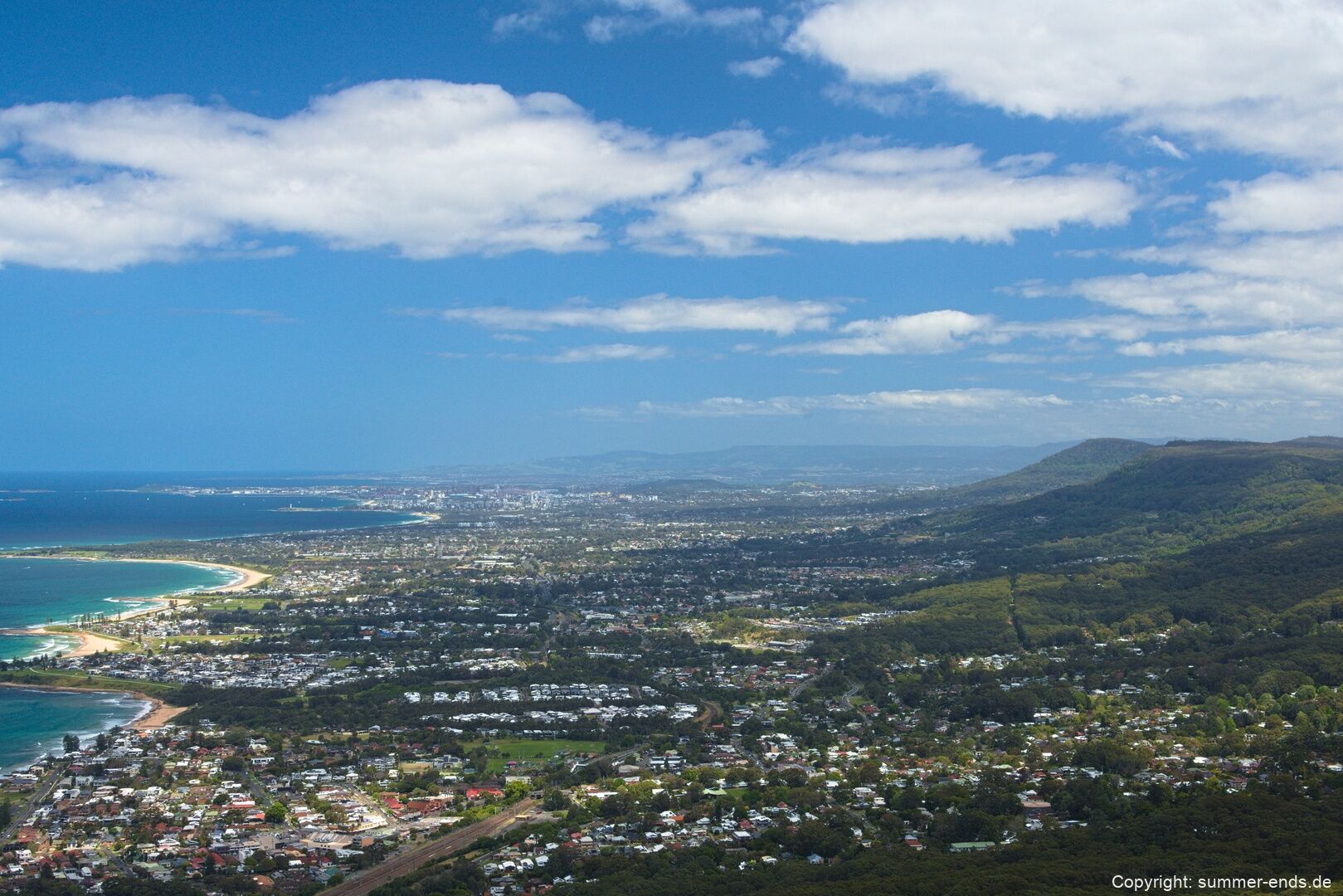
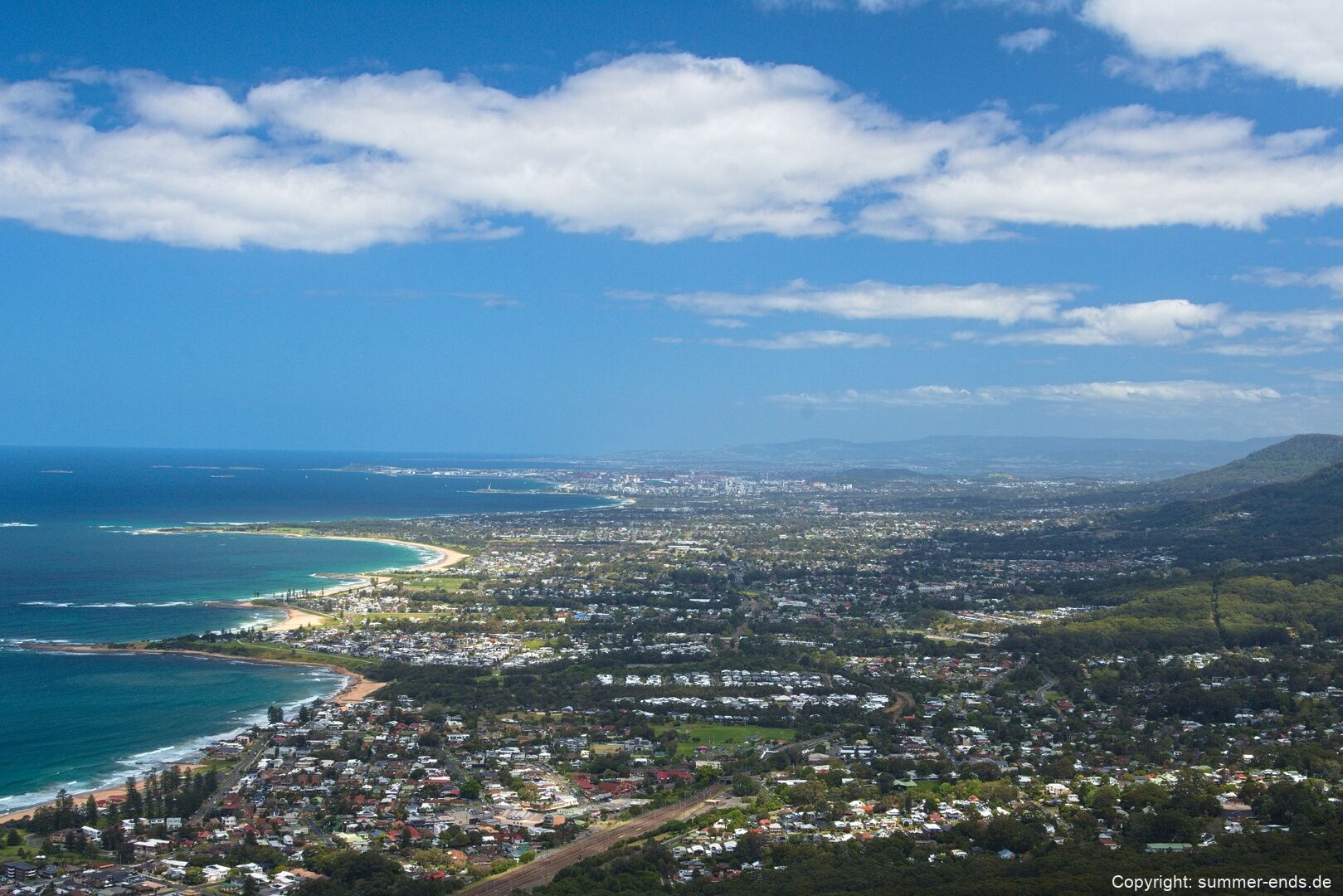
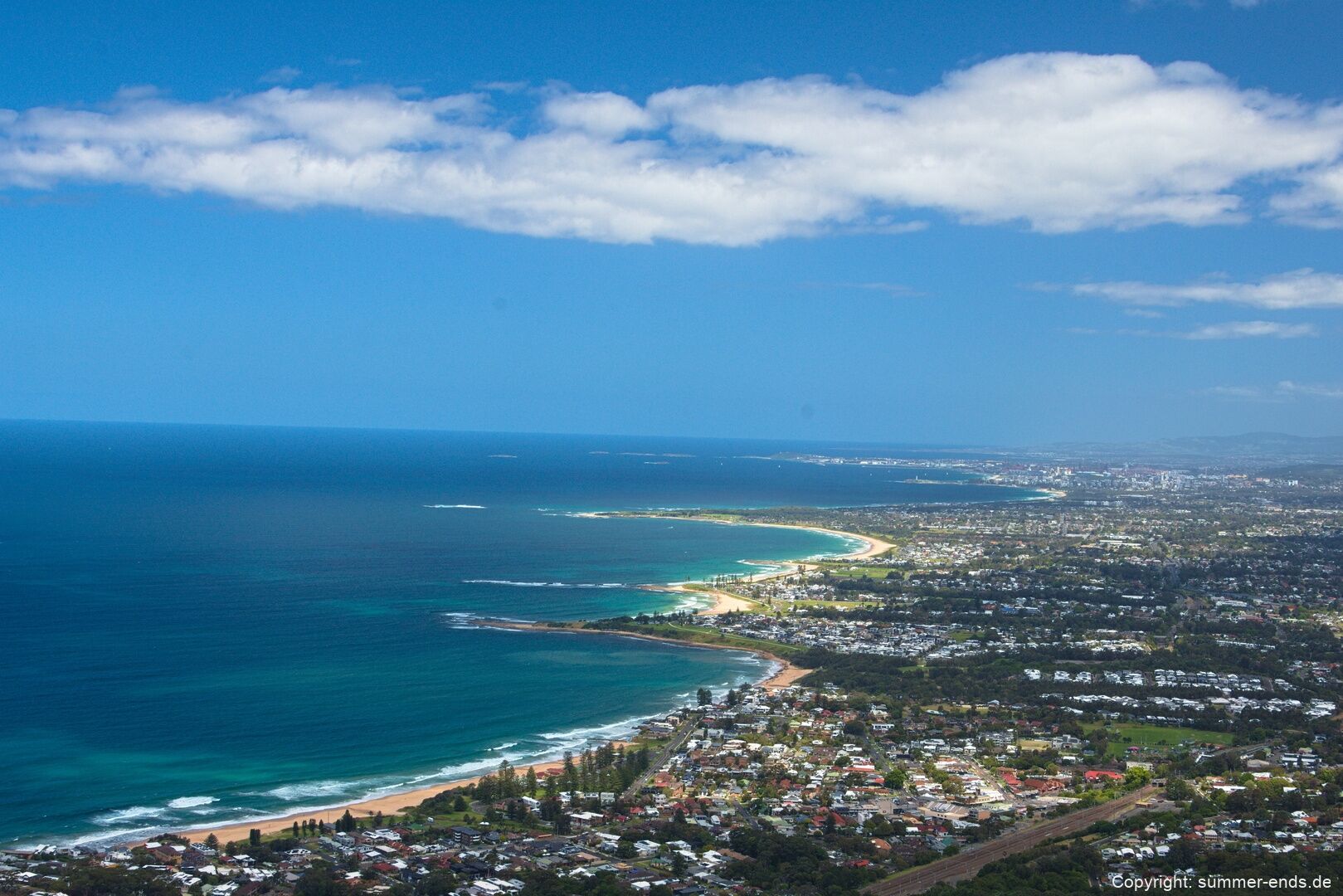
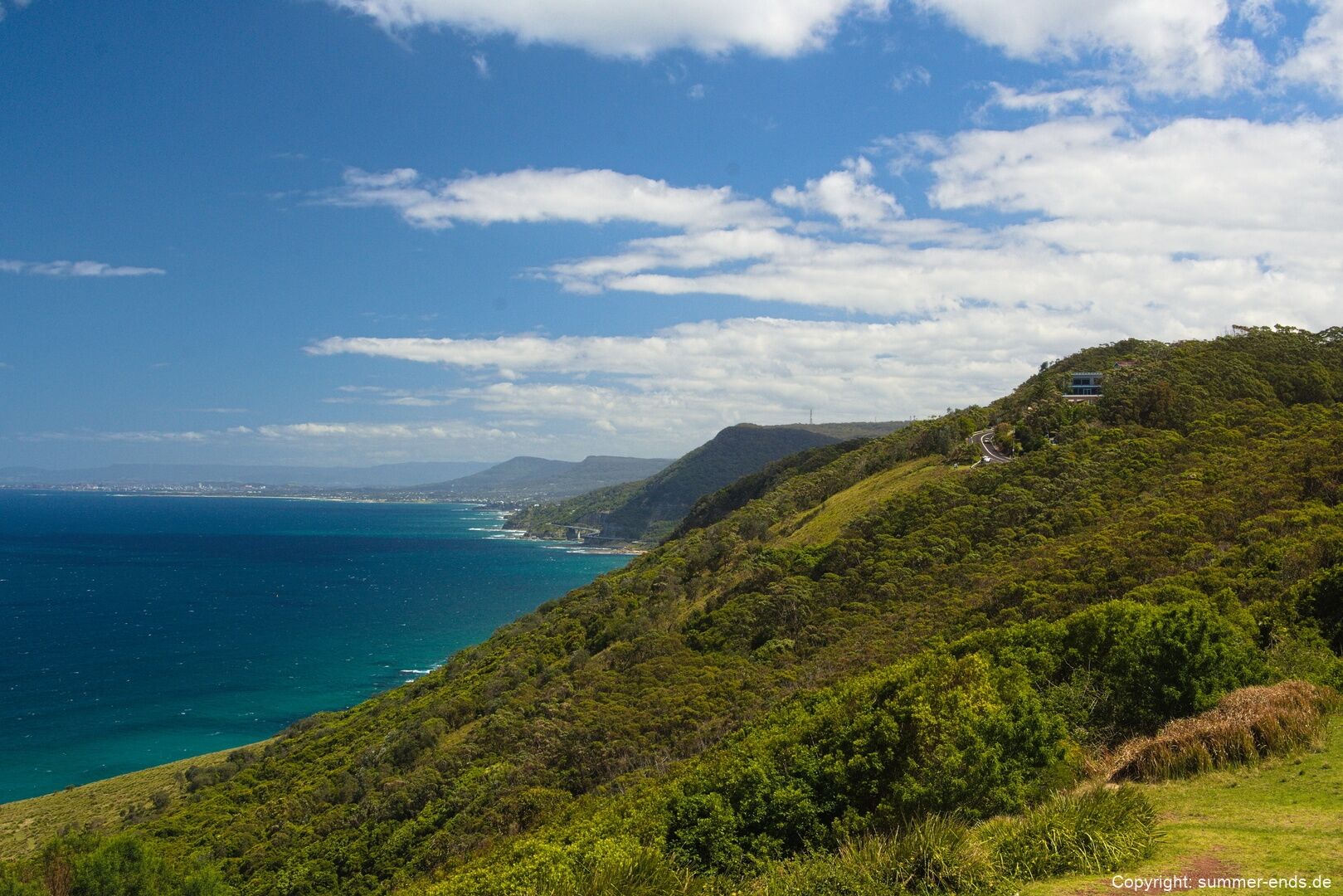
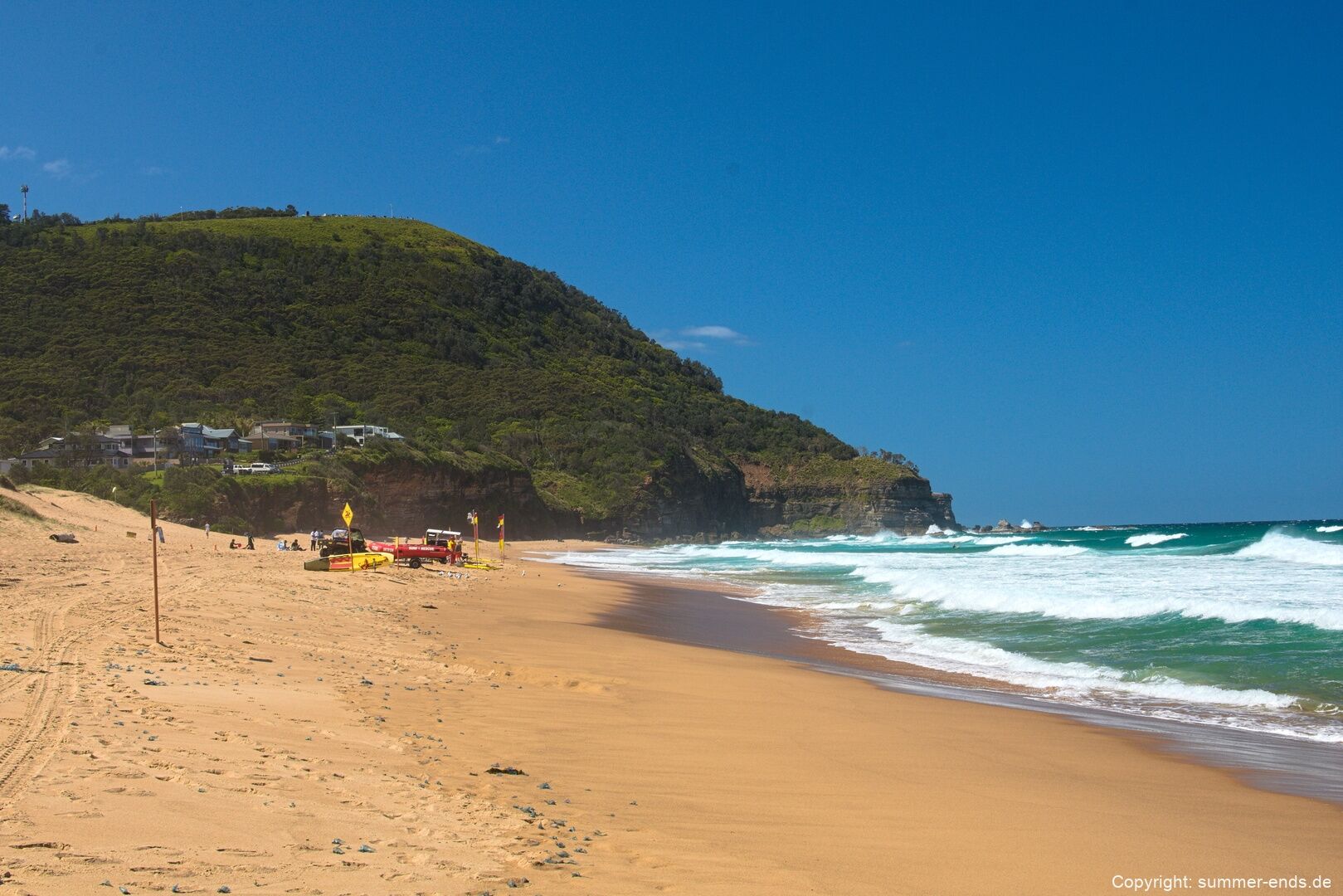
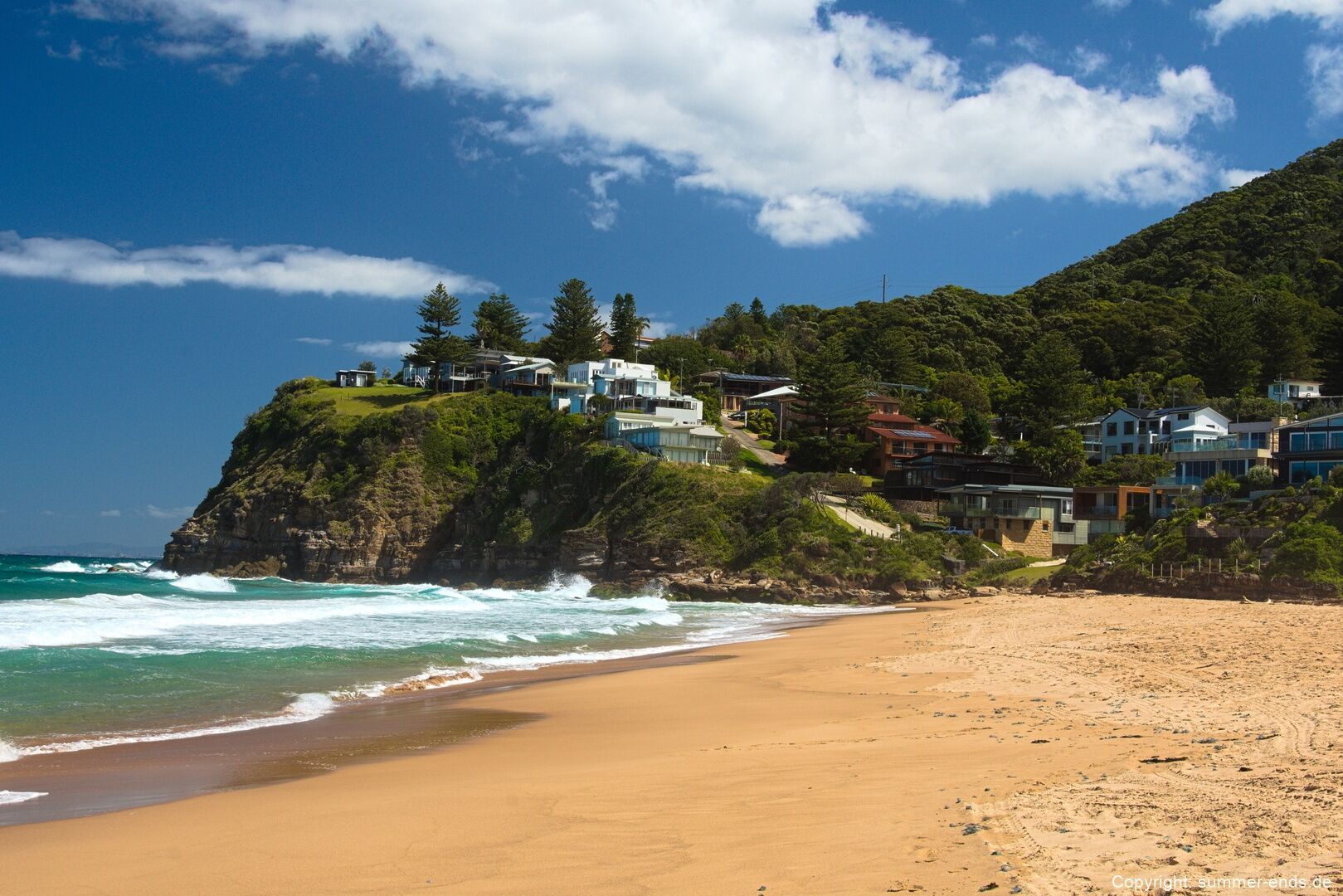
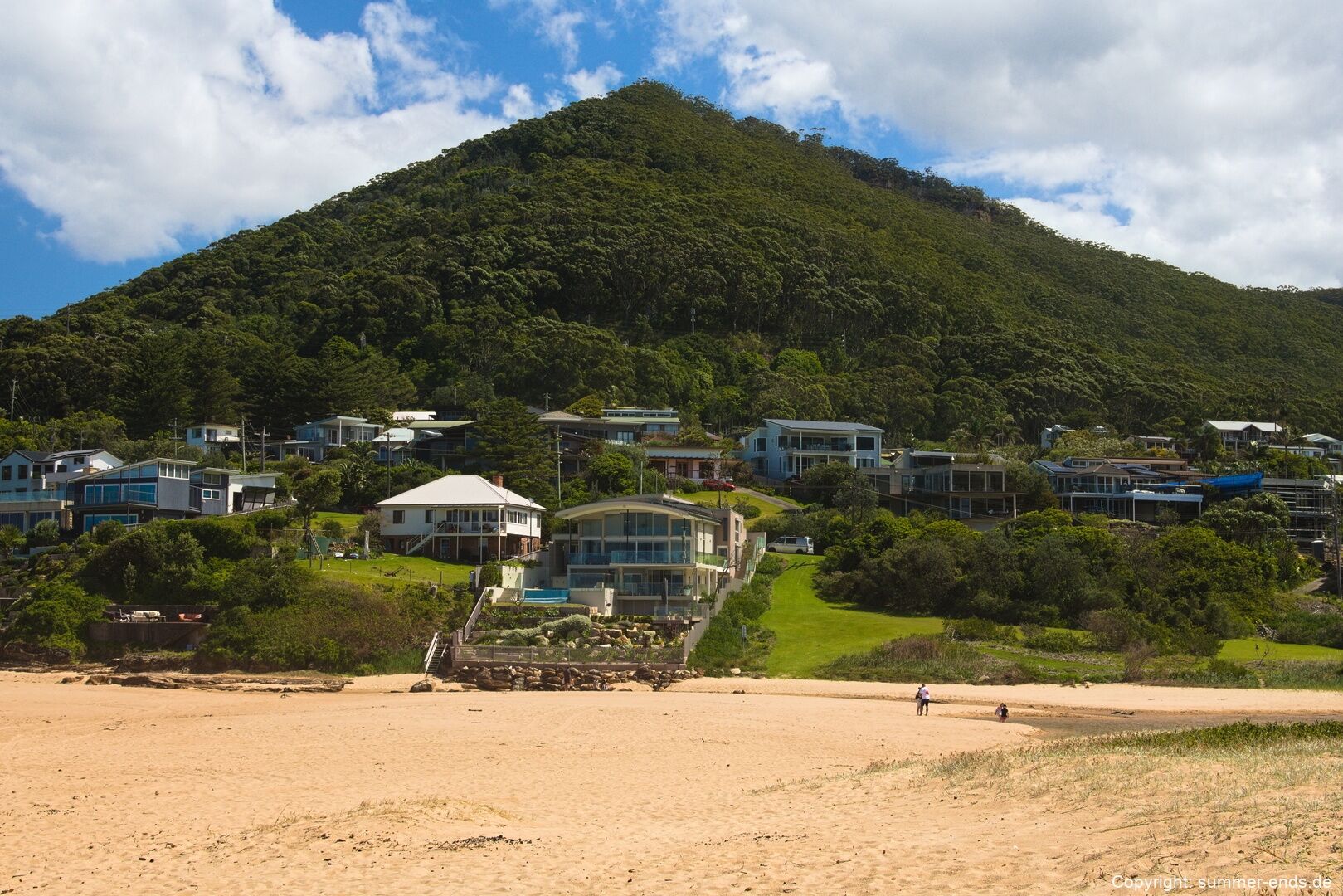
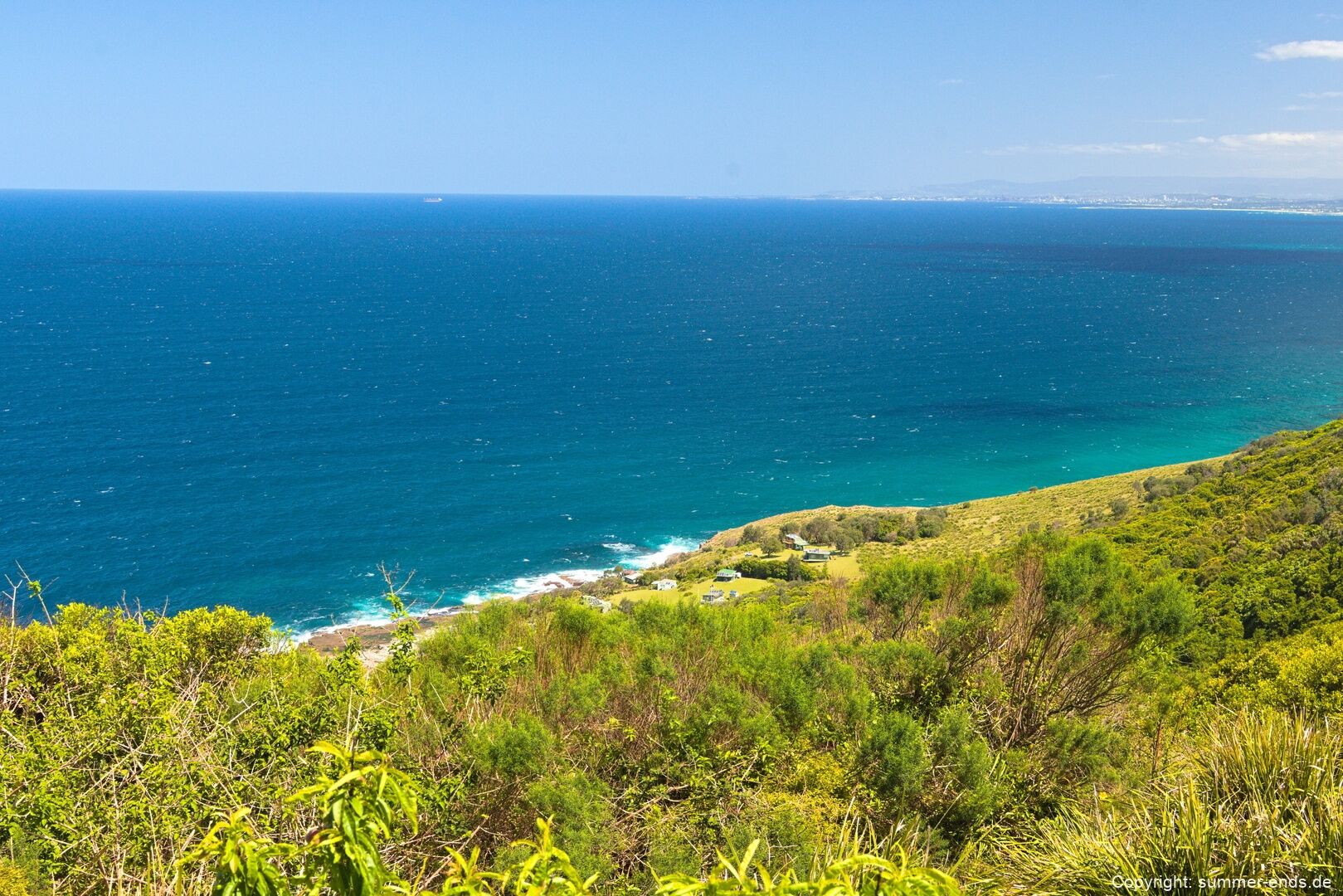
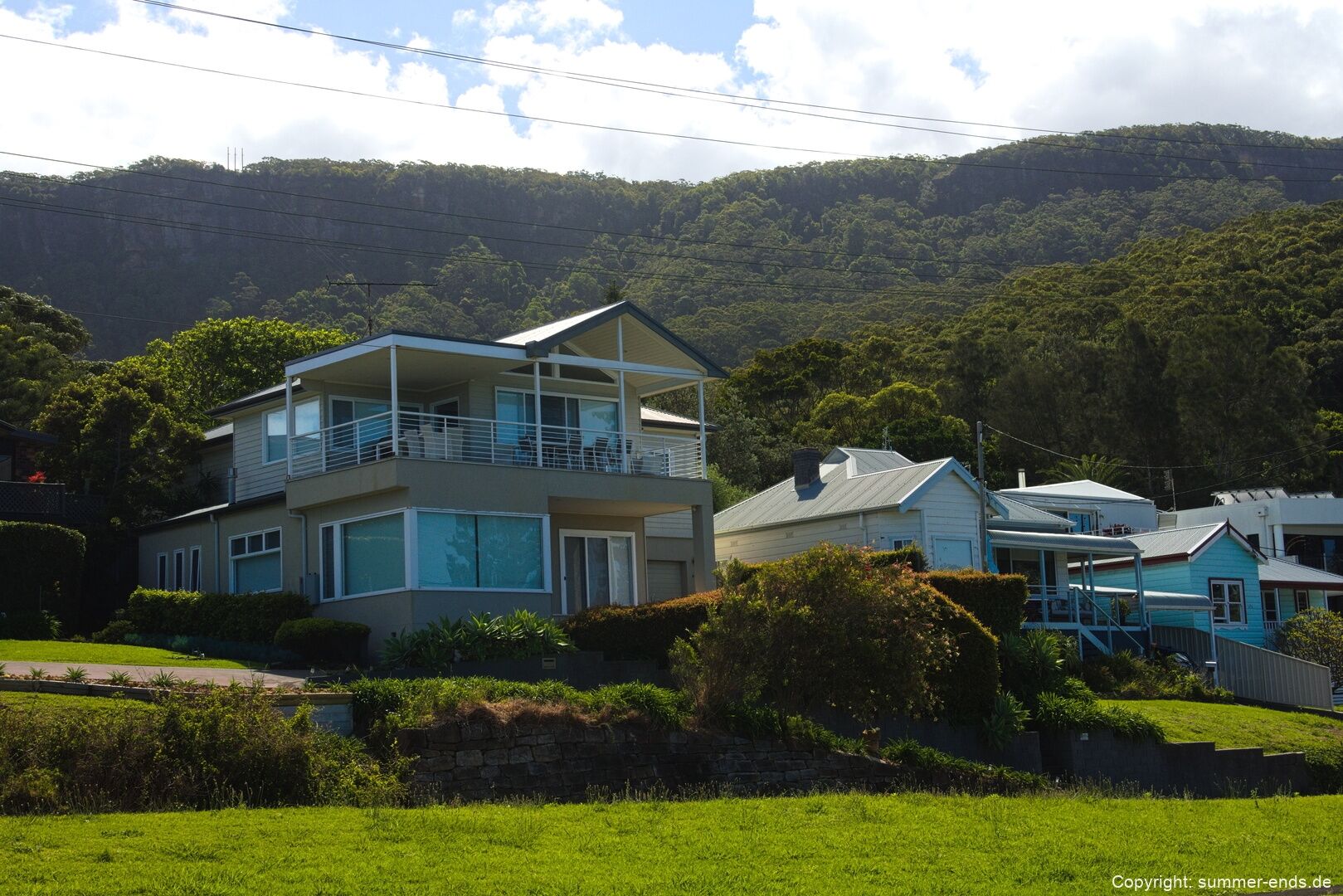
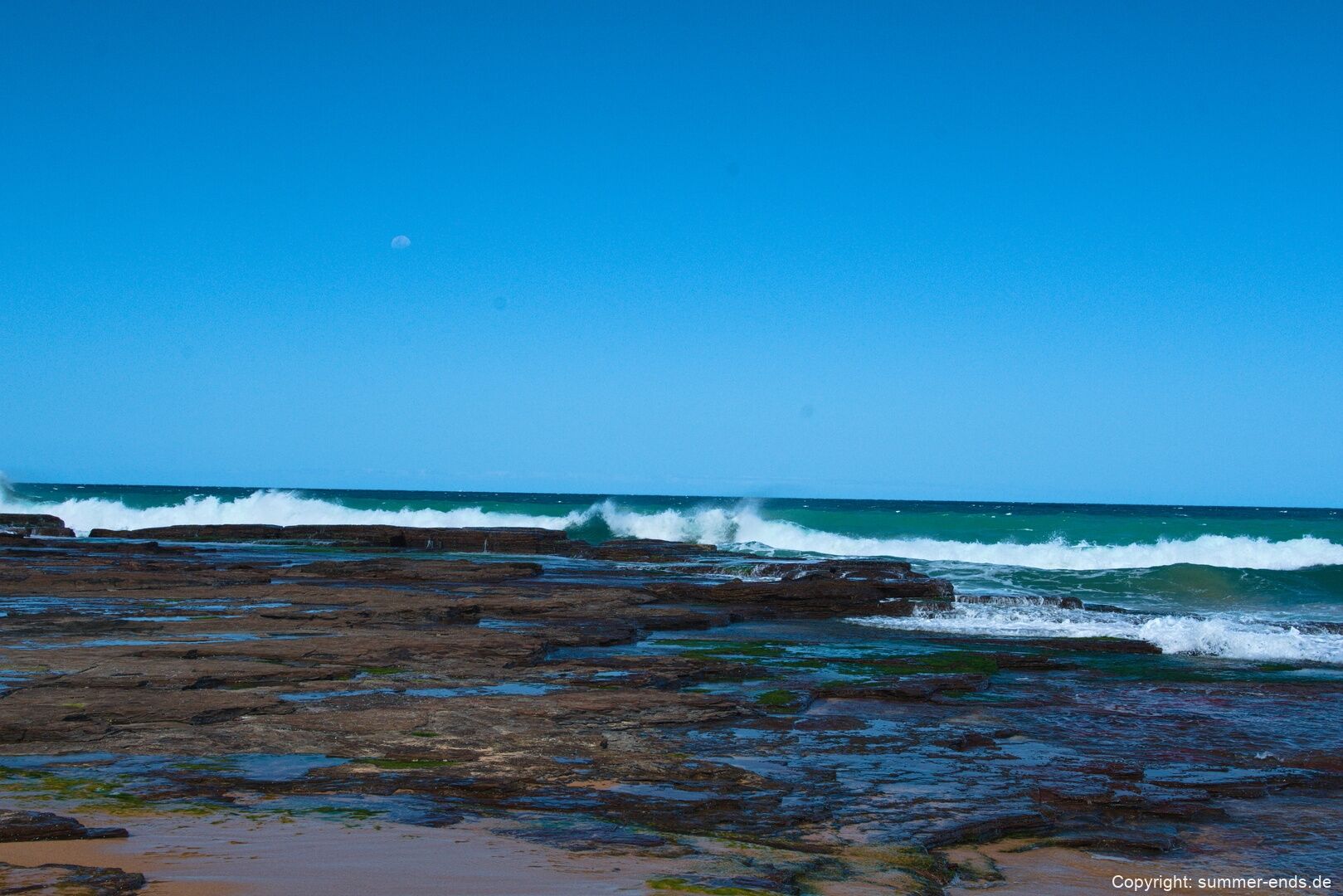
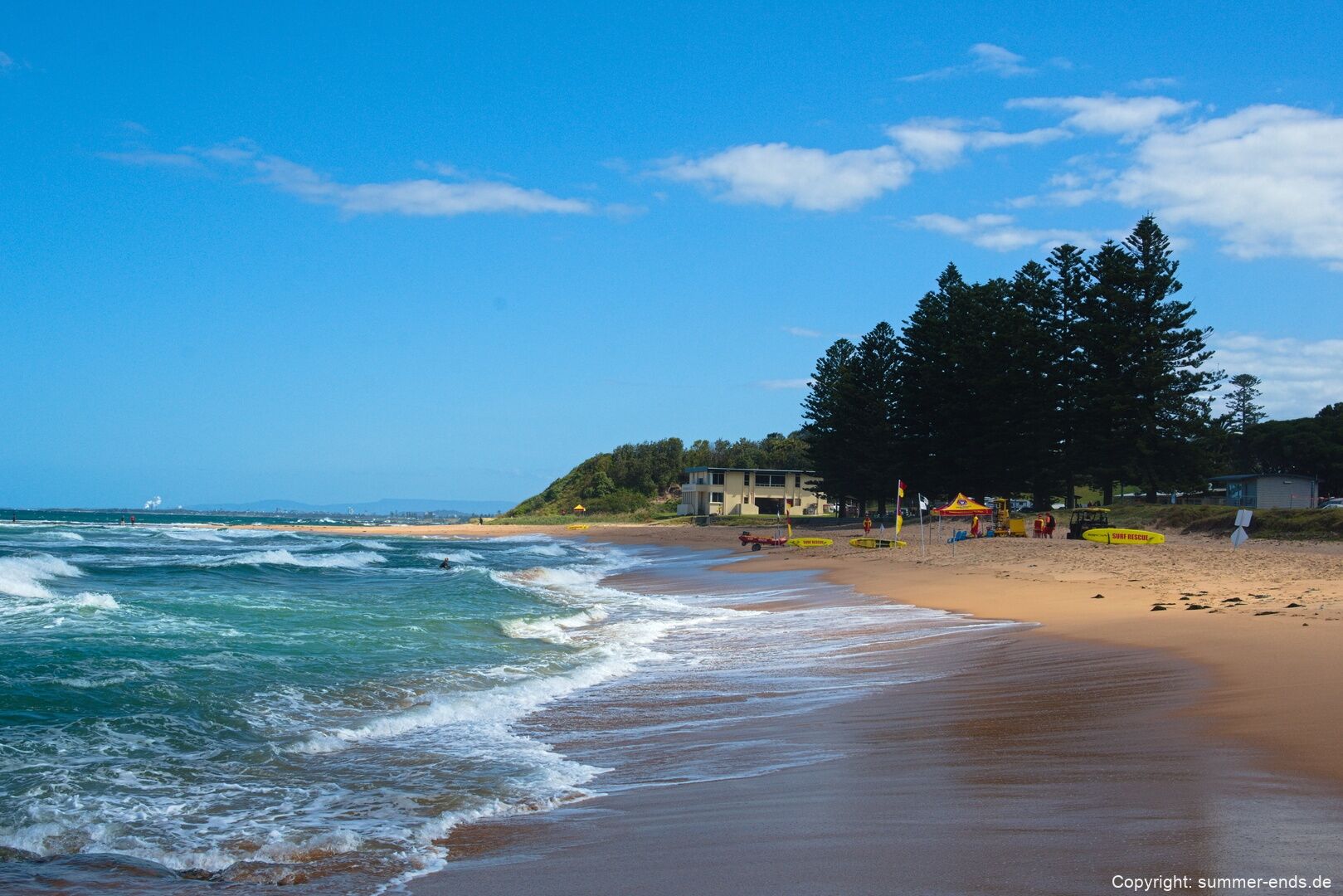
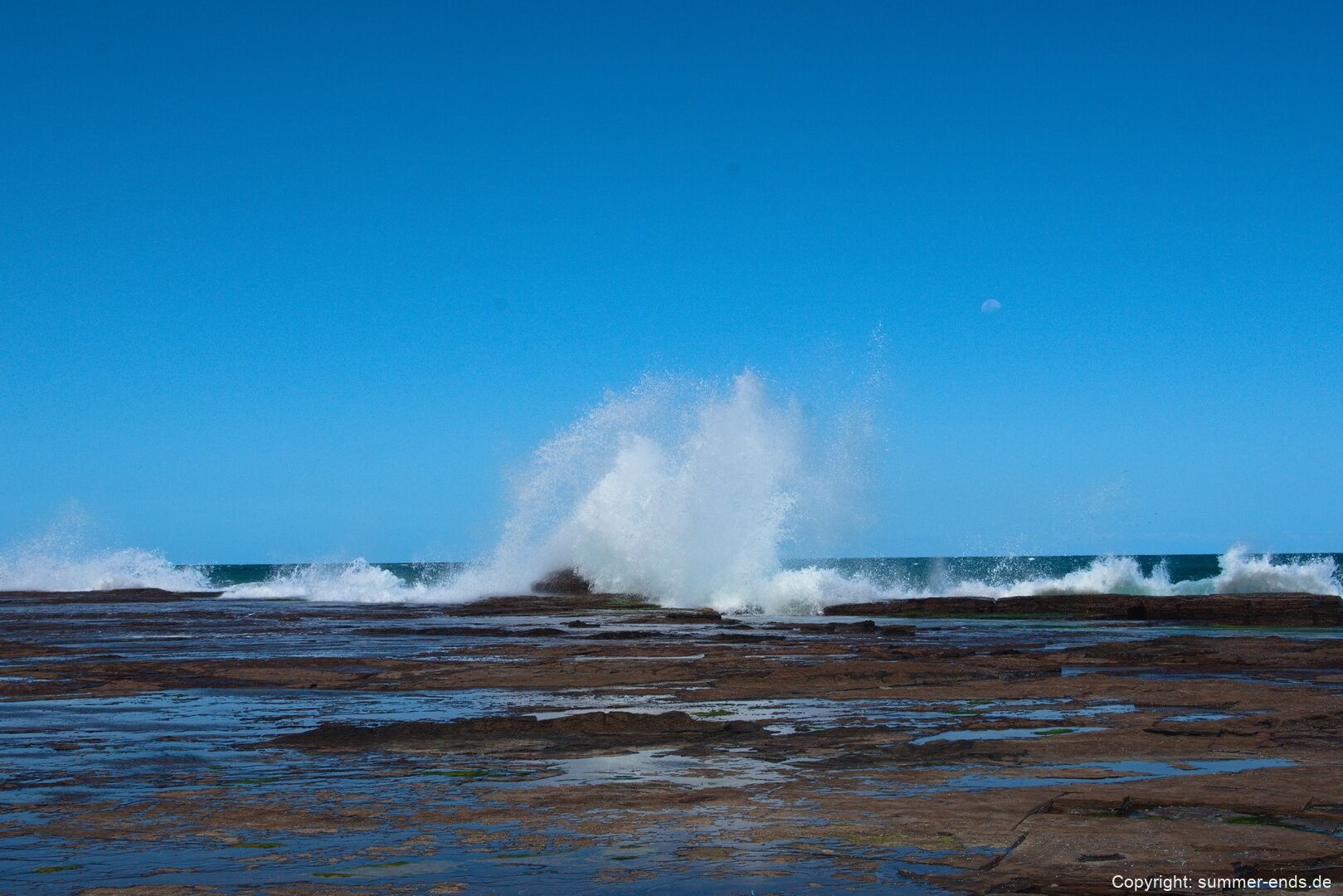
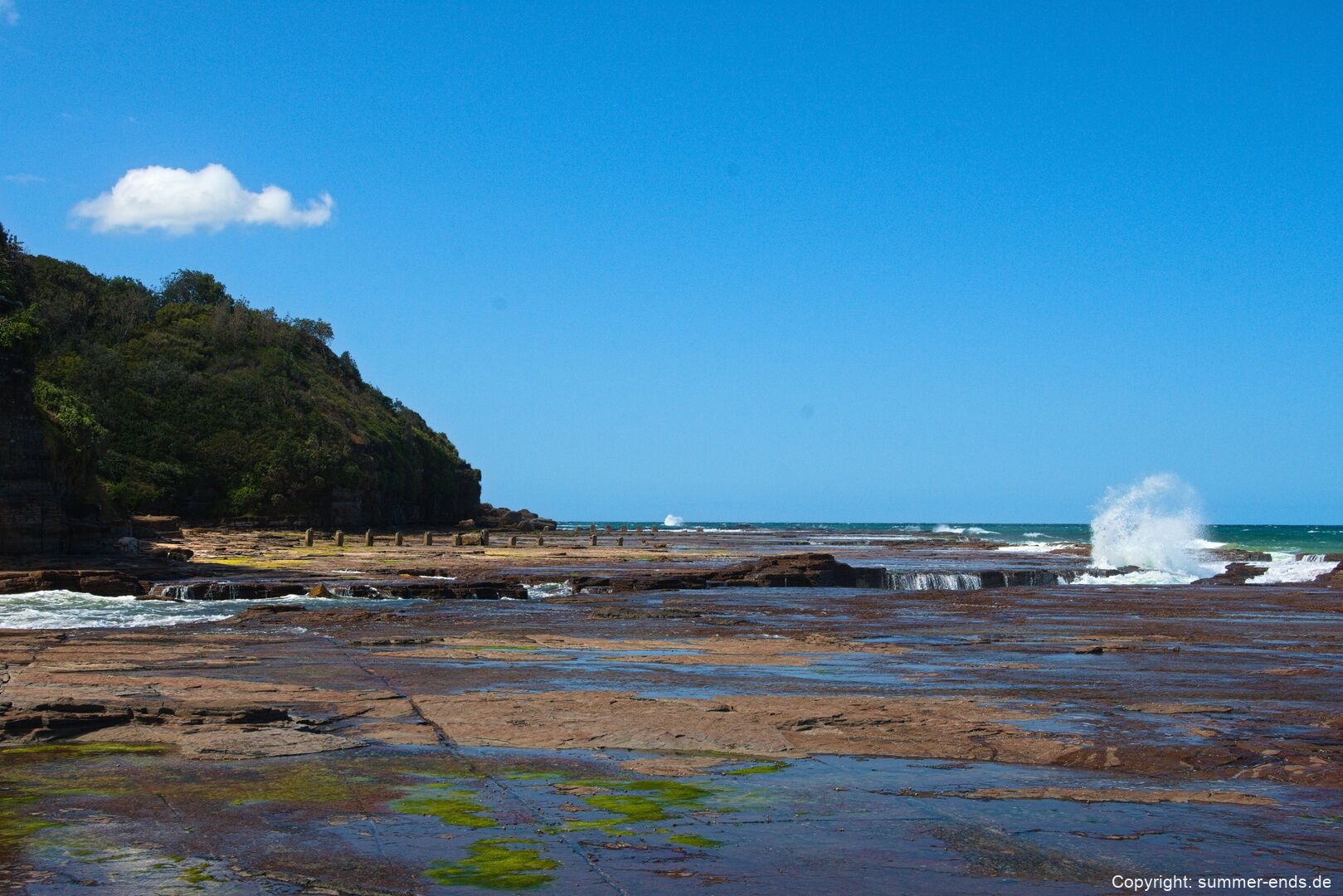
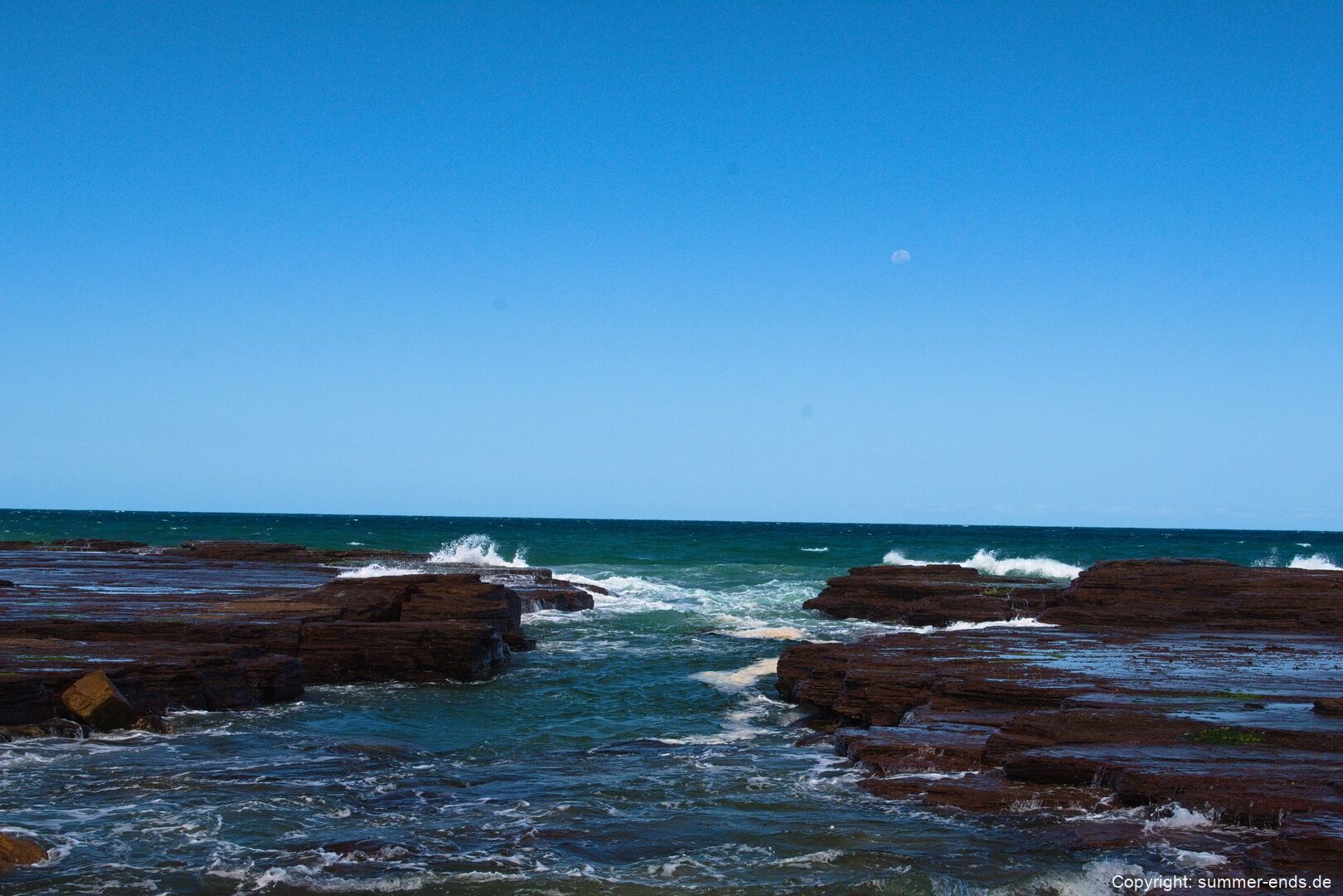
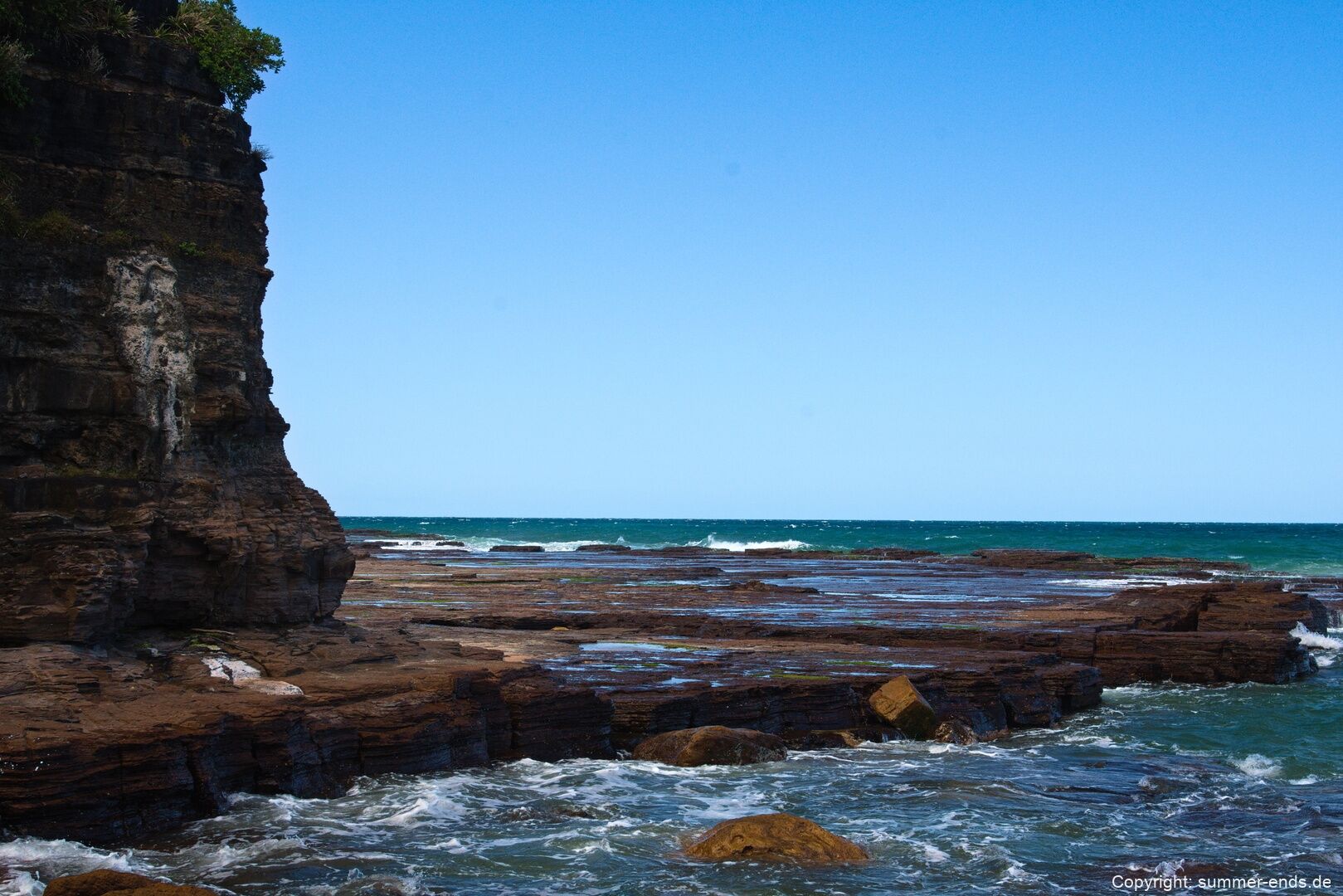
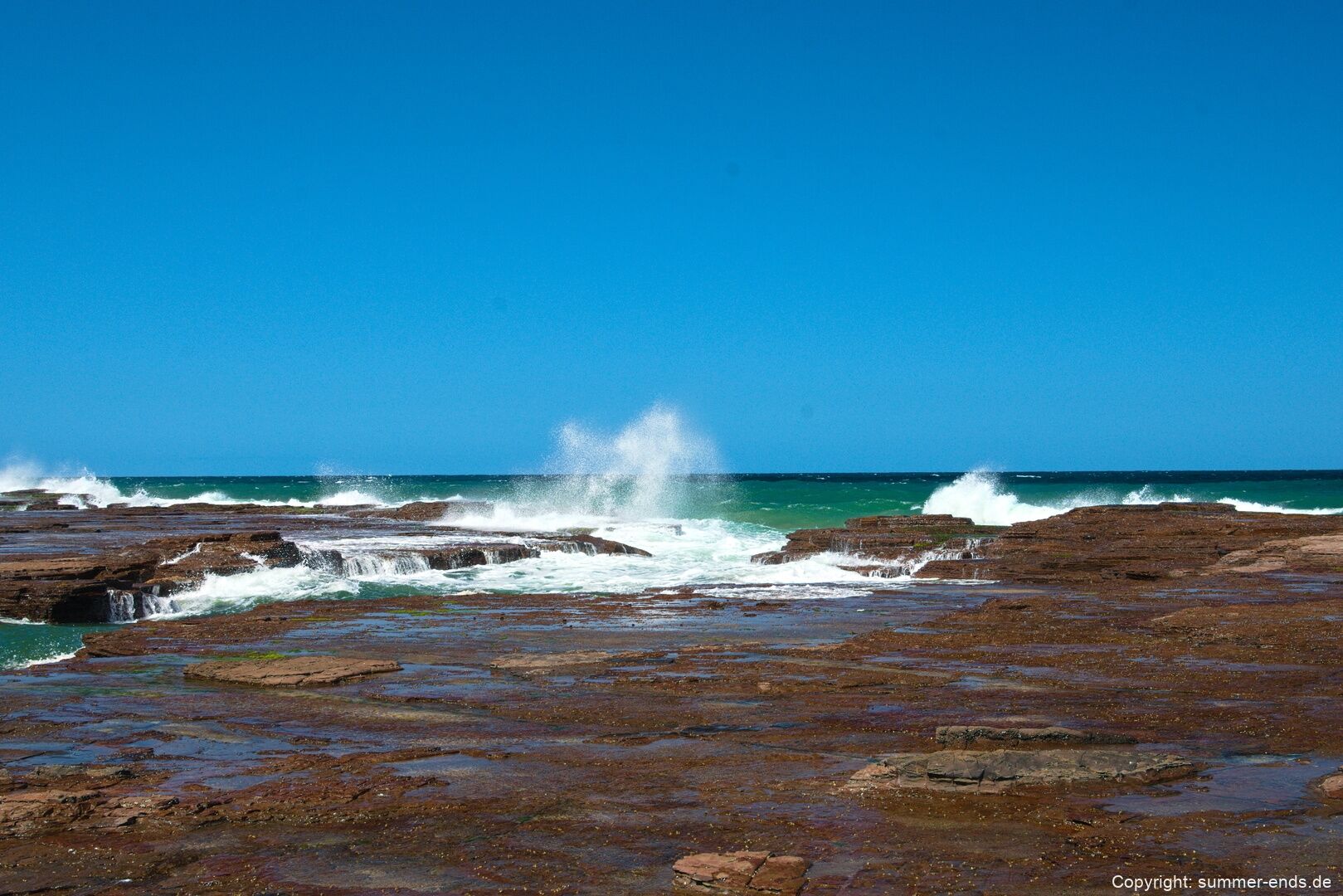
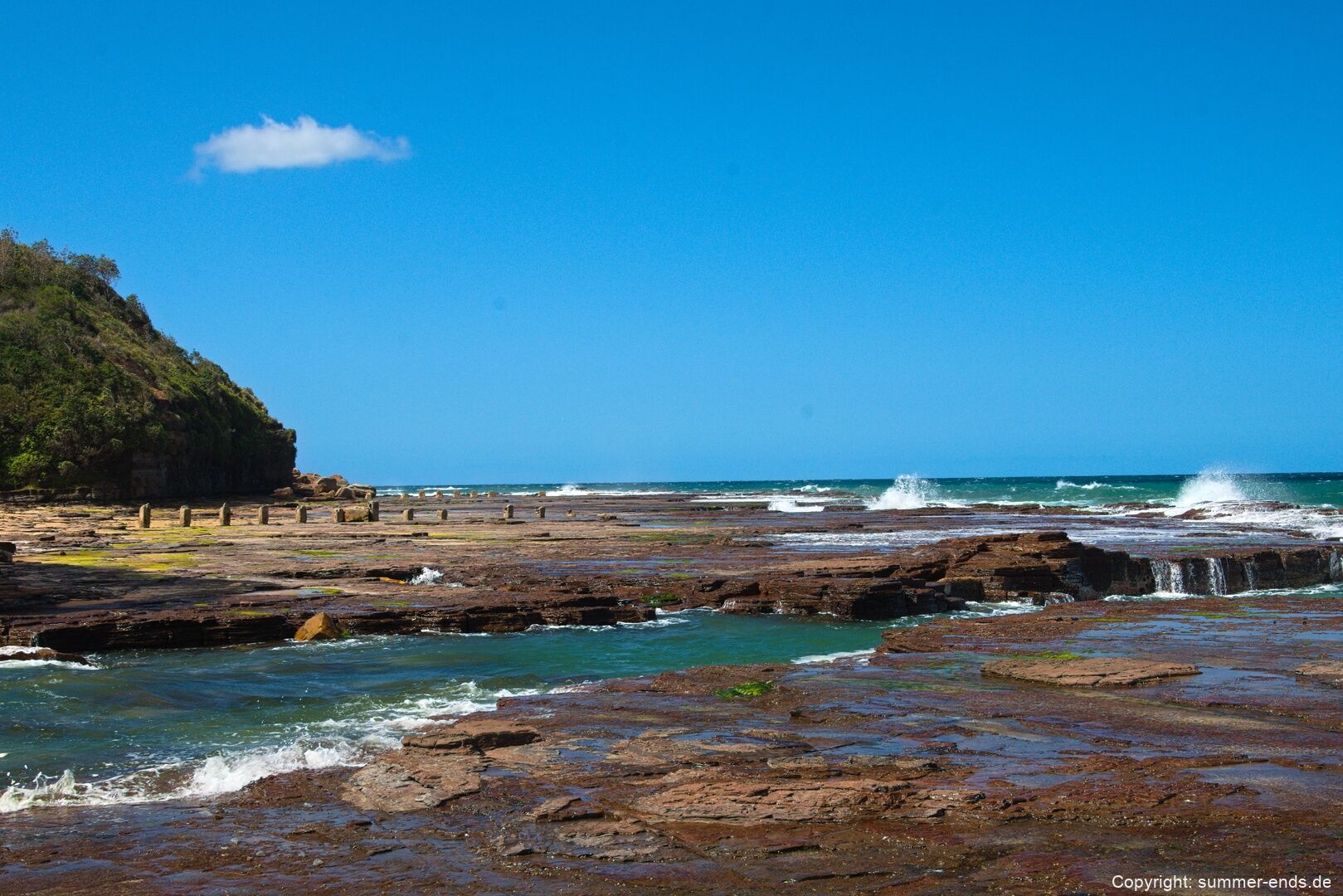
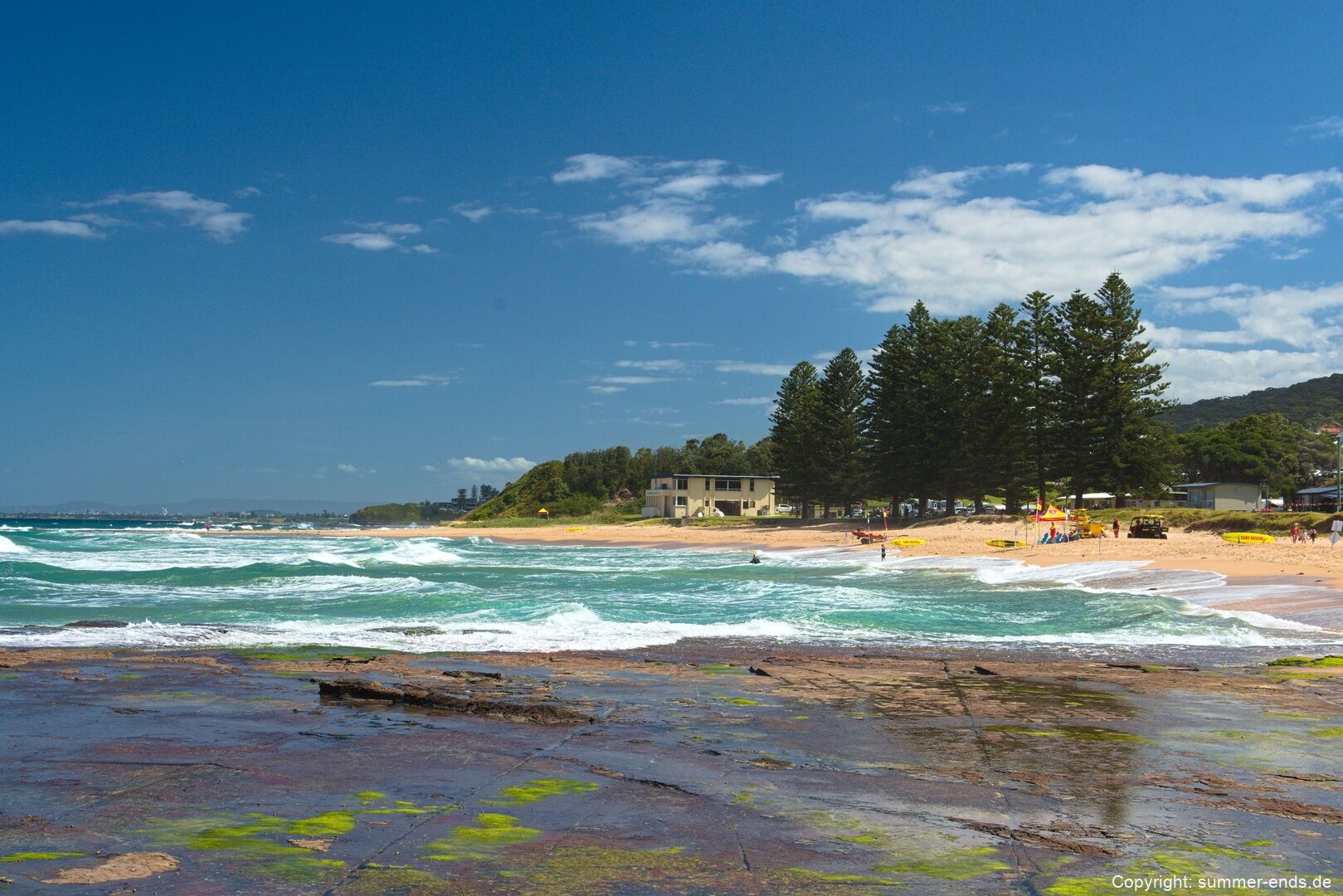
Stanwell Park is a coastal village in New South Wales, Australia, located approximately 50 kilometres south of central Sydney and immediately north of Wollongong. It lies within the Illawarra region at the base of the Illawarra Escarpment, between steep sandstone cliffs and the Tasman Sea. The settlement occupies a narrow coastal plain with direct access to Stanwell Park Beach and is framed by forested slopes rising sharply inland. Stanwell Park is known for its strong relationship to coastal processes, escarpment landscapes, and wind-exposed headlands, which have made it a focal point for outdoor recreation and nature-based activities. Despite its proximity to major urban centres, the village retains a relatively low-density, residential character closely integrated with surrounding national park environments.
History
Prior to European settlement, the Stanwell Park area formed part of the traditional lands of the Dharawal people. The coastal plain, rock platforms, and escarpment provided access to marine and terrestrial resources, and archaeological evidence in the broader Illawarra region indicates long-term Aboriginal occupation, including fishing, shellfish gathering, and movement along coastal and inland routes.
European settlement in the area began in the 19th century, initially associated with small-scale agriculture, grazing, and coastal transport. The dramatic coastal setting and cooler climate later attracted visitors from Sydney, contributing to the development of Stanwell Park as a seaside retreat during the late 19th and early 20th centuries. Improved rail and road connections strengthened its role as a holiday destination.
Stanwell Park also holds a notable place in aviation history as the landing site of Lawrence Hargrave’s pioneering box kite experiments in the 1890s, which contributed to early understanding of aerodynamics. Over time, the village evolved into a permanent residential community while maintaining its recreational and historical significance.
Geology
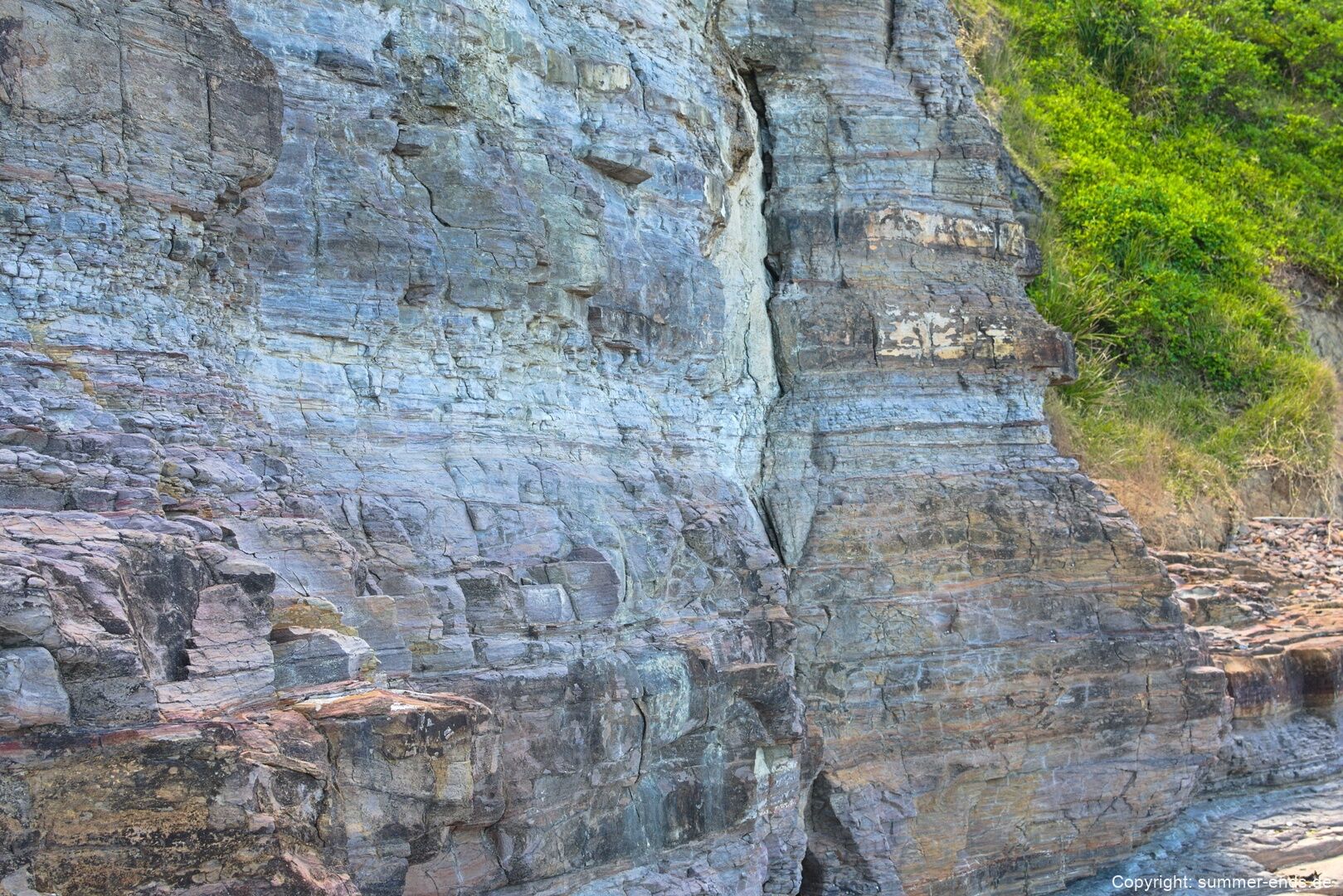
Geologically, Stanwell Park lies at the eastern margin of the Sydney Basin, a large sedimentary basin composed predominantly of Permian and Triassic sandstones, shales, and coal measures. The Illawarra Escarpment rising behind the village is formed primarily of resistant sandstone units, including the Hawkesbury Sandstone, which cap the plateau and create steep cliffs overlooking the coastal plain.
The coastal lowland at Stanwell Park consists of younger Quaternary sediments, including marine sands and alluvial deposits shaped by sea-level fluctuations, wave action, and fluvial processes. Ongoing coastal erosion and sediment transport influence beach morphology and dune systems along the shoreline.
The contrast between the flat coastal plain and the abrupt escarpment reflects long-term tectonic stability combined with differential erosion, where harder sandstone units resist weathering while underlying and adjacent materials are more readily eroded. These geological controls strongly influence drainage patterns, slope stability, and vegetation distribution in the region.
Things to See
Stanwell Park Beach is a central feature of the area, characterized by a wide sandy shoreline backed by dunes and open grassed areas, offering clear views of the coastline and escarpment. Bald Hill Lookout, located on the northern headland above the village, provides expansive views over the coast and is internationally known as a launch site for hang gliding and paragliding due to consistent onshore winds and elevated terrain.
The Illawarra Escarpment and surrounding bushland offer walking tracks and vantage points that highlight the region’s geology, native vegetation, and coastal–mountain interface. Historic references to Lawrence Hargrave’s aviation experiments are reflected in local landmarks and interpretive material. Together, these natural and cultural elements make Stanwell Park a distinctive coastal landscape shaped by geology, wind, and long-standing human interaction with the environment.