
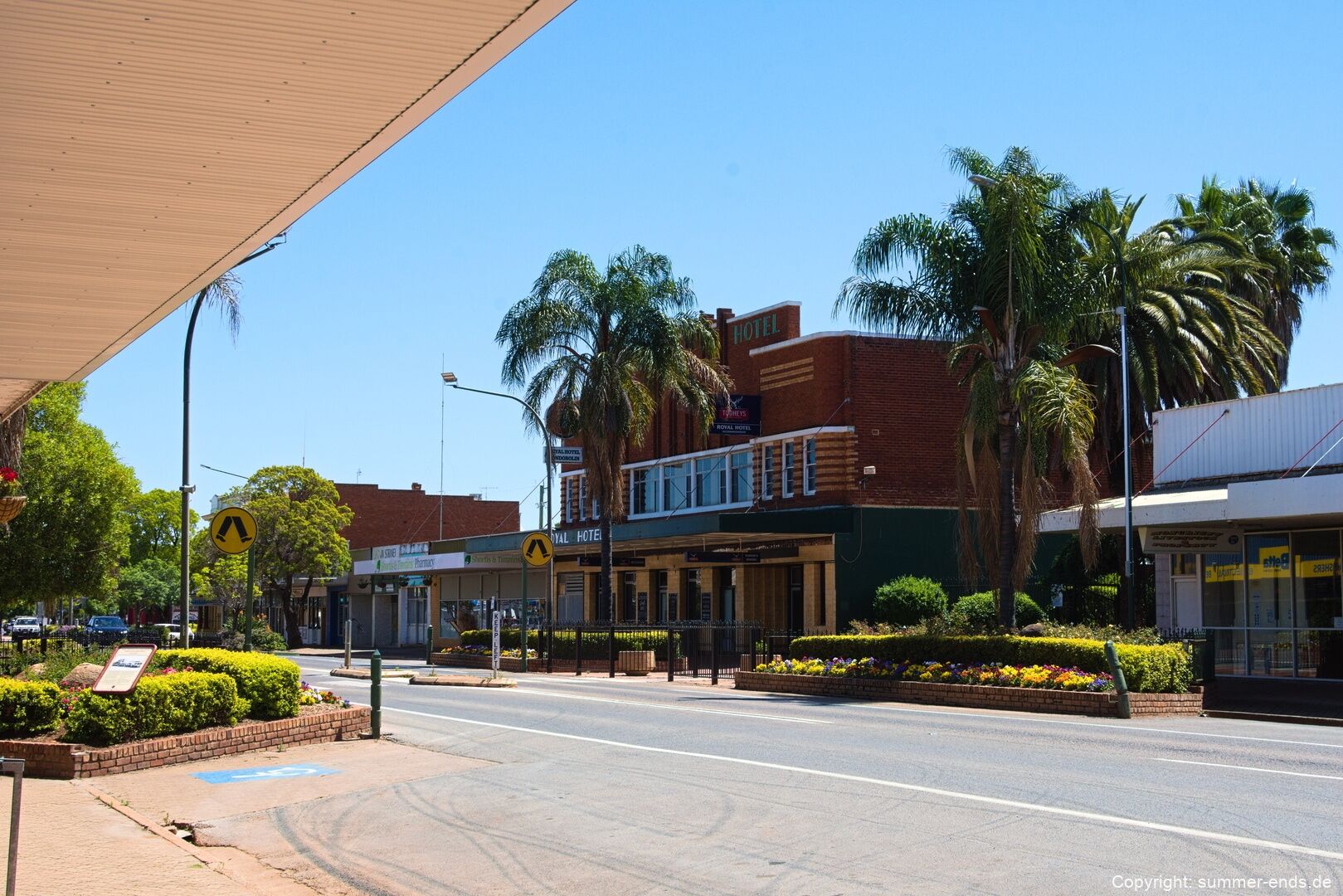
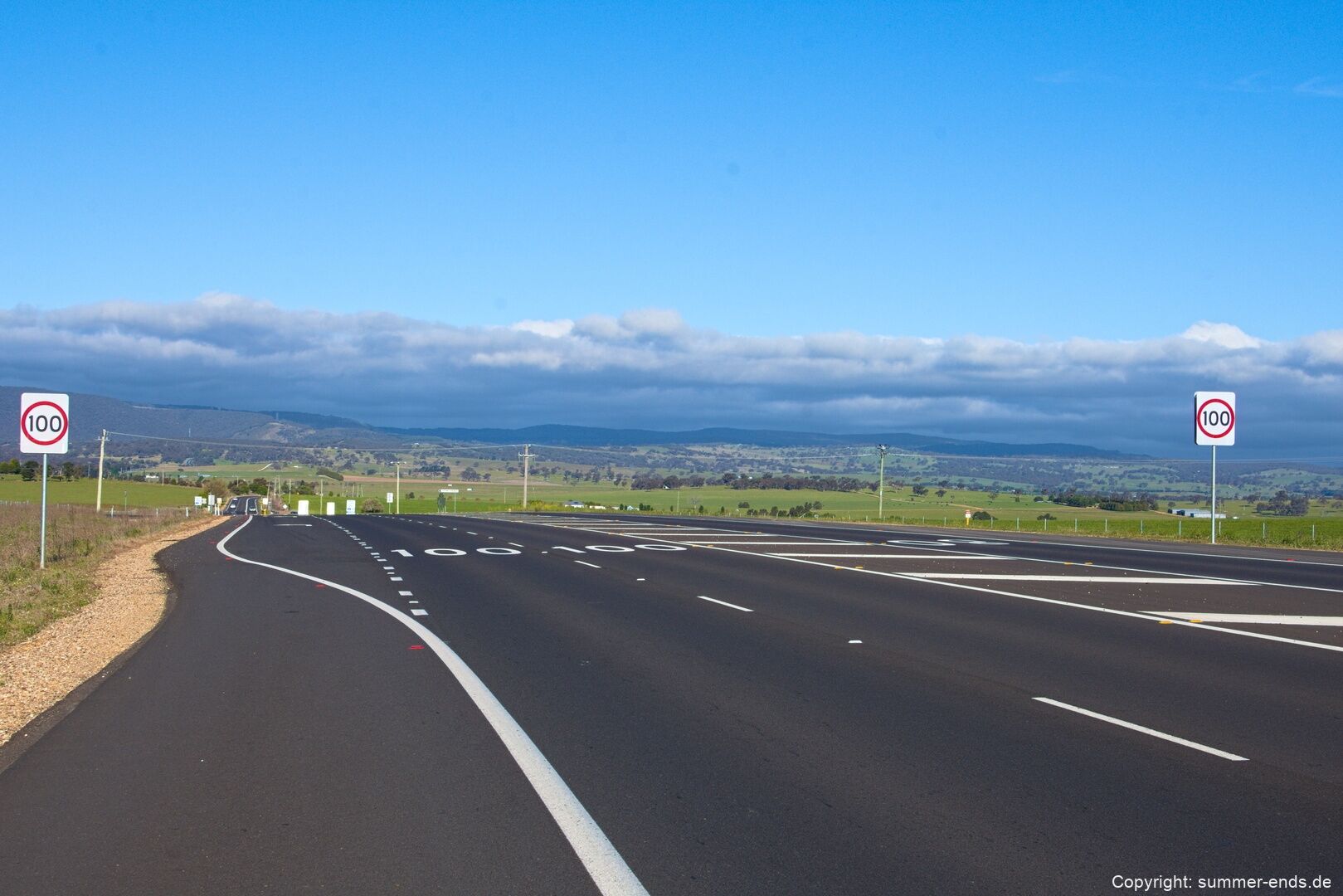
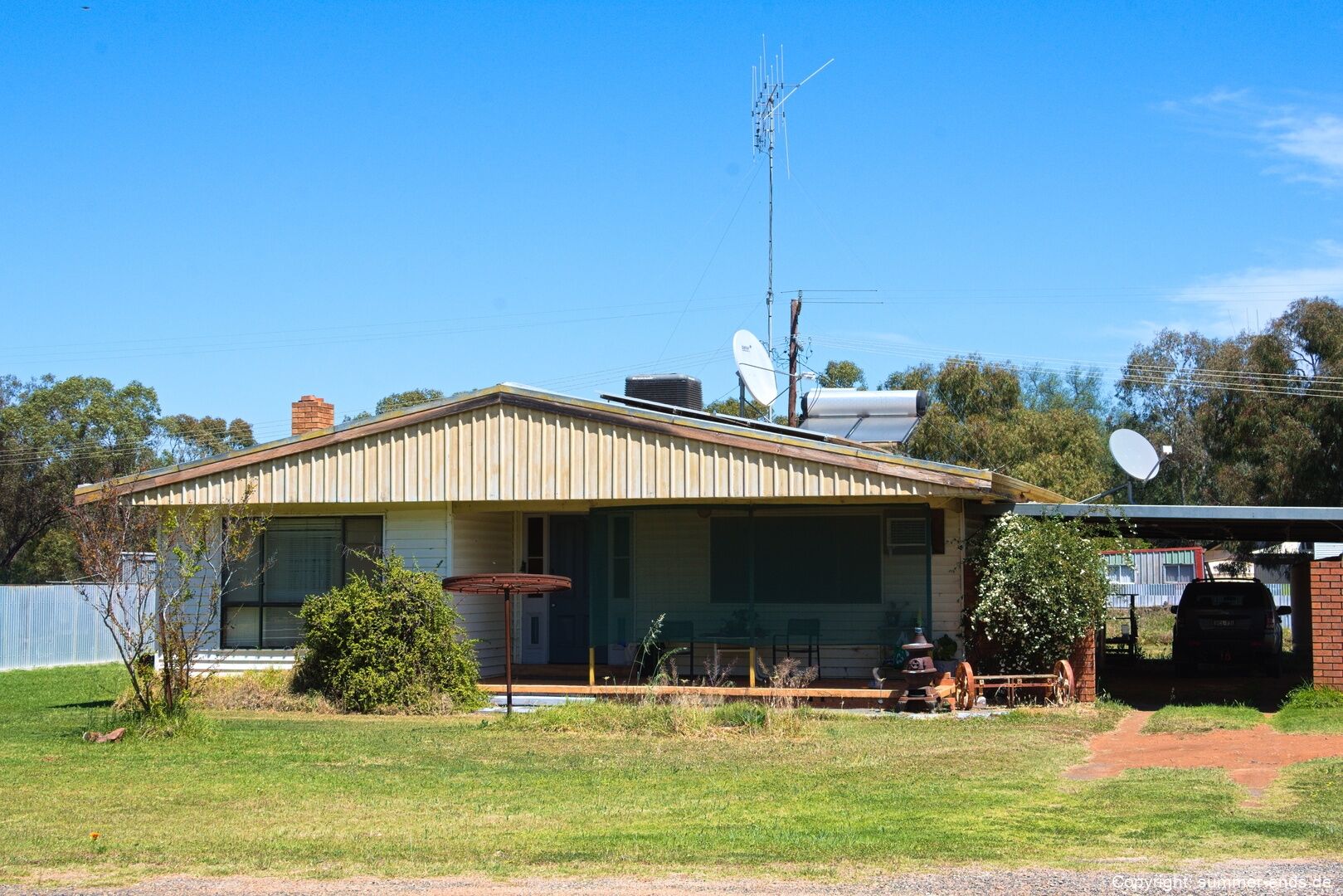
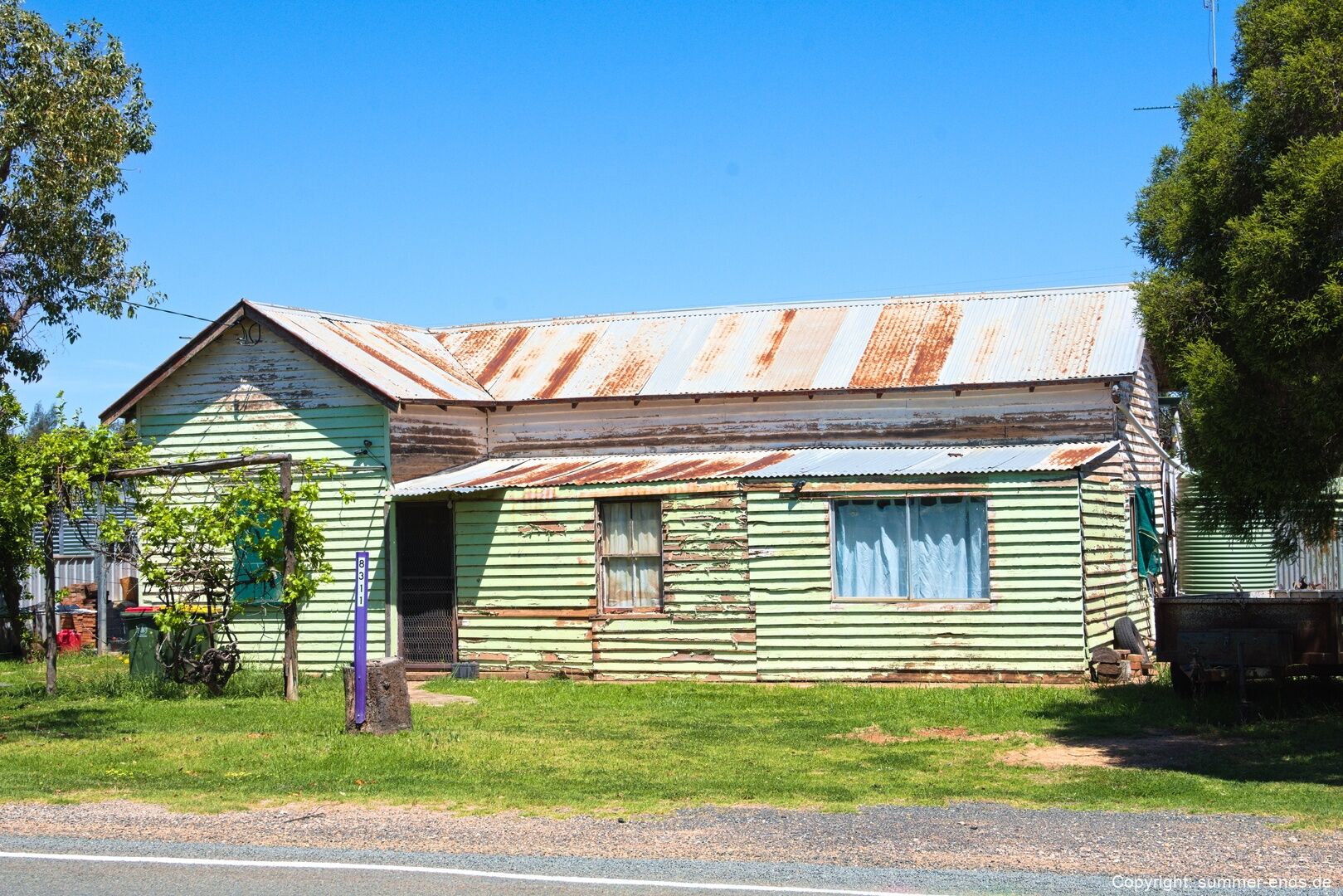
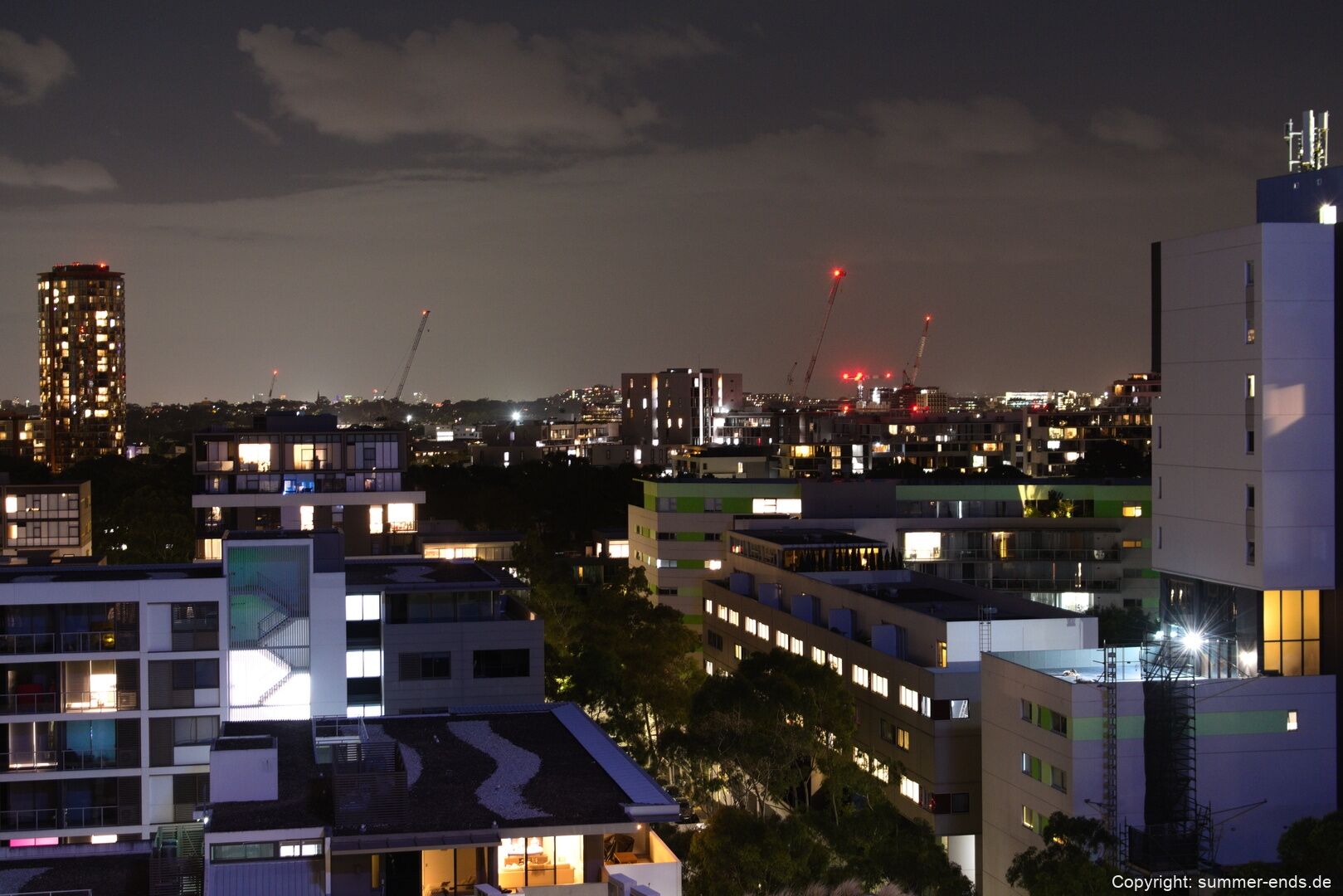
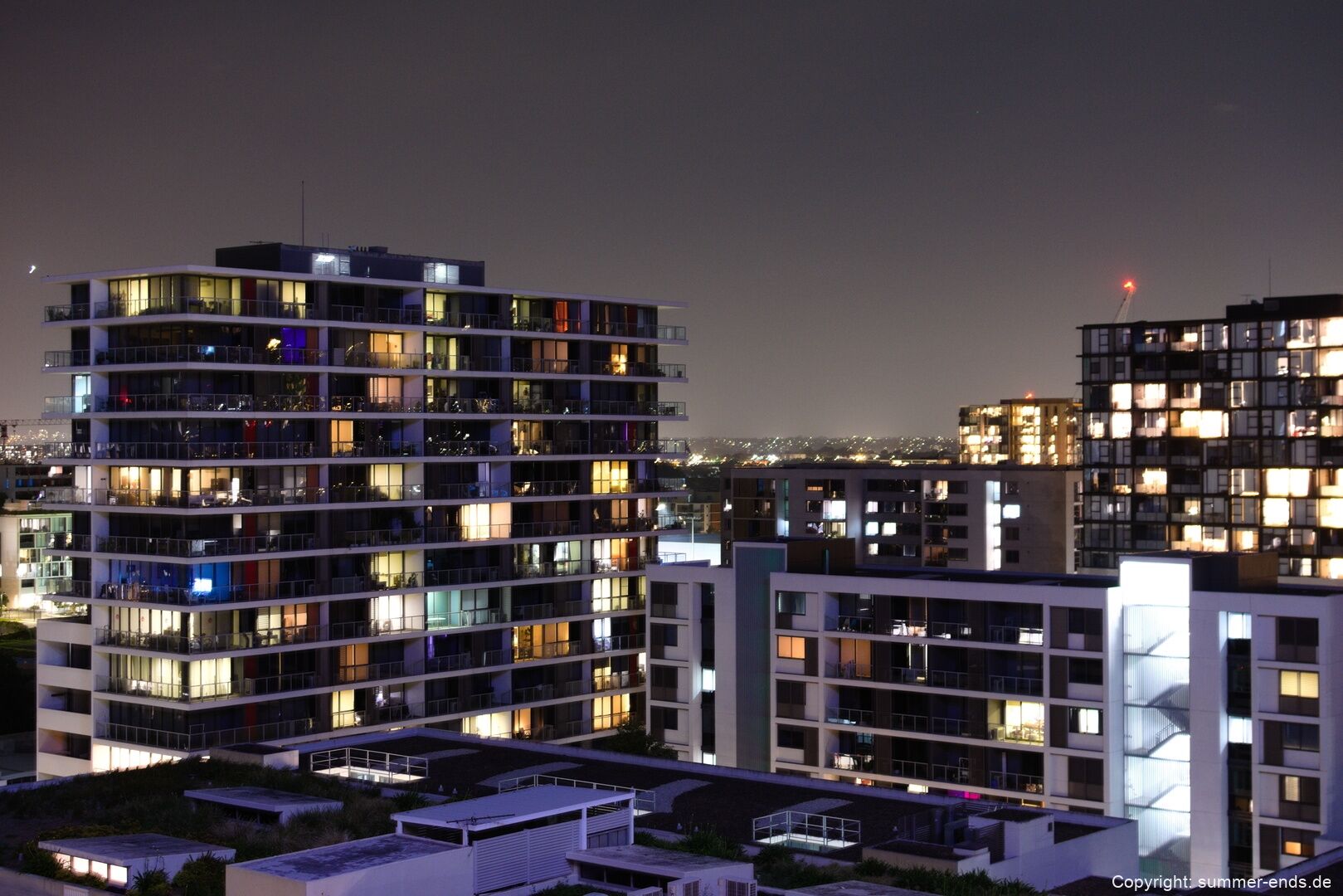
The region extending from Sydney to Condobolin spans a broad transect of New South Wales from the coastal metropolitan zone across the Great Dividing Range and the Central Tablelands into the semi-arid interior of the Lachlan River catchment. This corridor represents a major environmental and geographical transition, moving from humid coastal landscapes through elevated plateaus and mountain ranges into the flat plains of the western slopes and plains. Sydney marks the eastern urban and economic core, while Condobolin functions as a regional service town within the Central West, surrounded by agricultural land and riverine environments. Climatic conditions shift progressively inland from temperate coastal influences to increasingly continental and semi-arid regimes, with lower rainfall, greater temperature variability, and higher evaporation rates.
History
Prior to European settlement, the lands between Sydney and Condobolin were occupied by multiple Aboriginal groups, including the Dharawal and Darug peoples of the Sydney Basin, the Wiradjuri people of the Central Tablelands and western slopes, and neighboring language groups. These communities maintained extensive trade routes, seasonal movement patterns, and cultural connections linked to rivers, ridgelines, and resource-rich landscapes. Archaeological evidence such as rock engravings, scarred trees, stone tools, and ceremonial sites demonstrates long-term occupation and land management across the region.
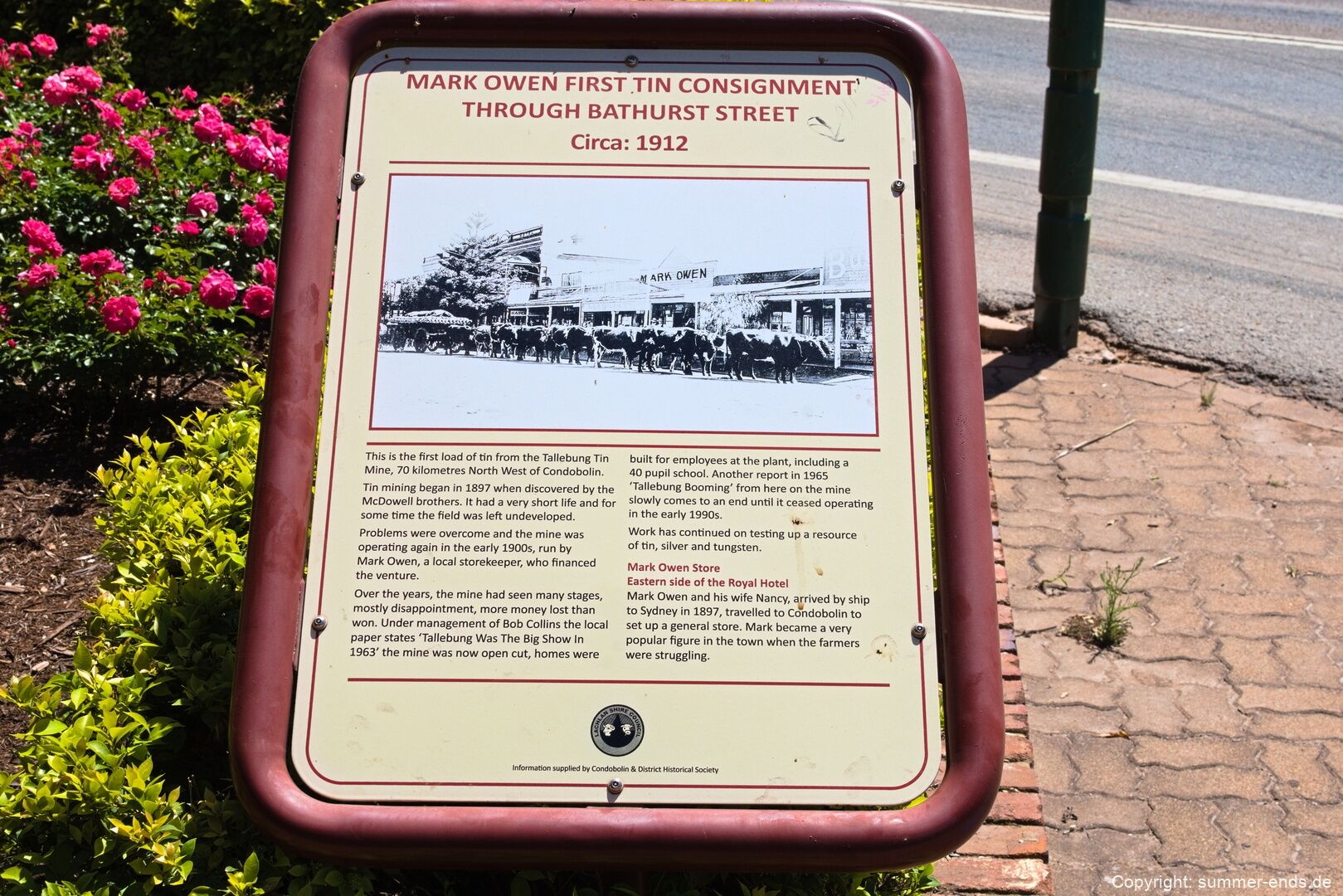
European expansion westward began in the early 19th century following exploration across the Blue Mountains. The establishment of inland routes and pastoral stations facilitated rapid colonization of the tablelands and western plains. Agriculture and grazing became dominant land uses, supported by river systems such as the Macquarie and Lachlan. Towns along transport corridors developed as service and administrative centers. Condobolin emerged in the late 19th century as a rail and agricultural hub serving surrounding sheep, wheat, and mixed-farming districts. Over time, the region evolved into a key component of New South Wales’ inland agricultural economy, while Sydney remained the primary metropolitan center.
Geology
Geologically, the Sydney to Condobolin corridor crosses several major geological provinces. The Sydney Basin in the east is dominated by Permian and Triassic sedimentary rocks, including sandstones, shales, and coal measures that form plateaus and dissected valleys. Westward, the Blue Mountains and Central Tablelands expose older sedimentary, volcanic, and intrusive rocks associated with the Lachlan Fold Belt. These areas display complex geological histories involving folding, faulting, volcanism, and long-term erosion.
Further west, the landscape transitions onto the western slopes and plains, where ancient bedrock is buried beneath extensive alluvial and aeolian deposits. These sediments were laid down by river systems over millions of years and now form broad, low-relief plains. The Lachlan River system dominates the Condobolin region, shaping floodplains, wetlands, and soil systems critical for agriculture. The progressive decrease in relief from east to west reflects long-term erosion of uplifted terrains and sediment redistribution across the interior.
Things to See
Along the route from Sydney to Condobolin, numerous natural and cultural features illustrate the changing landscapes of New South Wales. In the east, the Blue Mountains offer dramatic sandstone cliffs, deep valleys, and extensive national parks showcasing the geology and ecosystems of the Sydney Basin.
The Central Tablelands include historic towns, pastoral landscapes, and river valleys, as well as geological features such as volcanic remnants and rugged uplands. Further west, the landscape opens into wide agricultural plains, with the Lachlan River and associated wetlands providing important ecological and visual features near Condobolin.
Historic rail infrastructure, rural townships, Aboriginal cultural sites, and long-distance road corridors reflect patterns of exploration, settlement, and land use. Together, these elements demonstrate the transition from coastal metropolitan environments to the inland agricultural heartland of New South Wales.