
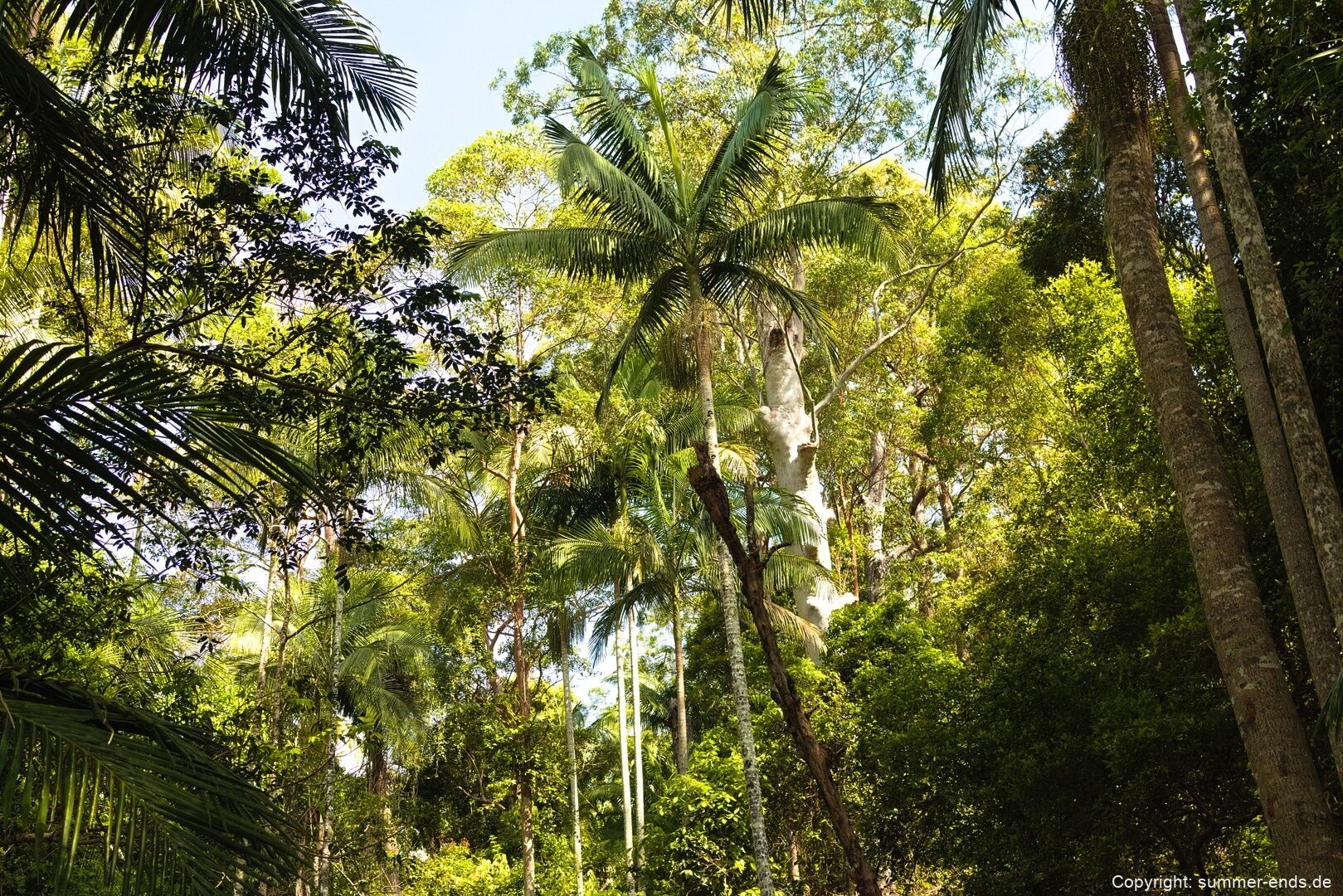
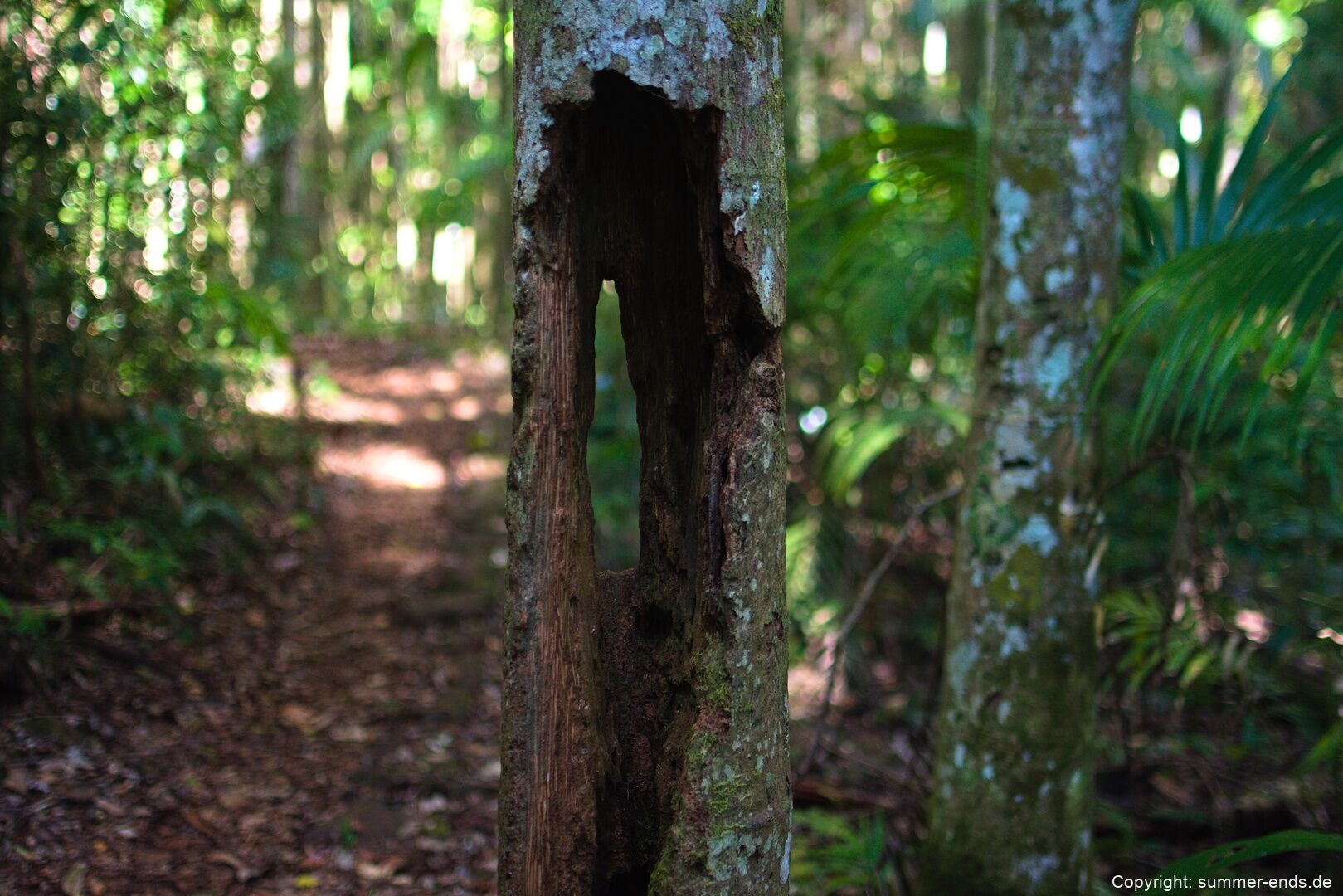

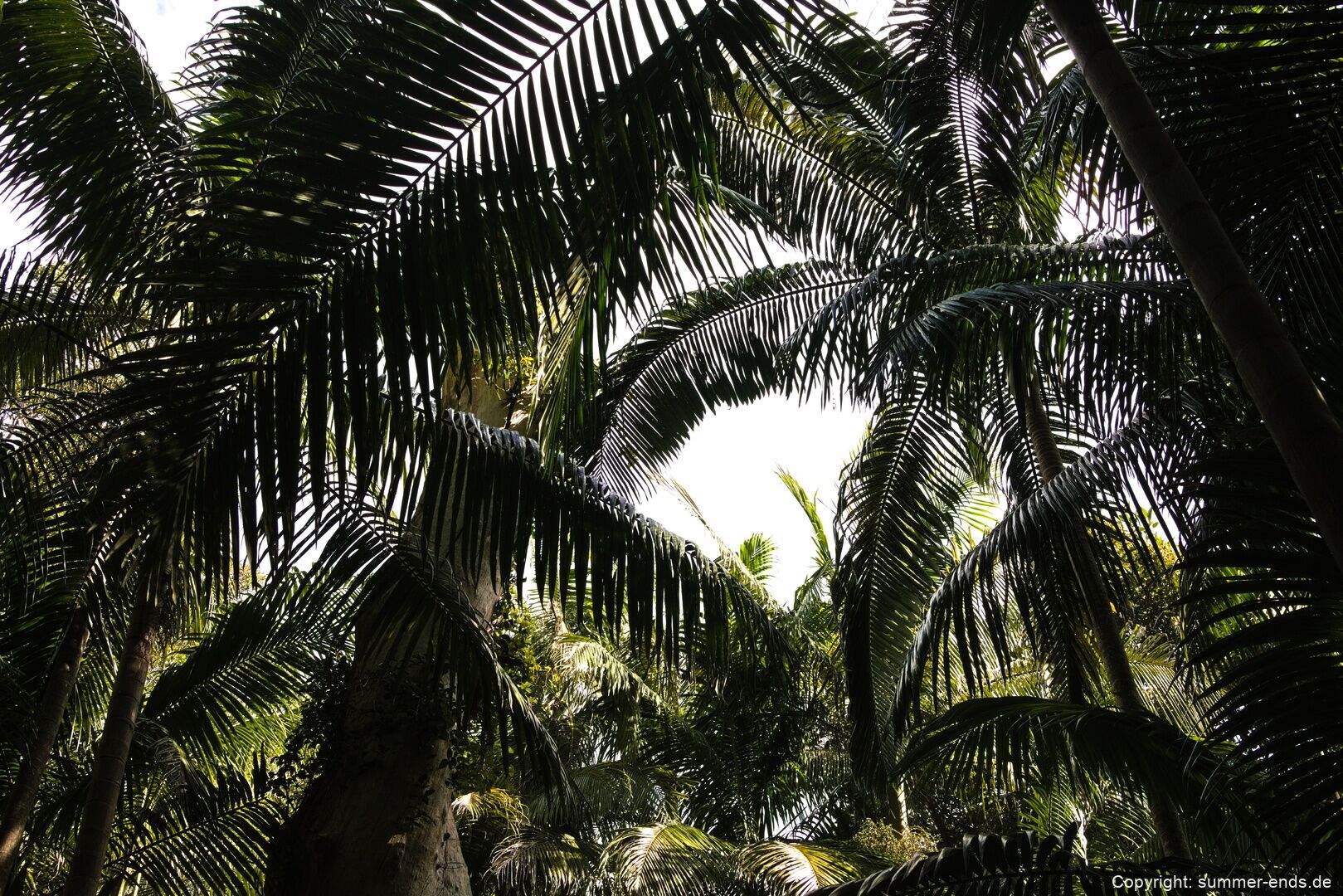

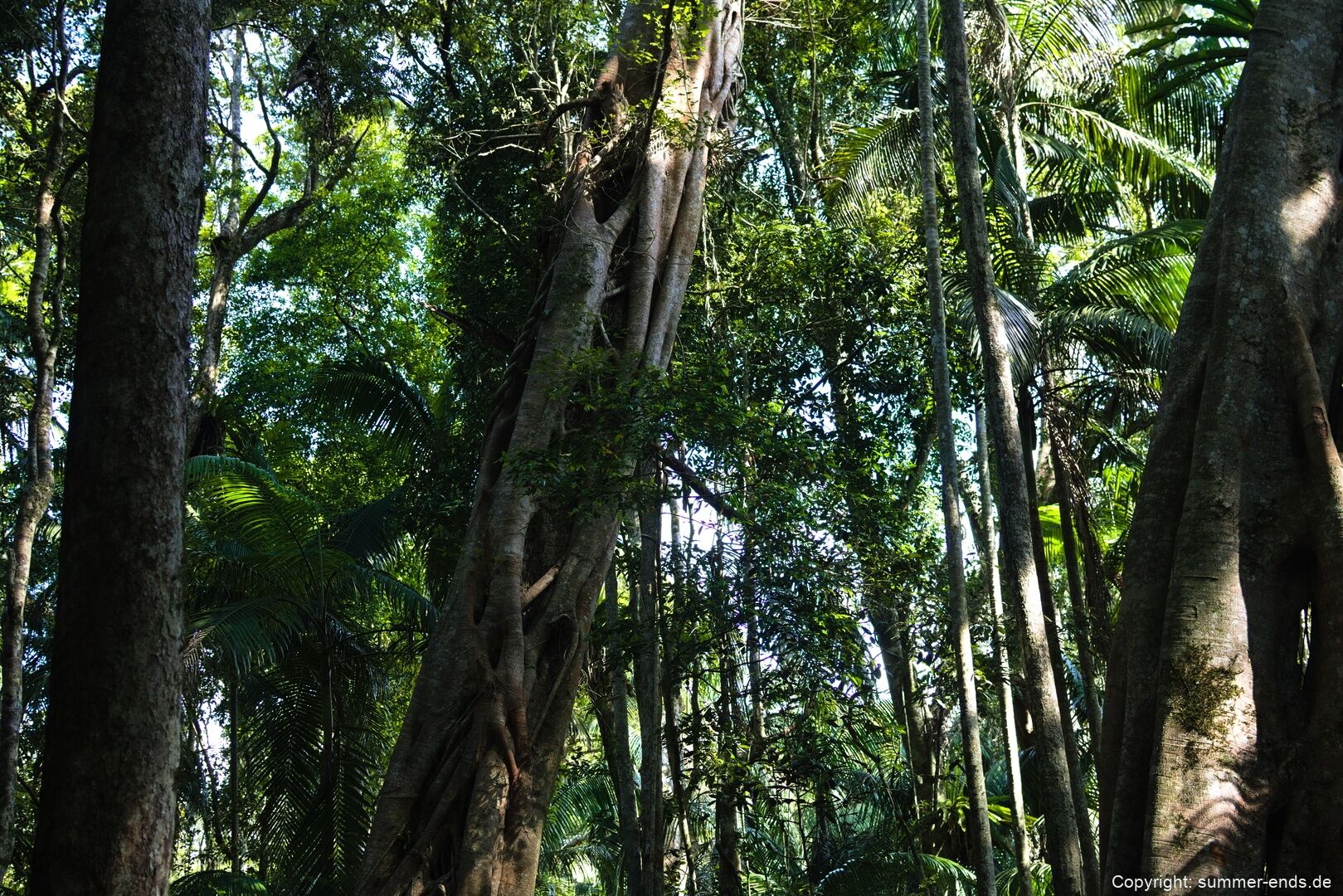
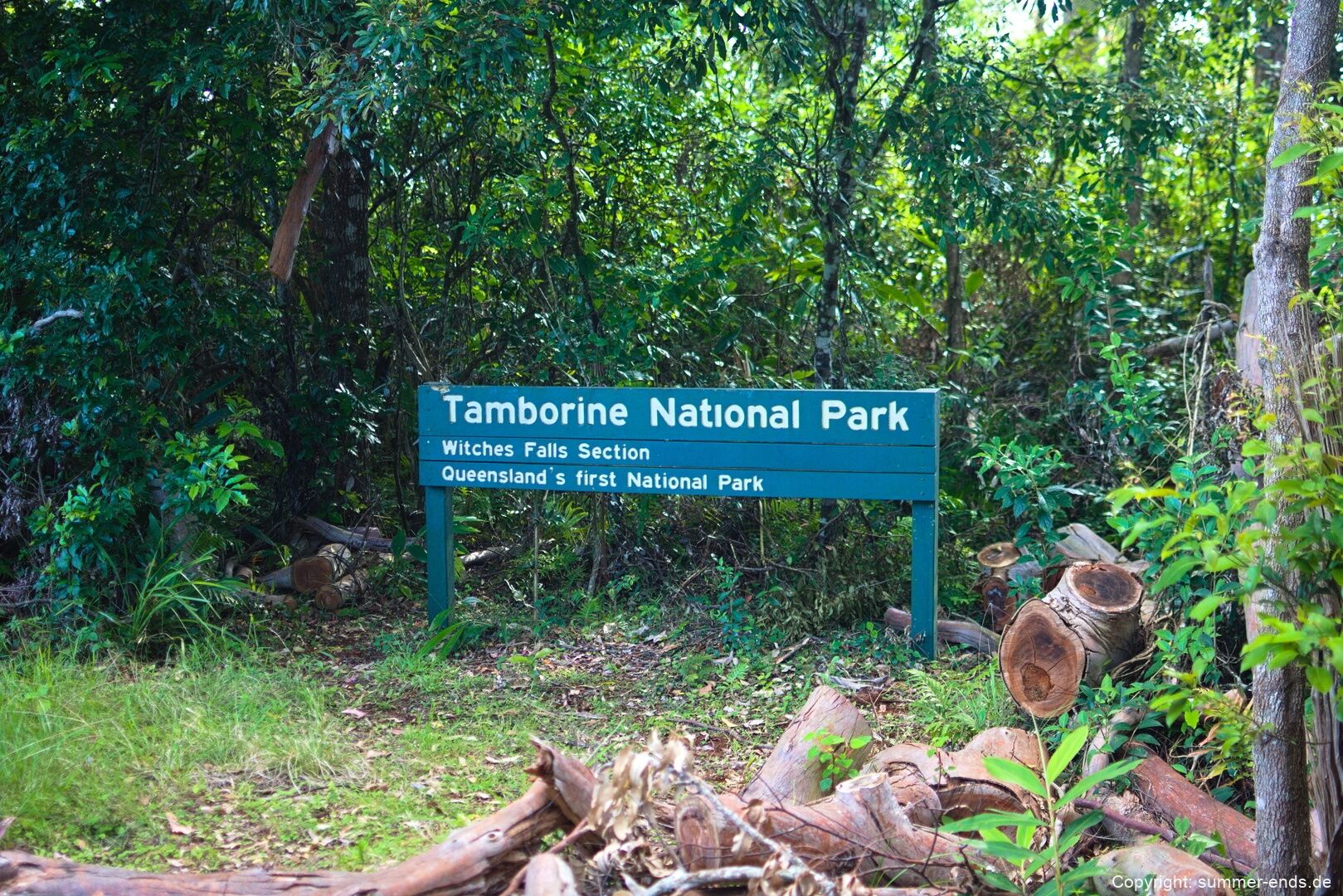
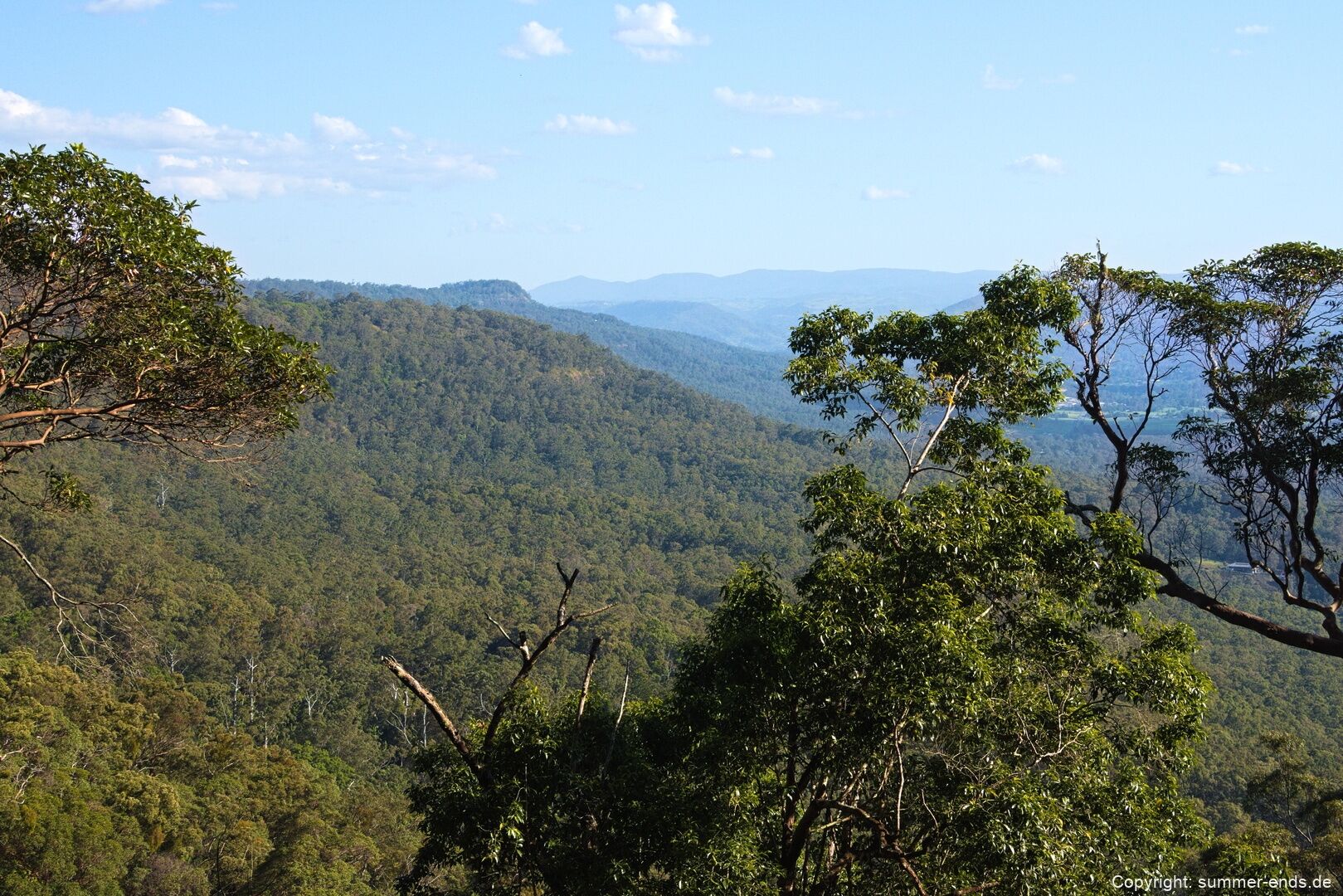
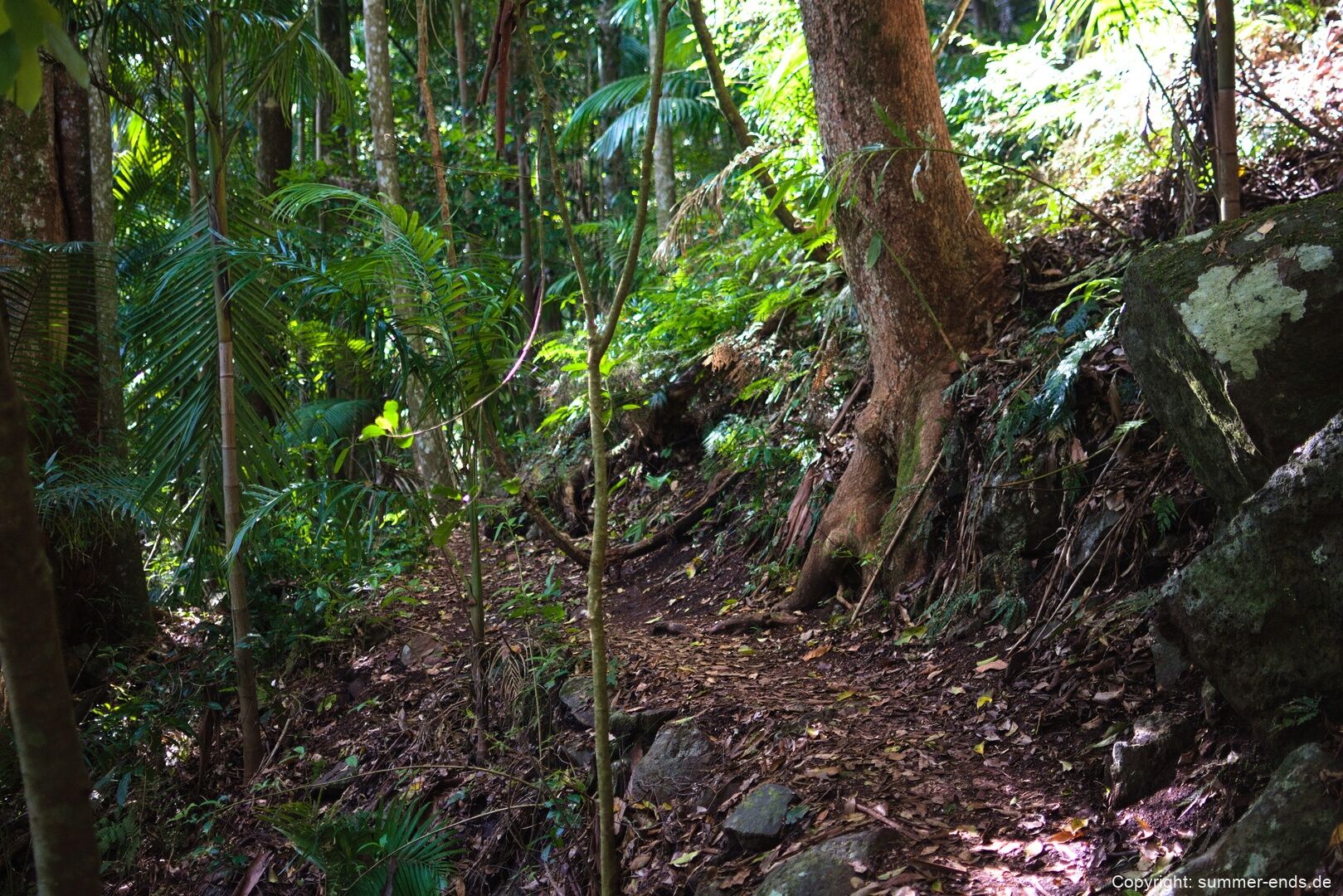
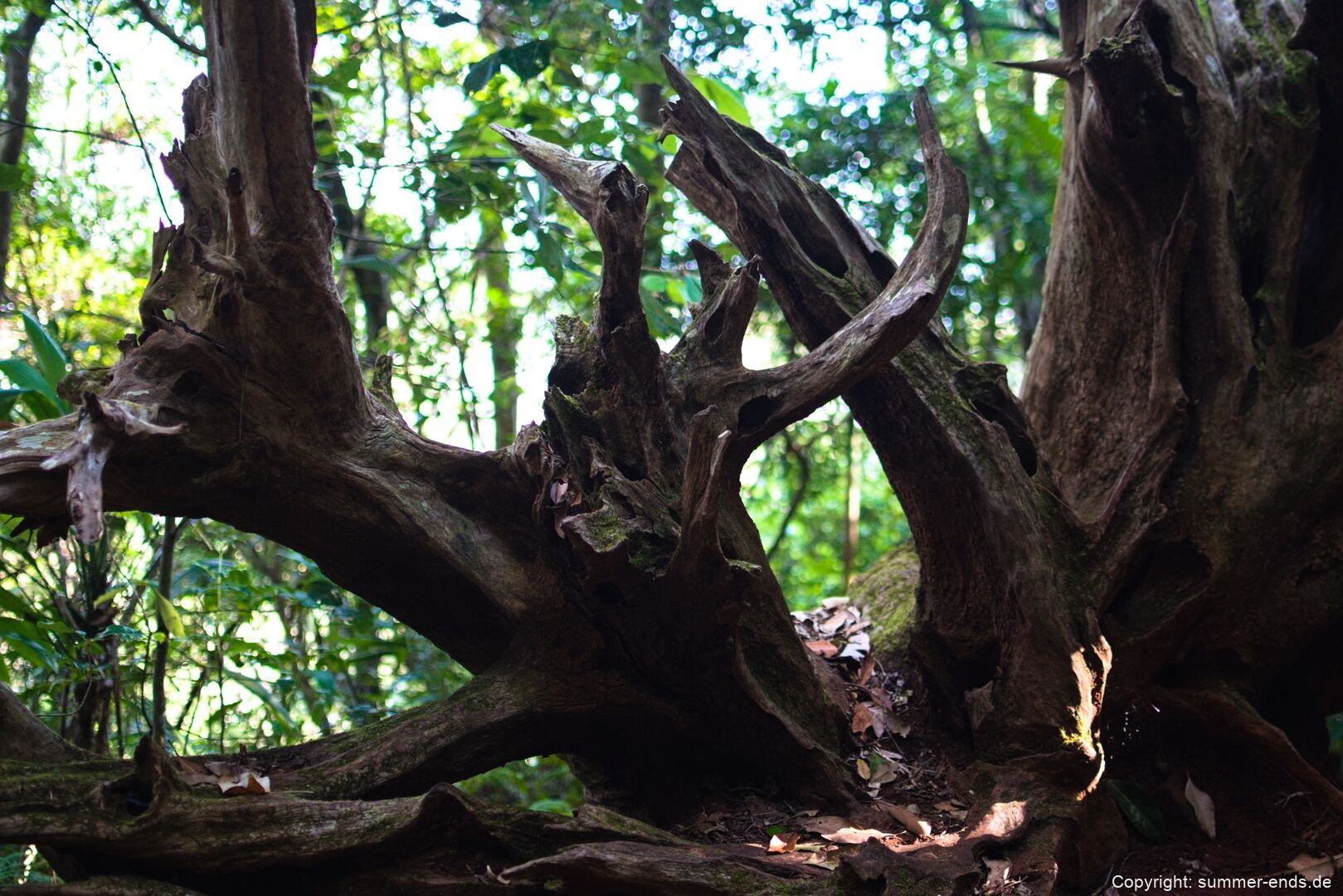
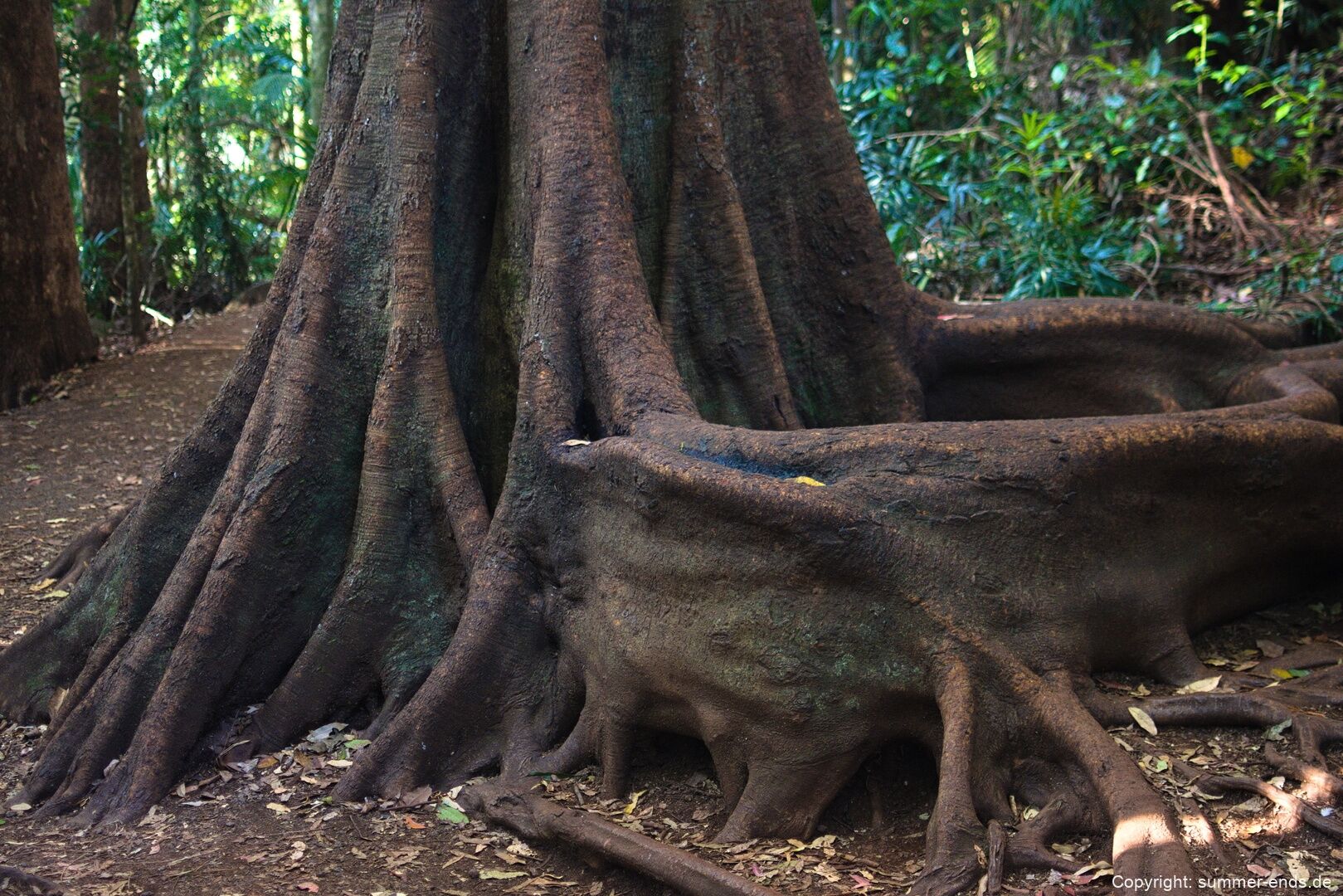
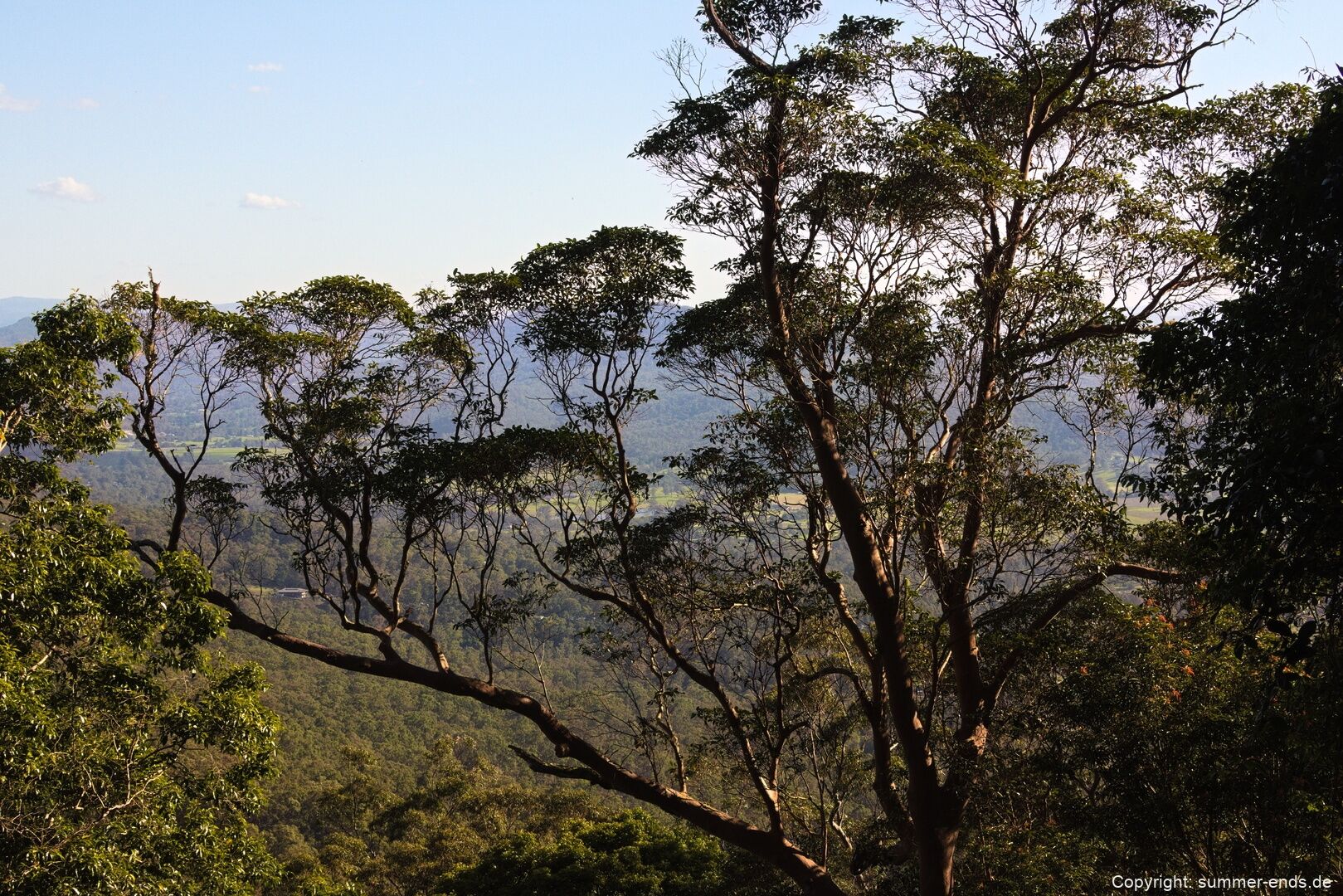
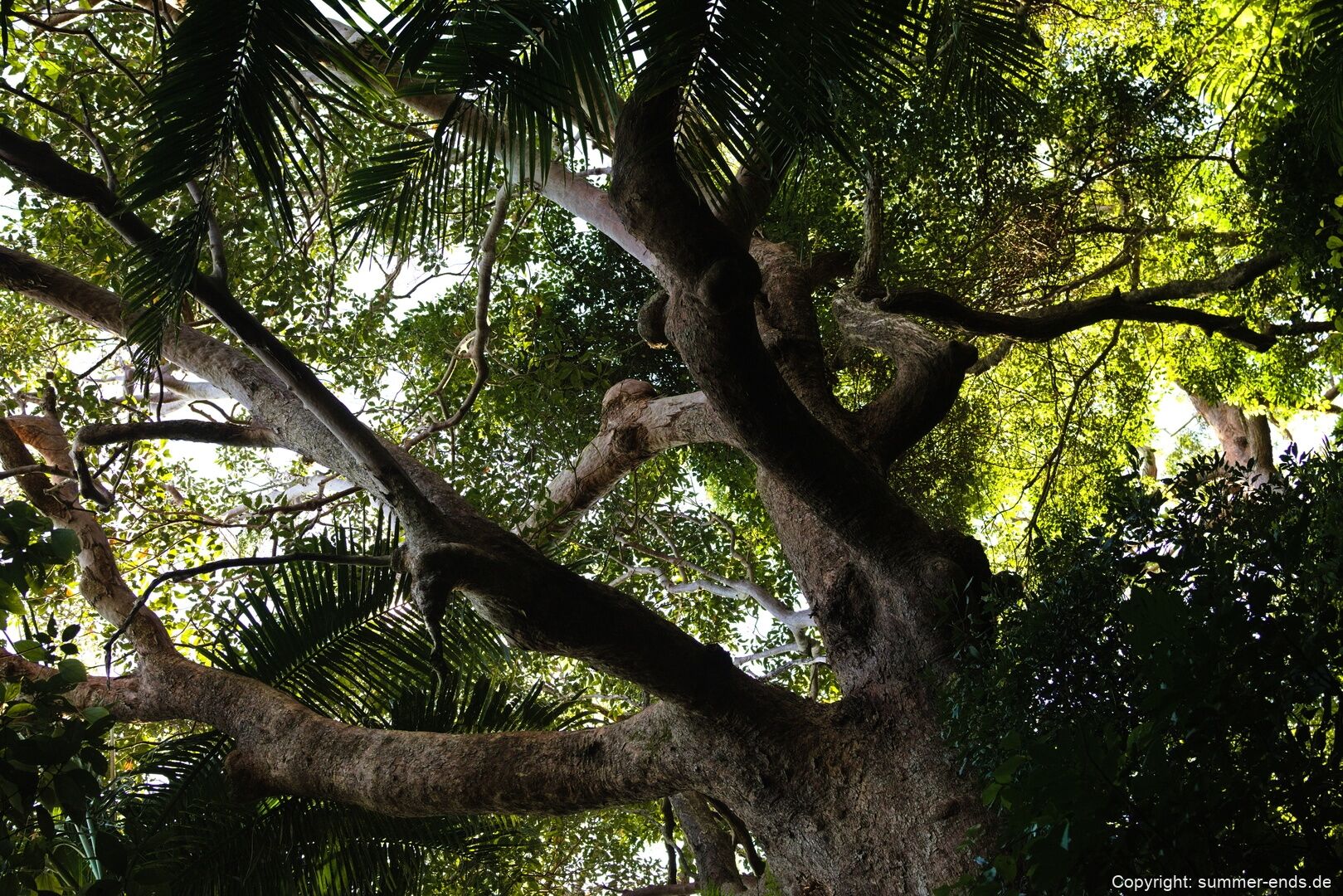
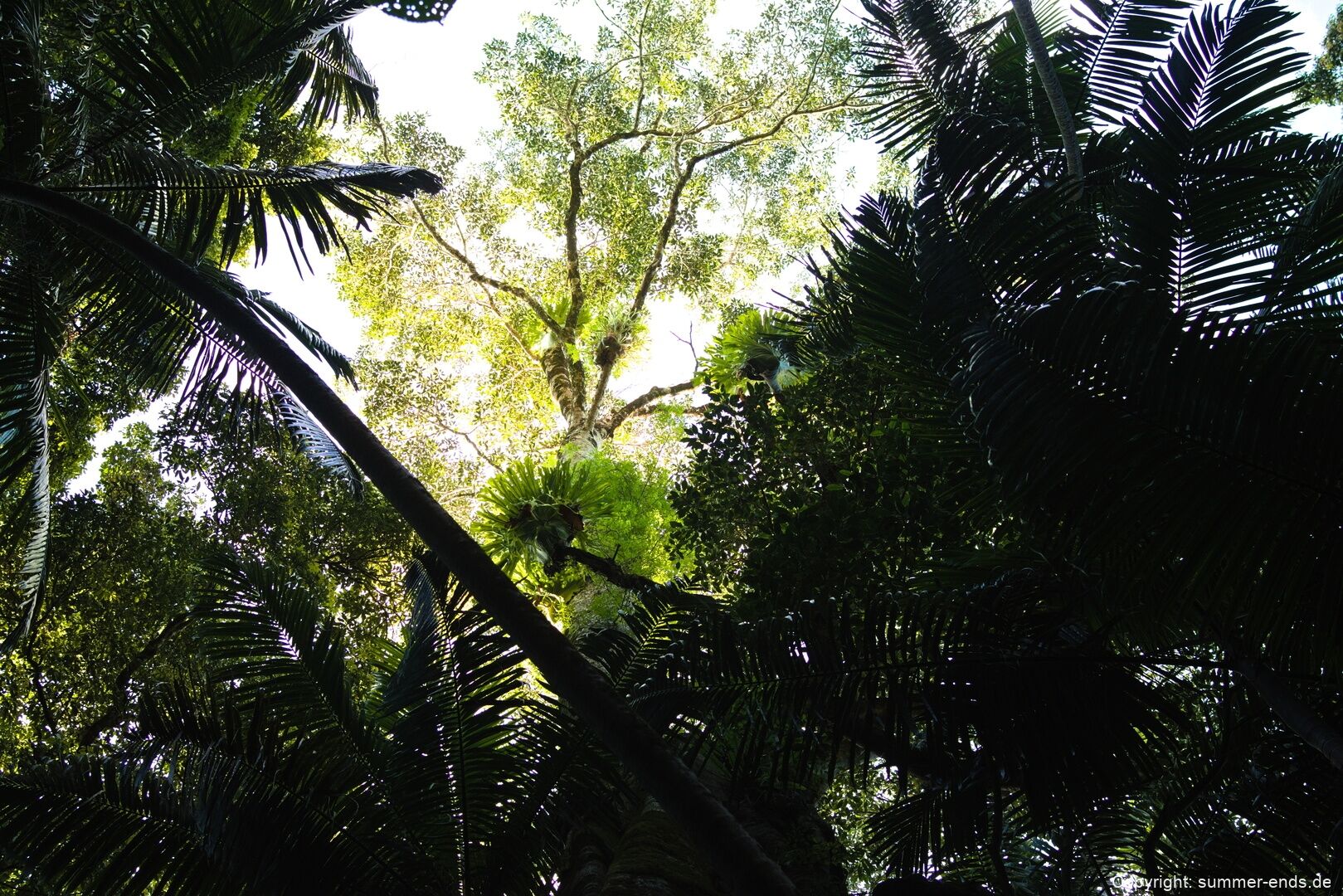
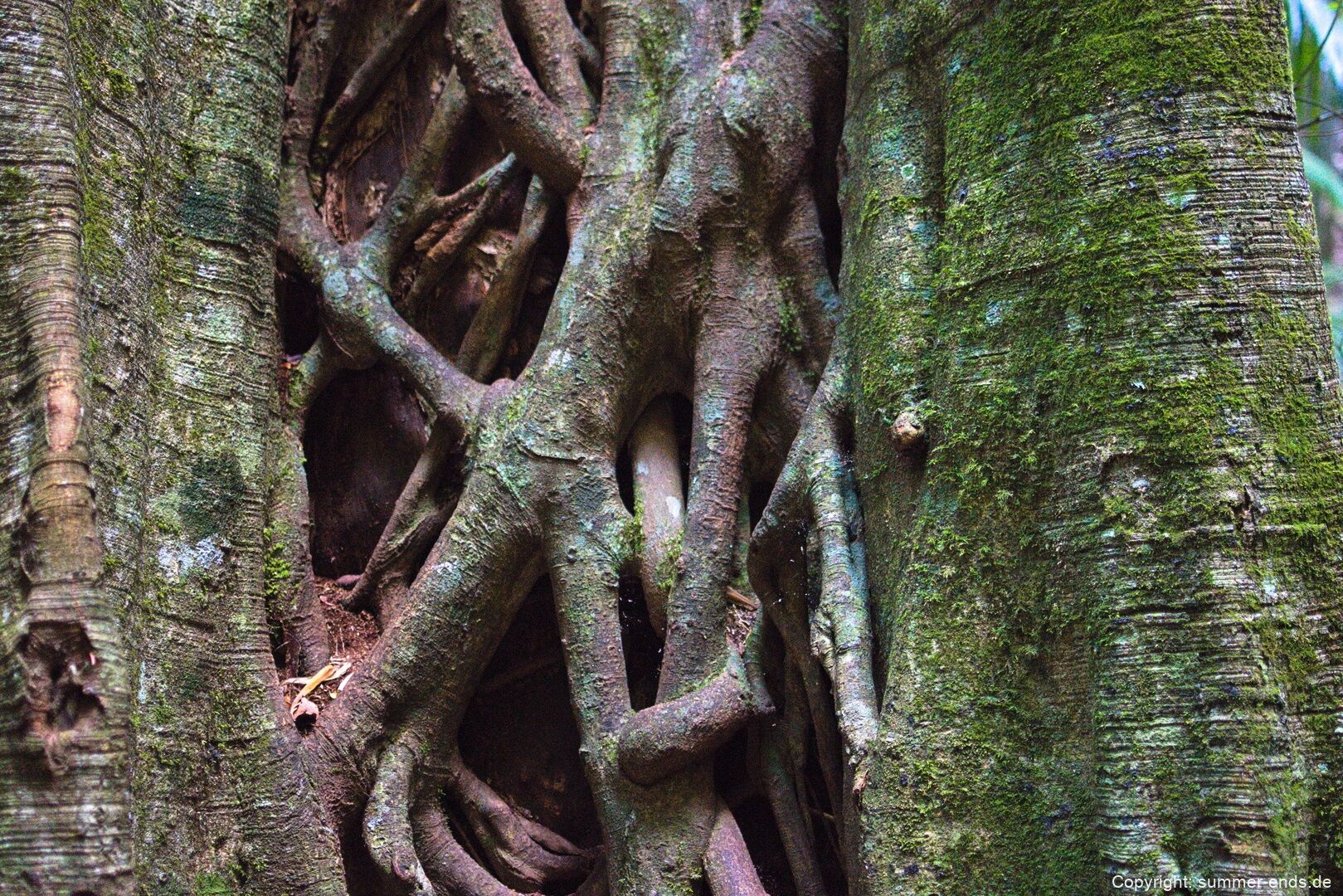
Tamborine National Park is a protected area located in southeastern Queensland, Australia, within the Gold Coast hinterland approximately 70 kilometres south of Brisbane. The park is situated on and around Tamborine Mountain, an elevated plateau rising sharply above the surrounding lowlands of the Gold Coast and Logan regions. It consists of several non-contiguous sections that protect rainforest gullies, escarpments, creeks, and remnant volcanic landscapes. The park forms part of the broader Scenic Rim and is closely associated with subtropical rainforest environments, high rainfall, and relatively cool temperatures compared to the adjacent coastal plain. Land use within the park is restricted to conservation, research, and low-impact recreation, while surrounding areas include residential settlements, agriculture, and tourism infrastructure.
History
Before European settlement, the Tamborine Mountain area formed part of the traditional lands of the Yugambeh people. The plateau, forests, and waterways held cultural and spiritual significance and were used for seasonal movement, resource gathering, and cultural activities. As with many rainforest environments, archaeological evidence is less visible, but the wider region contains documented Aboriginal cultural sites and landscapes reflecting long-term occupation.
European settlement began in the late 19th century, initially driven by interest in timber extraction and the perceived agricultural potential of the fertile volcanic soils. Logging significantly altered parts of the plateau, particularly in lower and more accessible areas. As settlement expanded, parts of the remaining forest were gradually set aside for conservation. Tamborine National Park was officially declared in 1993, consolidating several smaller reserves to protect key rainforest remnants, water catchments, and scenic landscapes. Since its establishment, the park has been managed to preserve biodiversity and maintain ecological connectivity within the hinterland.
Geology
Geologically, Tamborine National Park lies on the remnants of the ancient Tweed Shield Volcano, a large volcanic system that formed during the Miocene approximately 23 million years ago. The plateau of Tamborine Mountain represents a basalt-capped erosional remnant of this volcano, with resistant lava flows protecting the underlying landscape from erosion.
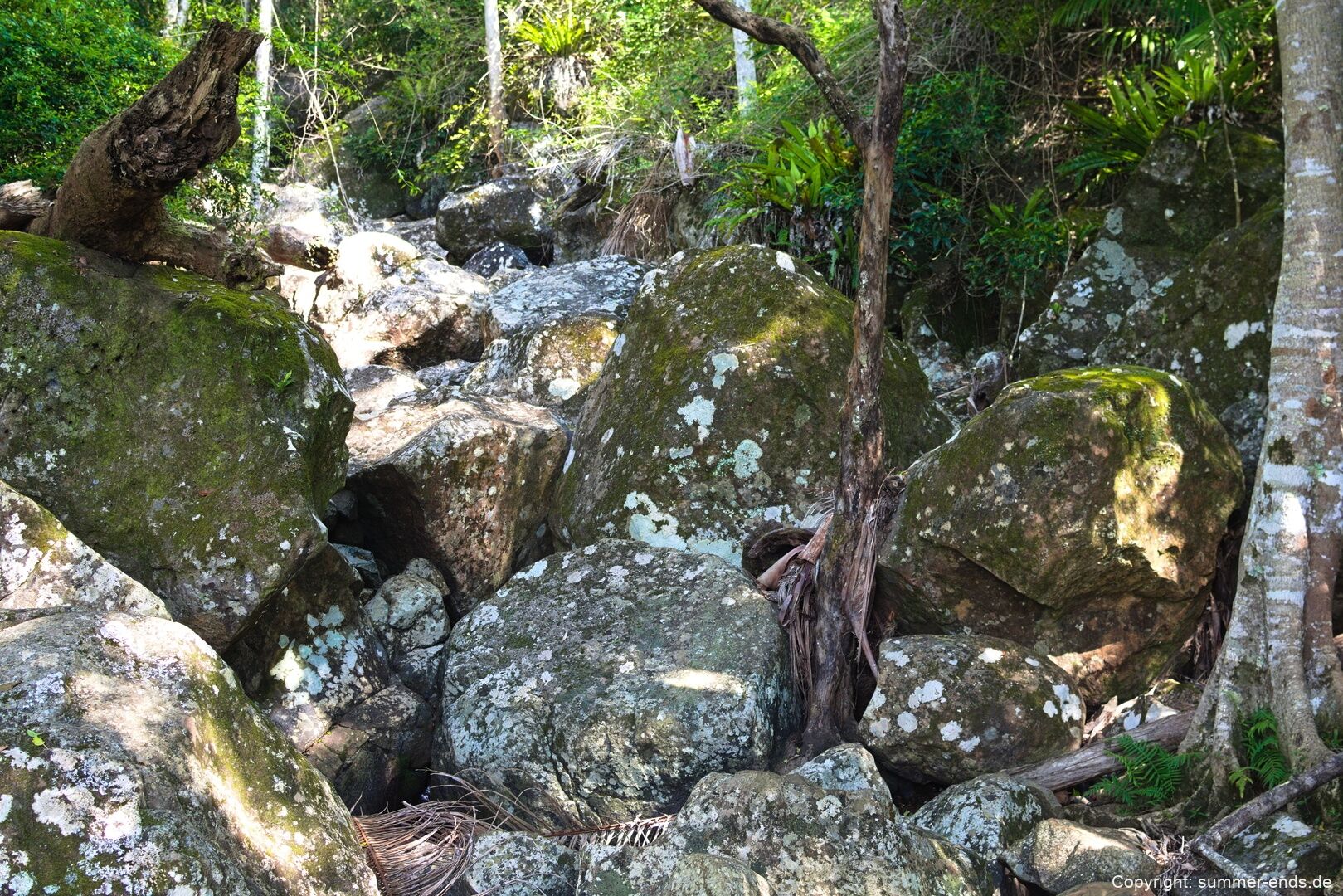
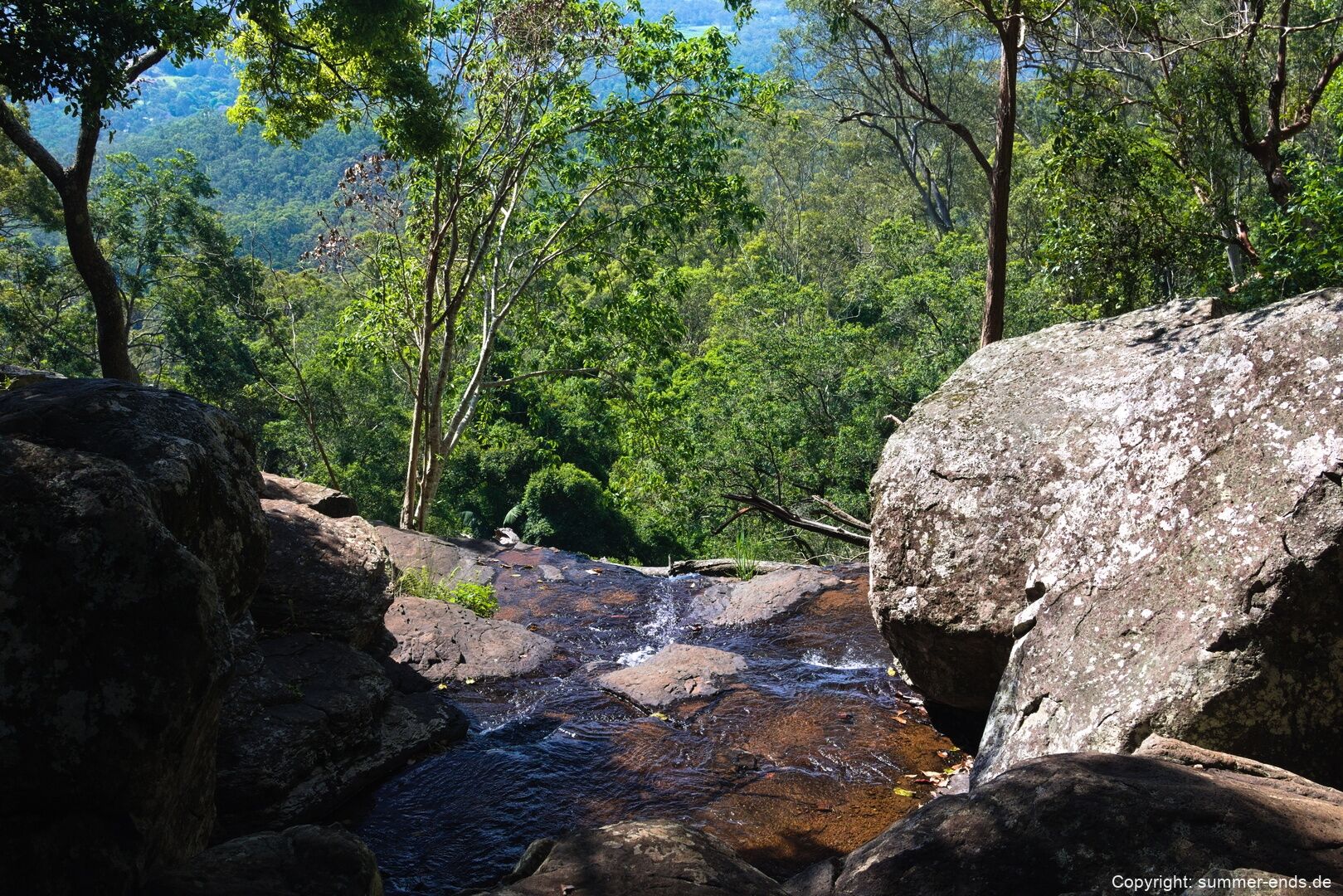
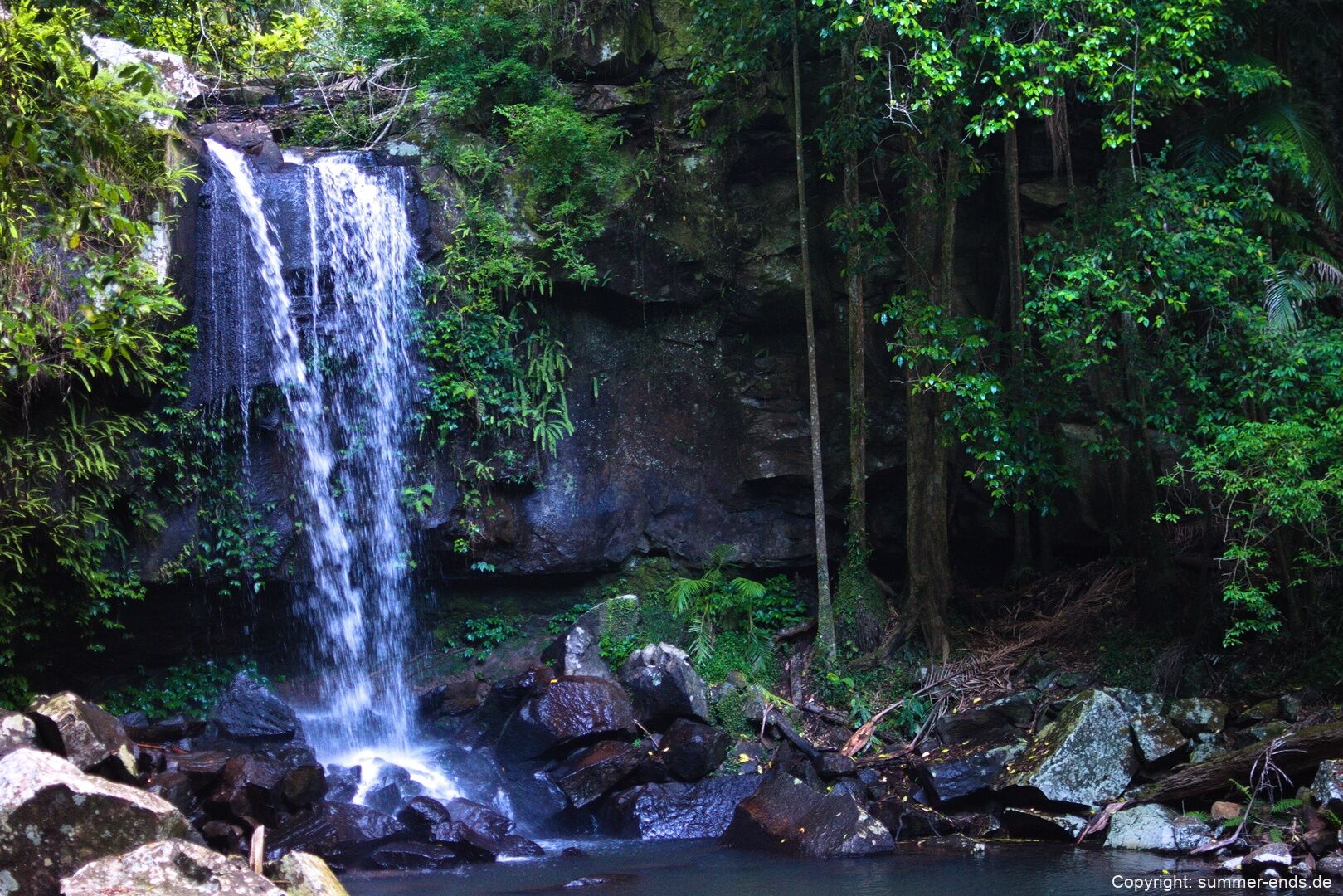
The dominant bedrock consists of basalt derived from successive volcanic eruptions, with deeply weathered profiles and interbedded volcanic deposits. Over time, fluvial erosion and mass-movement processes have dissected the plateau margins, forming steep escarpments, waterfalls, and narrow valleys. Basalt-derived soils are relatively fertile and support dense subtropical rainforest vegetation. Structural weaknesses within the volcanic rock influence drainage patterns and the formation of features such as rock pools, cascades, and cliff faces.
Things to See
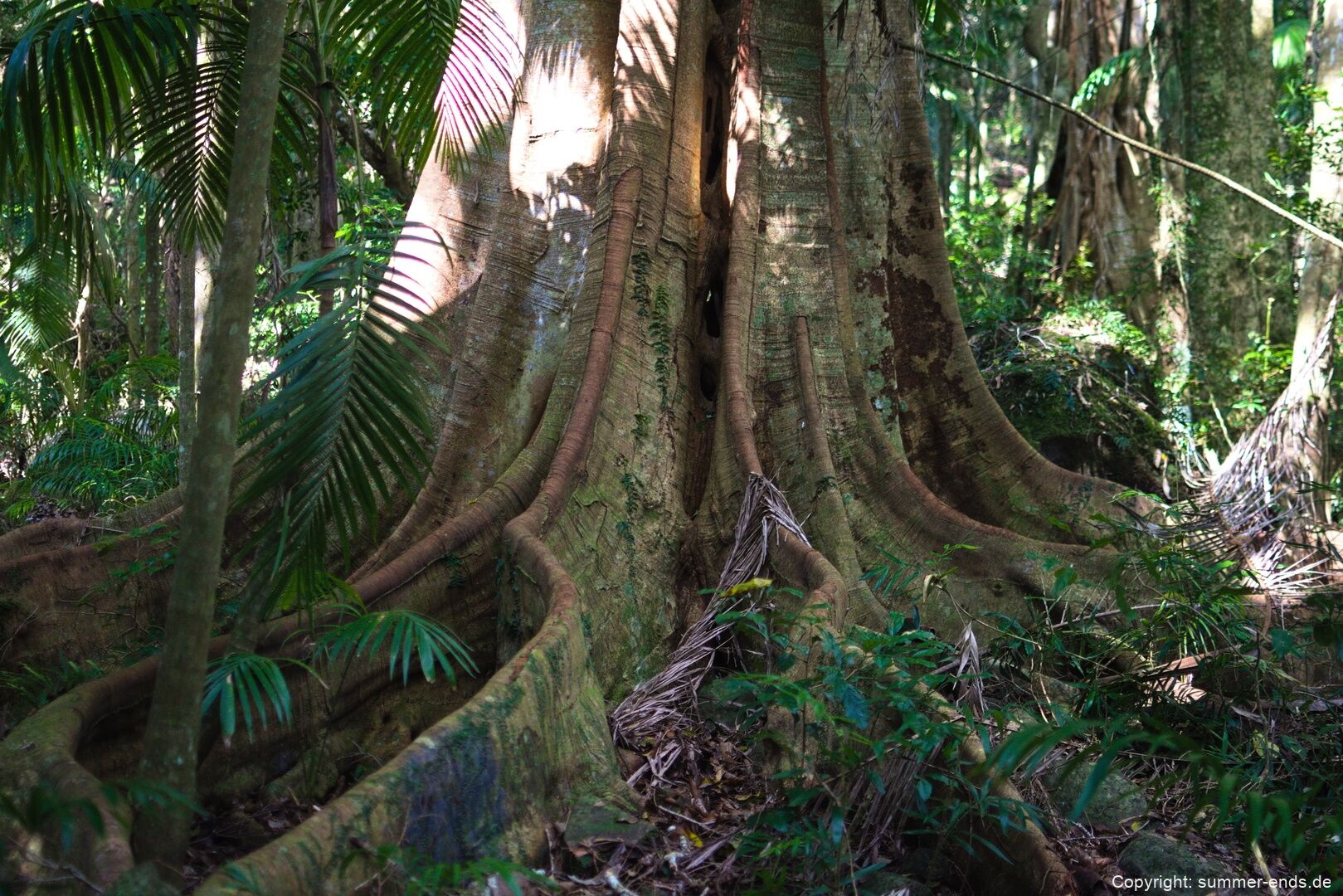
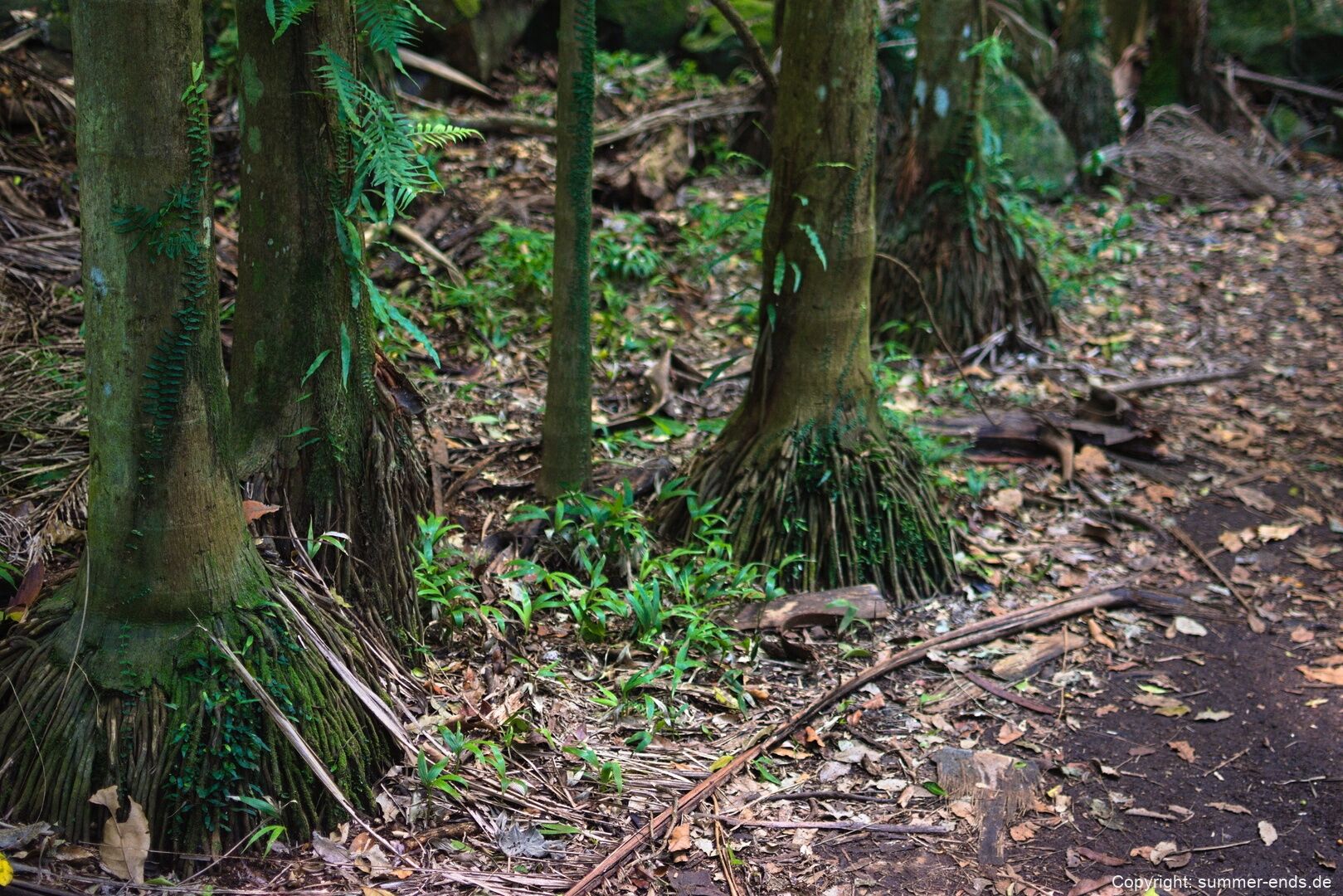
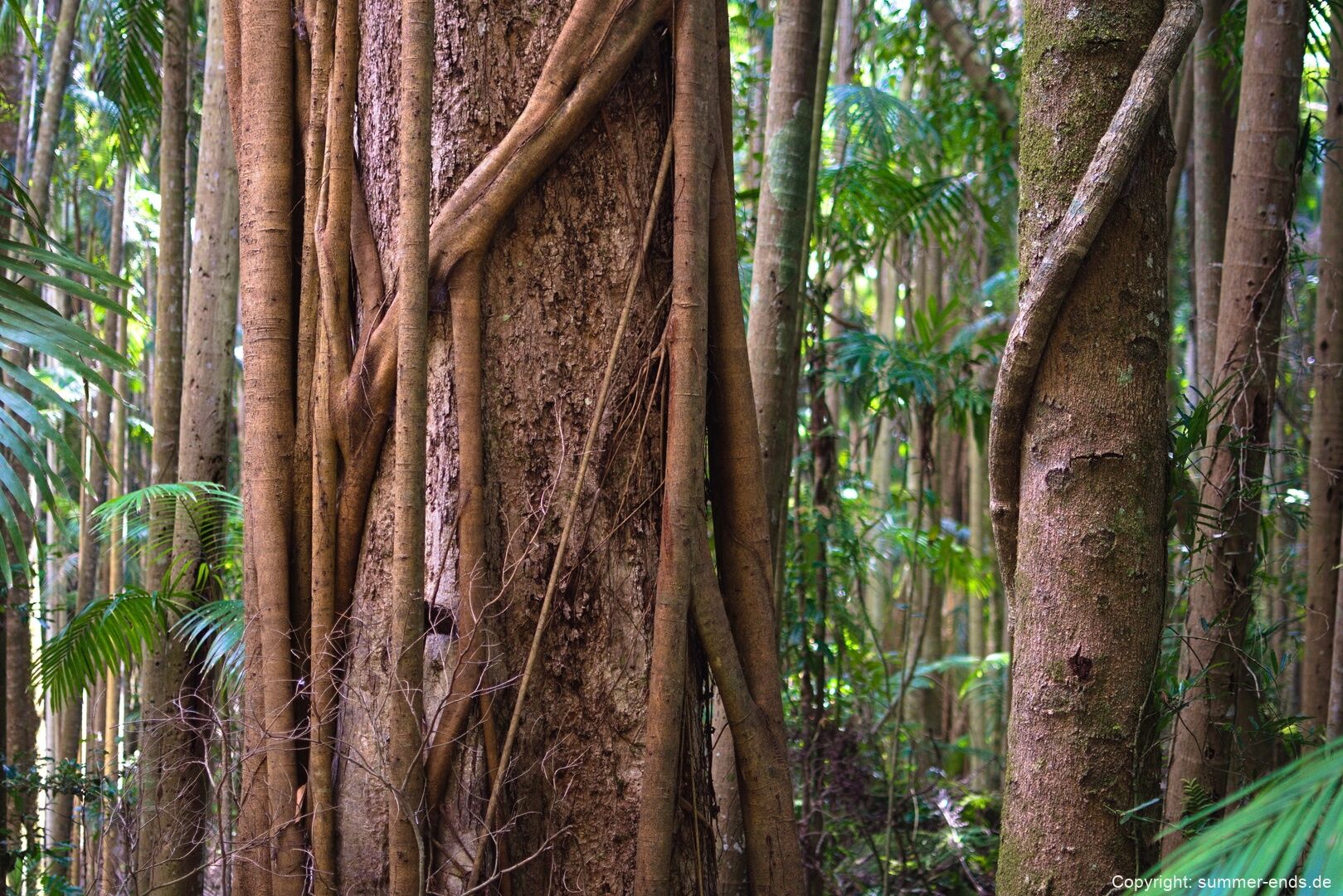
Tamborine National Park contains a range of natural features that reflect its volcanic origin and rainforest environment. Key attractions include Curtis Falls and Cedar Creek Falls, where streams descend over basalt ledges into shaded rainforest gullies. Palm Grove and Joalah sections of the park preserve mature subtropical rainforest with high biodiversity and complex forest structure.
Walking tracks provide access to creeks, waterfalls, and elevated viewpoints, offering insight into local geology, vegetation, and wildlife. Cliff-edge sections along the plateau margins reveal views across the Gold Coast lowlands and surrounding hinterland. The park’s fragmented layout highlights the contrast between protected rainforest remnants and the surrounding developed landscape, emphasizing the importance of conservation within a heavily settled region.