

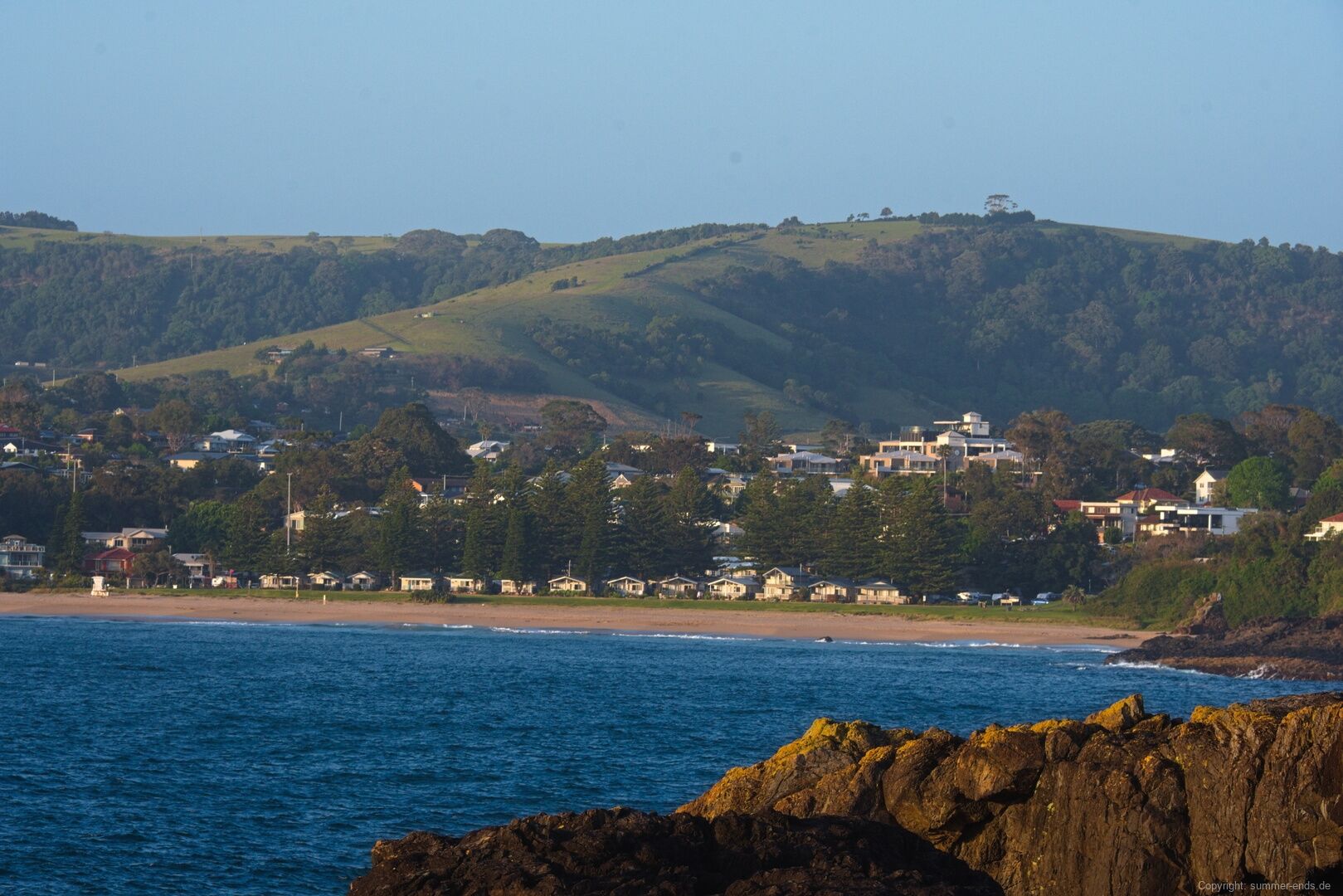
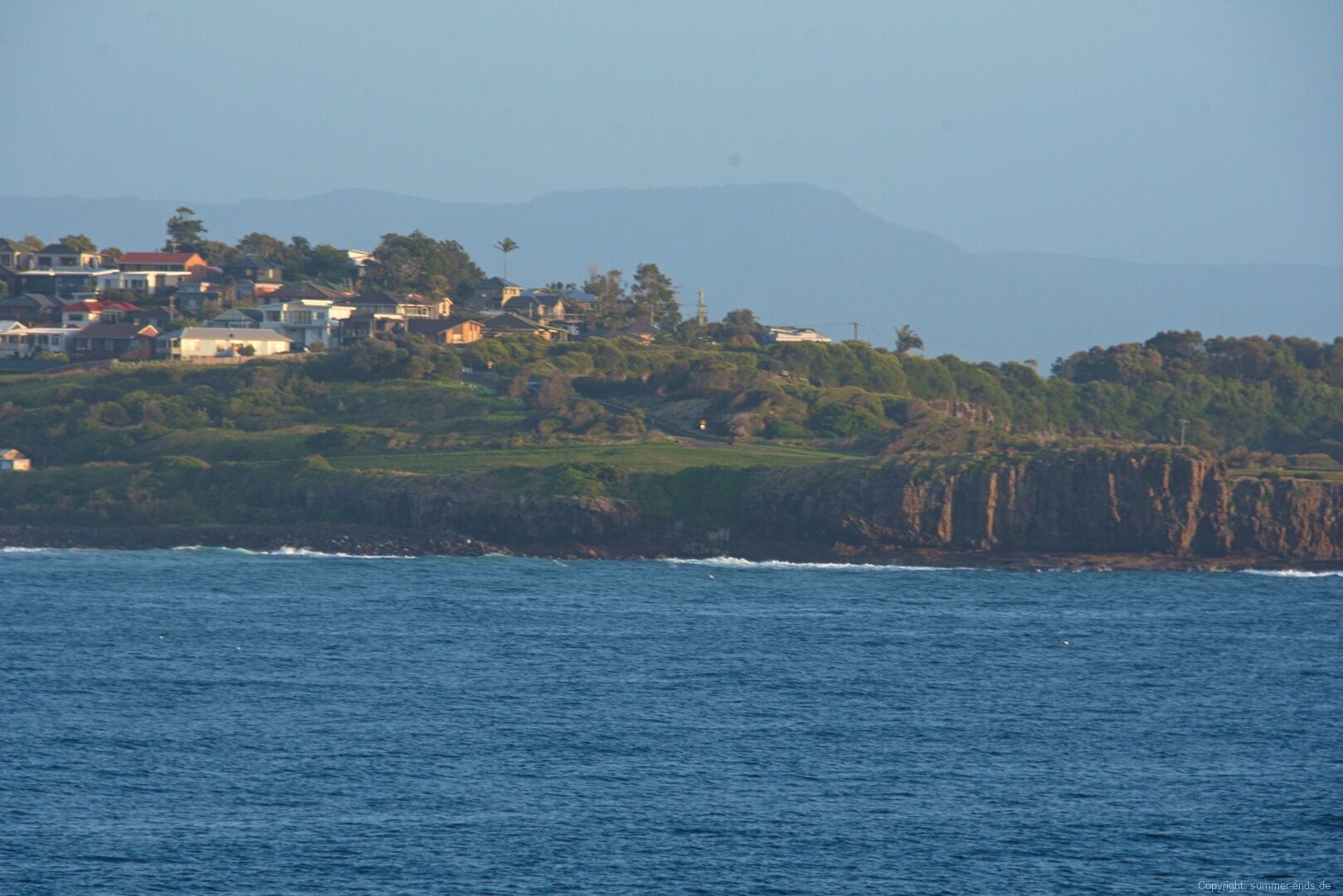
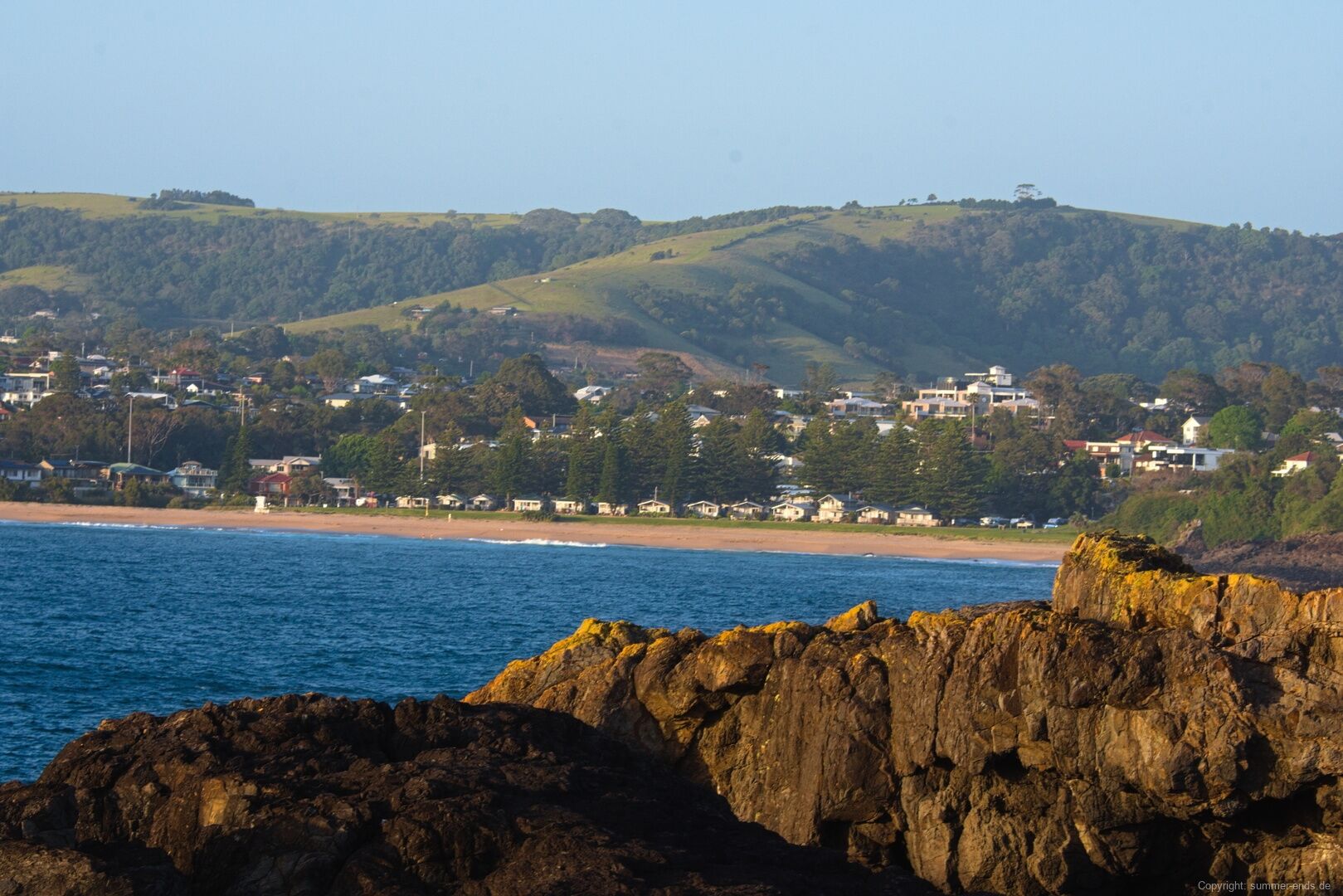
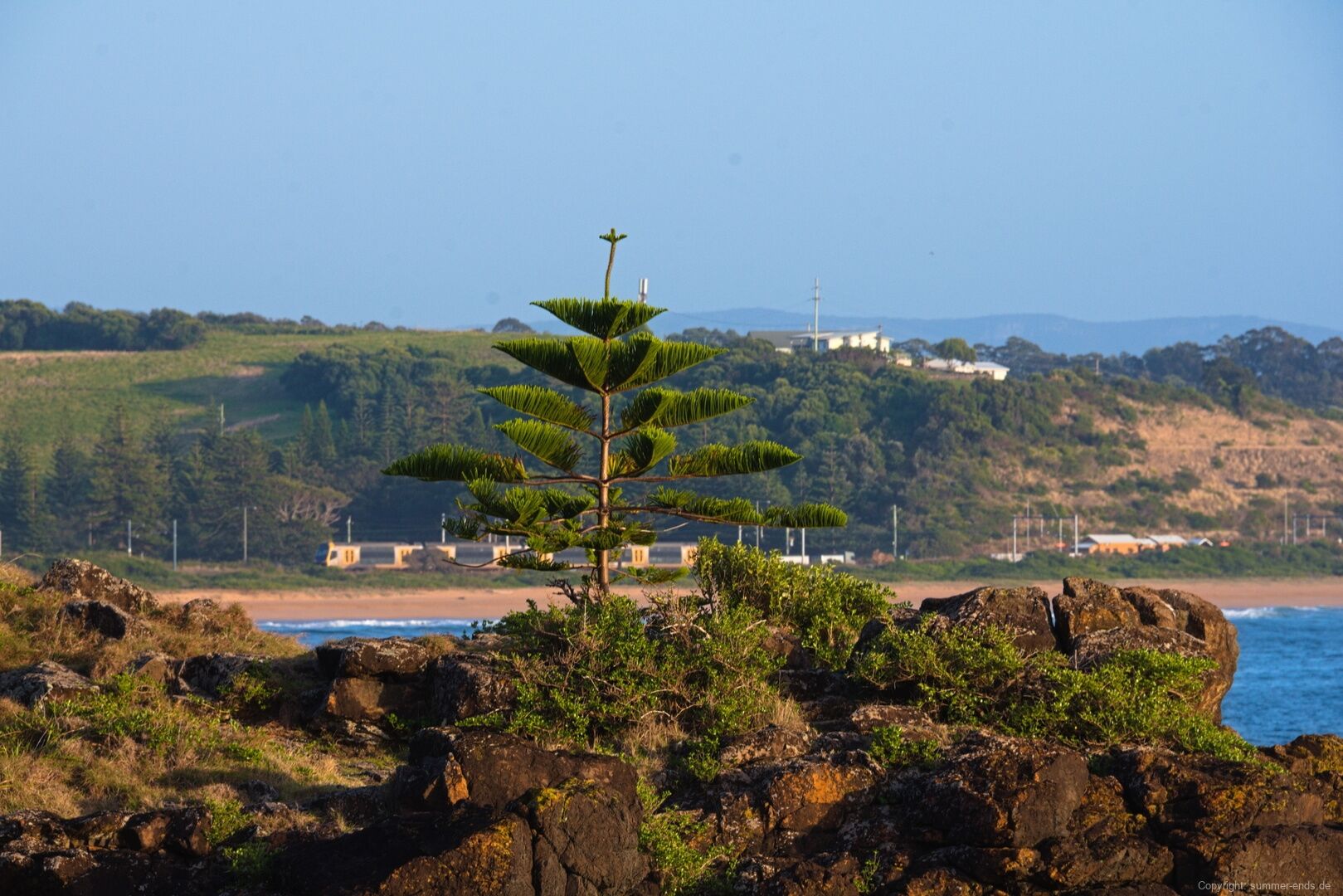
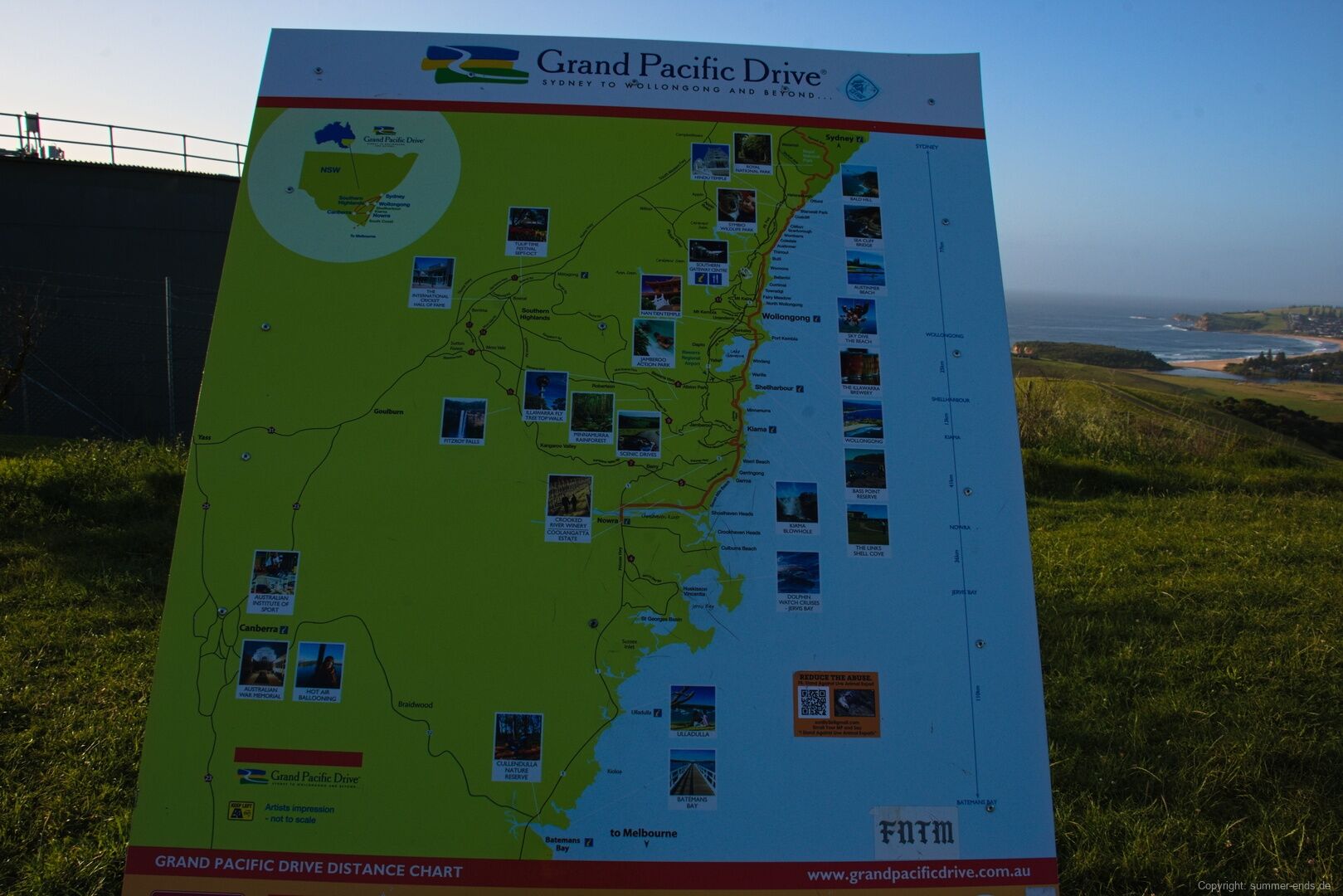
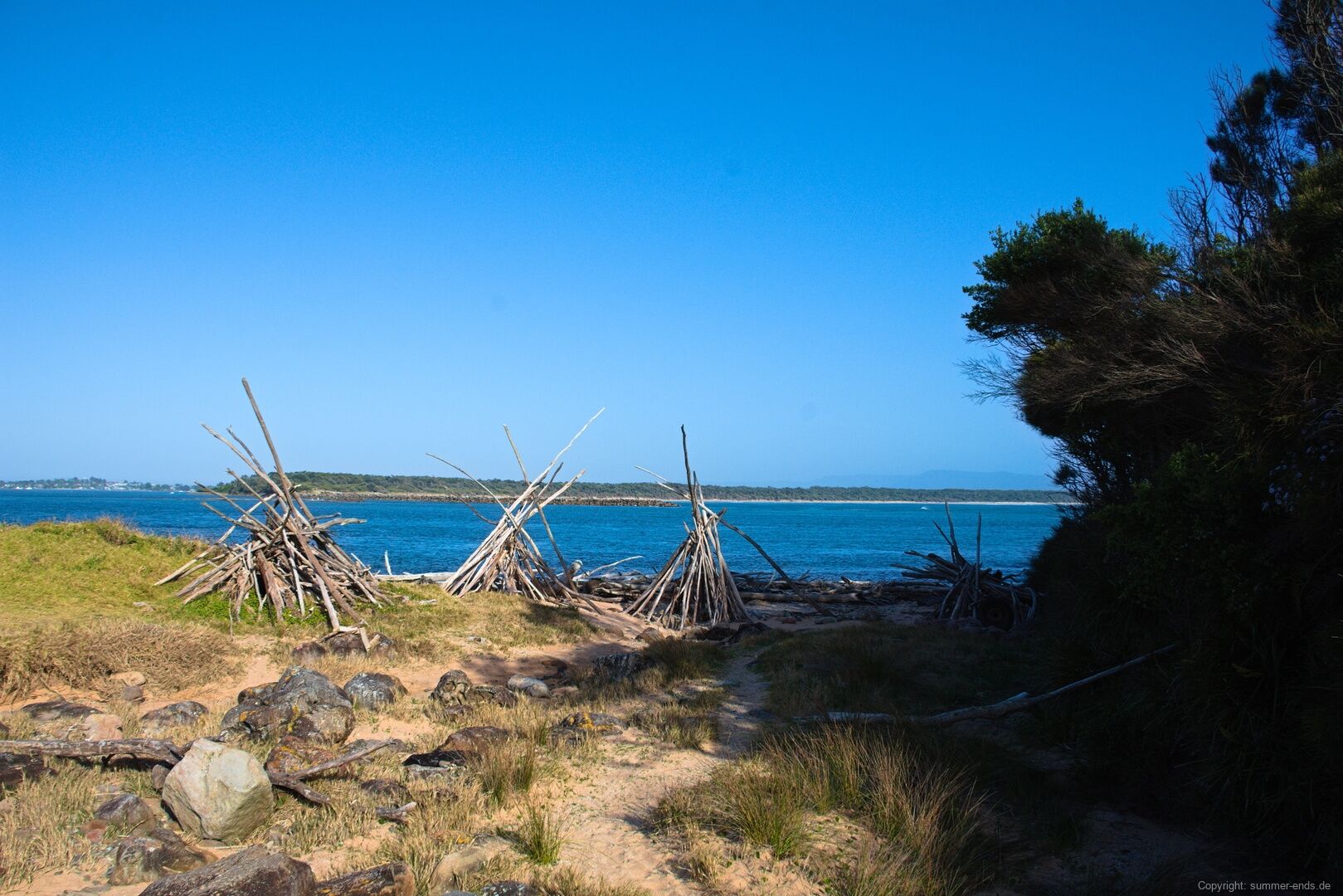
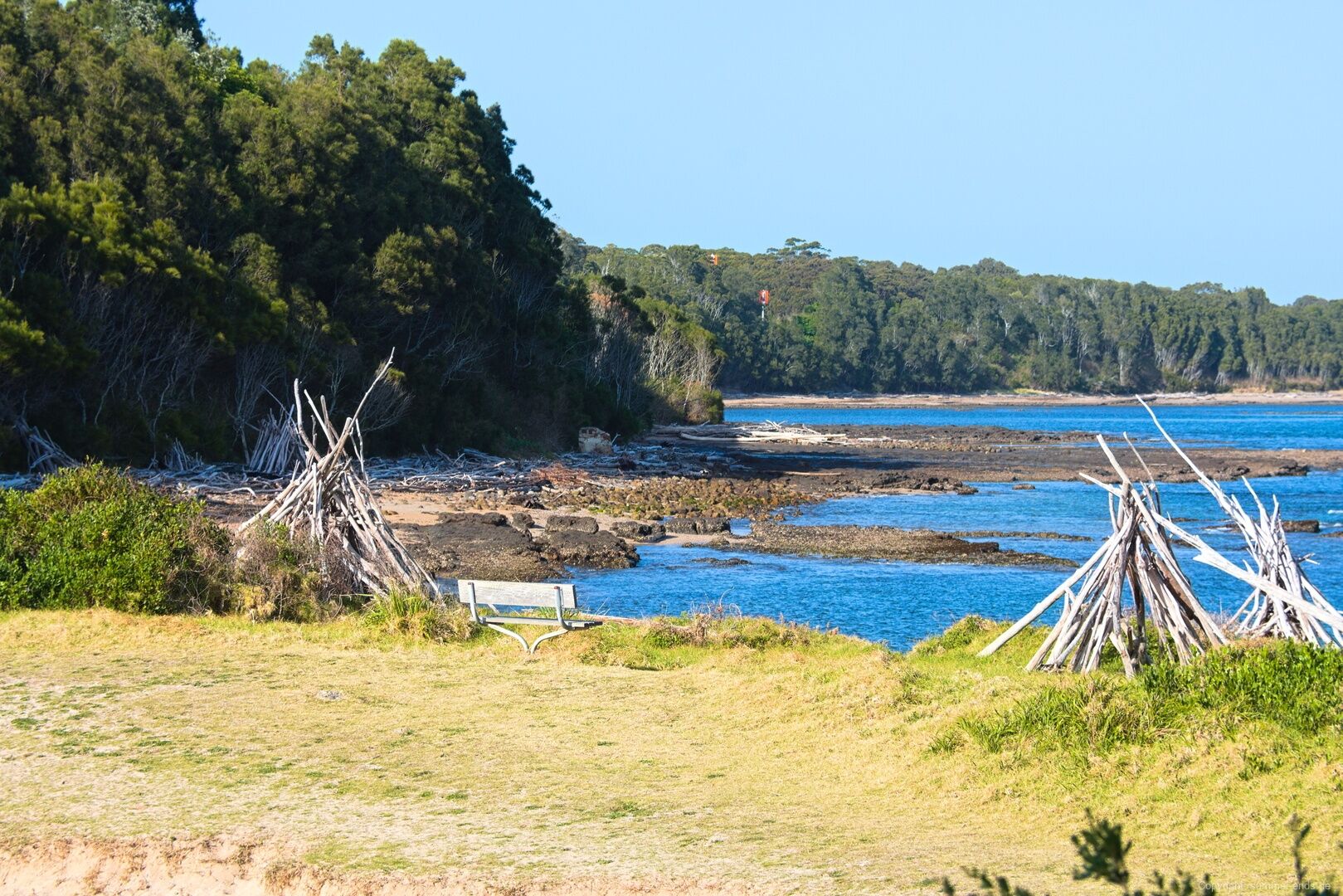
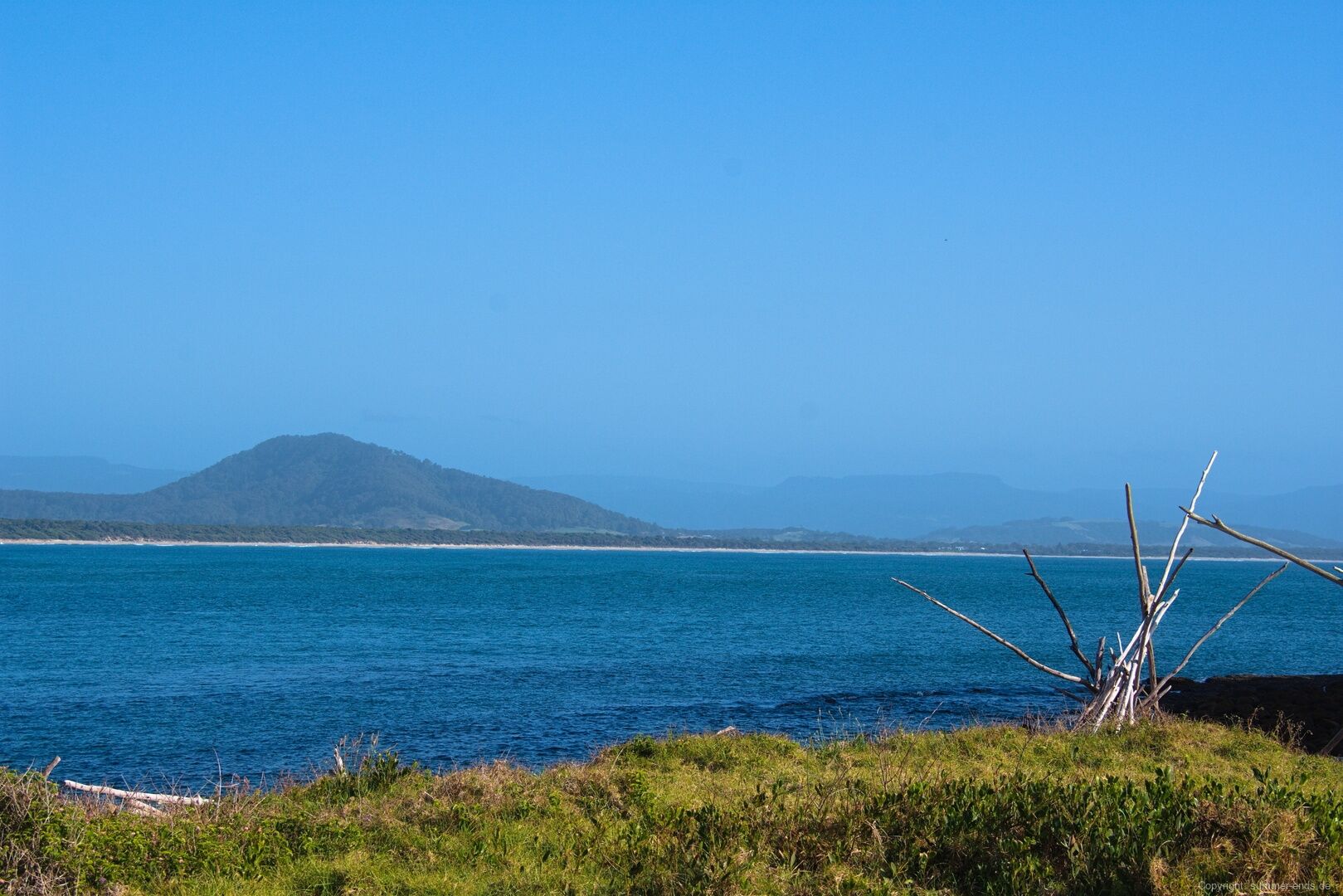
The region extending from Sydney to Batemans Bay covers a significant section of the southeastern coastline of New South Wales, Australia. It spans the transition from the metropolitan Sydney Basin through the Illawarra and South Coast regions to the lower Shoalhaven and Eurobodalla areas. The landscape is characterized by strong contrasts between urbanized coastal plains, steep escarpments, forested plateaus, river valleys, and an increasingly rural and natural coastal environment toward the south. The Tasman Sea defines the eastern boundary, while inland areas rise toward the Great Dividing Range. Climatically, the region experiences temperate to warm-temperate coastal conditions, with rainfall influenced by onshore weather systems and orographic effects along the escarpment and hinterland ranges.
History
Before European colonization, the coastal corridor between Sydney and Batemans Bay was inhabited by several Aboriginal groups, including the Dharawal, Yuin, and associated language groups. These communities maintained long-standing cultural, economic, and spiritual connections to coastal waters, estuaries, forests, and river systems. Archaeological evidence such as shell middens, rock engravings, and occupation sites demonstrates sustained use of marine and terrestrial resources over thousands of years.
European settlement began in the late 18th and early 19th centuries, initially concentrated around Sydney and gradually expanding southward along the coast. Early activities included timber harvesting, fishing, grazing, and limited agriculture, with coastal shipping playing a key role in transport and trade. As road and rail infrastructure improved during the 19th and 20th centuries, towns such as Wollongong, Kiama, Nowra, and Batemans Bay developed as regional service centers and ports.
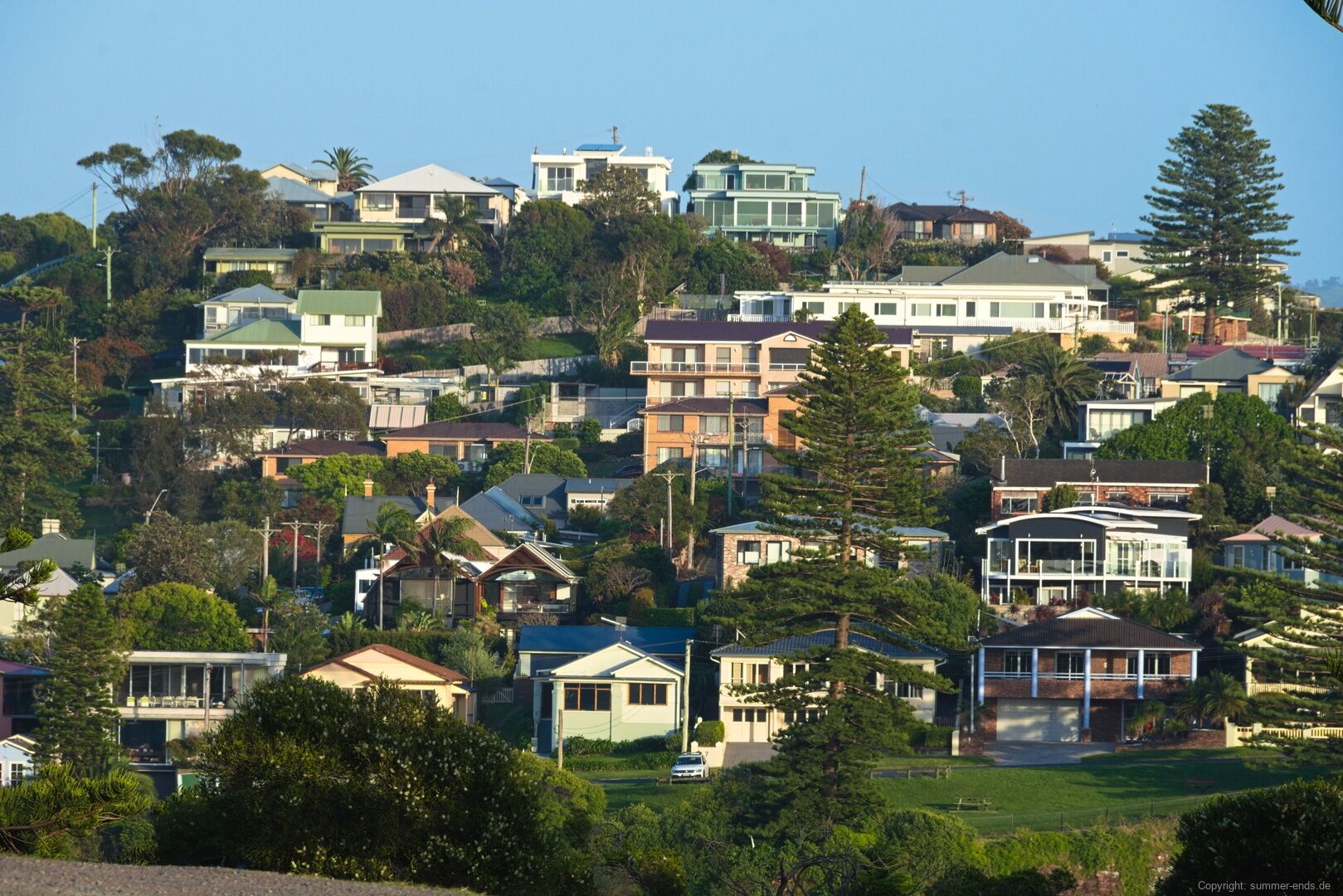
During the 20th century, the region increasingly became associated with tourism, recreation, and coastal living. Holiday settlements, national parks, and seaside towns expanded, particularly after World War II, while large tracts of forest and coastline were preserved through the establishment of protected areas. Today, the region reflects a mix of urban development, rural land use, and conservation landscapes shaped by both historical exploitation and modern environmental management.
Geology
Geologically, the Sydney to Batemans Bay corridor encompasses several major geological provinces. In the north, the Sydney Basin dominates, consisting of Permian and Triassic sedimentary rocks such as sandstones, shales, and coal measures. Prominent units like the Hawkesbury Sandstone form plateaus and cliffs, particularly along the Illawarra Escarpment.
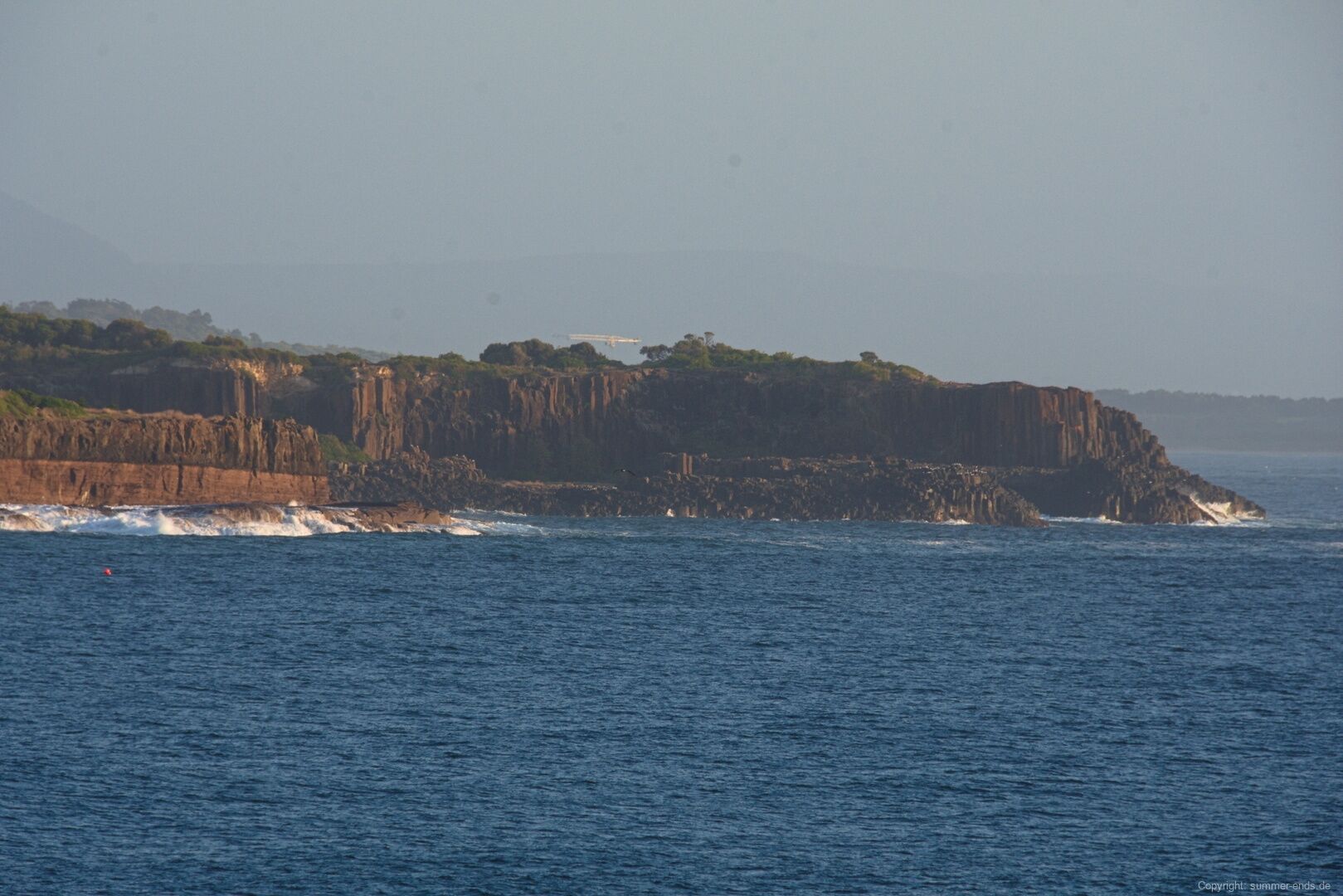
South of the Shoalhaven region, geological complexity increases. The South Coast includes a mixture of sedimentary rocks, volcanic intrusions, and older basement units exposed through erosion. Basalt flows and volcanic remnants are locally present, while granitic and metamorphic rocks become more common further inland.
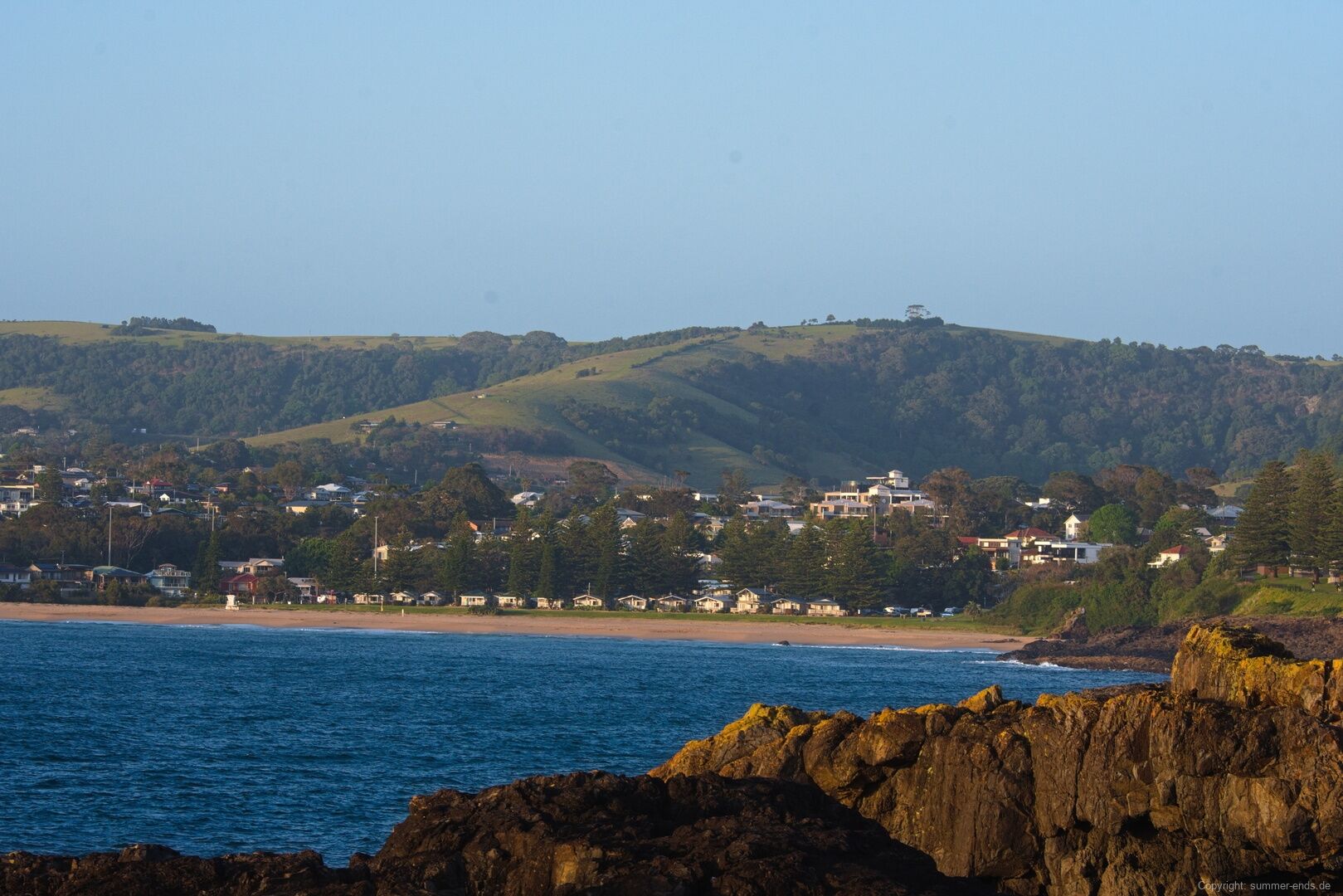
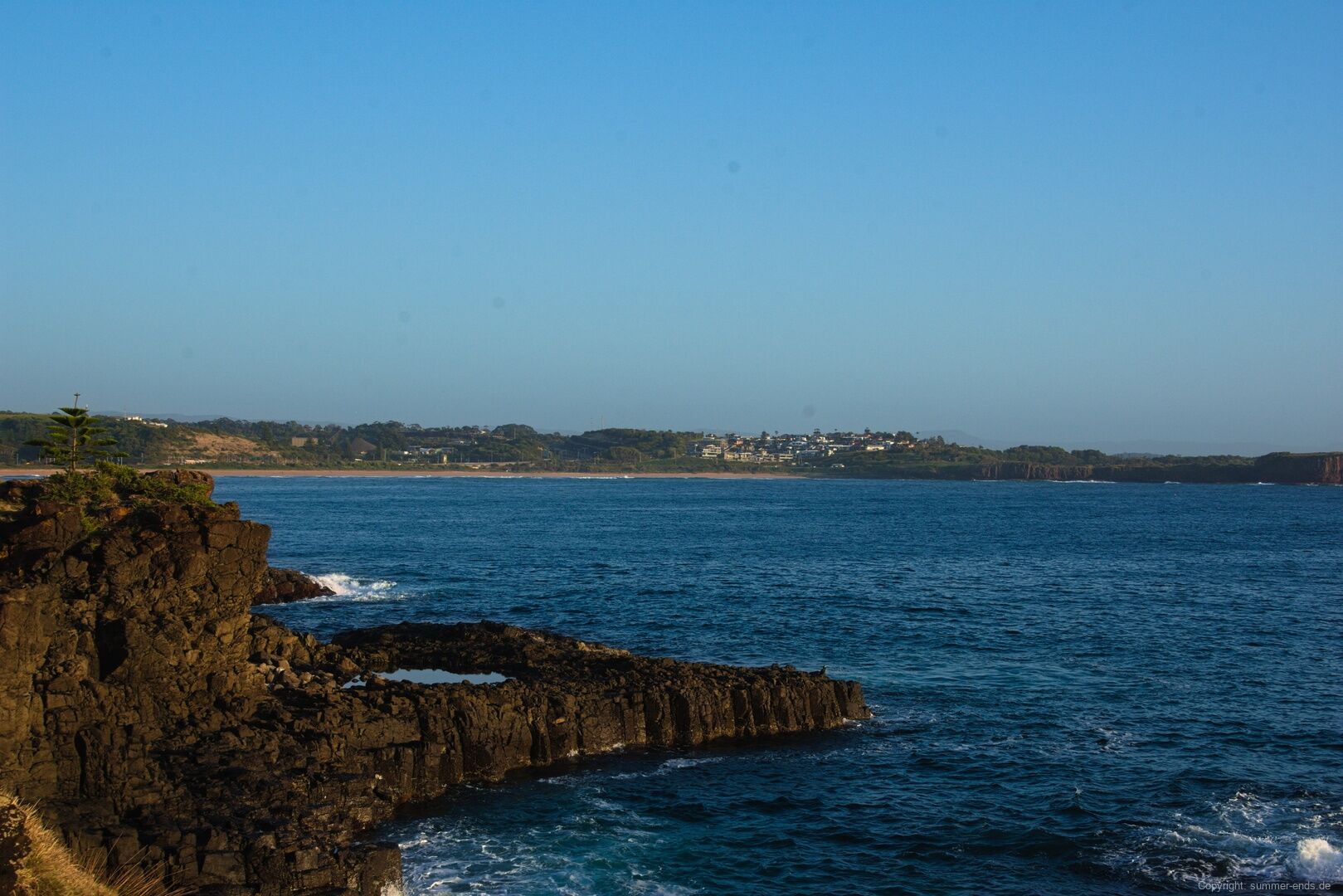
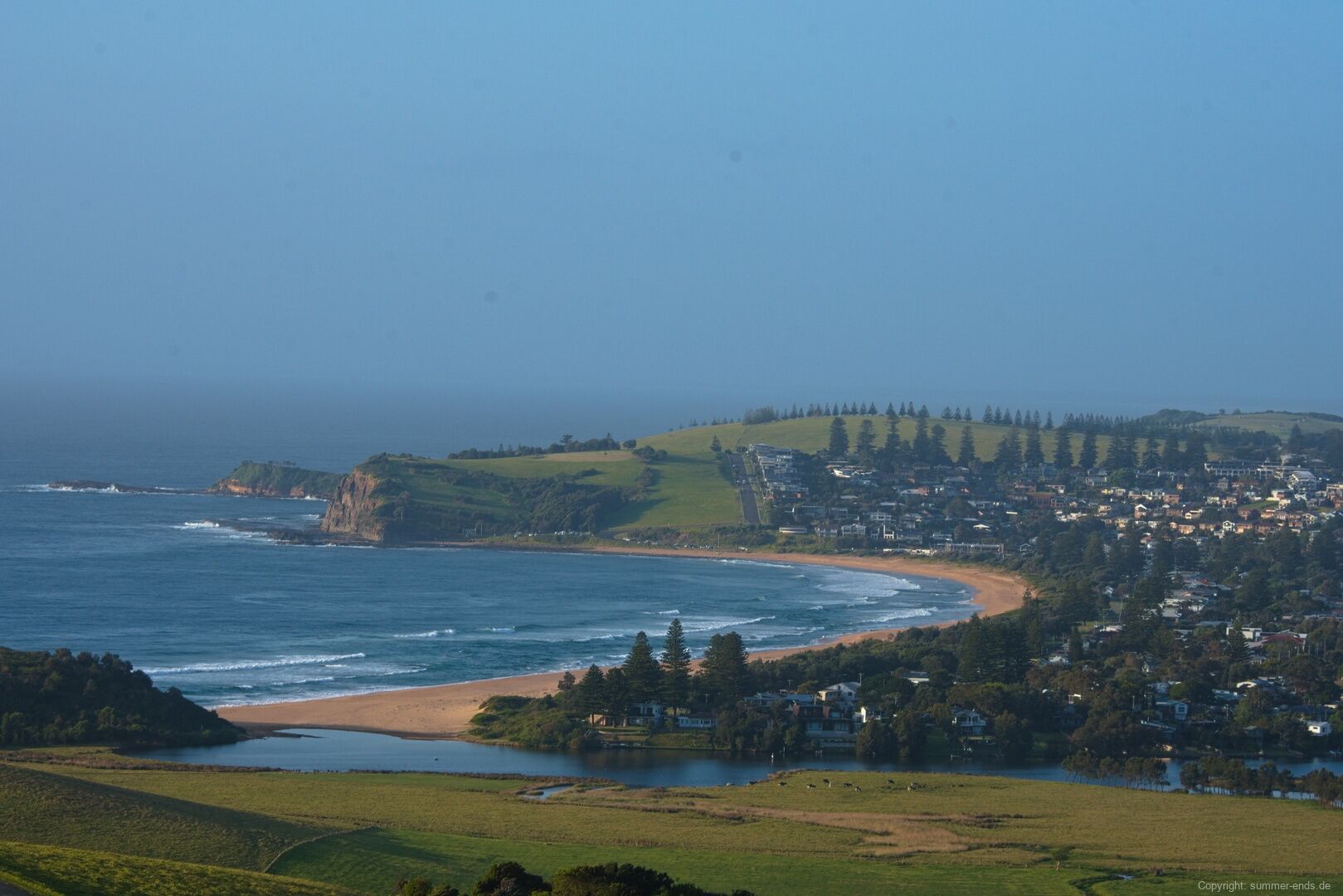
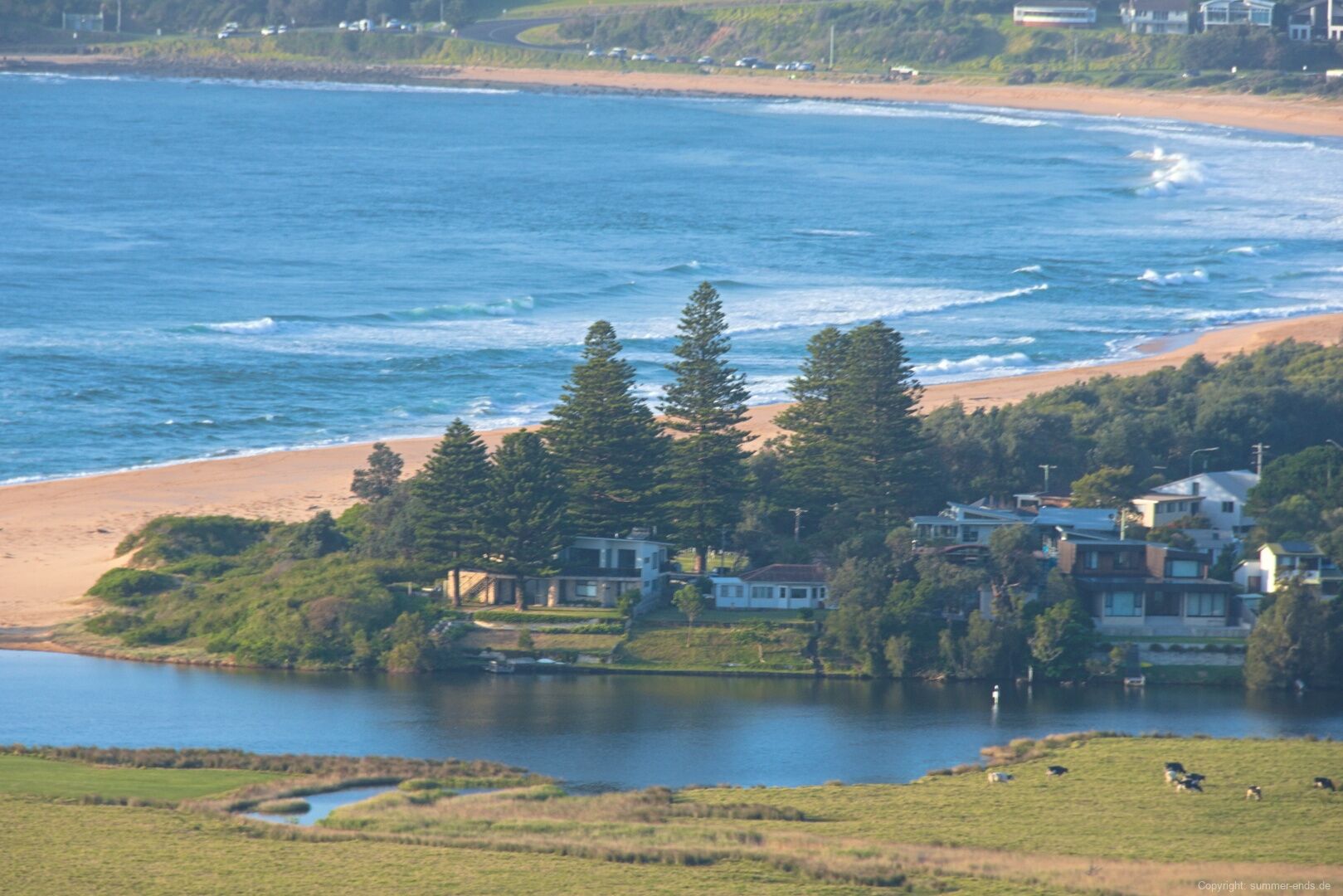
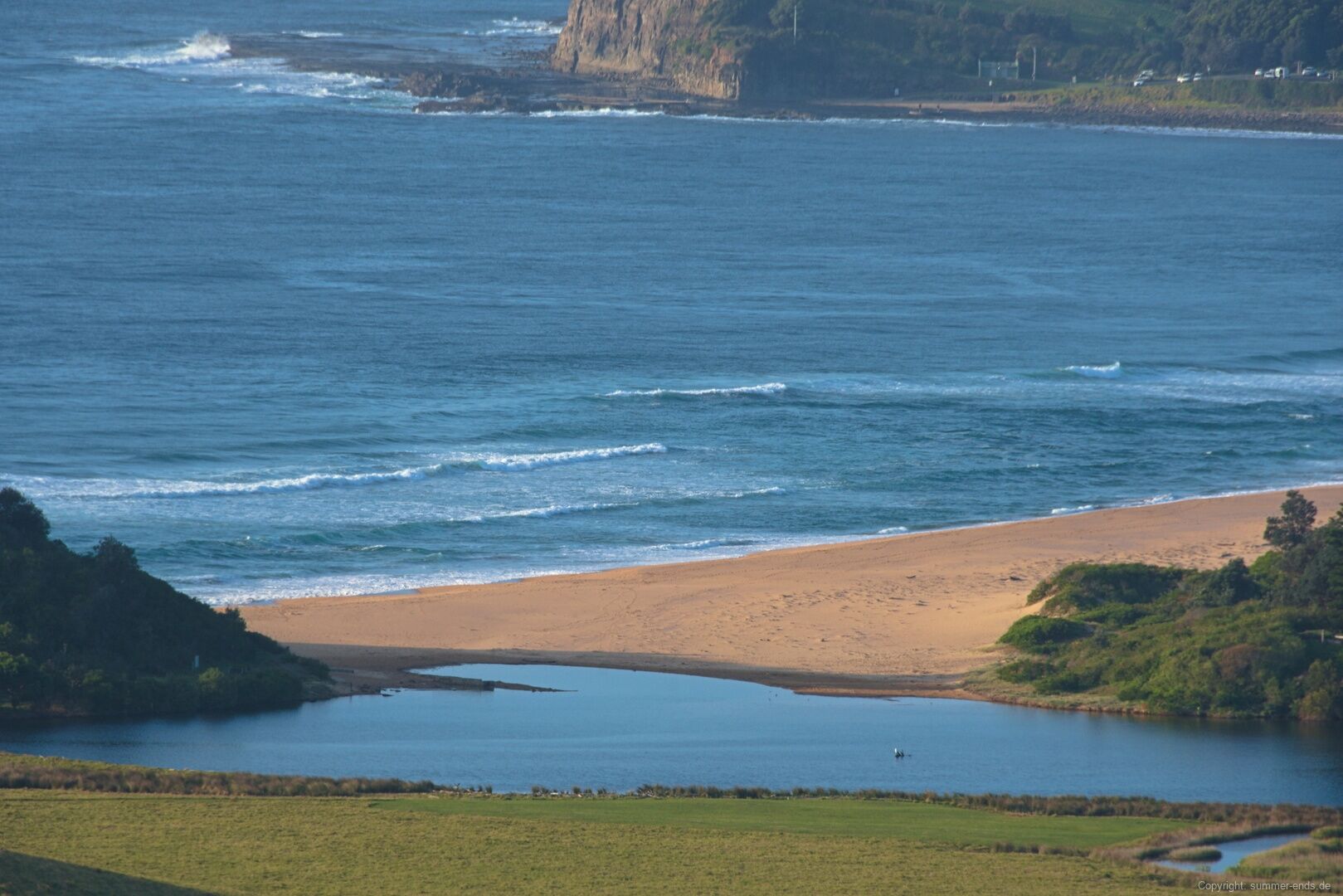
Along the coast, Quaternary sediments form beaches, dunes, barrier systems, and estuarine plains shaped by sea-level fluctuations, wave action, and river deposition. Major river systems such as the Hawkesbury, Shoalhaven, Clyde, and Moruya Rivers have carved broad valleys and estuaries, contributing to fertile floodplains and complex coastal geomorphology. The interaction between resistant bedrock headlands and softer sedimentary embayments gives rise to the region’s varied coastal morphology.
Things to See
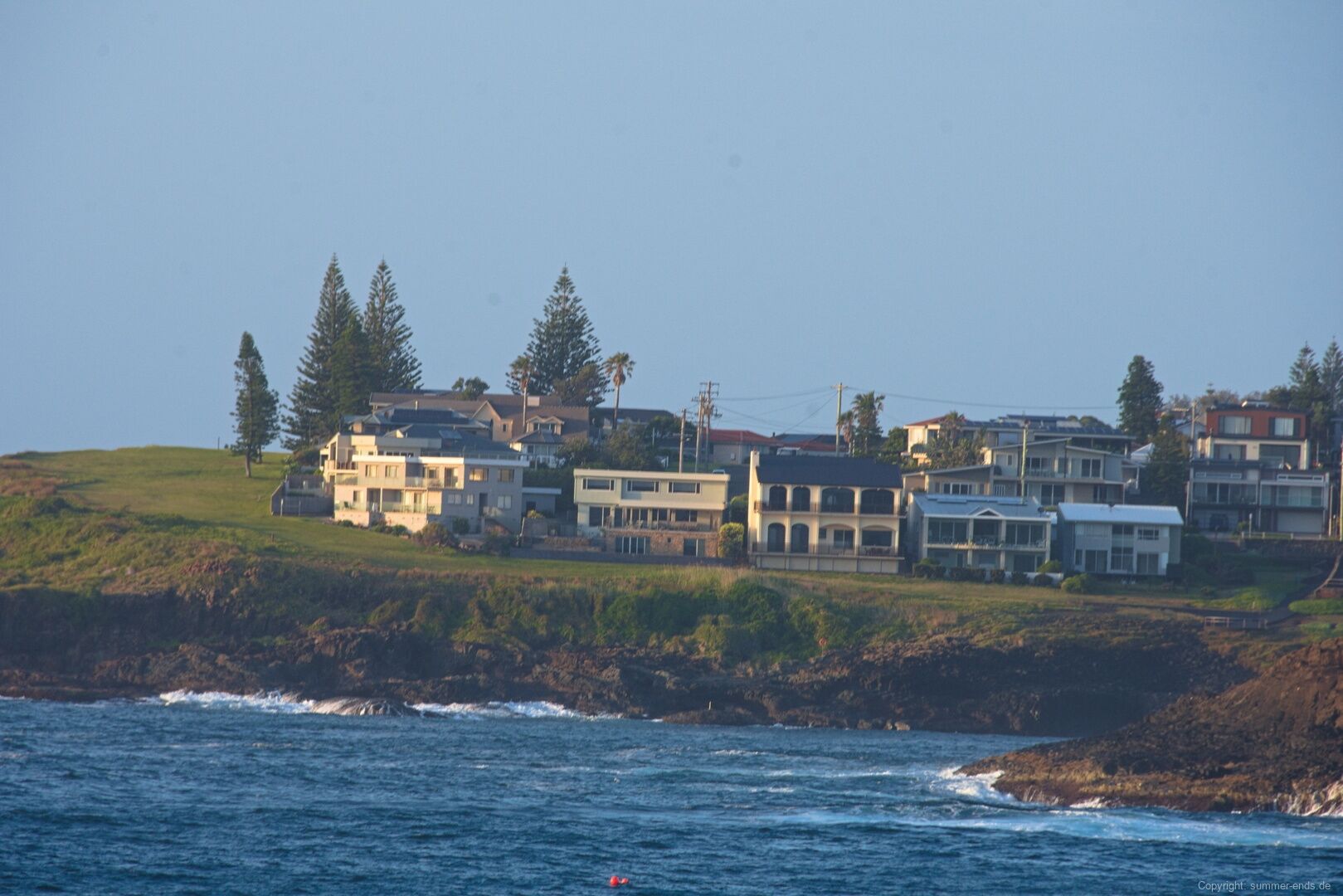
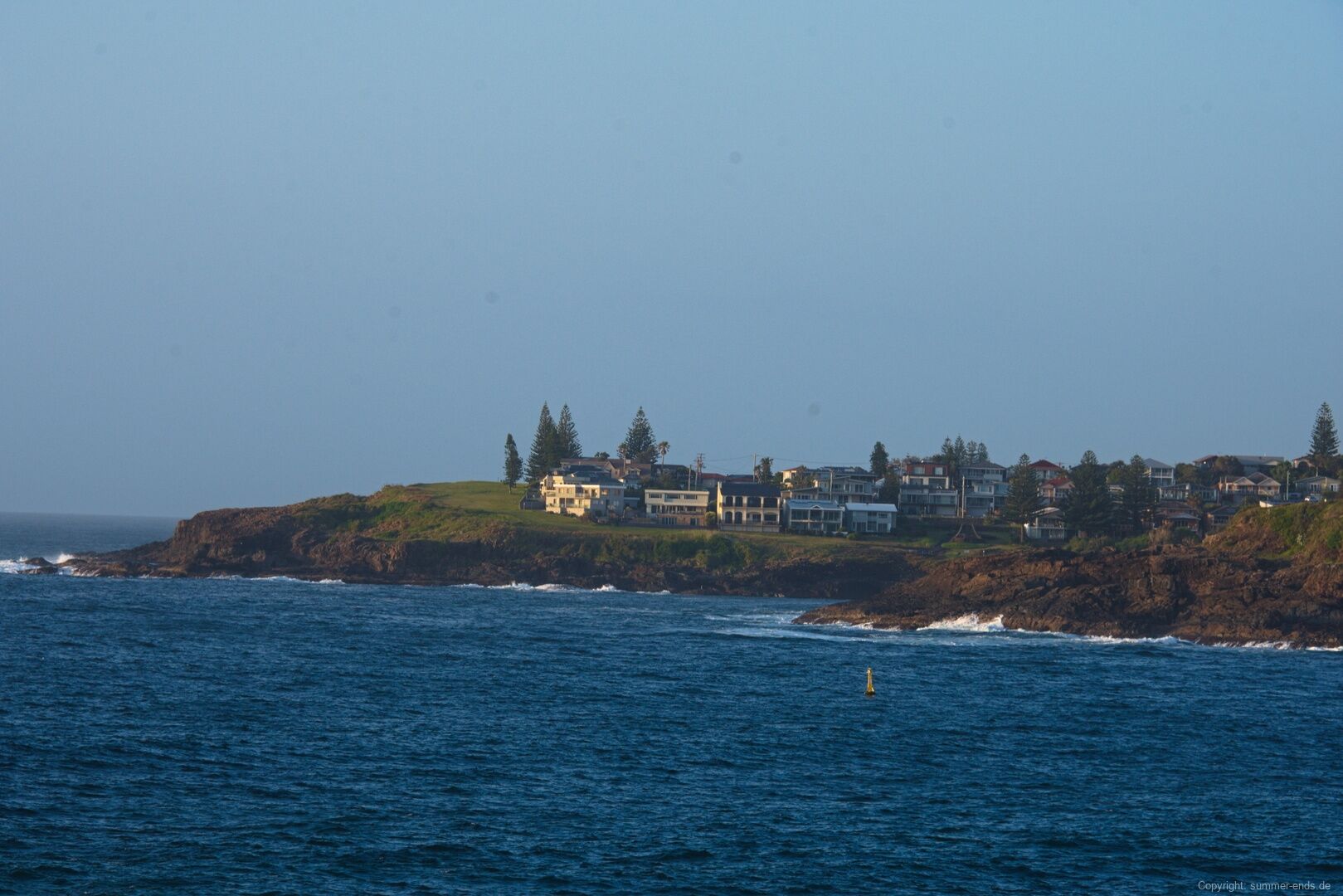
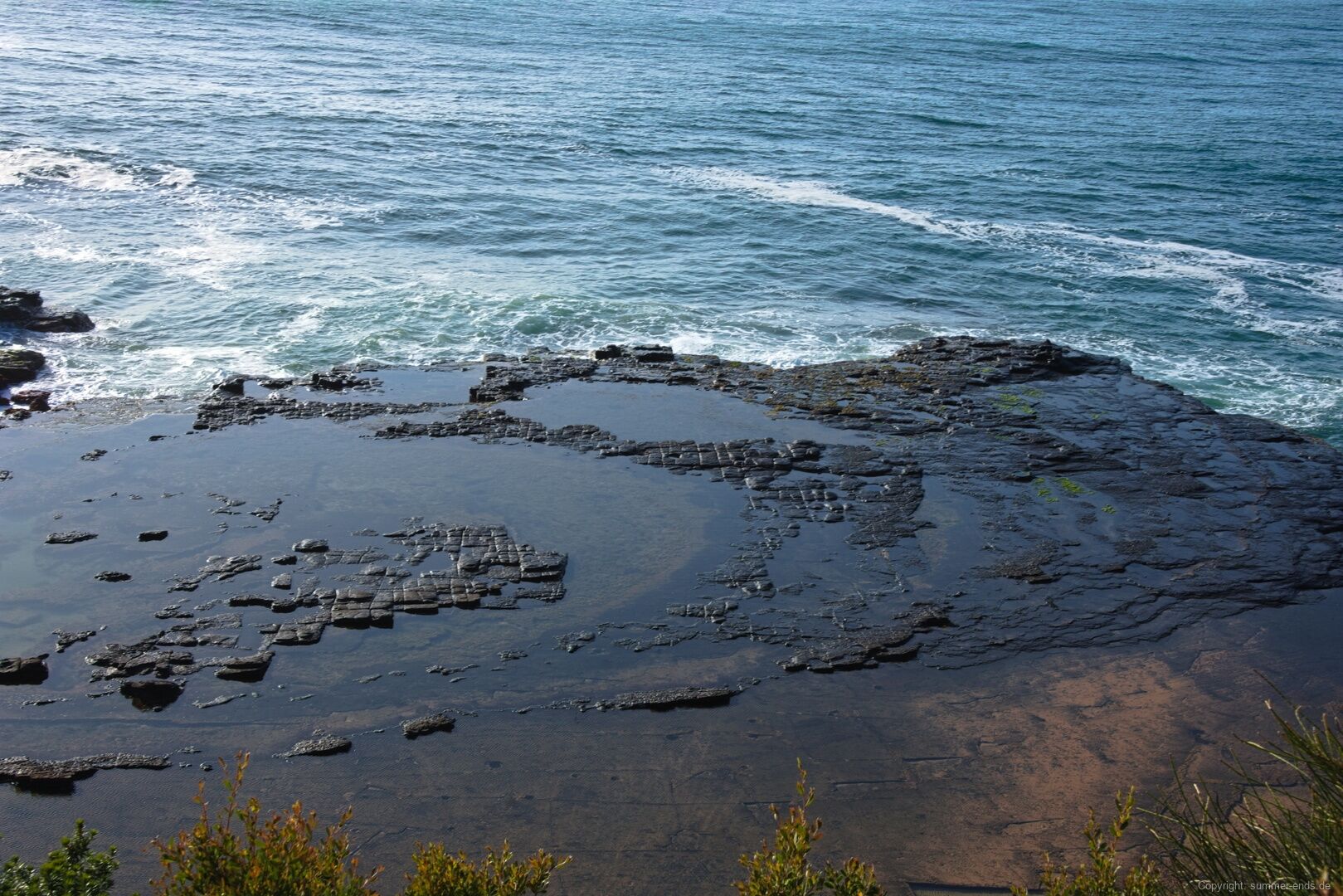
The region offers a wide range of natural and cultural features reflecting its geological diversity and coastal setting. Notable locations include the Illawarra Escarpment and coastal villages such as Stanwell Park, Thirroul, and Kiama, where cliffs, blowholes, and beaches illustrate ongoing coastal and erosional processes.
Further south, the Shoalhaven region features extensive river systems, estuaries, and floodplains, as well as national parks protecting forested plateaus and coastal heathlands. Jervis Bay, with its white sand beaches and sheltered waters, represents one of the most distinctive coastal environments along the route.
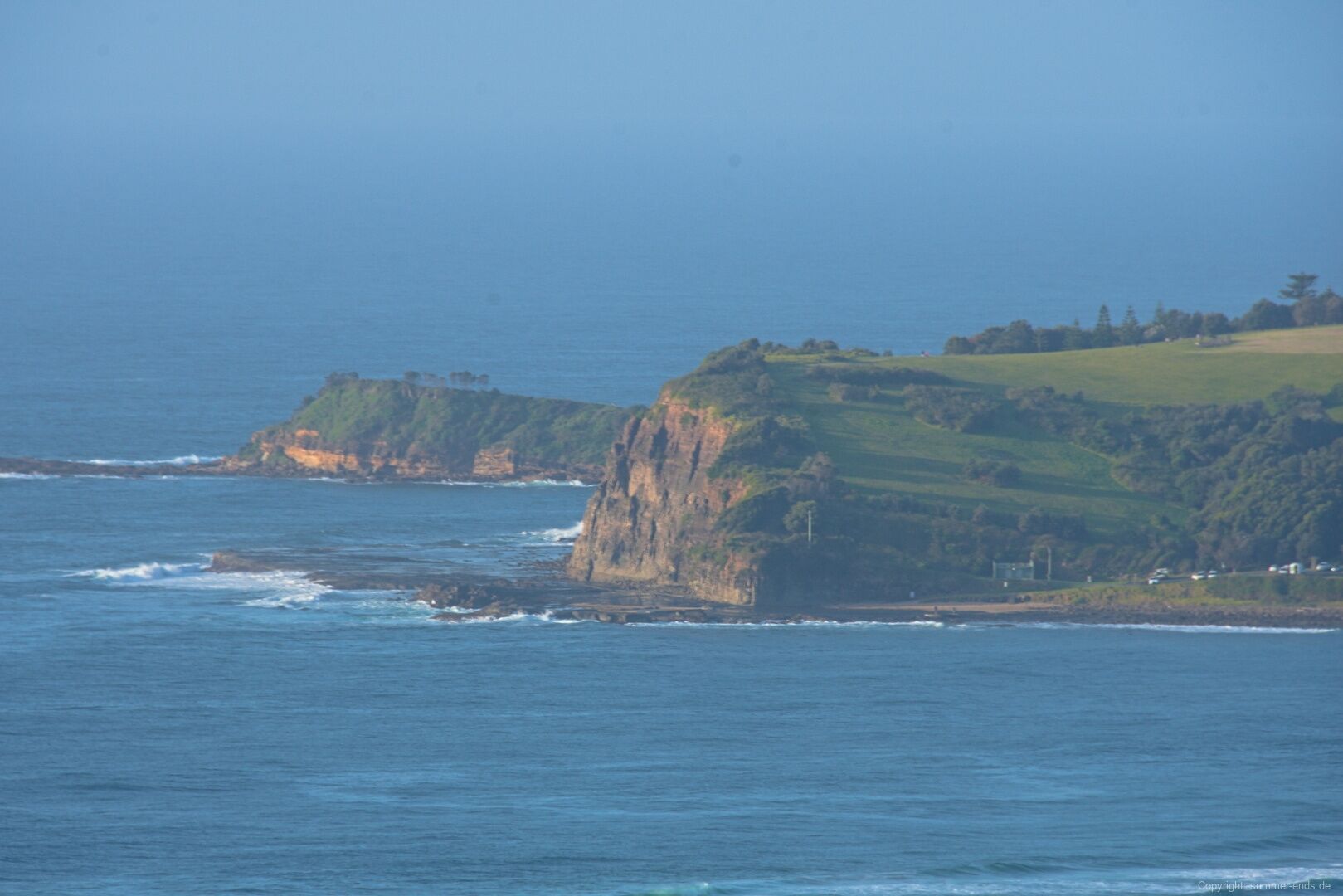
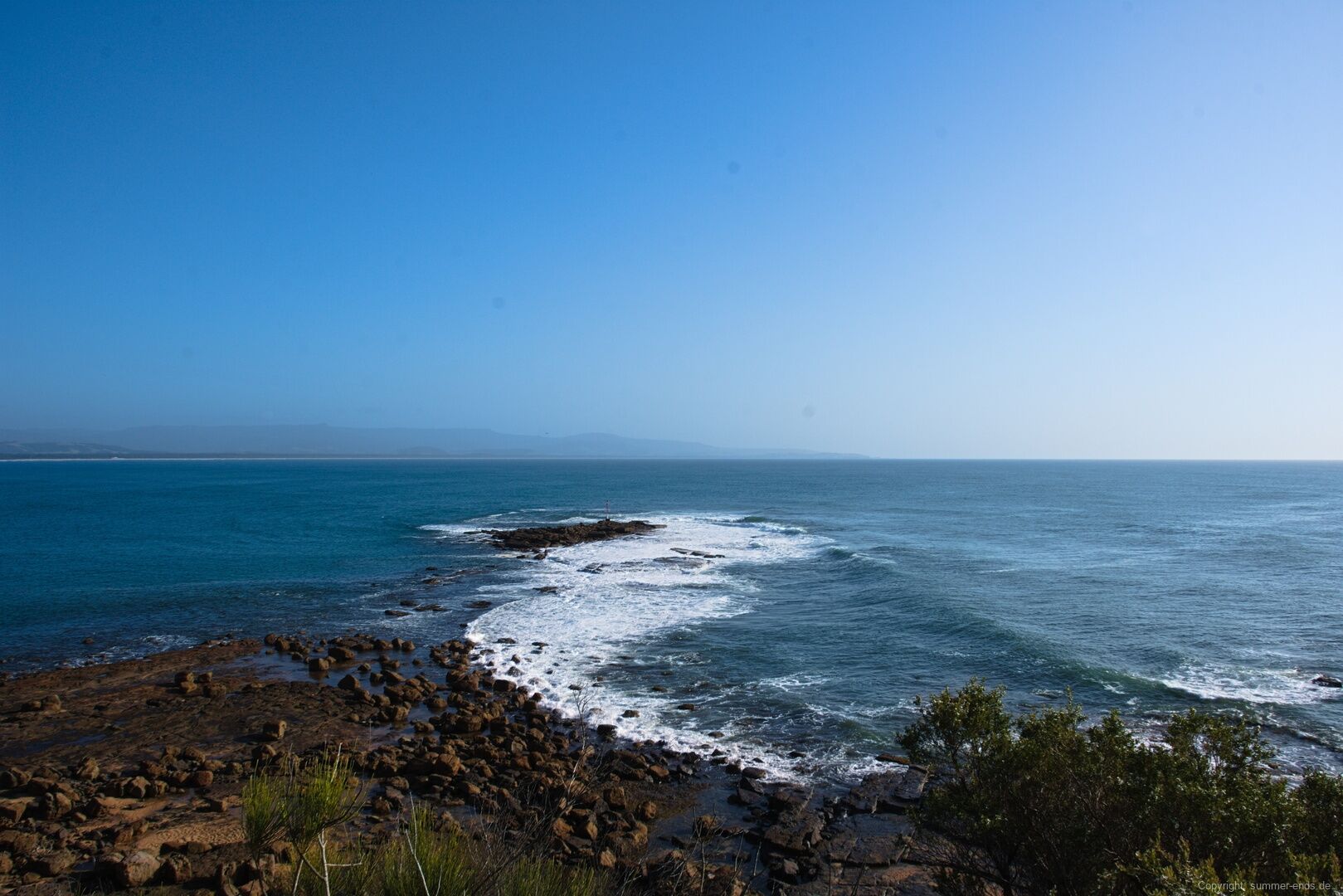
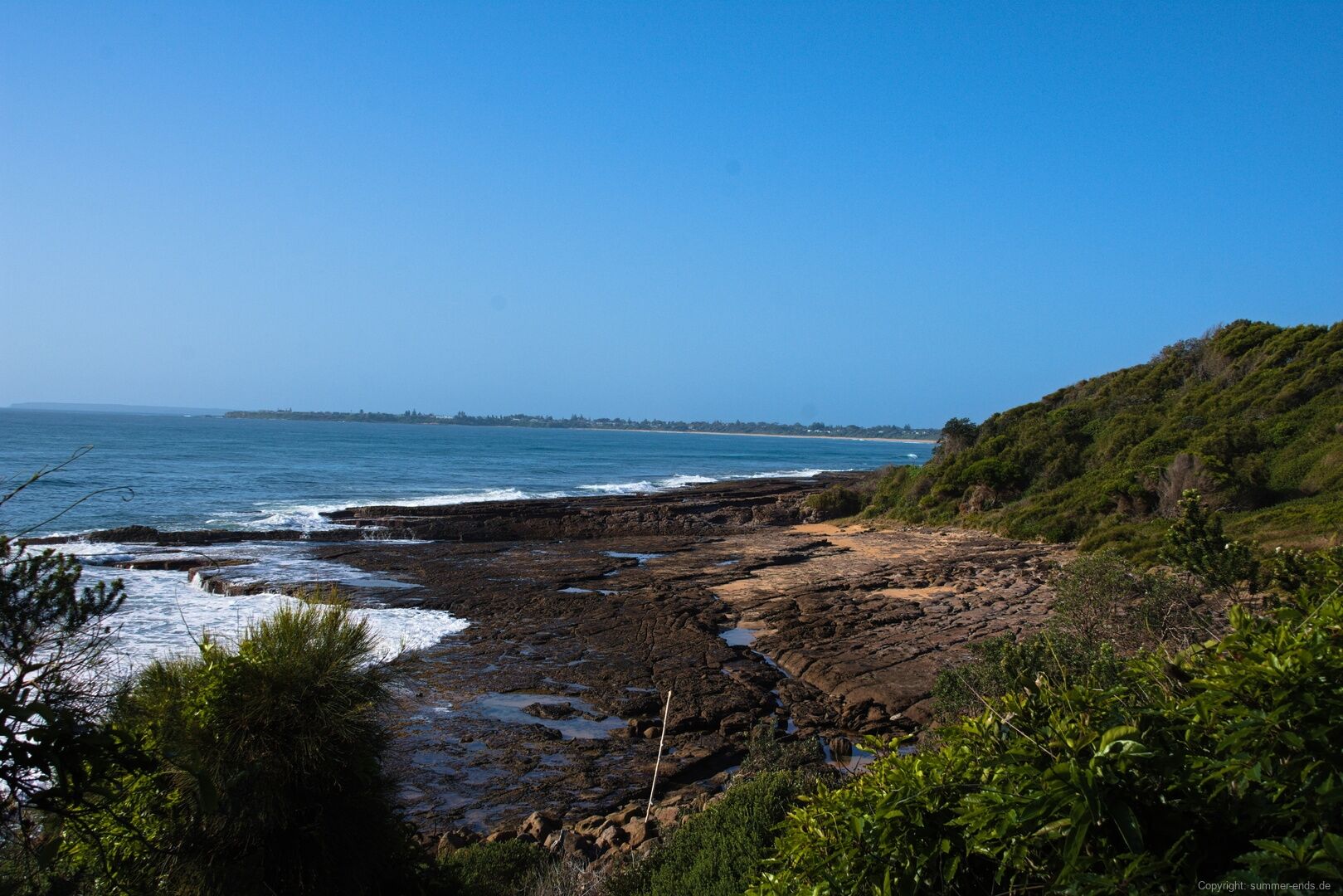
The stretch toward Batemans Bay includes rugged headlands, offshore islands, and relatively undeveloped coastline, alongside towns that serve as gateways to marine parks, forests, and river catchments. Walking tracks, lookouts, and coastal roads provide access to beaches, cliffs, and hinterland landscapes, illustrating the transition from urban coastal environments near Sydney to more natural and sparsely settled regions further south.