
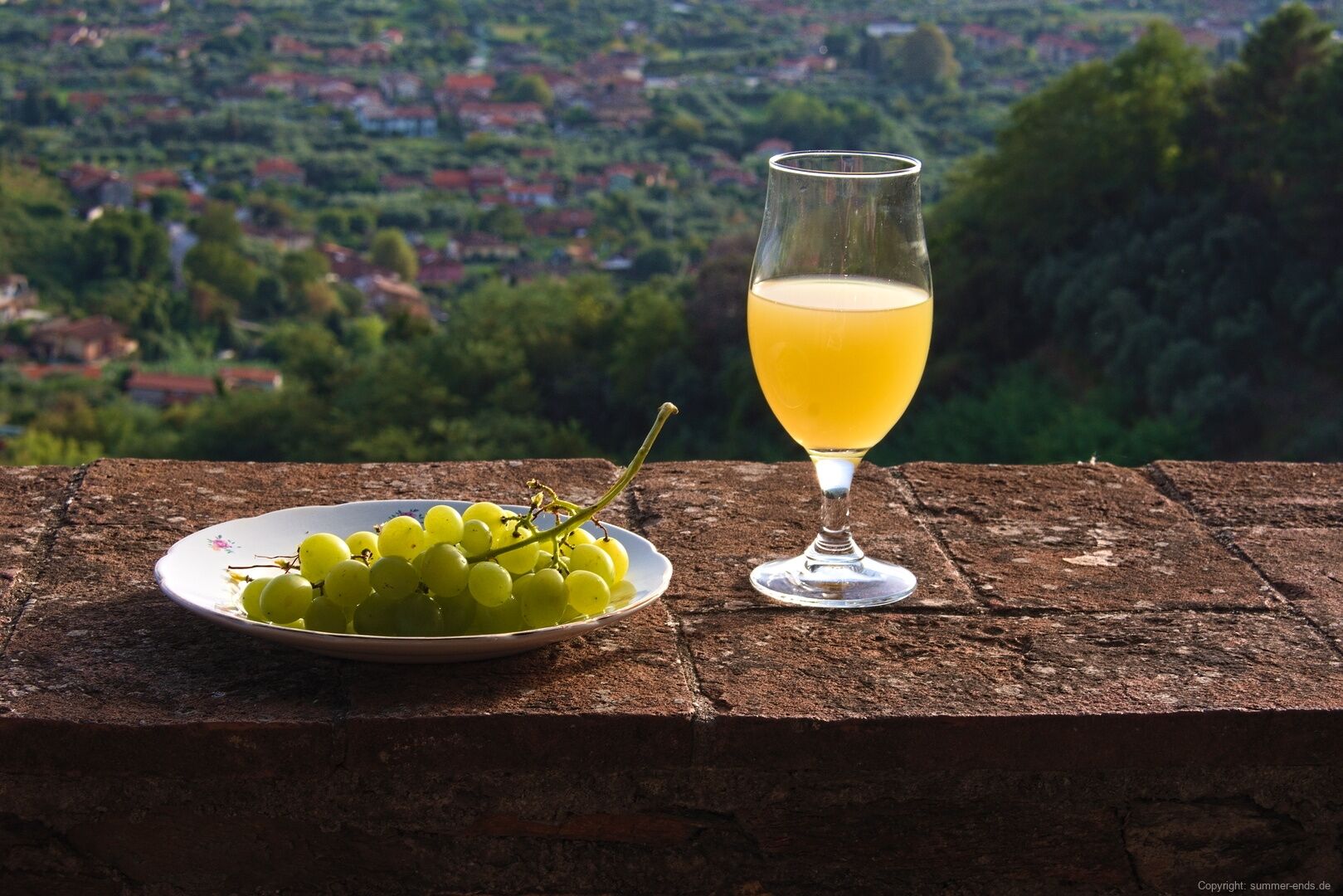
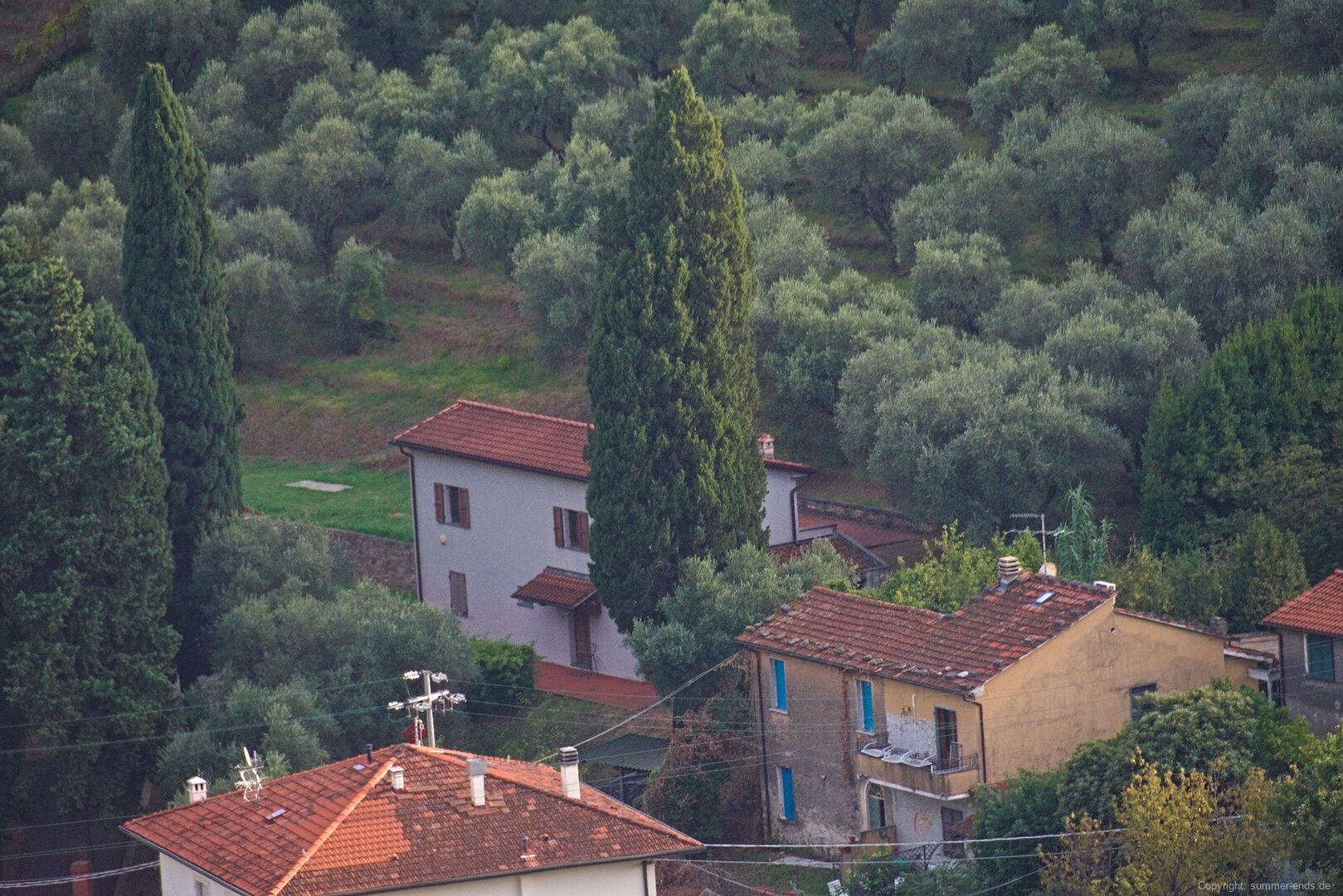
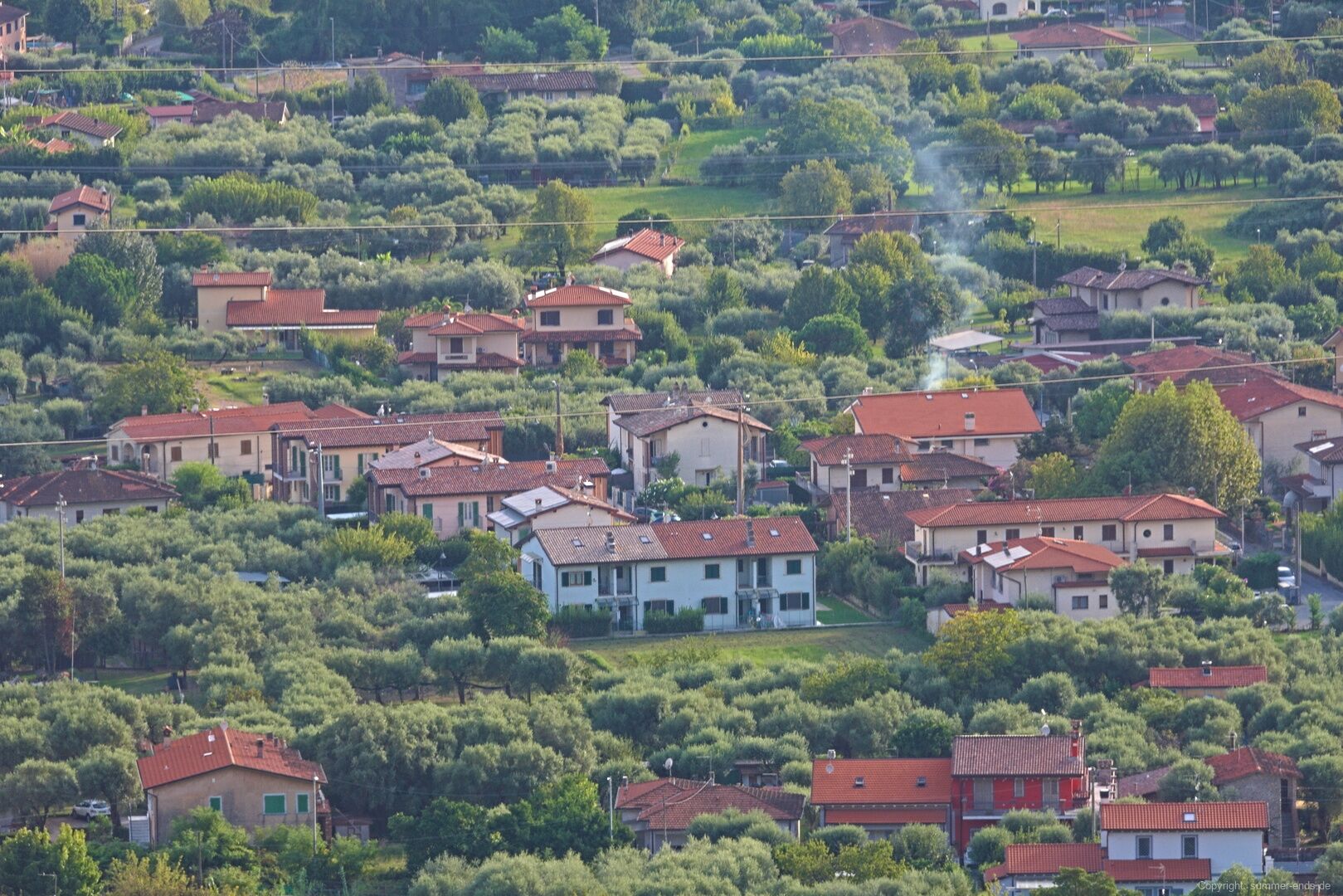
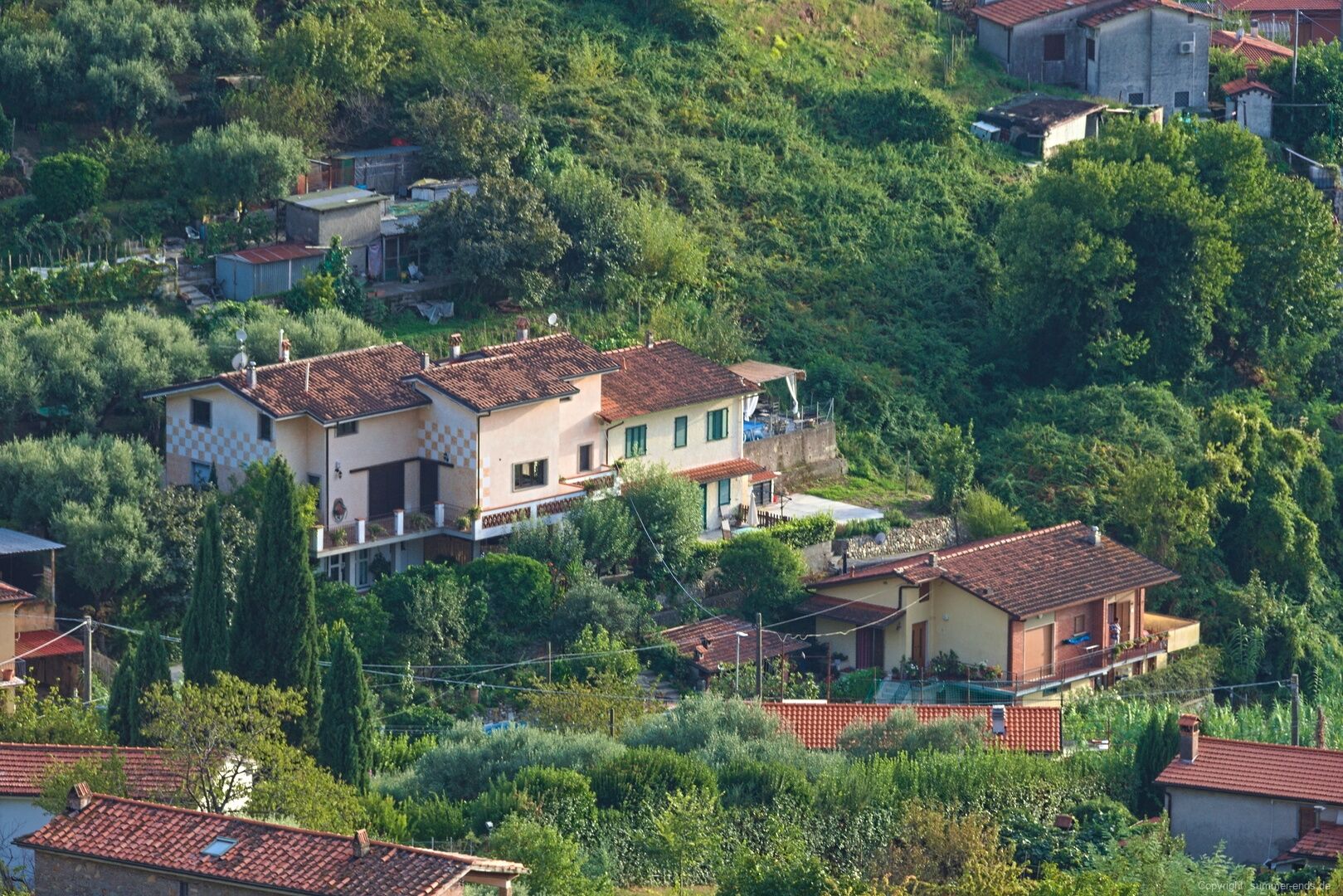
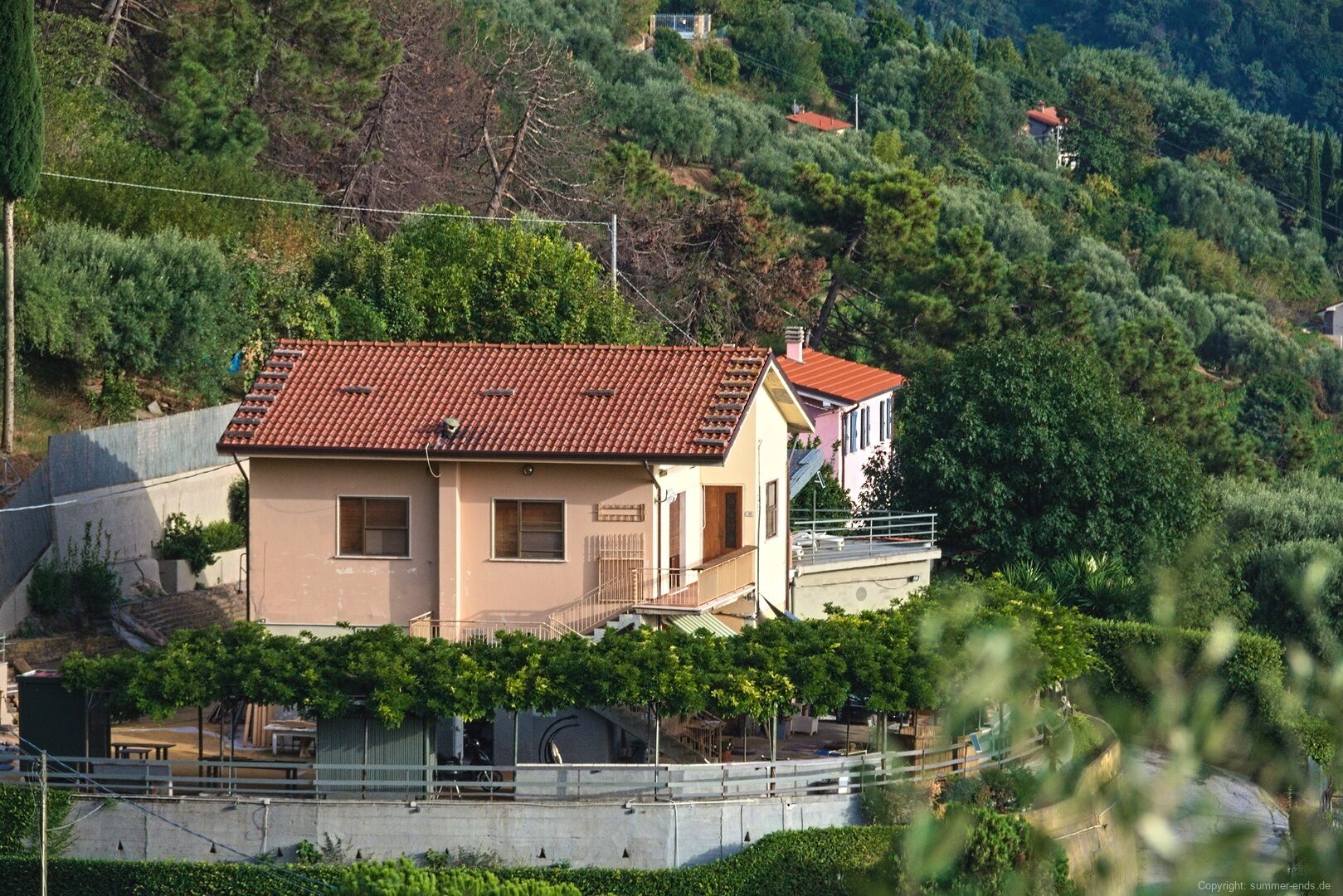
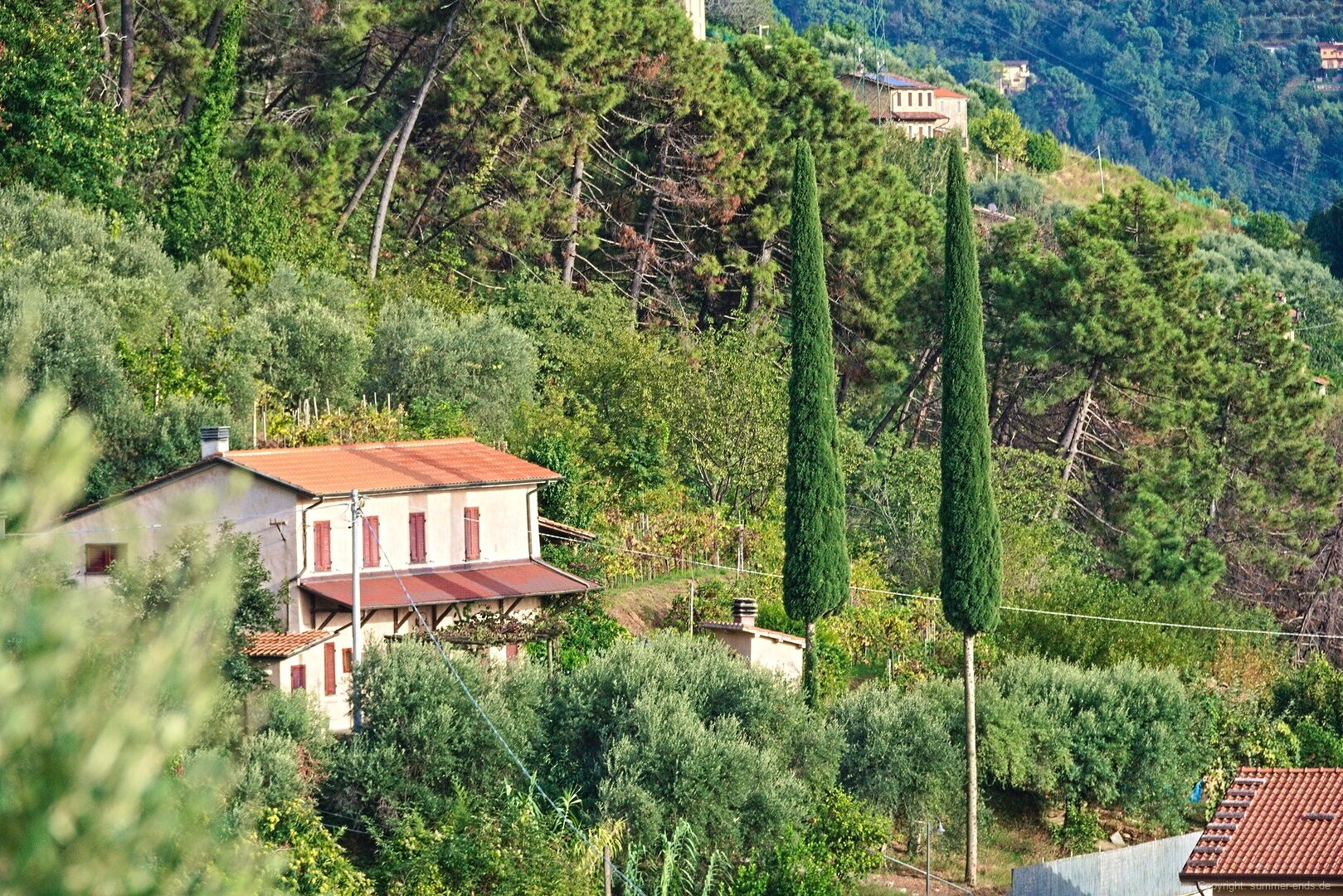
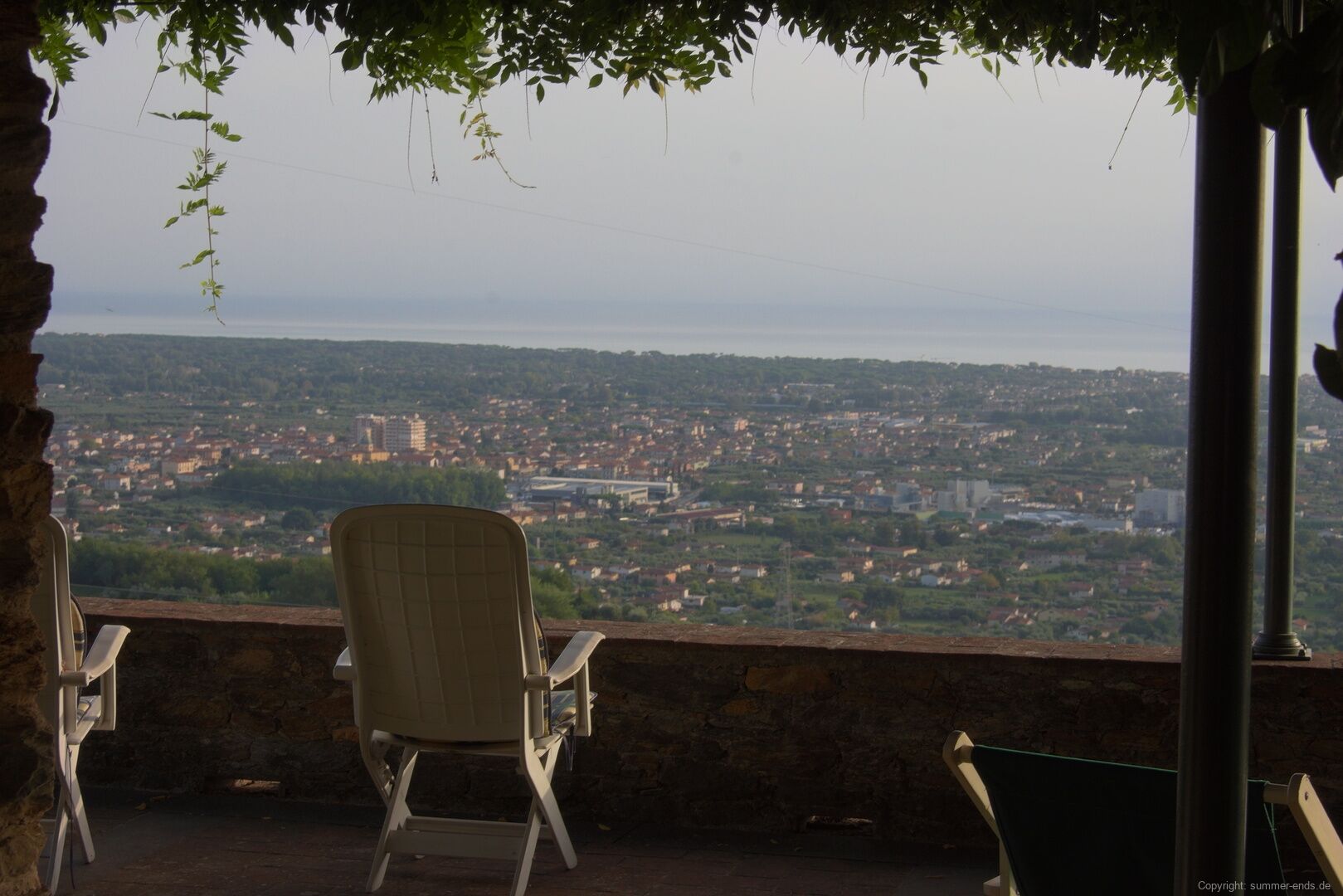
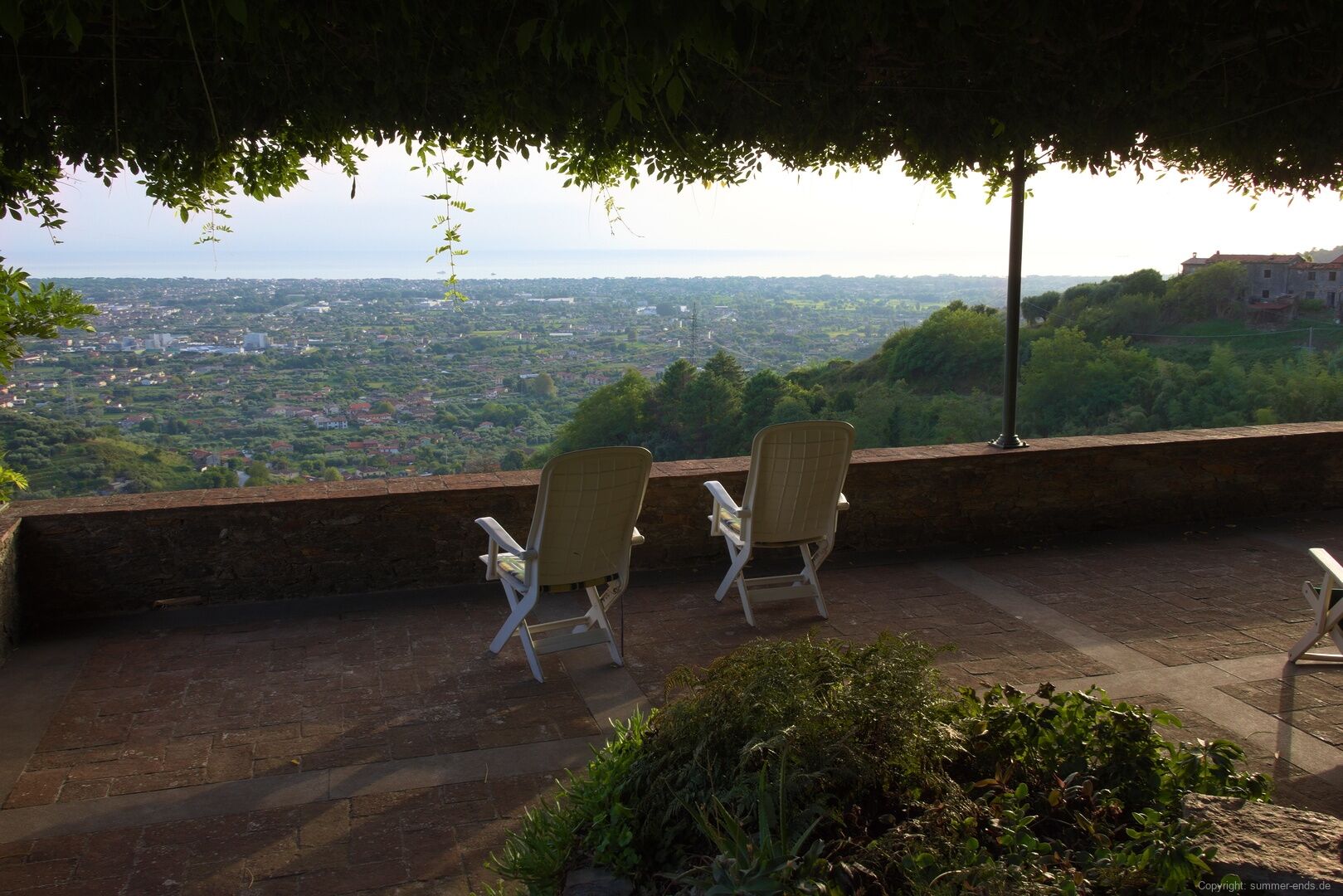
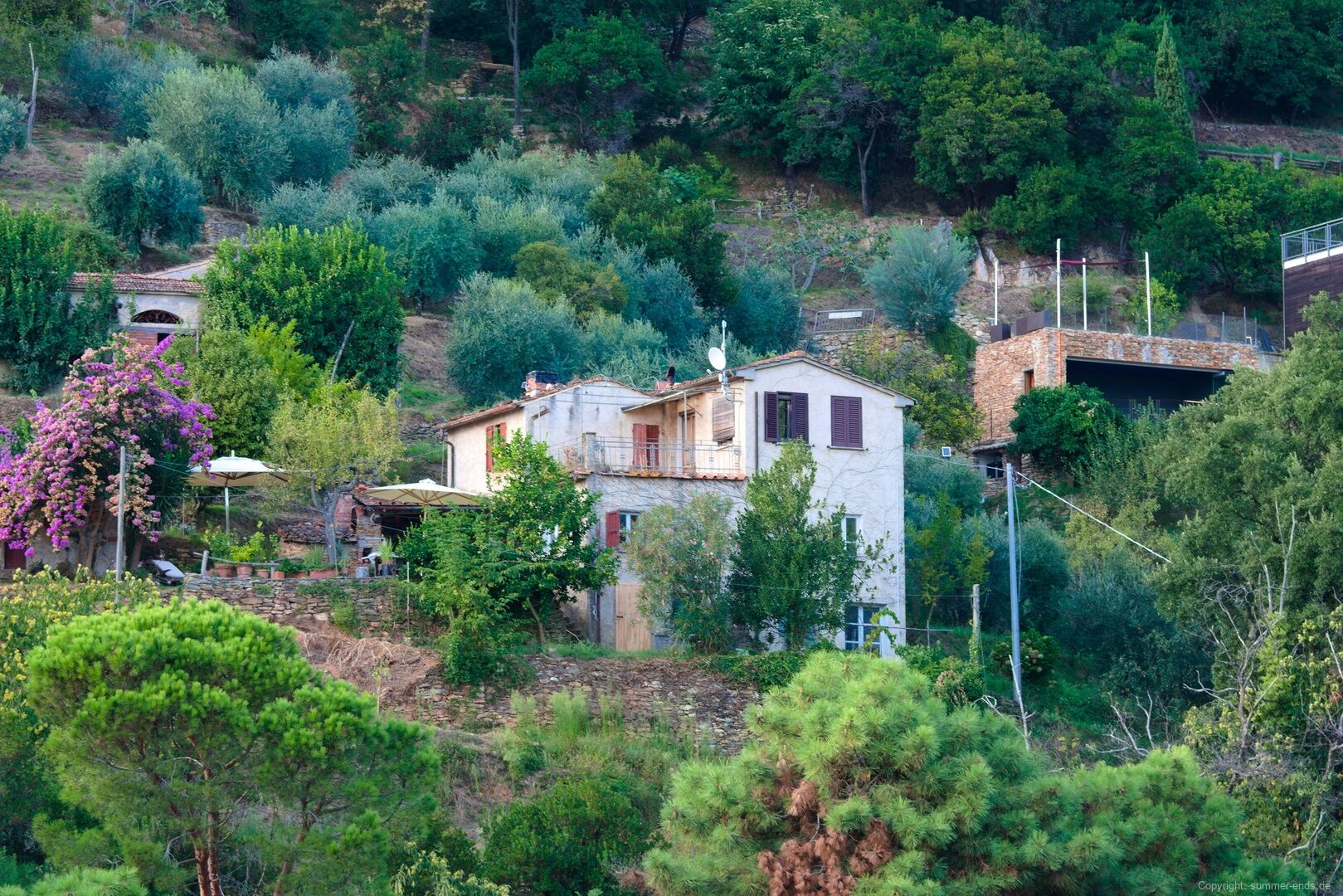

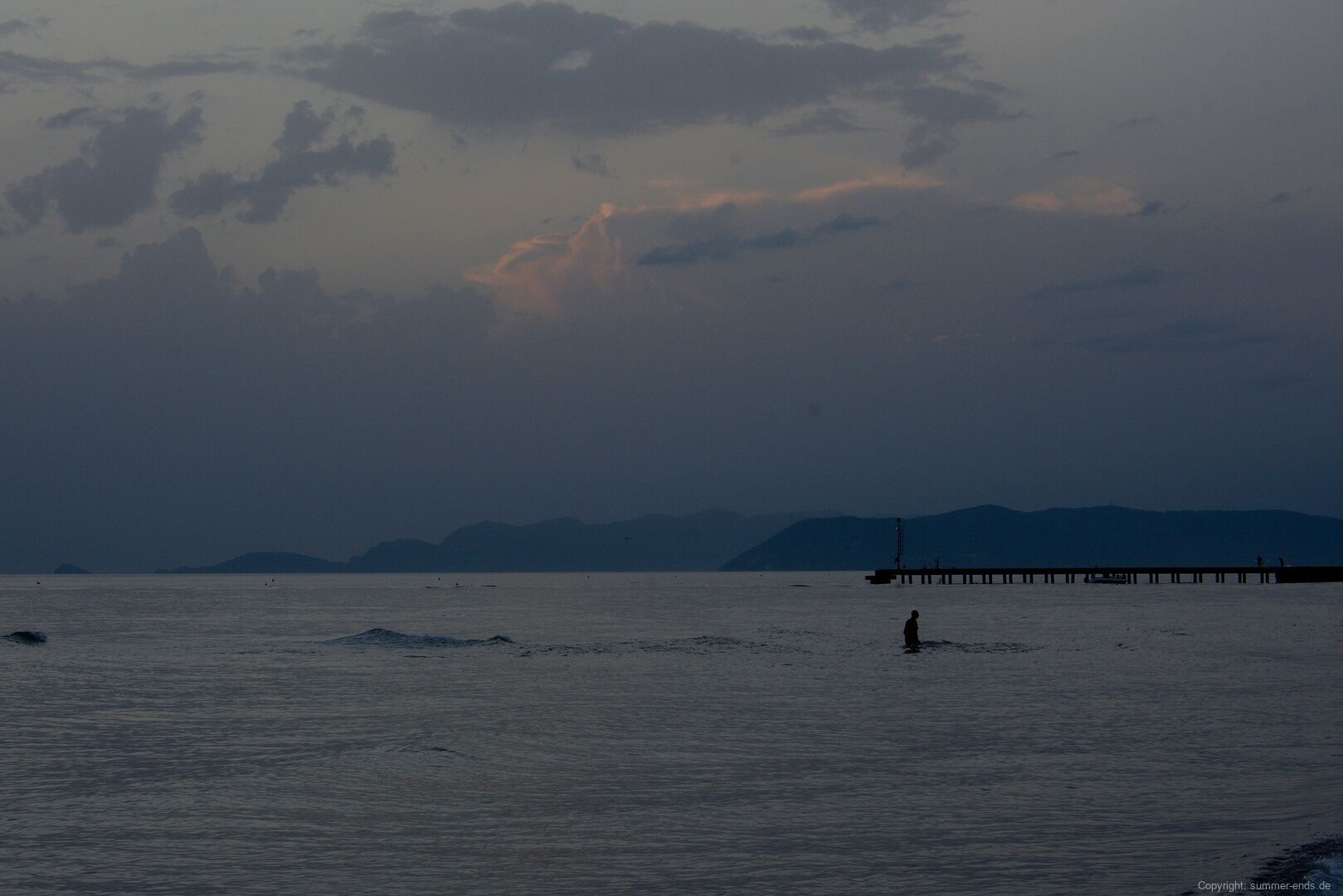
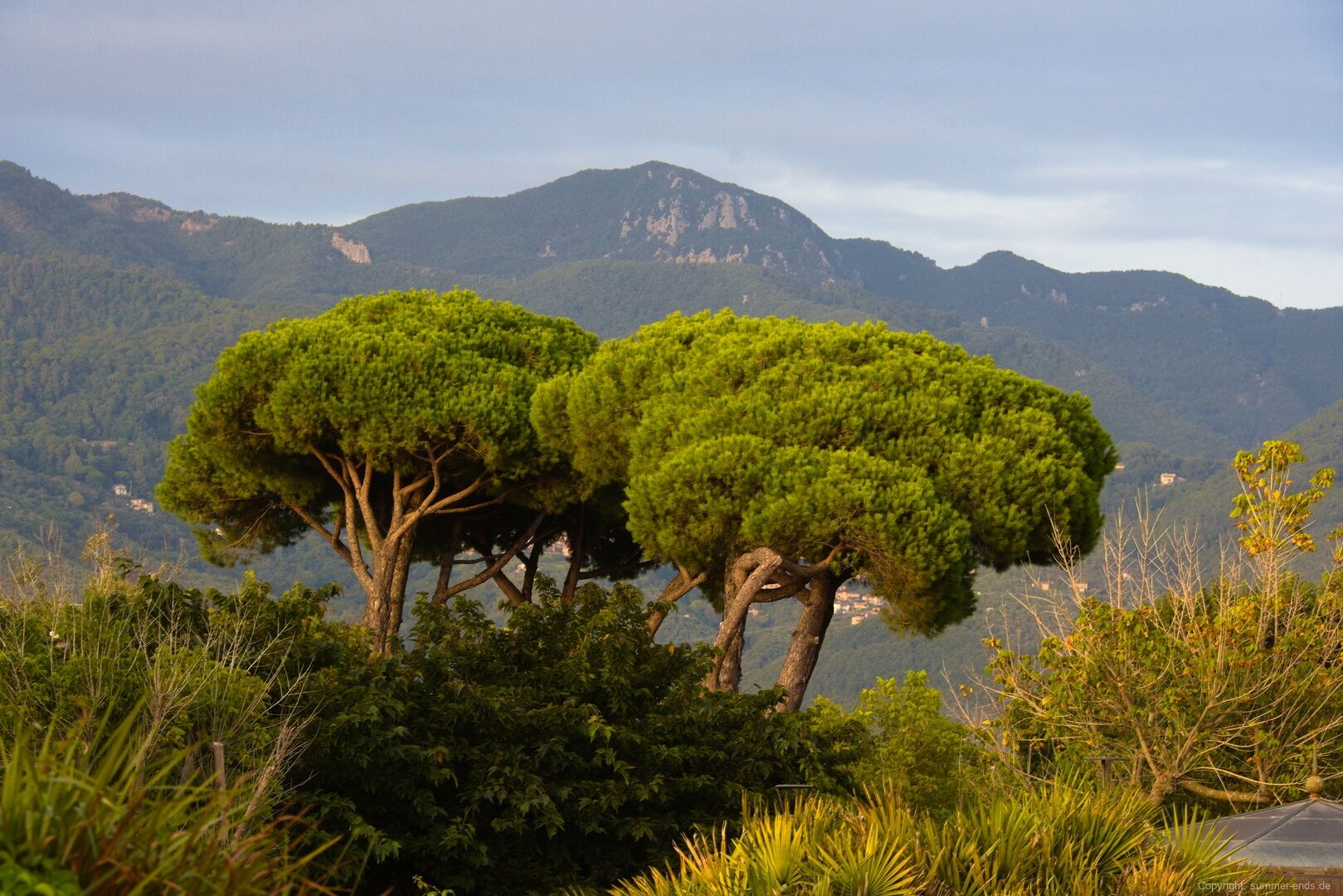
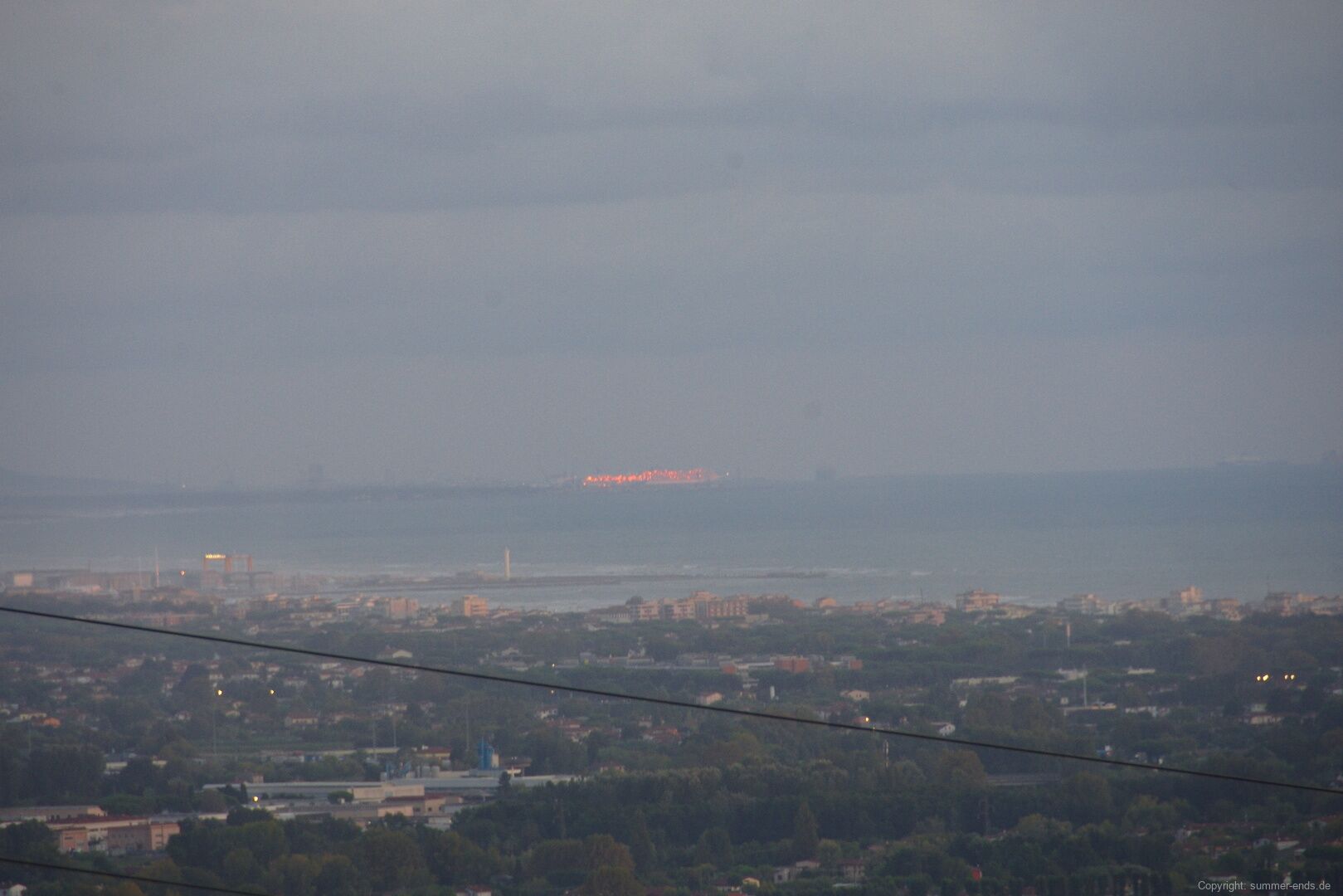
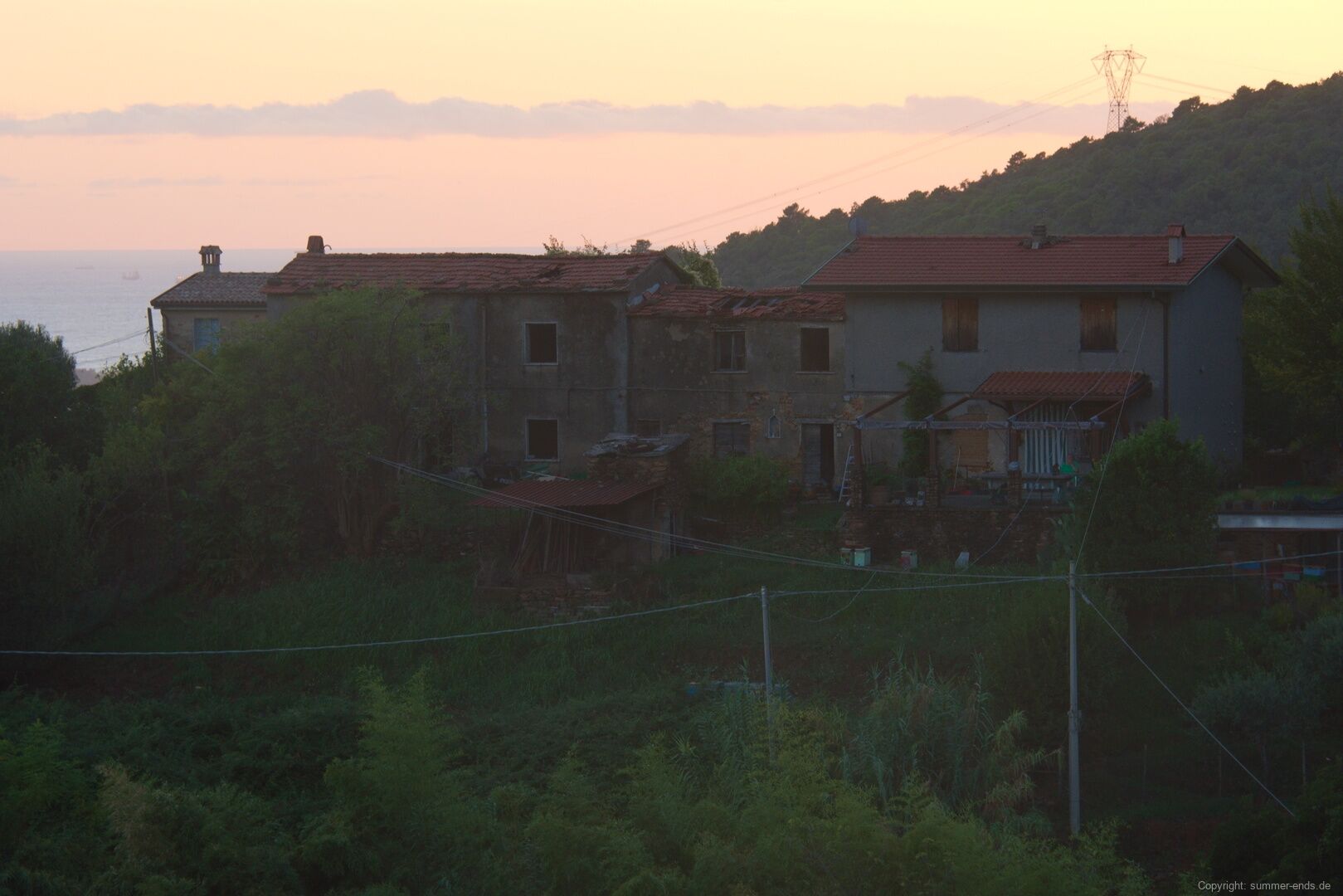
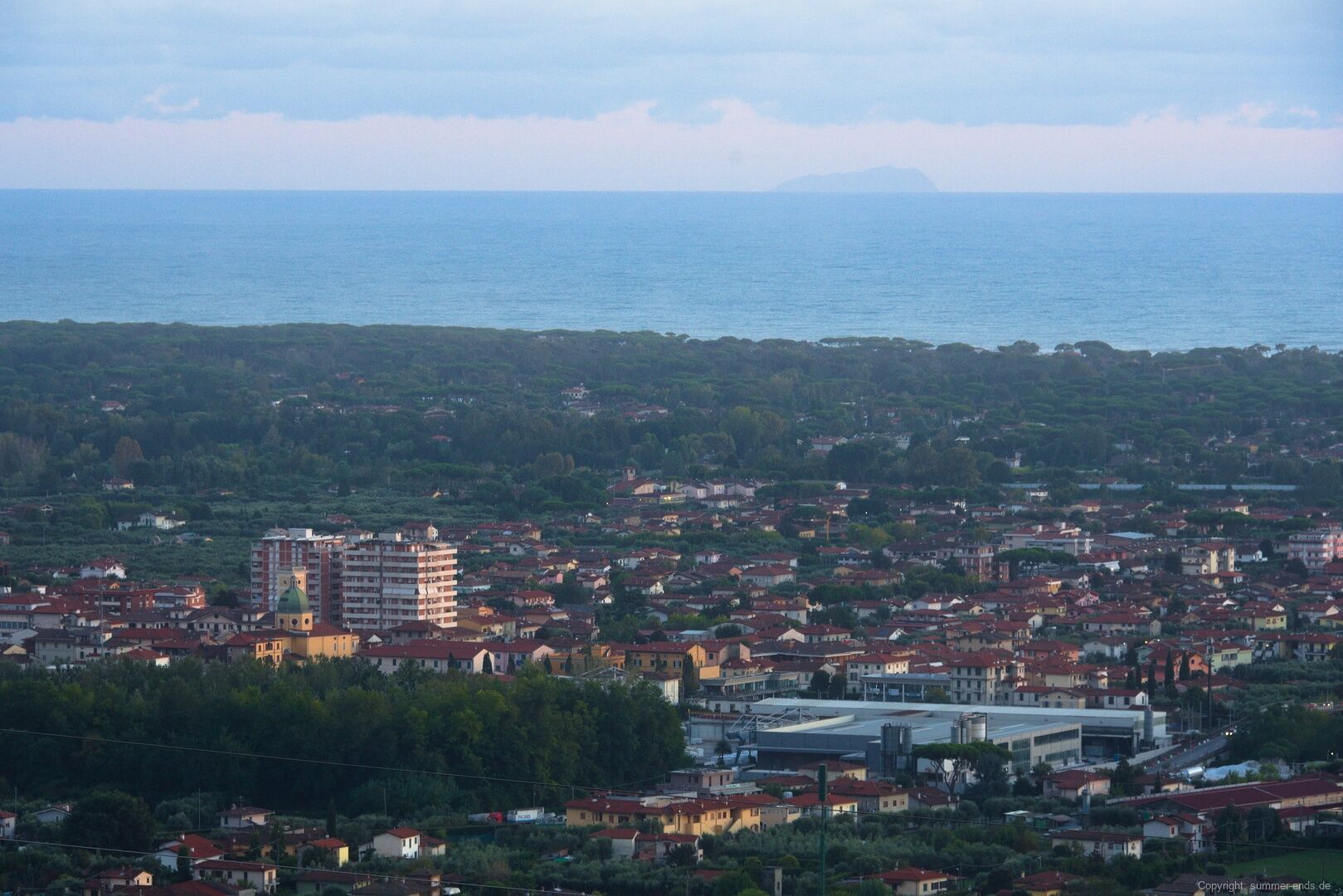
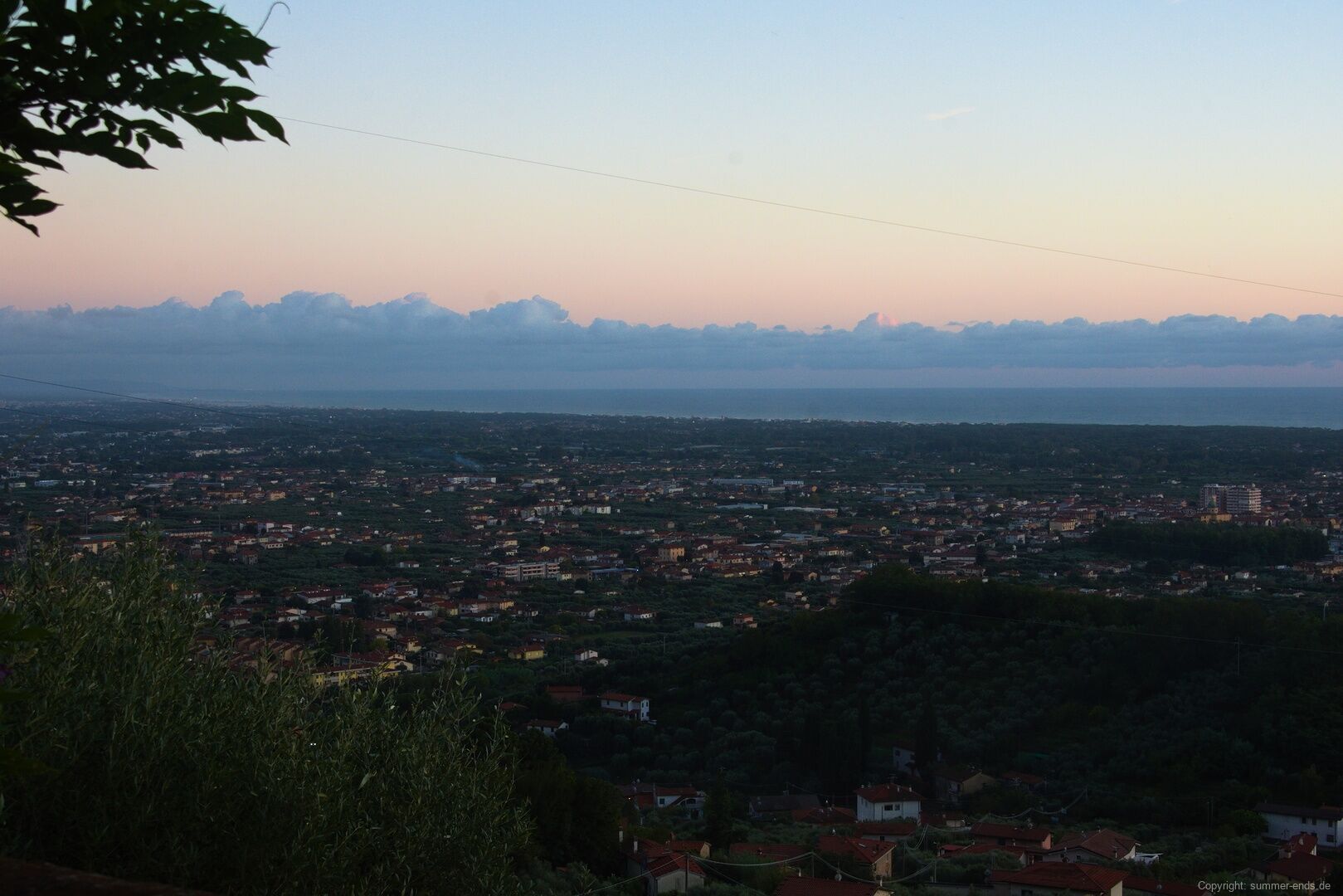
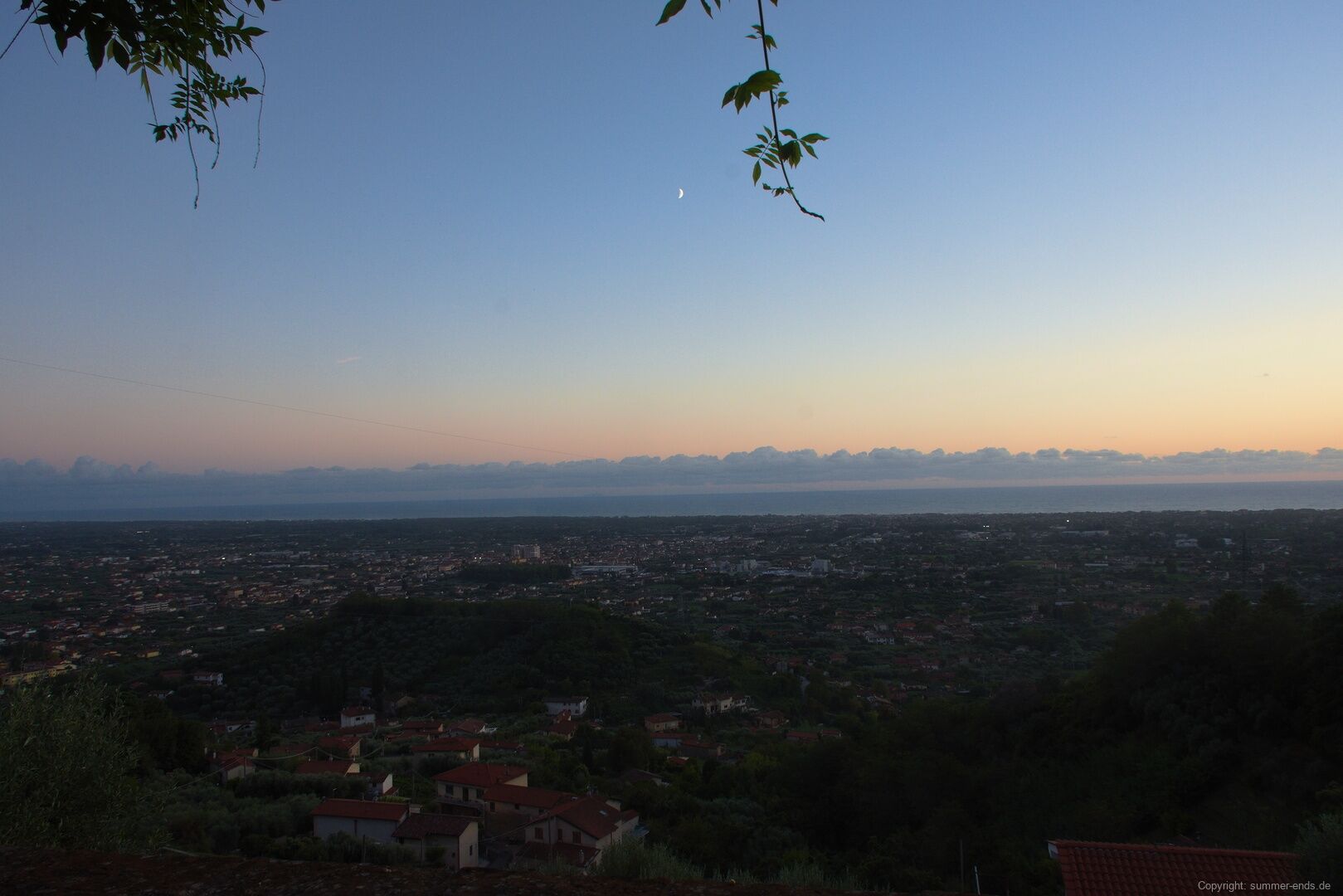
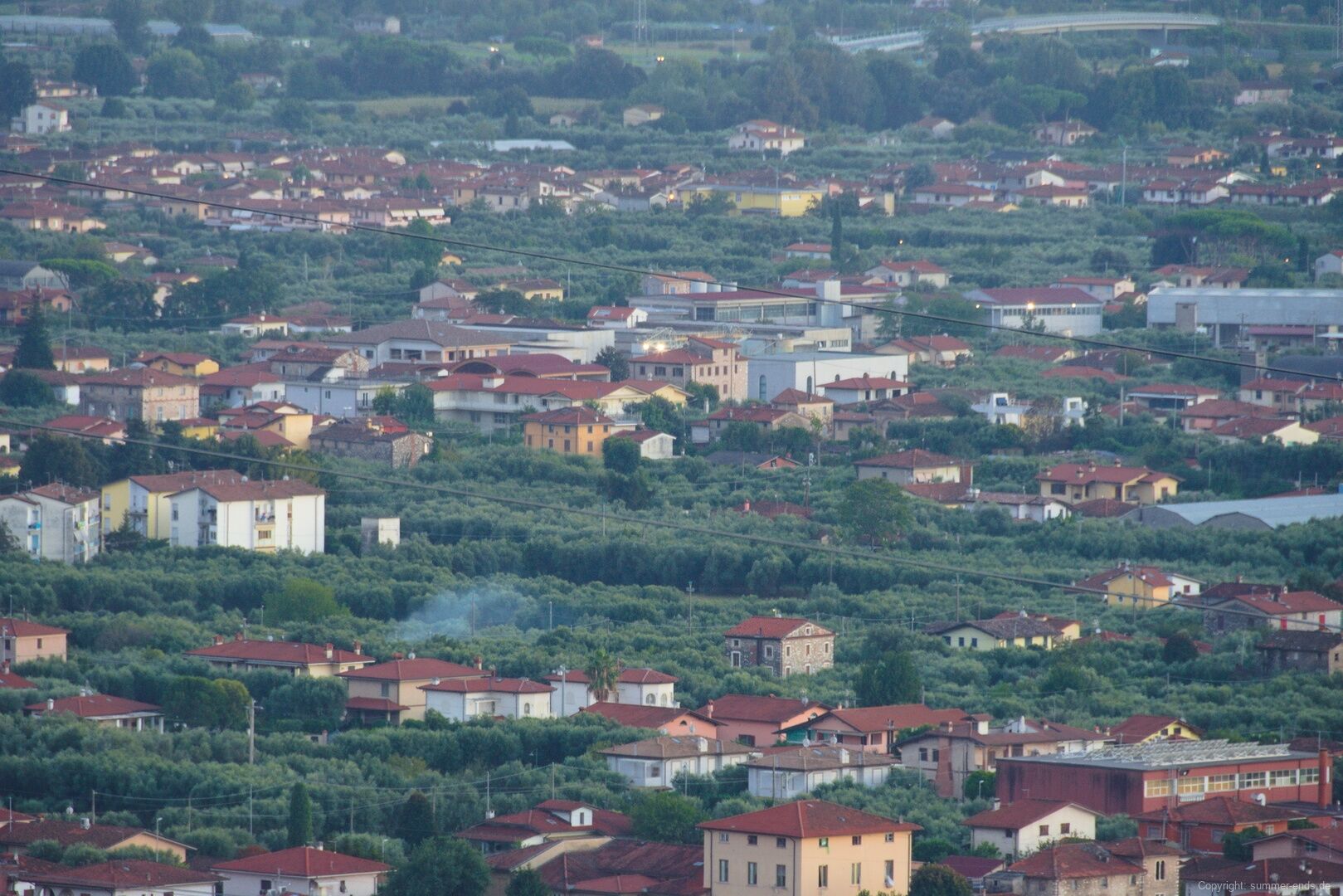
Liguria is a coastal region in northwestern Italy, stretching along the Ligurian Sea between the French border to the west and Tuscany to the east. It is characterized by a narrow, crescent-shaped strip of land where steep mountains descend directly to the coastline, creating a strong contrast between marine and alpine environments. The region is bordered inland by the Maritime Alps and the Apennines, which limit the extent of lowland areas and have historically constrained settlement and transport. Liguria includes major urban centers such as Genoa, as well as numerous smaller coastal towns and villages. Its landscape is defined by rocky headlands, small coves, terraced slopes, and densely settled coastal plains, combined with a mild Mediterranean climate that has strongly influenced agriculture, vegetation, and patterns of habitation.
History
Liguria has been inhabited since prehistoric times, with early settlements linked to coastal resources and inland trade routes. In antiquity, the region was home to the Ligurian tribes, from whom it takes its name. These groups interacted with Etruscans, Greeks, and later the Romans, who gradually incorporated the region into the Roman Republic and Empire. Roman infrastructure, including roads and ports, established Liguria as a strategic corridor between the Italian peninsula and southern Gaul.
During the Middle Ages, Liguria gained prominence through the rise of maritime city-states, most notably Genoa. The Republic of Genoa became a major naval and commercial power between the 11th and 15th centuries, controlling trade routes across the Mediterranean and establishing colonies and trading posts far beyond the region. This maritime dominance shaped Liguria’s urban development, architecture, and economic structure.
In the early modern period, Liguria experienced political decline as maritime power shifted, eventually becoming part of the Kingdom of Sardinia and later unified Italy in the 19th century. Industrialization, port development, and emigration influenced the region during the 19th and 20th centuries. Today, Liguria combines industrial and port activities, tourism, and specialized agriculture, while maintaining a strong cultural identity rooted in its maritime history.
Geology
Geologically, Liguria occupies a complex tectonic zone at the boundary between the Alps and the Apennines. The region’s geological structure reflects multiple phases of mountain building, ocean closure, and crustal deformation associated with the Alpine and Apennine orogenies. Bedrock includes a diverse assemblage of sedimentary, metamorphic, and ophiolitic rocks, particularly in the central and eastern parts of the region.
The Ligurian Alps and Ligurian Apennines consist of folded and faulted limestone, sandstone, shale, and metamorphic units, often uplifted and steeply inclined. In several areas, remnants of ancient oceanic crust are exposed, forming ophiolite complexes that are geologically significant at a European scale.
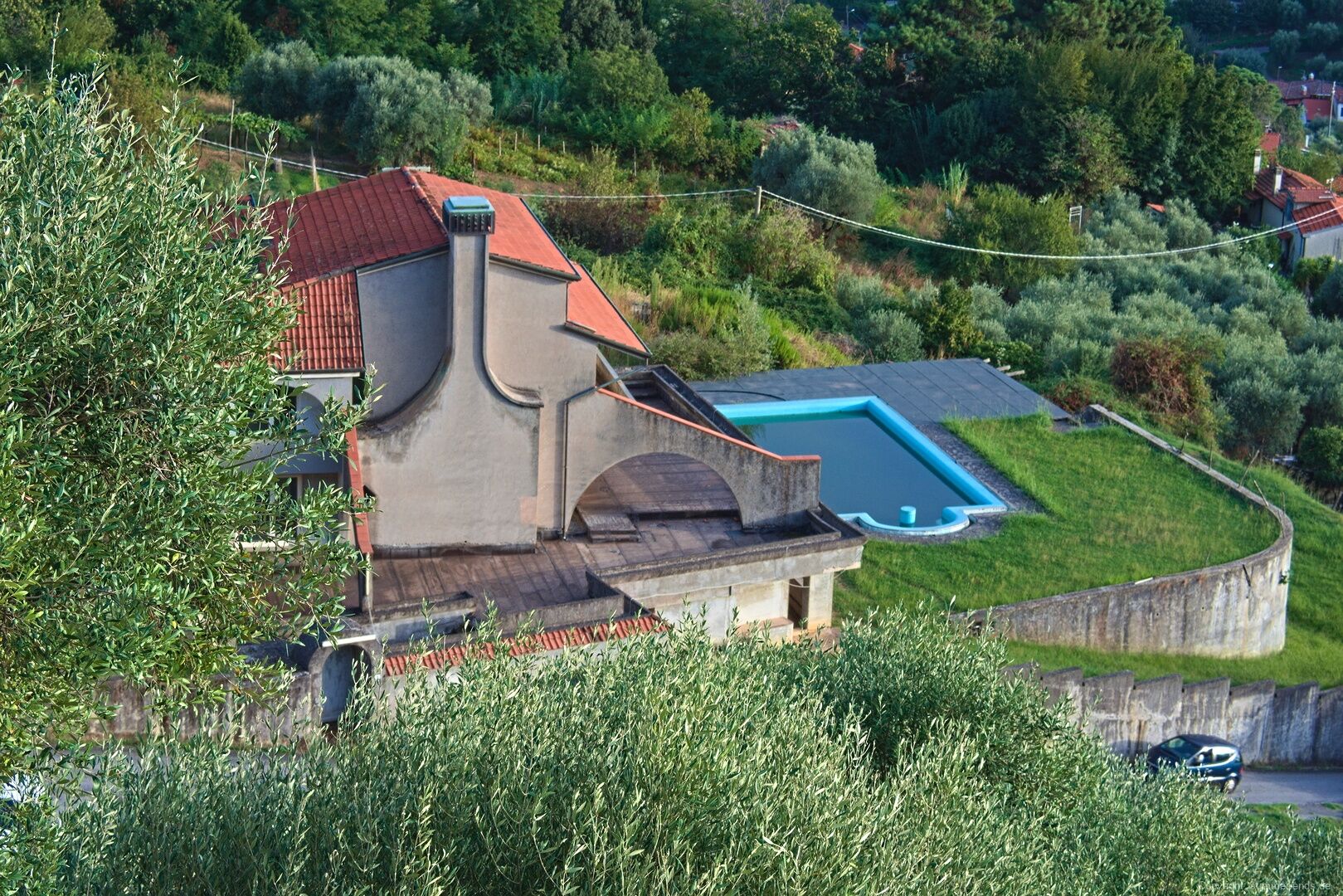
The narrow coastal zone is shaped by marine erosion, landslides, and alluvial deposition, while inland valleys reflect fluvial erosion and structural controls. Steep slopes, thin soils, and active geomorphological processes contribute to natural hazards such as landslides and flash flooding. The geological setting strongly influences land use, settlement patterns, and the widespread use of terracing to stabilize slopes and create arable land.
Things to See
Liguria offers a wide range of natural and cultural features shaped by its coastal and mountainous setting. The city of Genoa contains an extensive historic center with medieval streets, Renaissance palaces, and a major port reflecting its maritime heritage.
Along the coast, areas such as the Cinque Terre illustrate the interaction between steep terrain, terraced agriculture, and coastal settlement, with villages perched above rocky shorelines. The Portofino promontory and Gulf of Tigullio combine rugged cliffs, forested hills, and sheltered bays.
Inland, the Ligurian Alps and Apennines provide access to mountain landscapes, historic villages, and natural parks that contrast sharply with the densely populated coast. Scenic coastal roads, hiking trails, and viewpoints reveal the close juxtaposition of sea and mountains that defines Liguria’s distinctive regional character.