
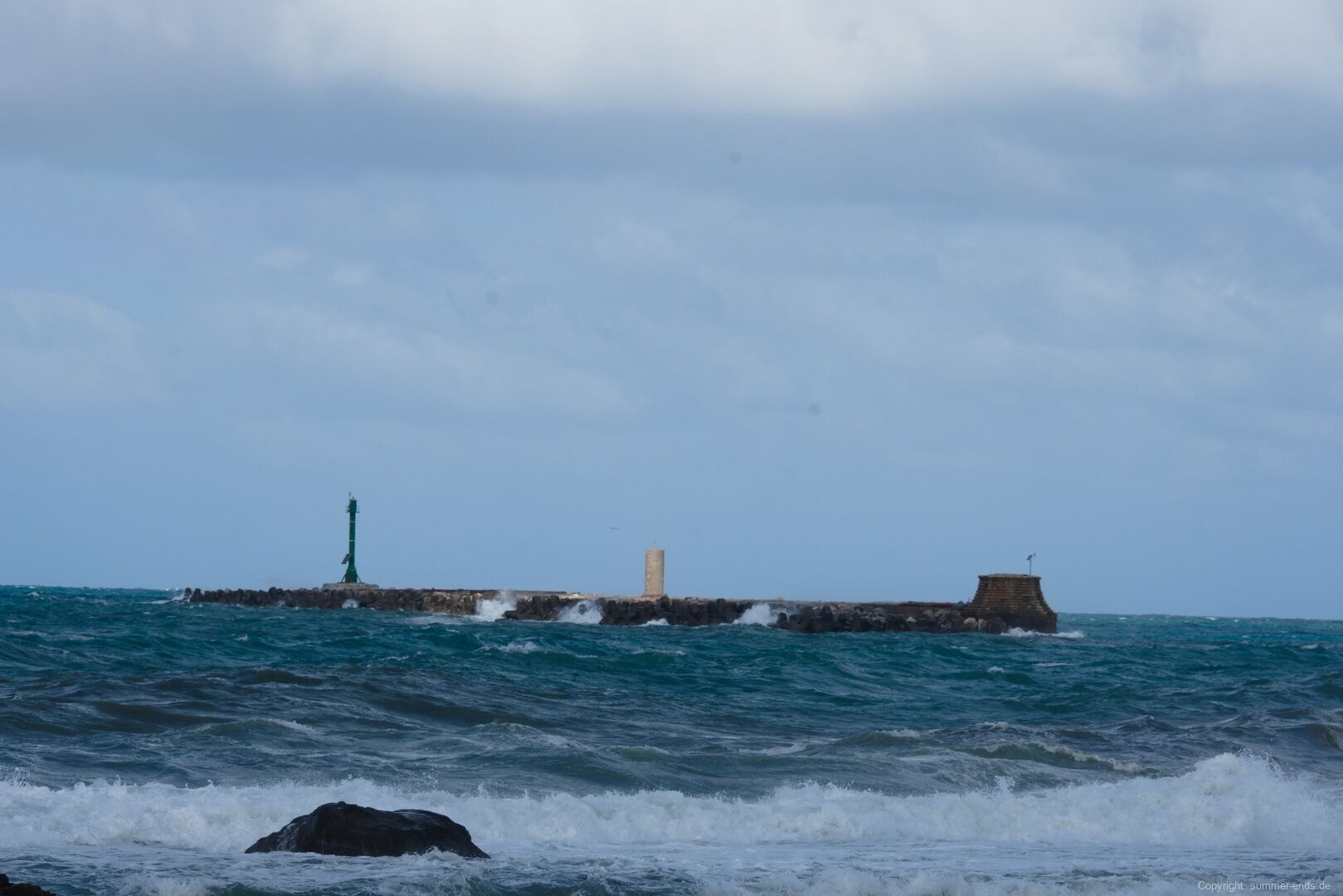
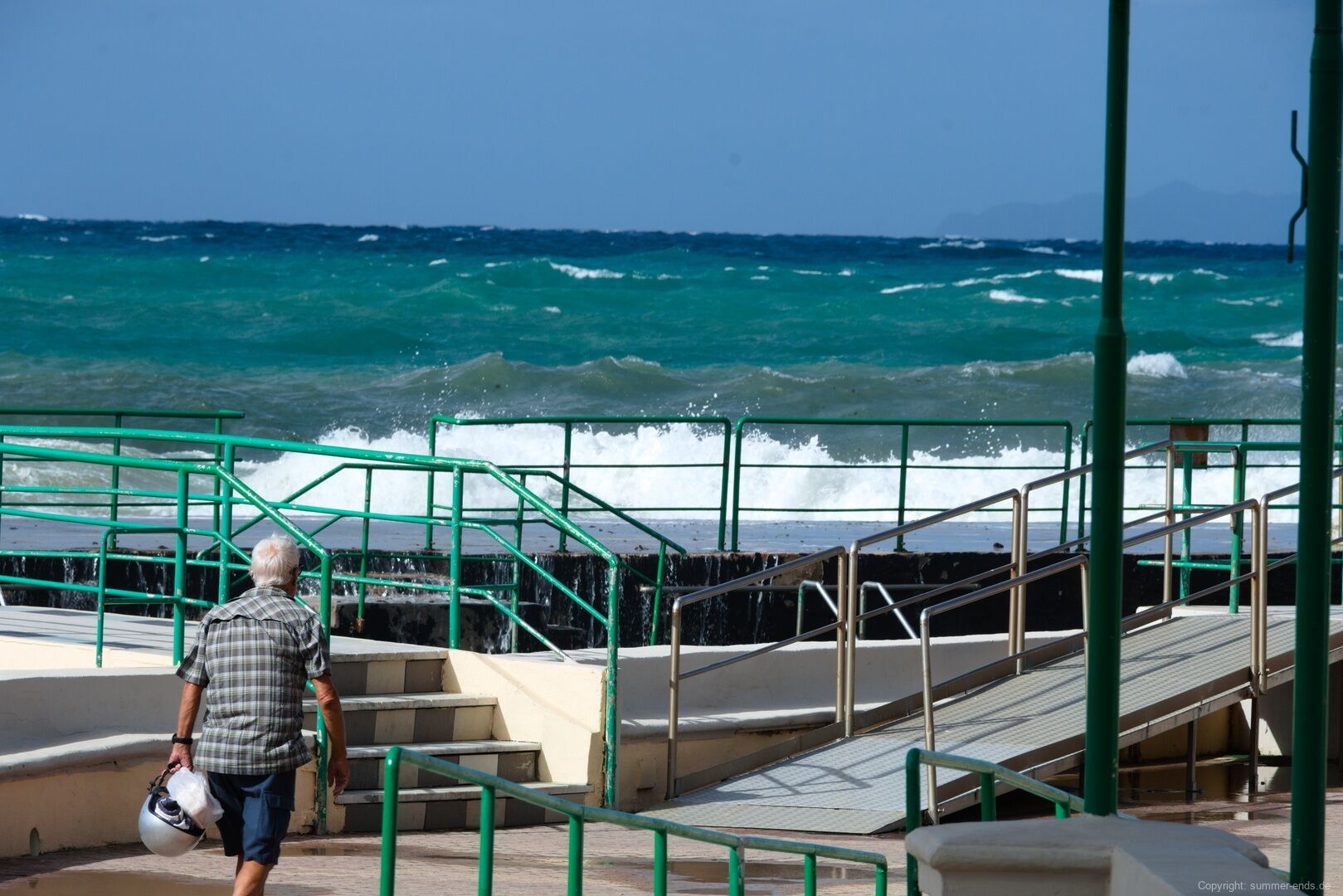
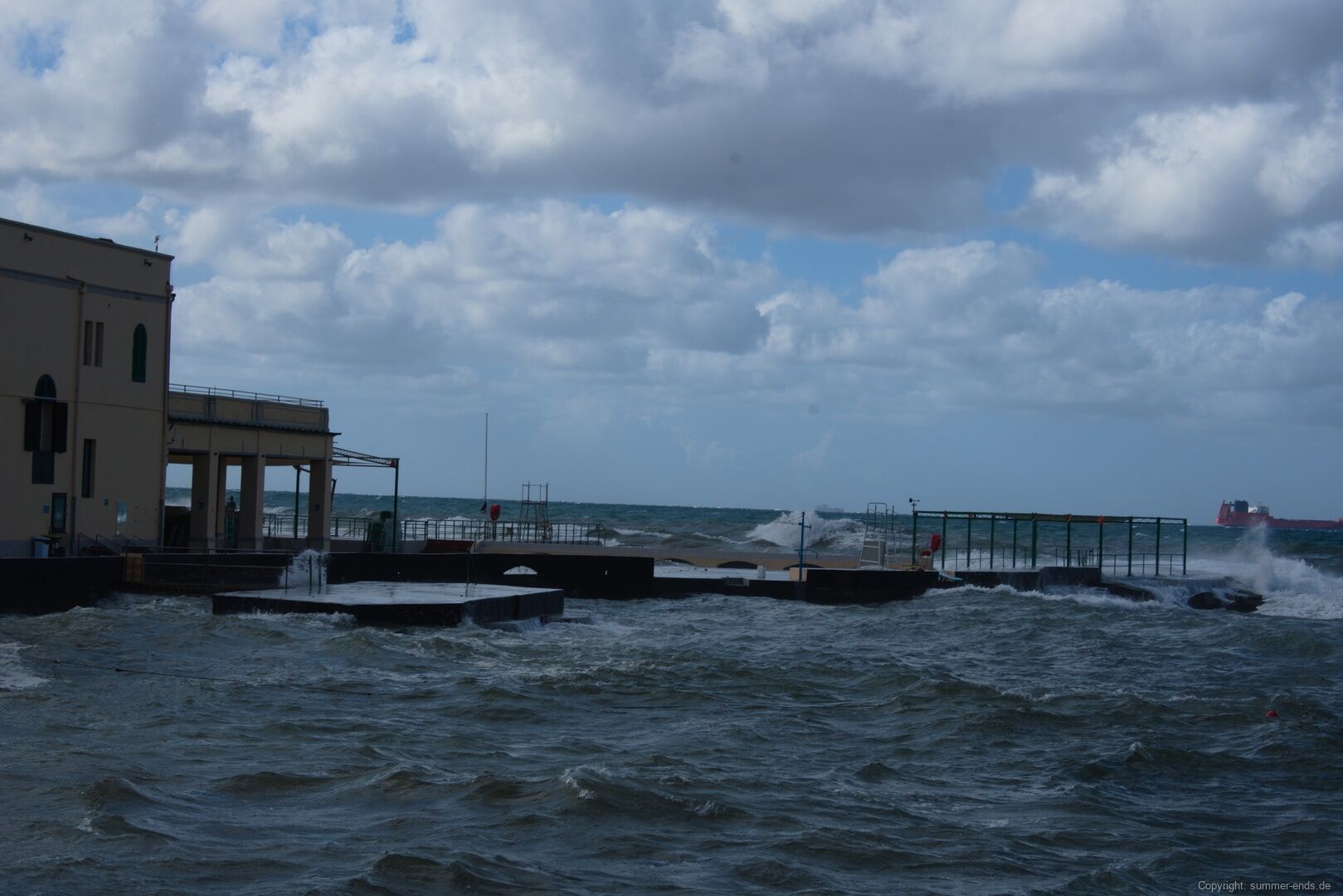
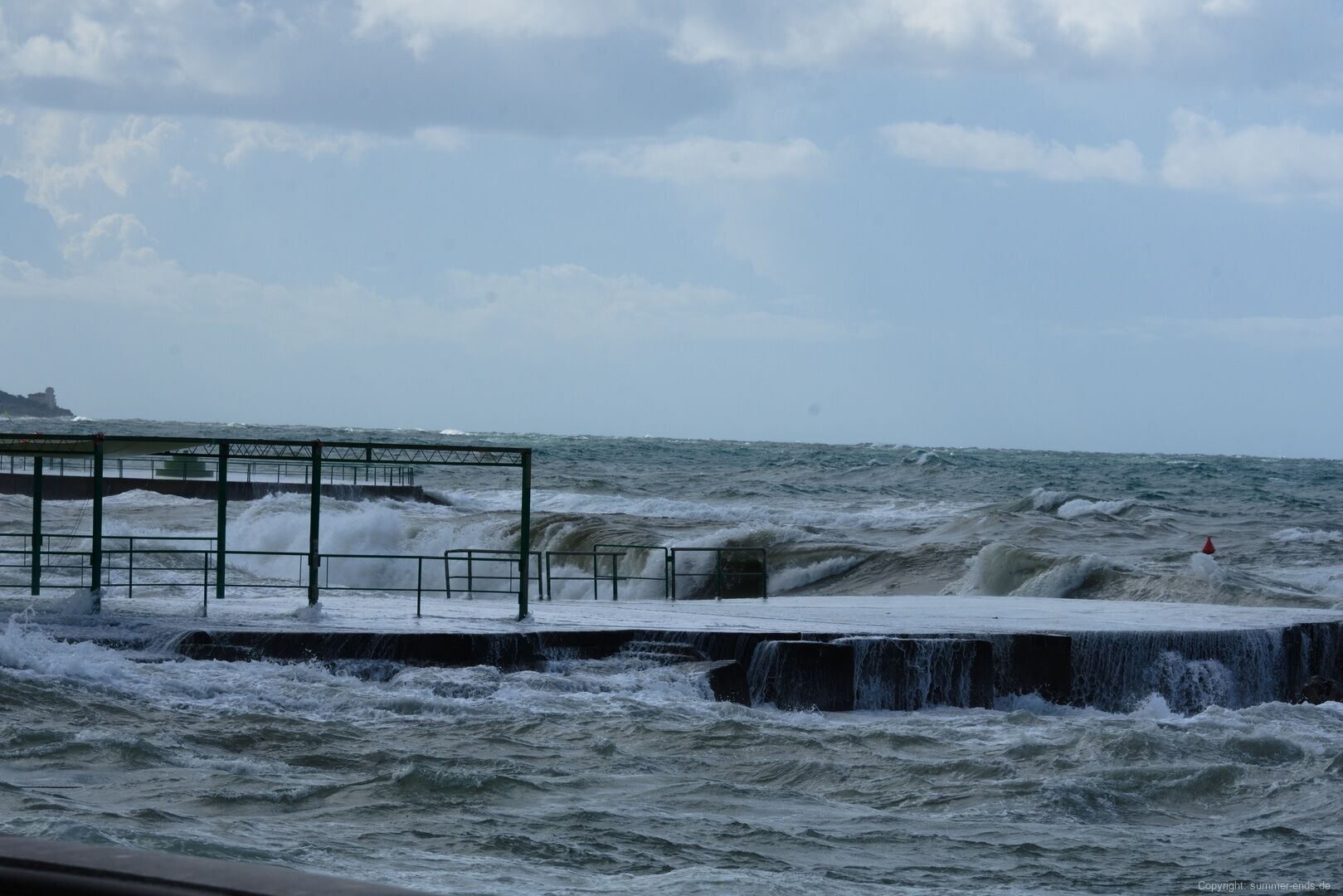
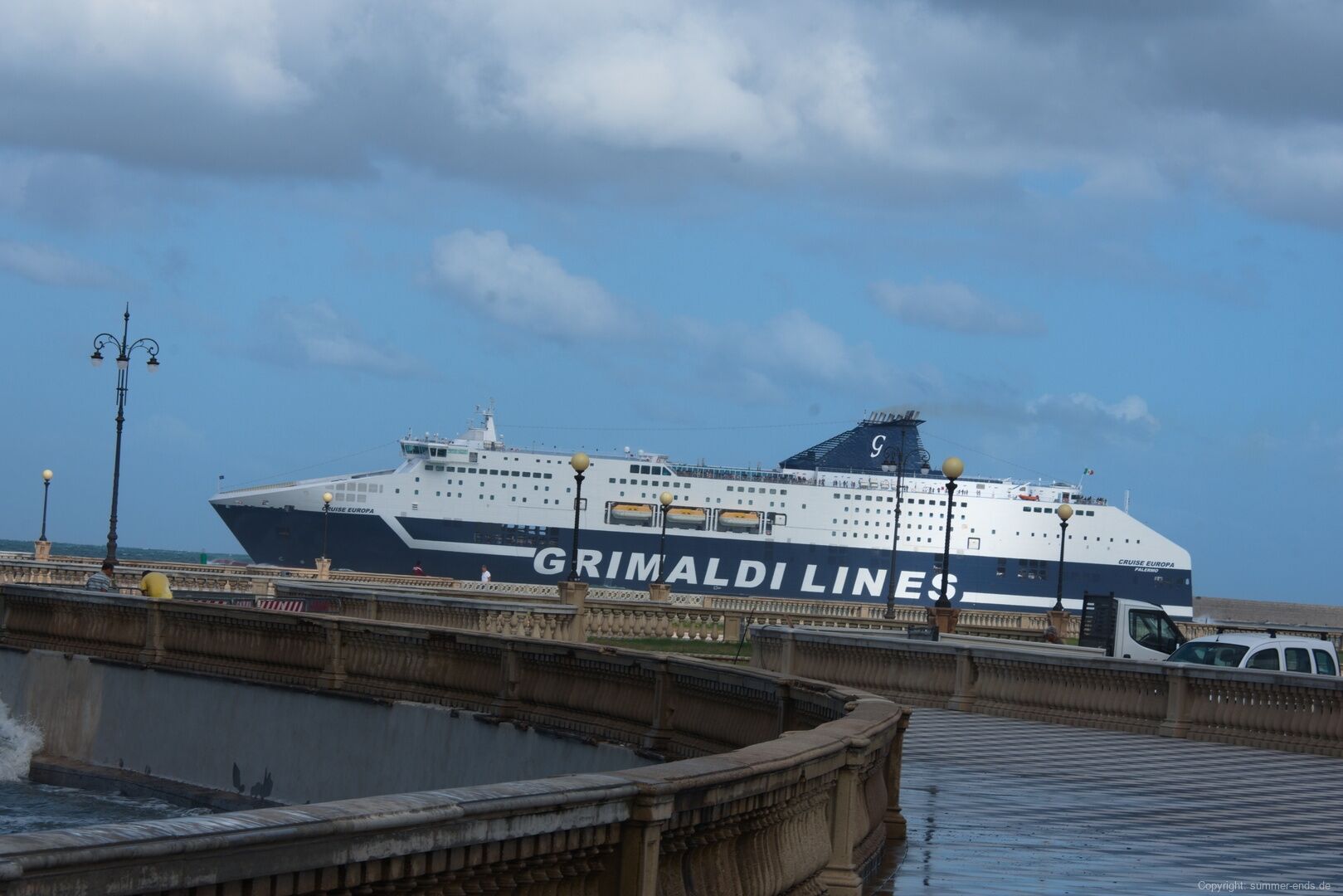
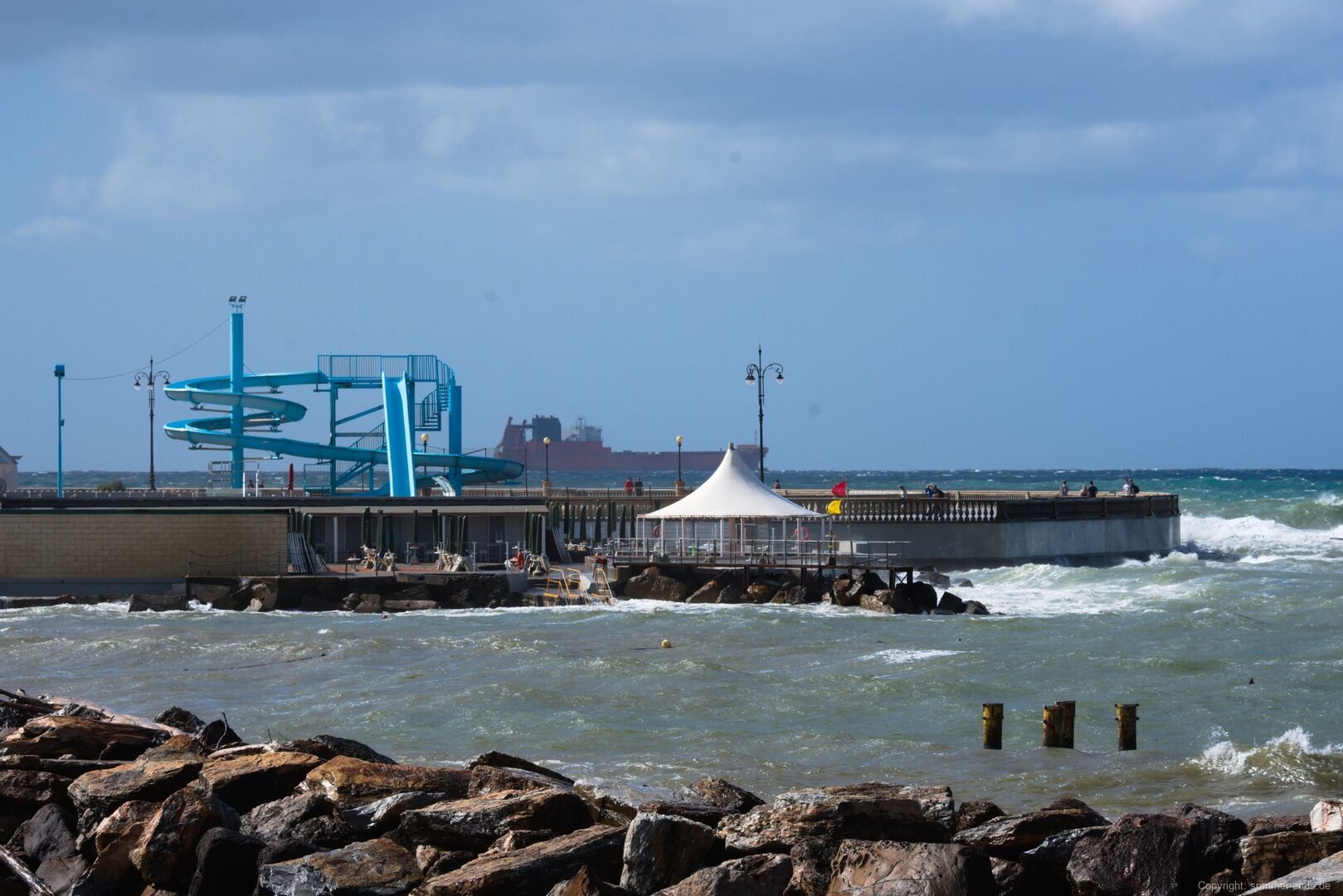
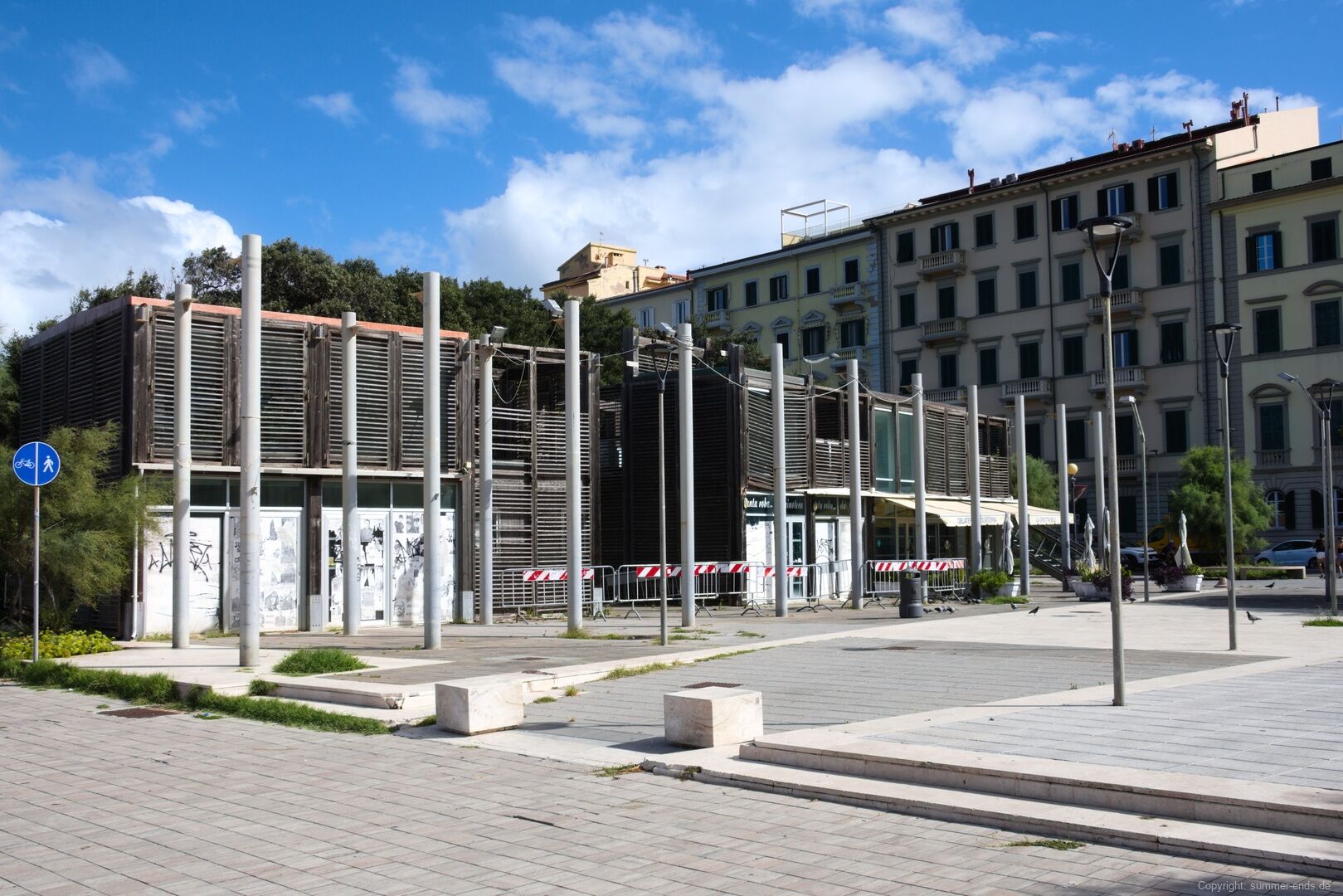
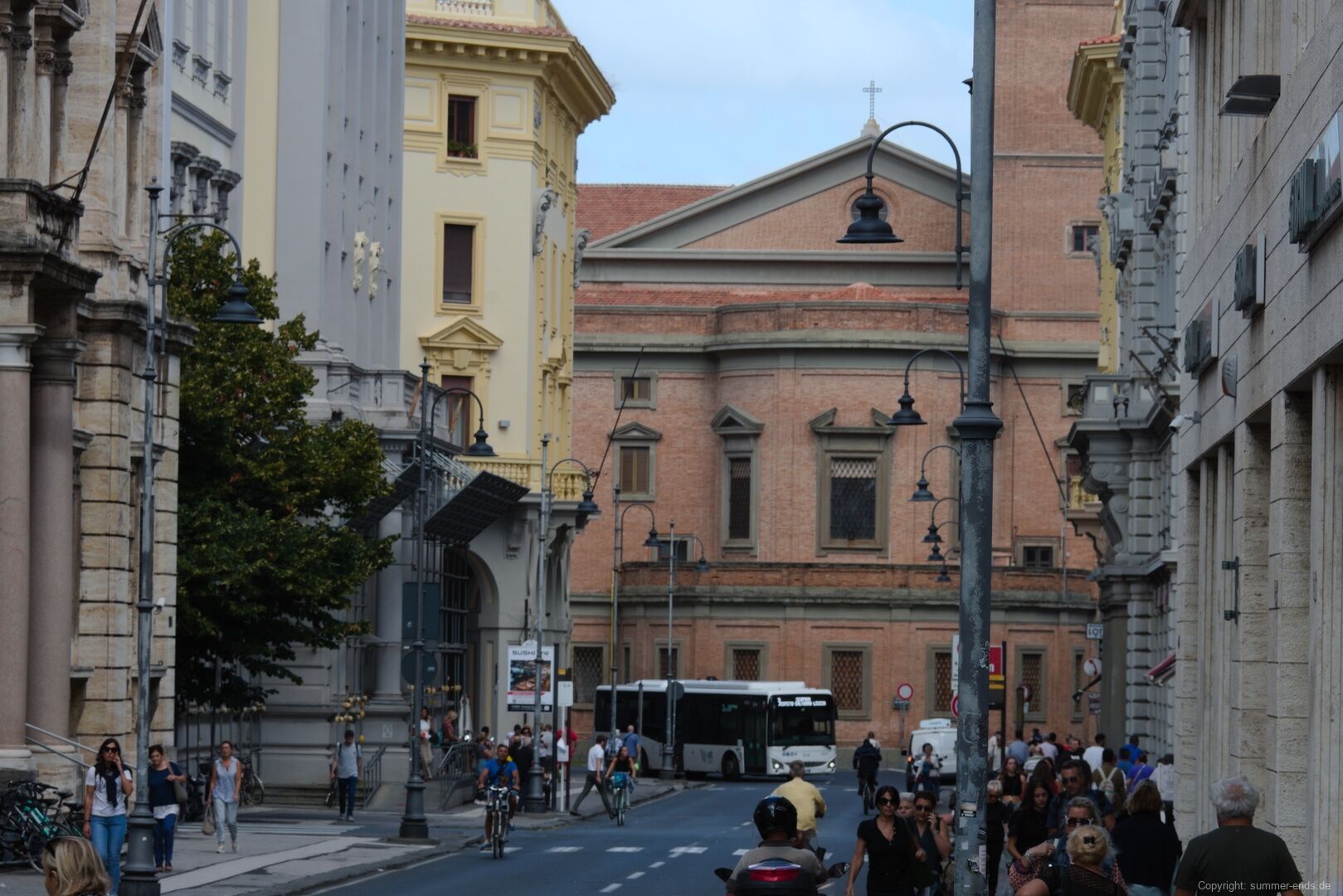
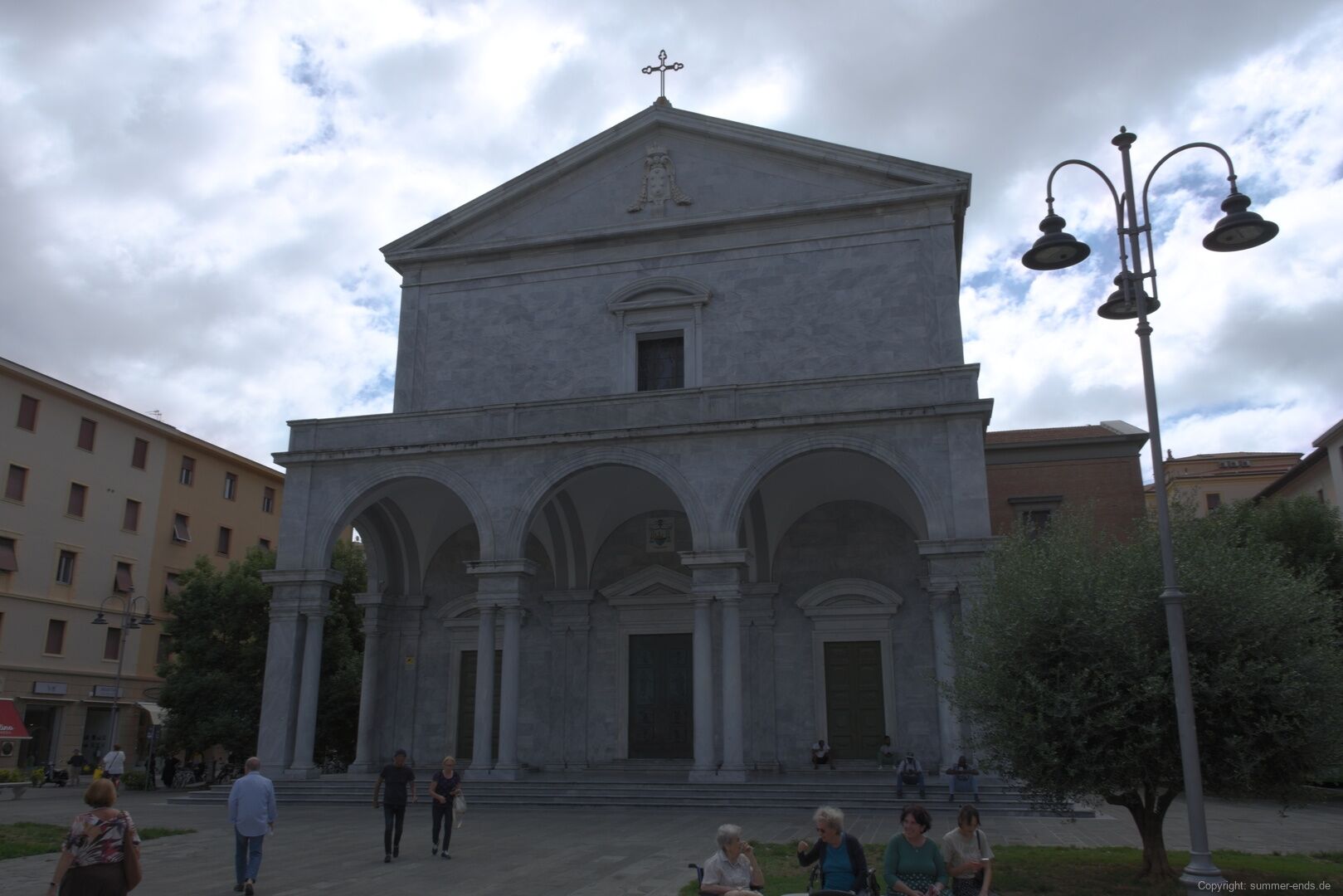
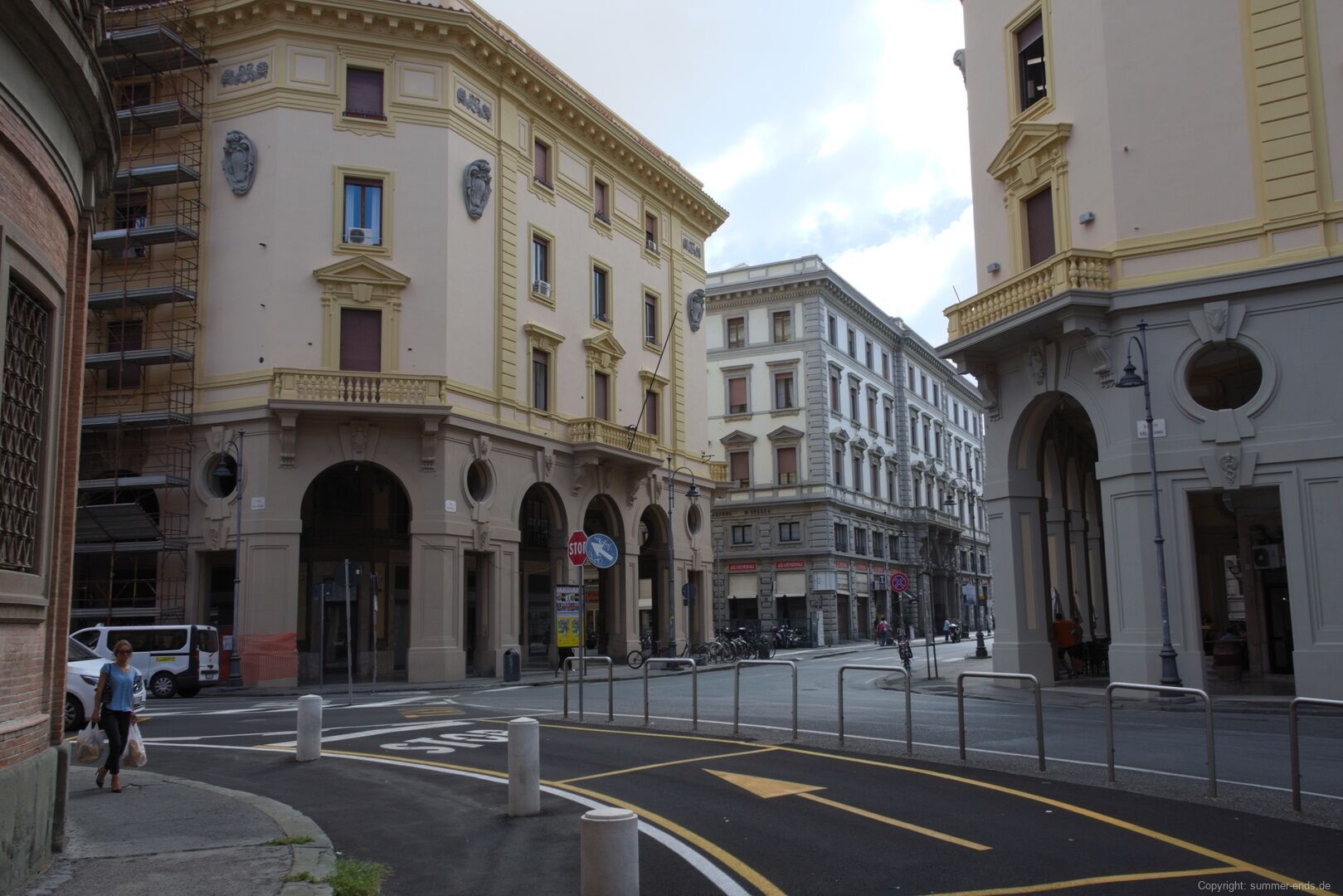
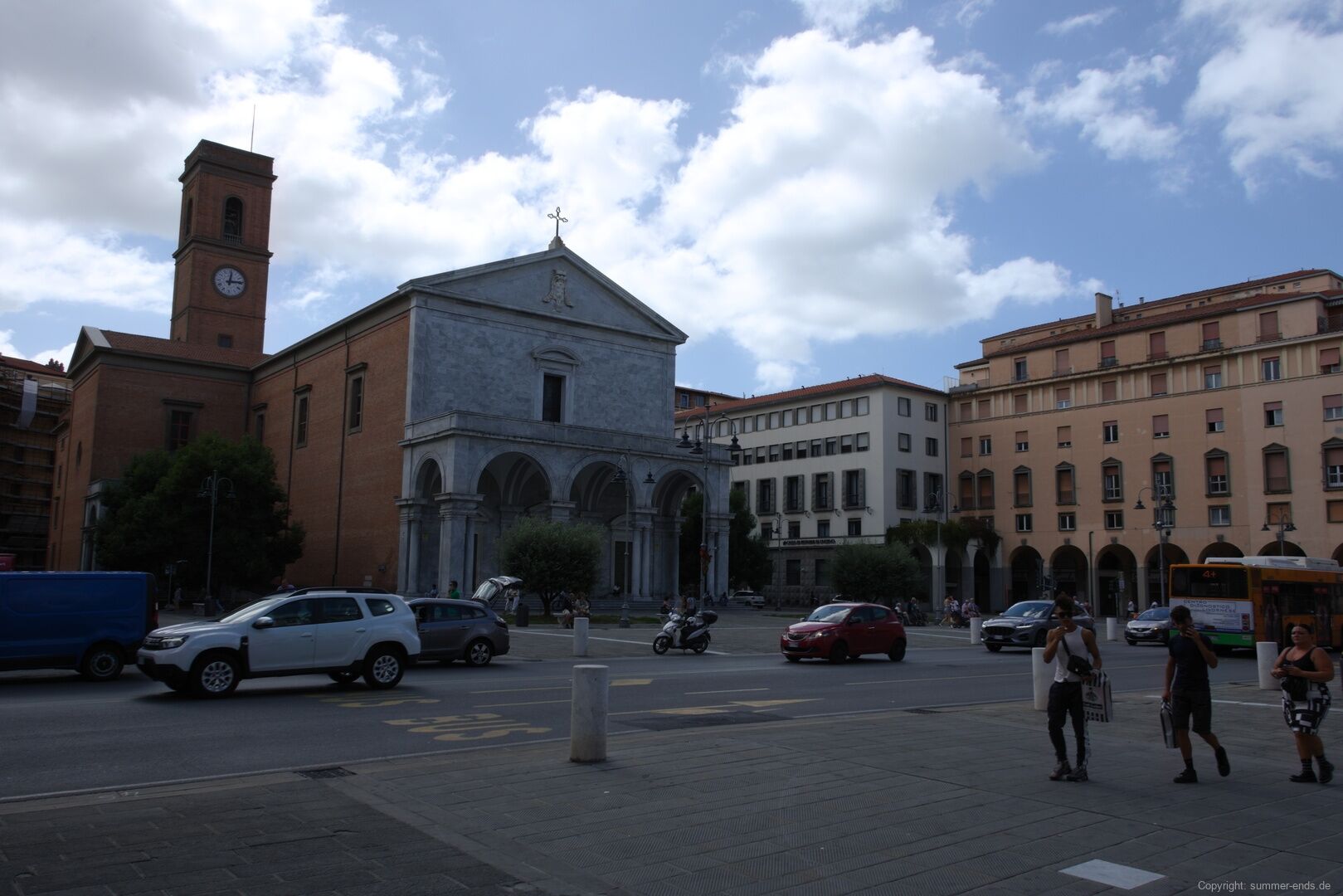
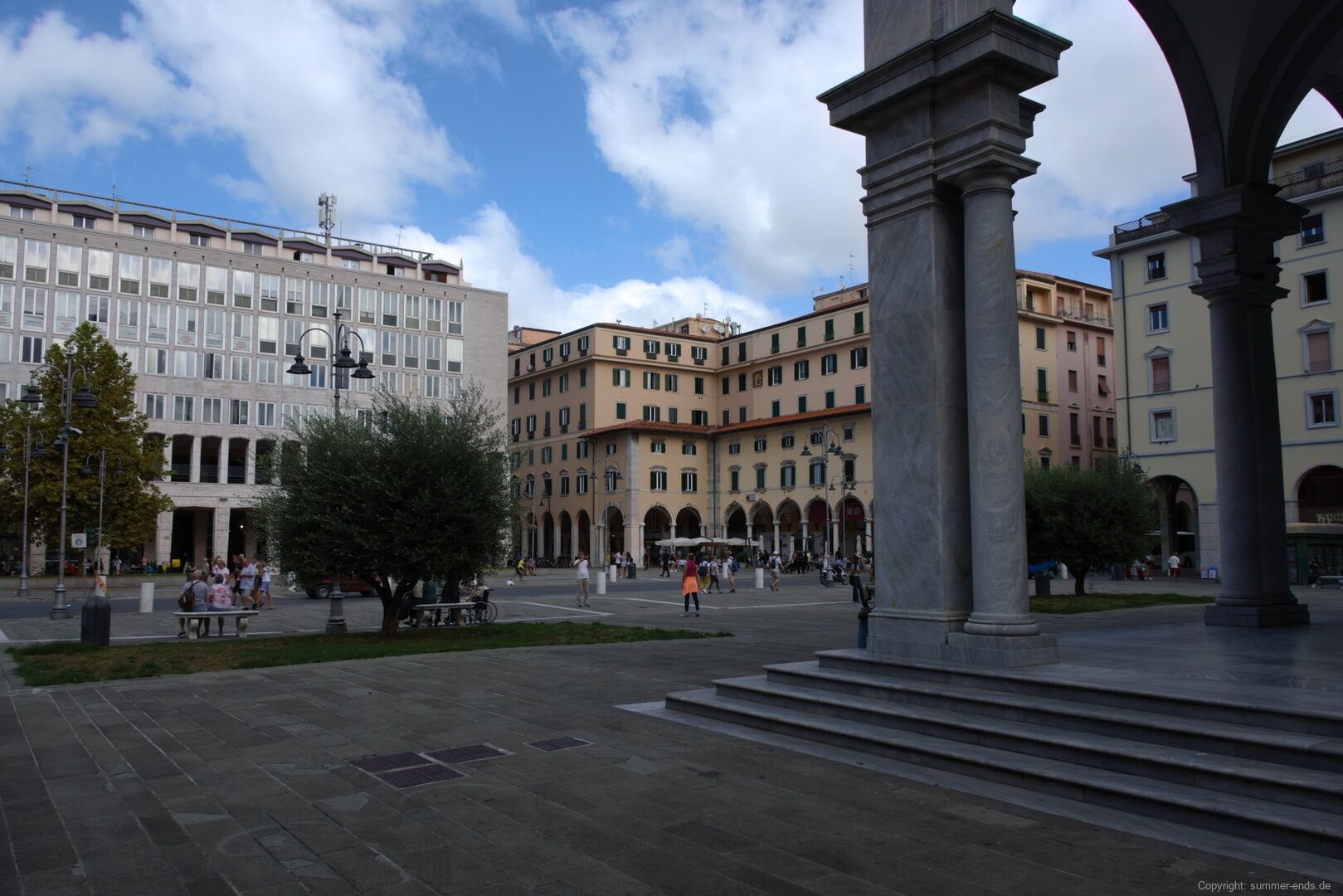
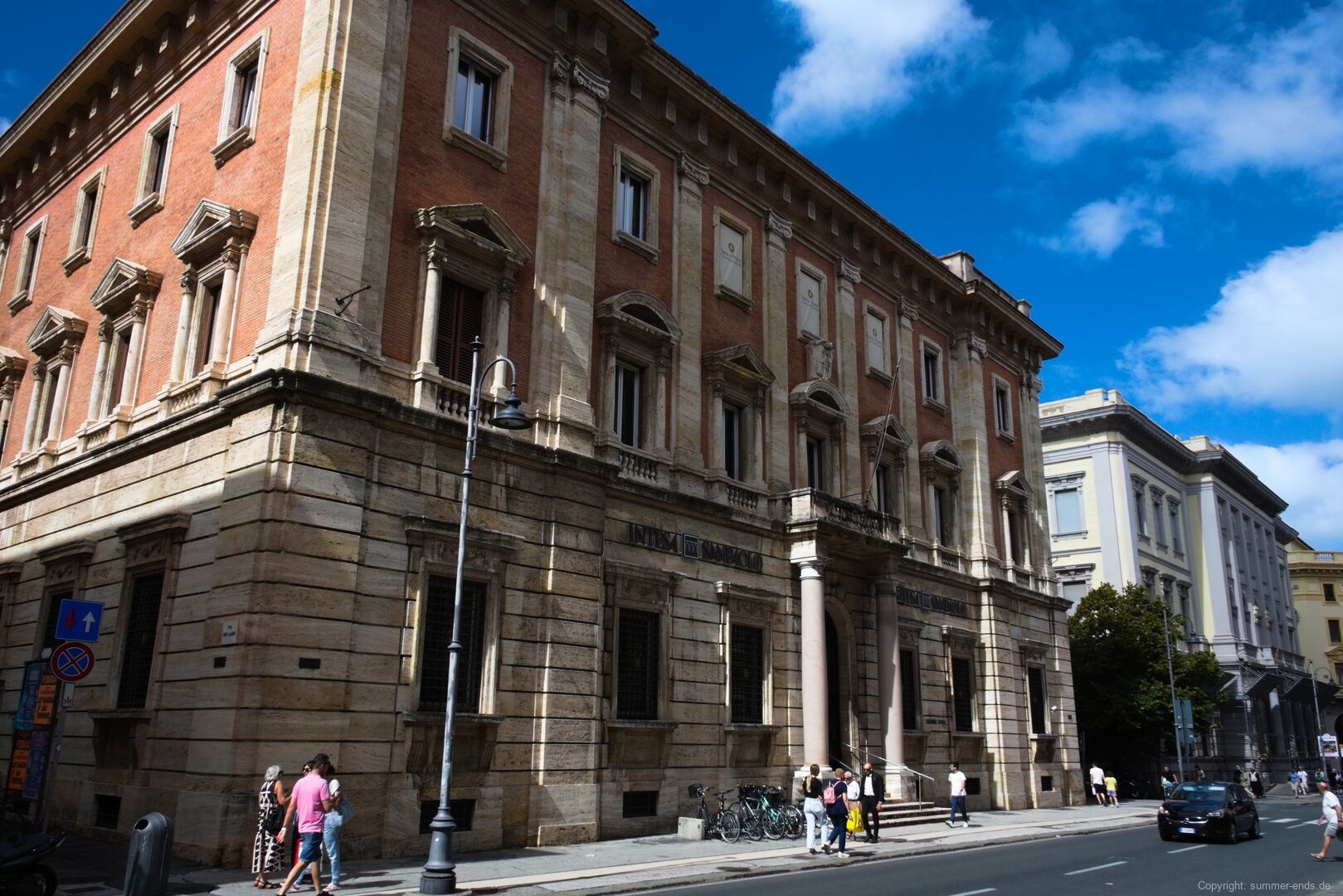
Livorno is a port city on the western coast of Tuscany, Italy, situated along the Ligurian Sea and forming an important maritime gateway between central Italy and the wider Mediterranean. Unlike many Tuscan cities with medieval origins, Livorno developed primarily as a planned port city and is characterized by a relatively modern urban layout, extensive harbor infrastructure, and strong links to maritime trade. The city lies on a low coastal plain bordered inland by gently rising hills, while its seafront is shaped by artificial quays, canals, and breakwaters rather than natural beaches. Livorno functions as a major commercial port, ferry terminal, and industrial center, while also serving as a residential city with a distinct cultural identity shaped by its port history.
History
Livorno’s significance began in the late Middle Ages, when it emerged as a small fishing settlement under the control of Pisa. Following Pisa’s decline, Livorno came under Florentine rule, and from the late 16th century onward it was deliberately developed by the Medici as the main seaport of the Grand Duchy of Tuscany. The city was granted special legal status through the Leggi Livornine, which promoted religious tolerance, commercial freedom, and immigration. As a result, Livorno became a cosmopolitan port city, attracting Jewish, Greek, Armenian, Dutch, English, and other merchant communities.
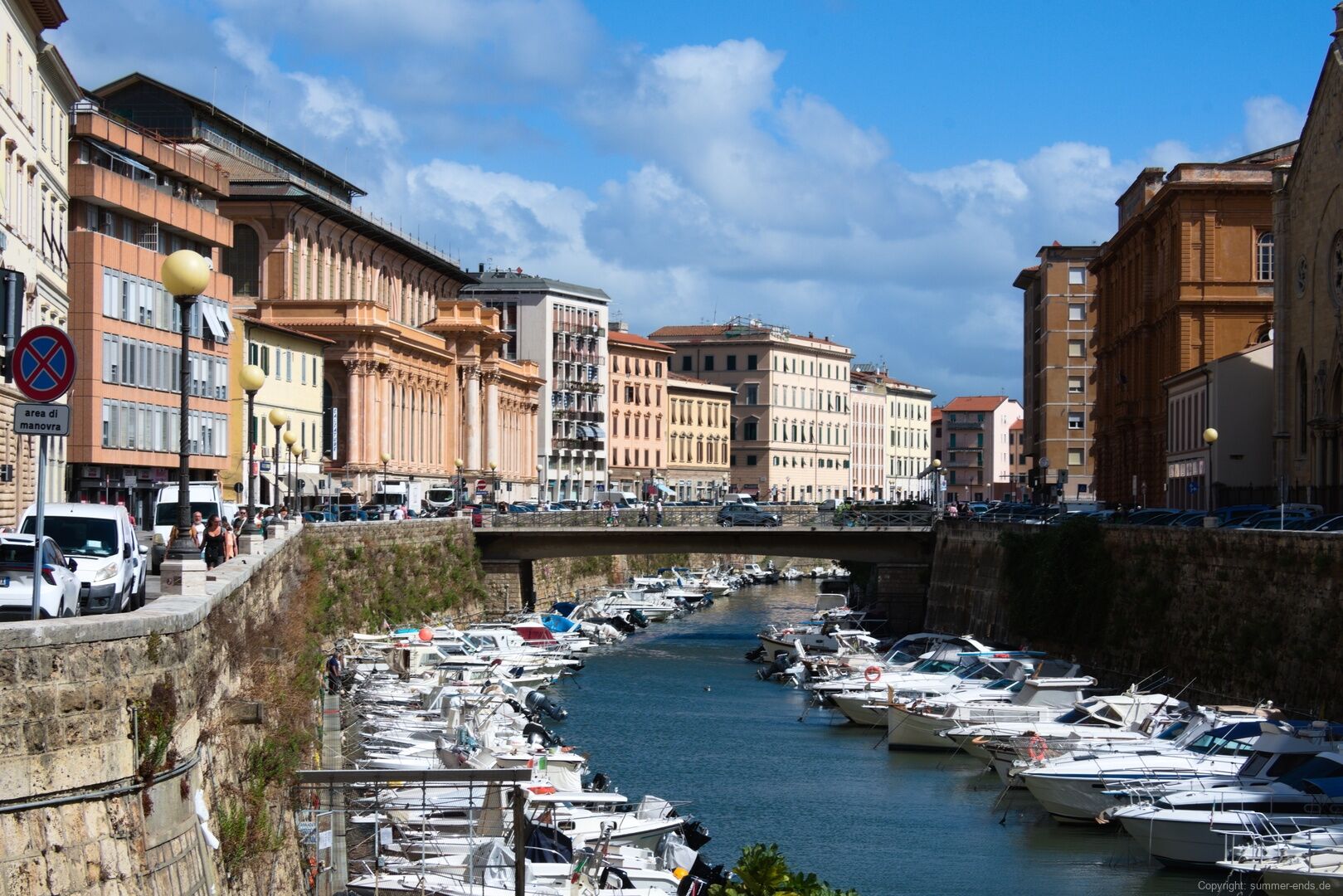
During the 17th and 18th centuries, Livorno flourished as a free port and major trading hub in the western Mediterranean. Its urban fabric, including canals, fortifications, and warehouses, reflects this period of planned expansion. In the 19th century, with changes in trade patterns and political structures, Livorno gradually lost its free port status but remained an important commercial and naval center.
The city suffered extensive damage during the Second World War, leading to large-scale post-war reconstruction that reshaped much of the historic center. In the modern era, Livorno continues to function as a key port for cargo, ferries, and cruise traffic, while its cultural identity remains closely tied to its maritime, multicultural, and working-class heritage.
Geology
Geologically, Livorno is located on the western margin of the Apennine system, within the coastal plain of Tuscany. The immediate urban area is underlain by Quaternary sediments, including marine sands, silts, clays, and alluvial deposits formed by coastal and fluvial processes during fluctuating sea levels. These soft sediments create low relief and have influenced both port construction and foundation engineering.
Inland and to the south, older sedimentary formations associated with the Tuscan units of the Apennines are exposed, including limestones, marls, and sandstones. These rocks record a complex geological history involving marine deposition, tectonic compression, and uplift during the formation of the Apennine mountain belt.
Coastal geomorphology around Livorno is strongly influenced by human modification, with artificial harbor structures altering natural sediment transport and shoreline dynamics. Nevertheless, marine erosion, sediment deposition, and subsidence processes continue to play a role in shaping the coastal environment and require ongoing management.
Things to See
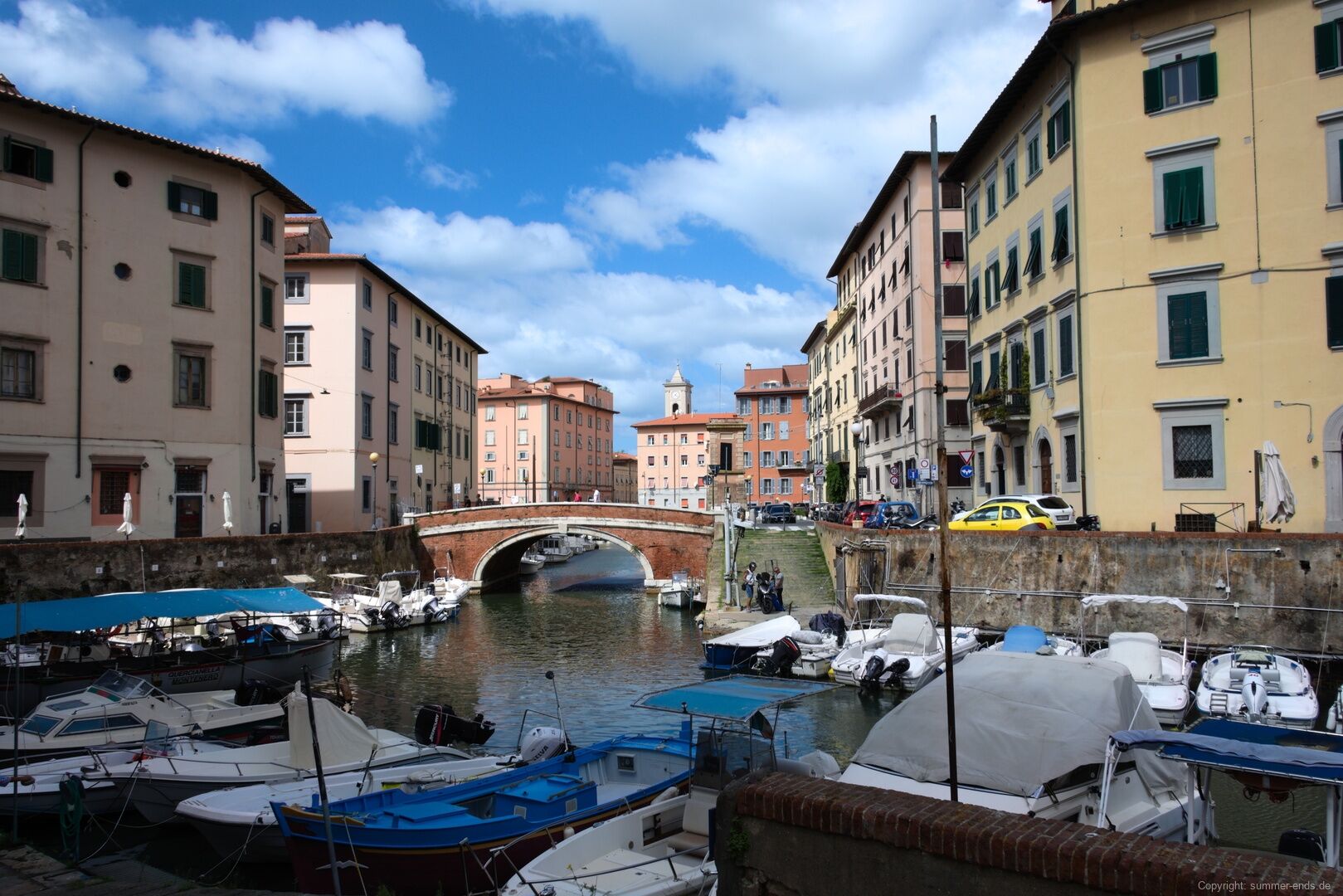
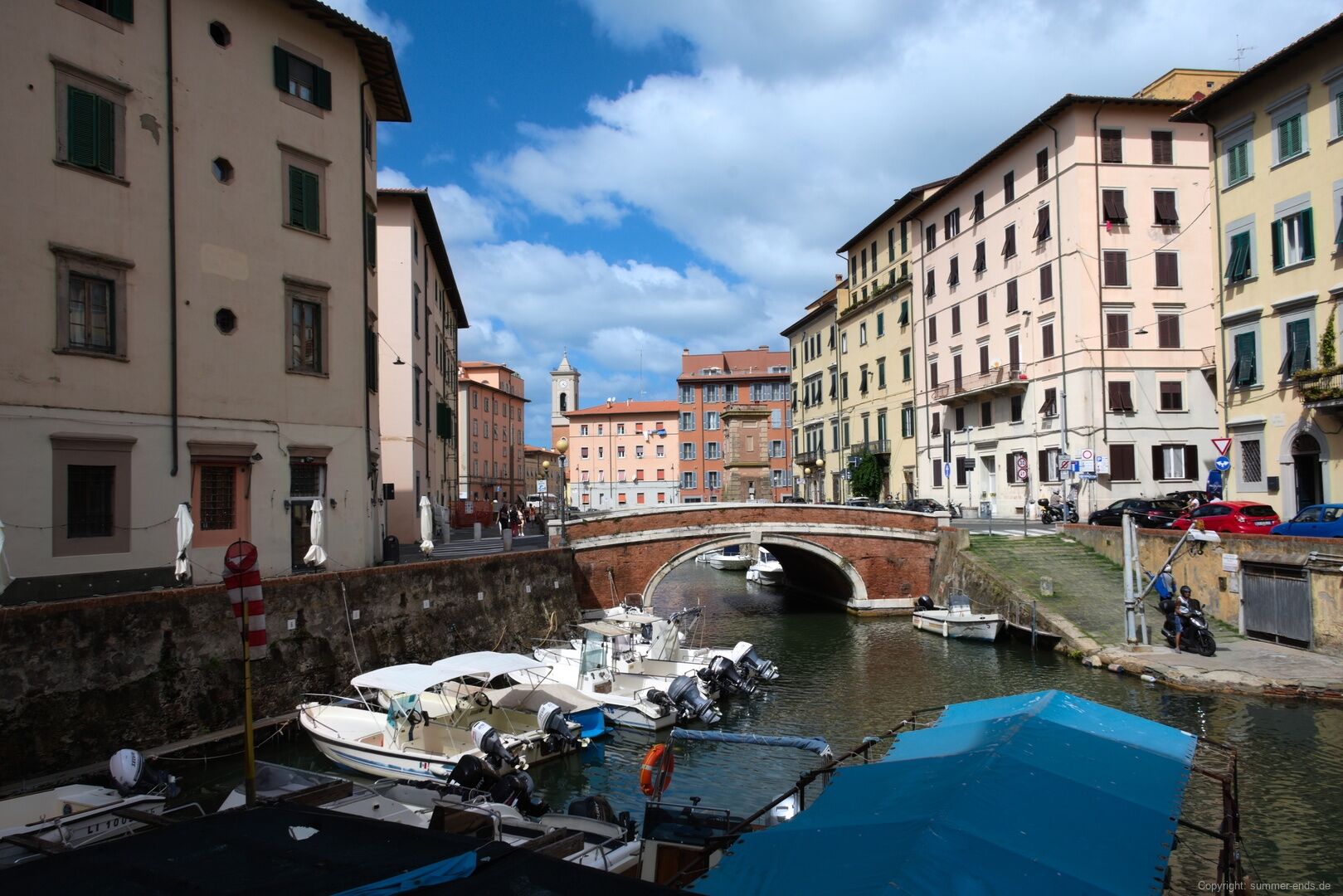
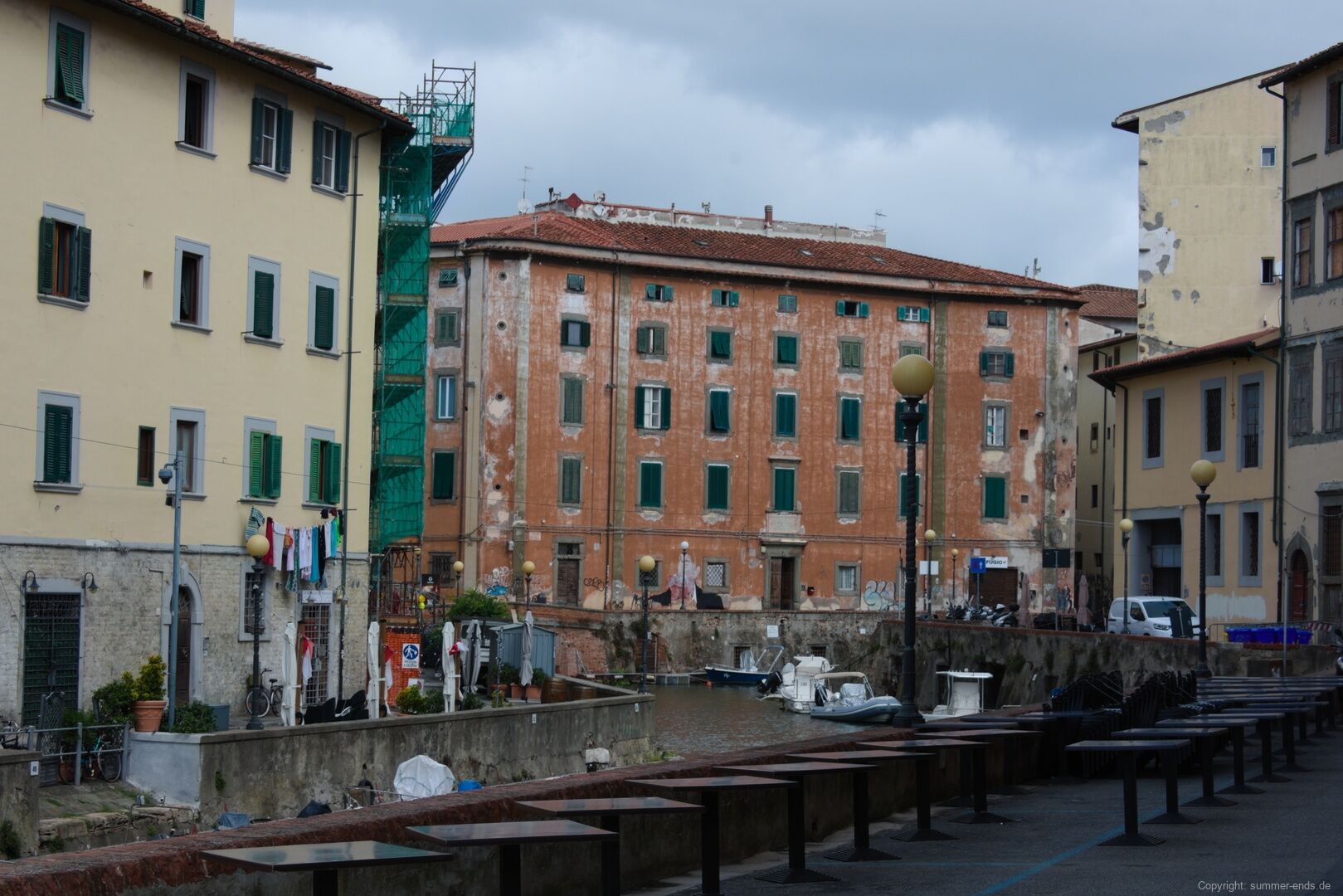
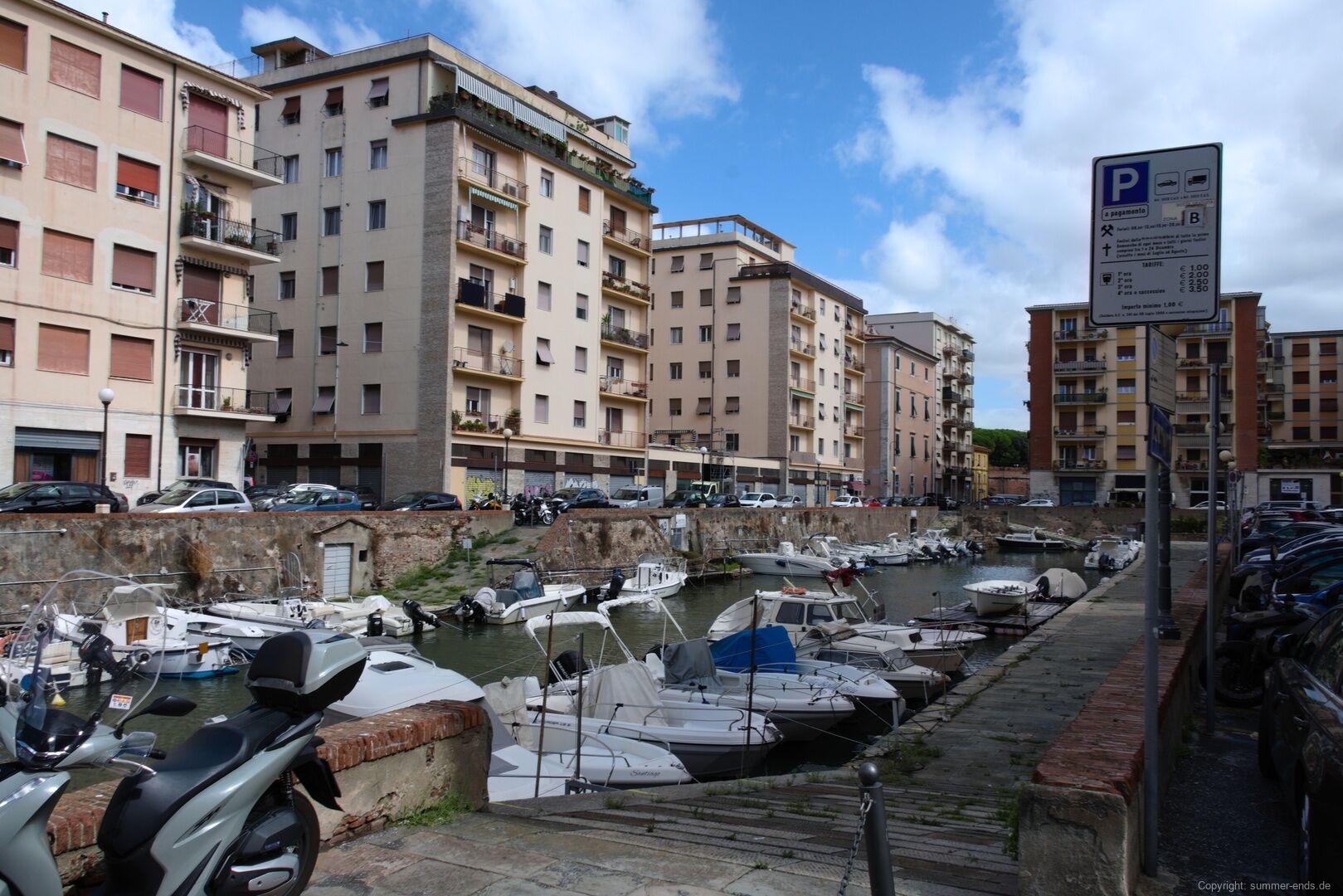
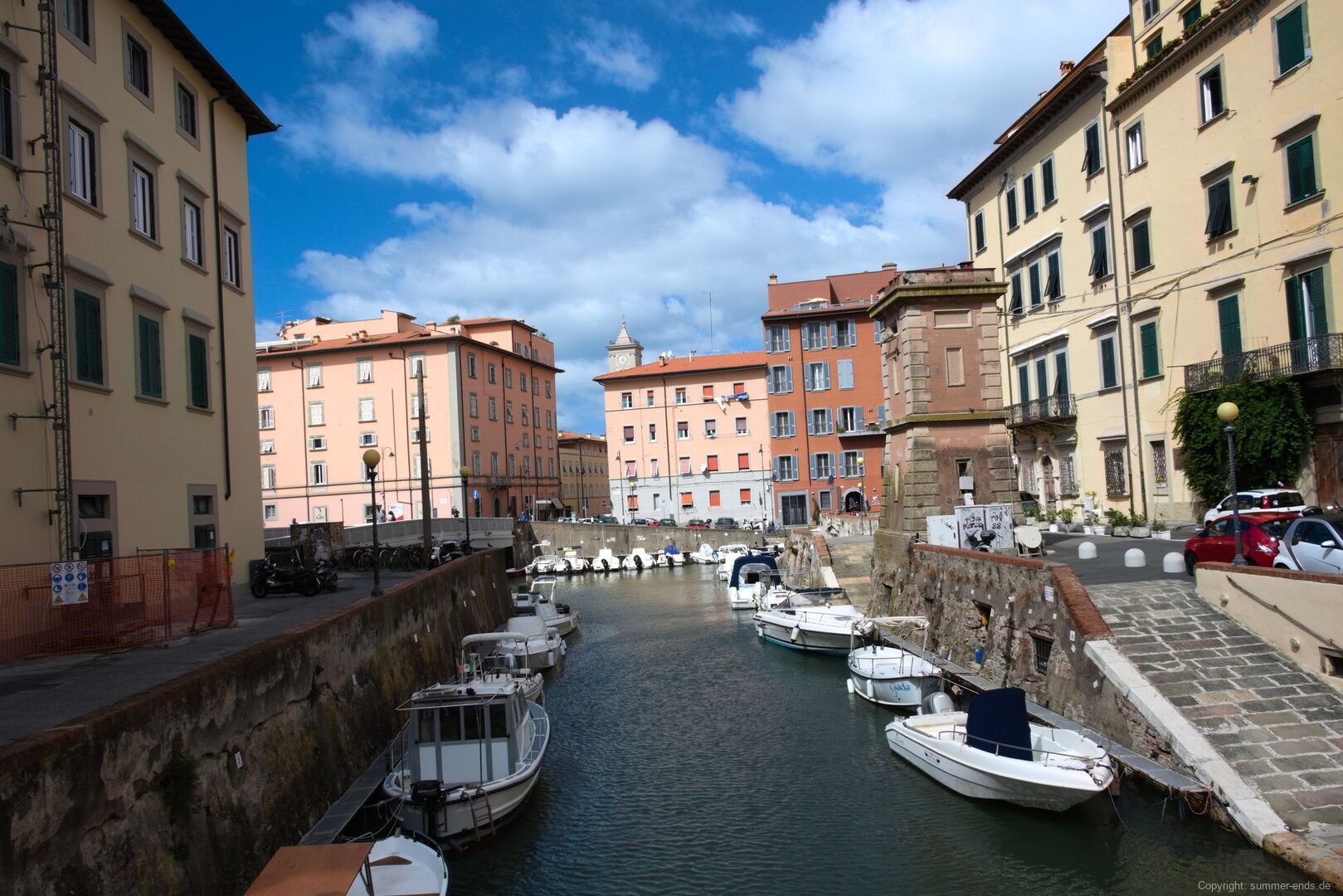
Livorno offers a range of cultural and urban features closely connected to its maritime history. The historic harbor area includes fortifications such as the Fortezza Vecchia and Fortezza Nuova, which illustrate the city’s strategic role in coastal defense. The canal district, often referred to as Venezia Nuova, reflects Medici-era urban planning and is characterized by waterways, bridges, and historic warehouses.
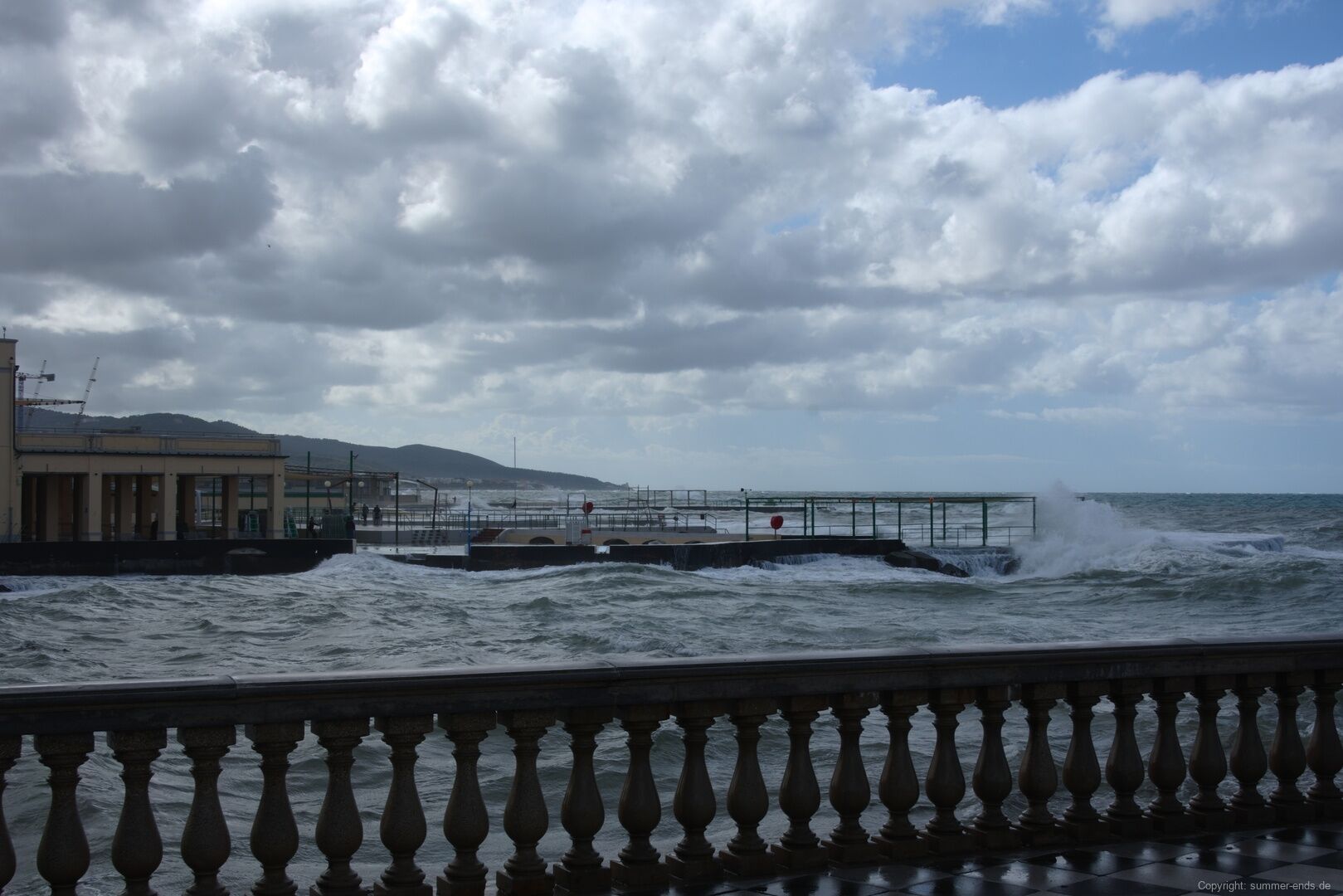
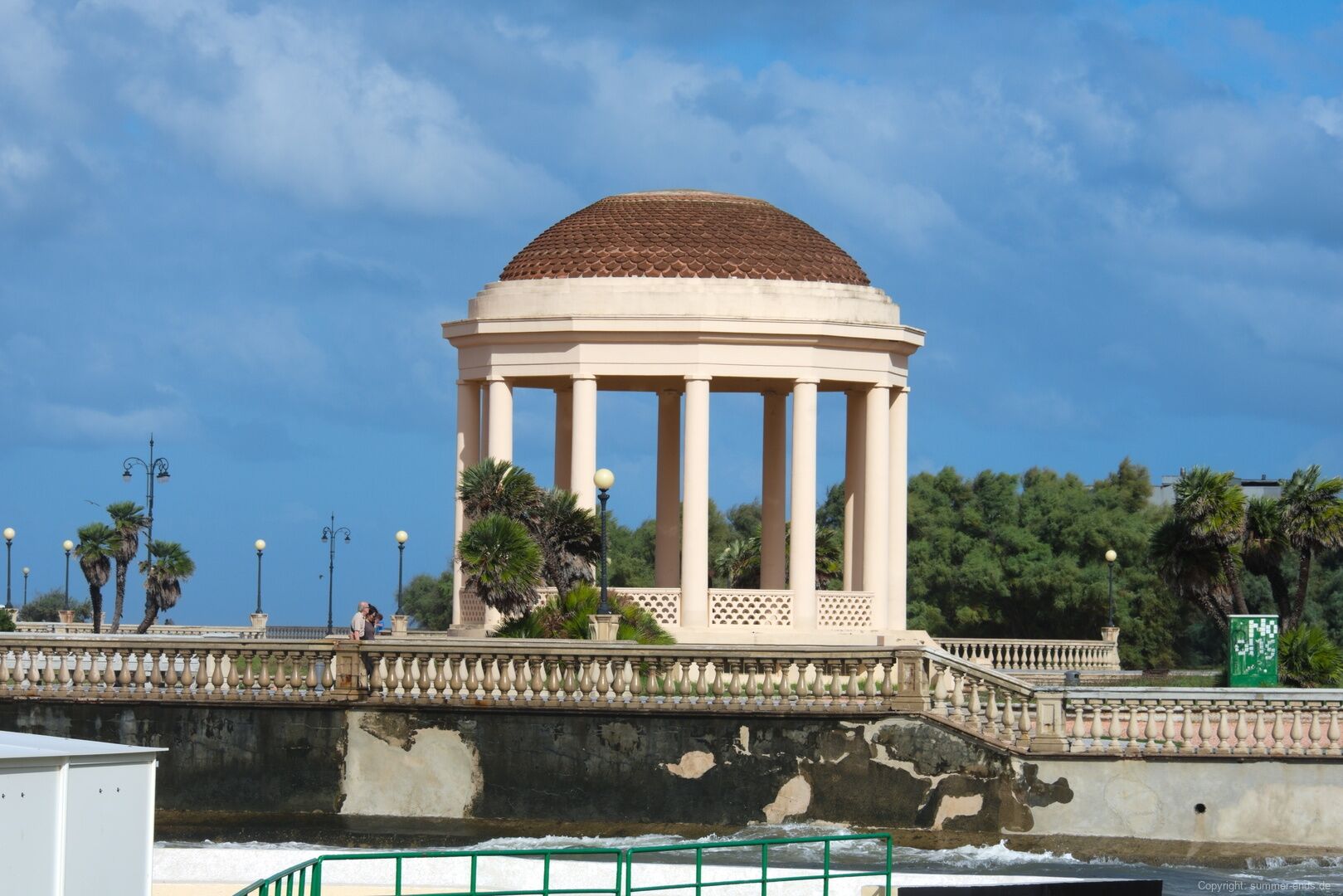
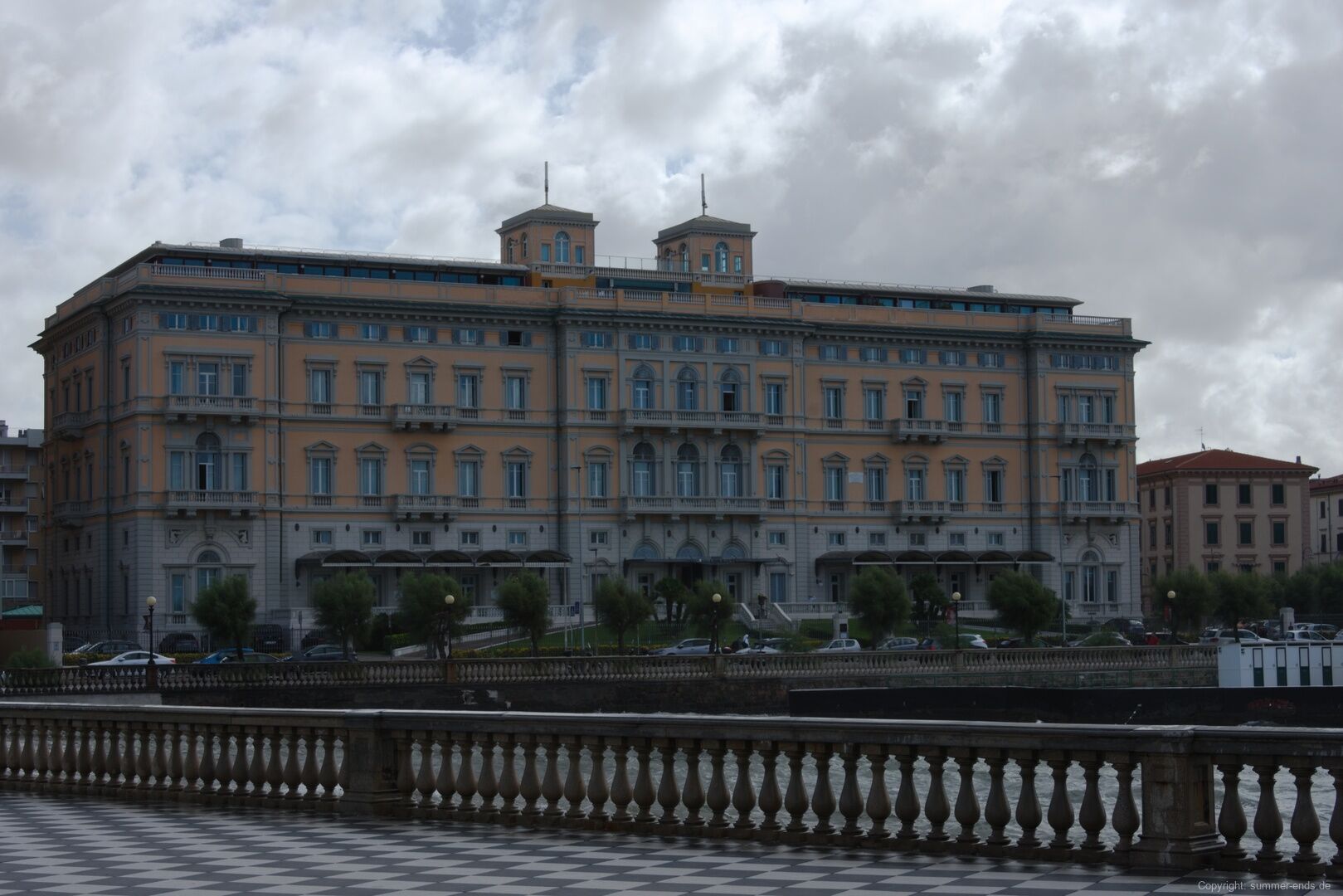
The Terrazza Mascagni is a prominent seafront promenade offering views across the Ligurian Sea and exemplifying early 20th-century civic architecture. The port itself, with its ferry terminals and cargo facilities, demonstrates Livorno’s continuing role as a major maritime hub.
Cultural institutions, markets, and neighborhoods shaped by the city’s diverse communities highlight Livorno’s distinct identity within Tuscany, combining commercial port functions with a strong sense of local tradition and maritime culture.