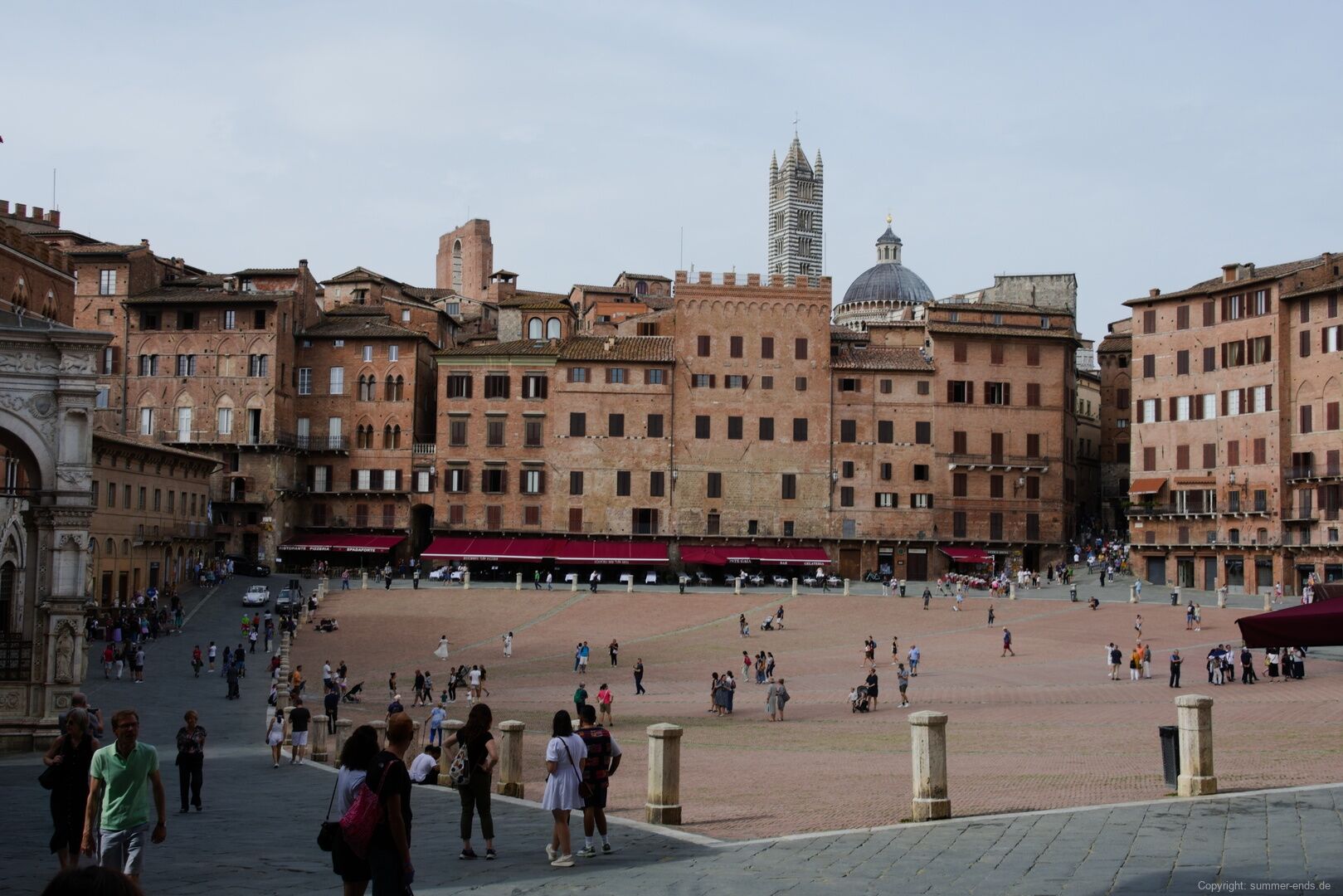
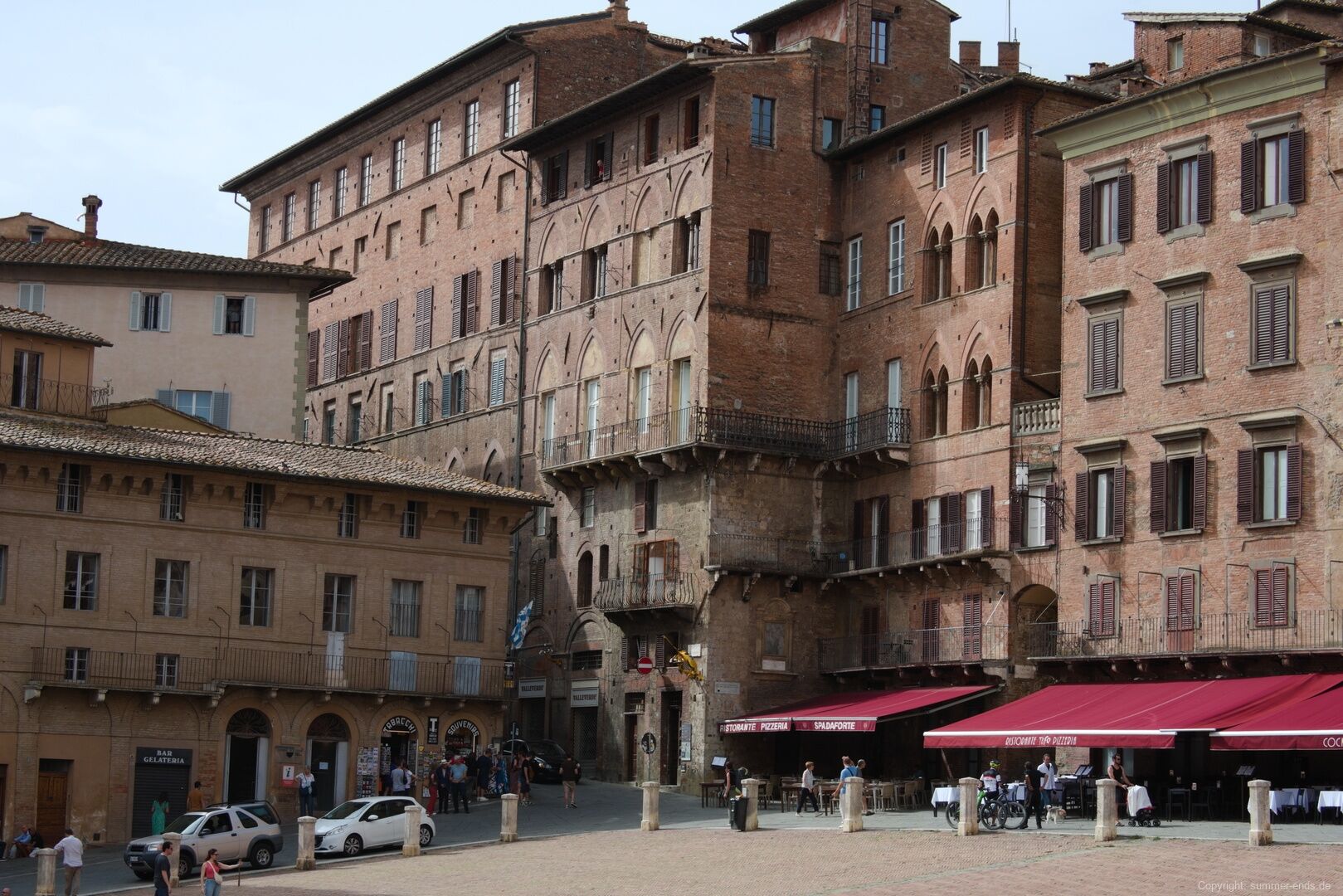
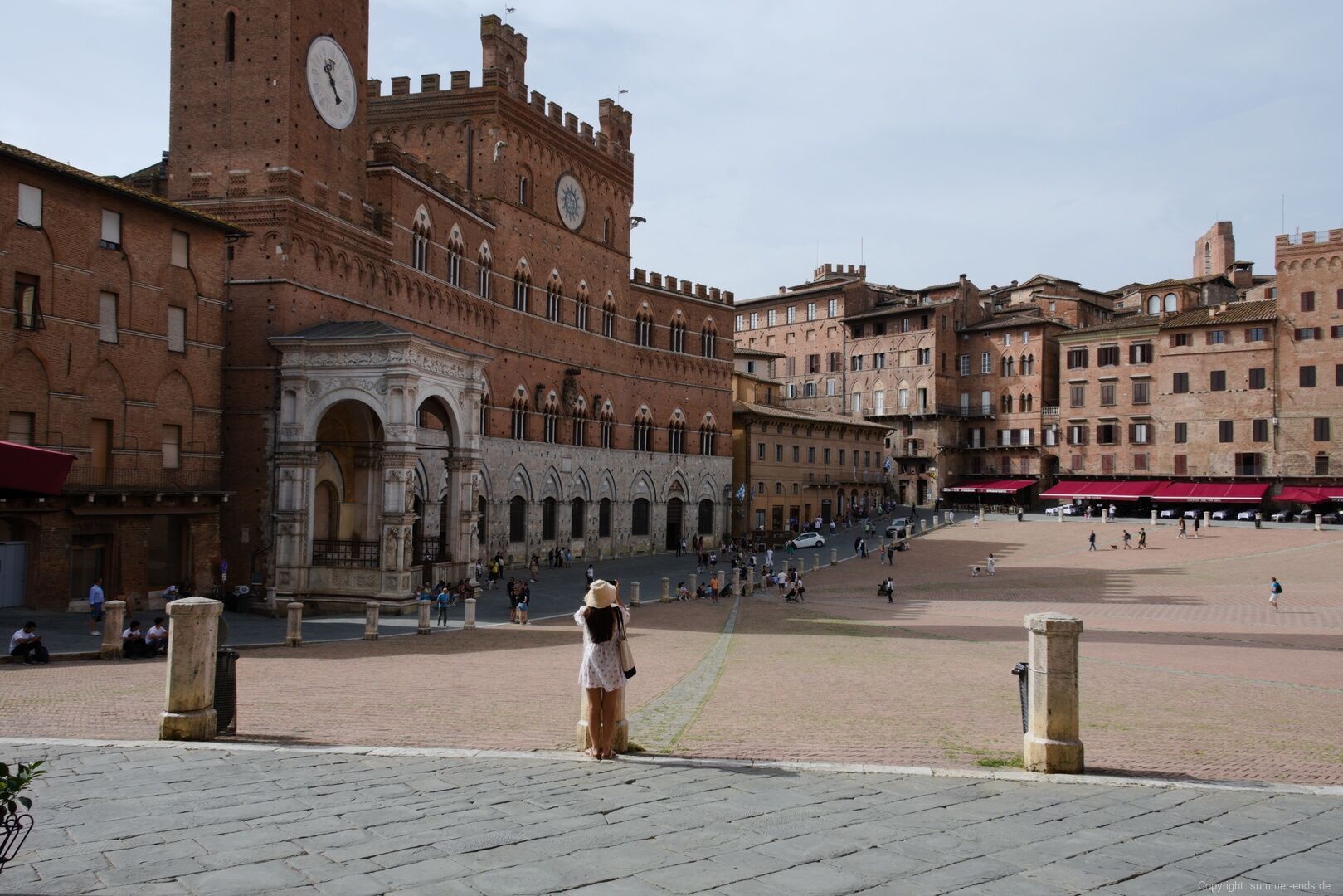
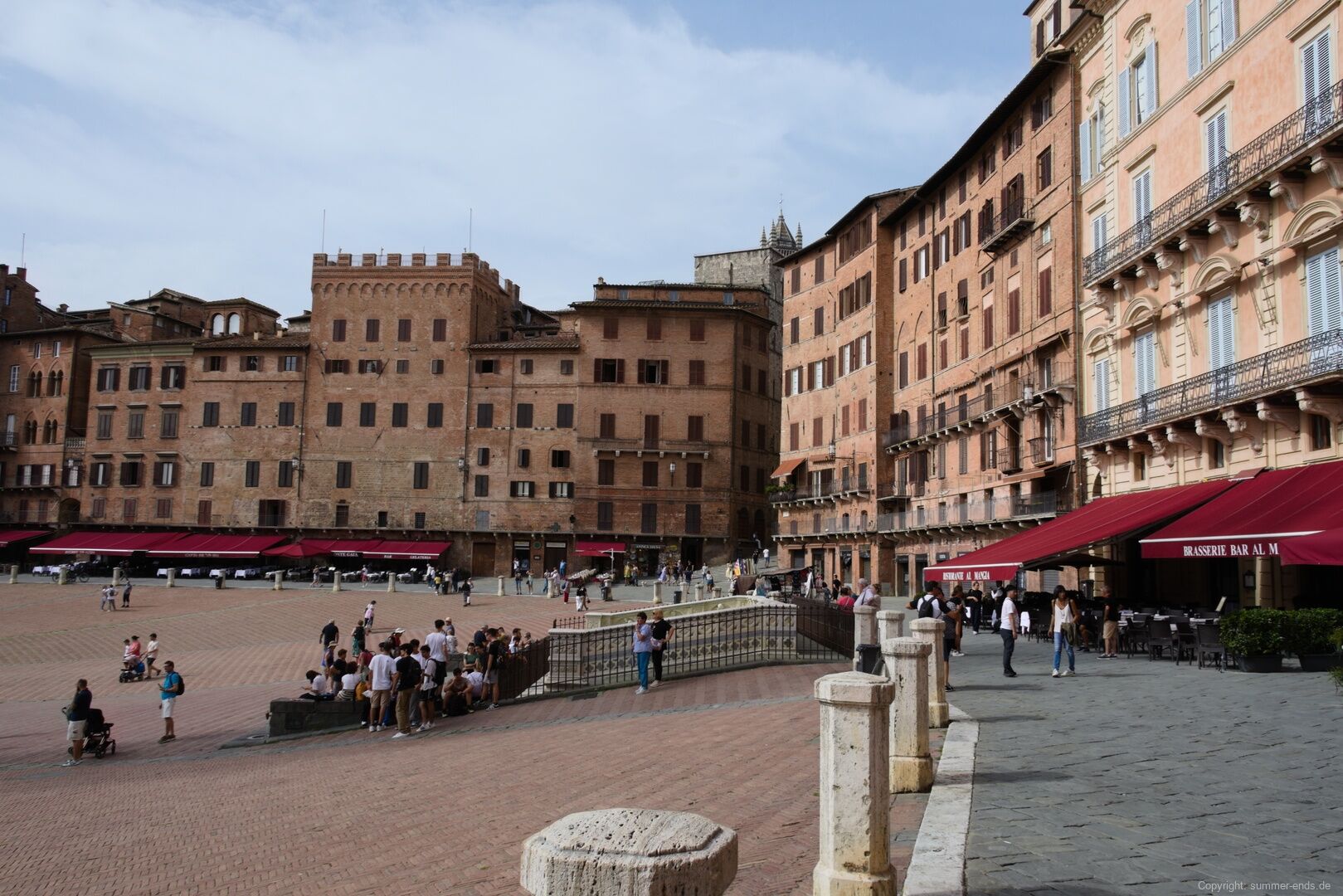
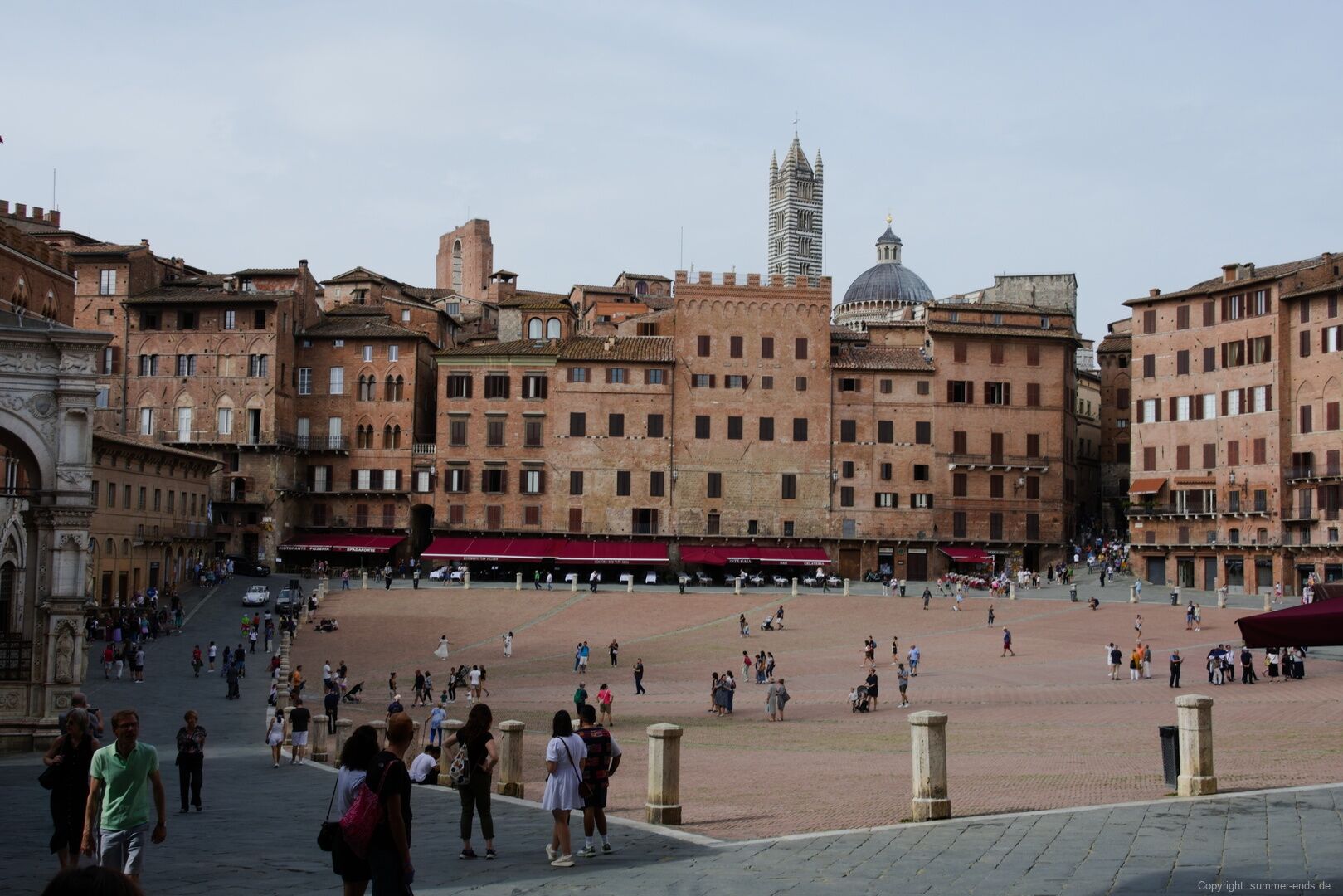
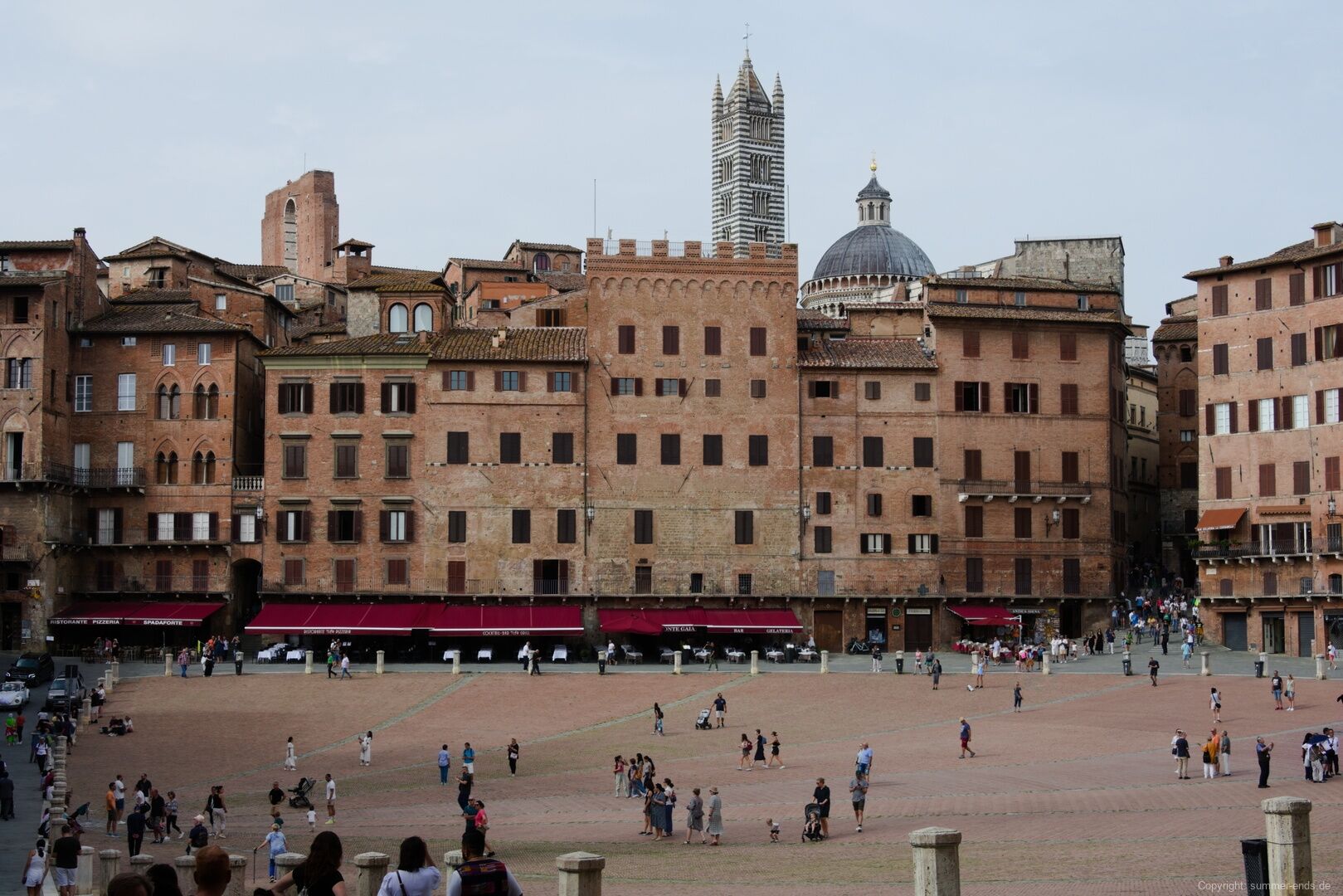
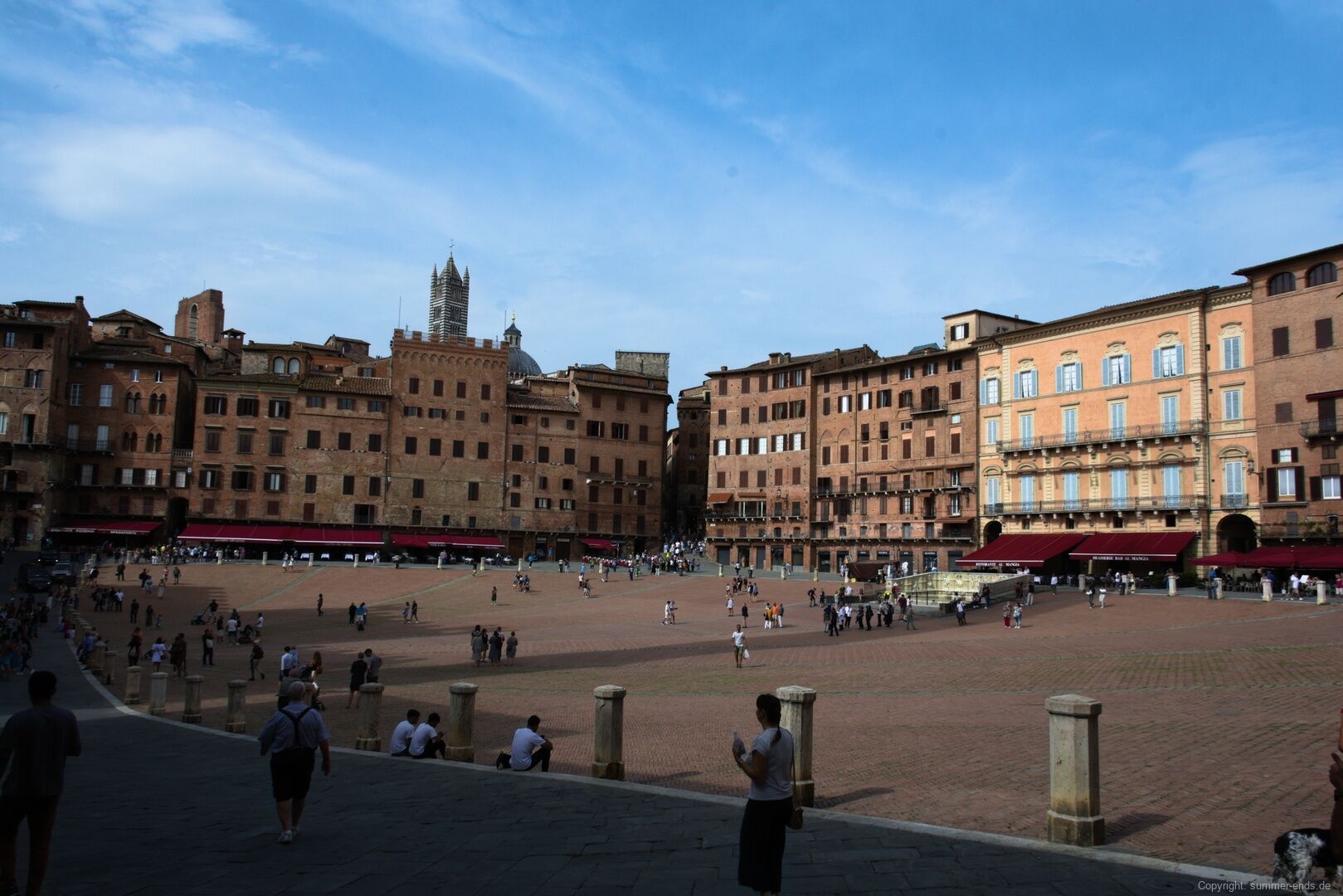
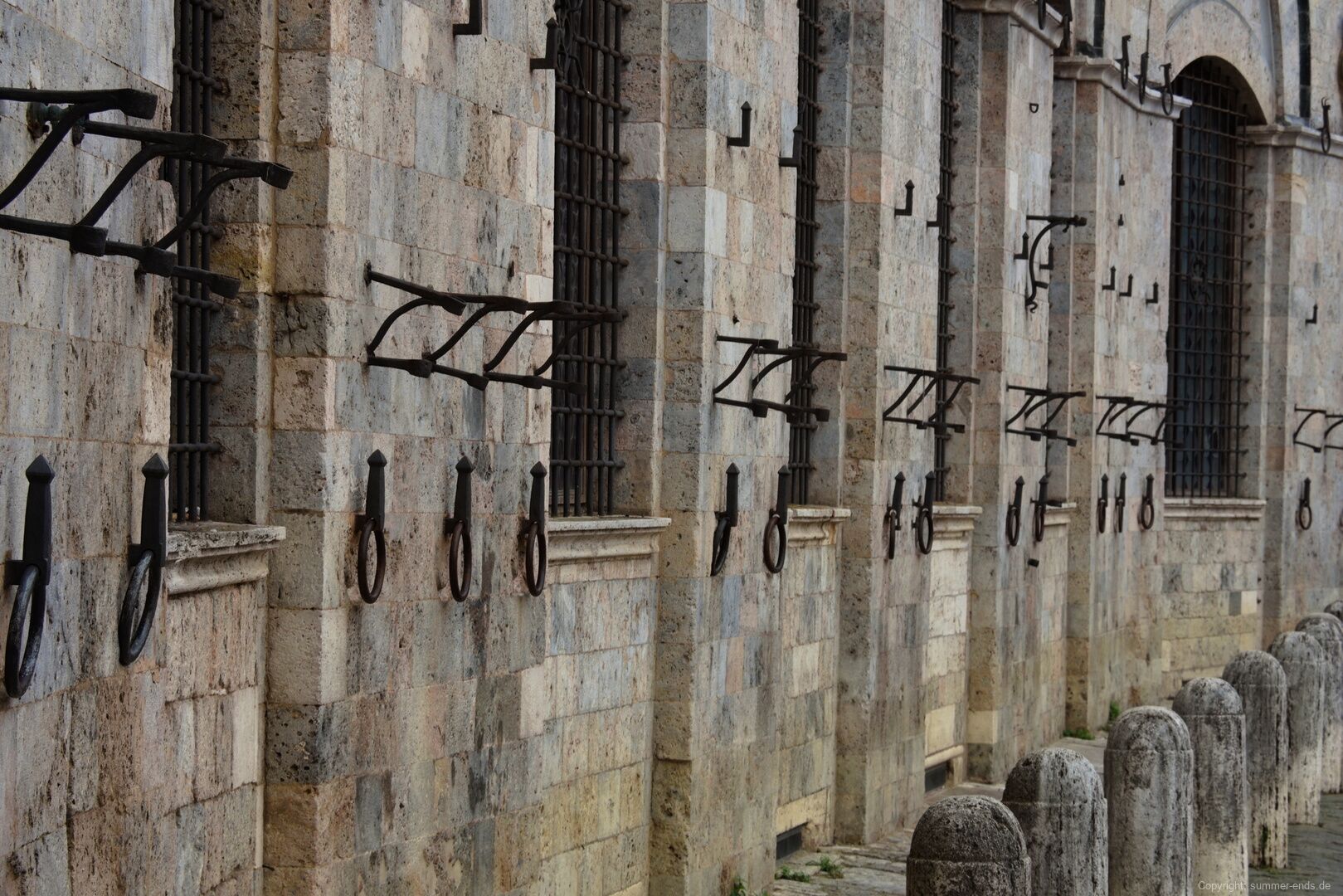
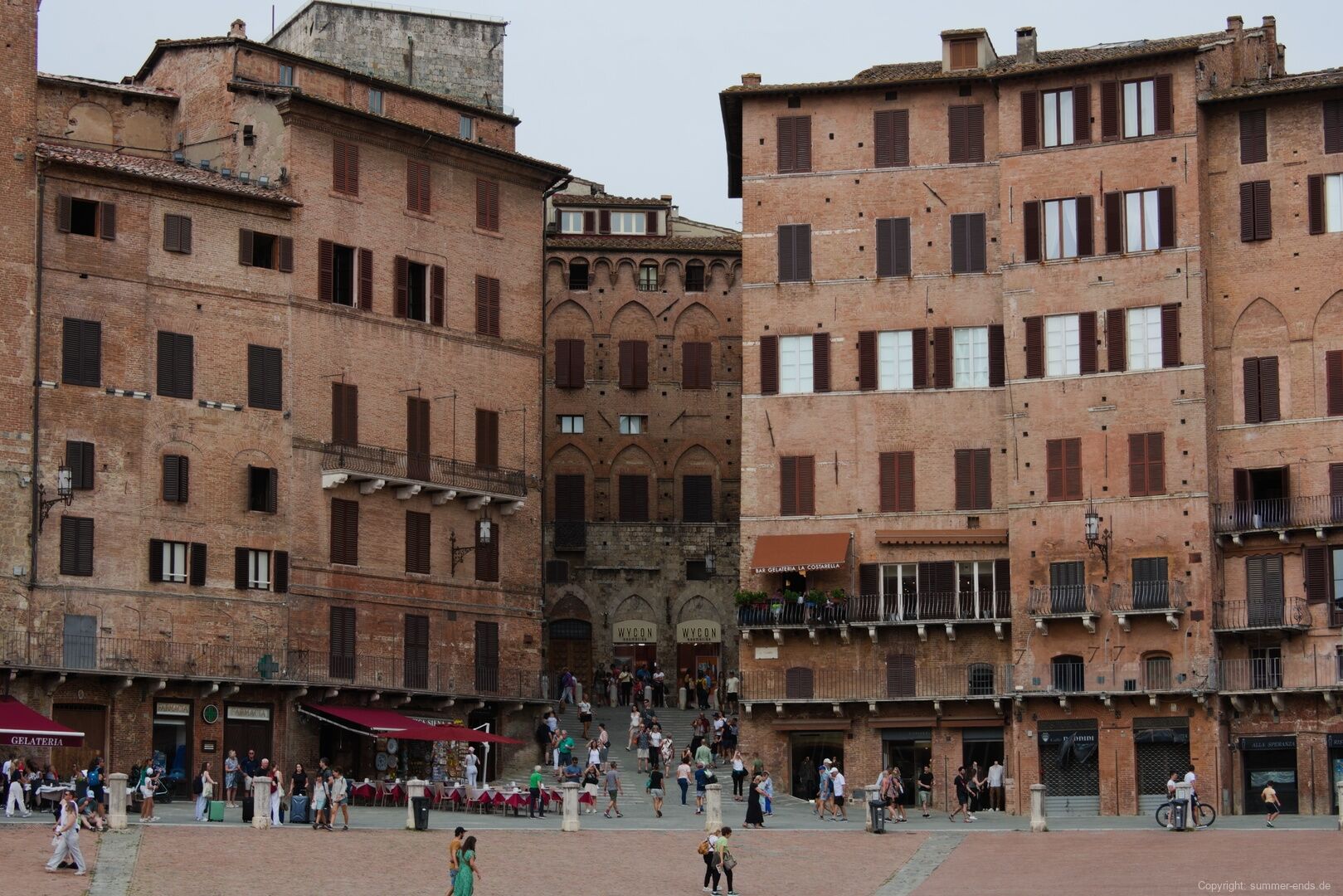
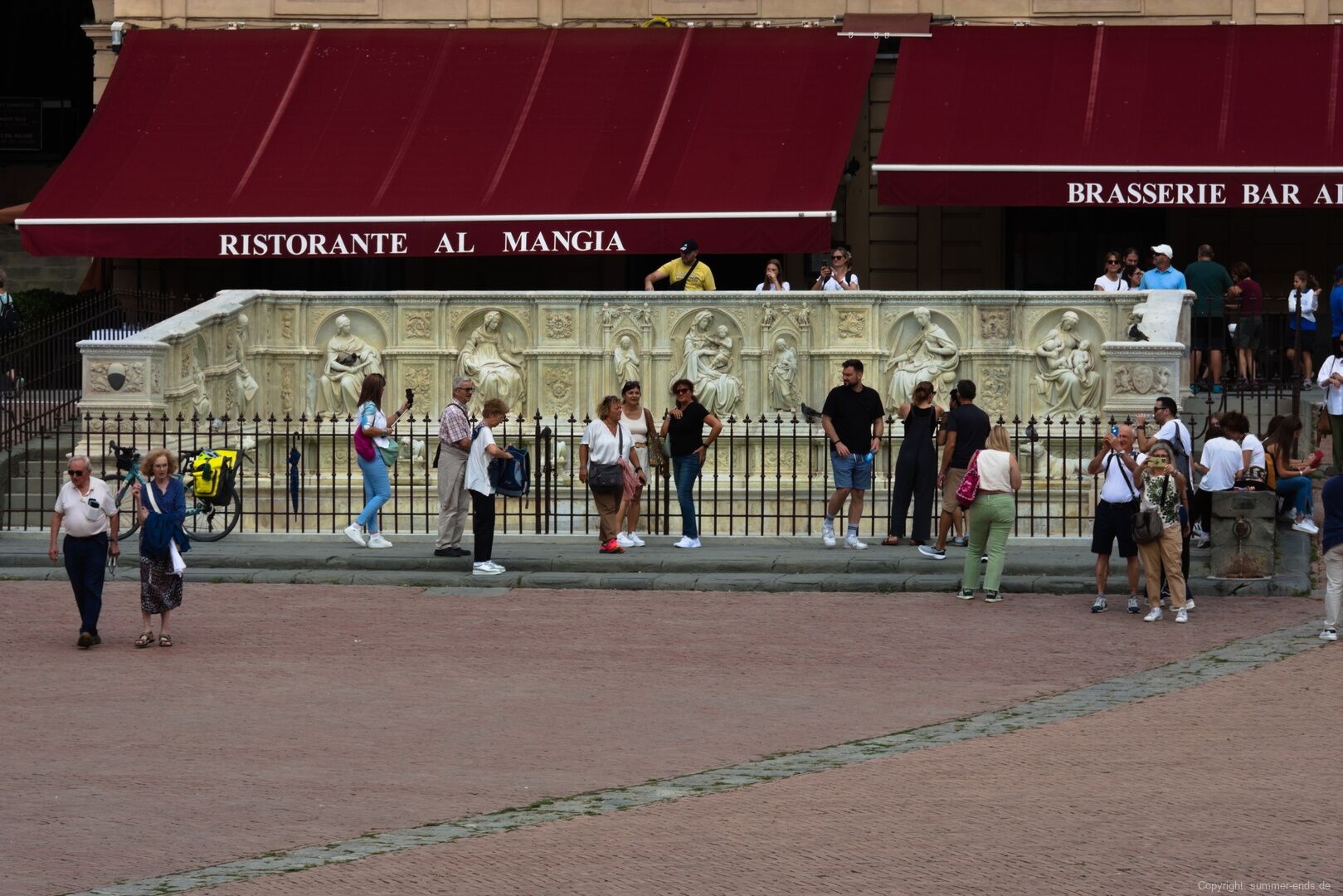
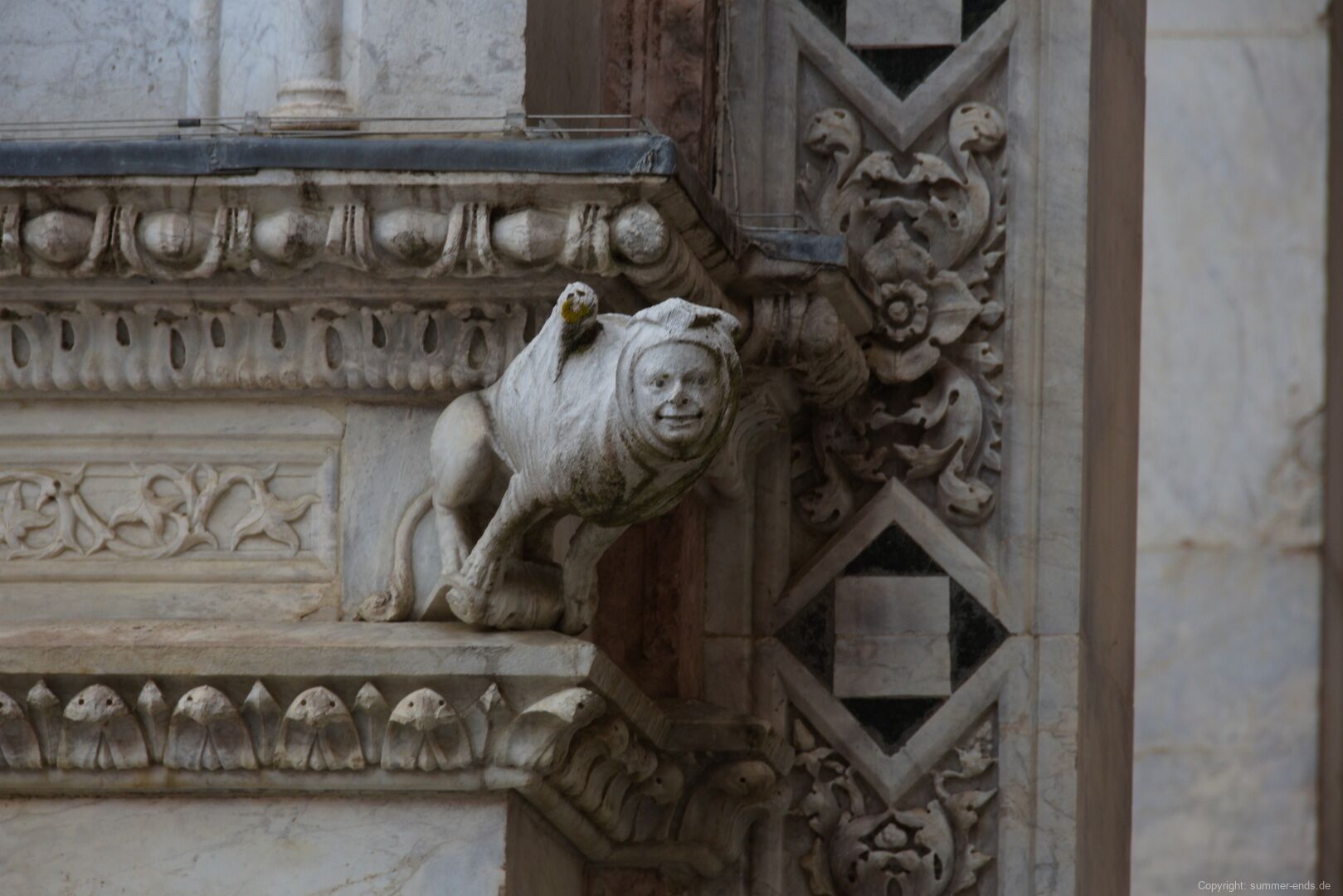
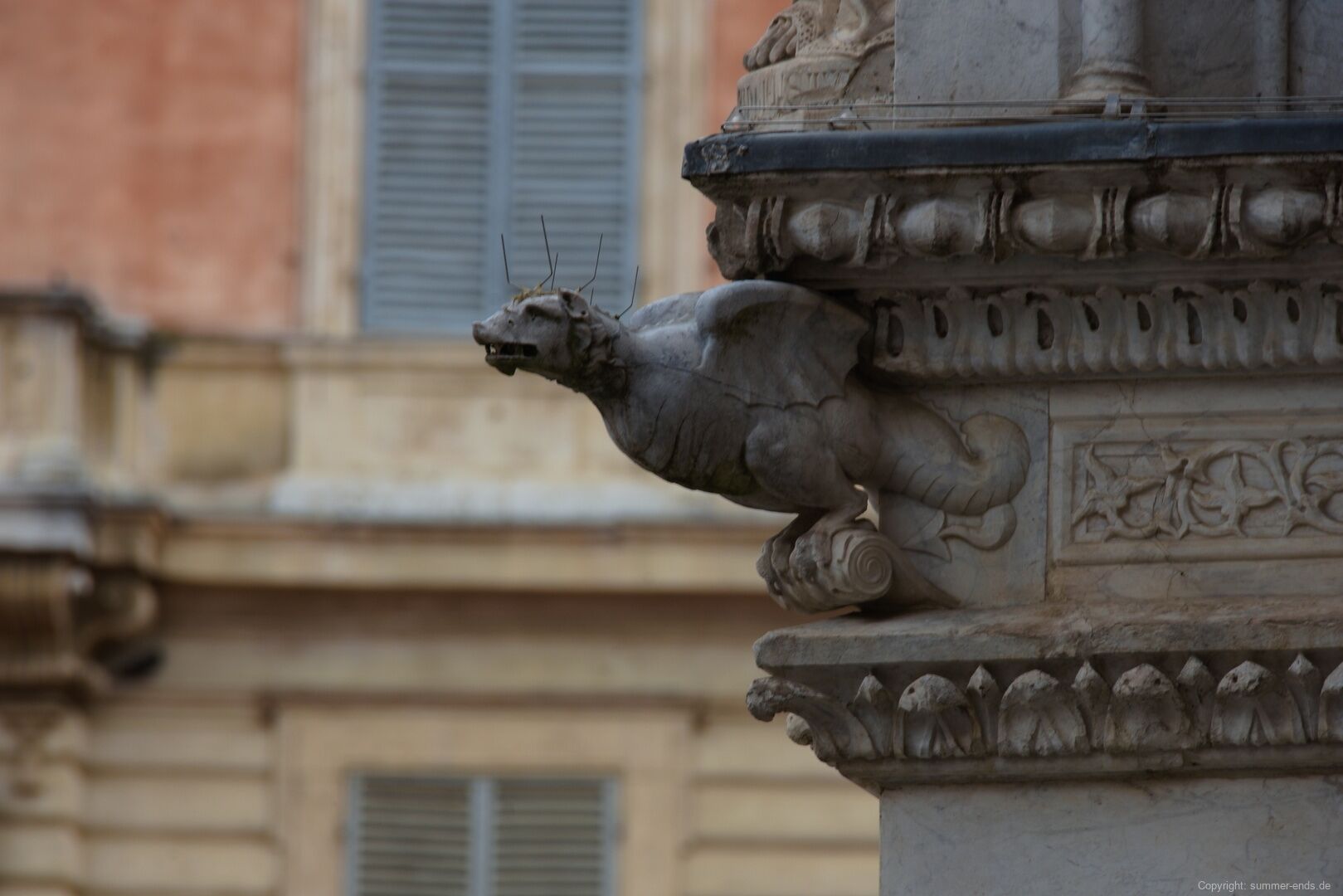
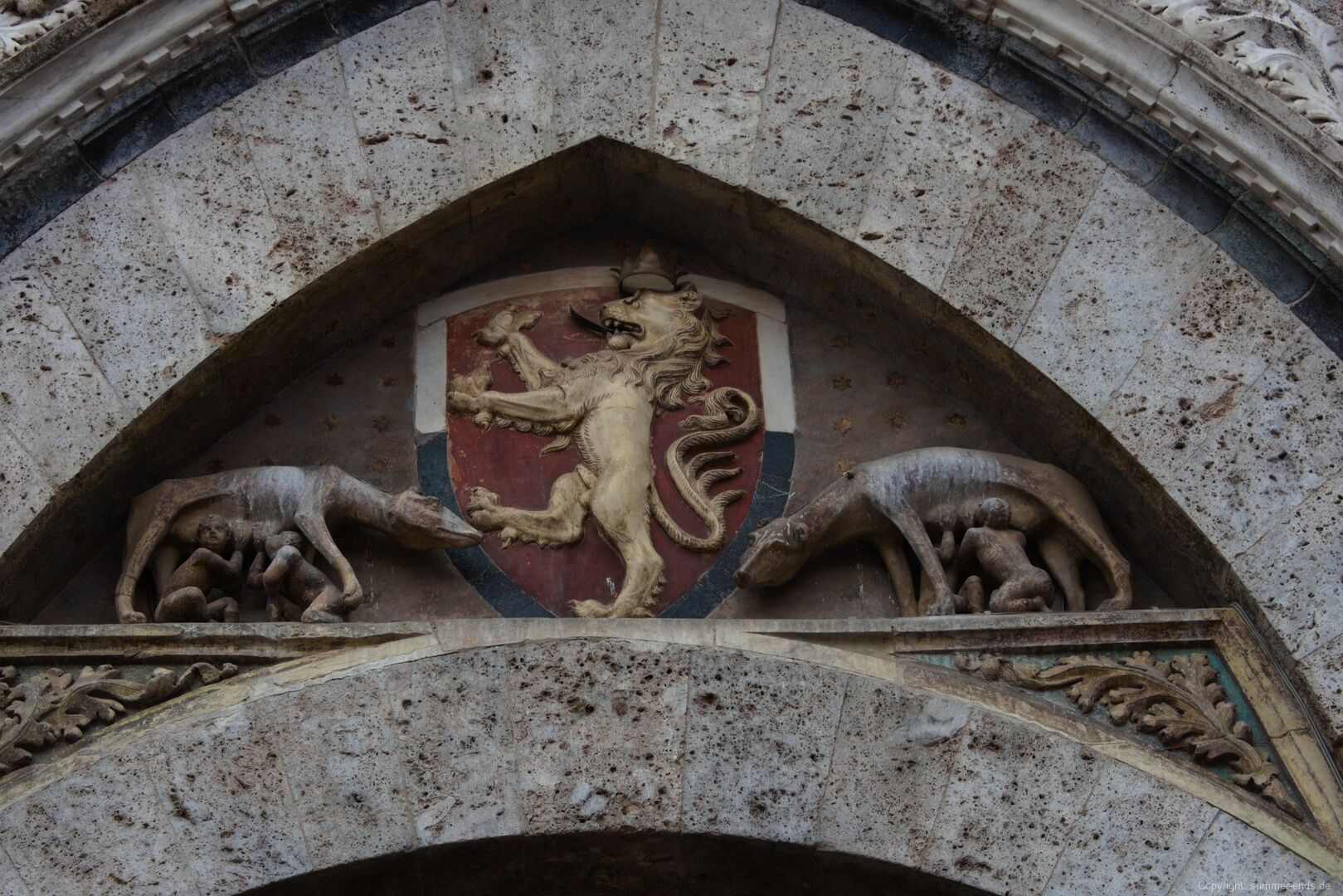
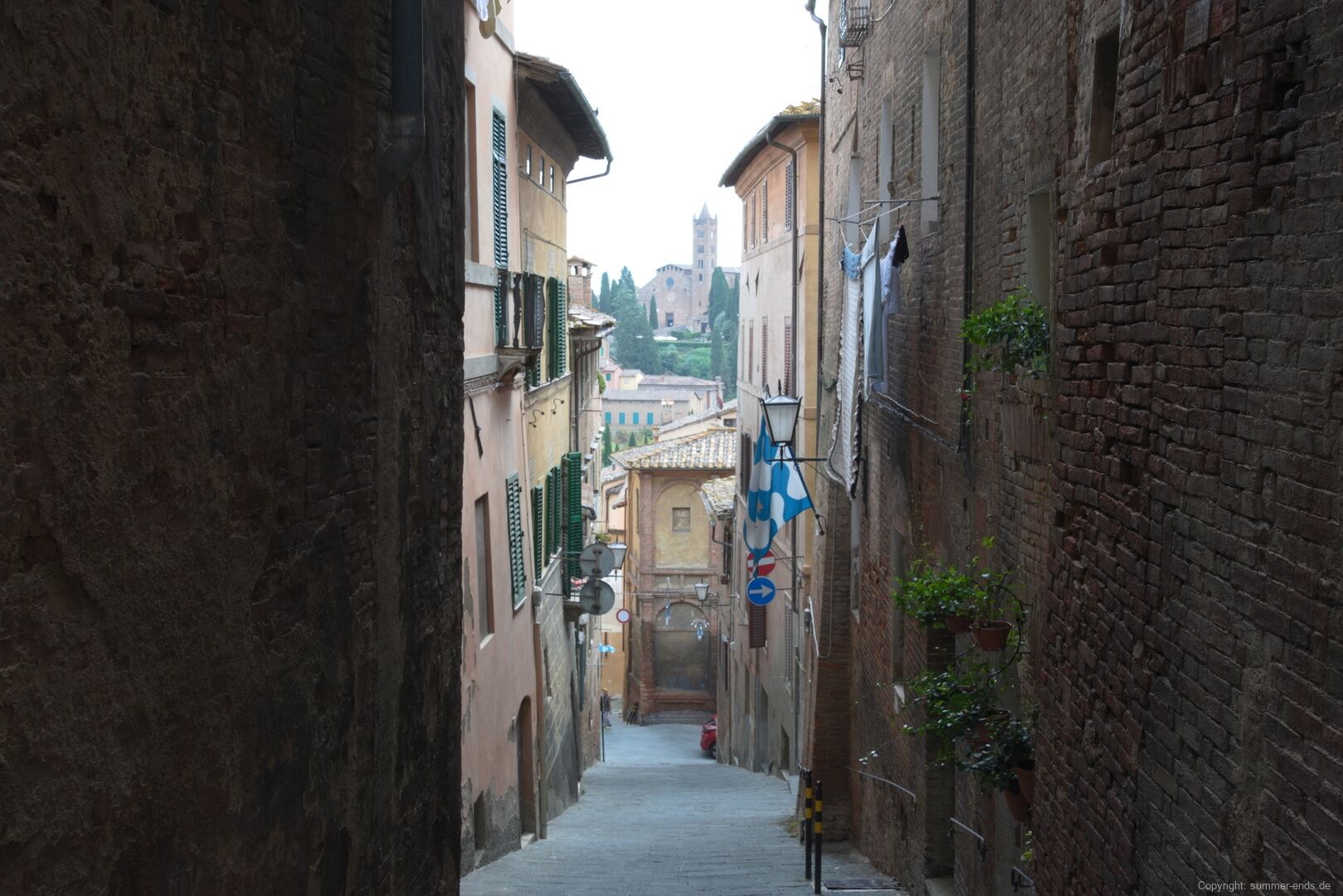
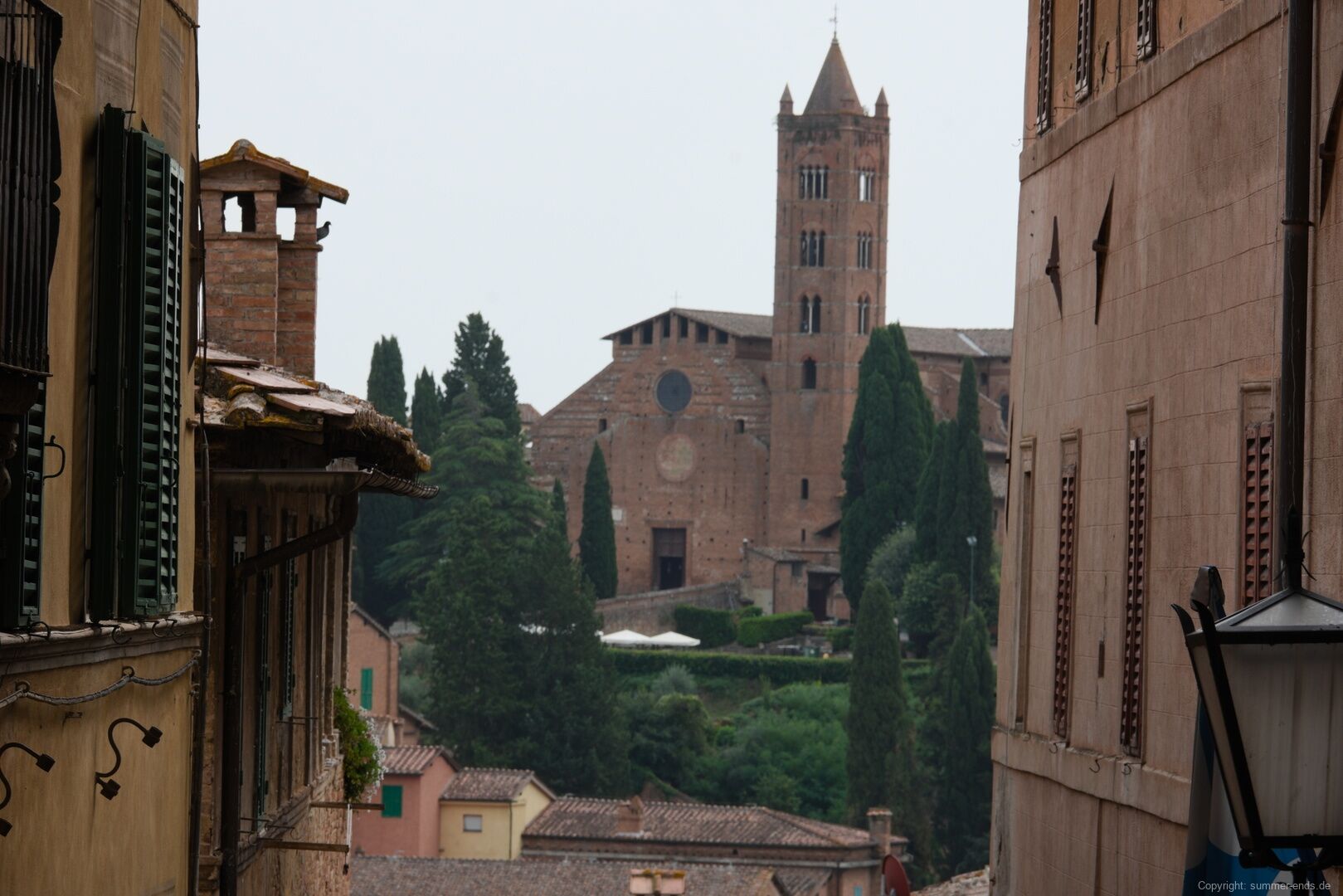
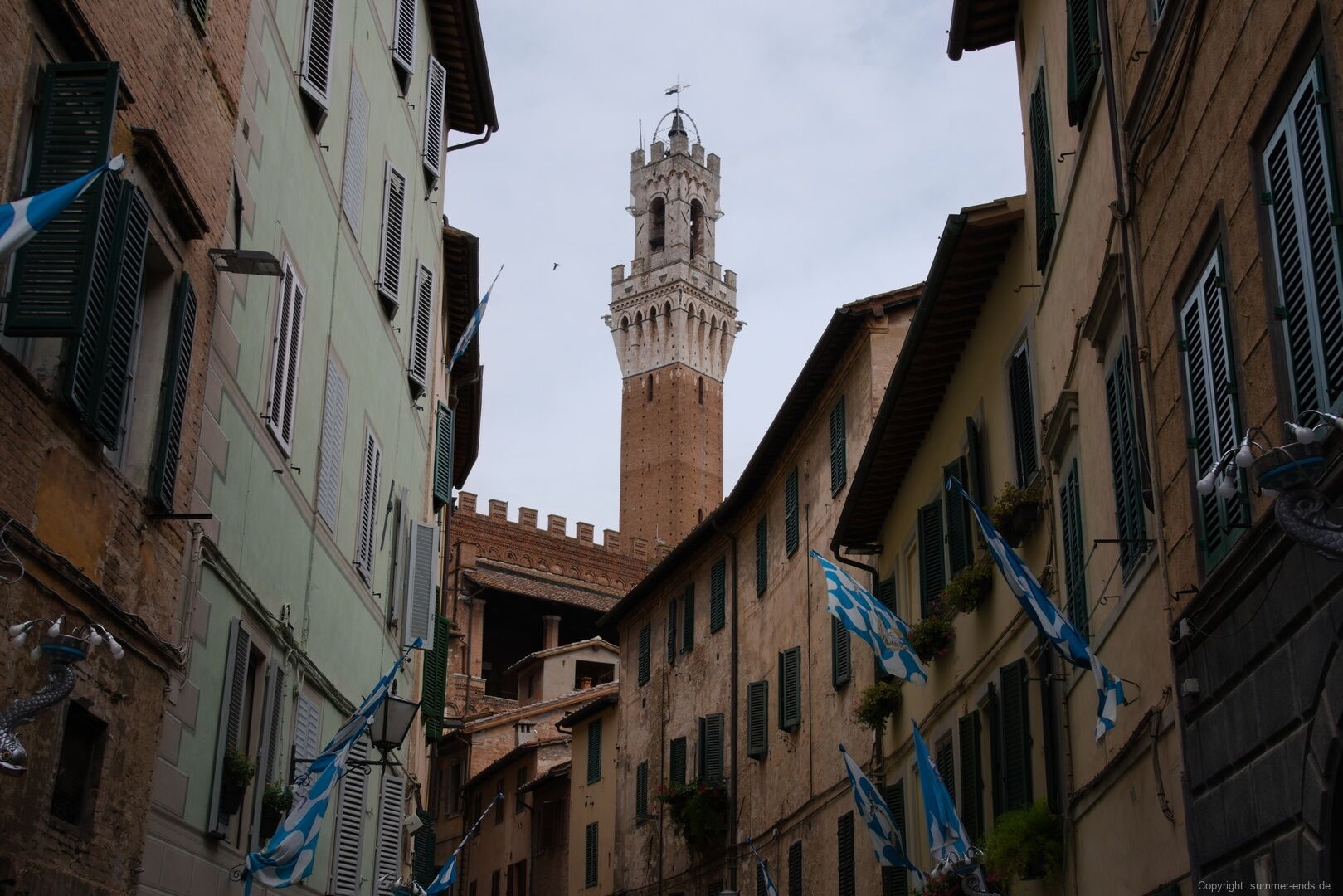
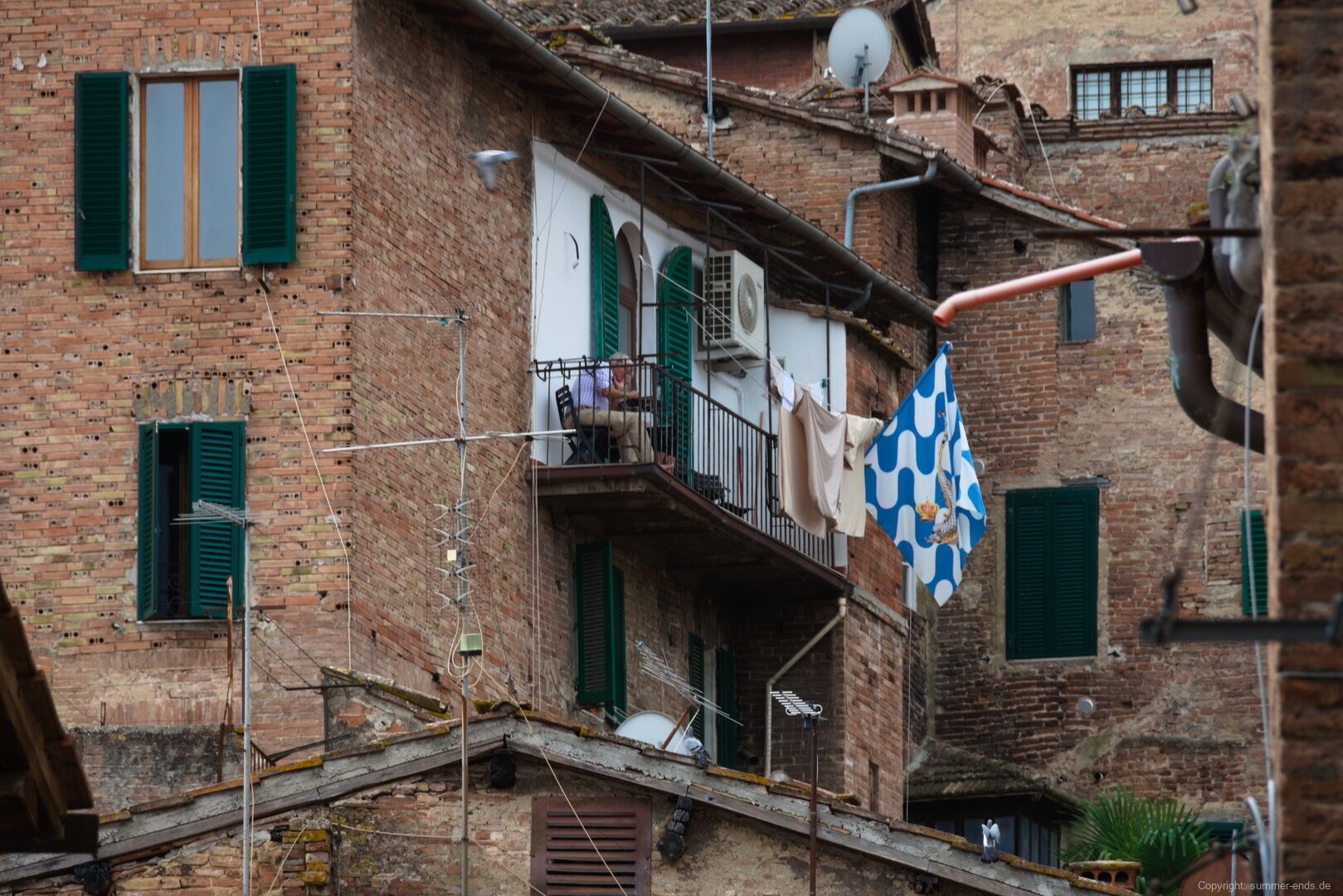
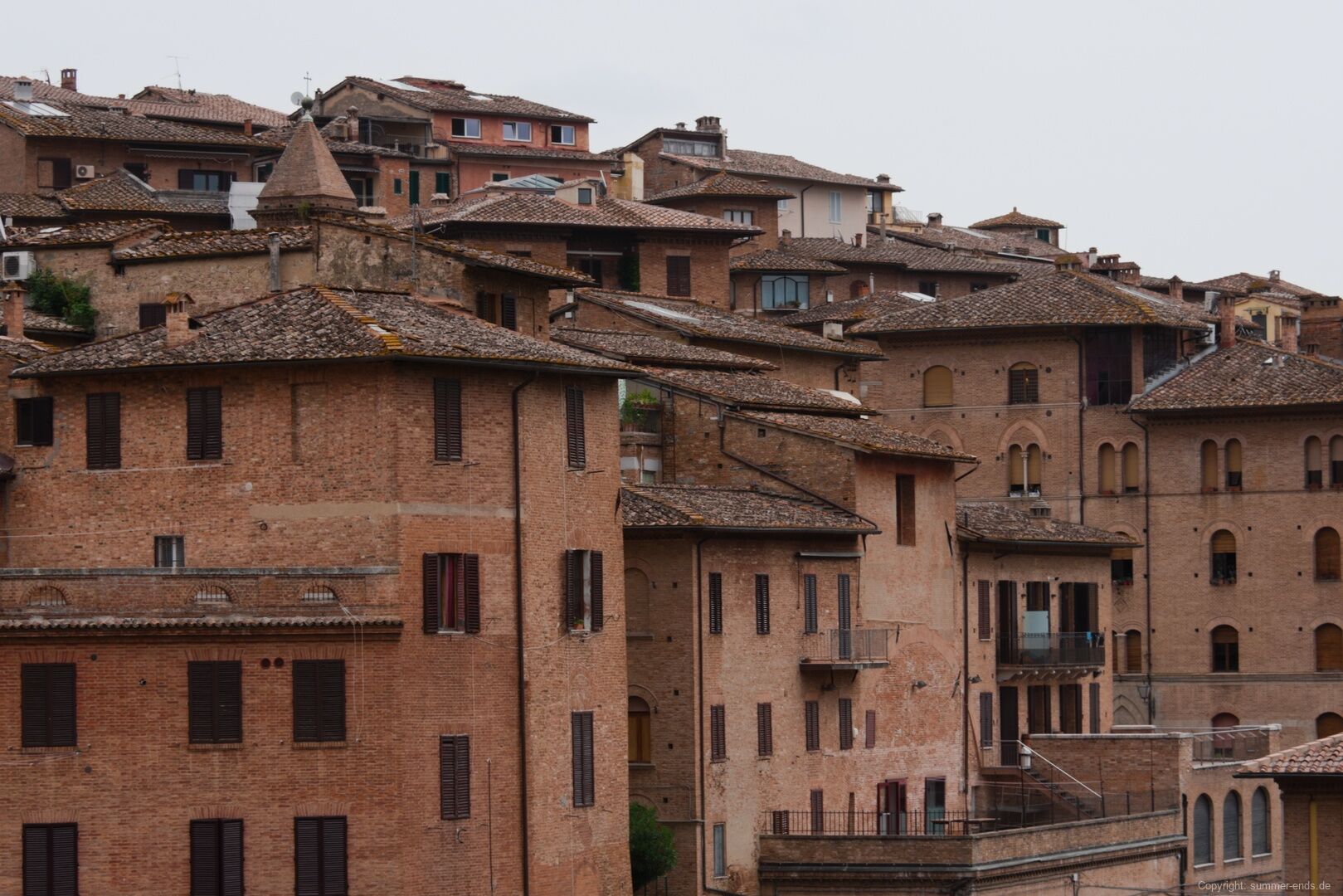
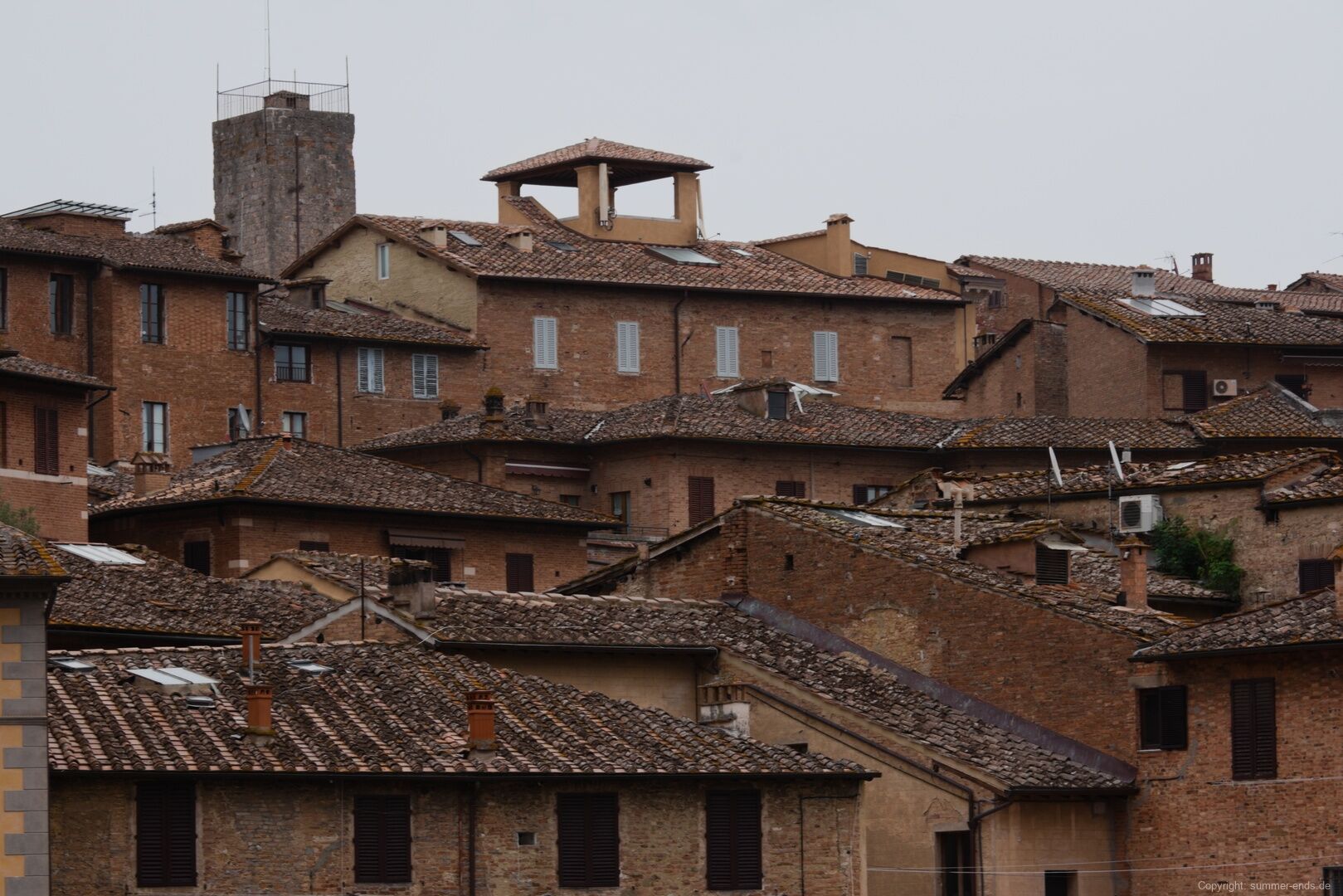
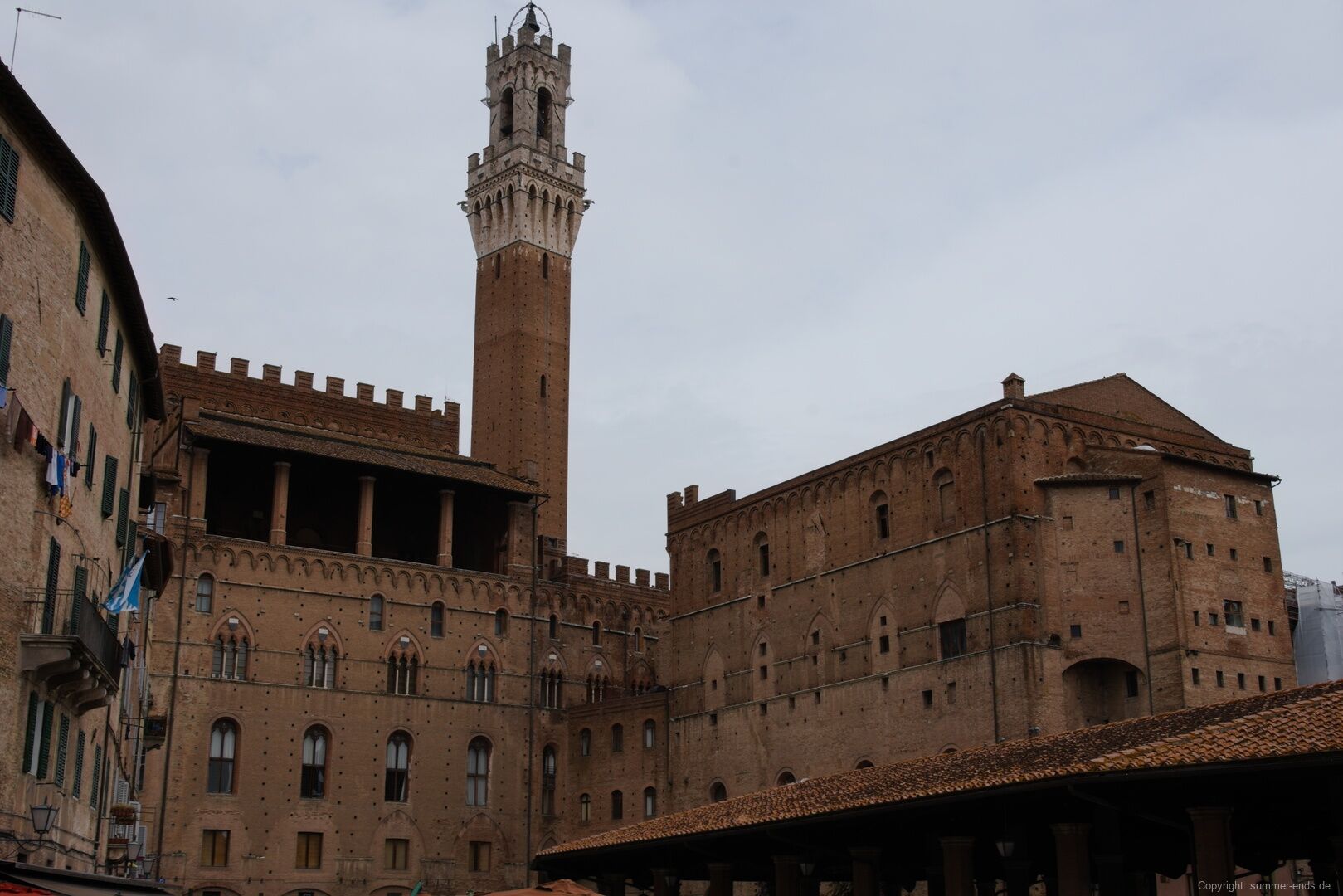
Siena is a historic city in central Italy, located in the Tuscany region approximately 70 kilometres south of Florence. It is situated on a series of hills overlooking the Tuscan countryside and forms part of a broader landscape of rolling ridges, river valleys, and agricultural land. Siena is renowned for its exceptionally well-preserved medieval urban fabric and has maintained a strong continuity of historical layout, architecture, and civic identity. The city functions today as a regional cultural, educational, and tourism center, while retaining a relatively compact scale and a close relationship to its surrounding rural landscape. Siena’s urban form is characterized by dense stone buildings, narrow streets, and a central civic space that reflects its medieval origins.
History
Siena’s origins date back to Etruscan and Roman times, although it rose to prominence primarily during the Middle Ages. From the 12th to the 14th centuries, Siena developed into an independent city-state and a major political, economic, and cultural rival to Florence. Its prosperity was based on banking, trade, and its position along important pilgrimage and commercial routes, most notably the Via Francigena.
The medieval period marked the height of Siena’s power and artistic achievement. During this time, the city developed its distinctive civic institutions, urban layout, and architectural style. Landmark projects such as the Cathedral of Santa Maria Assunta and the Palazzo Pubblico were constructed, expressing both religious devotion and civic pride. The famous Piazza del Campo became the focal point of political and social life and remains central to the city’s identity.
Siena’s decline began in the mid-14th century following the Black Death, which dramatically reduced the population and weakened economic and political structures. In the following centuries, Siena gradually lost independence and was eventually incorporated into the Grand Duchy of Tuscany in the 16th century. Despite this decline, the city experienced relatively limited modernization, which contributed to the preservation of its medieval character. In the modern era, Siena has focused on heritage conservation, education, and tourism, maintaining a strong sense of historical continuity.
Geology
Geologically, Siena is located within the Tuscan Basin system, an area shaped by sedimentary deposition and tectonic activity associated with the Apennine orogeny. The hills on which the city is built consist primarily of sedimentary rocks such as sandstones, marls, and clays deposited in marine environments during the Neogene period. These formations are relatively soft and easily eroded, influencing both landscape morphology and construction techniques.
The surrounding countryside includes distinctive geological units such as the Crete Senesi, an area dominated by clay-rich sediments that produce smooth, rounded hills and characteristic badland features. These clay soils have limited agricultural fertility but create a visually distinctive landscape closely associated with Siena.
The geological substrate has influenced urban development, drainage patterns, and the extensive use of local stone and brick in construction. Erosion processes and slope stability have historically shaped settlement placement and infrastructure, while the absence of major rivers near the city contributed to its defensible hilltop location.
Things to See
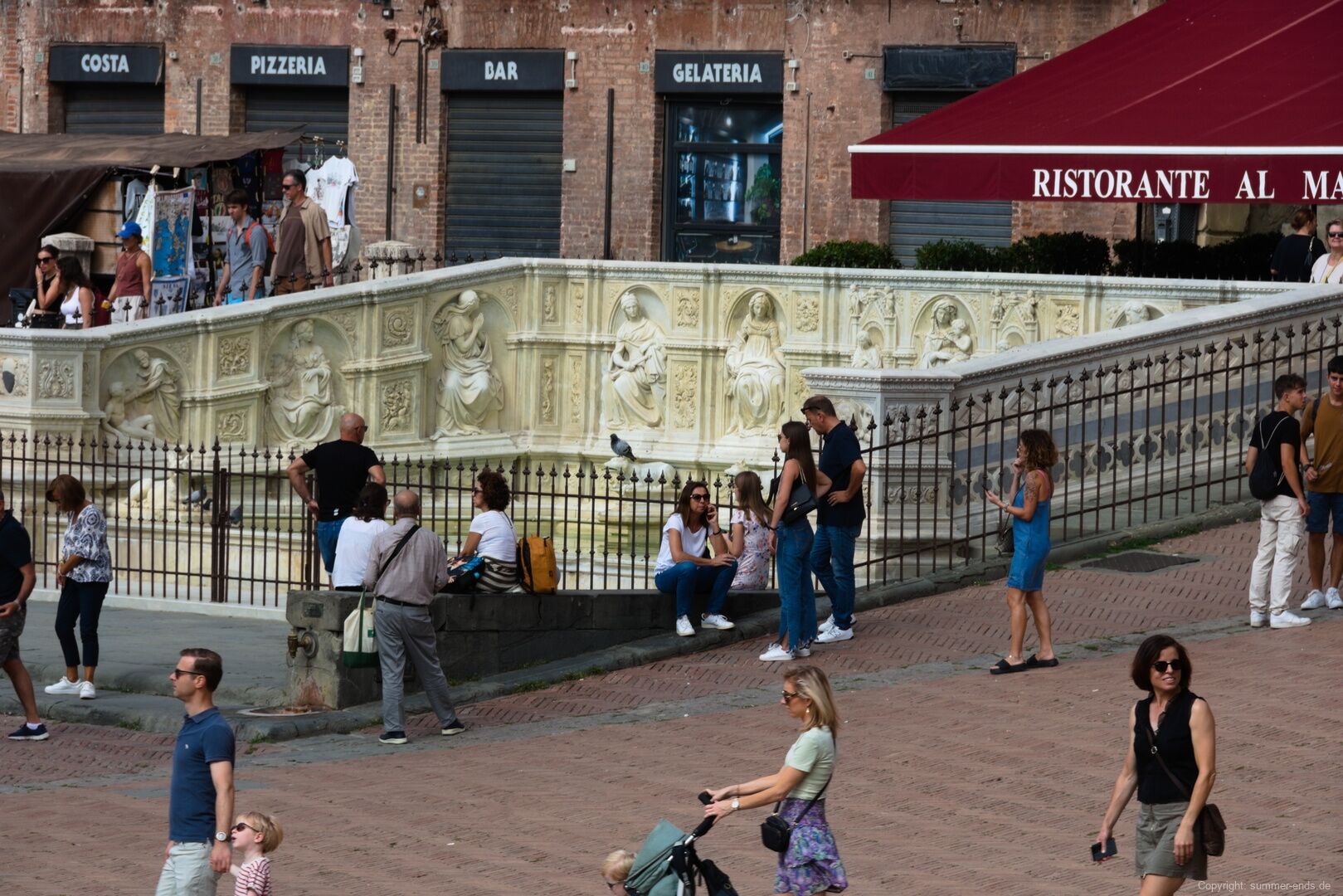
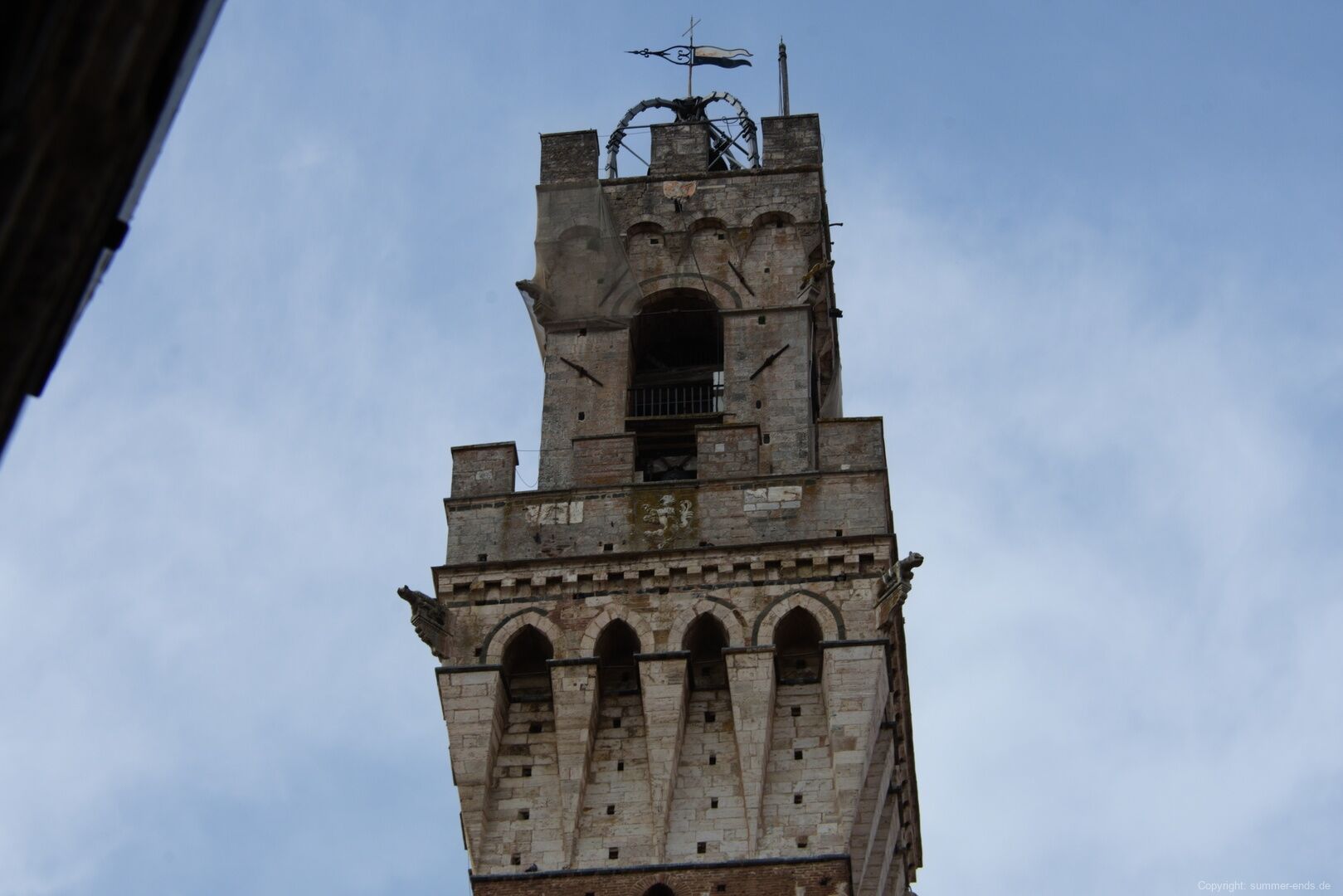
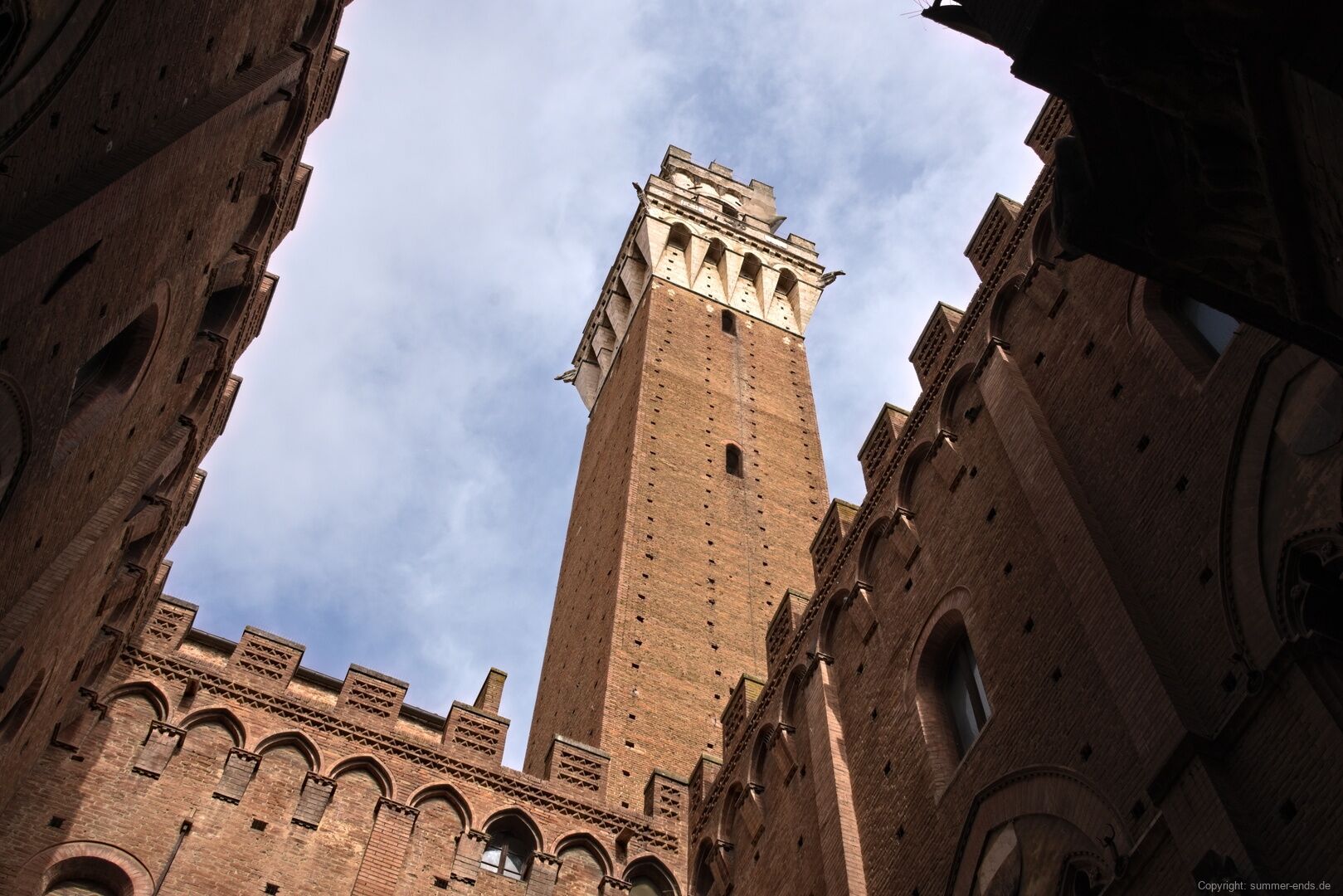
Siena offers a concentration of cultural and architectural landmarks reflecting its medieval heritage. The historic center, designated a UNESCO World Heritage Site, includes the Piazza del Campo, one of Europe’s most distinctive public squares and the site of the Palio horse race. The Palazzo Pubblico and its Torre del Mangia dominate the piazza and symbolize the city’s civic traditions.
Siena Cathedral is a major example of Italian Gothic architecture, notable for its marble façade, interior decoration, and integration into the urban fabric. Numerous churches, palaces, and streets throughout the city preserve medieval and Renaissance features.
Beyond the city walls, viewpoints offer panoramic perspectives across the Tuscan countryside, highlighting the close relationship between Siena and its surrounding landscape. Museums, archives, and cultural institutions further illustrate the city’s artistic, political, and social history, making Siena a key reference point for understanding medieval urbanism in Italy.