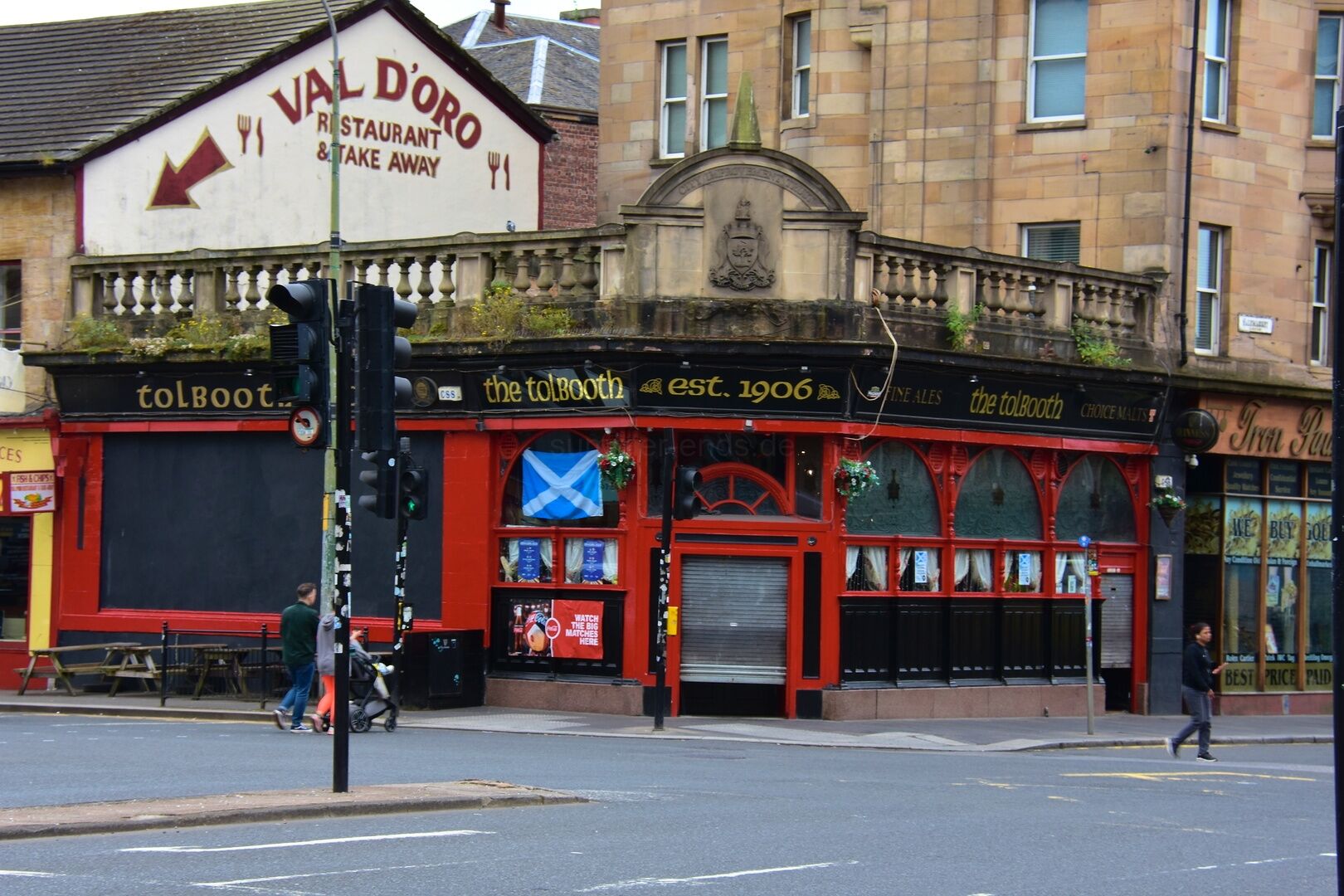


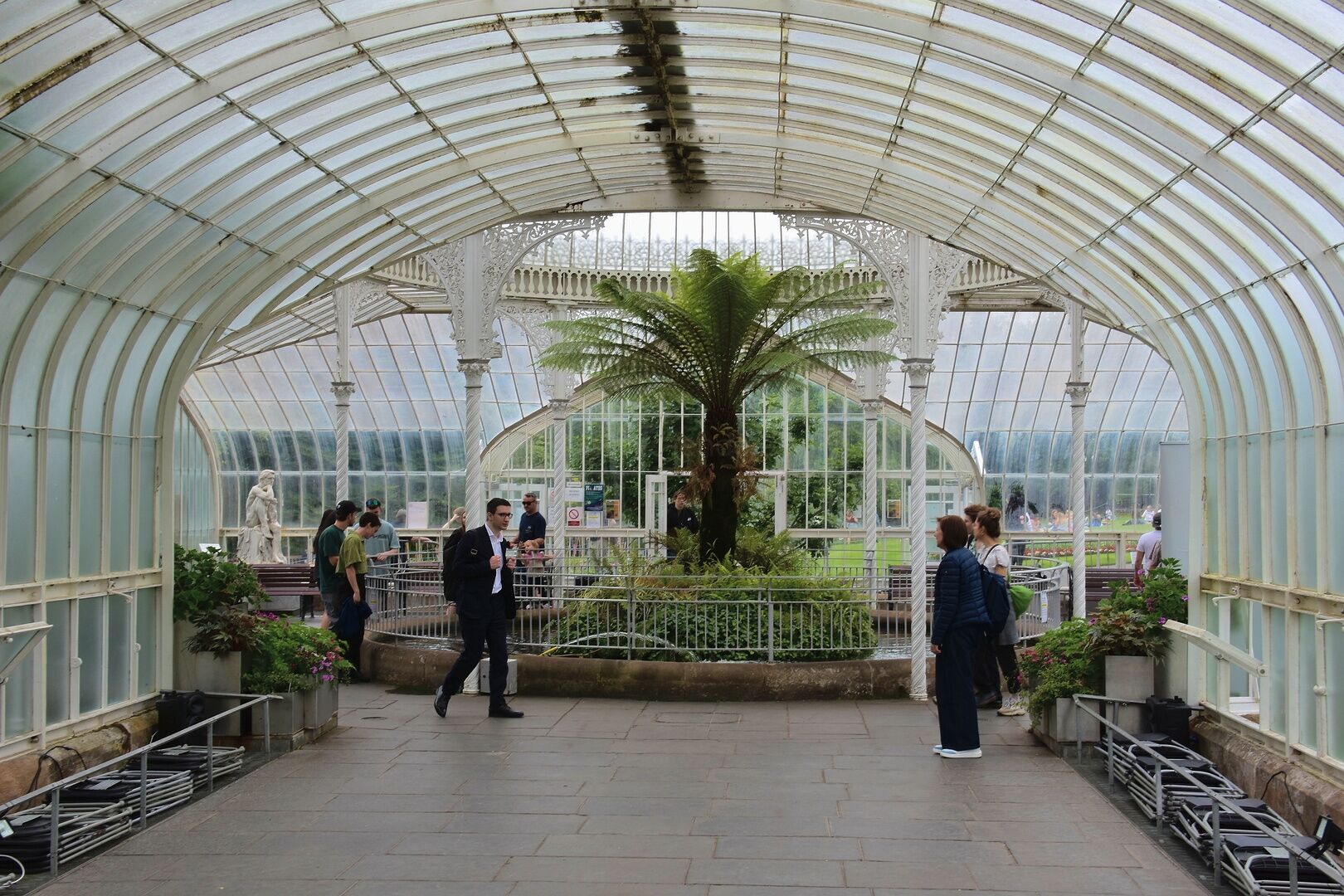
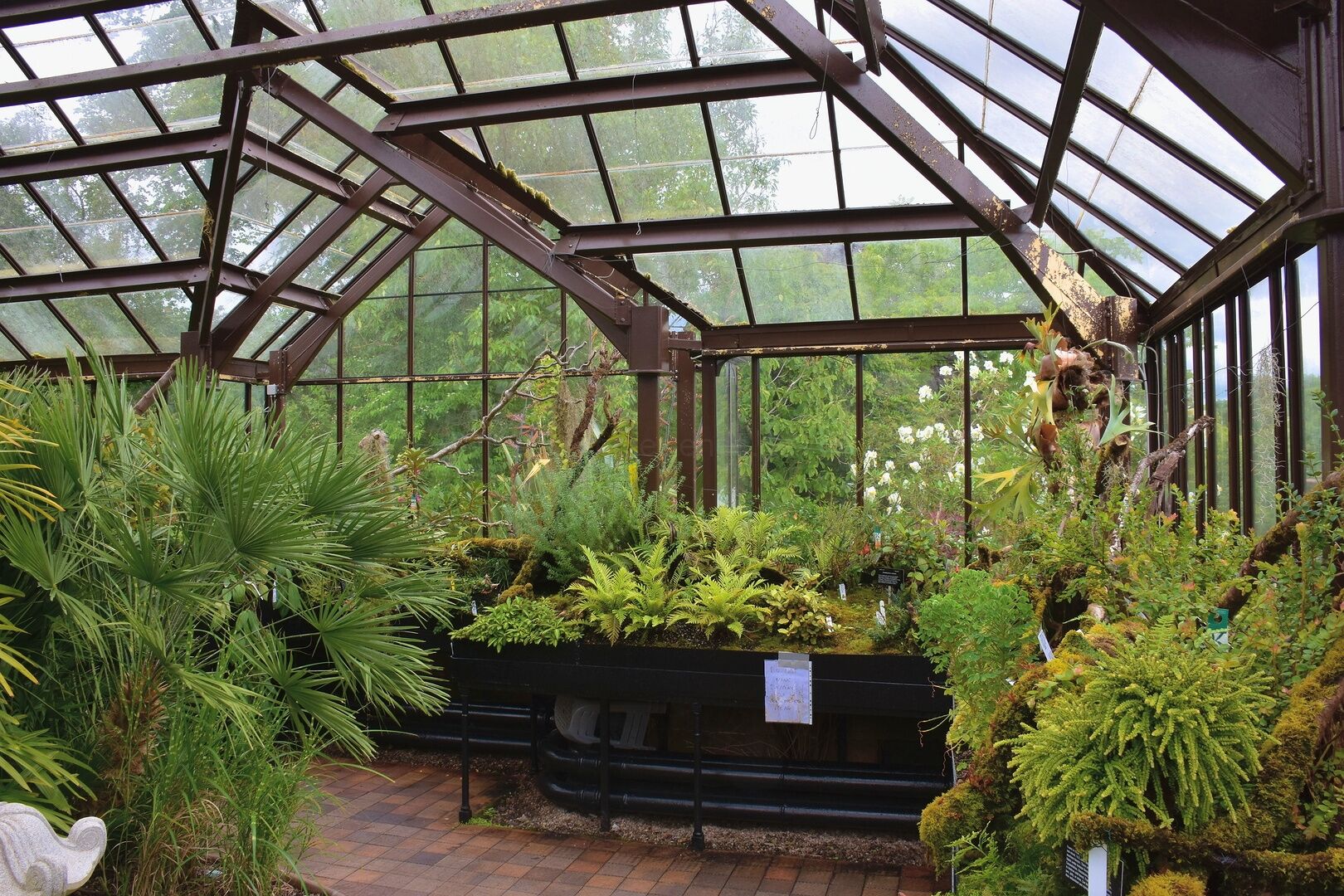

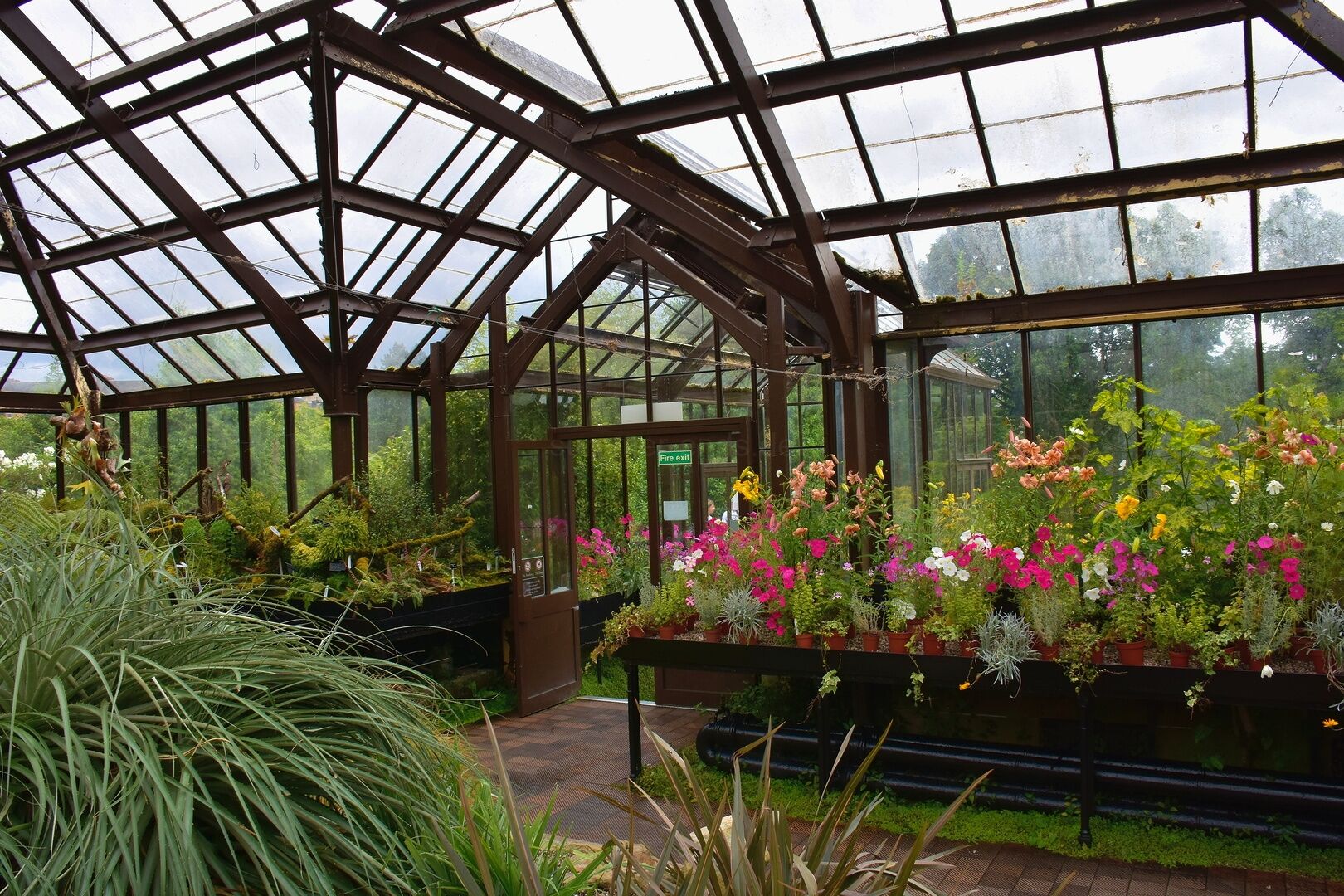

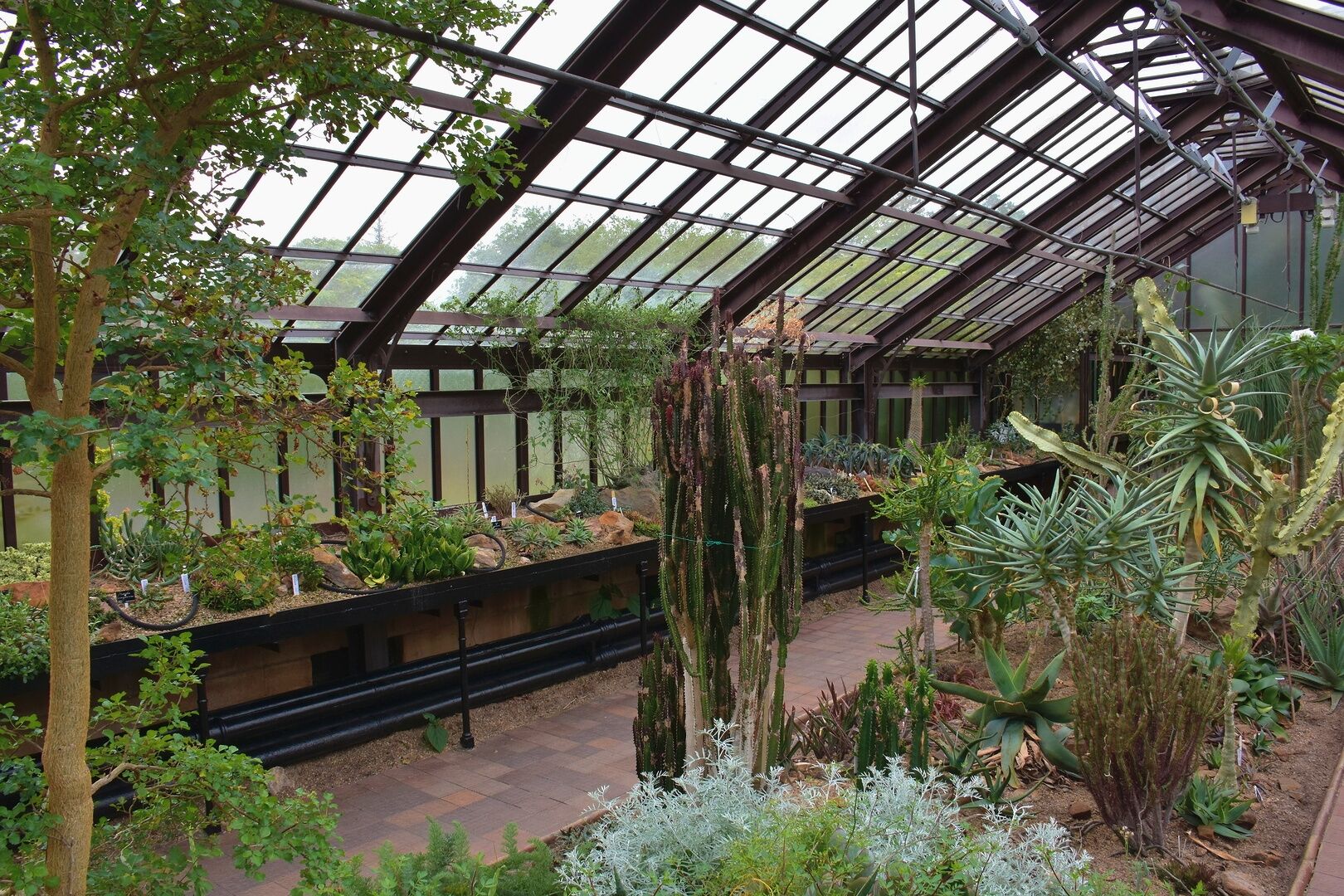








Glasgow is the largest city in Scotland and one of the principal urban centers of the United Kingdom. It is located in the west-central Lowlands of Scotland on the River Clyde, approximately 25 kilometres inland from the Firth of Clyde. Glasgow forms the core of a wider metropolitan region that has historically functioned as an industrial, commercial, and transport hub. The city is characterized by a dense urban fabric, extensive post-industrial landscapes, and significant green spaces integrated into the urban environment. Today, Glasgow plays a major role in Scotland’s economy, culture, education, and transport infrastructure, while also undergoing long-term transformation from its industrial past toward a service- and culture-oriented urban economy.
History
The origins of Glasgow date back to early medieval times, when the area developed as a religious settlement associated with St Mungo in the 6th century. Its position on the River Clyde provided access to inland and maritime routes, supporting gradual growth as a market and ecclesiastical center. Glasgow was granted burgh status in the 12th century, marking its emergence as an important regional town.
From the 18th century onward, Glasgow experienced rapid expansion driven by transatlantic trade, particularly in tobacco, sugar, and textiles. During the Industrial Revolution, the city became one of the world’s leading industrial centers, renowned for shipbuilding, heavy engineering, coal processing, and manufacturing. The River Clyde was transformed into a major shipbuilding corridor, earning Glasgow the title “Second City of the British Empire.”
The 20th century brought industrial decline, population loss, and significant social challenges as traditional industries collapsed. From the late 20th century onward, Glasgow underwent extensive urban regeneration, investment in cultural institutions, and redevelopment of former industrial areas. These changes repositioned the city as a center for higher education, creative industries, tourism, and events, while preserving elements of its industrial heritage.
Geology
Glasgow lies within the Midland Valley of Scotland, a broad lowland basin formed by tectonic activity during the Paleozoic era. The underlying geology consists primarily of sedimentary rocks of Carboniferous age, including sandstones, shales, limestones, and coal measures. These formations were critical to Glasgow’s industrial development, providing local sources of coal and building stone.
Volcanic activity during the Carboniferous period also left its imprint on the region, with basaltic intrusions and lava flows present in parts of the wider Clyde Basin. During the last Ice Age, extensive glaciation reshaped the landscape, depositing thick layers of glacial till and carving broad valleys. The River Clyde occupies a glacially modified valley, and post-glacial sea-level changes influenced the development of estuarine environments downstream.
These geological processes produced relatively flat, low-lying terrain suitable for large-scale urban and industrial development, while also shaping drainage patterns, soil characteristics, and construction conditions across the city.
Things to See
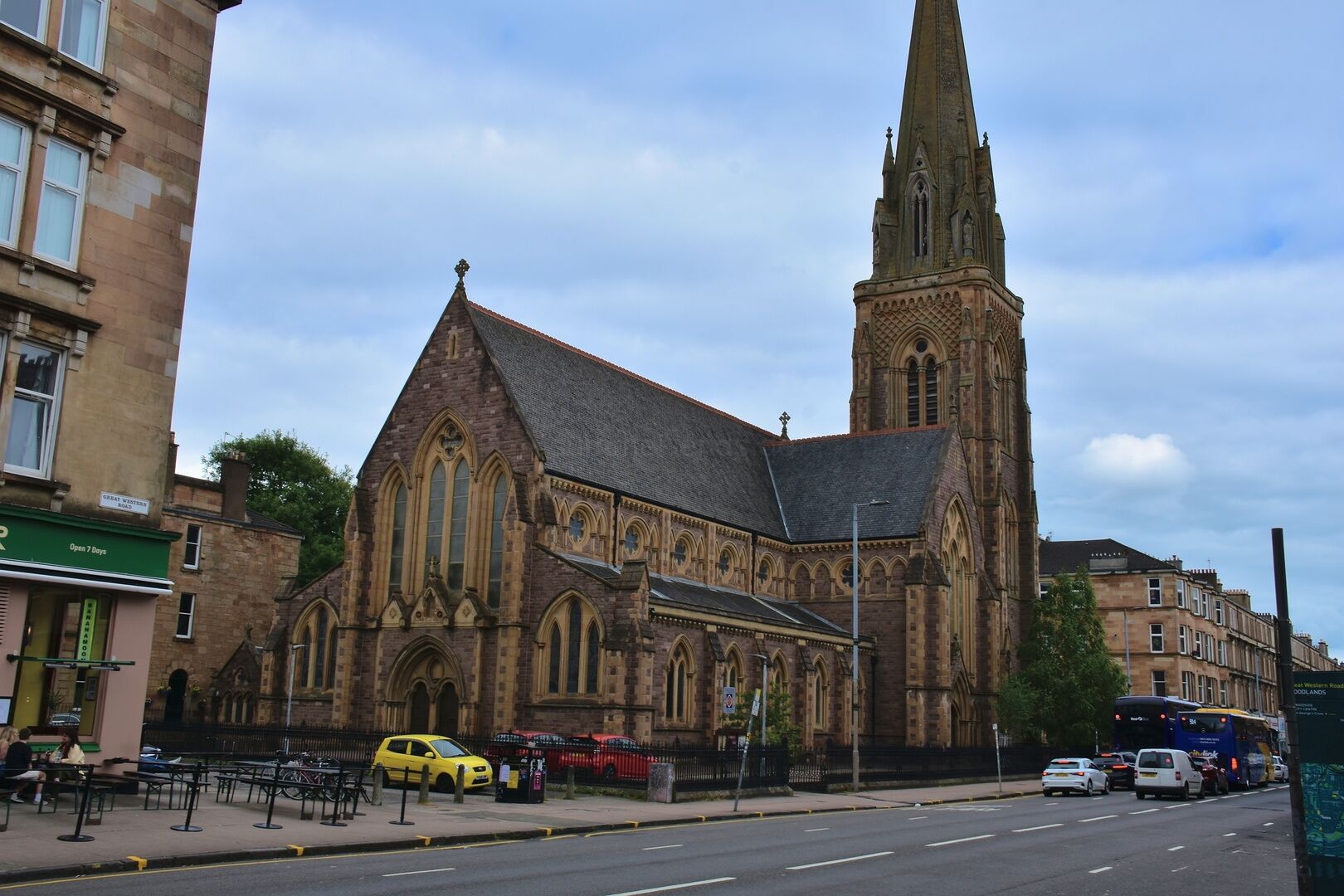
Glasgow offers a diverse range of historical, cultural, and urban landmarks that reflect its development and geological setting. The medieval Glasgow Cathedral and the adjacent Necropolis provide insight into the city’s early history and offer elevated views across the urban area.
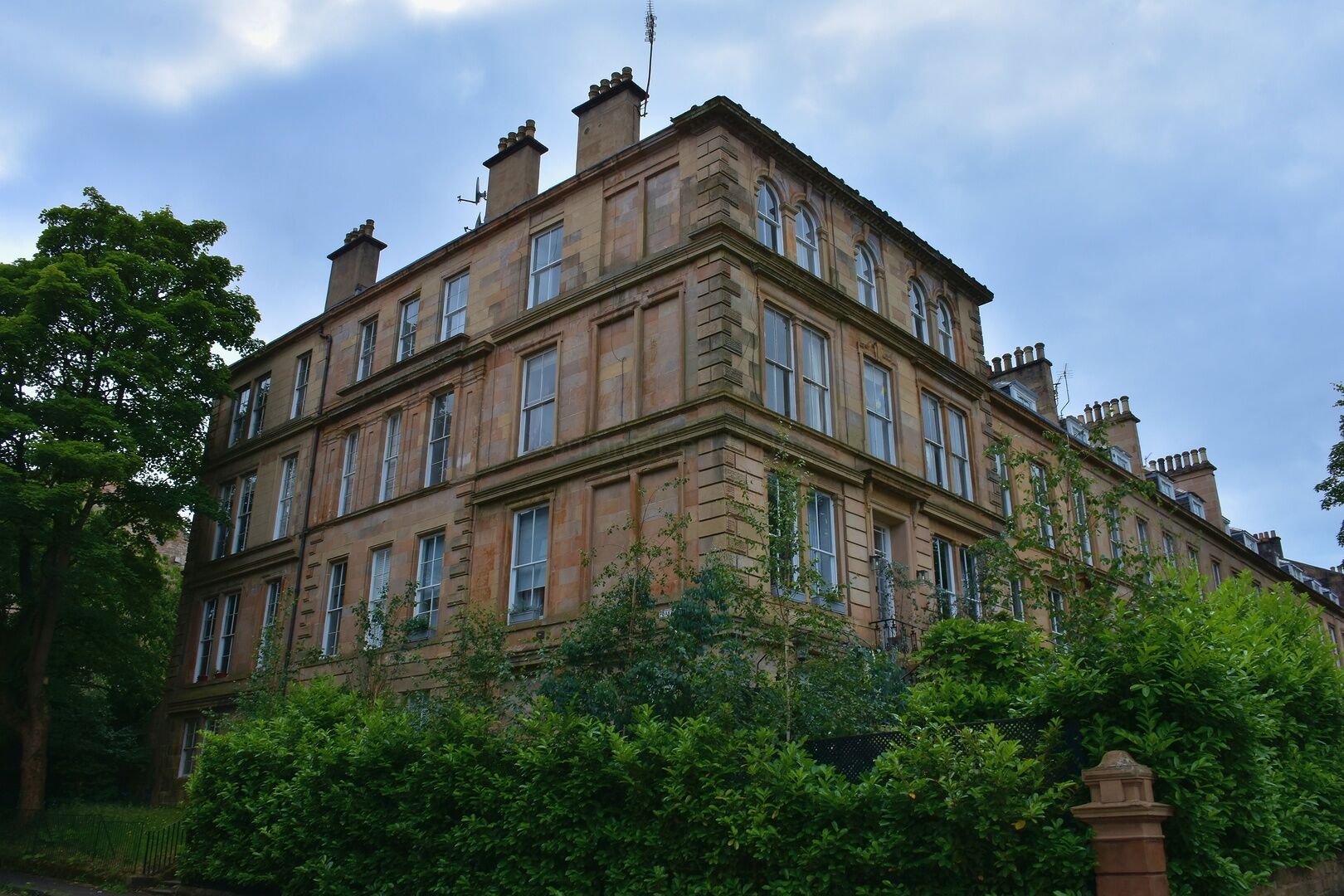
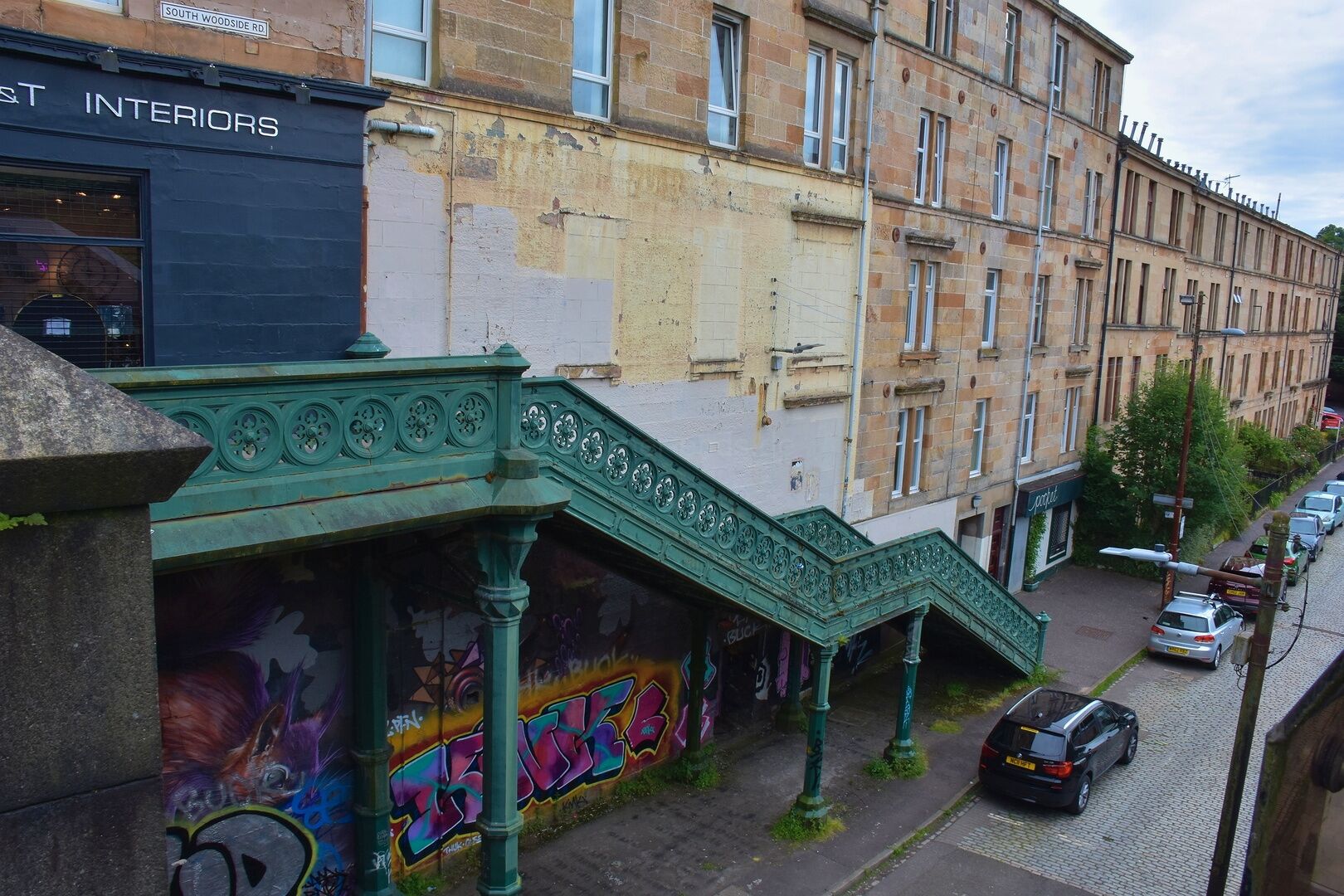
The River Clyde waterfront illustrates Glasgow’s industrial heritage and contemporary regeneration, with redeveloped docks, cultural venues, and public spaces. The city’s Victorian and Edwardian architecture, including civic buildings, museums, and former industrial structures, reflects periods of economic prosperity and urban growth.
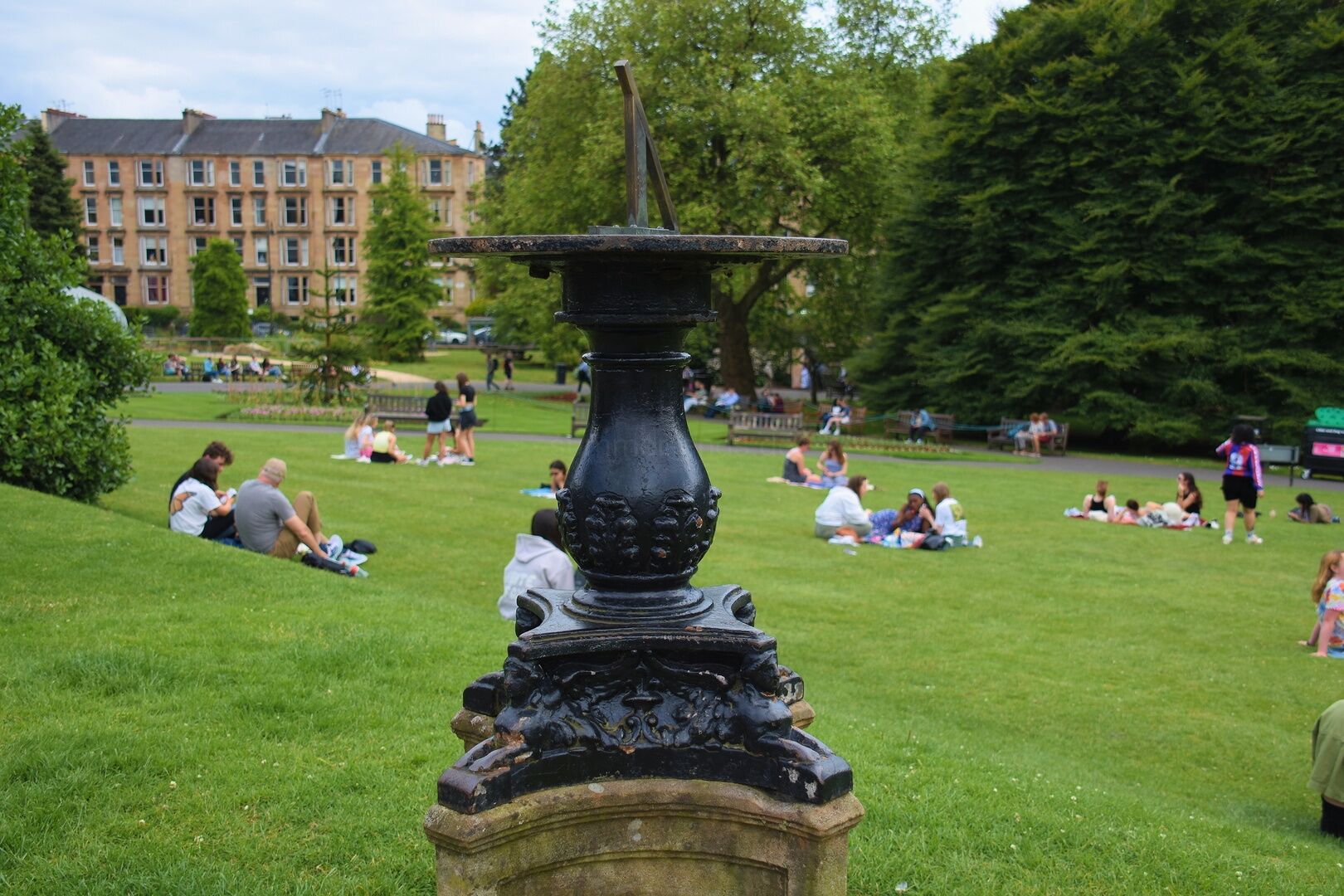
Major cultural institutions such as the Kelvingrove Art Gallery and Museum, the Riverside Museum, and the University of Glasgow highlight the city’s role in education, science, and the arts. Extensive parks and green corridors, including Kelvingrove Park and Glasgow Green, demonstrate the integration of open space into the urban landscape and contribute to Glasgow’s distinctive character as a post-industrial city shaped by history, geology, and regeneration.