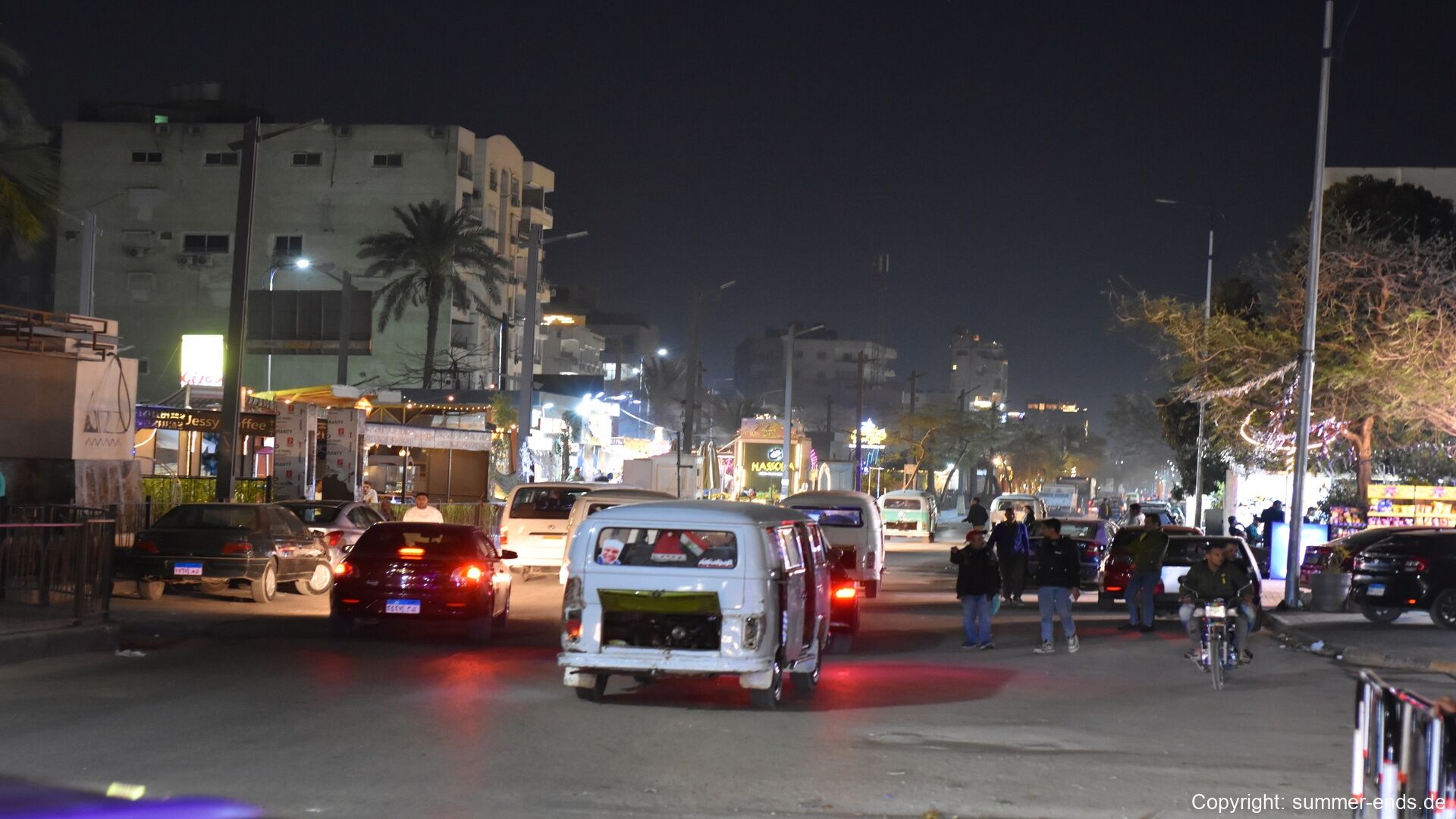
Cairo, the sprawling capital of Egypt, stands as one of the most historically and culturally significant cities on the planet. Located just south of the Nile Delta on the eastern bank of the Nile River, Cairo serves as Egypt’s political, economic, and intellectual center. With a metropolitan population exceeding 20 million, it is the largest urban agglomeration in Africa and the Arab world.
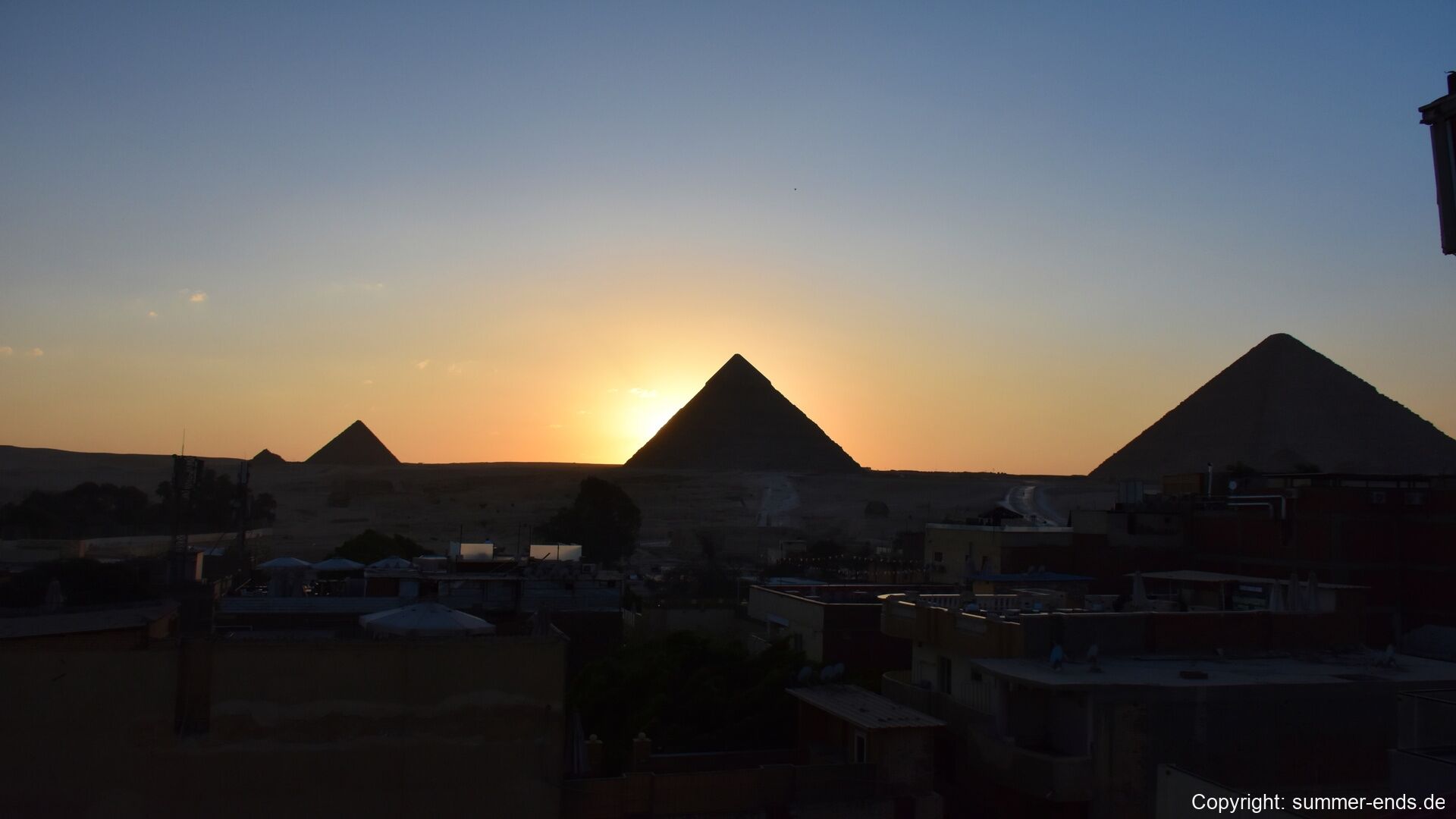
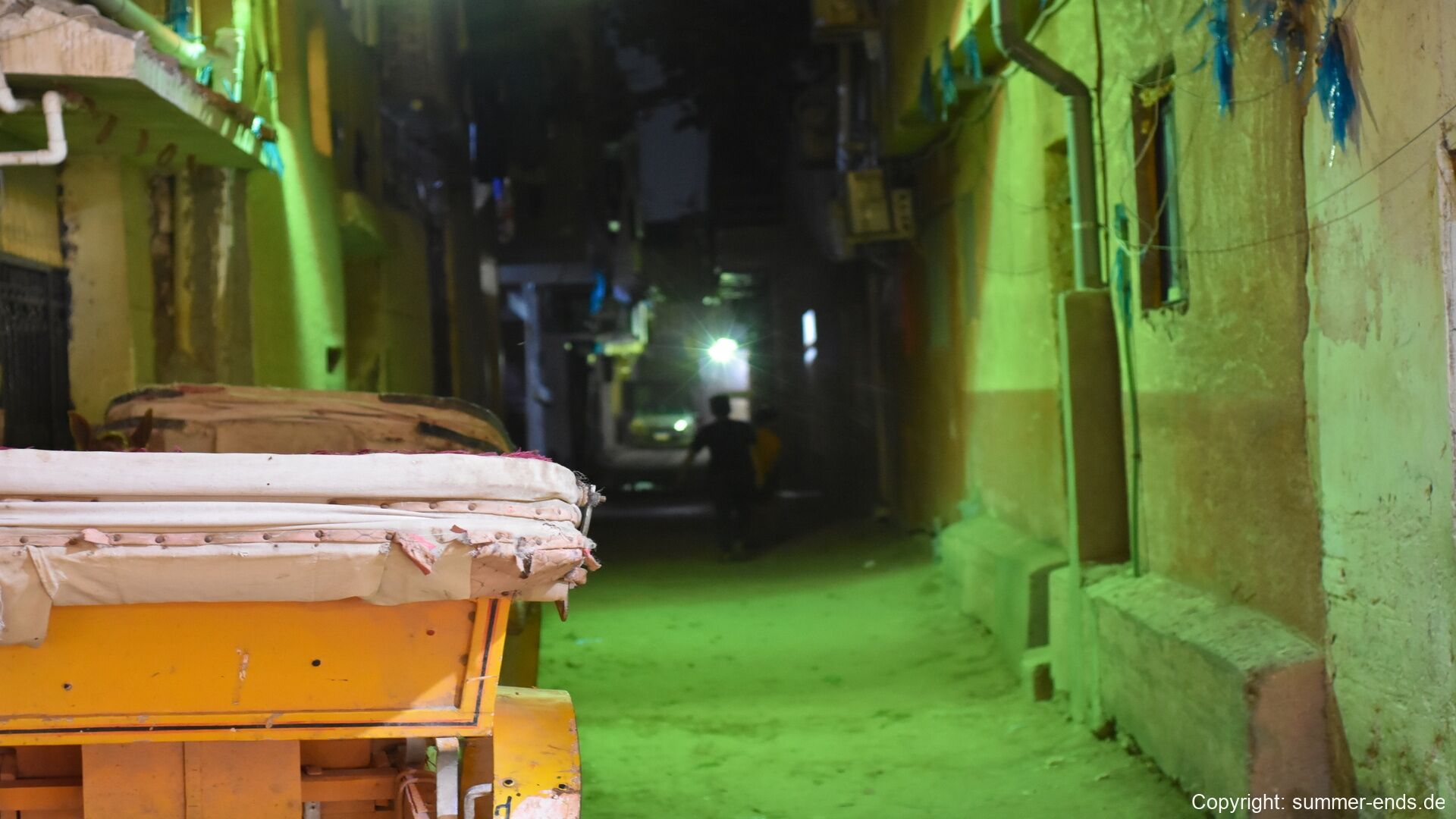
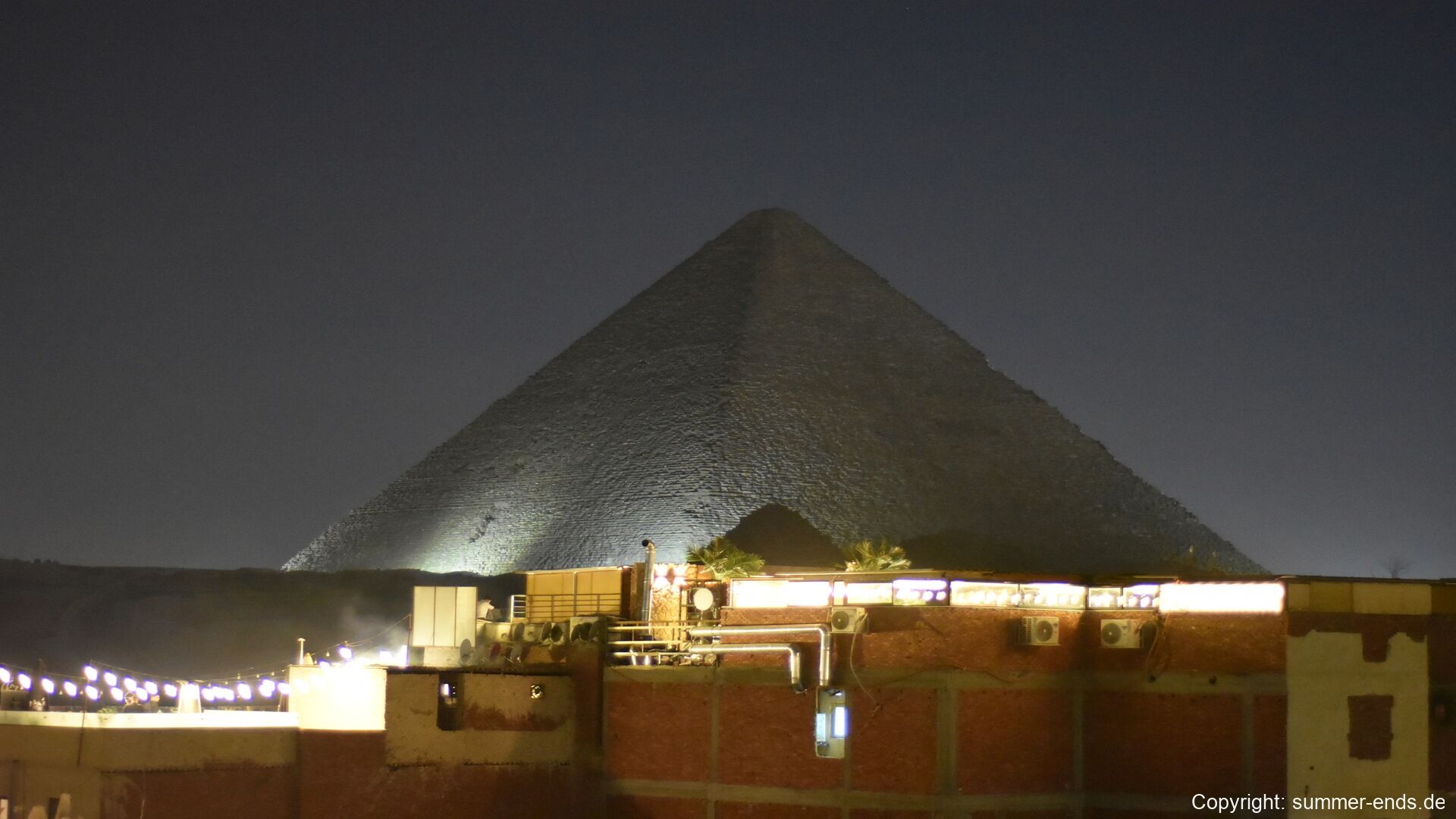
The city presents a striking juxtaposition of ancient heritage and modern complexity. It is renowned for its proximity to the Giza Plateau—home of the last remaining wonder of the ancient world—and its vibrant Islamic architecture, colonial-era boulevards, and densely packed informal neighborhoods. From its ancient roots to its role in contemporary geopolitics, Cairo continues to evolve while bearing the layered imprint of millennia.
History
Although Cairo as a city was formally established in 969 CE by the Fatimid Caliphate, the area it occupies has been at the heart of Egyptian civilization for thousands of years. Just to the south lies the ancient city of Memphis, founded around 3100 BCE and once the capital of unified Egypt under the early dynasties. This region, strategically located near the apex of the Nile Delta, has been continuously inhabited due to its access to fertile land, fresh water, and regional trade routes.
Following ancient Egyptian rule, the area came under the control of successive empires, including the Persians, Greeks, and Romans. After the Arab conquest of Egypt in the 7th century CE, a series of military and administrative capitals were established in the vicinity—Fustat, Al-Askar, and Al-Qata’i—each reflecting the growing importance of Egypt within the Islamic world. The Fatimids established Cairo proper (Al-Qāhira) as their royal city, which later became the capital under the Ayyubids and the Mamluks.
During the Islamic Golden Age, Cairo was a renowned center of religious scholarship, trade, and architecture. The city later fell under Ottoman rule in the 16th century before entering a phase of modernization in the 19th century under Muhammad Ali and his successors. It played a central role in Egypt’s nationalist movements in the 20th century and continues to serve as a cultural and political beacon in the Arab world.
Geology
Cairo is situated at the boundary between the arid Sahara Desert and the fertile Nile Valley, atop a thick sequence of alluvial sediments deposited by the Nile River. These Holocene-age sediments—composed primarily of silt, clay, and fine sand—were deposited through thousands of years of seasonal inundation, which historically made the surrounding floodplain one of the most agriculturally productive regions in the world.
Beneath this fertile layer lies the Mokattam Formation, a prominent Eocene-aged limestone sequence that is visible in the nearby Mokattam Hills. These limestones, formed in a shallow marine environment approximately 34–56 million years ago, contain abundant fossils of marine organisms such as foraminifera, mollusks, and corals. The hills are an important geological feature and have been quarried for building stone since antiquity.
Cairo is located on relatively stable continental crust, far from active plate boundaries. However, it lies within reach of the seismically active zones along the Red Sea and the Gulf of Suez. While large earthquakes are rare, minor to moderate seismic activity can occur due to fault systems associated with the East African Rift.
Modern urban expansion in Cairo presents new geotechnical challenges. Rising groundwater levels, land subsidence, and chemical weathering—exacerbated by pollution—pose risks to infrastructure and heritage sites. Urban geology and conservation science are increasingly critical in managing the interface between Cairo’s natural foundations and its built environment.
Things to See
Cairo offers a vast array of archaeological, architectural, and cultural landmarks, making it a world-class destination for heritage tourism and academic exploration.
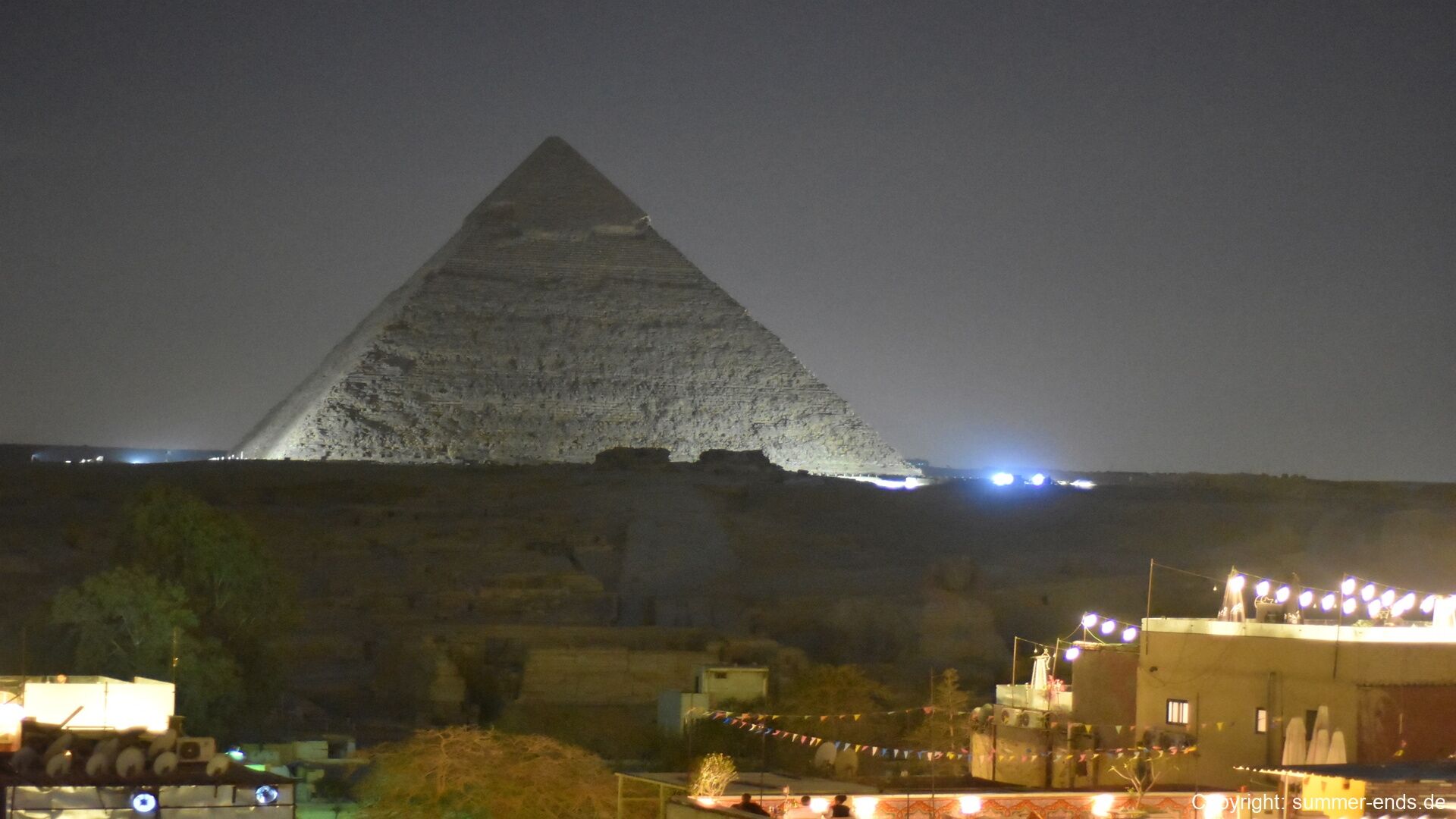
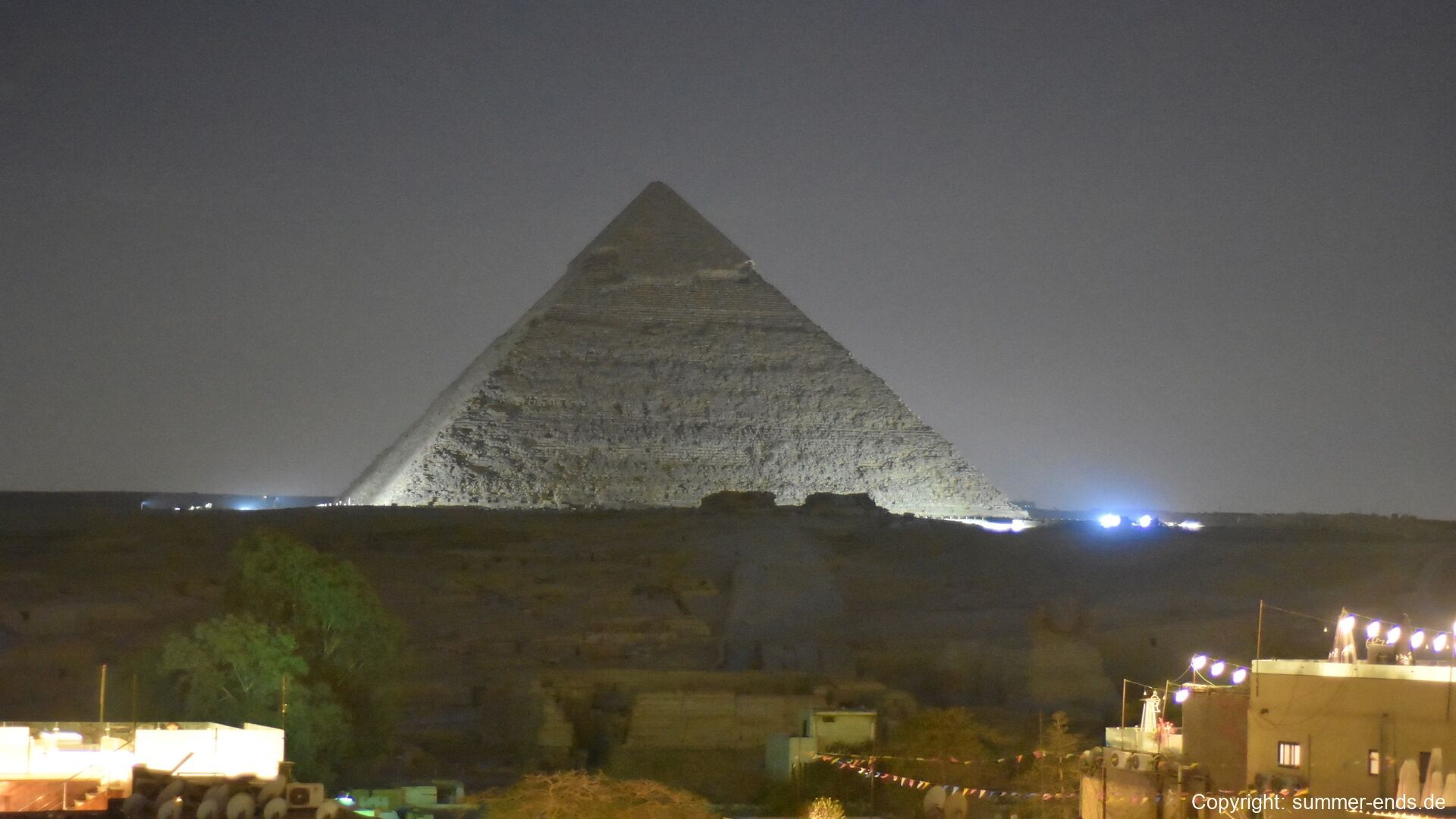
The Giza Plateau, located on the city’s western edge, features the Great Pyramid of Khufu, the pyramids of Khafre and Menkaure, and the enigmatic Great Sphinx. These monuments, constructed during Egypt’s Old Kingdom (ca. 2600–2500 BCE), remain the most iconic symbols of ancient Egyptian civilization.
The Egyptian Museum in Tahrir Square holds the world’s most extensive collection of ancient Egyptian artifacts, including the treasures of Tutankhamun, royal mummies, funerary art, and everyday objects spanning over three millennia of history.
Islamic Cairo, a UNESCO World Heritage Site, is home to centuries of Islamic architecture, including the monumental Mosque-Madrassa of Sultan Hassan, the Al-Rifa’i Mosque, and the Citadel of Saladin. The Al-Azhar Mosque and University, founded in the 10th century, remain central to Islamic education and theology today.
Coptic Cairo offers insight into Egypt’s Christian heritage, with landmarks such as the Hanging Church (Saint Virgin Mary’s Coptic Orthodox Church), the Coptic Museum, and the Church of Saints Sergius and Bacchus—believed to be a refuge for the Holy Family.
The Mokattam Hills provide not only a window into Cairo’s geological past but also unique cultural sites like the Cave Church of Saint Simon, carved into the limestone rock and serving the local Zabbaleen community.
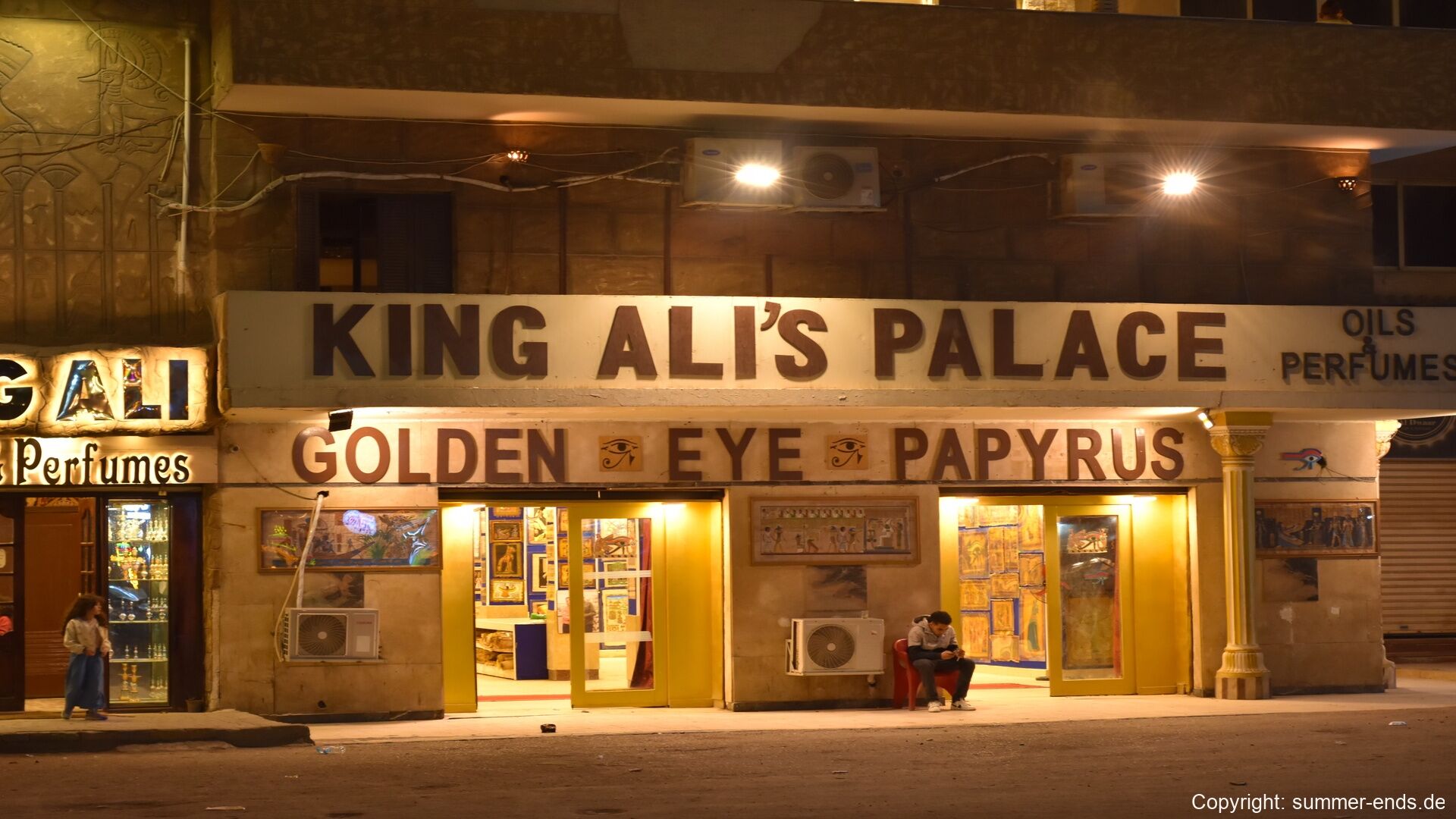
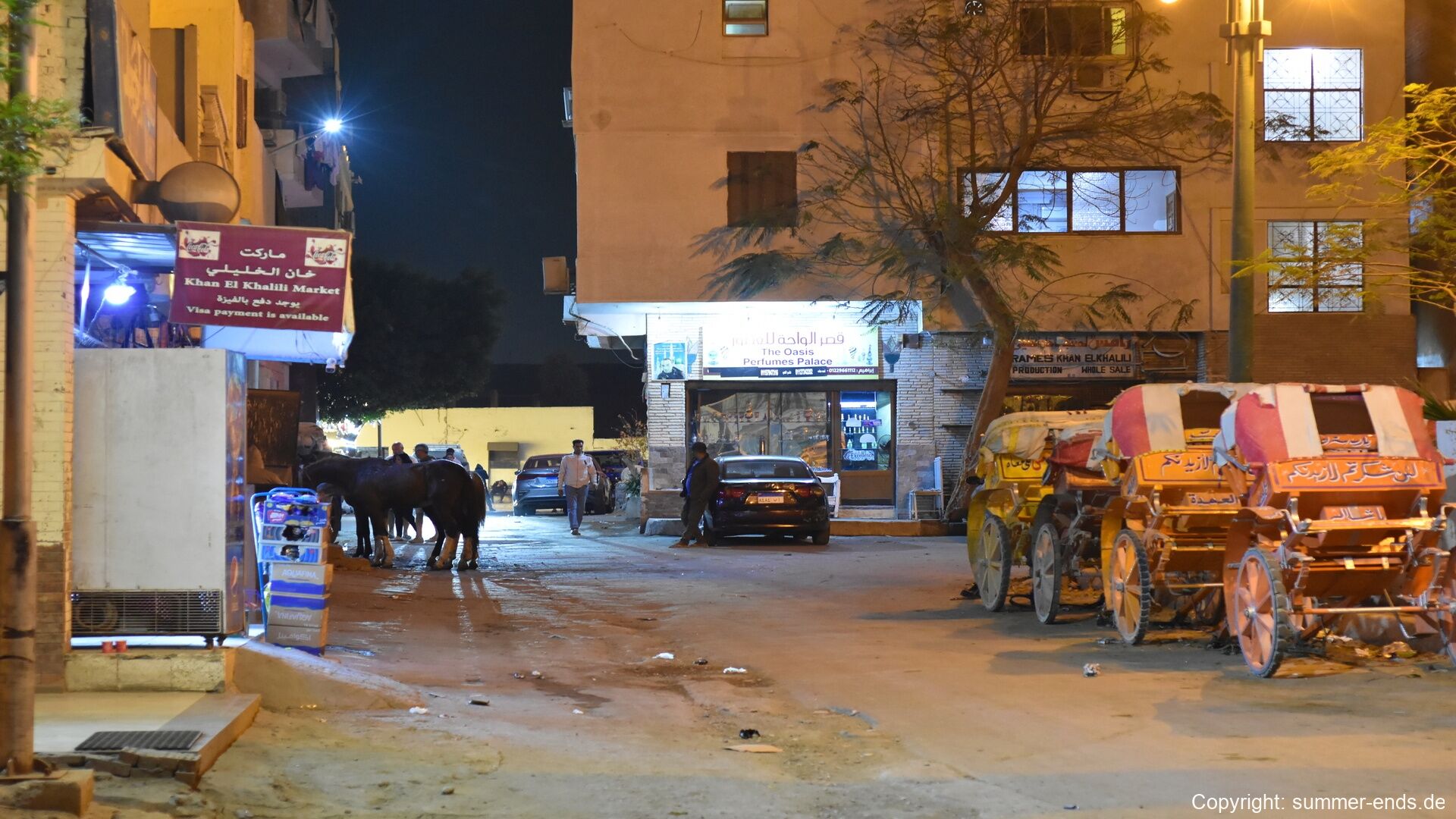
Khan El-Khalili Bazaar, dating back to the 14th century, remains a bustling marketplace of spices, textiles, antiques, and handcrafts, reflecting Cairo’s longstanding tradition as a center of commerce and artisanry.