
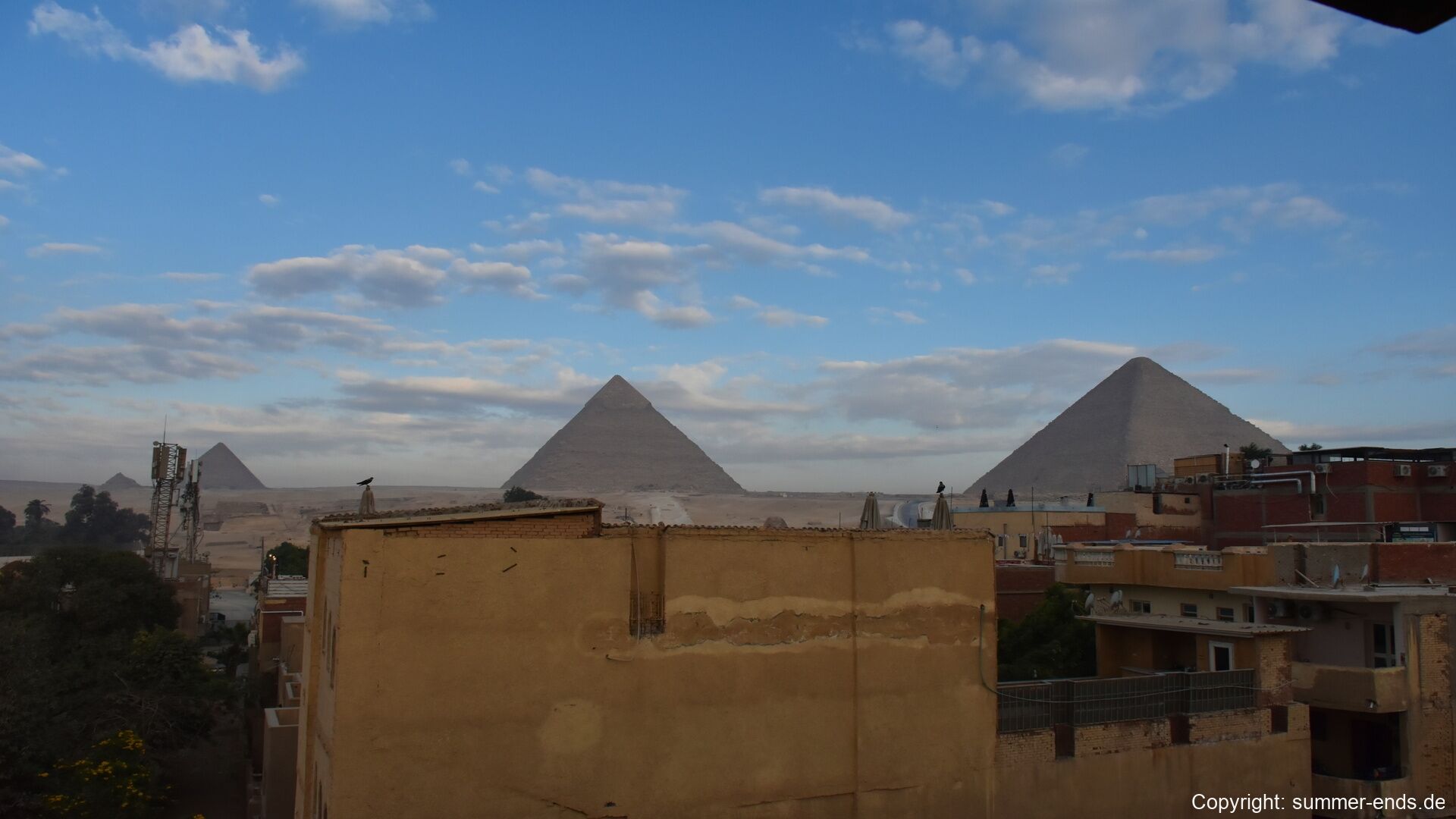







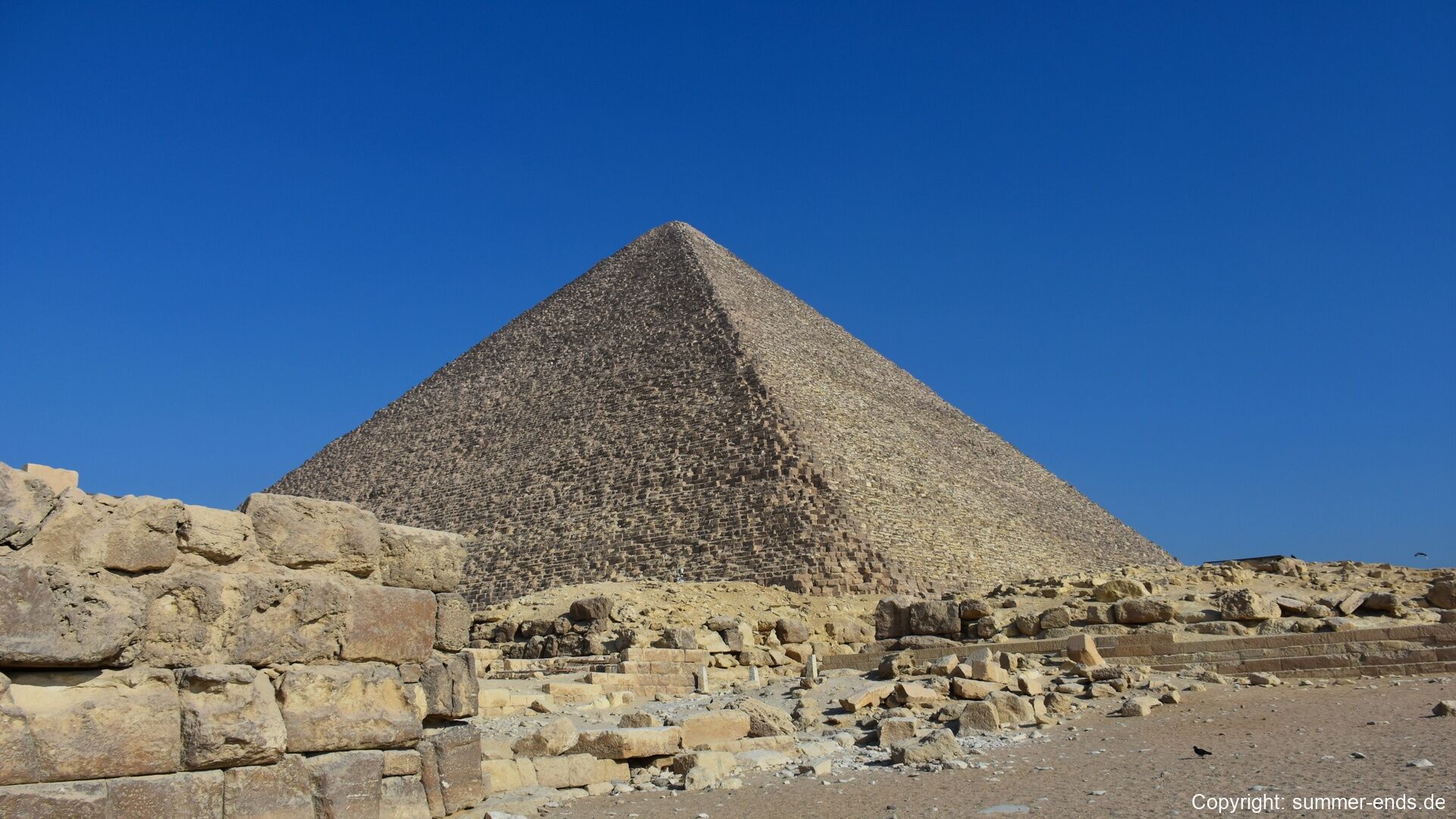

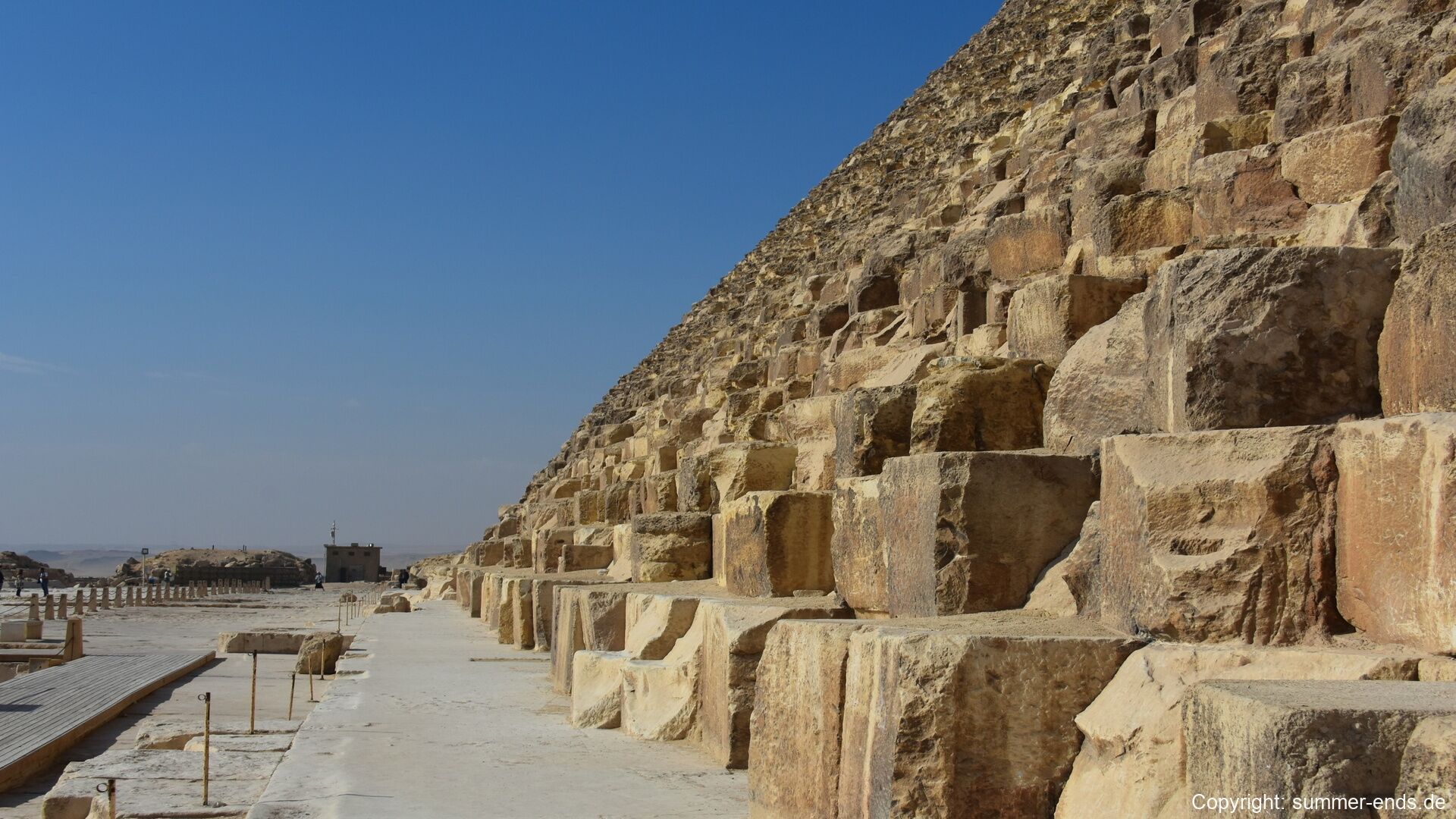
The Pyramids of Giza are among the most iconic and enduring architectural achievements in human history. Located on the western edge of the Nile Valley near modern-day Cairo, these colossal monuments stand on the Giza Plateau, a limestone promontory overlooking the fertile floodplain of the Nile. Built during the Fourth Dynasty of Egypt’s Old Kingdom, around 2600 to 2500 BCE, the pyramids served as royal tombs and are a testament to the engineering prowess, religious beliefs, and centralized power of ancient Egyptian civilization.
Today, the Giza pyramid complex is a UNESCO World Heritage Site and remains the most visited archaeological site in Egypt. It includes not only the three major pyramids—those of Khufu (Cheops), Khafre (Chephren), and Menkaure—but also subsidiary pyramids, mortuary temples, causeways, and the enigmatic Great Sphinx of Giza. The site continues to captivate archaeologists, historians, geologists, and travelers from around the globe.
History
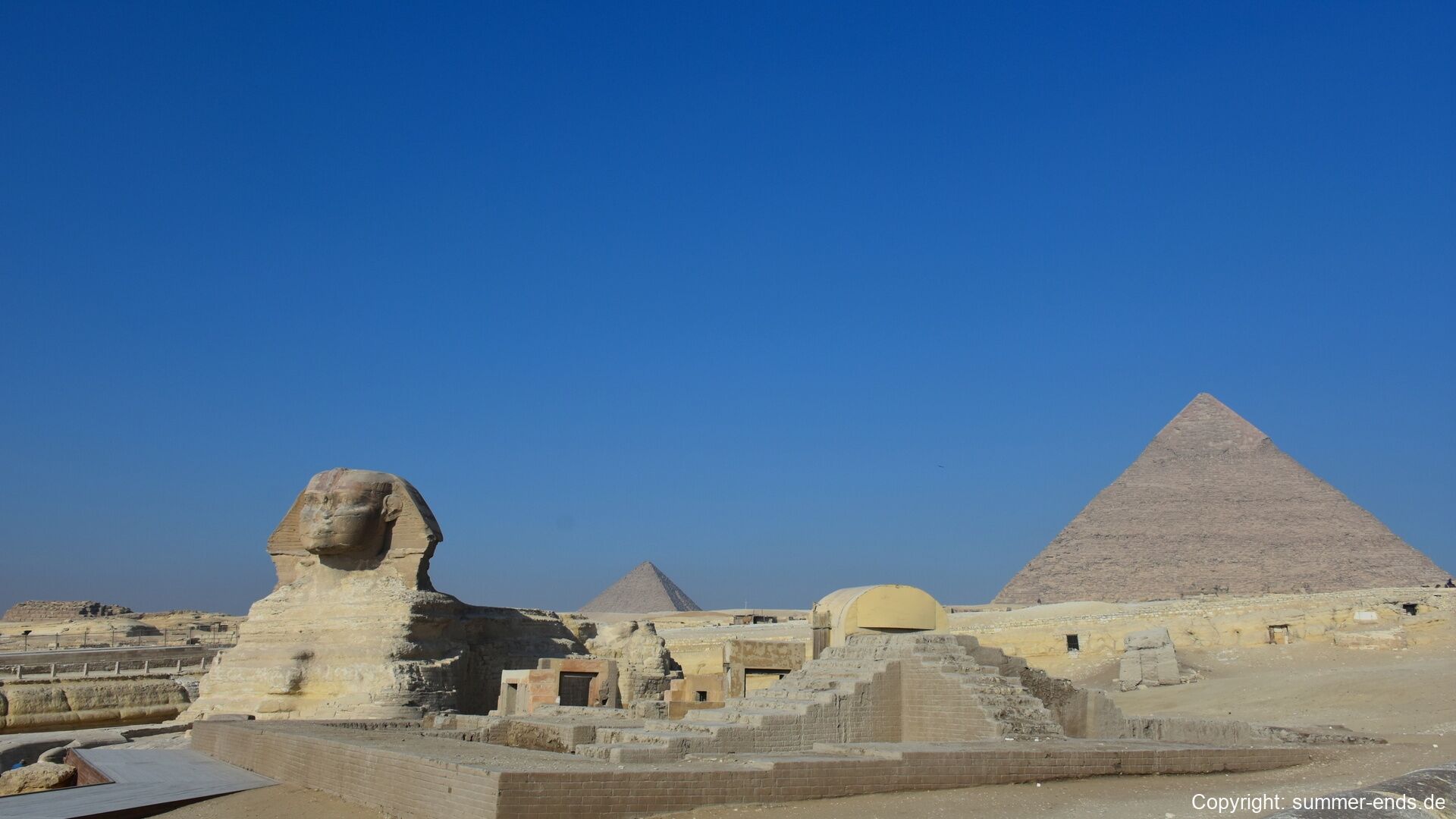
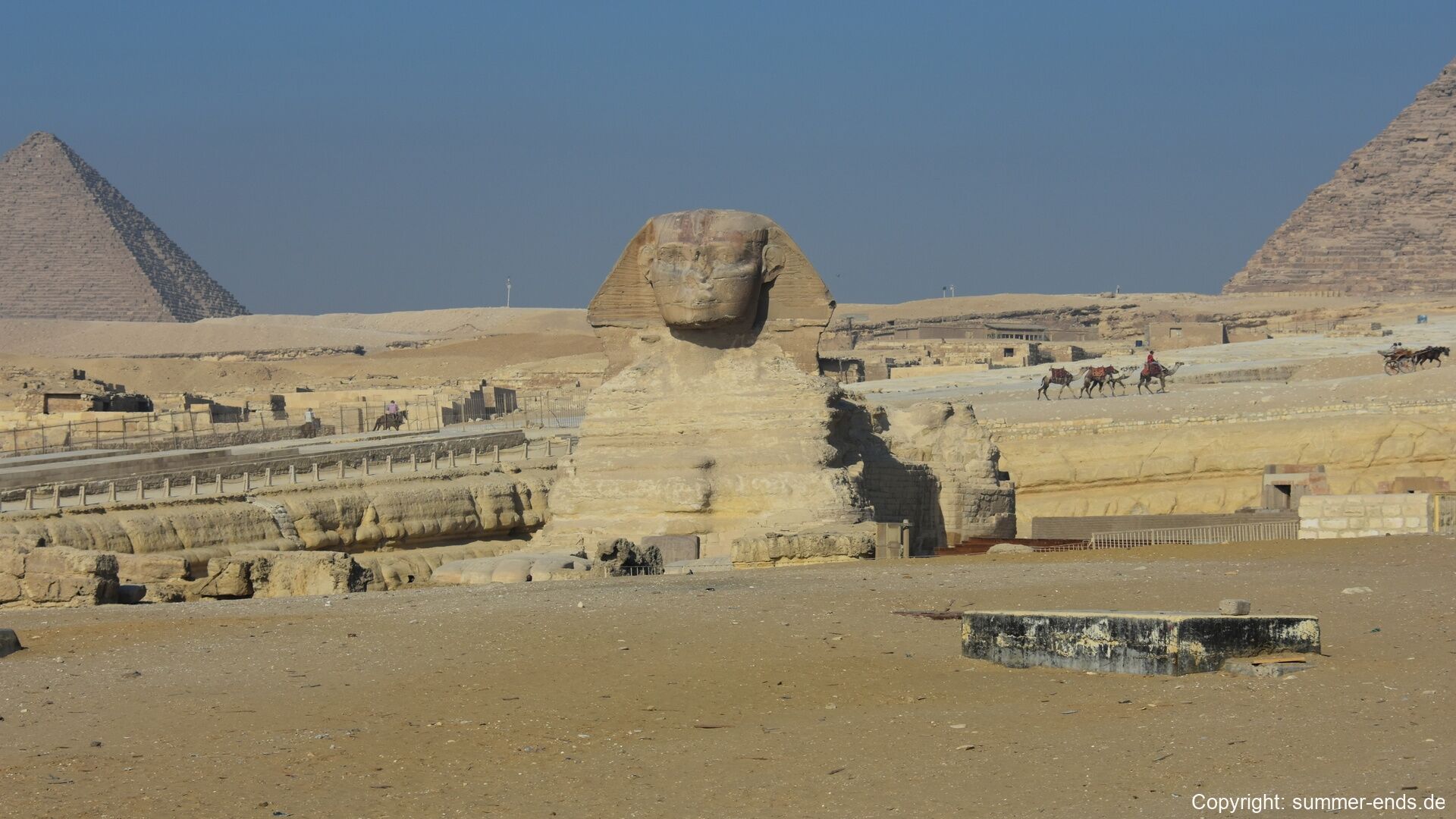
The construction of the Pyramids of Giza began during the reign of Pharaoh Khufu (circa 2589–2566 BCE), who commissioned the largest and most famous of the three—the Great Pyramid of Giza. Originally standing at approximately 146.6 meters (481 feet), it was the tallest human-made structure in the world for over 3,800 years. Khufu’s pyramid was followed by that of his son, Khafre, whose complex includes the well-preserved pyramid, a mortuary temple, and the Sphinx of Giza—believed to represent the pharaoh as a guardian of the necropolis. The third and smallest of the pyramids was built by Menkaure, Khafre’s successor.
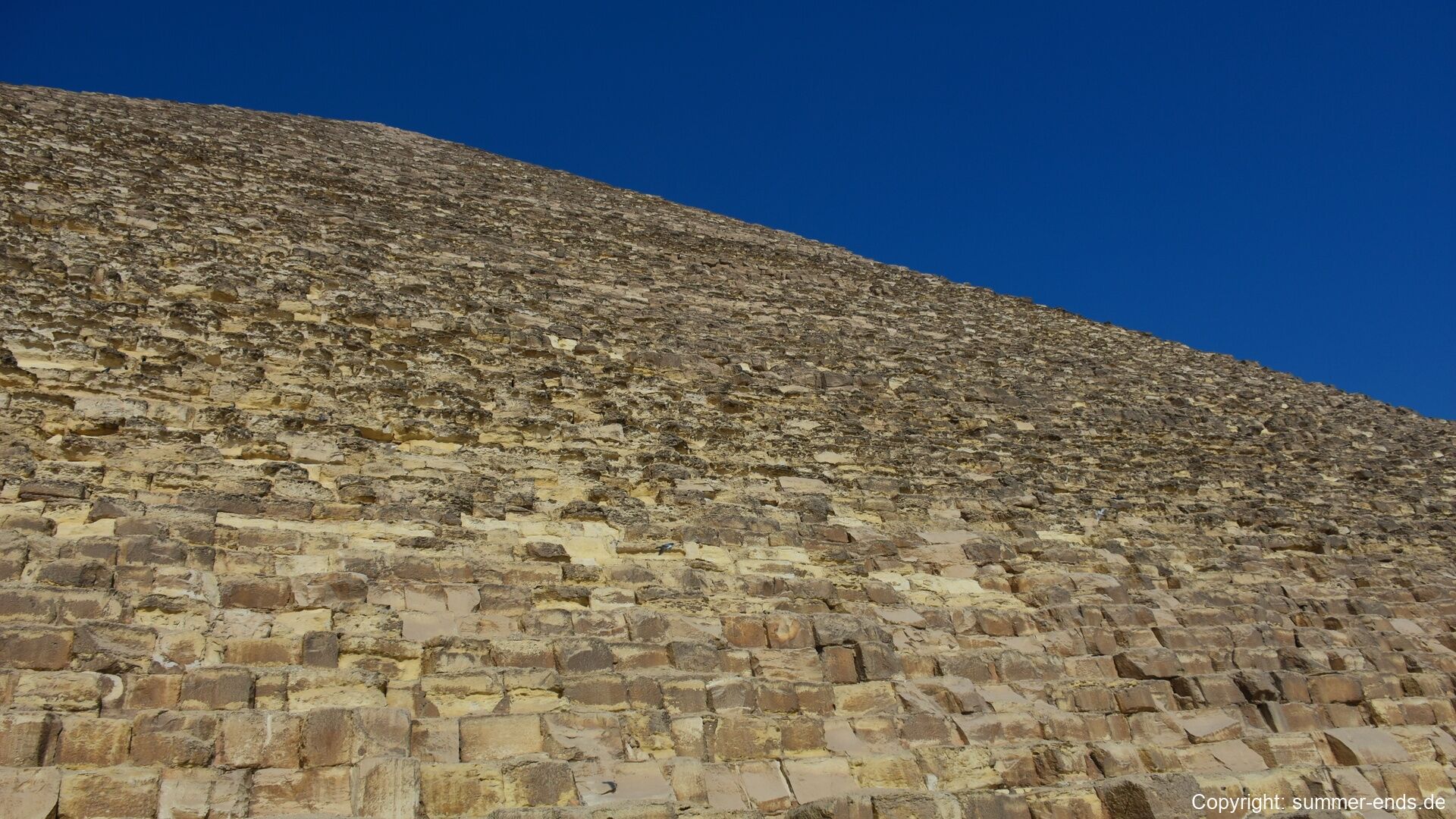
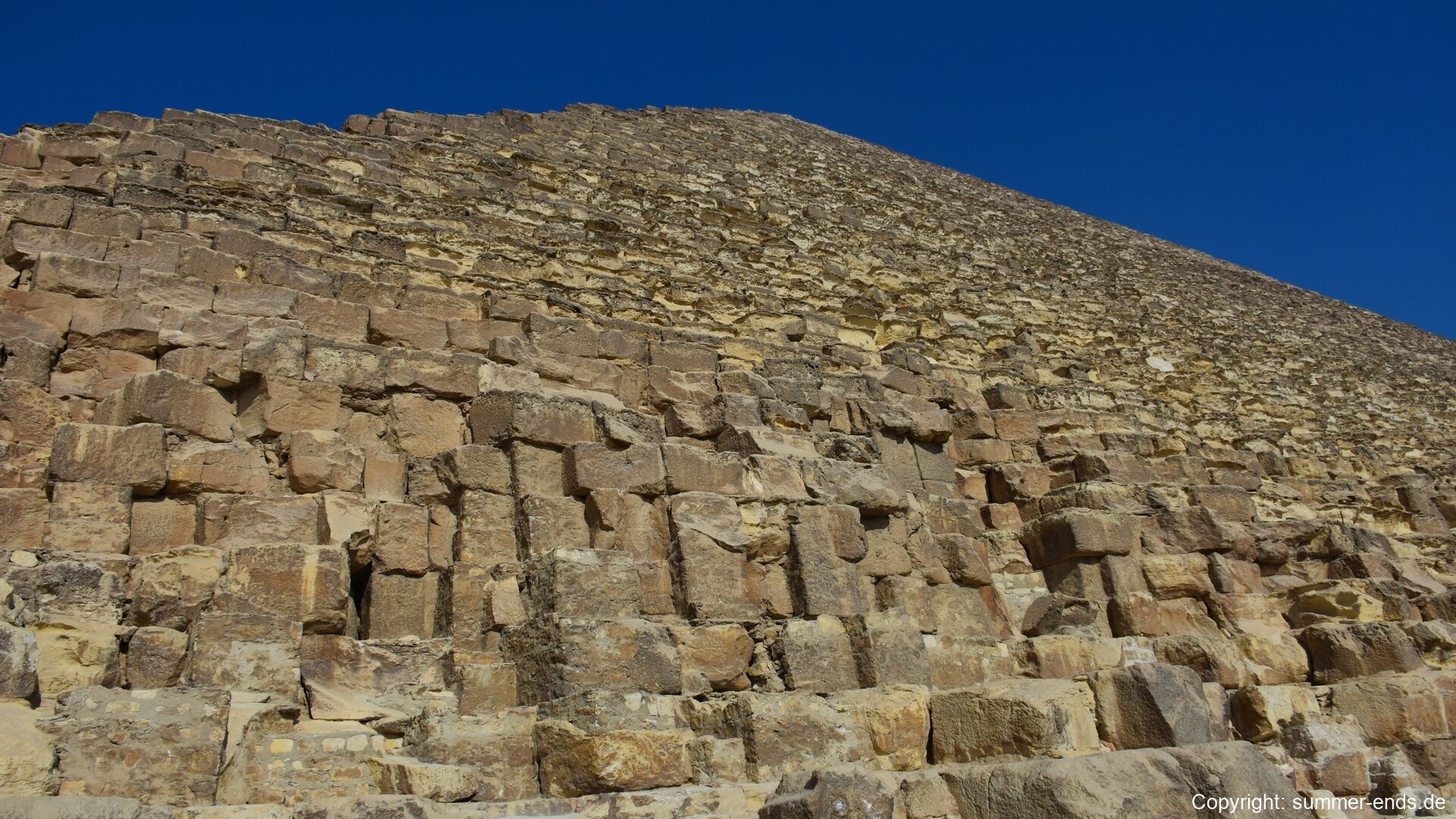
These pyramids marked the apex of pyramid-building in ancient Egypt, reflecting a peak in state power and resource organization. Enormous labor forces—likely composed of skilled workers, not enslaved people as once believed—quarried, transported, and assembled millions of limestone and granite blocks with remarkable precision.
The pyramids were part of a larger complex that reflected the Egyptian belief in the afterlife and the divine status of the pharaoh. Each complex was aligned to celestial bodies and cardinal directions, suggesting a sophisticated understanding of astronomy and cosmology. Over millennia, the pyramids became symbols of ancient Egyptian identity and later subjects of fascination during the Hellenistic, Roman, and Islamic periods.
Geology
The Giza Plateau lies on a bed of Eocene limestone, part of the Mokattam Formation, which dates back around 34–56 million years. This geological foundation was critical to the construction of the pyramids, providing a stable base and a local source of building material. The plateau consists of two primary limestone members: a harder upper layer and a softer, fossil-rich lower layer. Ancient builders expertly selected and quarried the more durable strata for pyramid construction, while the softer limestone was often used in casing stones or left in place for structural foundations.
Granite used in the inner chambers of the pyramids—such as the King’s Chamber of Khufu’s pyramid—was imported from Aswan, over 900 kilometers to the south, indicating the advanced logistics and engineering knowledge of the ancient Egyptians. Basalt paving stones, found in the temples and causeways, came from quarries in the Fayoum region and other parts of Egypt.
The site’s geological stability has helped preserve the structures for over 4,500 years, though modern environmental stressors such as air pollution, seismic microactivity, and groundwater infiltration pose conservation challenges today. Geologists and preservationists work continuously to monitor the site and mitigate the effects of urban encroachment from greater Cairo.
Things to See
The Pyramids of Giza offer one of the most immersive archaeological experiences in the world. Key highlights for visitors, researchers, and enthusiasts include:
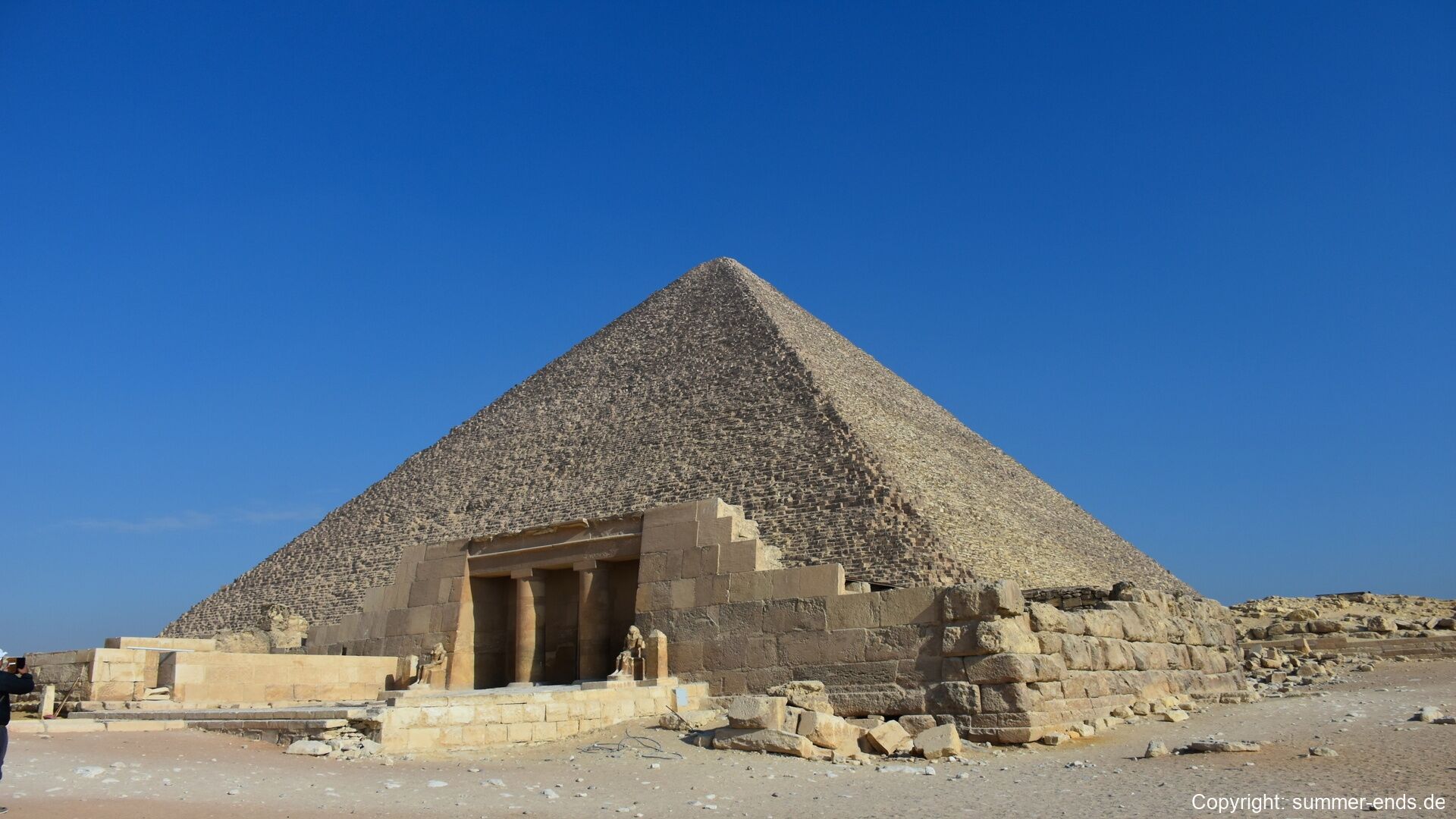
- The Great Pyramid of Khufu: The largest of the three pyramids, with internal passageways including the Grand Gallery, the King’s Chamber, and the subterranean chamber. Its precise orientation and construction remain topics of intense scientific study.
- The Pyramid of Khafre: Slightly smaller than Khufu’s but appears taller due to its elevated foundation. Its mortuary temple and valley temple are well-preserved and linked by a ceremonial causeway.
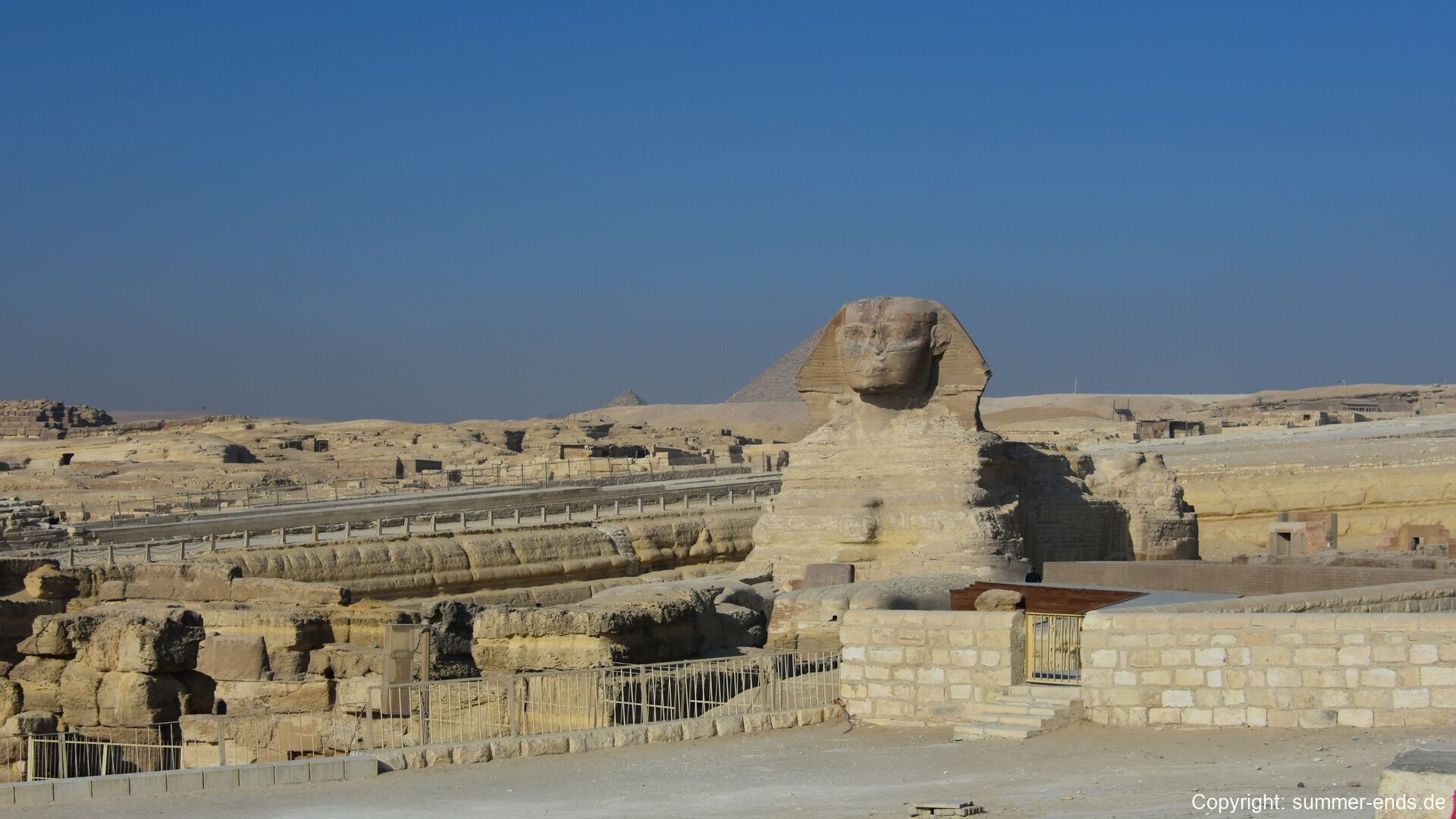
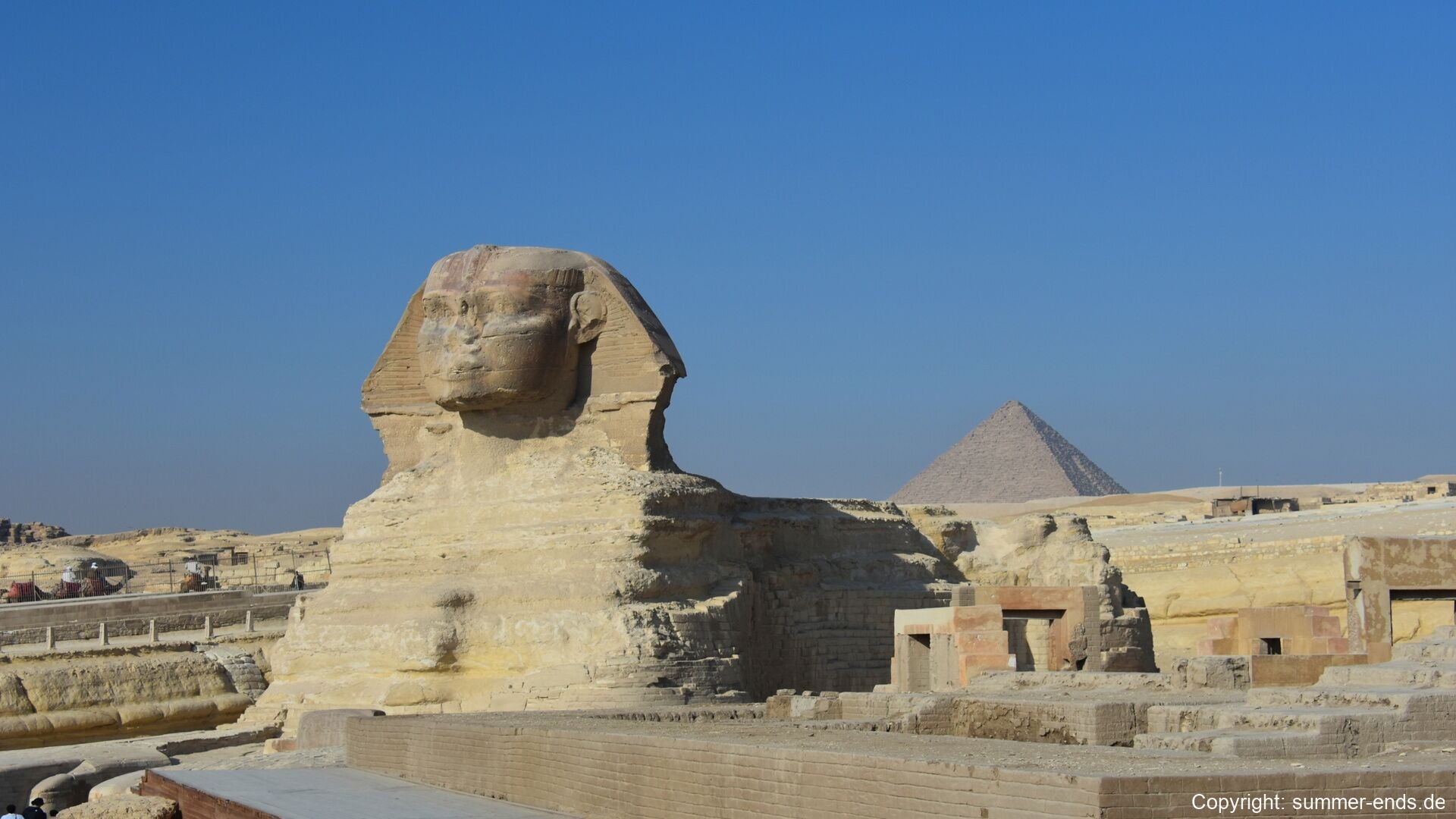
- The Sphinx of Giza: Carved from a single limestone ridge, the Sphinx is approximately 73 meters (240 feet) long and 20 meters (66 feet) high. Its purpose and identity are still debated, though most scholars associate it with Khafre.
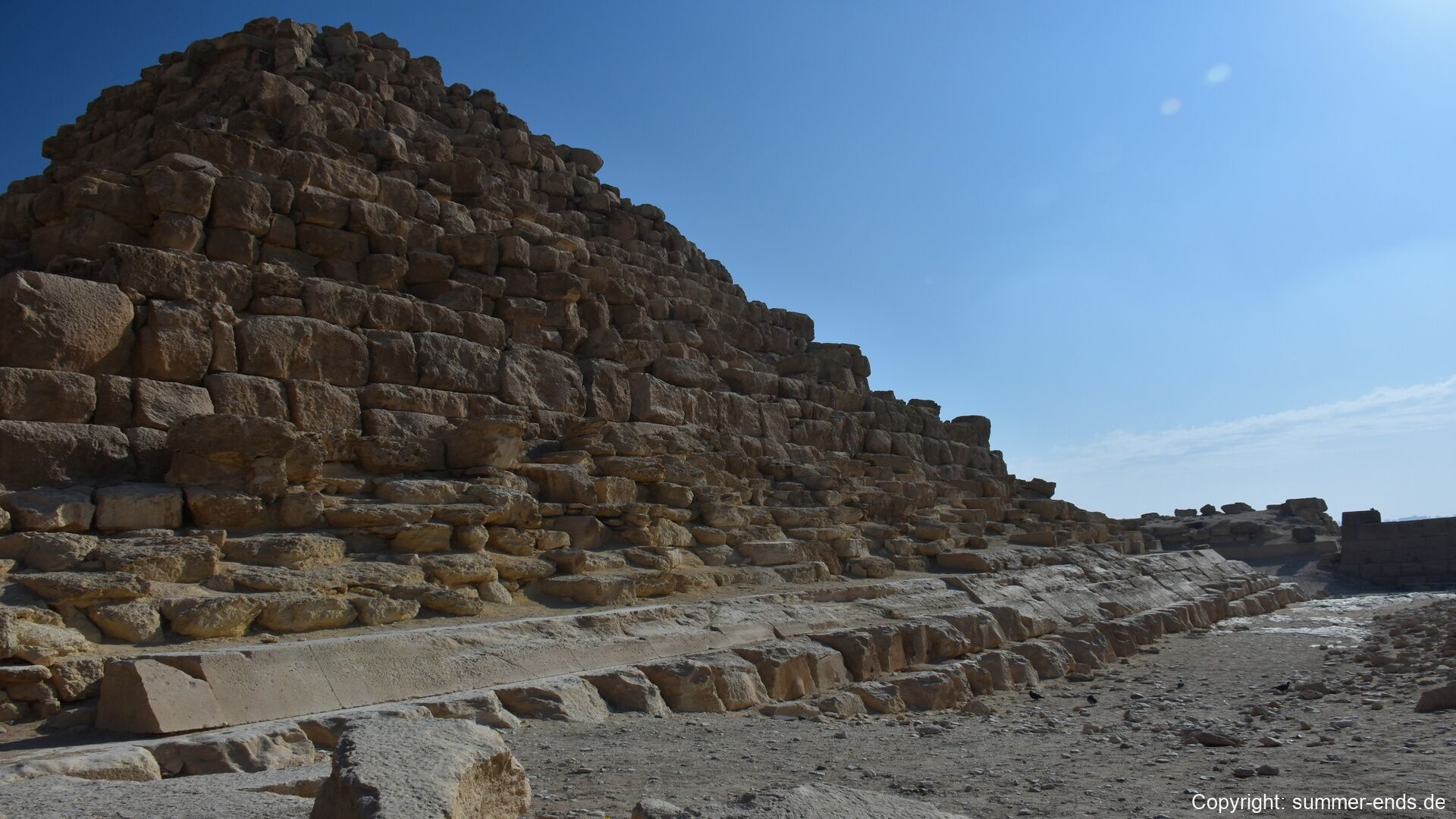
- The Pyramid of Menkaure: The smallest of the main pyramids, notable for its distinctive granite casing at the base. Nearby are three smaller Queen’s Pyramids, likely built for royal consorts or daughters.
- Solar Boat Museum (relocated in 2021): The ancient cedarwood boat buried next to the Great Pyramid has been moved to the Grand Egyptian Museum, but its discovery remains a landmark moment in Egyptian archaeology.
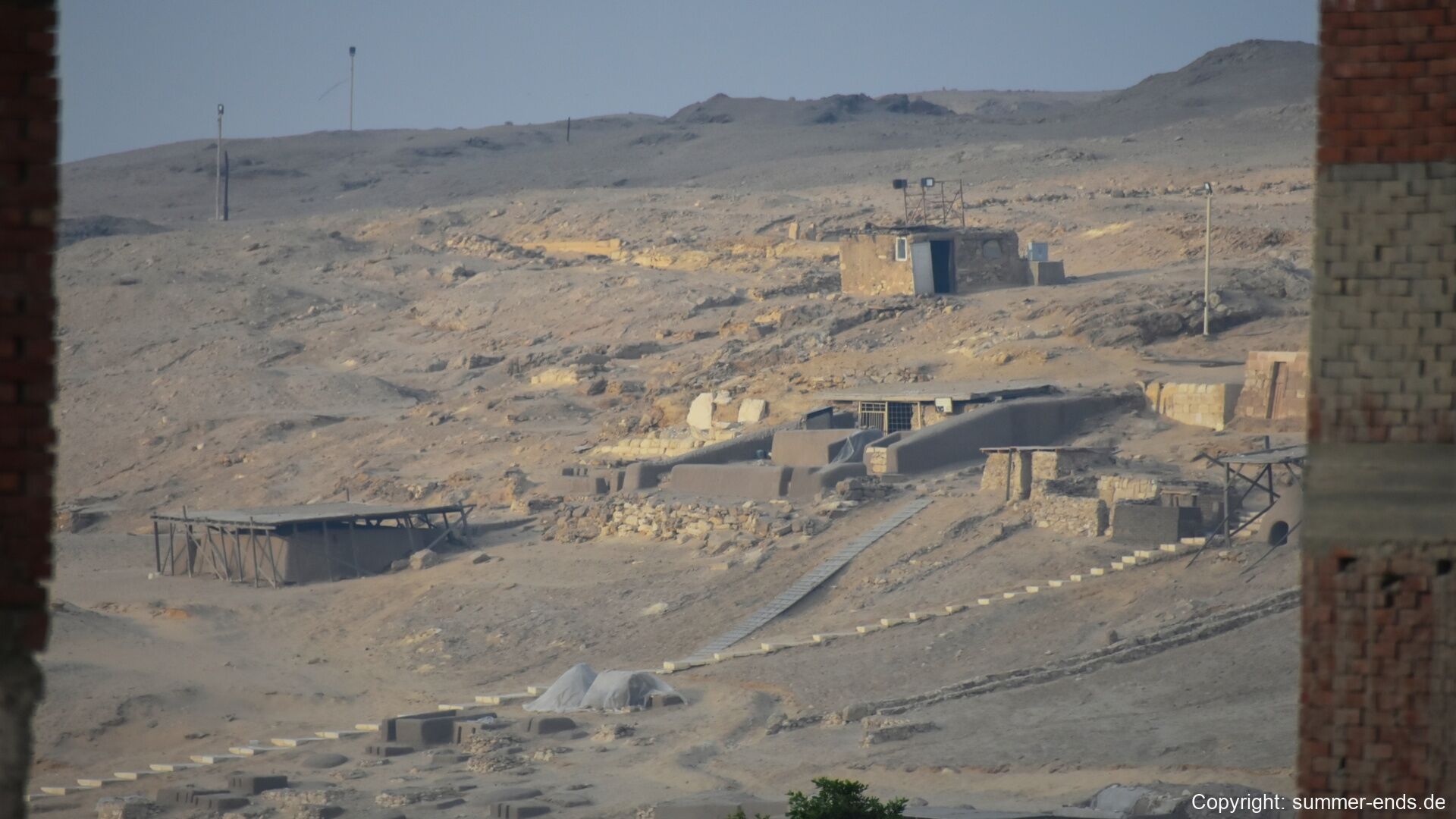
- Tombs of Nobles and Workers: Dozens of mastabas and rock-cut tombs surround the pyramids, offering detailed reliefs and inscriptions about daily life, religious practices, and the workforce that built the pyramids.
- Panoramic Viewing Points: Several designated areas on the plateau provide sweeping views of all three pyramids—especially stunning at sunrise and sunset.
Visiting the Giza Pyramids is more than a tour—it’s a journey into deep time, where geology, engineering, cosmology, and religious belief converge in one of the world’s most extraordinary cultural landscapes.