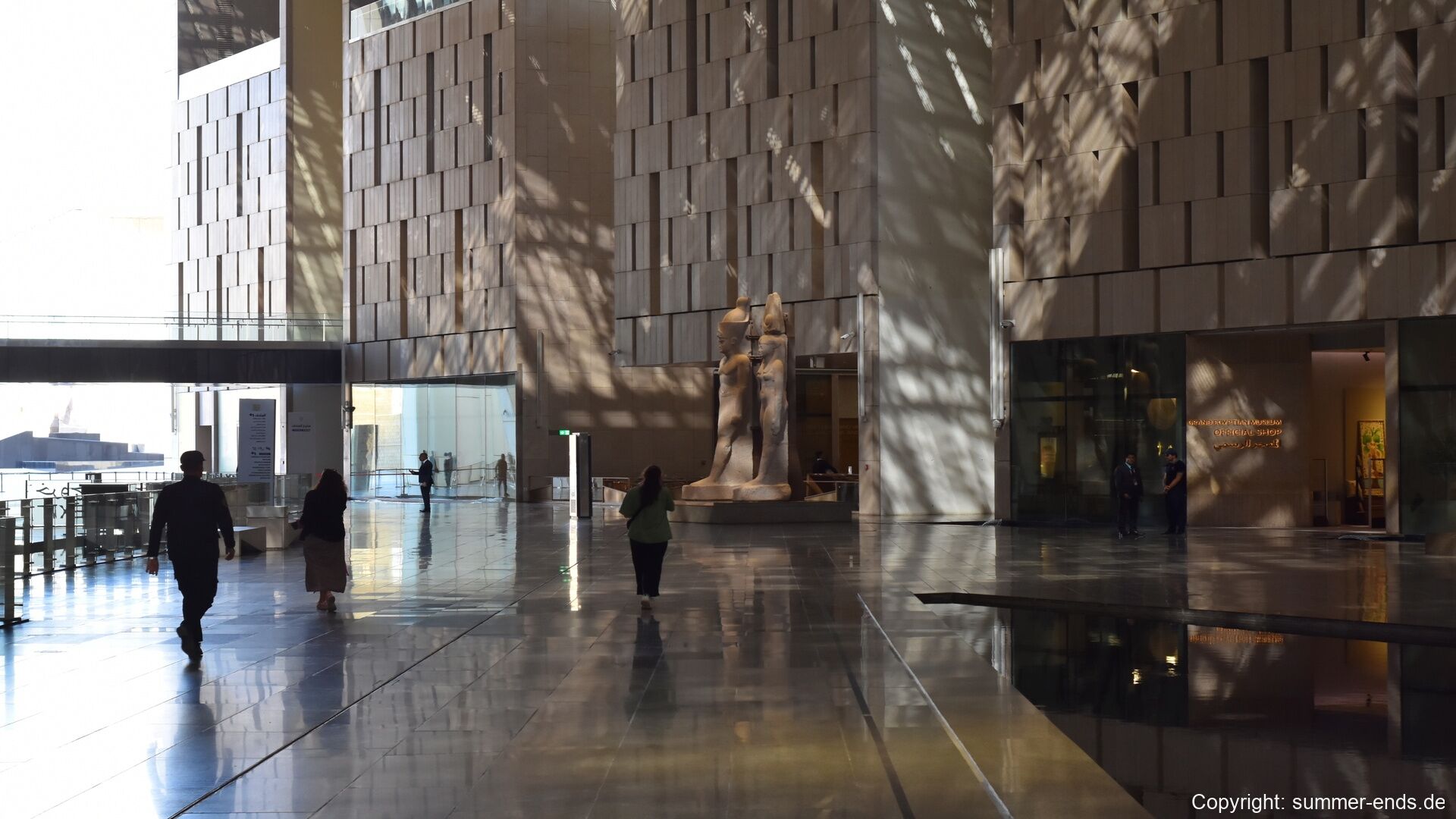




The Grand Egyptian Museum (GEM) is the largest archaeological museum ever constructed and is set to become Egypt’s premier cultural and scientific institution. Situated just two kilometers from the Pyramids of Giza on the edge of the Giza Plateau, the museum provides a state-of-the-art home for Egypt’s unparalleled collection of ancient artifacts. Designed to offer both an immersive visitor experience and world-class conservation facilities, the GEM bridges the past and the future, blending monumental ancient heritage with contemporary architectural innovation.
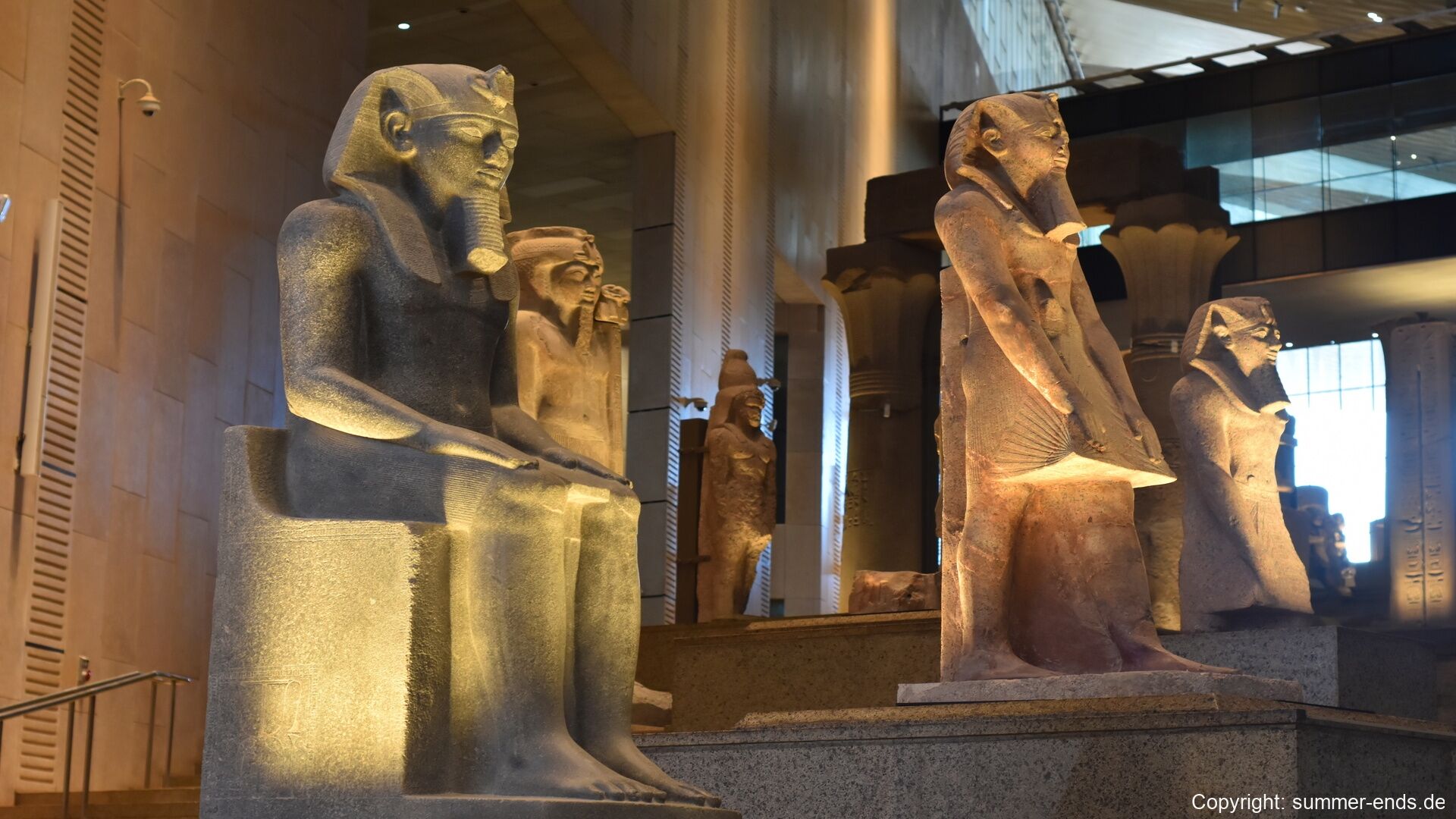
Once fully open, the Grand Egyptian Museum will house over 100,000 artifacts spanning prehistoric times to the Greco-Roman period, including the complete funerary collection of Tutankhamun, many items of which have never been publicly displayed before. Its strategic location, scientific design, and educational vision position the museum as a global center for Egyptology, conservation, and cultural tourism.
History
The concept for the new Egyptian museum originated in the early 2000s in response to growing concerns over space limitations and preservation conditions at the original Egyptian Museum in Tahrir Square, Cairo. A global design competition launched in 2002 attracted over 1,500 submissions from 83 countries. The winning design, by Irish architecture firm Heneghan Peng, envisioned a monumental triangular structure that integrates harmoniously with the surrounding desert and visually aligns with the Pyramids of Giza.
Construction began in 2005, and despite delays due to political and economic challenges, the museum project remained a national priority. The facility includes research labs, conservation centers, digital archives, lecture halls, and visitor infrastructure on a scale unprecedented in the region. The Grand Egyptian Museum represents a strategic investment in cultural heritage, positioning Egypt not only as a guardian of the past but as a global leader in museum science and cultural diplomacy.
Geology
The Grand Egyptian Museum is built on the limestone bedrock of the Giza Plateau, part of the same Eocene formation that underlies the Pyramids of Giza. This stable geological foundation provided ancient builders with reliable construction conditions and continues to serve modern engineering efforts. The underlying limestone is part of the Mokattam Formation, composed of fossiliferous marine sediments deposited in a shallow sea environment approximately 40 to 50 million years ago.
In planning the museum, geotechnical assessments were essential to ensure long-term structural stability, particularly given the scale of the building and the sensitivity of its contents. Engineers also accounted for local seismic risks and the risk of groundwater fluctuations, incorporating advanced foundation techniques and drainage systems. In this way, the museum’s design respects not only its cultural context but its geophysical environment.
Things to See
The Grand Egyptian Museum offers a comprehensive exploration of Egypt’s ancient history through thematic galleries, digital installations, and carefully curated exhibitions. Among the most anticipated highlights is the complete display of the Tutankhamun collection. Over 5,000 objects from the young pharaoh’s tomb will be exhibited together for the first time, including his golden mask, chariots, beds, sandals, jewelry, and personal items.
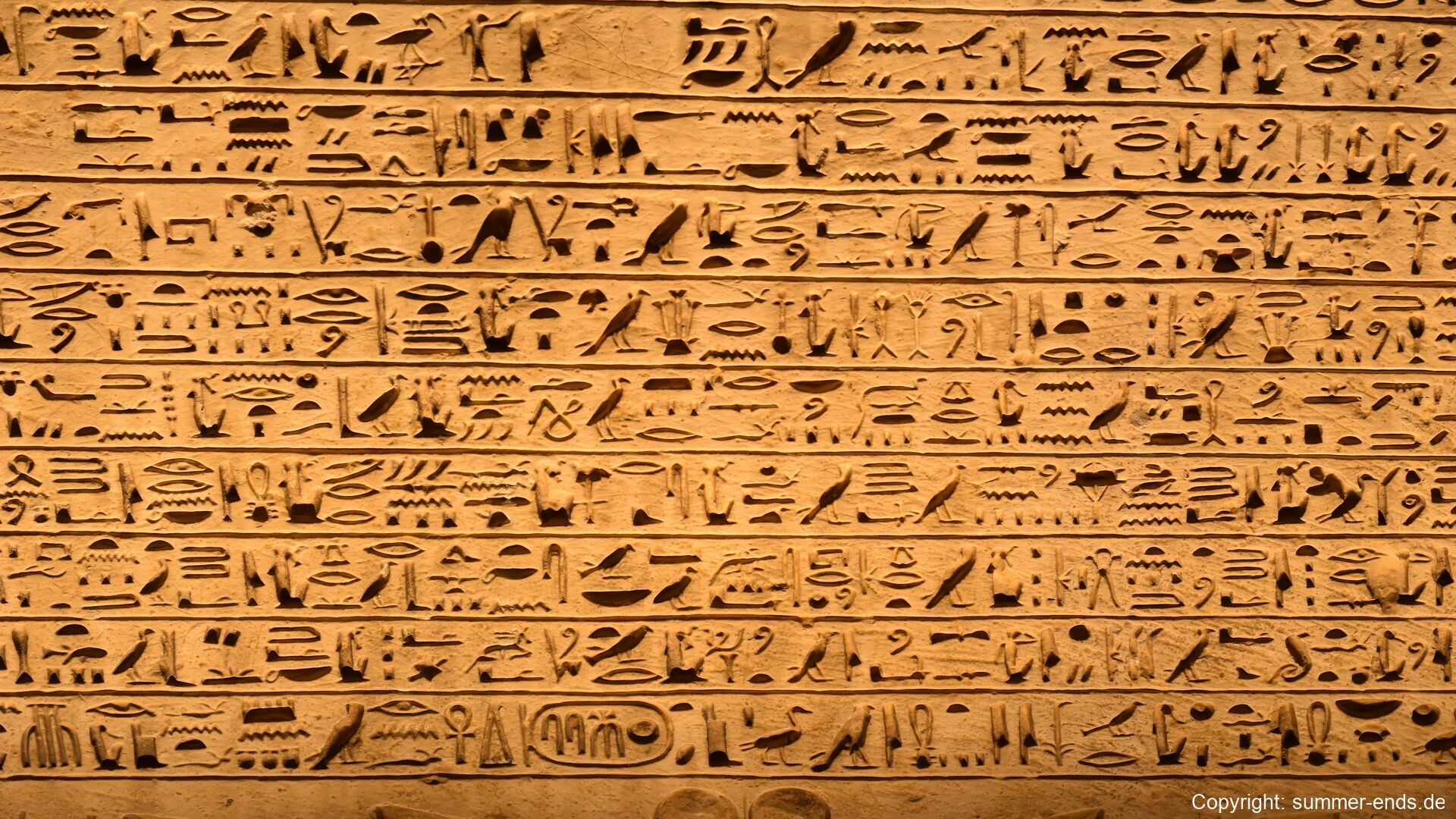
Another major feature is the museum’s grand atrium, which houses a colossal 11-meter-tall statue of Ramses II. The space is designed to evoke a sense of timeless grandeur while offering panoramic views of the pyramids through massive glass facades. Additional galleries explore topics such as daily life in ancient Egypt, writing systems, royal dynasties, funerary beliefs, and artistic traditions, all contextualized with multimedia displays and archaeological data.
The GEM also includes immersive visitor experiences such as interactive virtual reality tours of tombs and temples, educational zones for children and students, and rotating special exhibitions that incorporate international collaborations. Conservation laboratories within the museum are visible through glass partitions, allowing visitors to witness ongoing scientific work in real time.
Visitors can also enjoy landscaped gardens, a sculpture promenade, a cinema, dining areas, and a large conference center. Positioned as both a research facility and a public space, the museum aims to attract scholars, educators, tourists, and local communities alike.