

Dahshur is an ancient Egyptian royal necropolis located approximately 40 kilometers south of Cairo, on the west bank of the Nile. Less visited than Giza or Saqqara, Dahshur is home to some of the most architecturally significant pyramids in Egypt. It served as a major burial ground during the Old and Middle Kingdoms and provides critical insight into the development of pyramid construction.
The site is best known for its association with Pharaoh Sneferu, the founder of the Fourth Dynasty, who built two of the most important pyramids in Egyptian history here: the Bent Pyramid and the Red Pyramid. These structures represent the transition from step-sided to smooth-sided pyramids and mark key advances in ancient Egyptian engineering and architectural design.
Today, Dahshur is part of the UNESCO World Heritage Site “Memphis and its Necropolis” and continues to be an active site of archaeological research. Its relative seclusion and intact desert landscape also offer a quieter, more atmospheric experience for visitors interested in Egypt’s early monumental architecture.
History
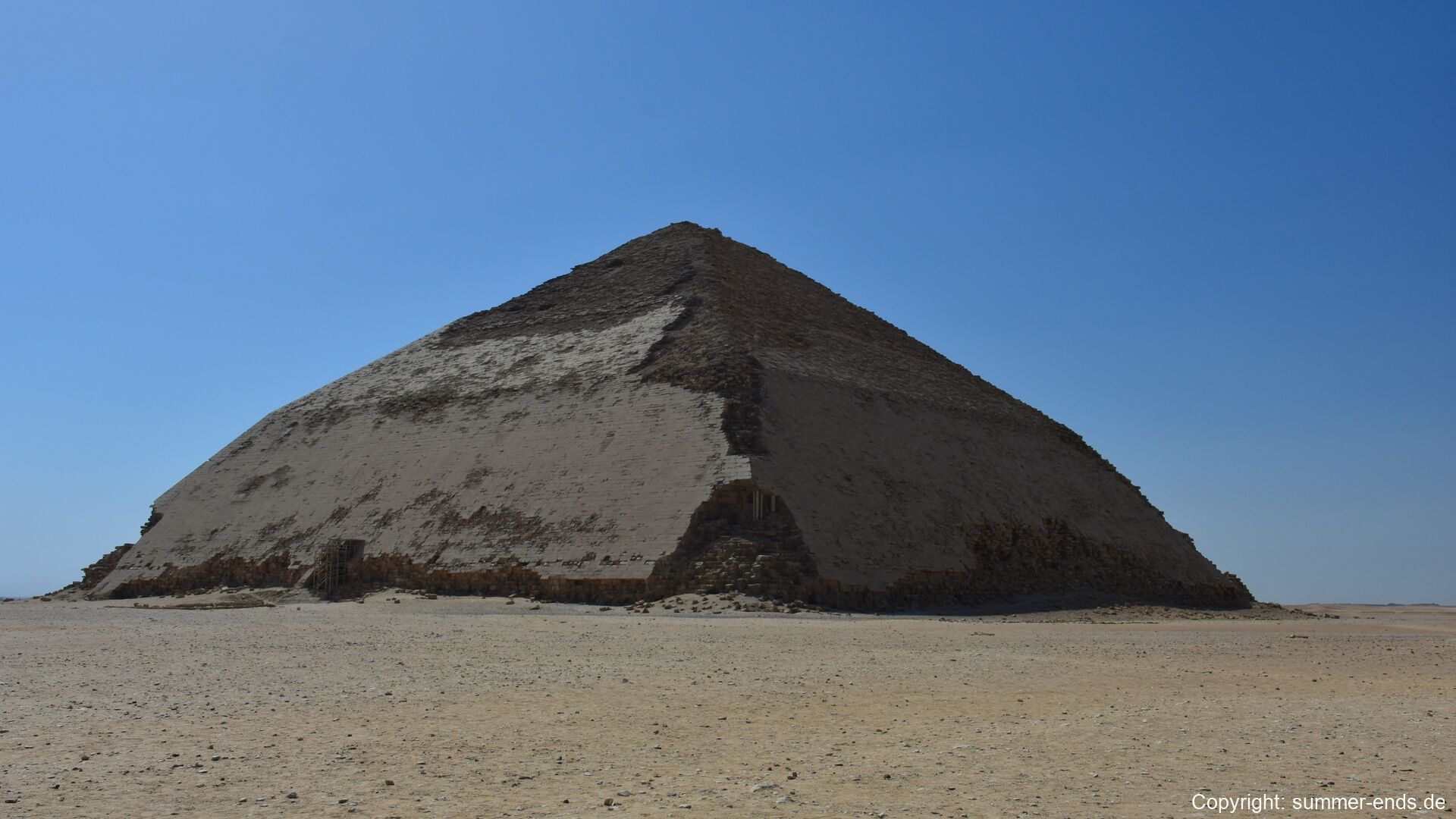
Dahshur rose to prominence during the reign of Pharaoh Sneferu (circa 2613–2589 BCE), the first ruler of Egypt’s Fourth Dynasty. It was here that Sneferu experimented with large-scale pyramid construction. His first attempt at a true smooth-sided pyramid, the Bent Pyramid, was built with an unusual change in angle halfway up the structure—likely due to structural instability concerns. This project was followed by the Red Pyramid, which succeeded in achieving a stable, straight-sided form and became the first fully developed pyramid of its kind.
Sneferu’s ambitious building projects at Dahshur set the stage for the construction of the Great Pyramid at Giza by his son, Khufu. The architectural innovations developed at Dahshur—including techniques for managing weight distribution, internal chambers, and foundation support—were critical to the success of later pyramids.
Dahshur remained a royal necropolis during the Middle Kingdom, particularly under the 12th Dynasty, when pharaohs such as Amenemhat II and Senusret III built pyramids at the site. Although less well preserved, these later structures reflect the continuation of royal burial traditions and the evolution of tomb architecture and decoration.
Geology
Dahshur lies along the western edge of the Nile floodplain, on a stretch of desert that transitions from alluvial deposits to older sedimentary rock formations. The pyramids were built on a foundation of Eocene limestone, part of the Mokattam Group, which provided a stable geological base for massive stone structures. This limestone contains marine fossils and was quarried locally for pyramid cores, while higher-quality Tura limestone was used for casing stones.
The geology of the site played a key role in shaping the engineering solutions used in Sneferu’s pyramids. The Bent Pyramid’s change in slope angle may reflect both architectural caution and geological feedback during construction. The Red Pyramid, with its more gradual slope, shows improved understanding of stress distribution and foundational stability.
Today, the site remains relatively undisturbed by modern development, which has helped preserve both the visible monuments and their underlying geology. However, conservation efforts must account for erosion, temperature fluctuations, and occasional seismic activity related to regional tectonic features near the Eastern Desert.
Things to See
Dahshur offers several remarkable monuments that illustrate the technological and artistic progression of pyramid construction in ancient Egypt.
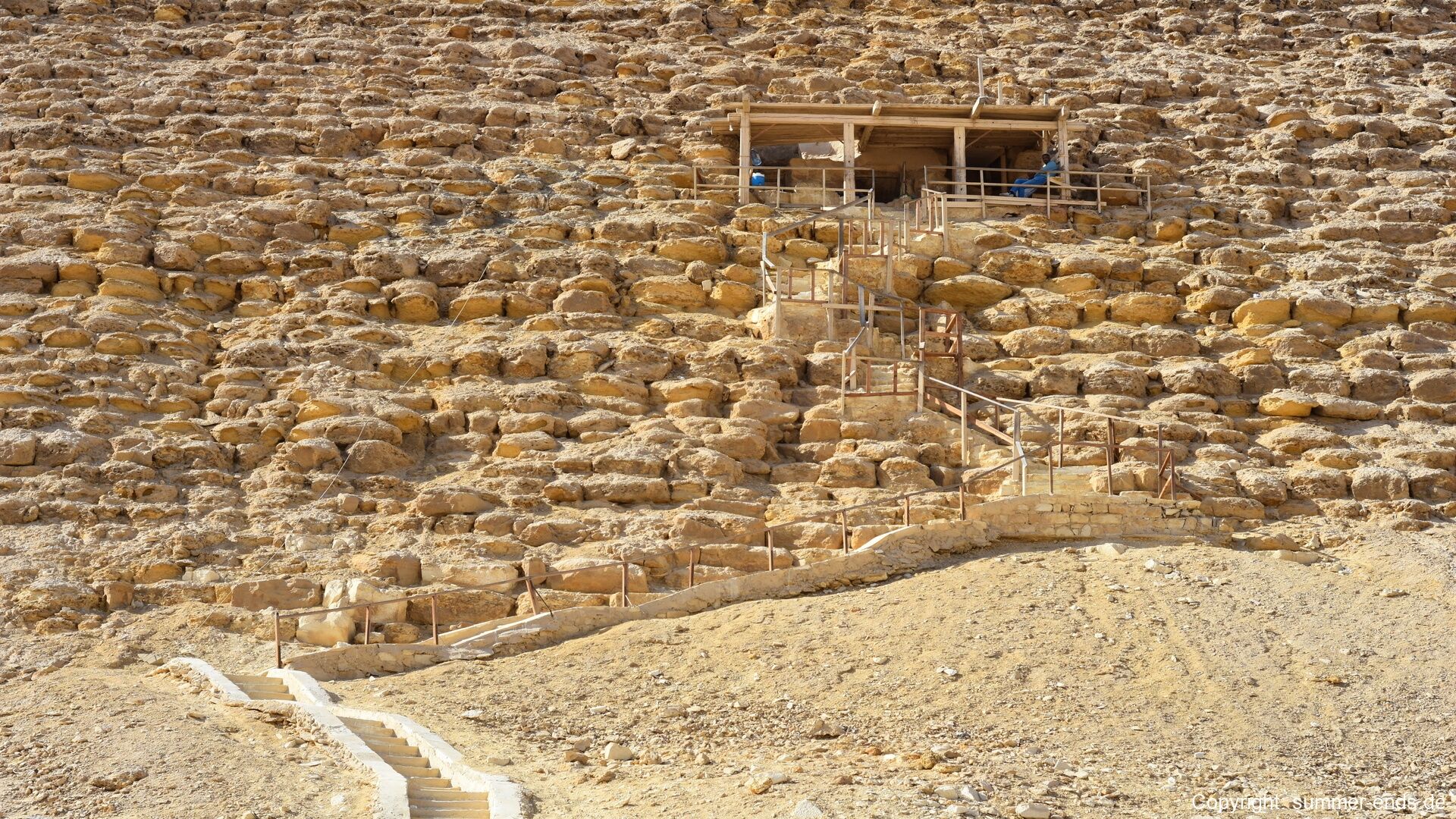
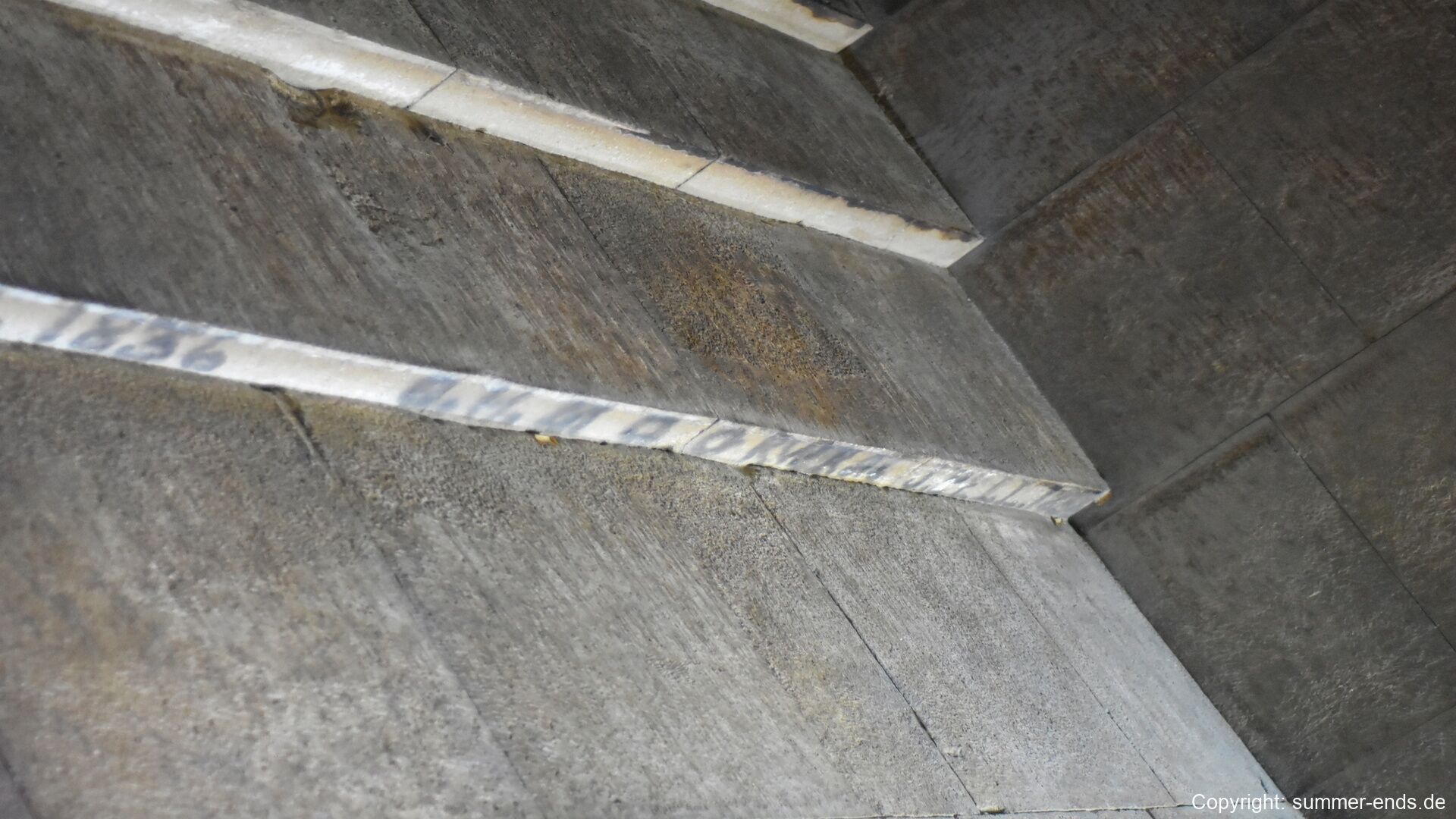
The Bent Pyramid is the most visually distinctive structure at the site. It rises at a steep 54-degree angle before abruptly transitioning to a shallower 43-degree slope near the top. This change gives the pyramid its characteristic bent appearance. The pyramid is notable not only for its unique shape but also for retaining much of its original smooth limestone casing—something very rare among Egyptian pyramids. Visitors can now enter the pyramid and explore its internal chambers.
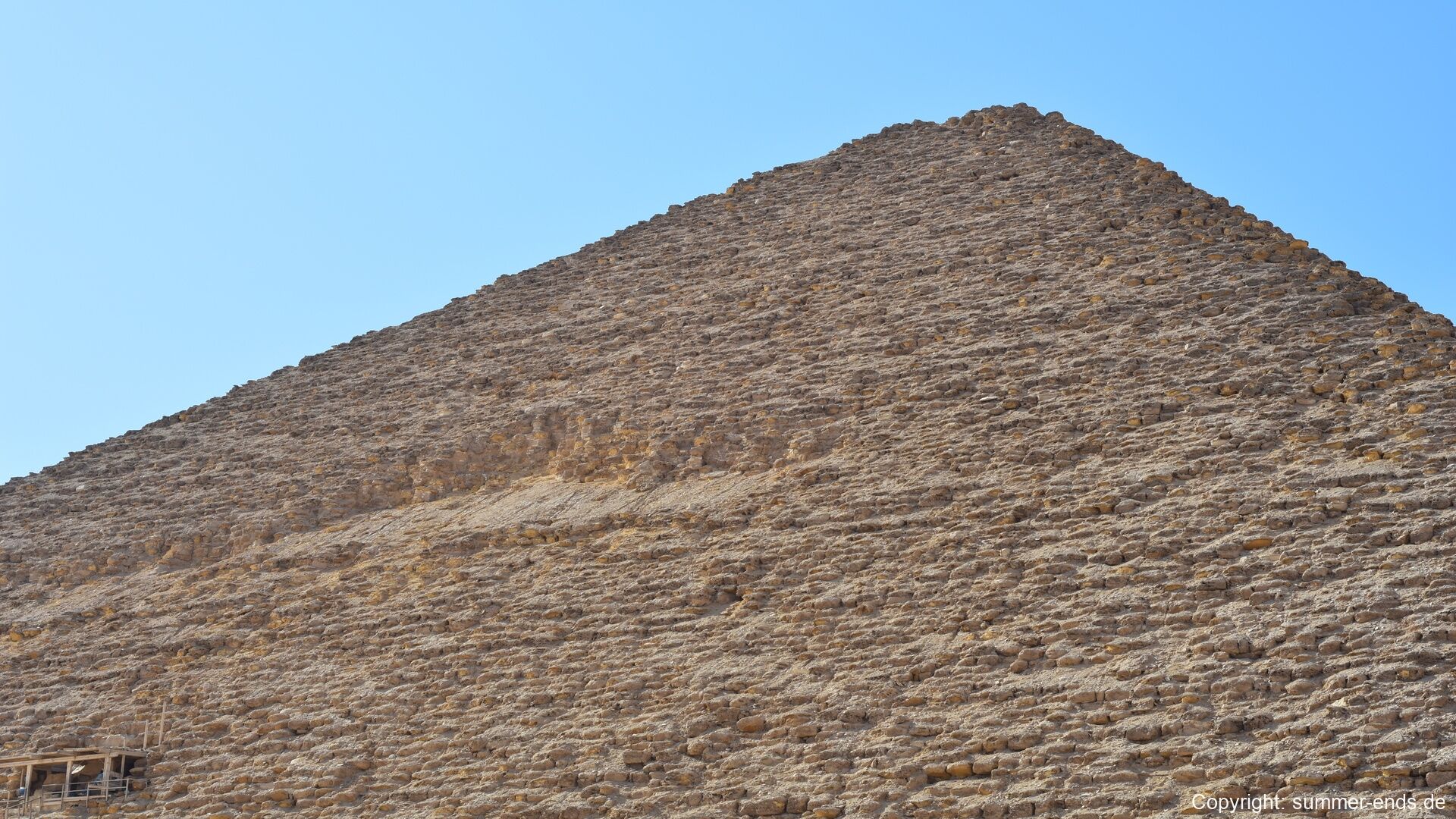
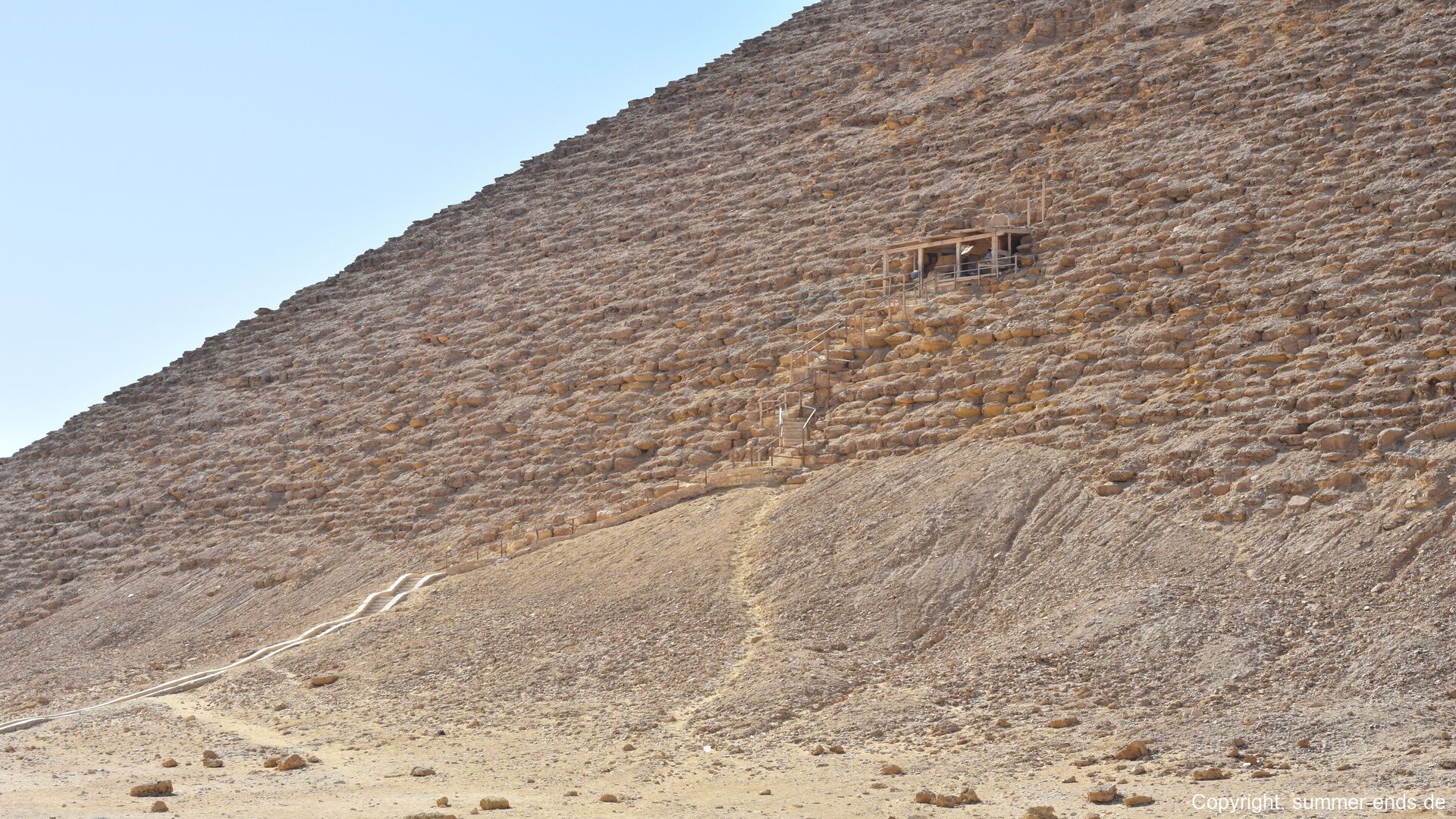
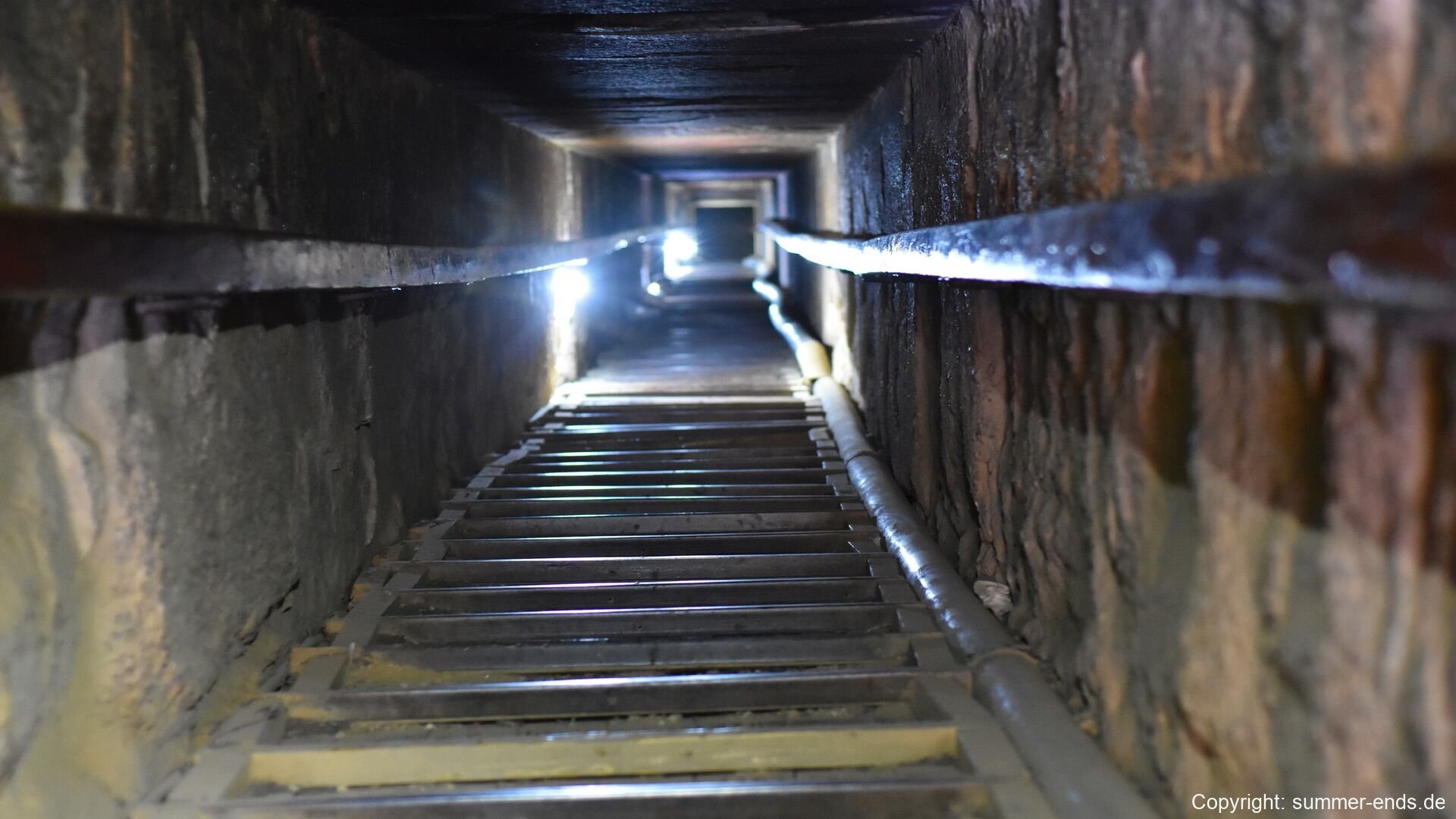
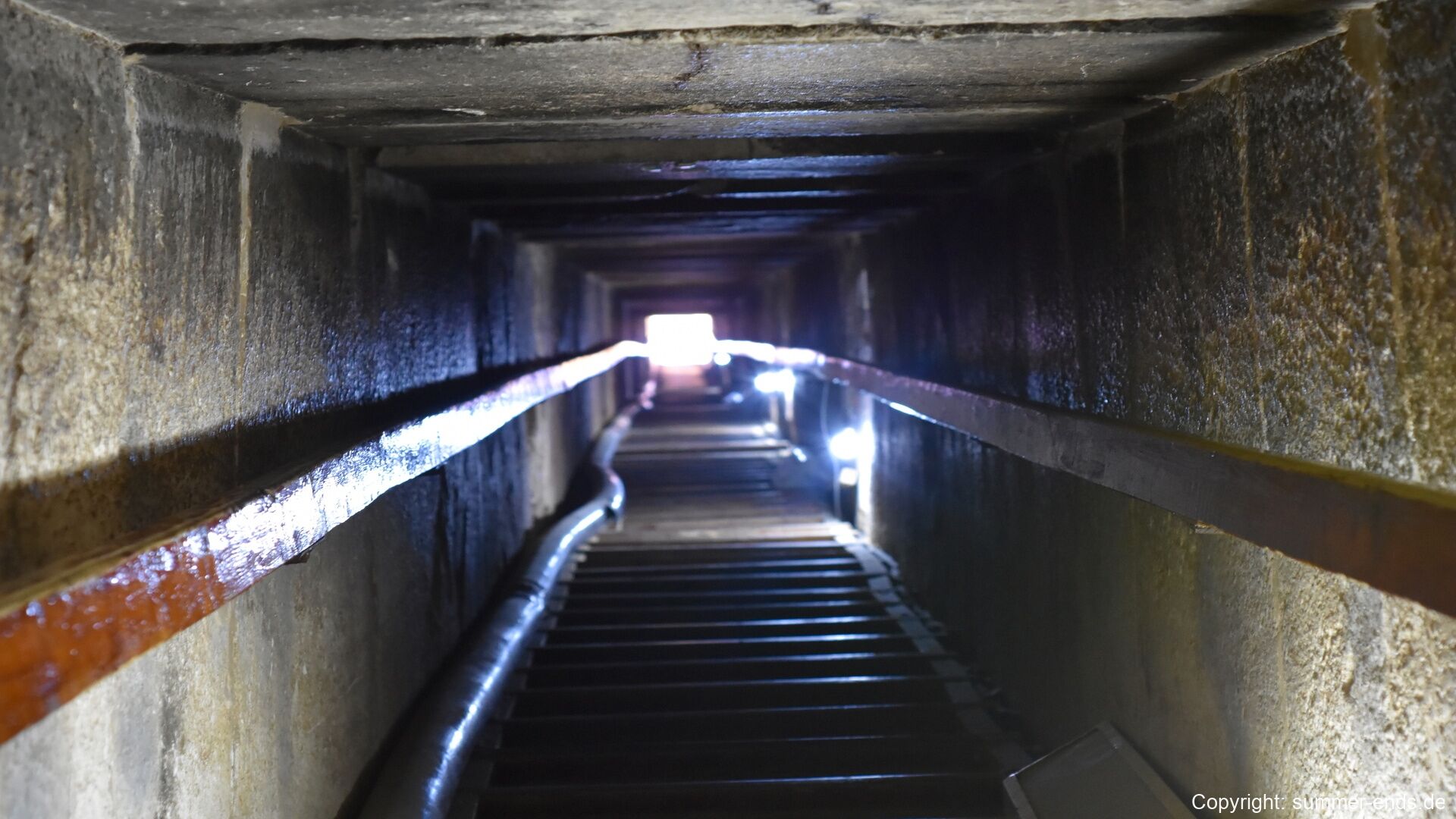
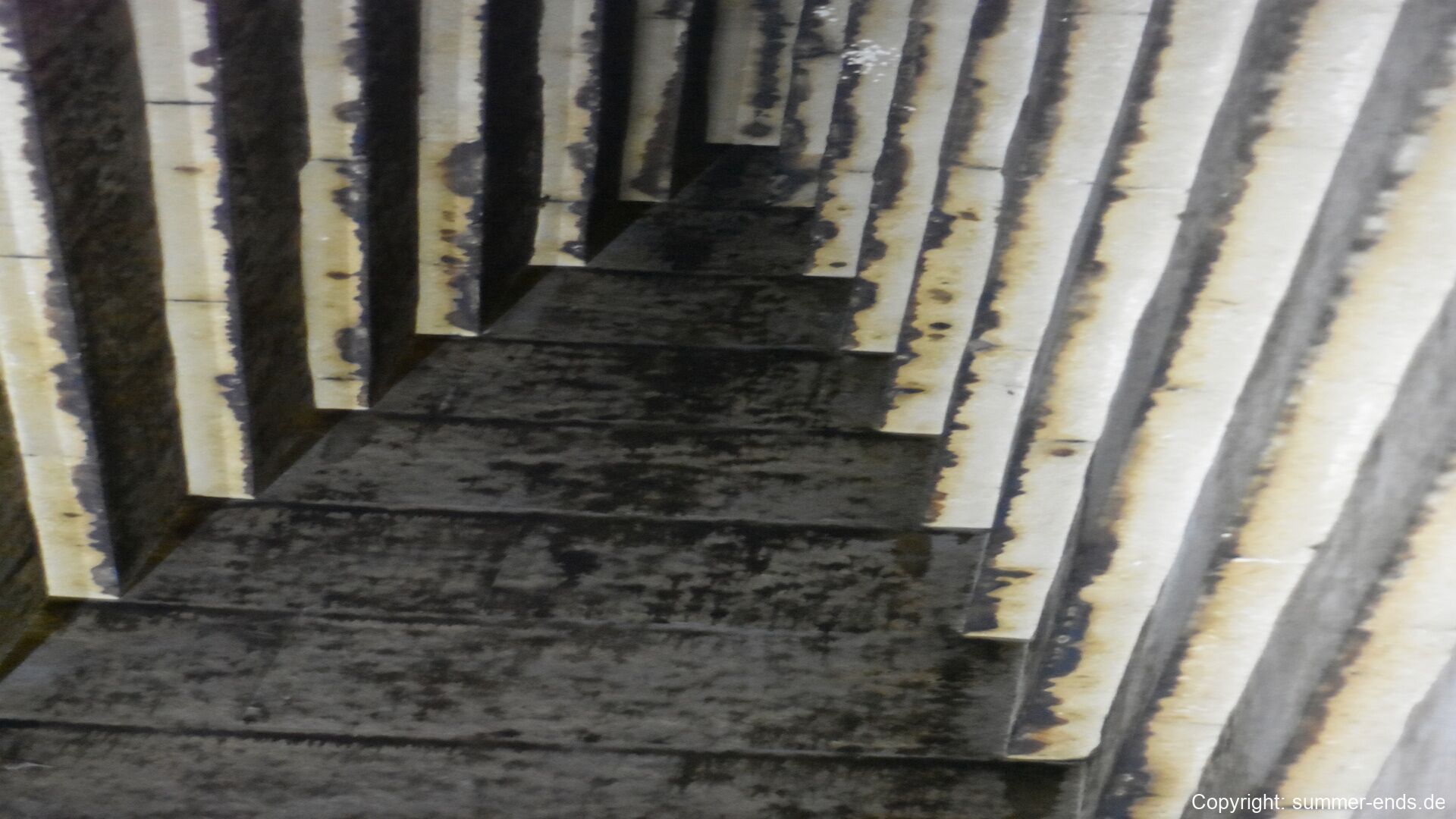
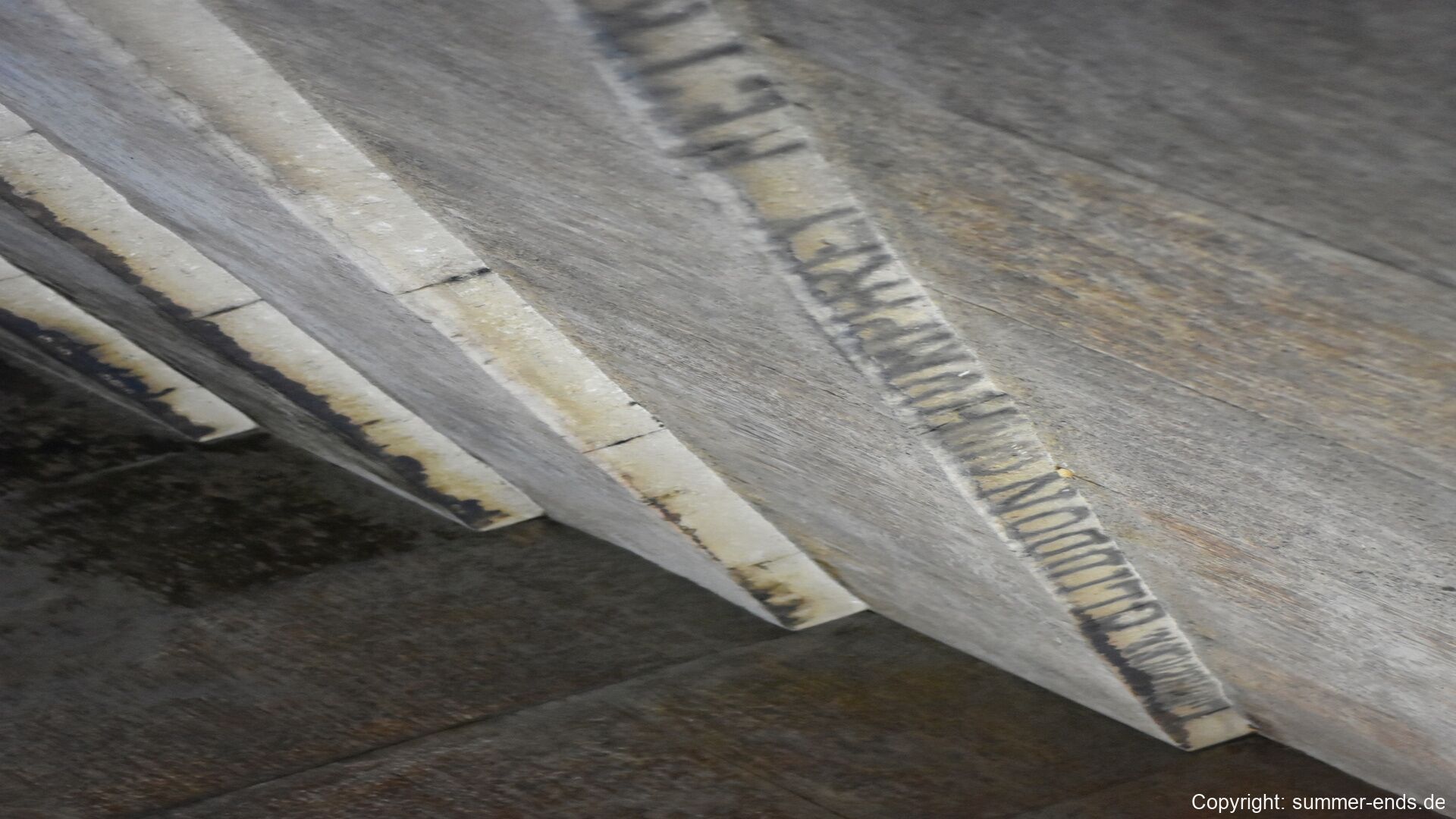
The Red Pyramid, named for the reddish hue of its limestone blocks, is Egypt’s first successful true pyramid with straight sides. It stands approximately 104 meters tall and has a base length of 220 meters. It remains the third-largest pyramid in Egypt and is open to visitors, who can descend into its internal passageways to see its corbelled burial chambers.
Other Middle Kingdom pyramids at Dahshur include those of Amenemhat II, Senusret III, and Amenemhat III. Although these structures are more damaged and partially buried, they offer valuable archaeological data and continue to be studied by researchers. Their associated tomb complexes and mortuary temples reflect evolving religious and political ideologies.
The surrounding desert plateau also contains a number of mastabas and shaft tombs, some of which have yielded fine examples of Middle Kingdom statuary and relief work. Ongoing excavations frequently reveal new discoveries, including intact coffins, wooden funerary models, and administrative records.
With fewer crowds and open desert surroundings, Dahshur offers a more contemplative and immersive experience than other pyramid fields, making it an essential stop for travelers, scholars, and enthusiasts of ancient Egyptian architecture.