






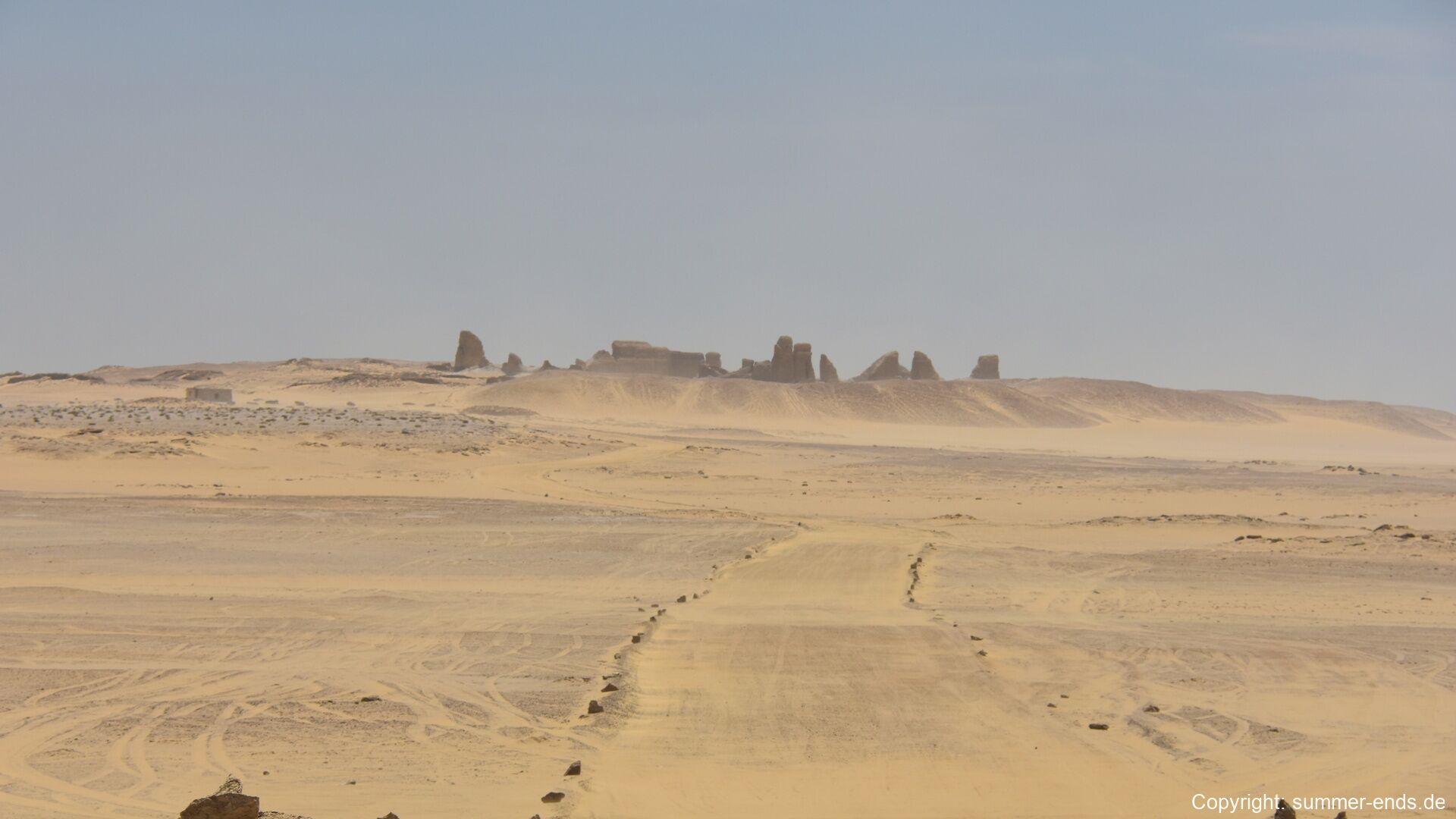
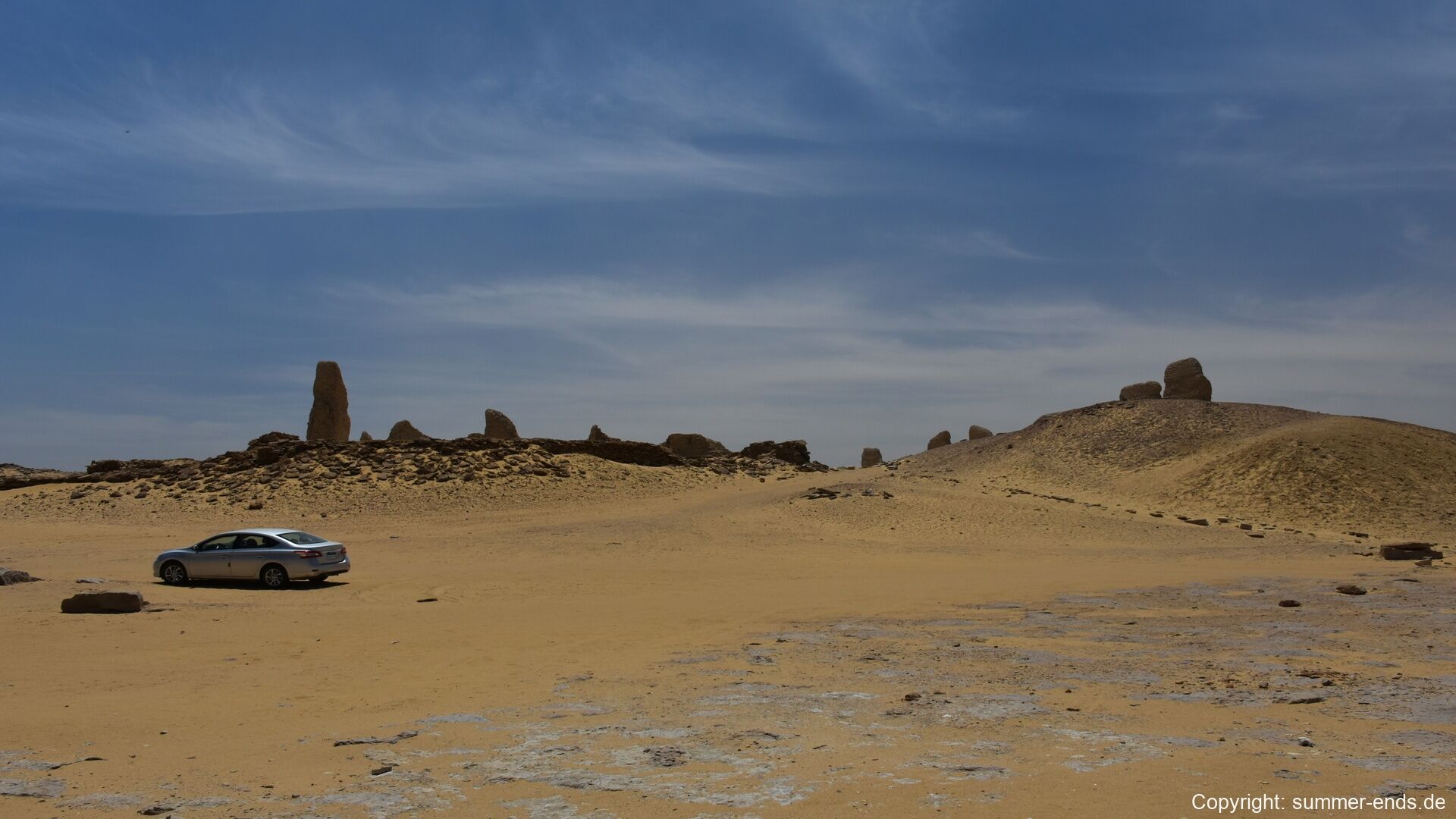

Lake Qarun is one of Egypt’s oldest and most ecologically significant natural landmarks. Located in the Fayoum Depression, approximately 80 kilometers southwest of Cairo, the lake lies below sea level and occupies the lowest point of the depression. Today it is Egypt’s third-largest lake and a vital part of the Fayoum Oasis ecosystem. Despite being saline, Lake Qarun supports a unique mix of flora and fauna and is central to regional agriculture, tourism, and scientific research.
The lake has served as an important environmental and cultural feature for millennia, reflecting dramatic climatic and geological shifts across North Africa. It is also adjacent to some of the world’s richest fossil beds, offering key insights into ancient ecosystems. With its combination of natural beauty, ancient history, and geological significance, Lake Qarun continues to attract researchers, eco-tourists, and birdwatchers from around the world.
History
Historically, Lake Qarun is the modern remnant of the much larger ancient lake known as Lake Moeris, which played a central role in the development of the Fayoum region. During the Middle Kingdom (circa 2050–1650 BCE), Egyptian rulers, particularly Pharaoh Amenemhat III, undertook major hydraulic engineering projects to manage the lake’s water level and expand the surrounding arable land. These efforts included the construction of irrigation canals such as Bahr Yussef, which linked the Nile to the lake and transformed Fayoum into a fertile agricultural zone.
Classical authors such as Herodotus and Strabo described the lake as an impressive artificial reservoir, attributing it to large-scale human intervention, although modern research suggests that natural and engineered processes both contributed to its expansion and control. During the Greco-Roman period, the area became a center of grain production and religious activity, with nearby towns like Karanis preserving traces of Roman architecture and daily life.
In more recent centuries, changes in Nile flow, sedimentation, and land use have caused the lake to shrink and become increasingly saline. Nevertheless, it continues to support a fishing industry and remains a critical site for migratory birds and wetland biodiversity.
Geology
Lake Qarun is located within the Fayoum Depression, a geologically significant basin formed by tectonic subsidence and later shaped by erosional processes and Nile inflow. The depression lies within the northern part of Egypt’s Western Desert and forms part of the larger Sahara Plateau. The lake’s basin rests atop sedimentary rocks ranging from the Eocene to the Pleistocene, including limestone, shale, and sandstone layers.
The geology surrounding Lake Qarun is particularly renowned for its fossil record. The nearby Wadi El-Hitan, or Whale Valley, is a UNESCO World Heritage Site and contains extraordinarily well-preserved fossils of early whales (Archaeoceti), dating back over 40 million years to the late Eocene. These fossils provide critical evidence of the evolutionary transition from land-dwelling to aquatic mammals and make the area one of the world’s most important sites for studying marine vertebrate evolution.
The region also yields fossils of crocodiles, turtles, primitive elephants, and prehistoric fish, reflecting the rich biodiversity of ancient freshwater and marine ecosystems. The “Qarunian” geological stage, named after the area, represents a key period in African paleoenvironments and continues to be a focal point for geological and paleontological research.
Things to See
Lake Qarun and the surrounding Fayoum area offer a diverse range of attractions, blending natural beauty, ancient history, and scientific interest.
The lake itself is a hub for birdwatching, especially during the winter months when thousands of migratory birds, including flamingos, herons, and pelicans, gather along its shores. Despite its salinity, the lake supports tilapia and other salt-tolerant fish, sustaining a small-scale local fishing industry.
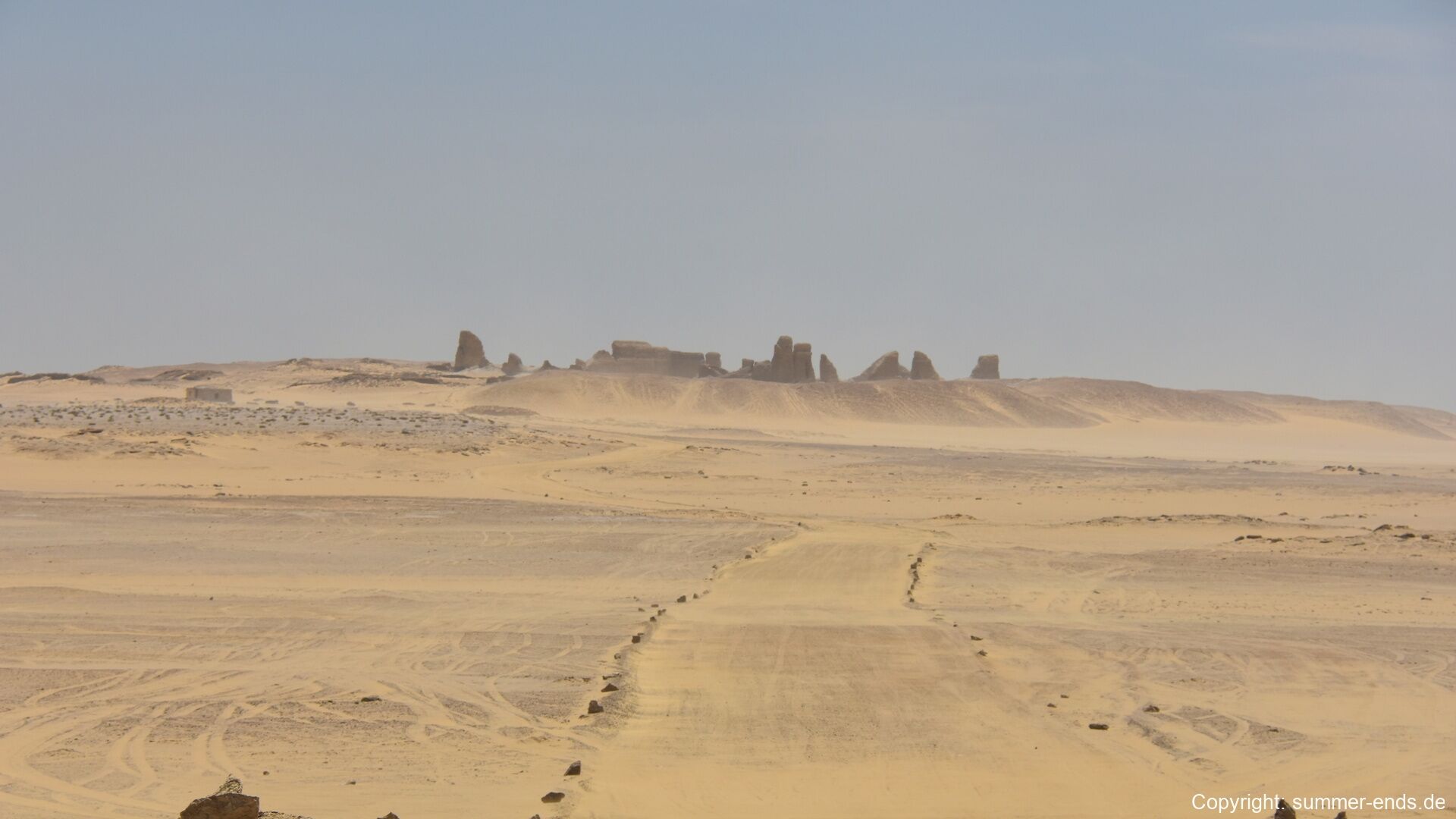
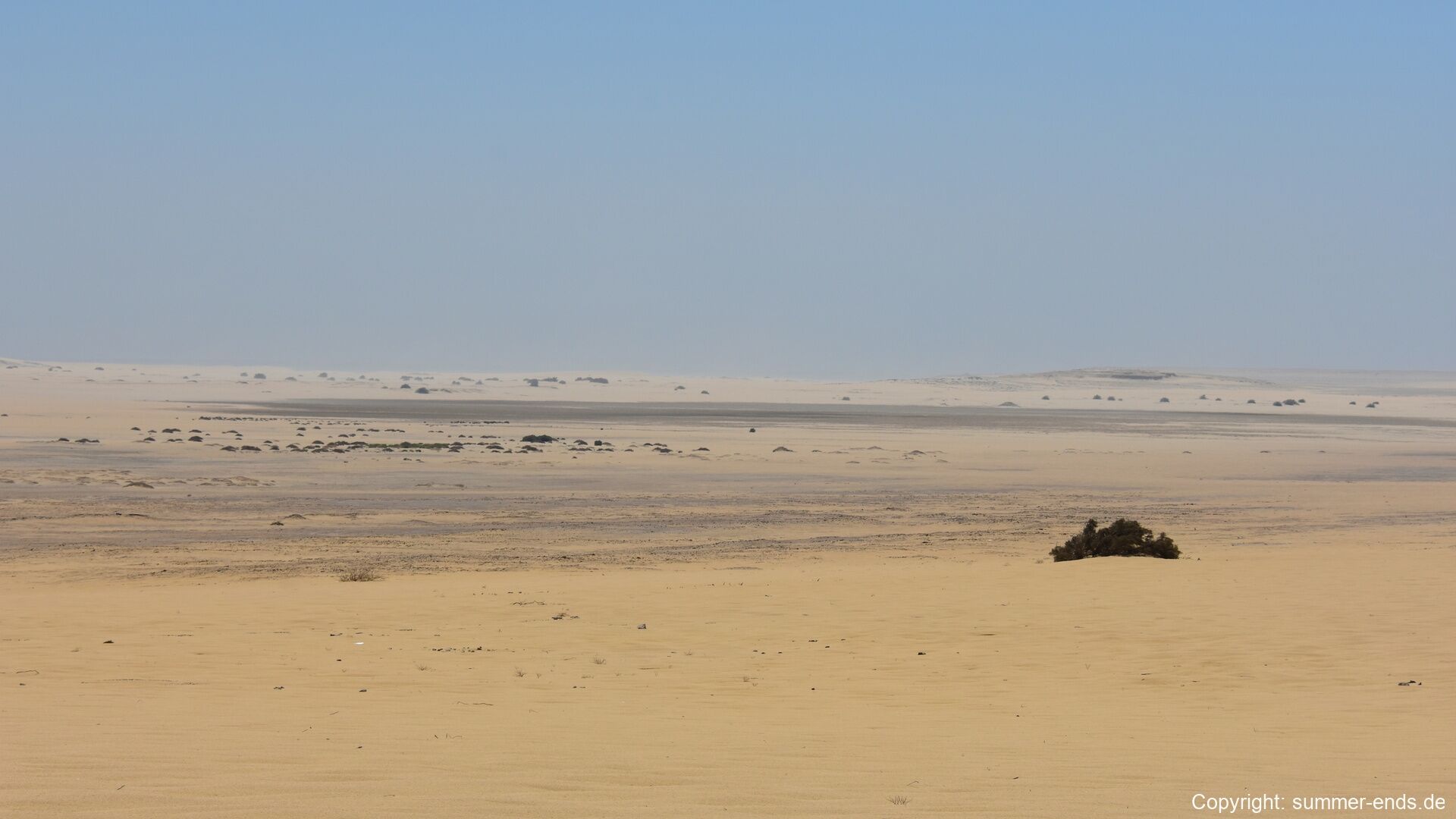
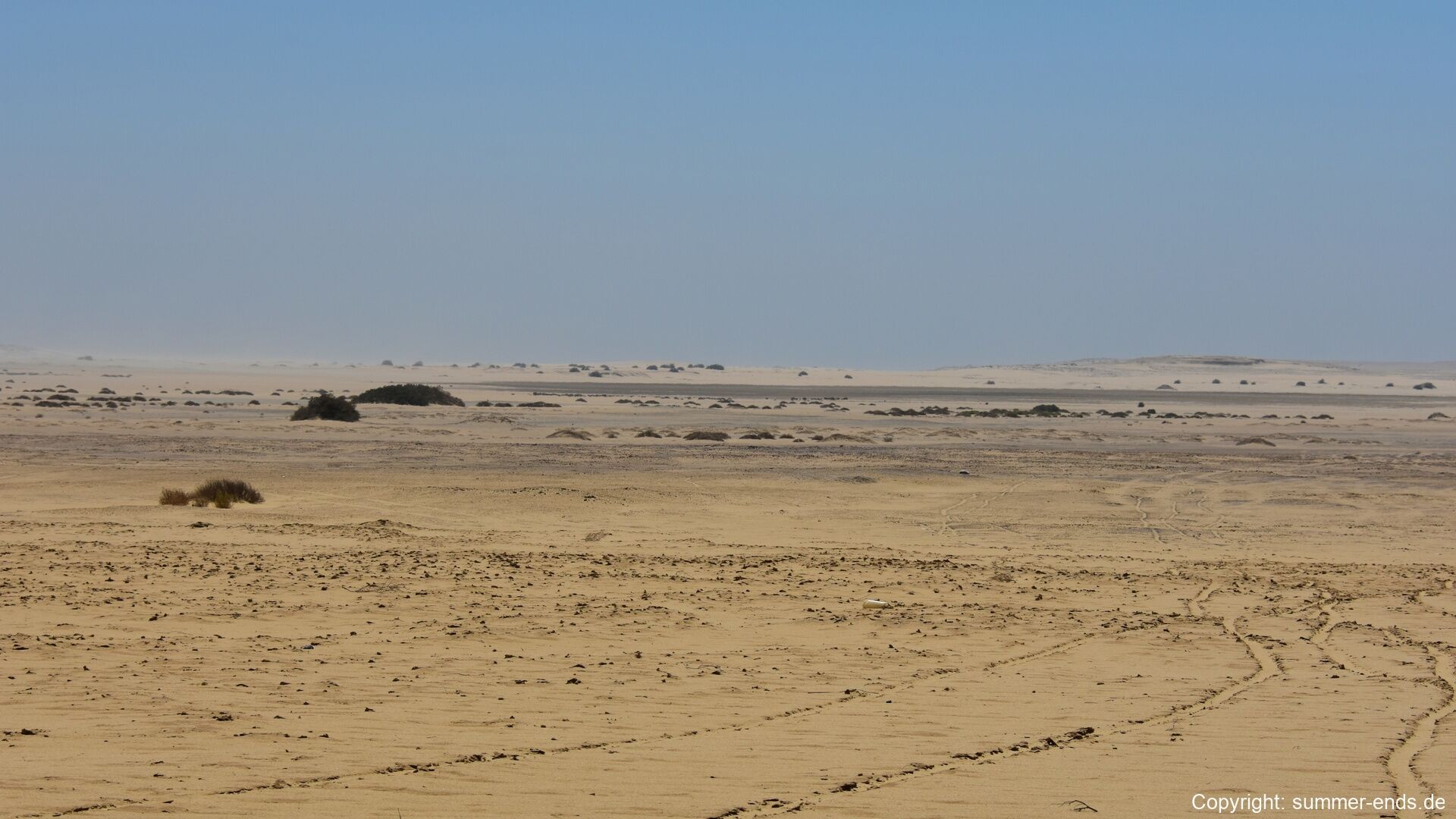
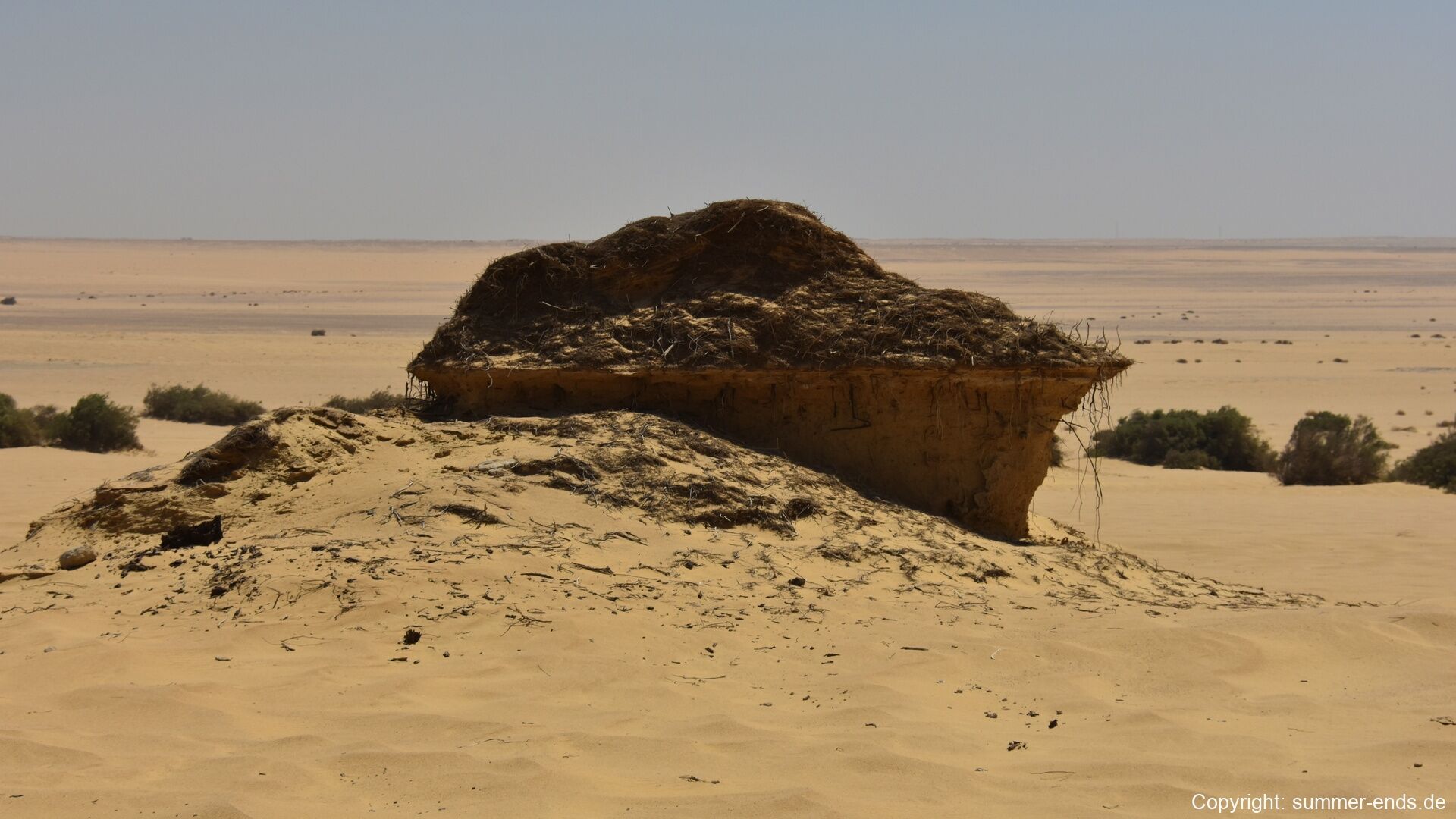
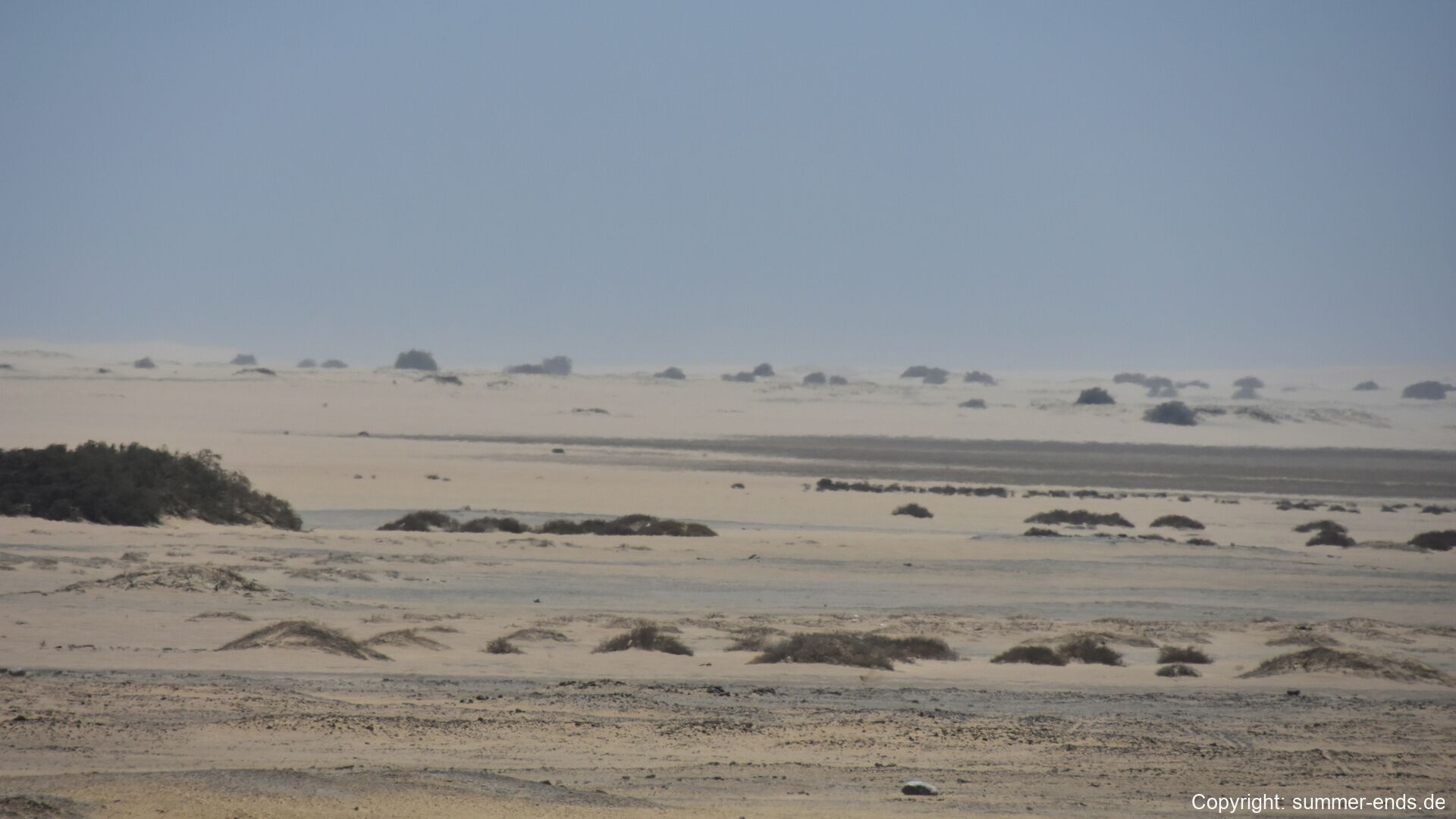
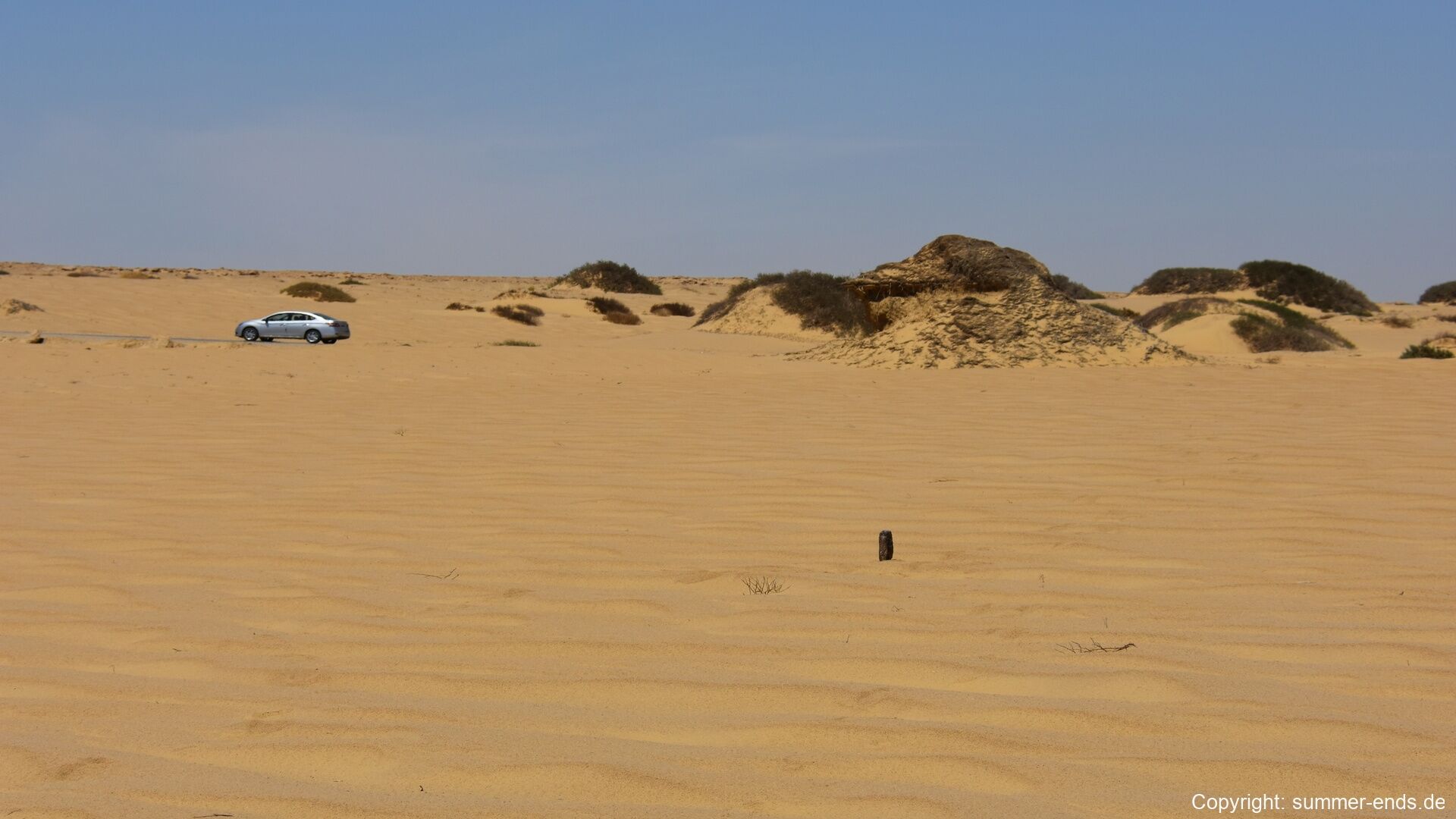
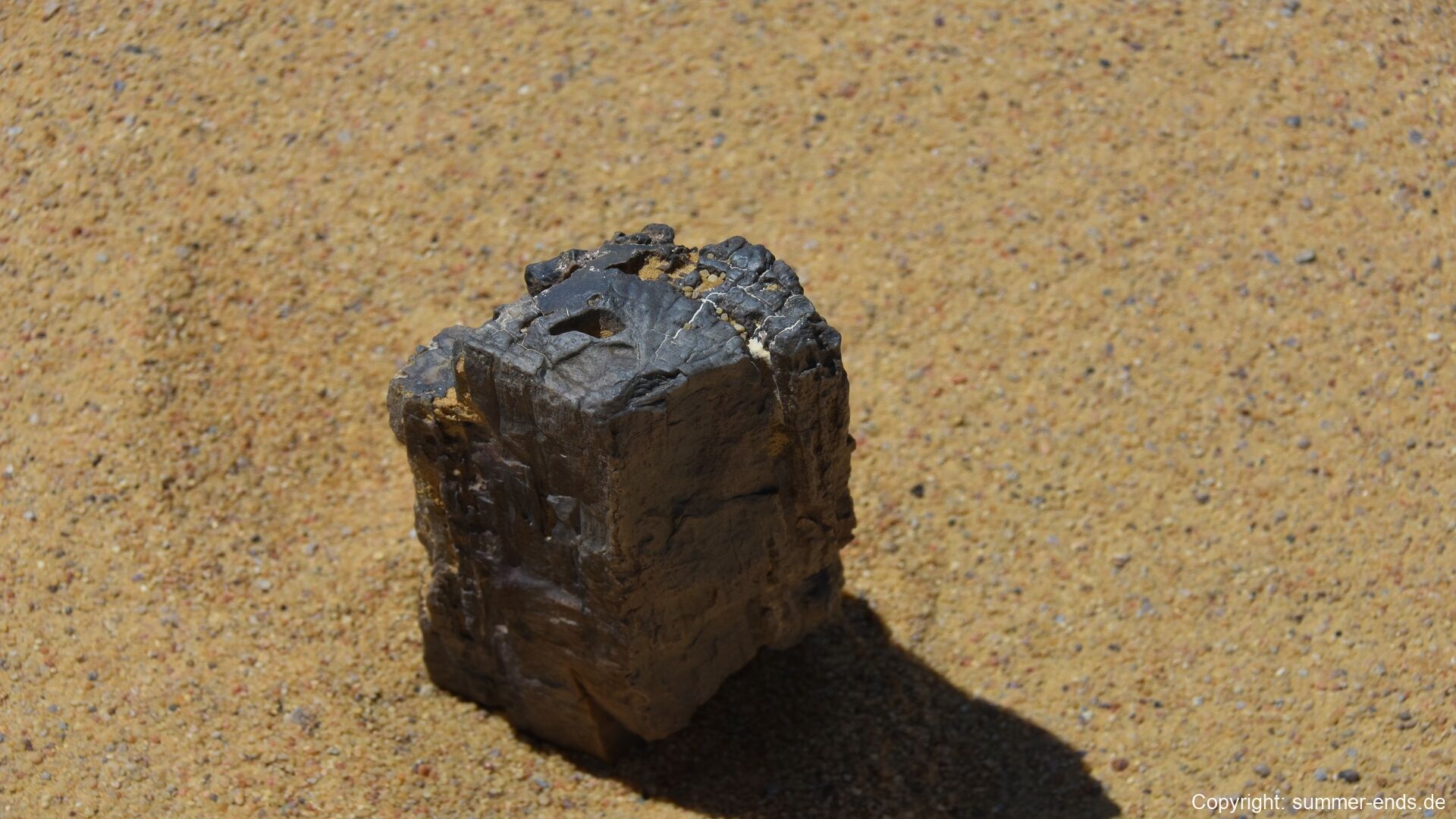
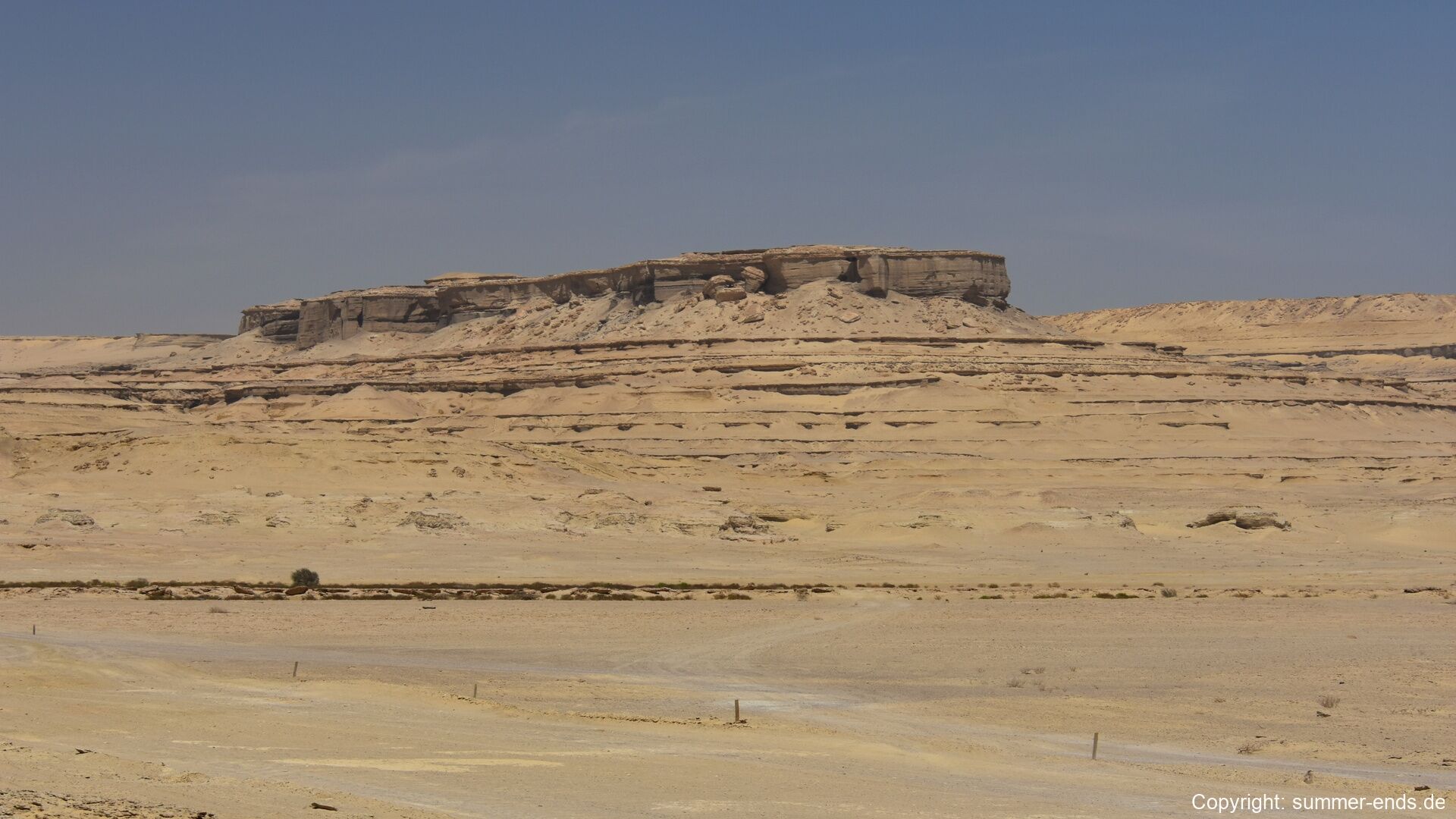
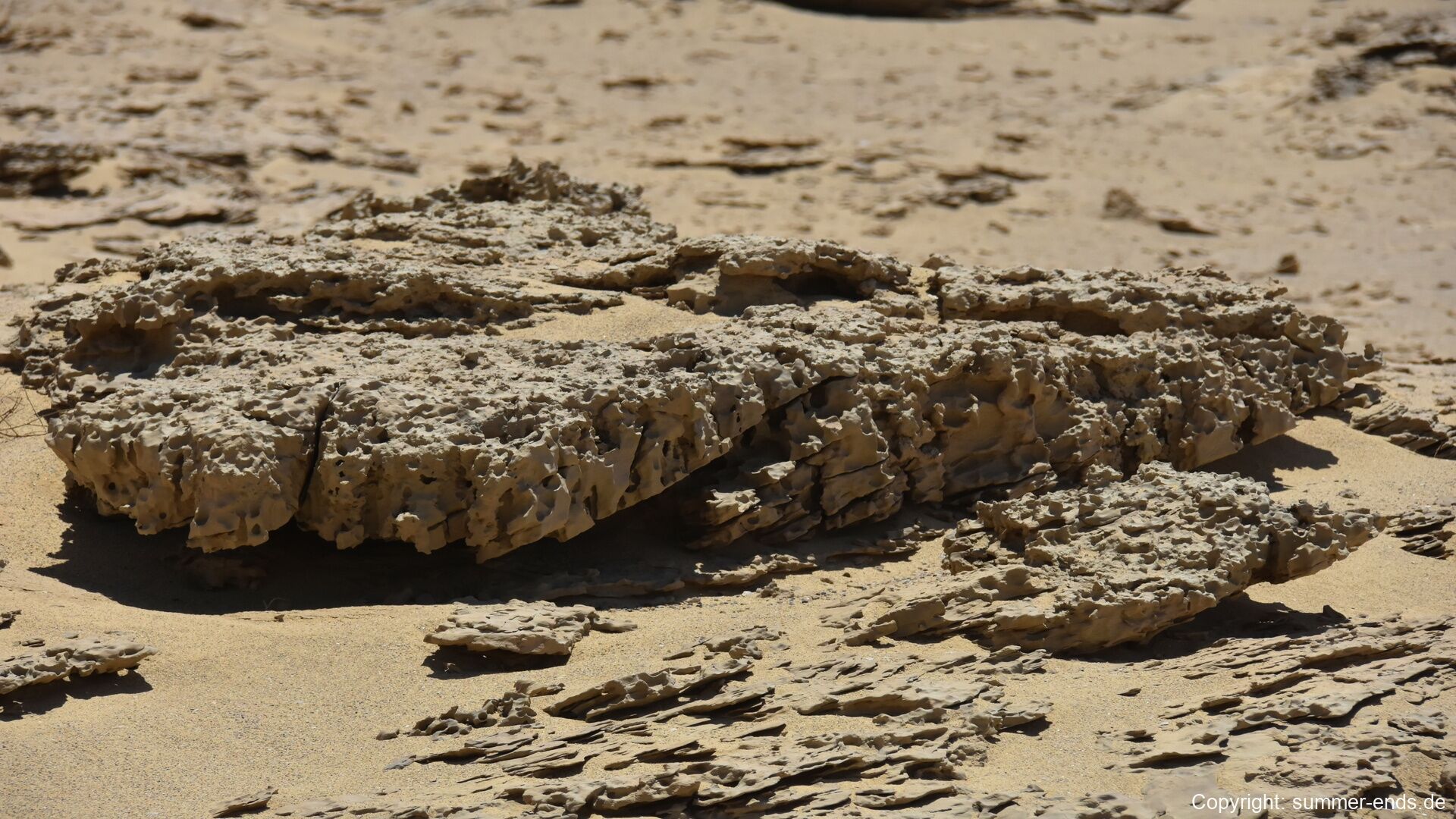
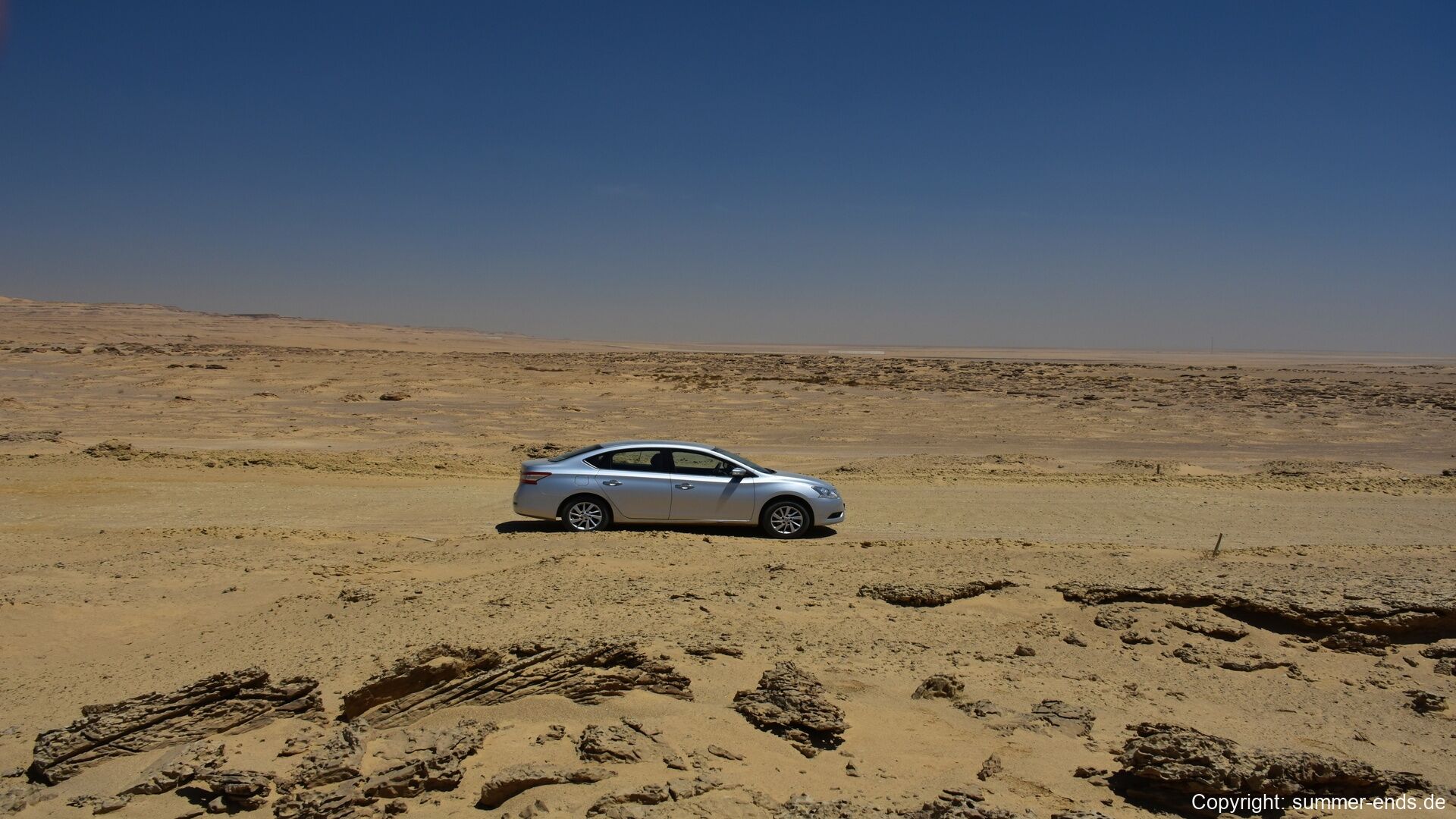
The northern edge of the lake offers sweeping views and is home to natural rock formations, salt pans, and desert plateaus, ideal for ecotourism and photography. Visitors can also explore the nearby petrified forest at Gabal Qatrani, which features fossilized tree trunks and extinct mammal remains embedded in the sandstone.
Wadi El-Hitan, located about 35 kilometers from the lake, is a must-see destination for anyone interested in paleontology. Its open-air fossil museum and interpretive trails allow visitors to walk through an ancient seabed and observe fossilized skeletons of early whales and marine reptiles in situ.
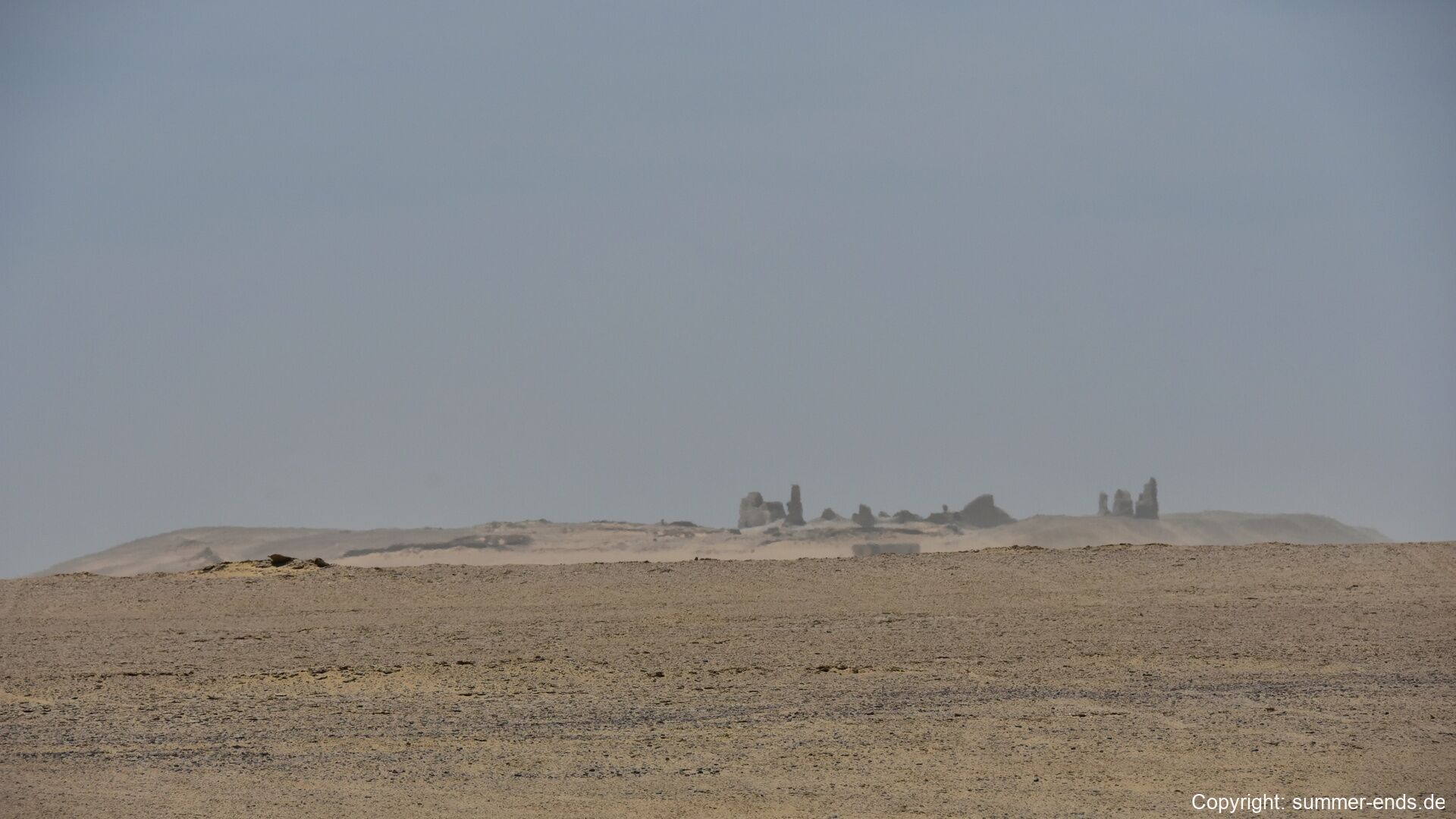
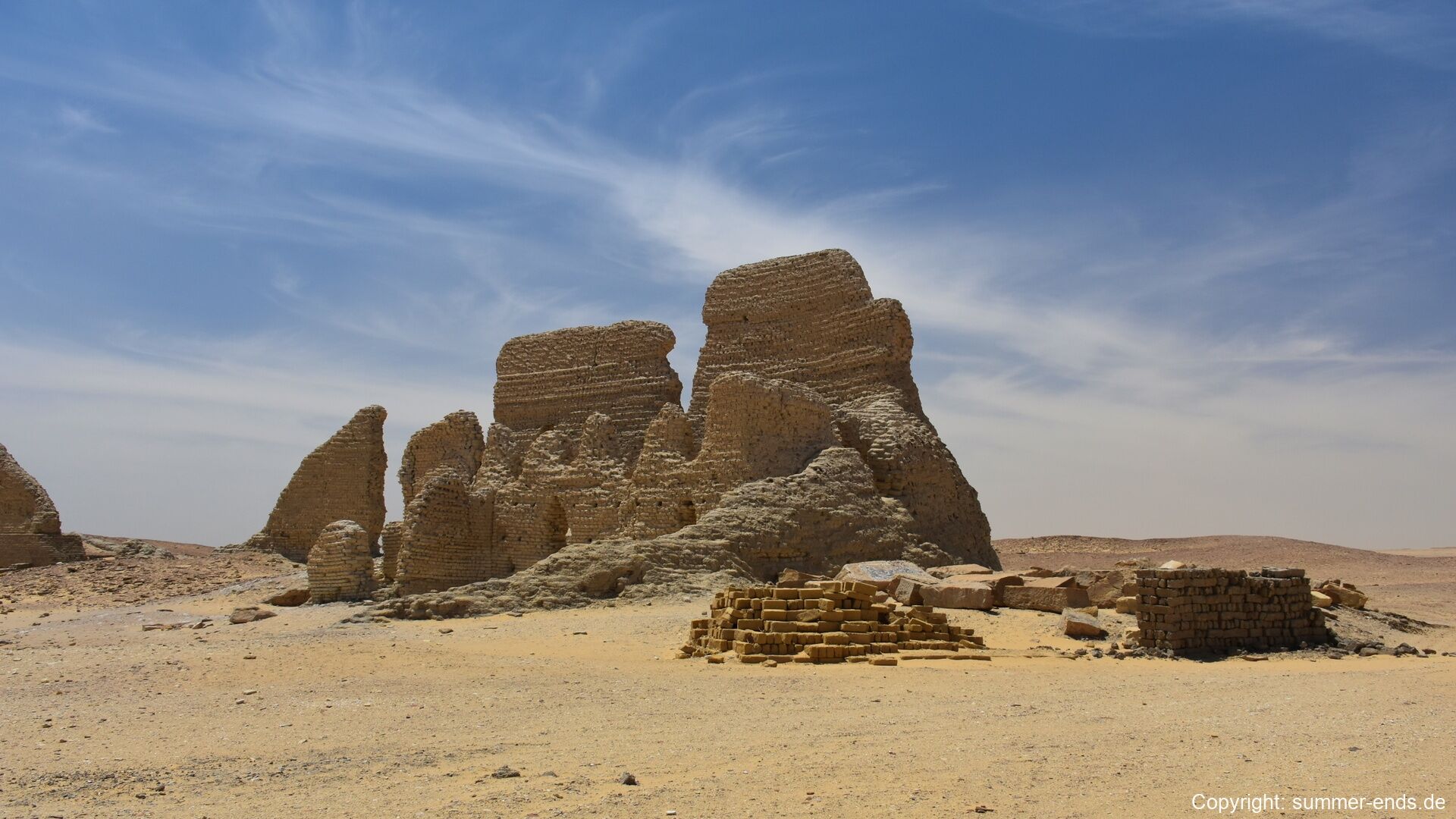
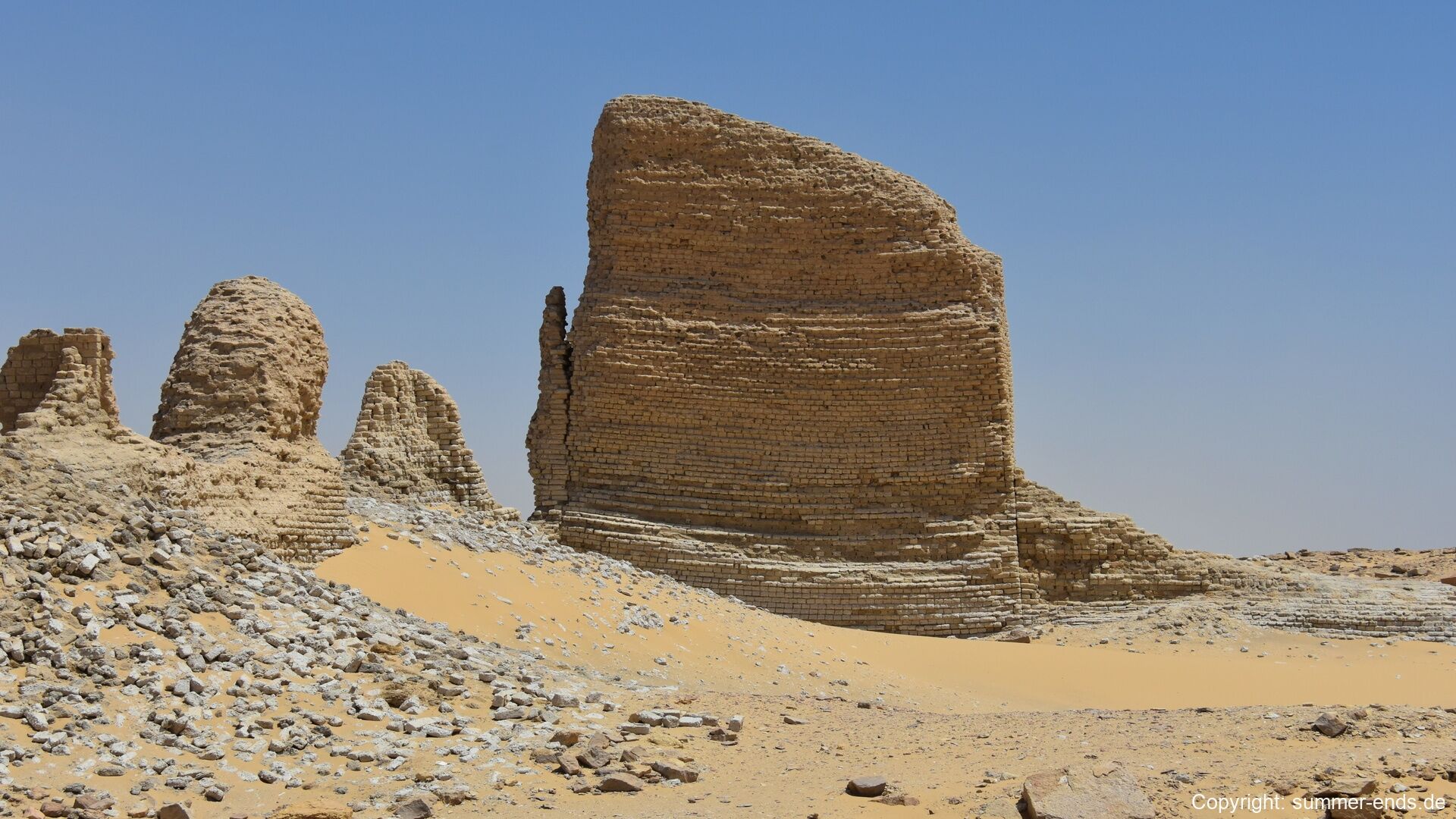
Cultural and archaeological sites near the lake include the ruins of Karanis, a Greco-Roman town with preserved mudbrick houses, granaries, and temples. The nearby town of Tunis is known for its pottery workshops and eco-lodges, offering a gateway to local crafts and rural life.
Lake Qarun also plays host to regional festivals and is increasingly becoming part of Egypt’s broader ecotourism initiatives, balancing conservation efforts with sustainable development.