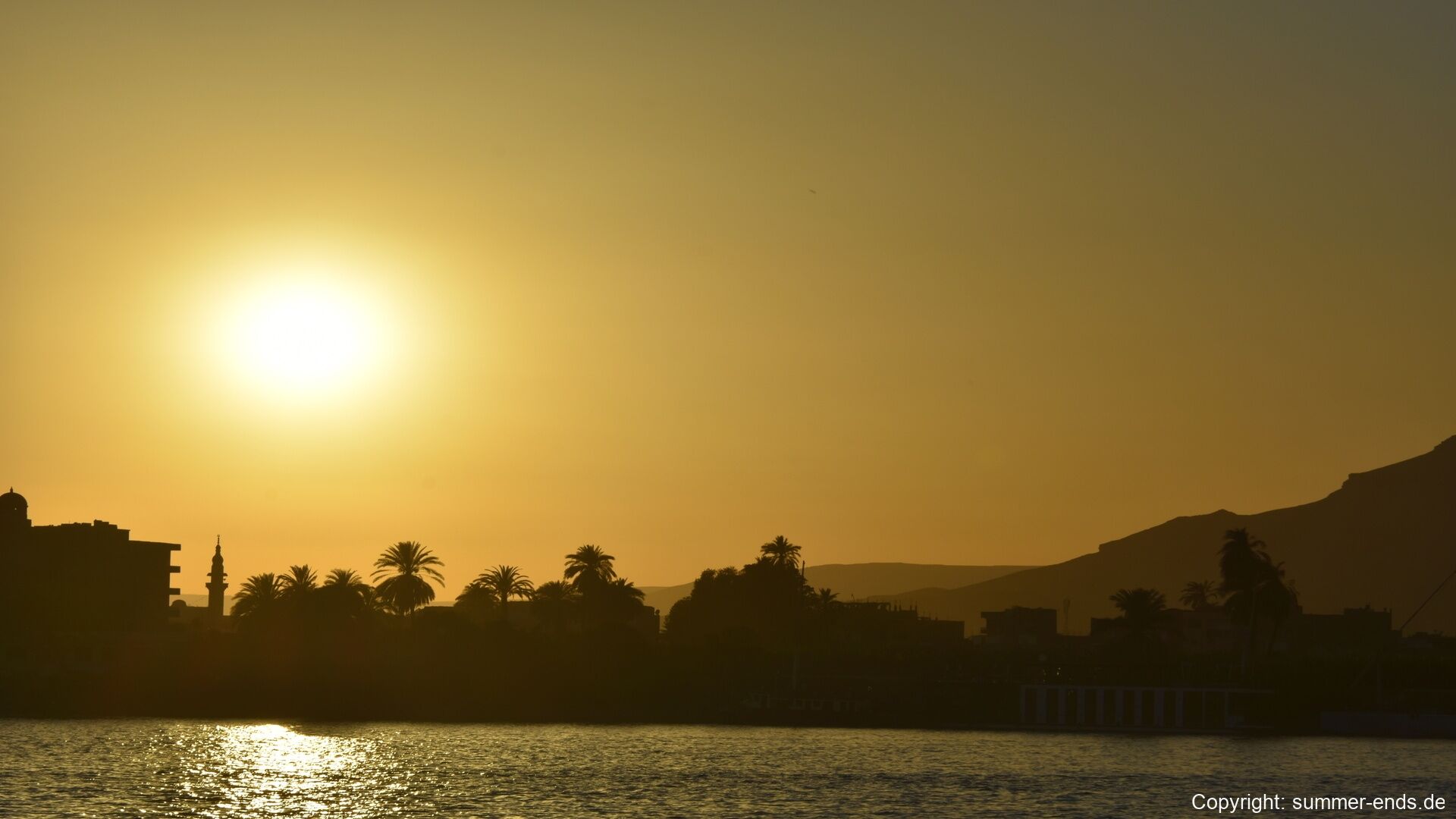
Luxor is one of the most historically rich and archaeologically significant cities in the world. Located in Upper Egypt on the east bank of the Nile River, it stands on the site of ancient Thebes, the capital of Egypt during the Middle and New Kingdoms. Today, Luxor is often referred to as the world’s greatest open-air museum, with its dense concentration of temples, tombs, and monuments spanning thousands of years of ancient Egyptian civilization.
Divided by the Nile, the city consists of two major areas: the East Bank, known for temples and the modern urban center, and the West Bank, home to the Valley of the Kings, Valley of the Queens, and royal mortuary temples. Luxor is a UNESCO World Heritage Site and continues to be a focal point for archaeological discovery, cultural tourism, and Egyptological research.
History
The site of modern-day Luxor has been continuously inhabited since prehistoric times, but it rose to prominence in the Middle Kingdom (circa 2050 BCE) and especially during the New Kingdom (circa 1550–1070 BCE), when it served as the religious and political capital of ancient Egypt. Known then as Waset, the city was called Thebes by the Greeks and played a central role in Egypt’s golden age.
During this period, Thebes was the center of the cult of Amun, and its temples at Karnak and Luxor were among the most important religious sites in the ancient world. Pharaohs such as Hatshepsut, Thutmose III, Amenhotep III, and Ramses II left monumental legacies in the form of obelisks, statues, and expansive temple complexes.
On the West Bank, elaborate tombs were carved into the limestone cliffs for royalty and elites, particularly in the Valley of the Kings. These tombs were richly decorated with scenes from the afterlife and inscribed with funerary texts intended to guide the deceased into eternity. The rediscovery of these tombs, including the famous tomb of Tutankhamun in 1922, has made Luxor a cornerstone of modern archaeology.
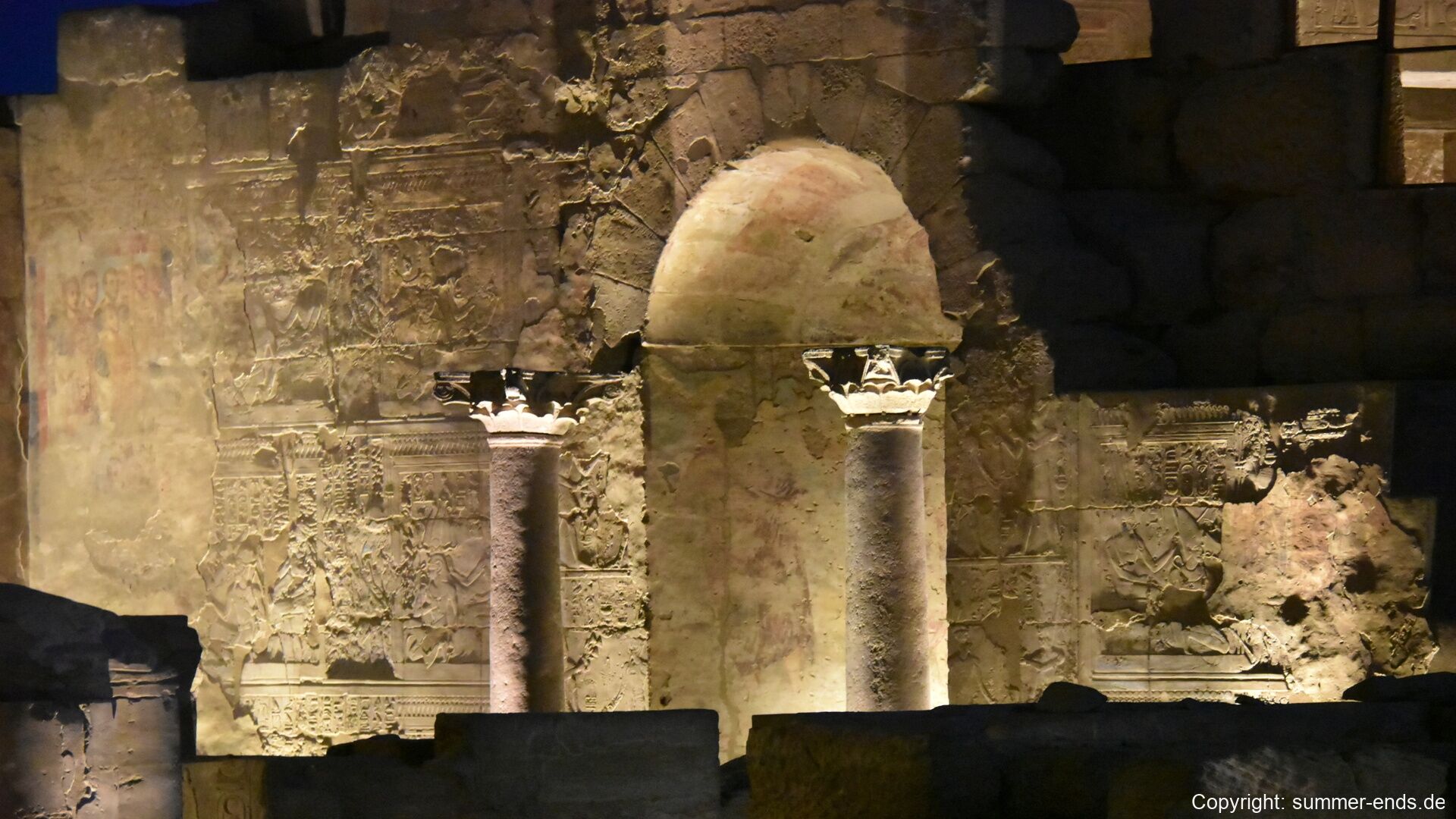
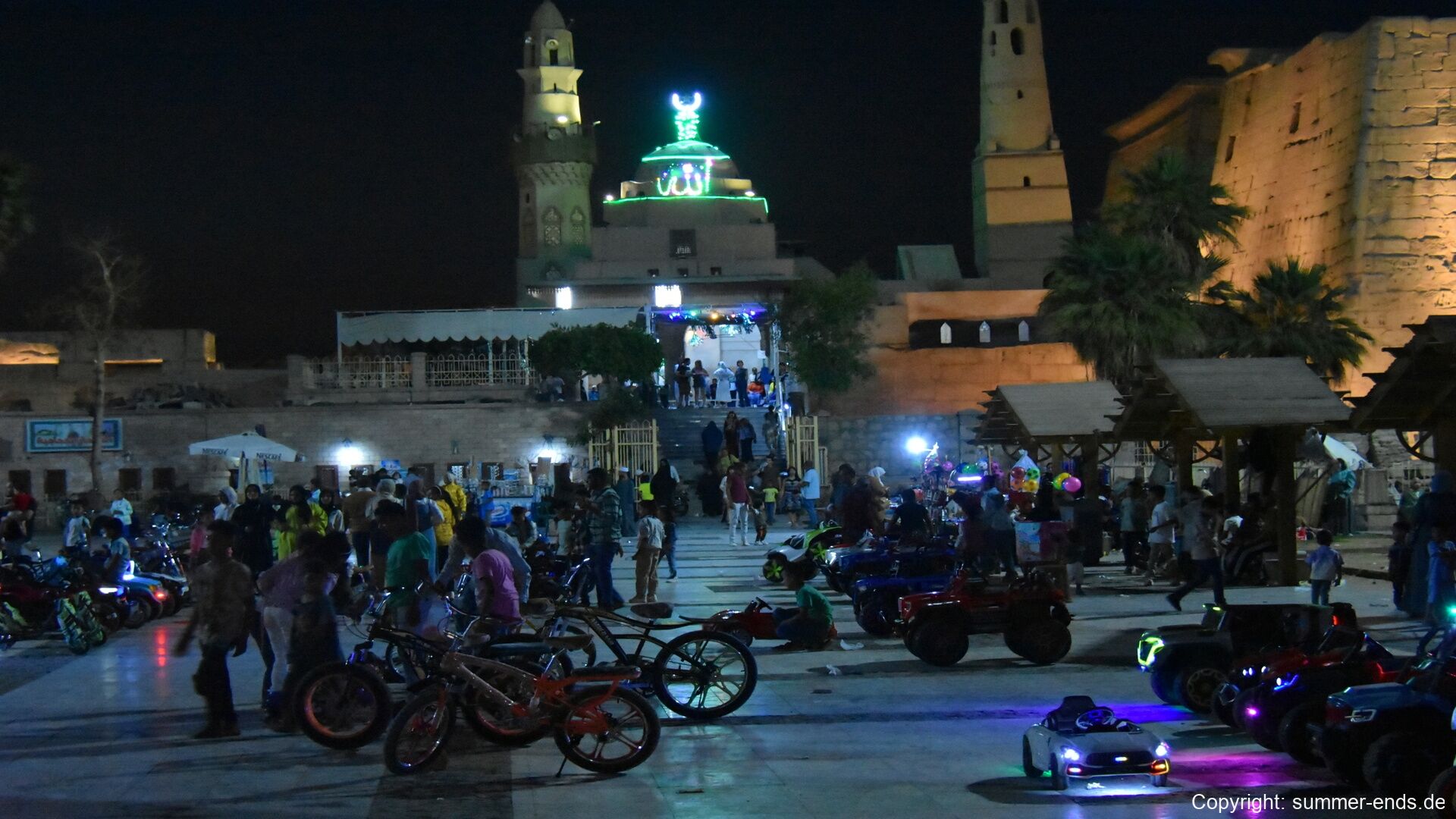
In later periods, Luxor remained significant under the Greeks and Romans, and the temples continued to be used and modified, reflecting changing religious and political realities. The city still hosts active religious sites today, including the mosque of Abu Haggag, built within the Luxor Temple complex.
Geology
Luxor is located in the Nile Valley, a geologically young rift valley formed as part of the East African Rift System. The area is flanked by desert plateaus composed of sedimentary rock formations, primarily Eocene limestone and sandstone, which have been quarried for millennia and used extensively in temple and tomb construction.
The limestone cliffs on the West Bank provided ideal conditions for cutting rock-cut tombs, as seen in the Valley of the Kings and Valley of the Queens. These cliffs are relatively stable, with consistent layering that allowed ancient builders to carve deep burial chambers while maintaining structural integrity.
Over time, the Nile has shifted its course, creating fertile floodplains that allowed Luxor to thrive as an agricultural and cultural hub. Seasonal flooding deposited rich alluvial soils along the valley floor, contributing to the prosperity of ancient Thebes.
Modern geological challenges include erosion, seismic micro-activity, and groundwater infiltration, all of which pose risks to ancient structures. Conservation efforts now incorporate geological and environmental monitoring to ensure the preservation of Luxor’s priceless heritage.
Things to See
Luxor offers one of the most concentrated collections of ancient monuments anywhere in the world, making it a key destination for archaeologists, historians, and travelers.
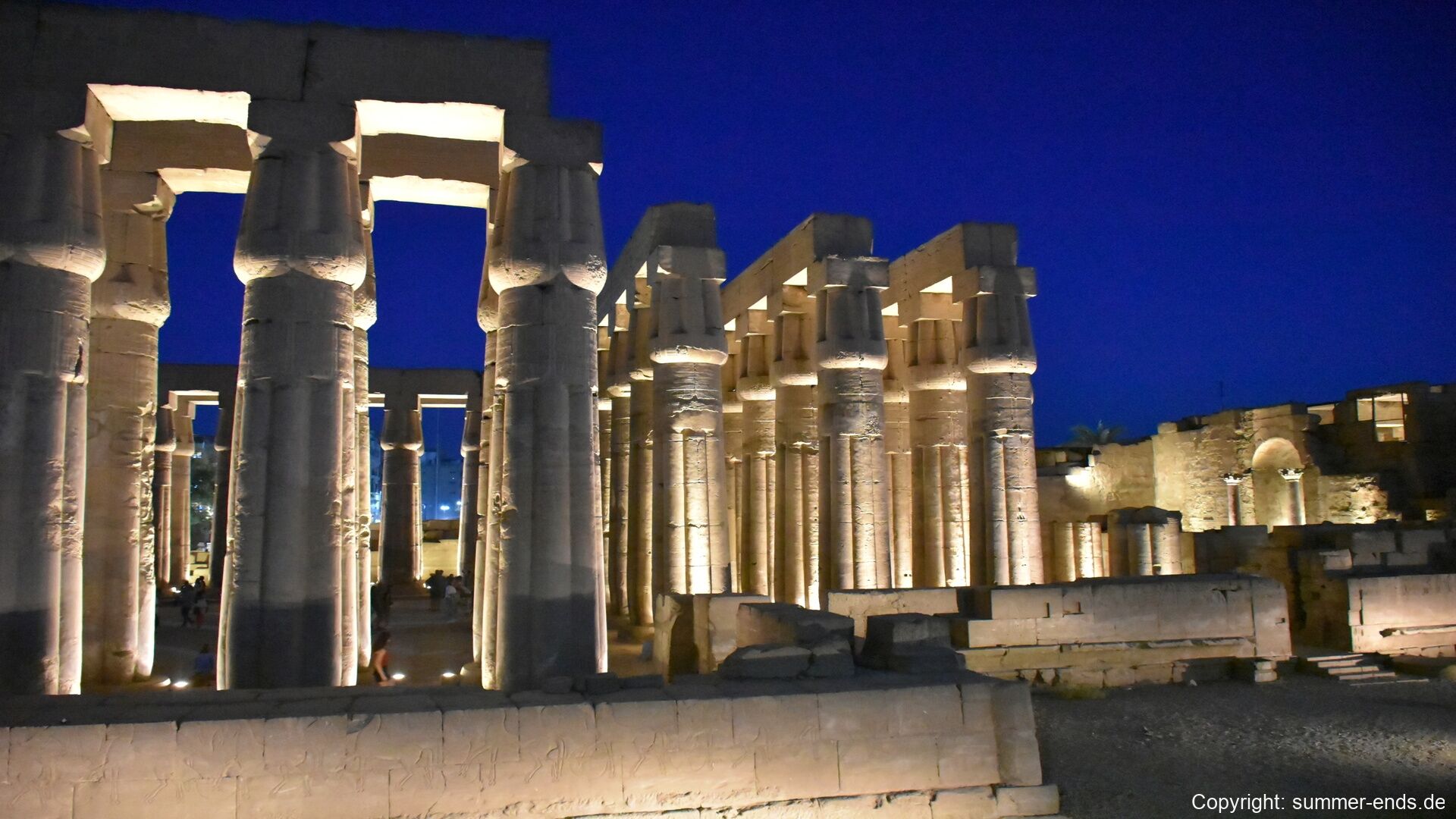
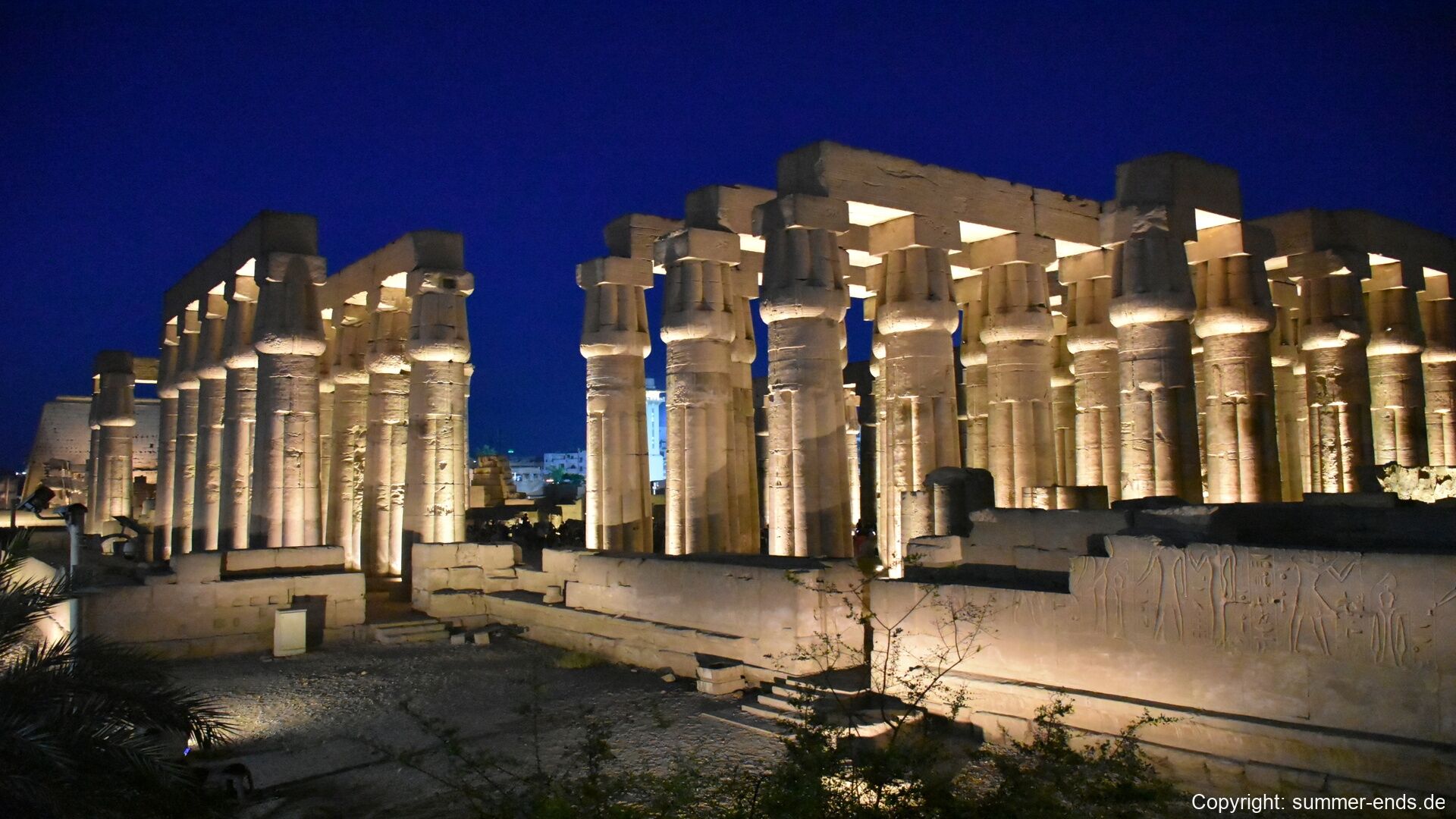
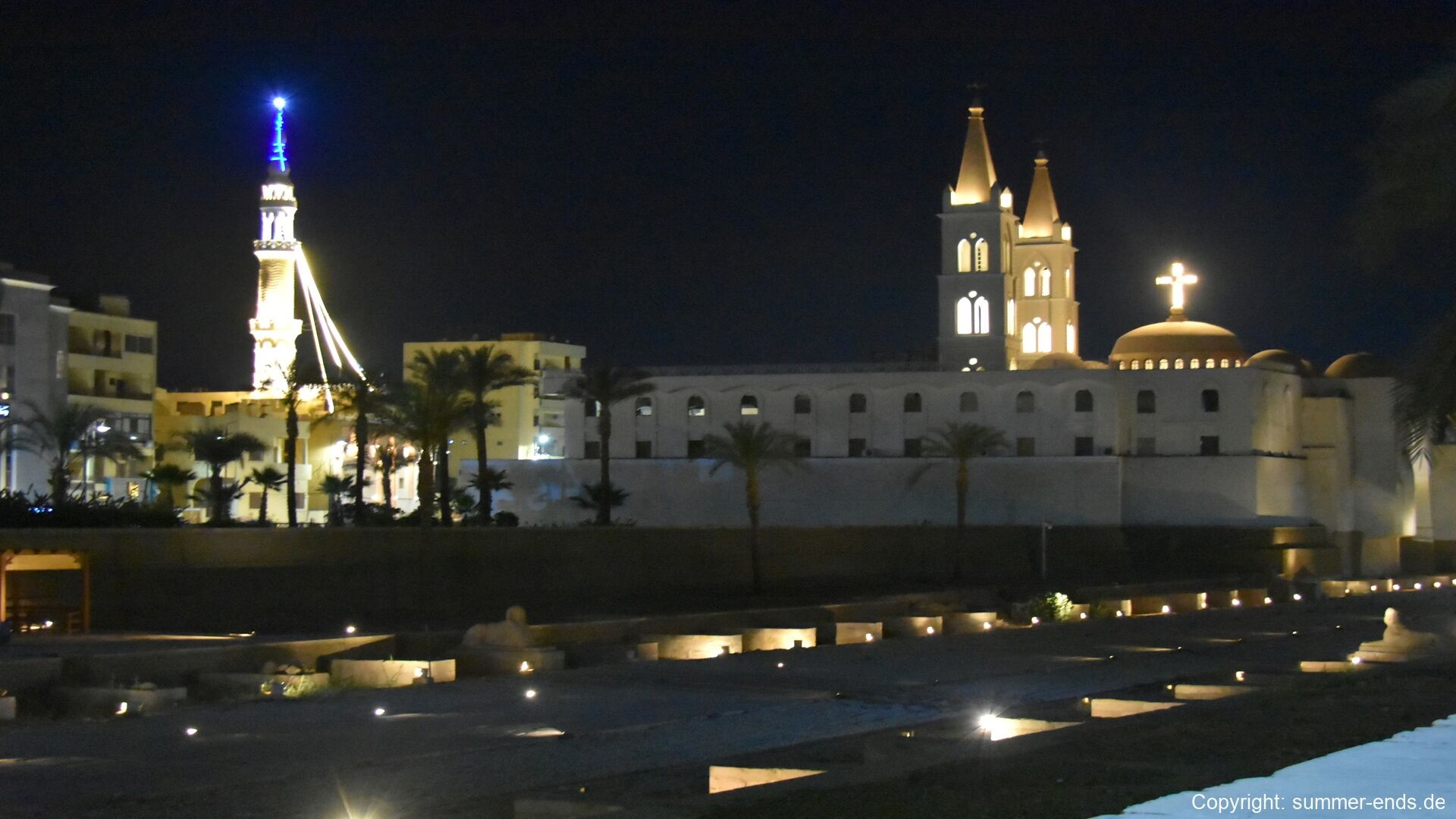
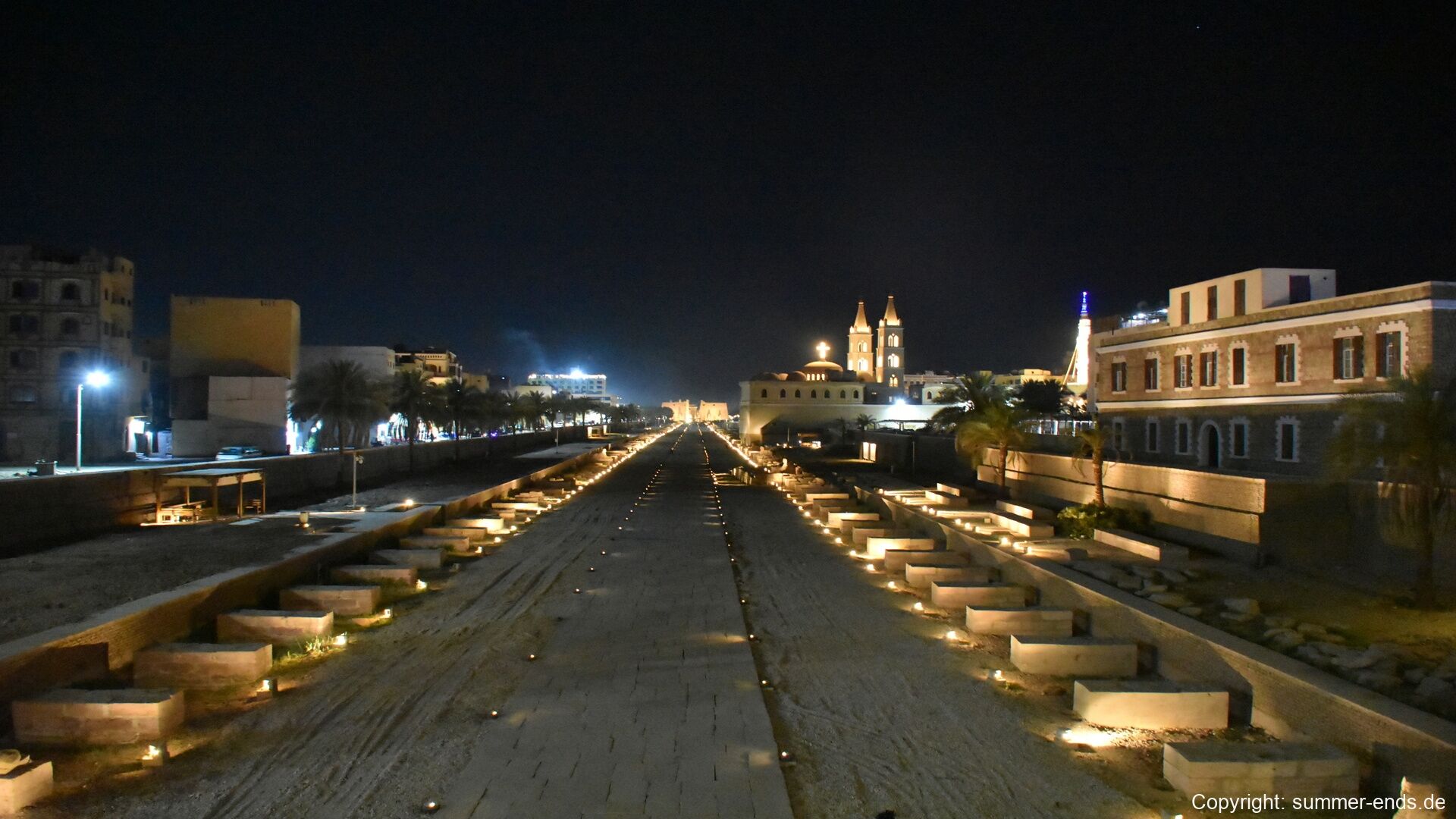
The East Bank features the magnificent Karnak Temple Complex, the largest religious site ever constructed. This vast area includes temples dedicated primarily to Amun-Ra, along with chapels, pylons, and obelisks built over centuries. The nearby Luxor Temple, connected to Karnak by the ancient Avenue of Sphinxes, is particularly striking at night when illuminated.
On the West Bank, the Valley of the Kings holds more than 60 royal tombs, including that of Tutankhamun. These tombs are carved deep into the limestone and decorated with colorful, well-preserved murals depicting scenes from the Book of the Dead and other funerary texts. Nearby, the Valley of the Queens contains tombs of royal women and children, such as the beautifully decorated tomb of Queen Nefertari.
Other highlights include the Mortuary Temple of Hatshepsut at Deir el-Bahari, with its unique terraced design, and the massive Colossi of Memnon, twin statues that once guarded the temple of Amenhotep III. The Ramesseum, Medinet Habu (the temple of Ramses III), and the Tombs of the Nobles offer further insights into the religious, political, and artistic life of New Kingdom Egypt.
Modern Luxor also features museums such as the Luxor Museum and the Mummification Museum, which house artifacts and offer educational context for the surrounding sites. The city is a hub for Nile cruises, hot air balloon rides, and guided archaeological tours.