
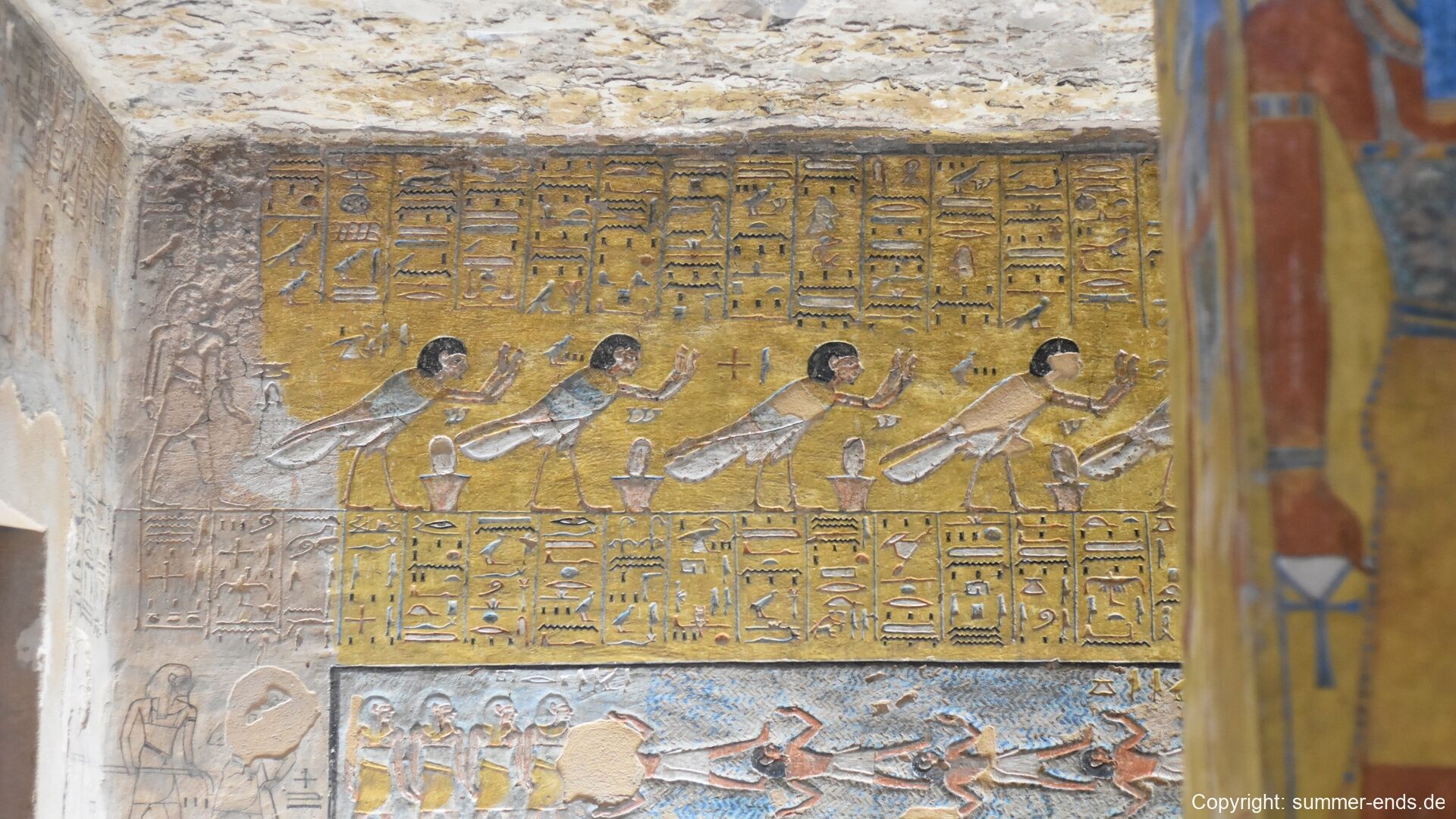
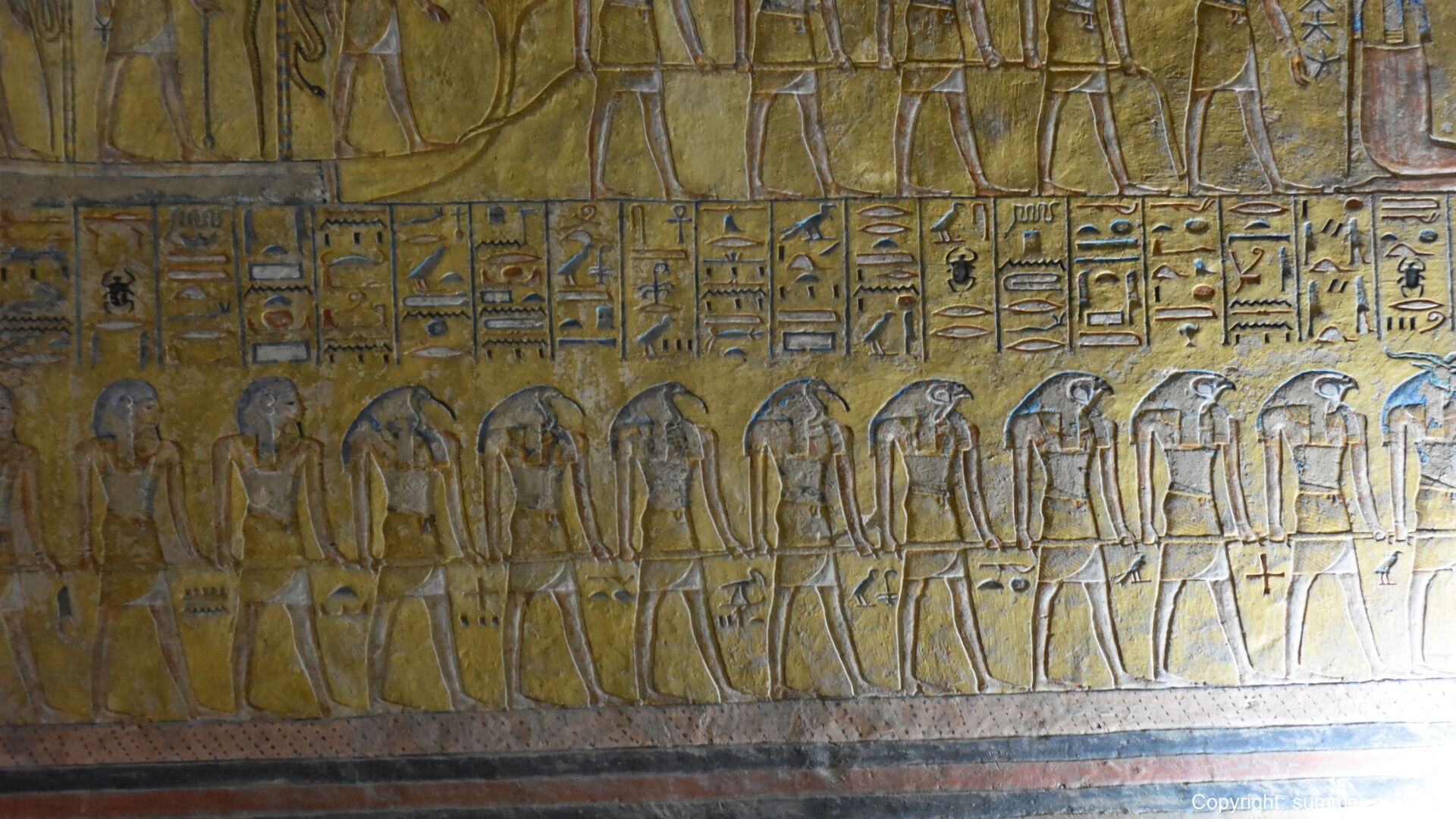
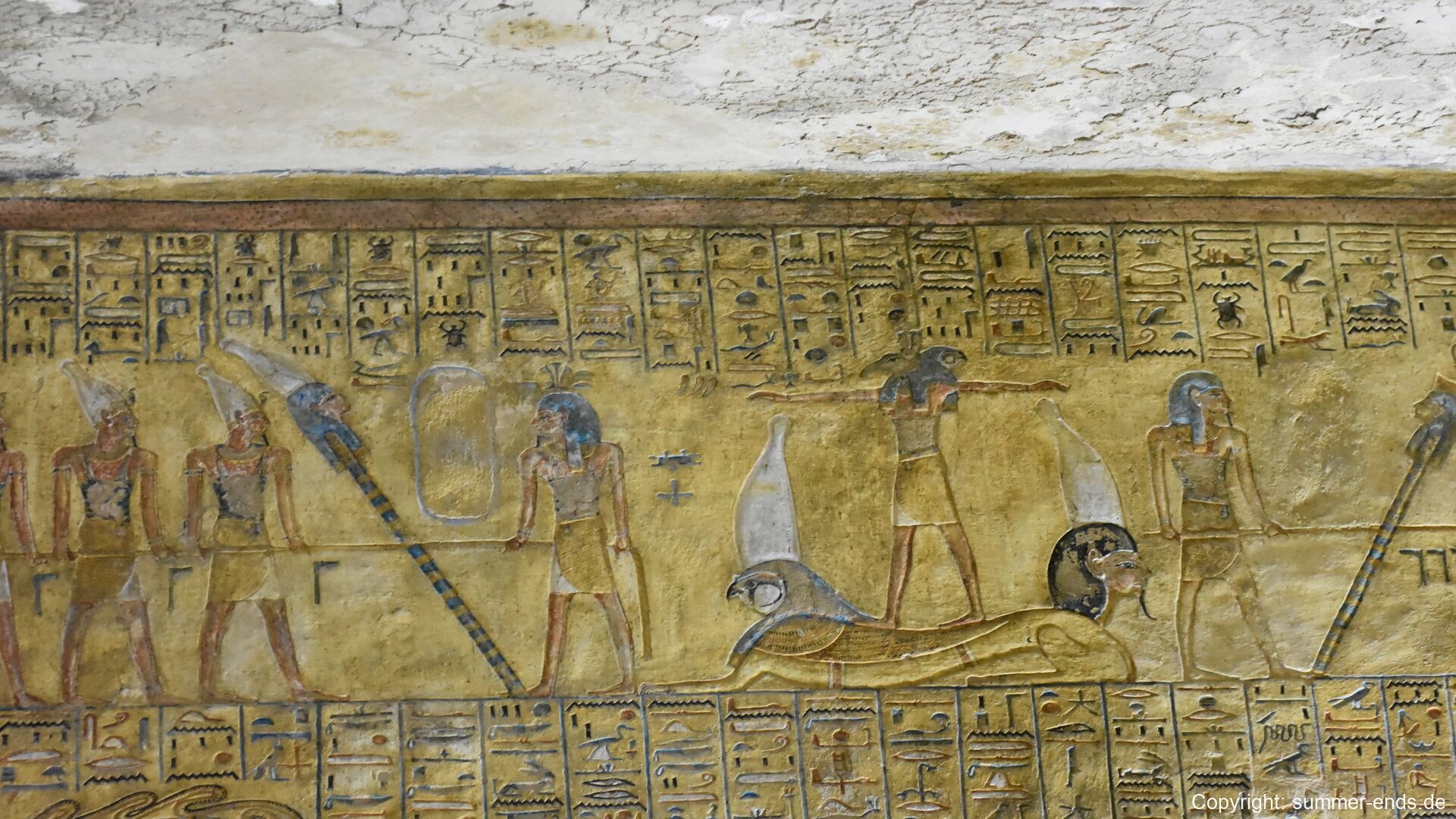
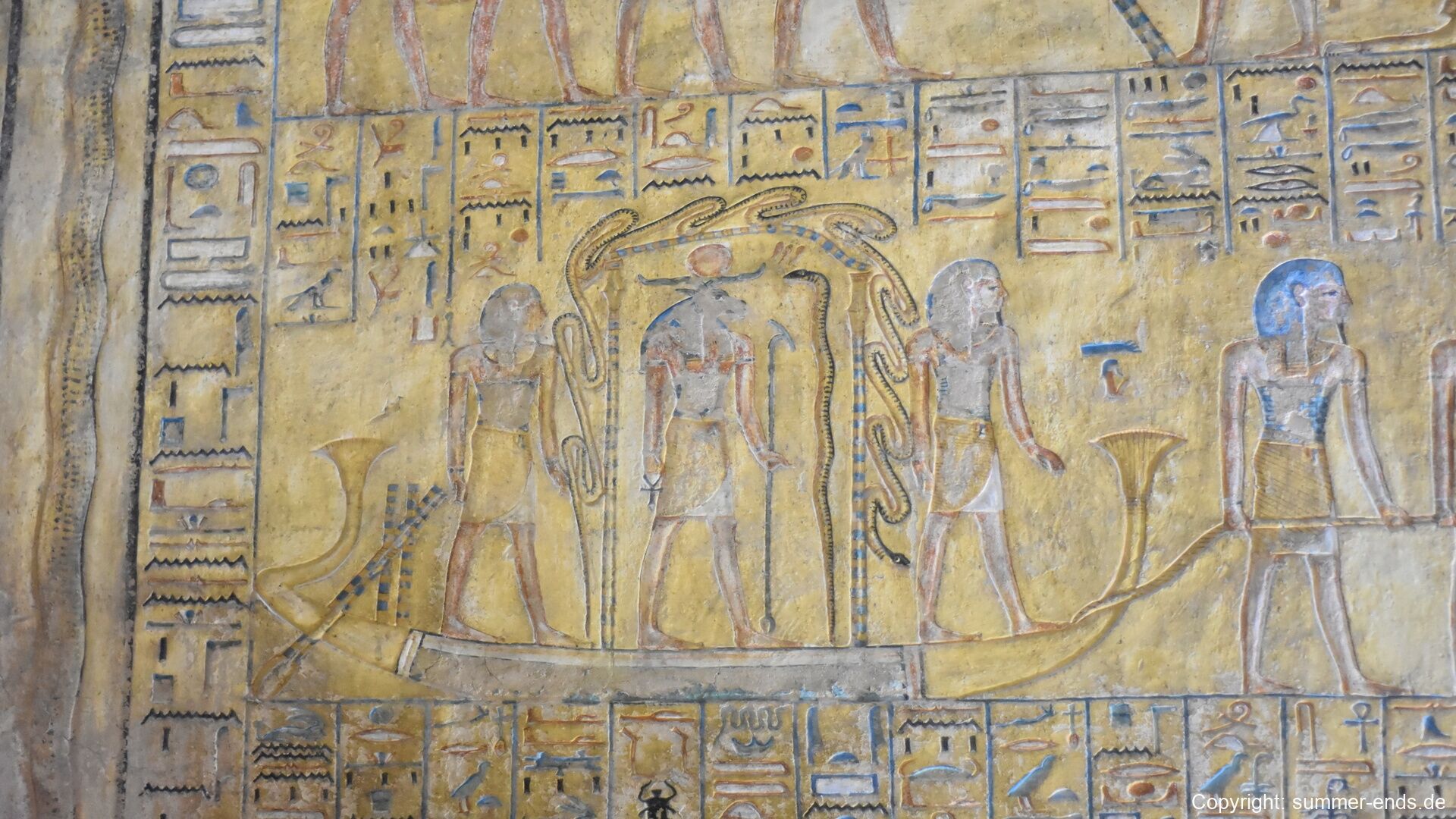
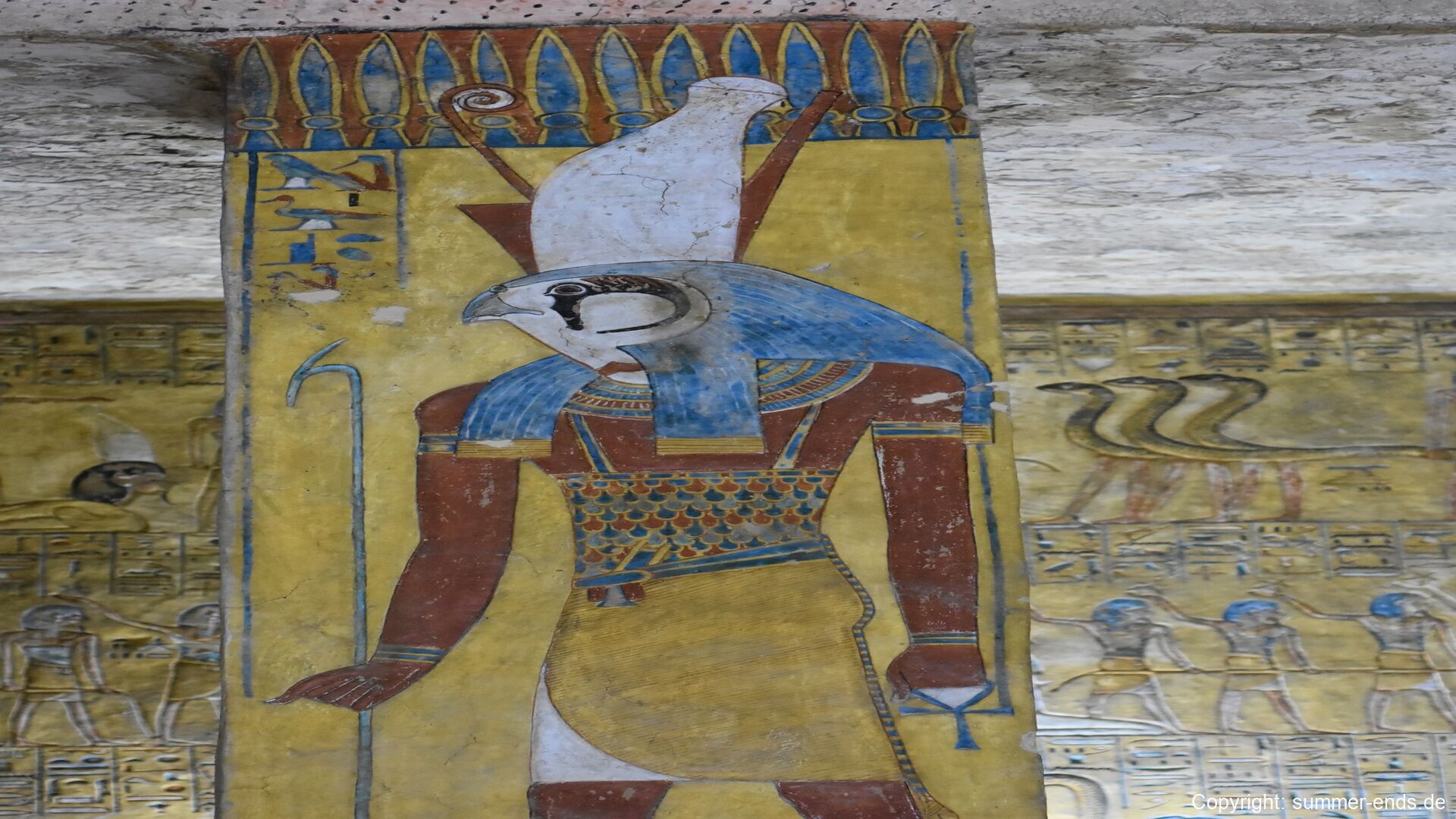
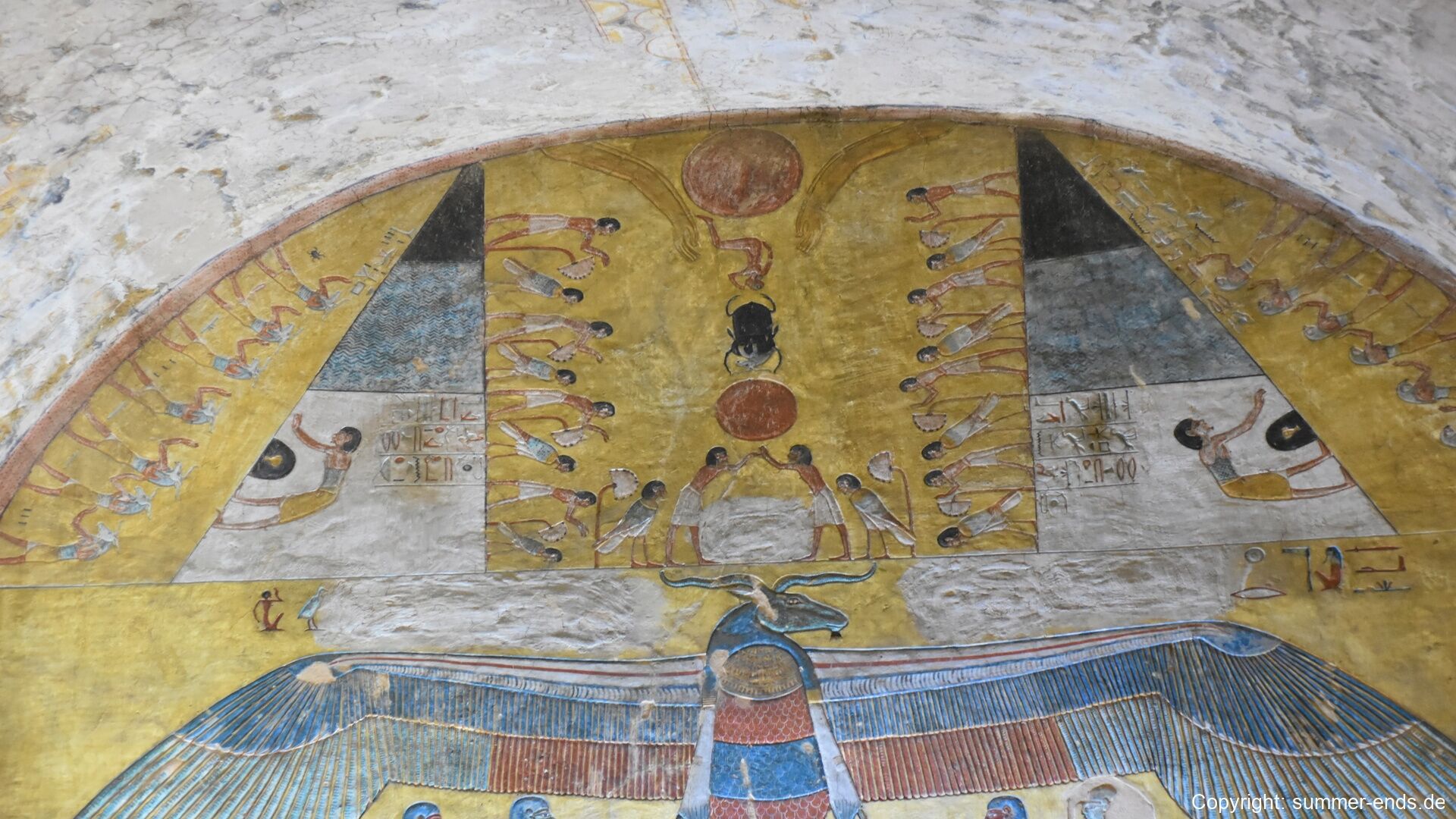
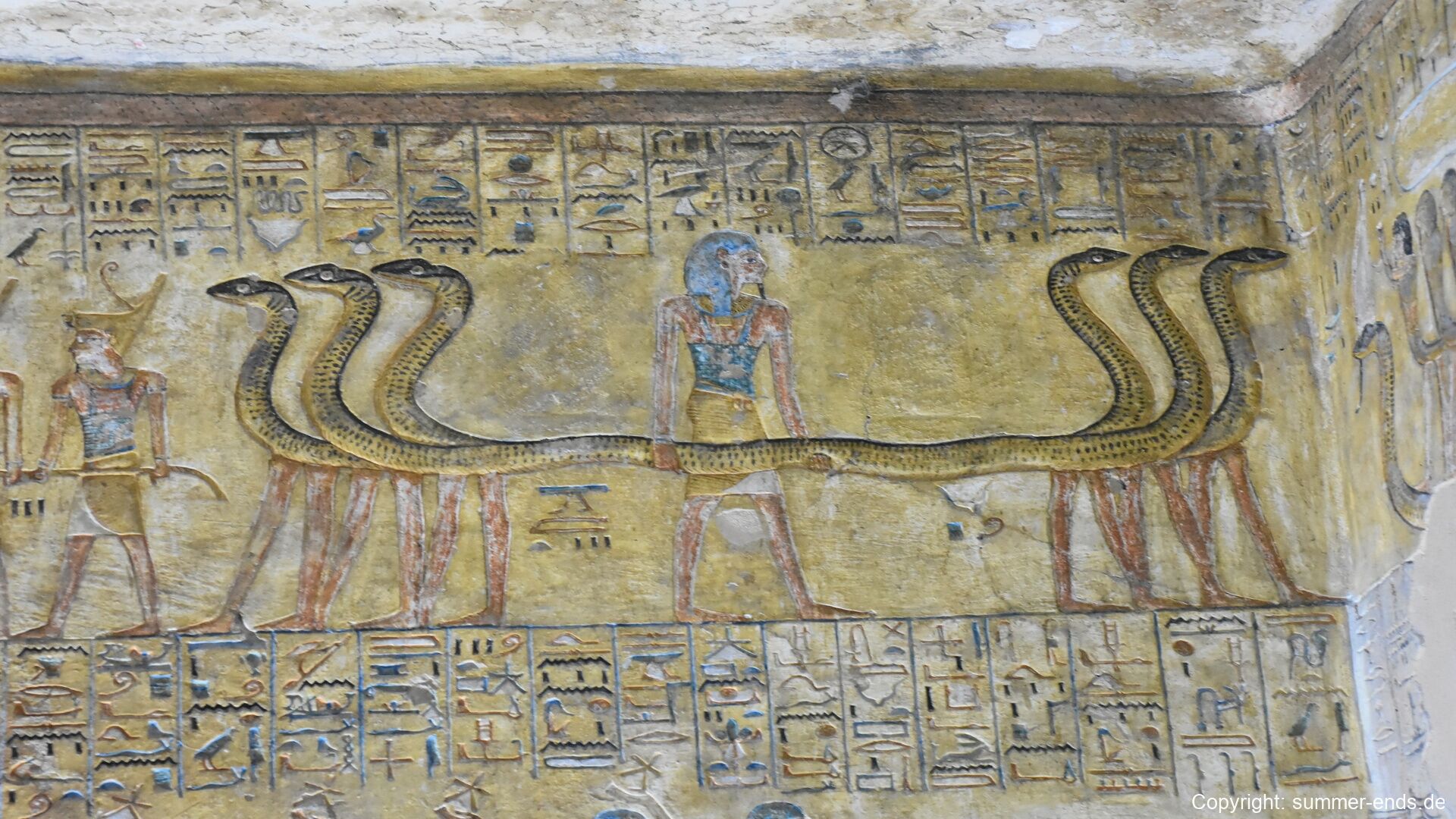
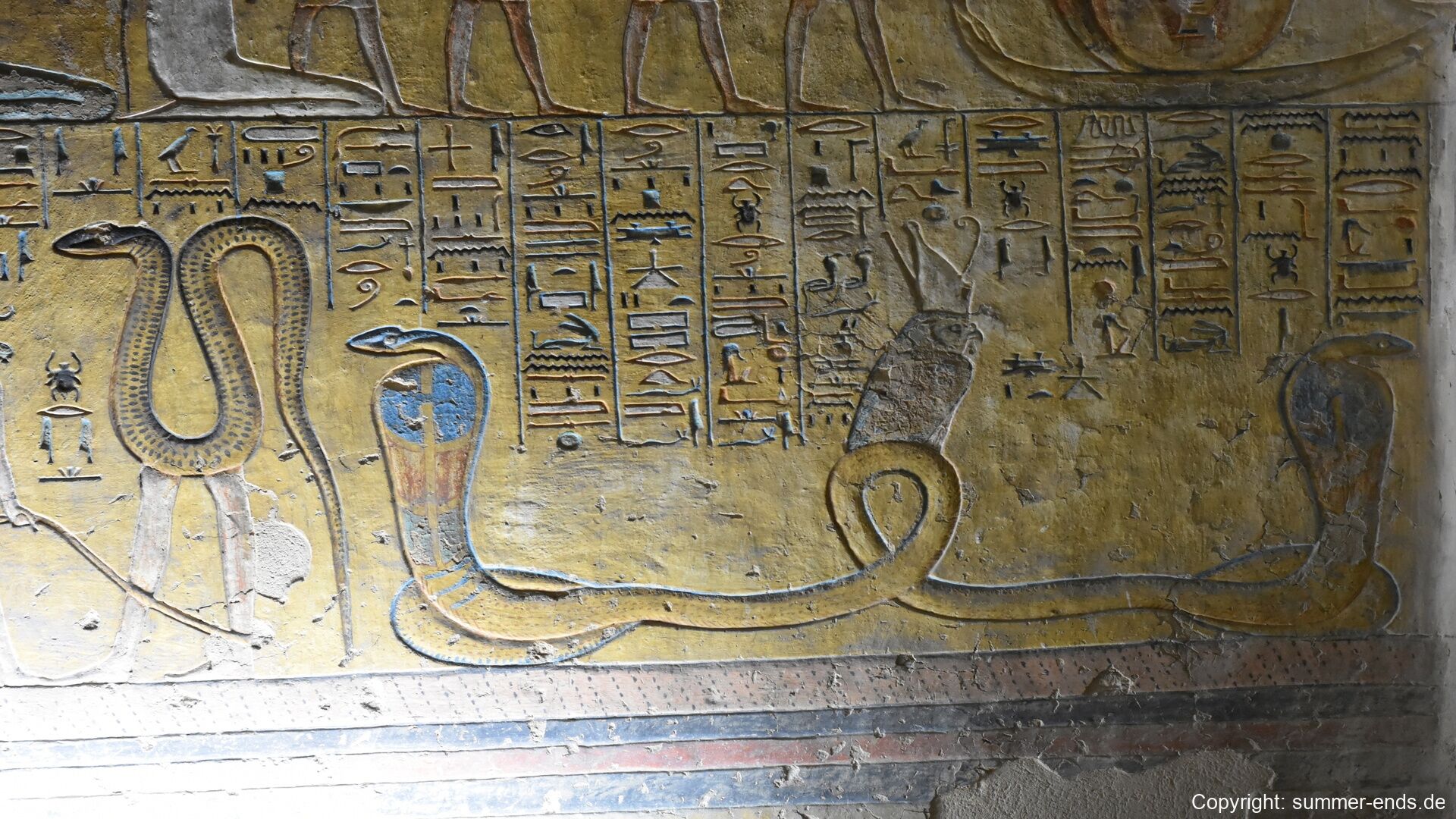
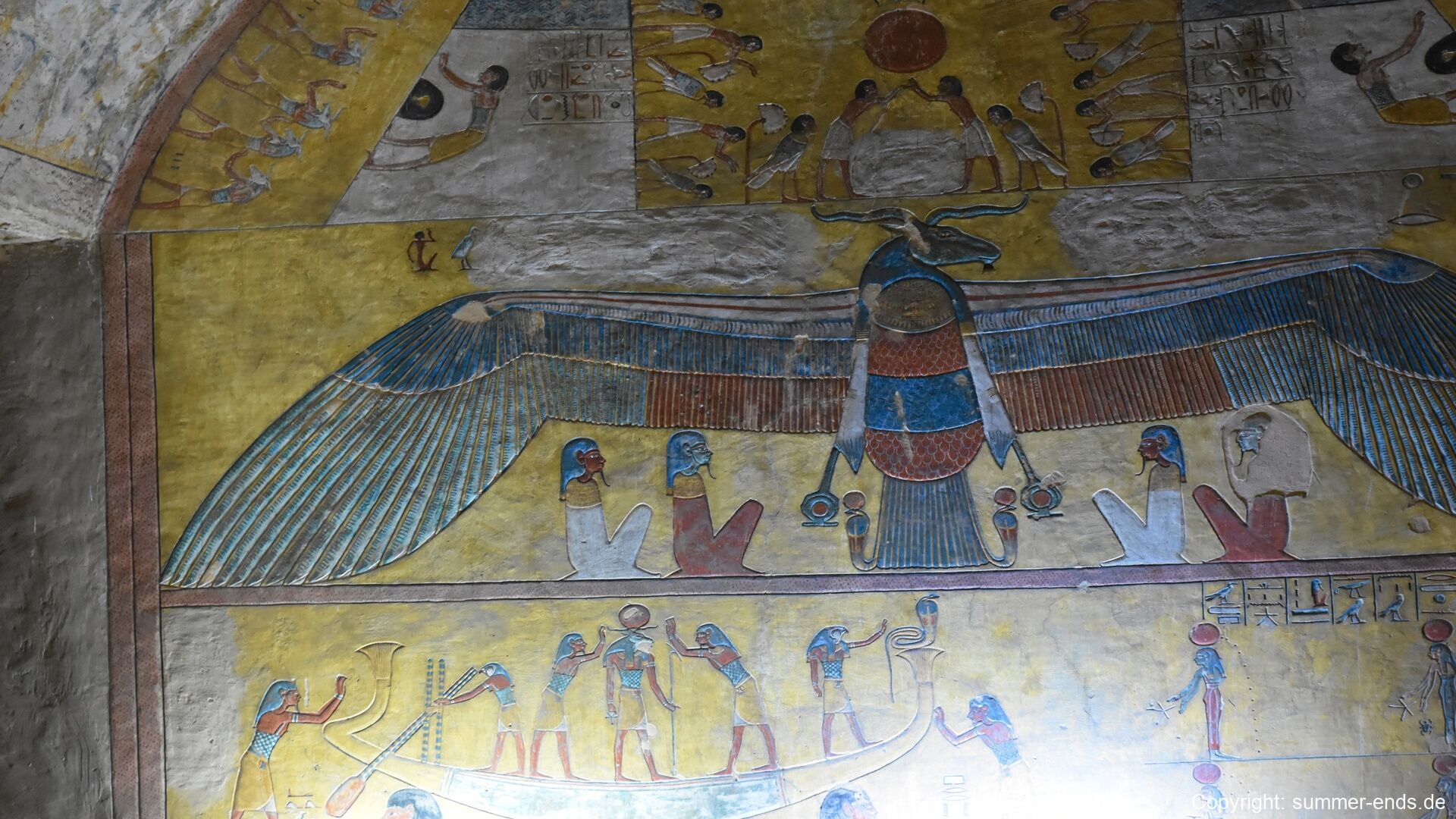
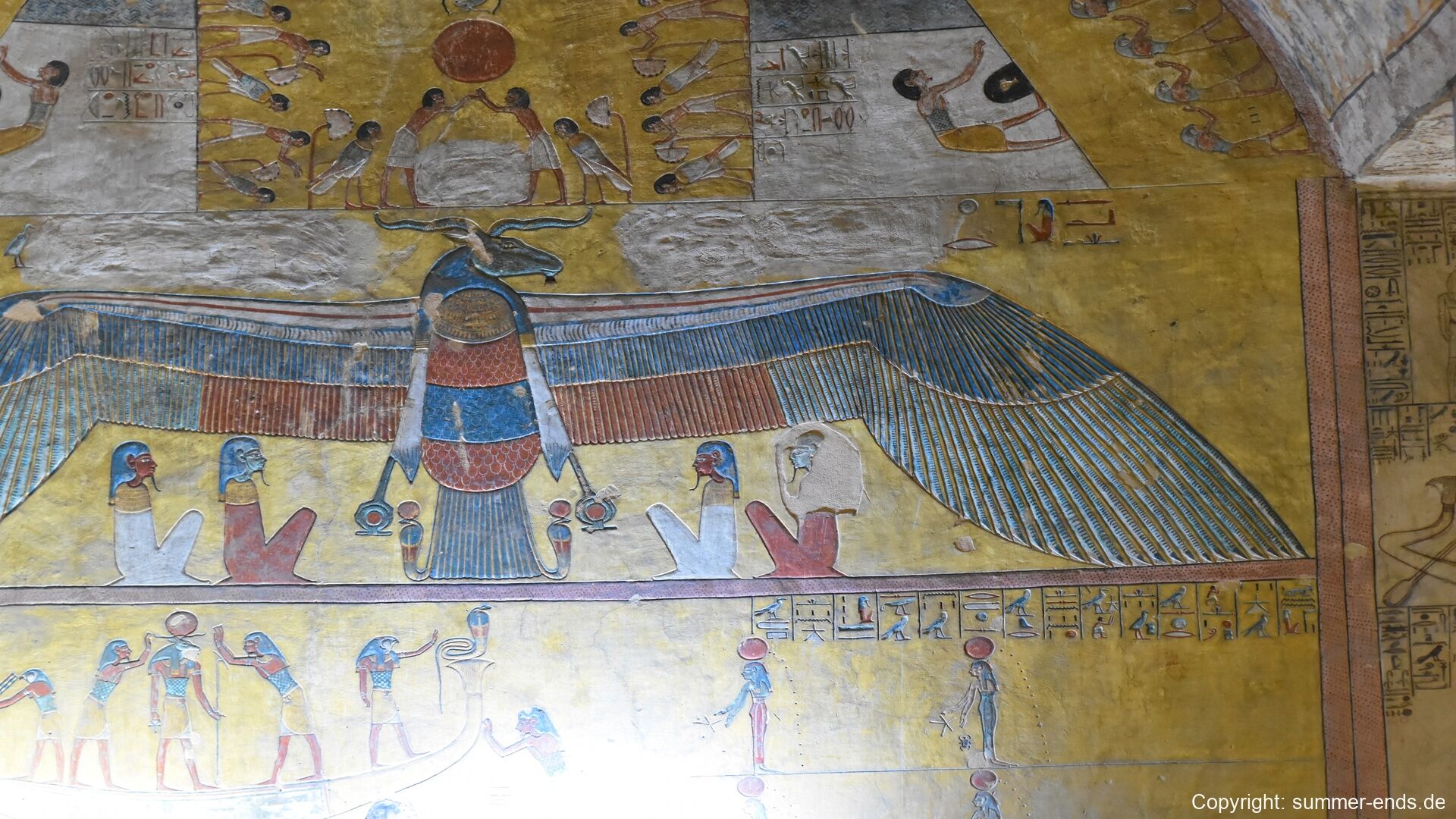
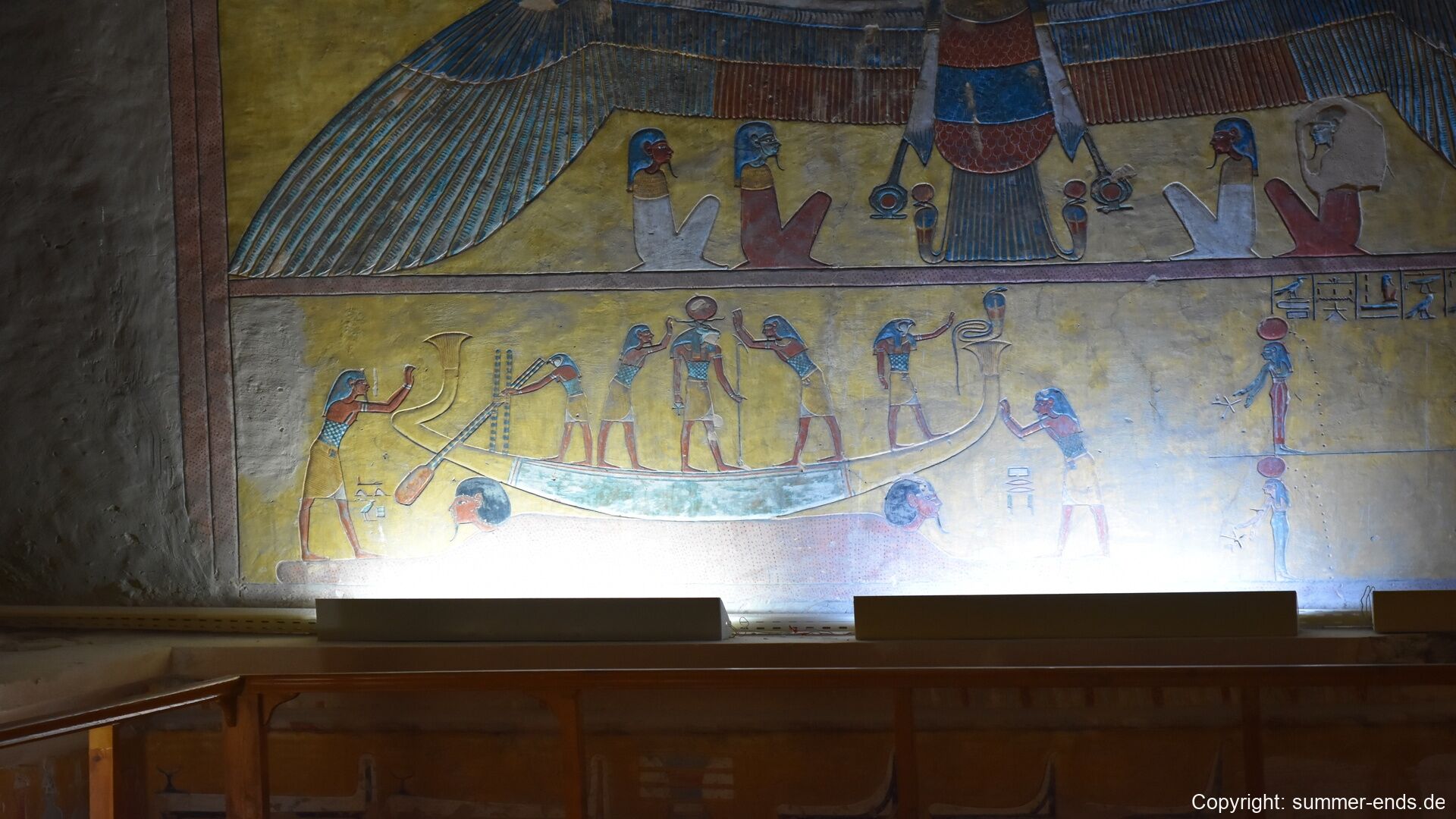
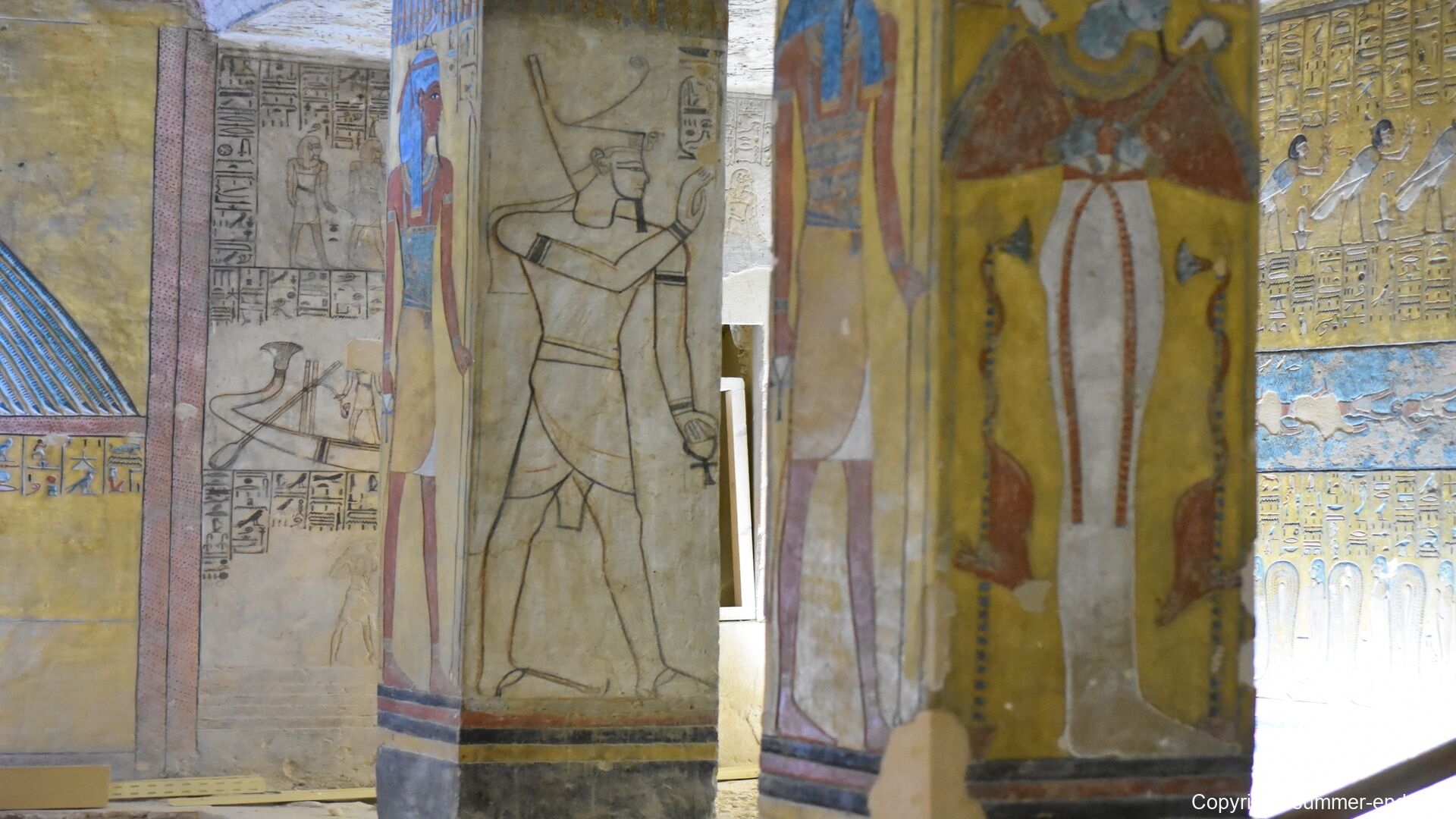
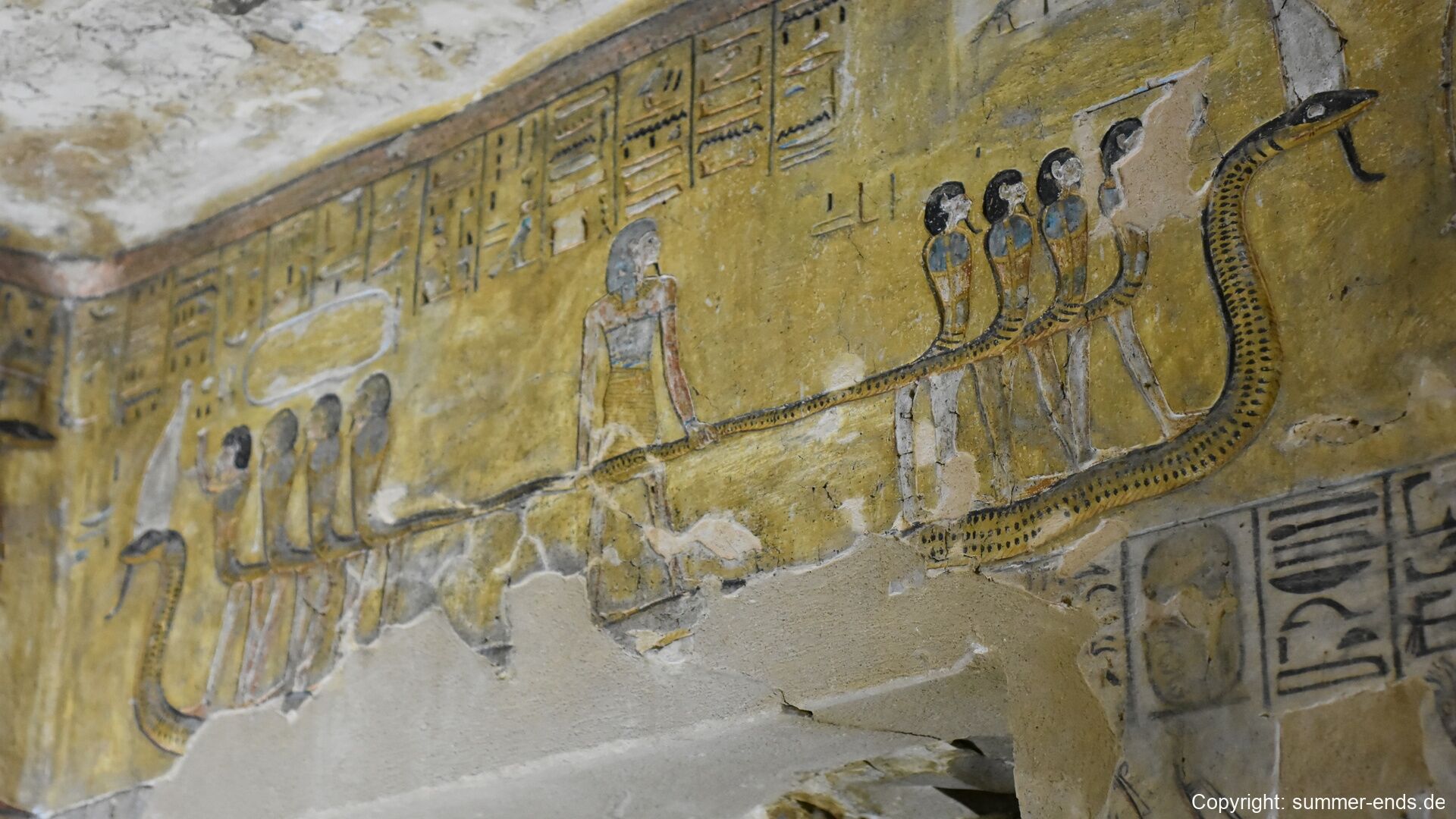
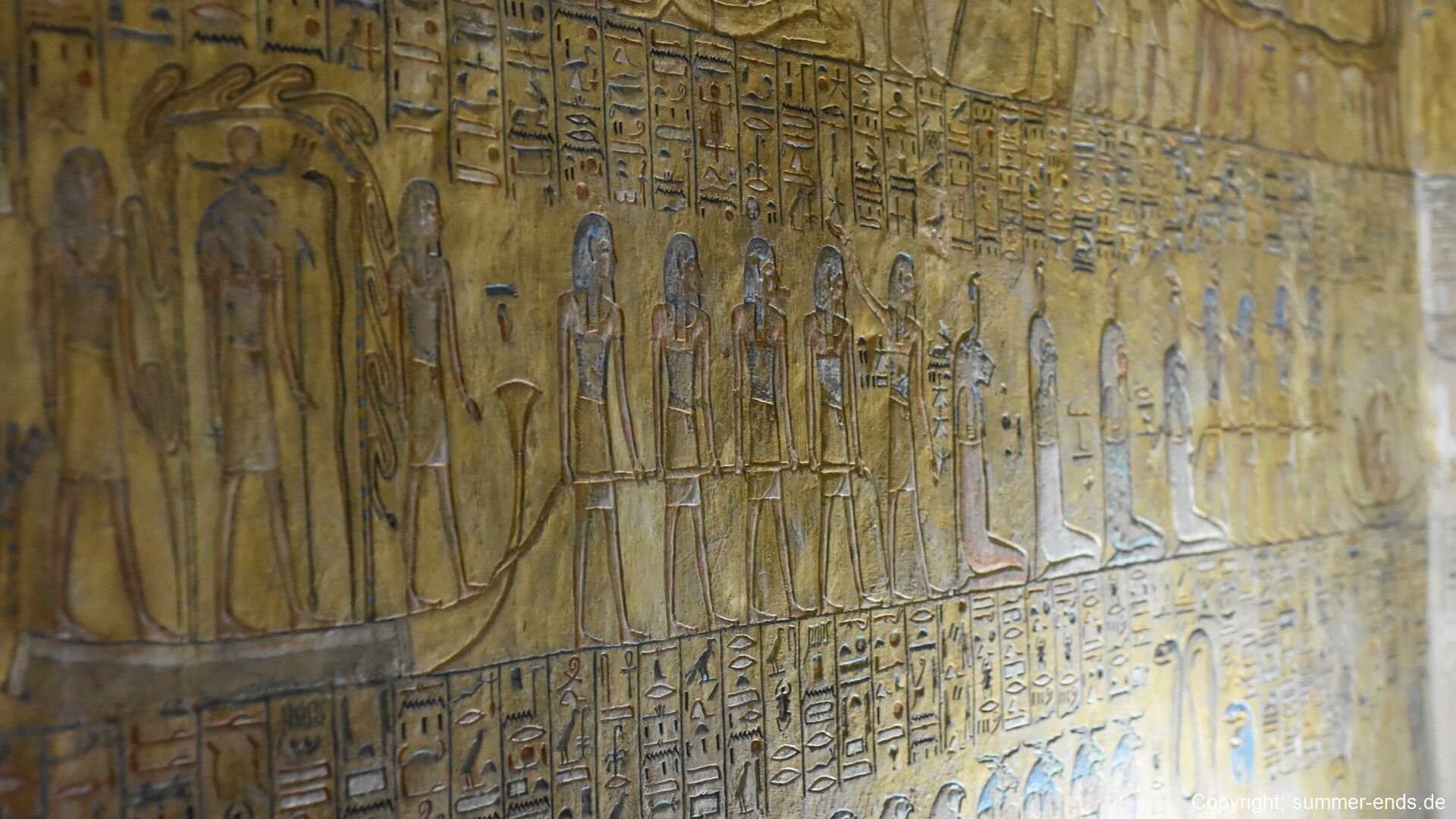
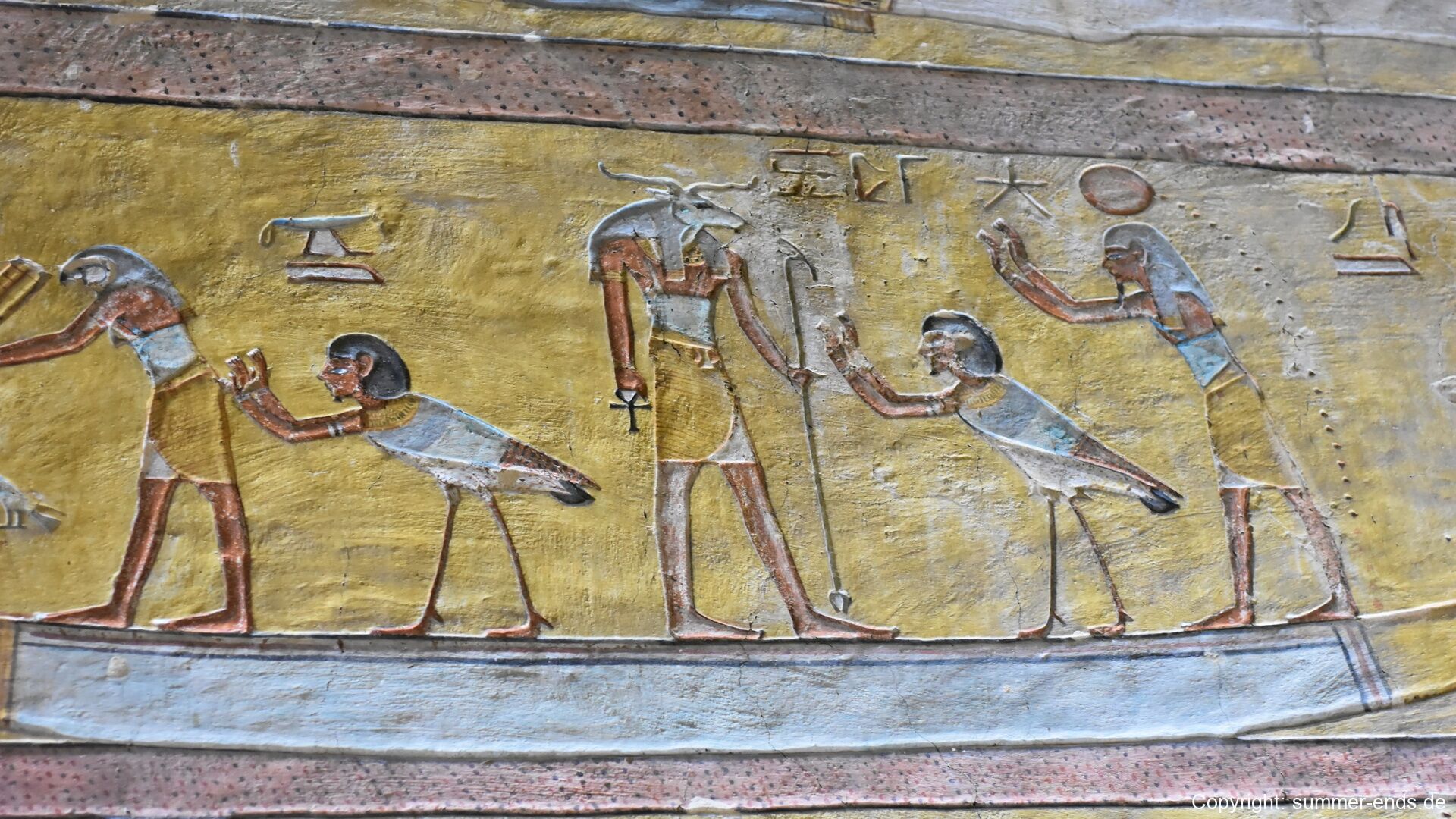
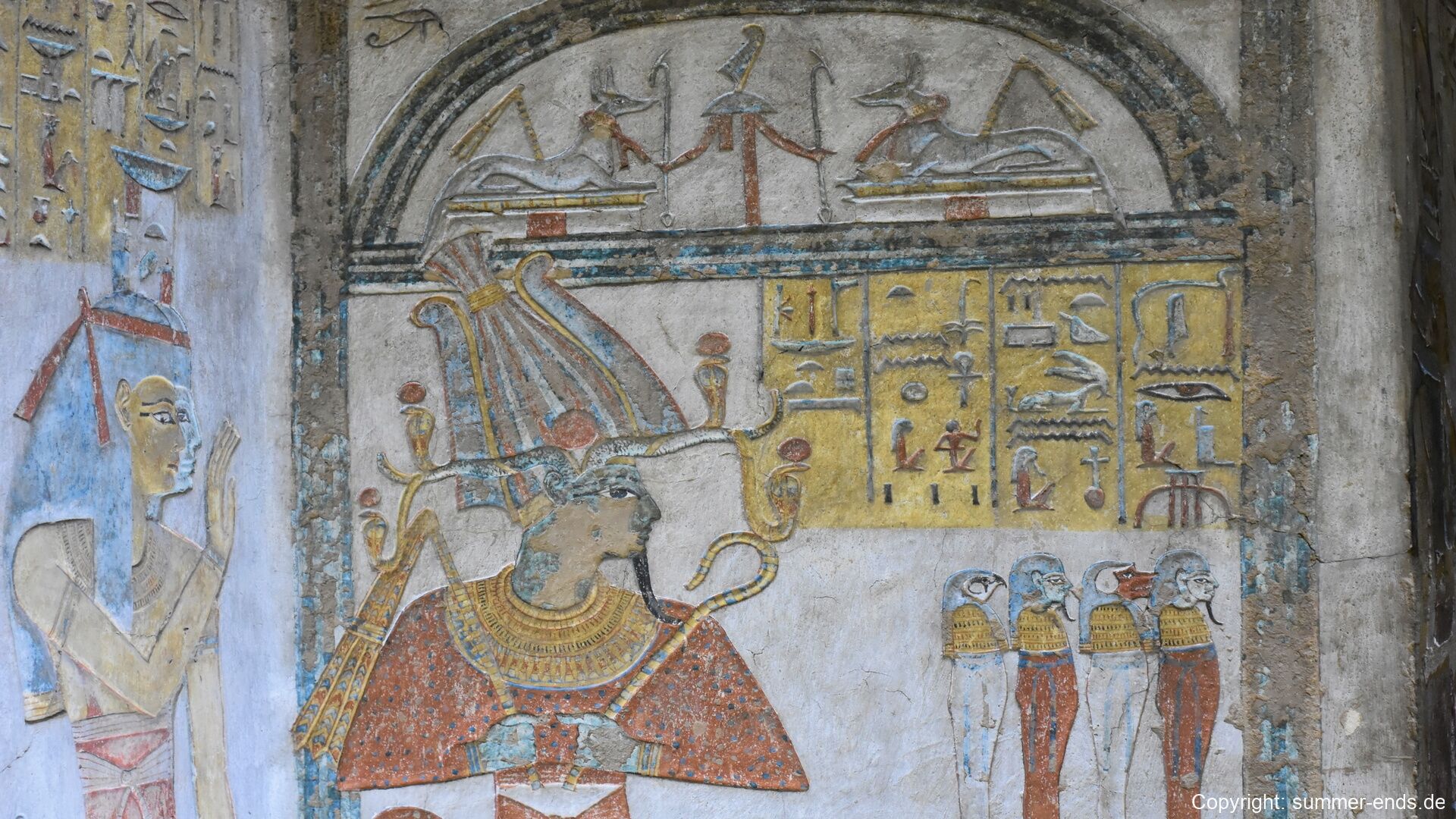
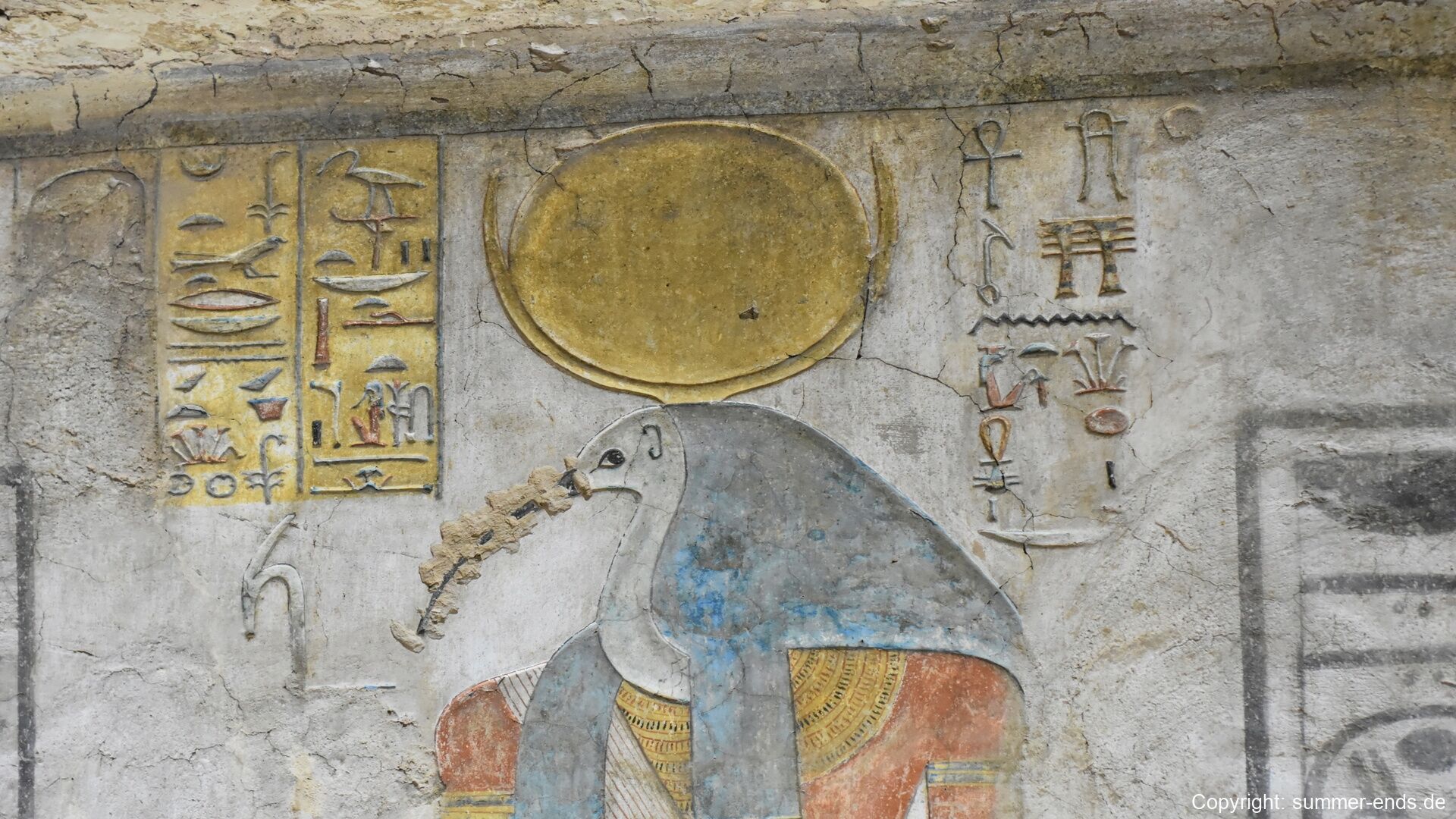
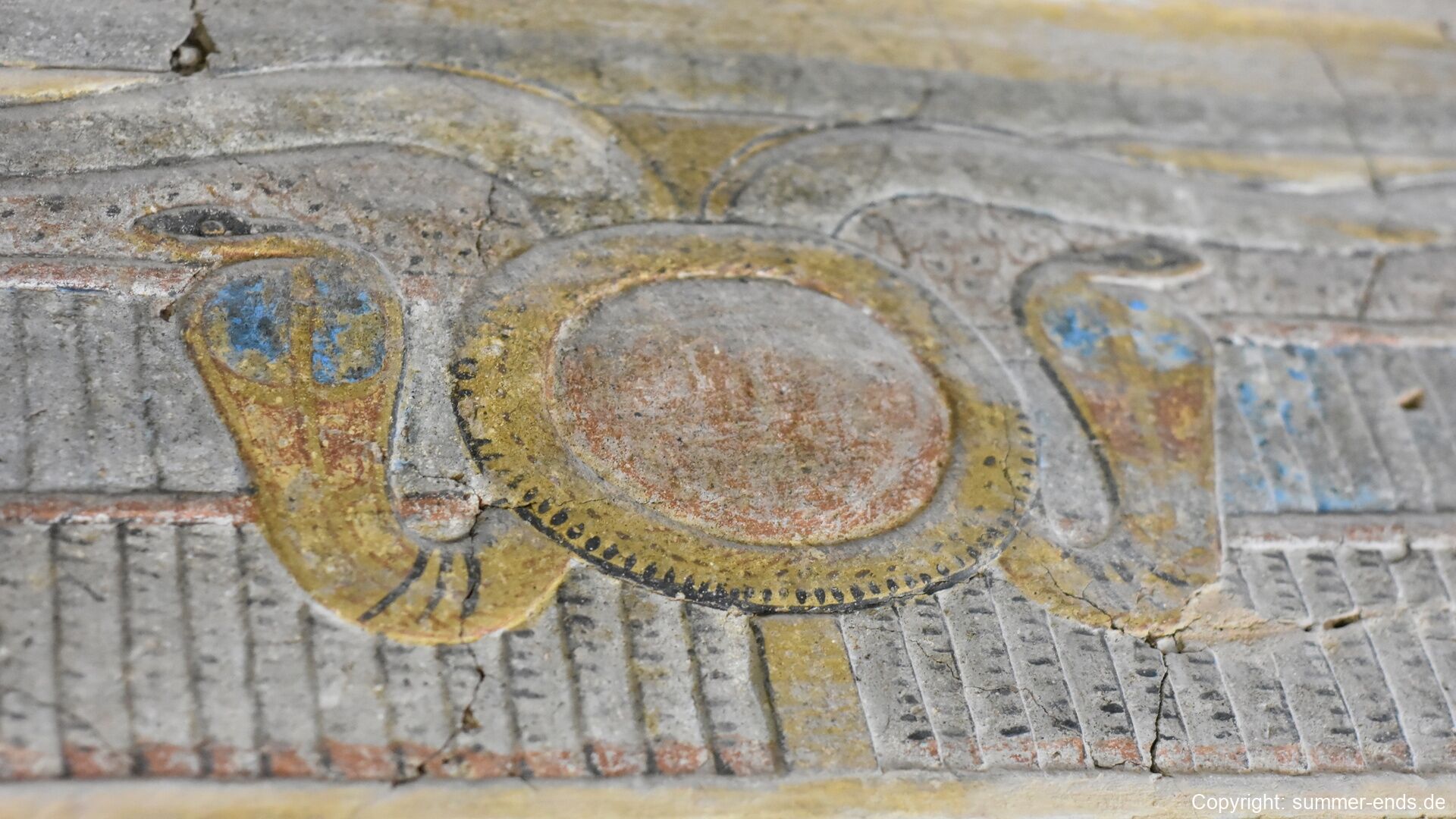
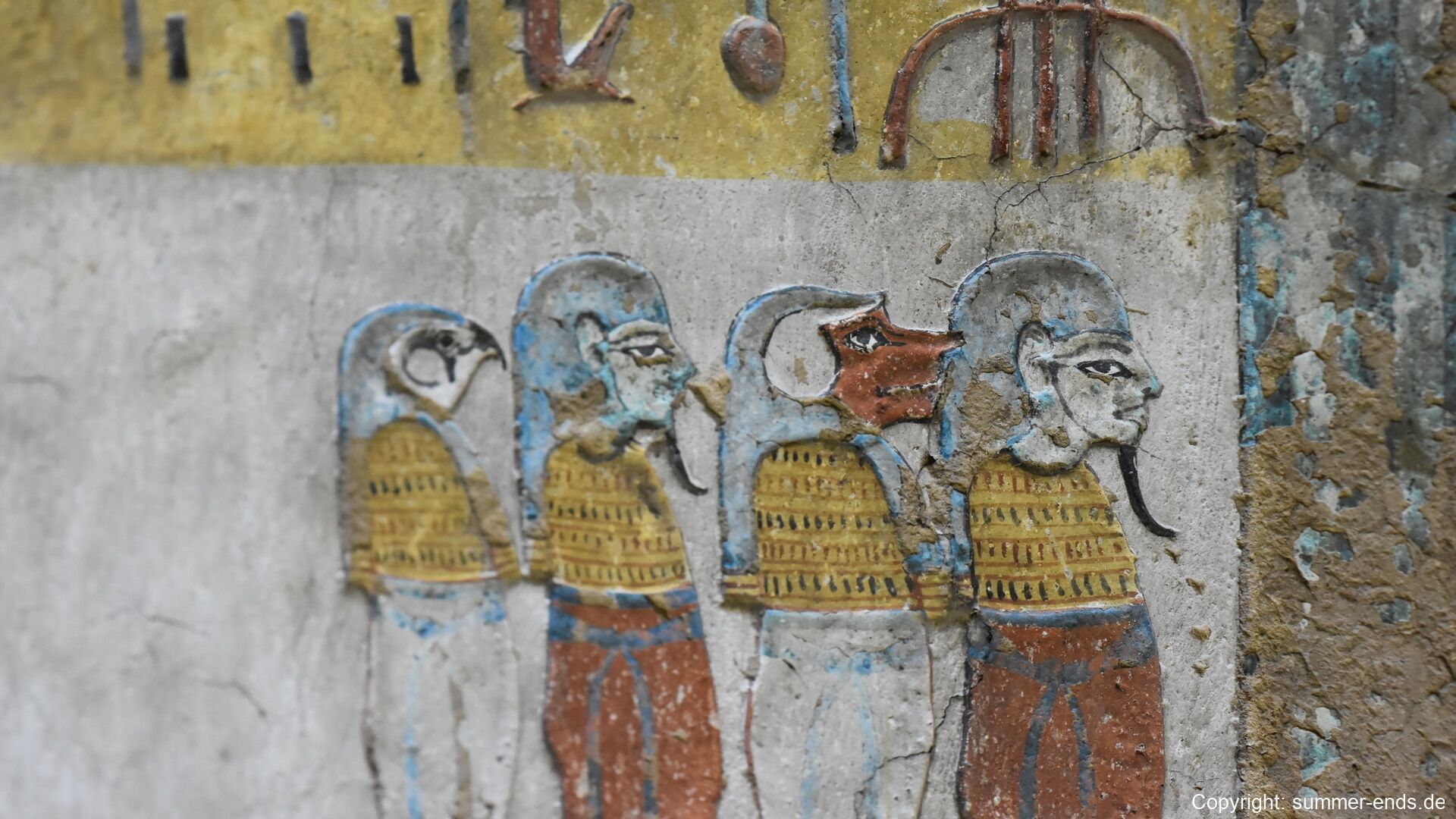
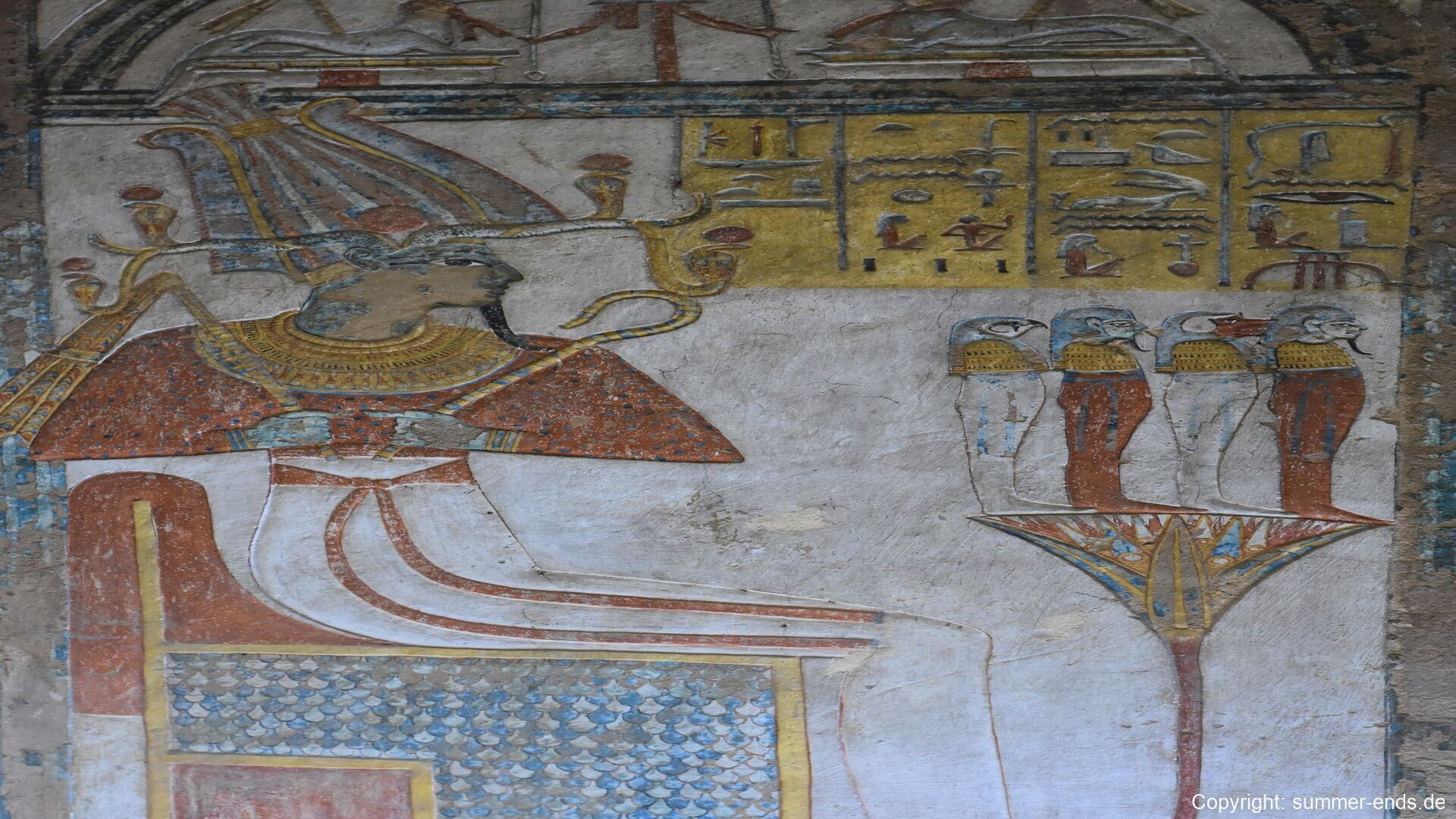
The Valley of the Kings and the Valley of the Queens are two of the most significant and best-preserved ancient burial sites in Egypt. Located on the west bank of the Nile near Luxor, these desert valleys served as royal necropolises during the New Kingdom period (circa 1550–1070 BCE), a time of expansive empire and religious transformation.
Carved deep into the limestone cliffs of the Theban hills, the tombs of pharaohs, queens, princes, and high-ranking nobles were designed to ensure a safe journey into the afterlife. The Valley of the Kings is best known for its elaborate royal tombs, including that of Tutankhamun, while the Valley of the Queens is renowned for the stunning tomb of Nefertari, the great royal wife of Ramses II.
Together, these sites form part of the Theban Necropolis, a UNESCO World Heritage Site, and continue to reveal invaluable archaeological and historical insights into the beliefs, artistry, and political structure of ancient Egypt.
History
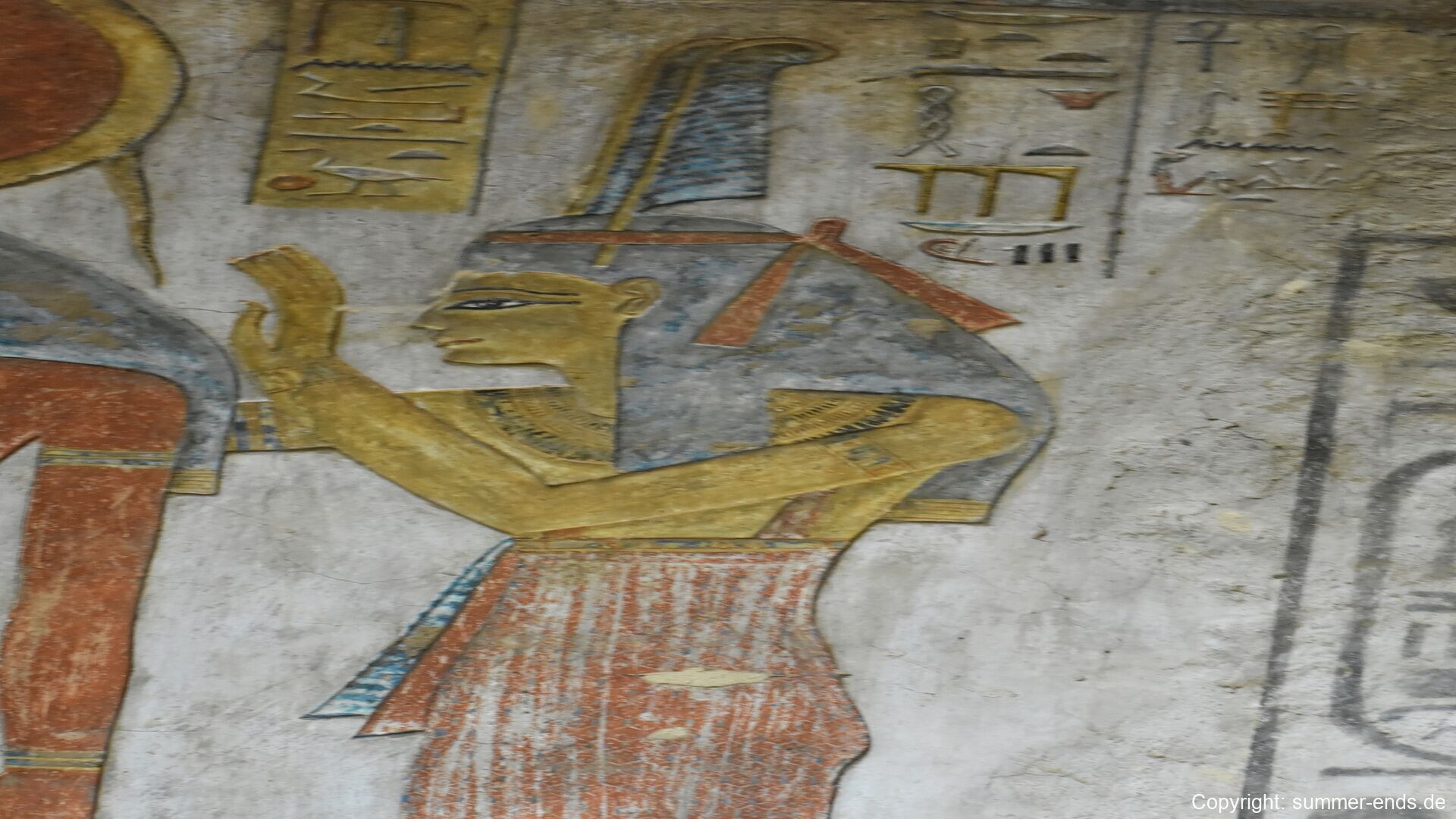
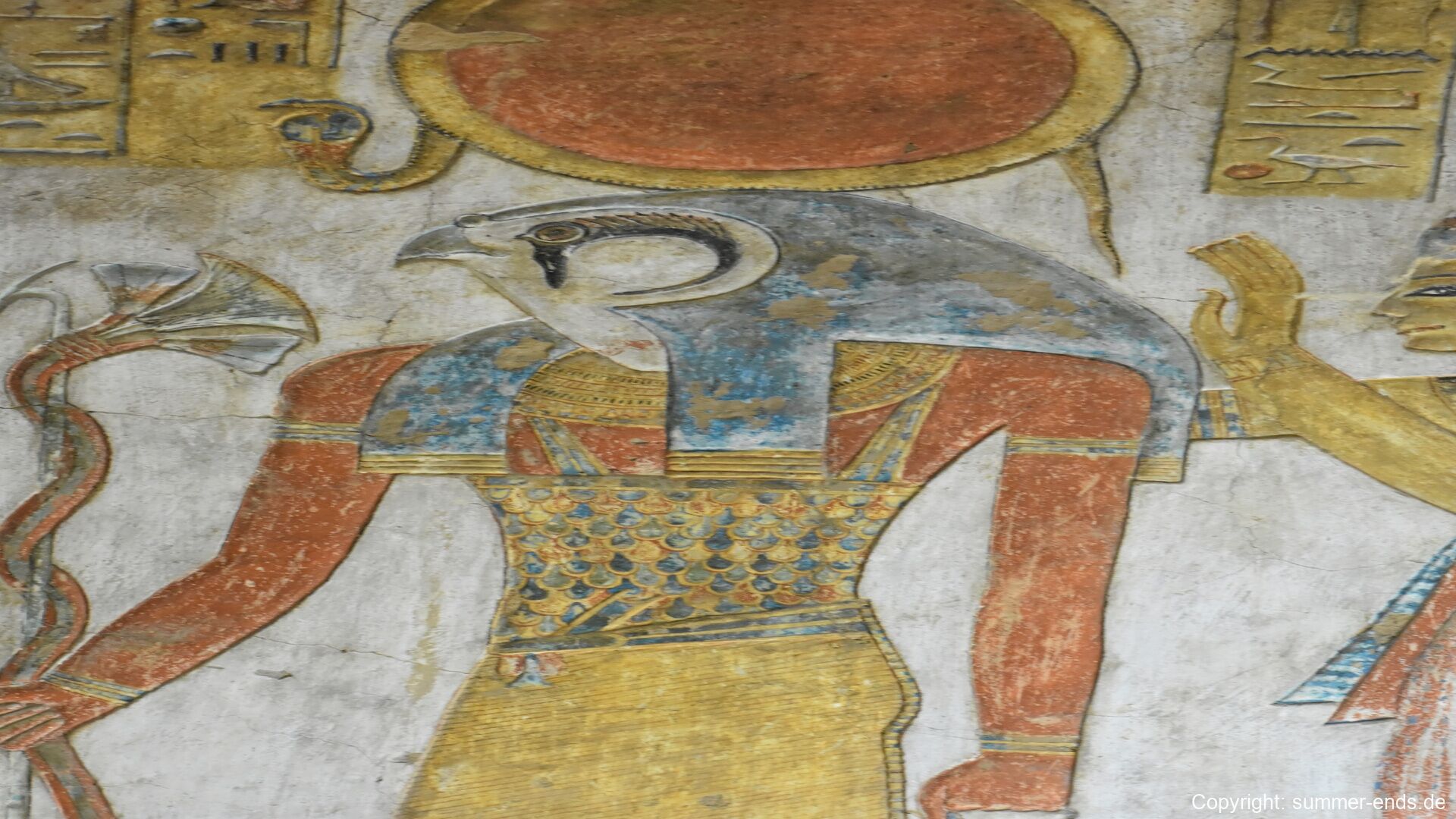
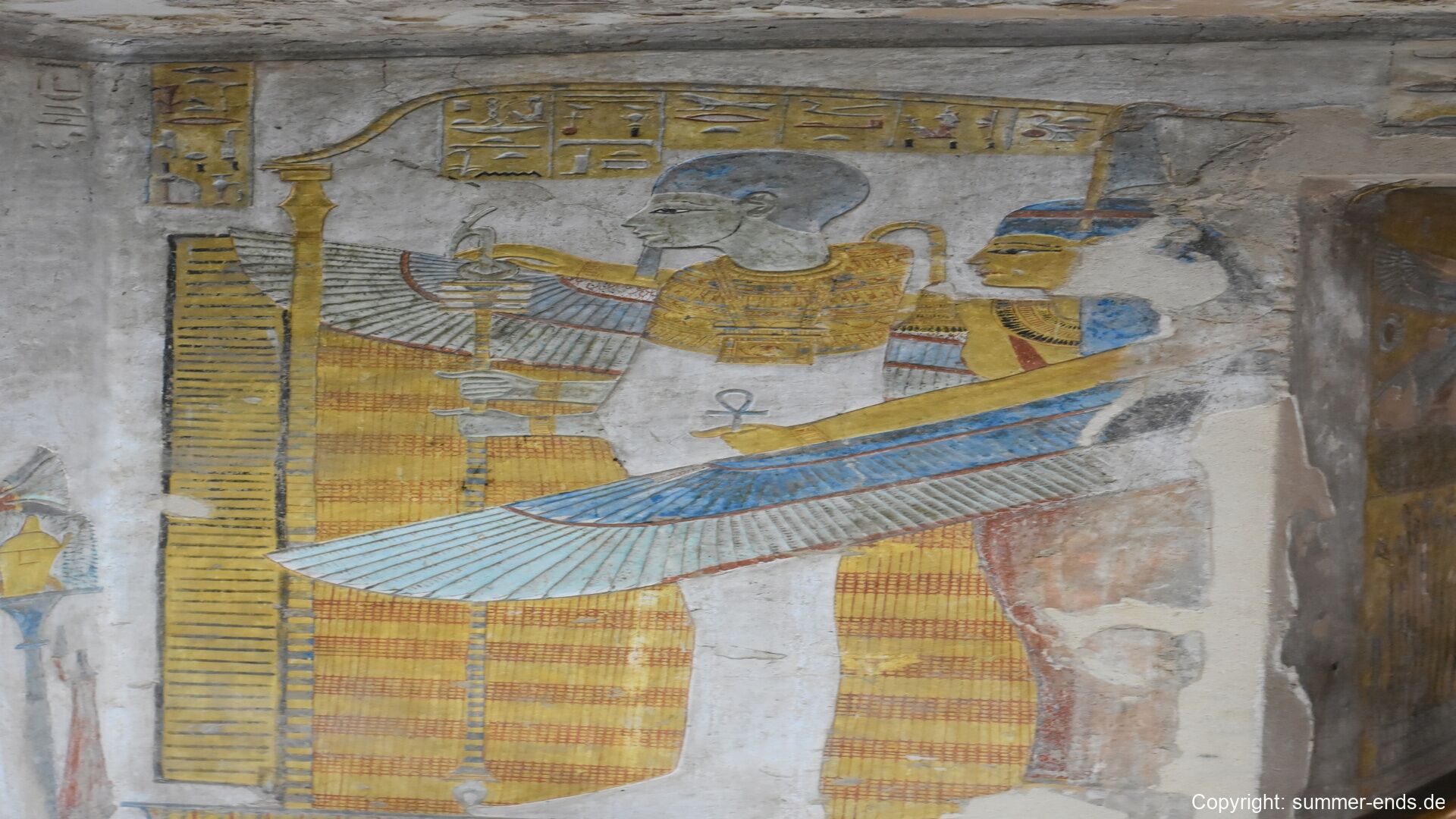
The Valley of the Kings became the main burial ground for Egypt’s rulers starting with the 18th Dynasty, beginning with Pharaoh Thutmose I. Its location was chosen for its natural seclusion, symbolically protected by the pyramid-shaped mountain peak of el-Qurn. Over 60 tombs have been discovered here, belonging to rulers such as Amenhotep III, Seti I, Ramses II, and Thutmose III. Many tombs feature detailed religious texts and painted scenes intended to guide the deceased through the afterlife.
The most famous discovery in the valley is the tomb of Tutankhamun (KV62), found in 1922 by British archaeologist Howard Carter. Despite being relatively small, the tomb was nearly intact and filled with treasures, transforming global understanding of ancient Egyptian burial practices.
To the southwest, the Valley of the Queens served as the resting place for royal women and children of the New Kingdom. Its ancient name, Ta-Set-Neferu (“Place of Beauty”), reflects its role as a sacred space for the queens of the 18th through 20th Dynasties. While many of the tombs are modest, the tomb of Queen Nefertari (QV66) stands out for its vivid, high-quality artwork and extensive religious symbolism.
Though many tombs were looted in antiquity, the remaining architecture, inscriptions, and decorations provide an unparalleled record of religious evolution, dynastic power, and funerary practices in pharaonic Egypt.
Geology
Both valleys are located within the Theban Mountain range, part of the Eastern Desert’s Eocene limestone formations. This limestone, layered and relatively easy to carve, was ideal for rock-cut tomb construction. The geology allowed for long corridors, complex chambers, and decorative surfaces suitable for painted plaster and carved reliefs.
The Valley of the Kings, situated in a narrow desert wadi, benefits from the protective shape of el-Qurn and deep-cut cliffs, offering concealment and structural support. However, geological variation in rock quality has caused some tombs to suffer from collapses or structural instability. Salt efflorescence, flash floods, and modern environmental stressors such as tourism and groundwater rise also threaten the tombs.
The Valley of the Queens, while geologically similar, has more fragile formations in certain areas, especially in tombs built closer to the valley floor. Conservation efforts have focused on stabilizing tomb walls, protecting wall paintings, and managing visitor impact, especially in high-profile tombs like that of Nefertari.
Things to See
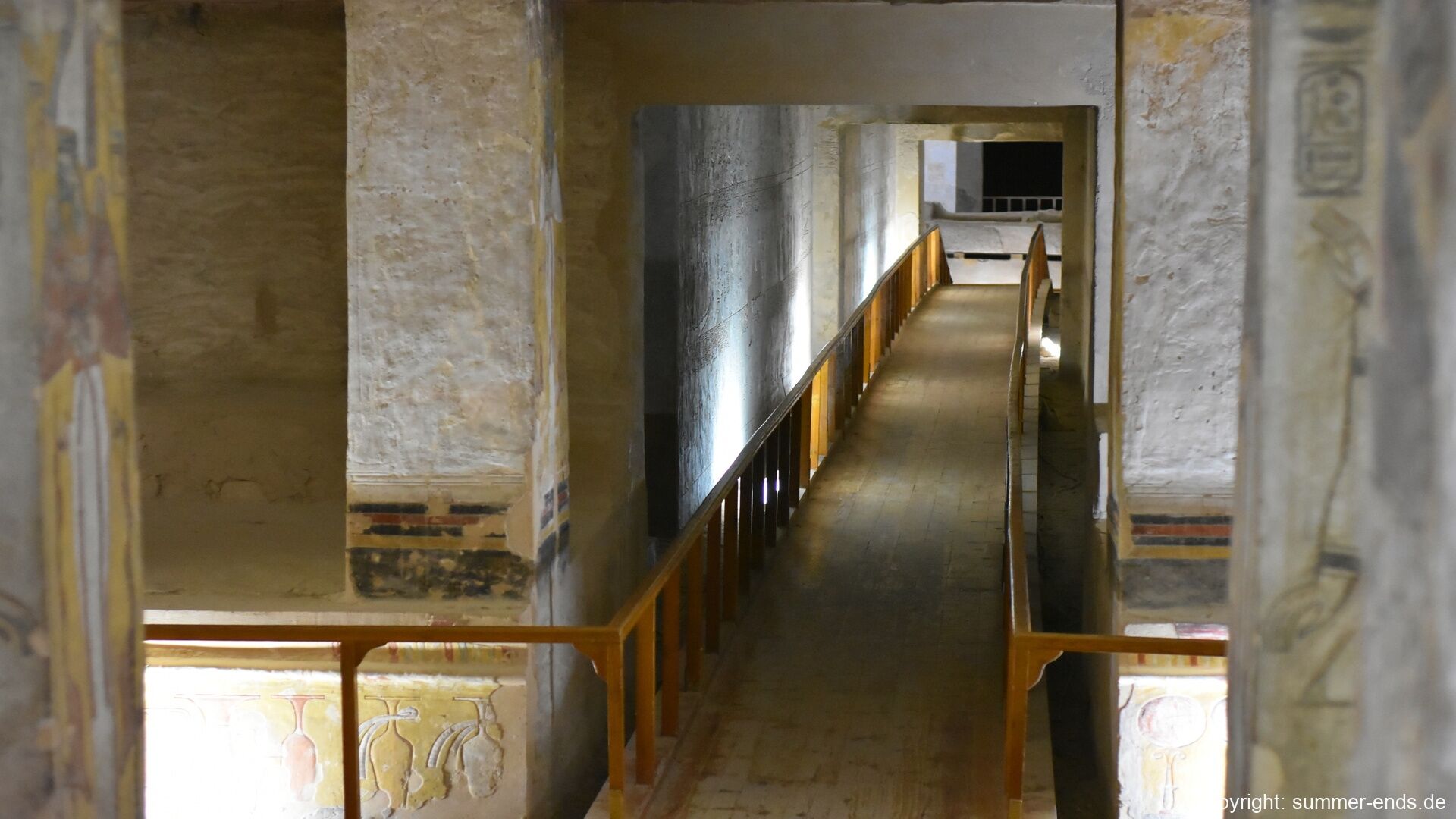
The Valley of the Kings features several tombs open to the public on a rotating basis, allowing for conservation while maintaining access.
- The tomb of Tutankhamun (KV62) contains the young king’s mummy and original wall decorations.
- The tomb of Seti I (KV17) is one of the longest and most elaborately decorated, featuring texts from multiple funerary books.
- The tomb of Ramses VI (KV9) showcases a well-preserved astronomical ceiling and extensive underworld scenes.
- Other notable tombs include those of Thutmose III (KV34), Ramses III (KV11), and Horemheb (KV57), each offering unique artistic and architectural features.
The valley also includes a modern visitor center with educational displays, interactive maps, and a shuttle service to the tomb entrances.
In the Valley of the Queens, the most significant site is the tomb of Nefertari (QV66), often described as the most beautiful tomb in Egypt. Its walls are painted with full-color images of the queen interacting with gods such as Isis and Hathor, and the ceiling depicts a starry sky. Due to the tomb’s fragility, access is restricted and requires a special ticket.
Other open tombs include:
- The tomb of Amunherkhepshef (QV55), a son of Ramses III, featuring well-preserved scenes of the prince with his father and various deities.
- The tombs of Khaemwaset (QV44) and Titi (QV52), showcasing classic 20th Dynasty burial art.
The relative tranquility of the Valley of the Queens offers a more intimate experience, complemented by surrounding desert landscapes and the occasional presence of archaeological teams conducting new research.