

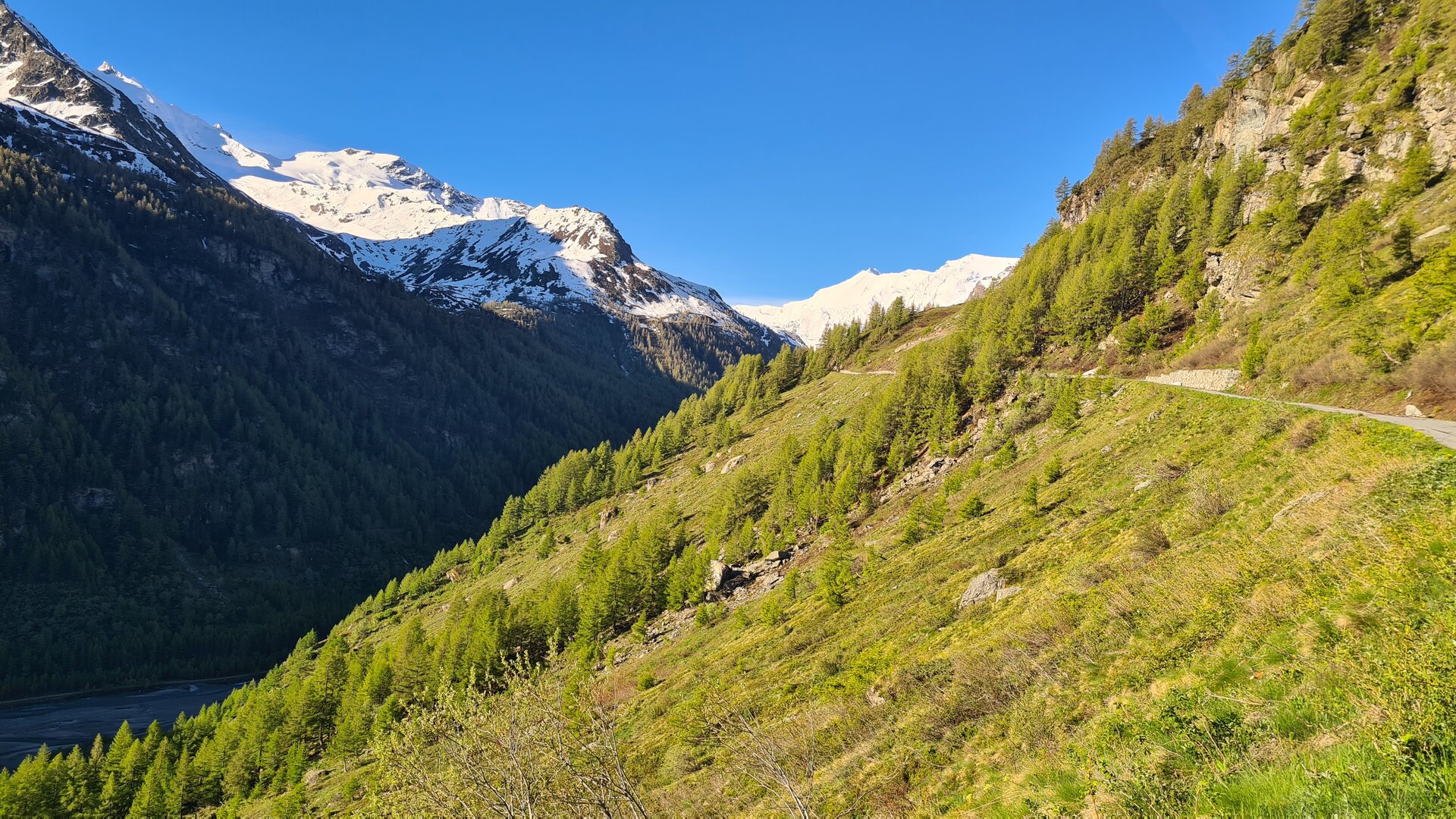
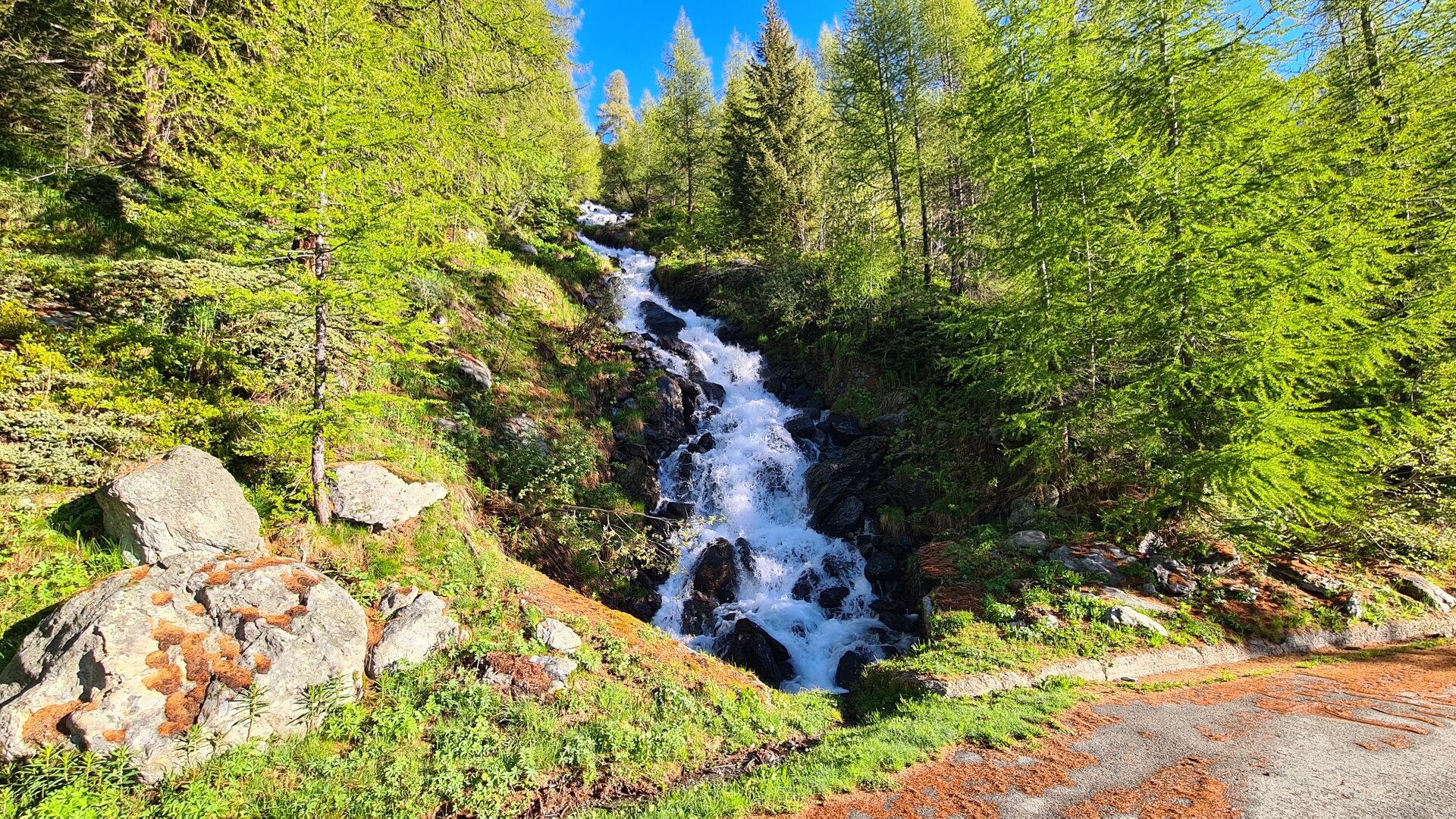
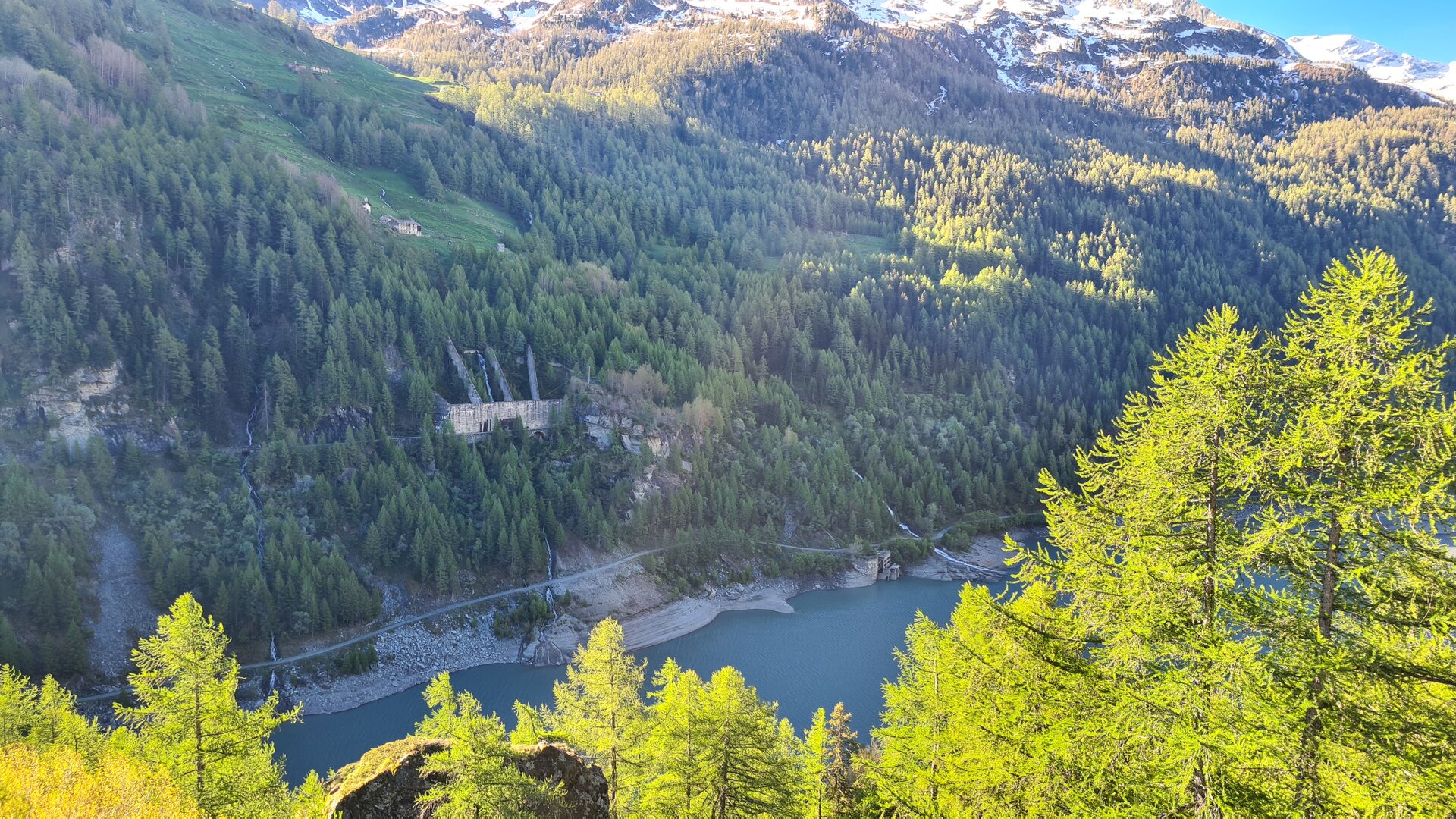


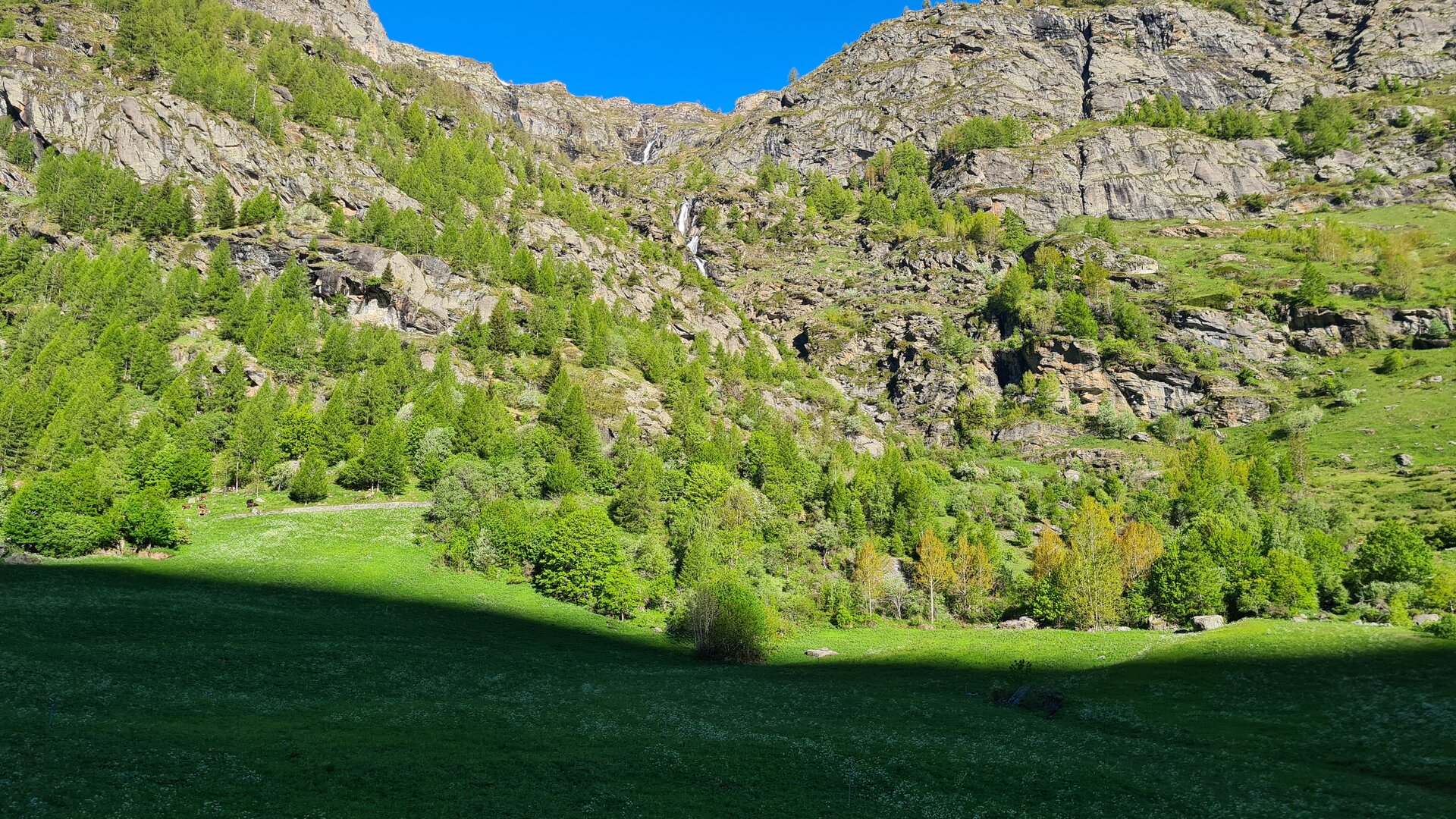
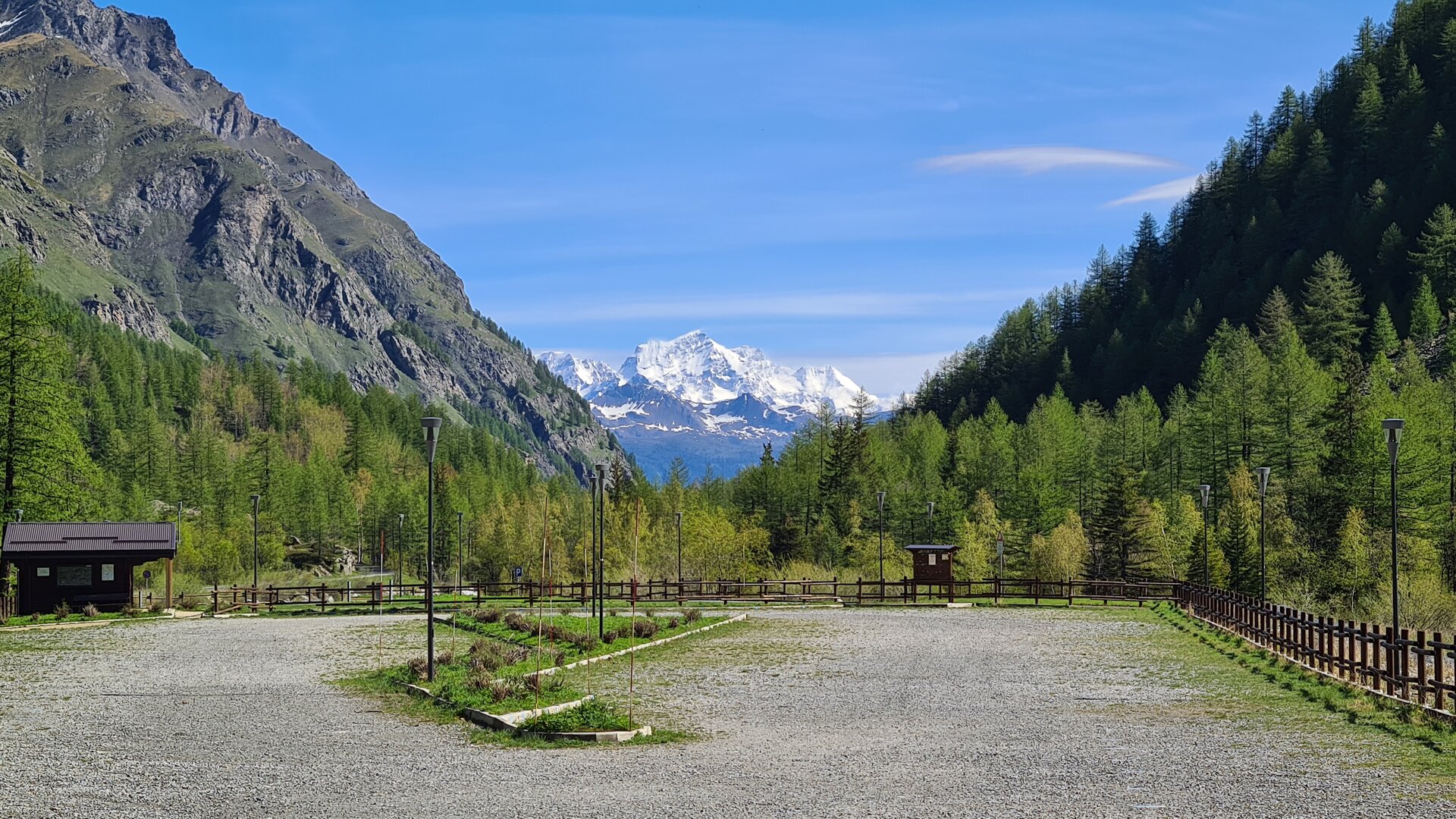
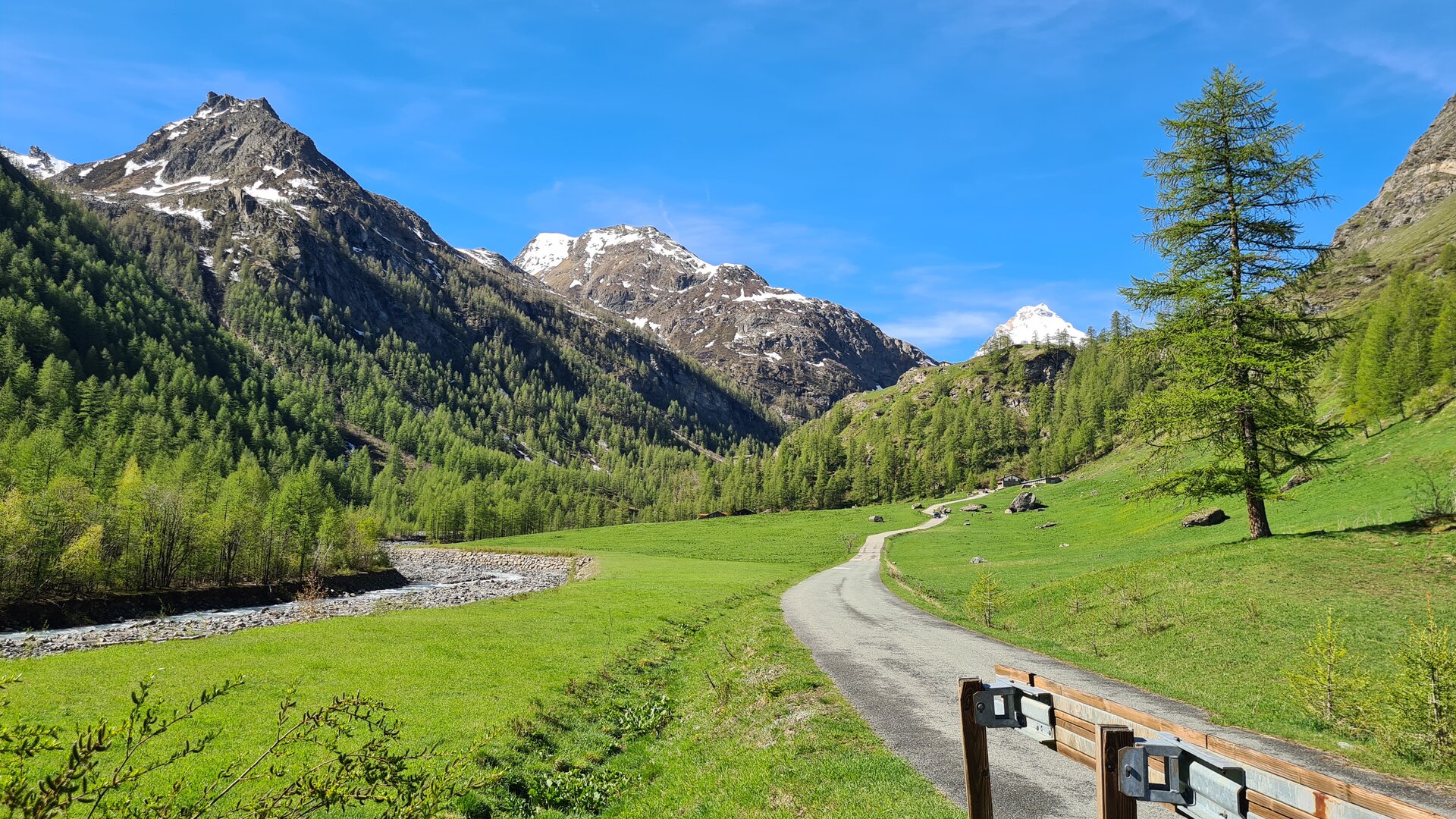
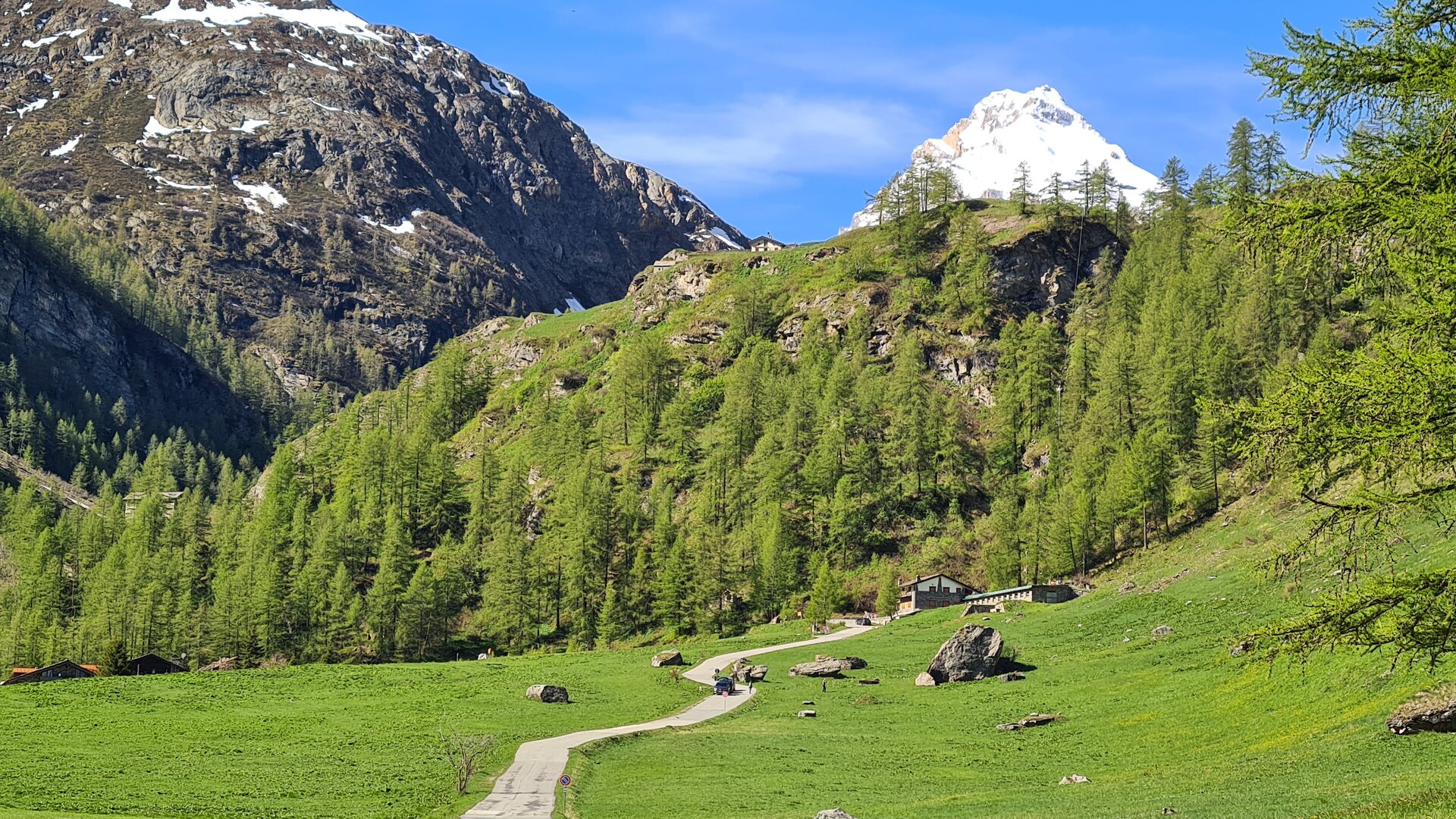
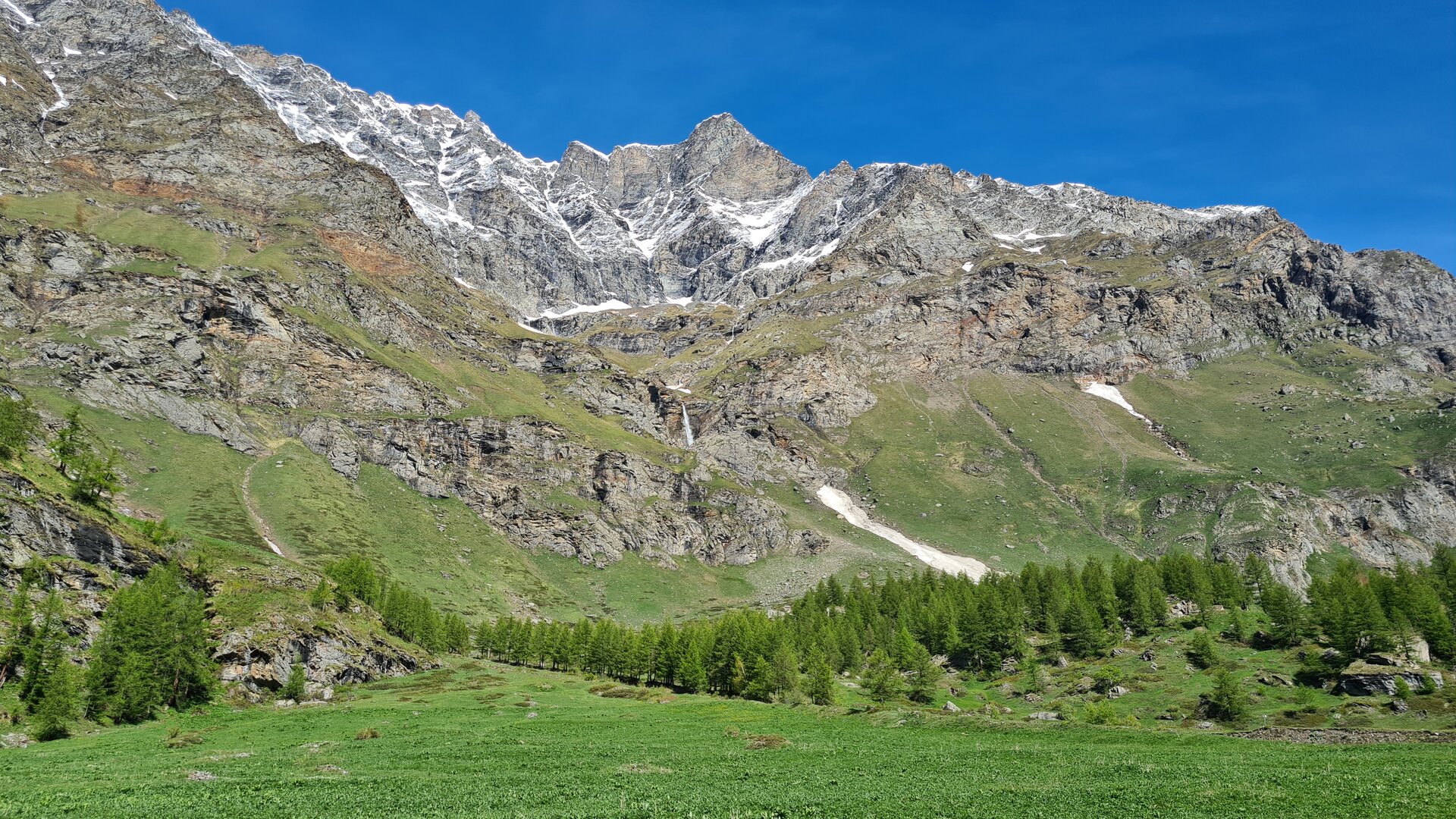
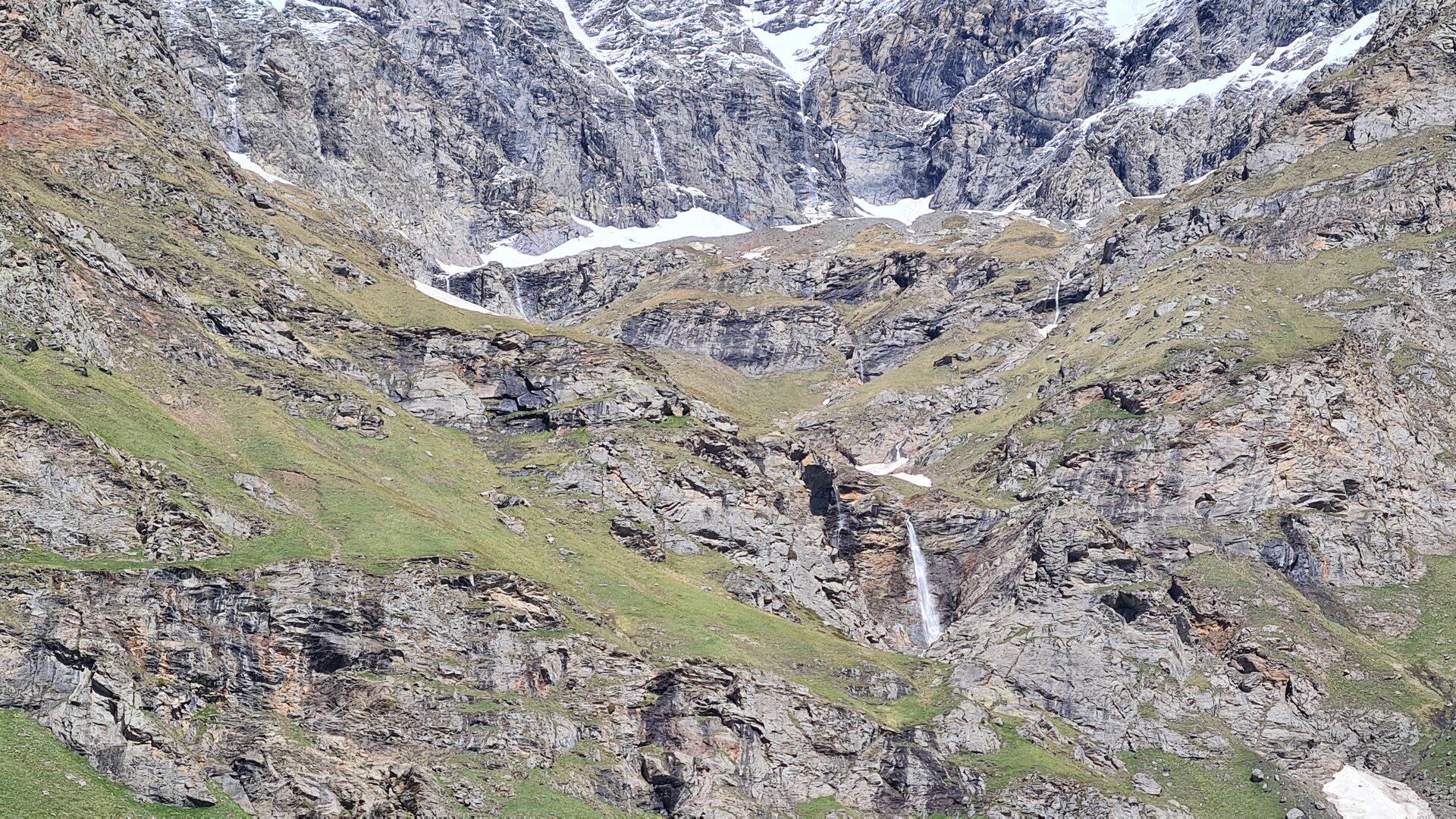
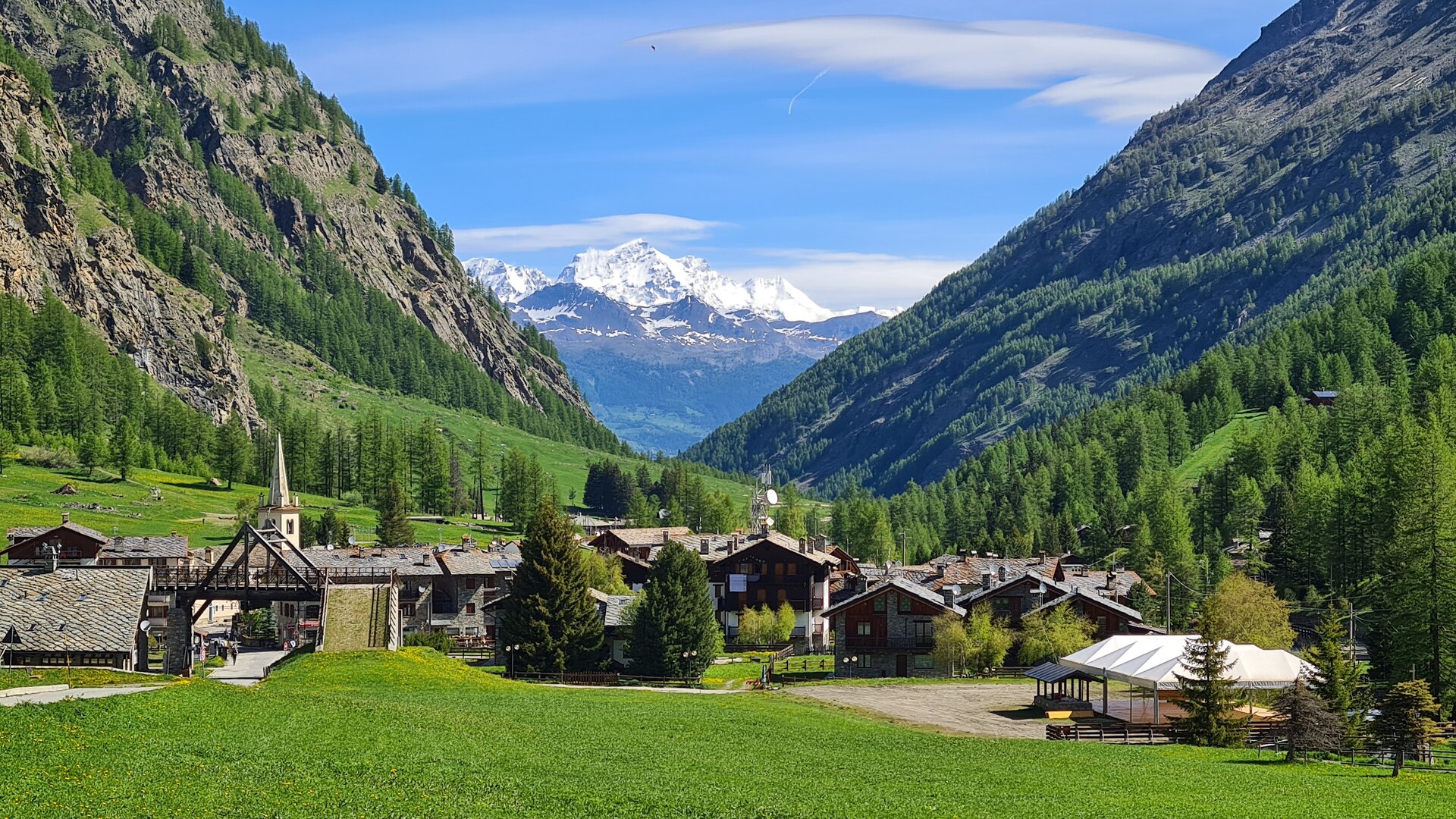
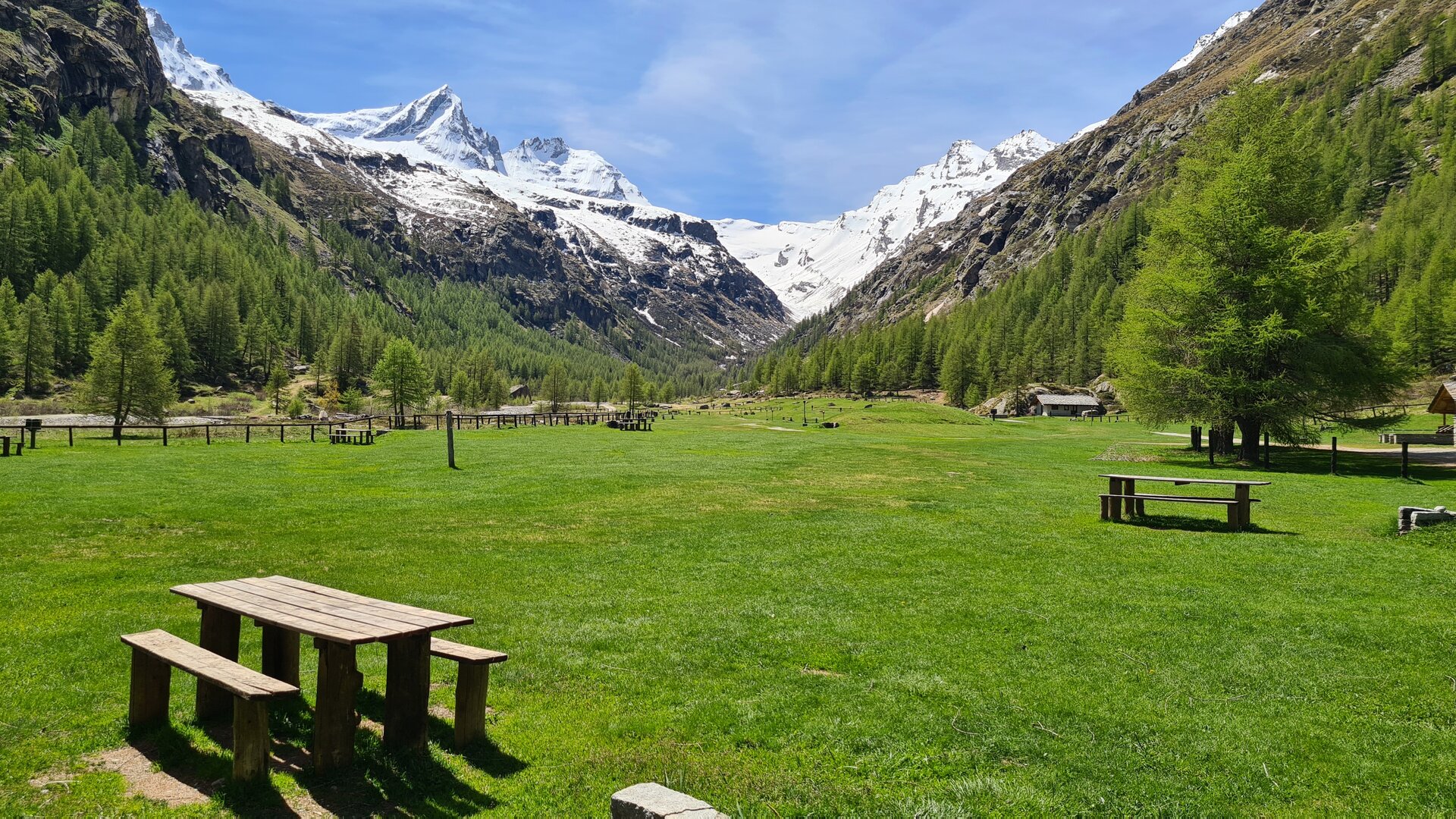
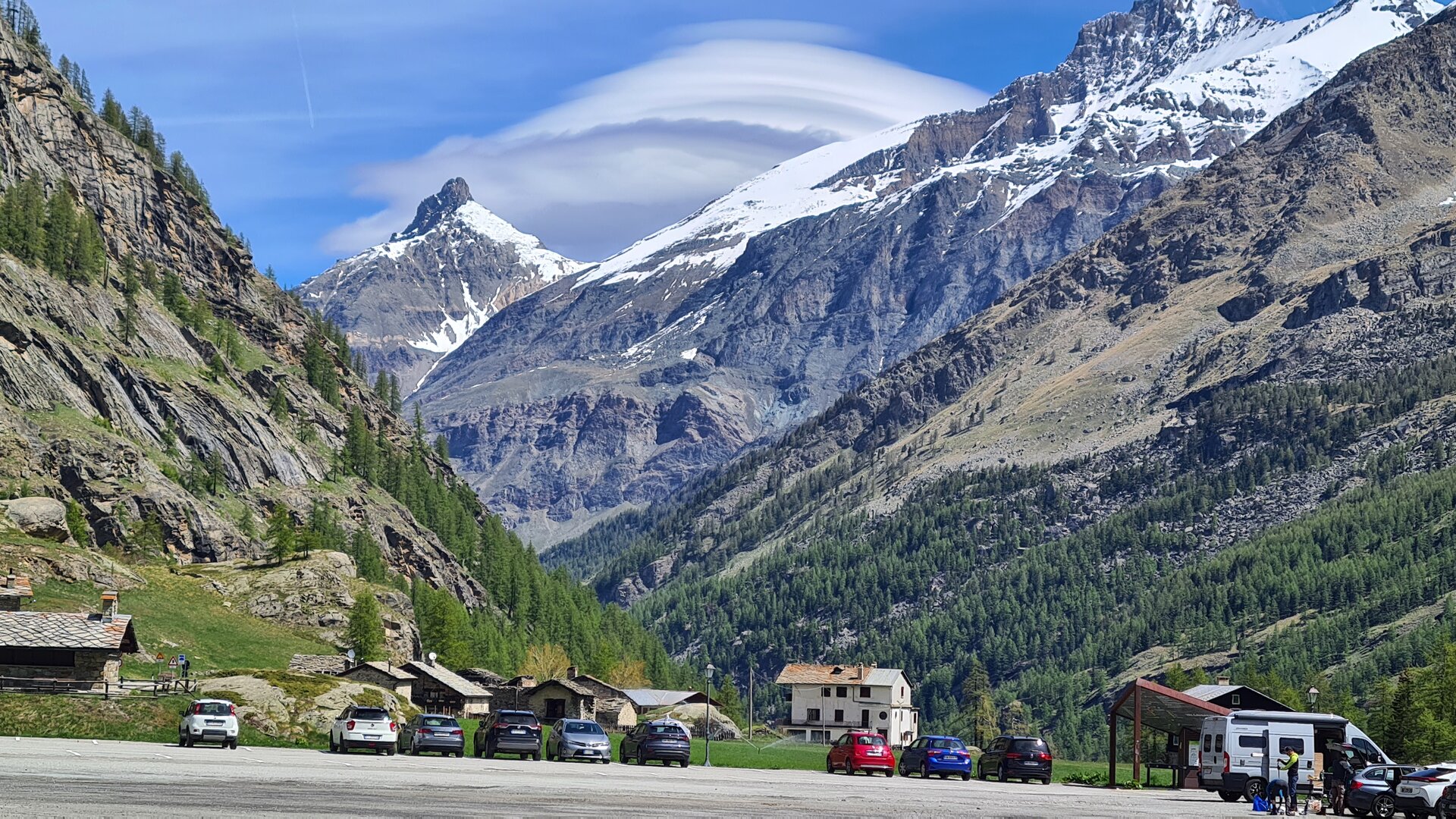
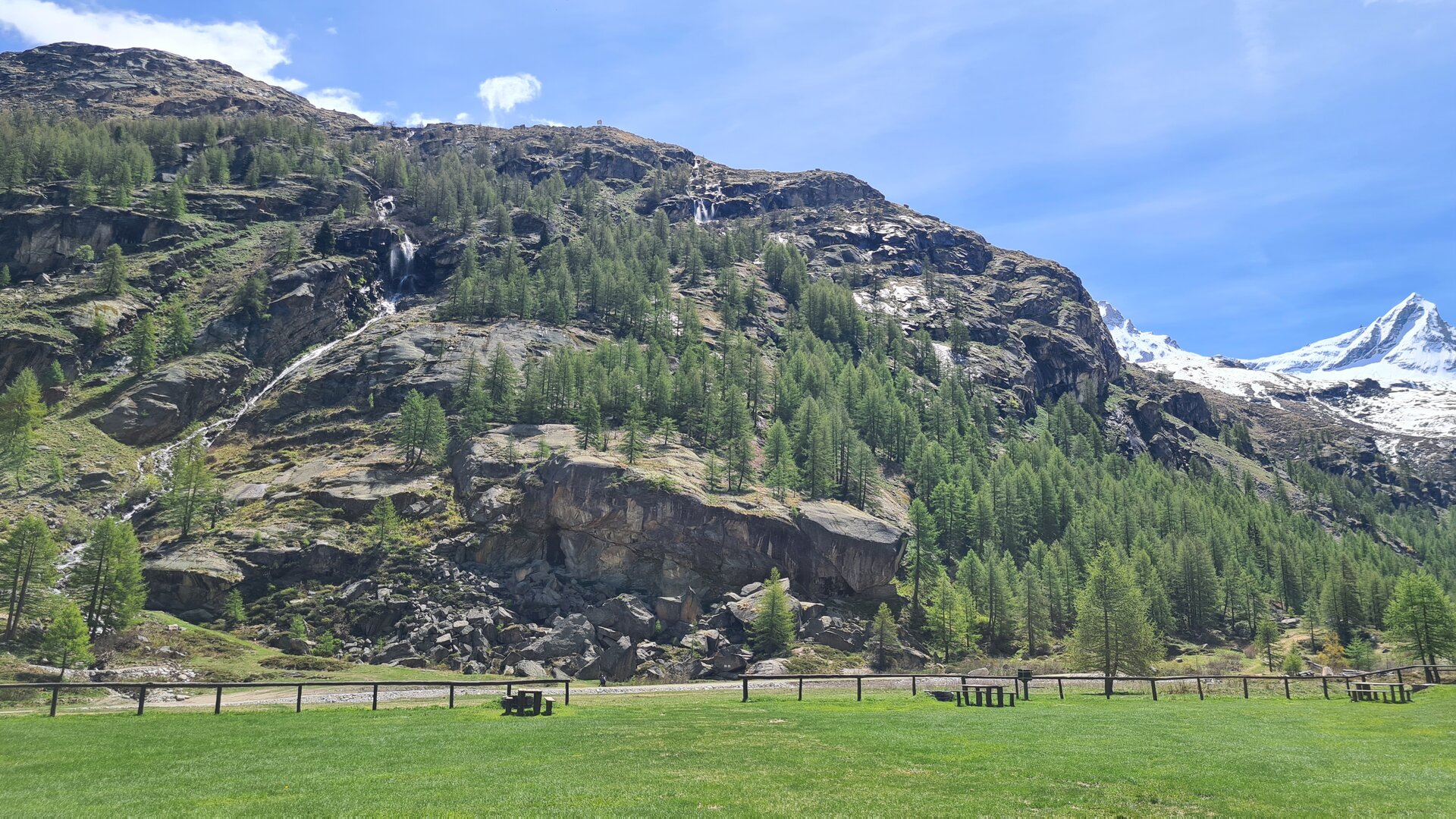
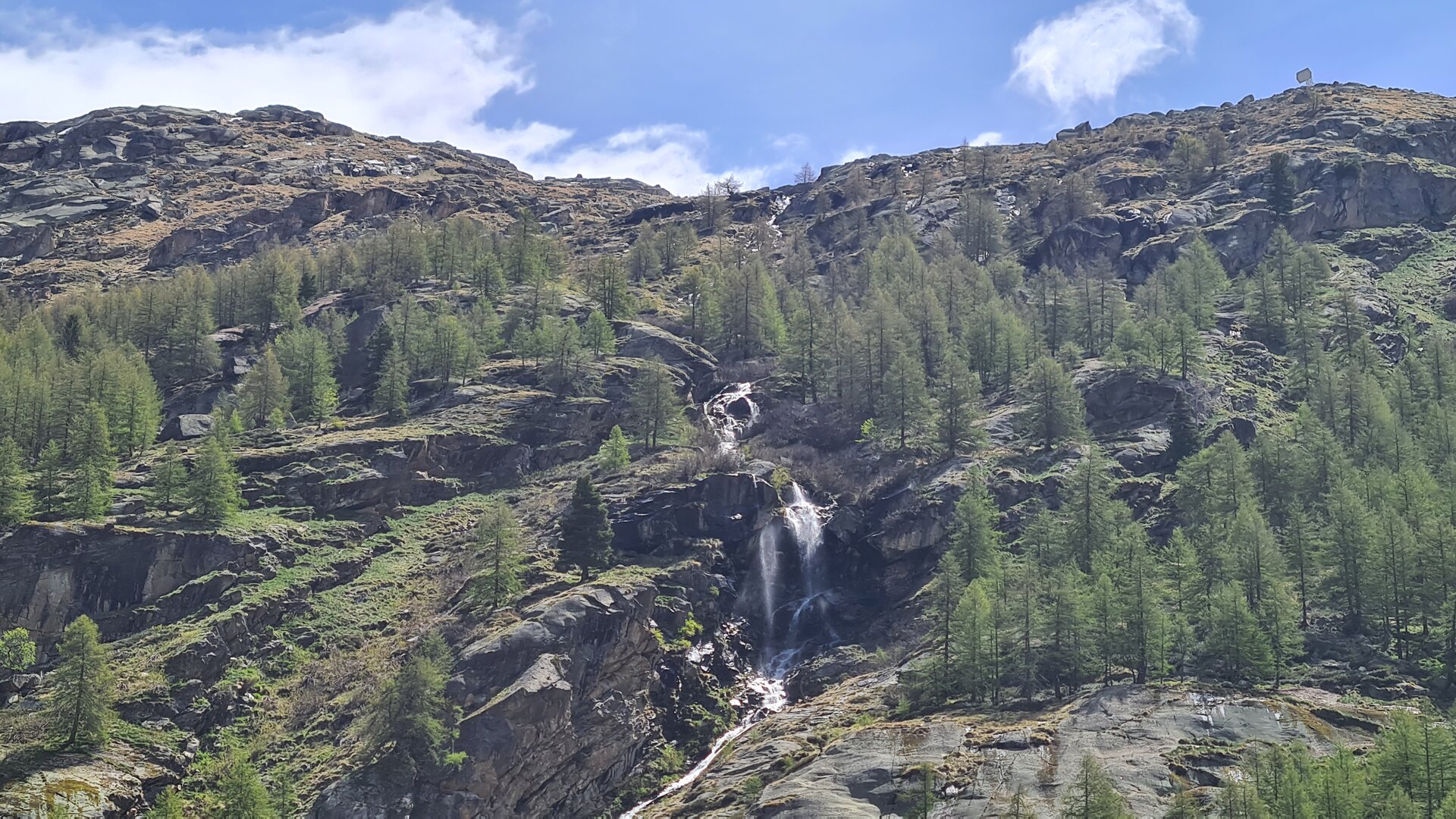
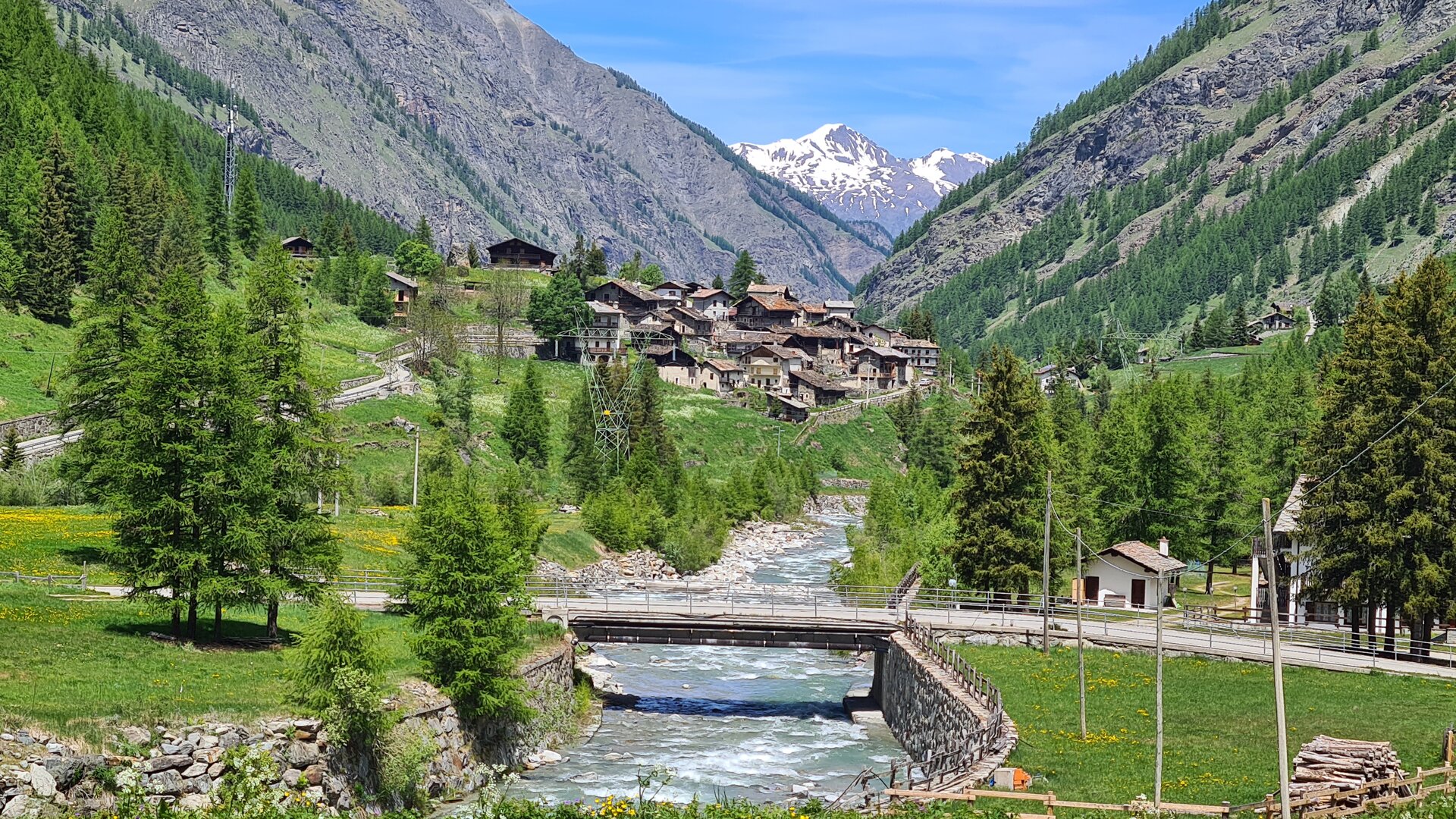
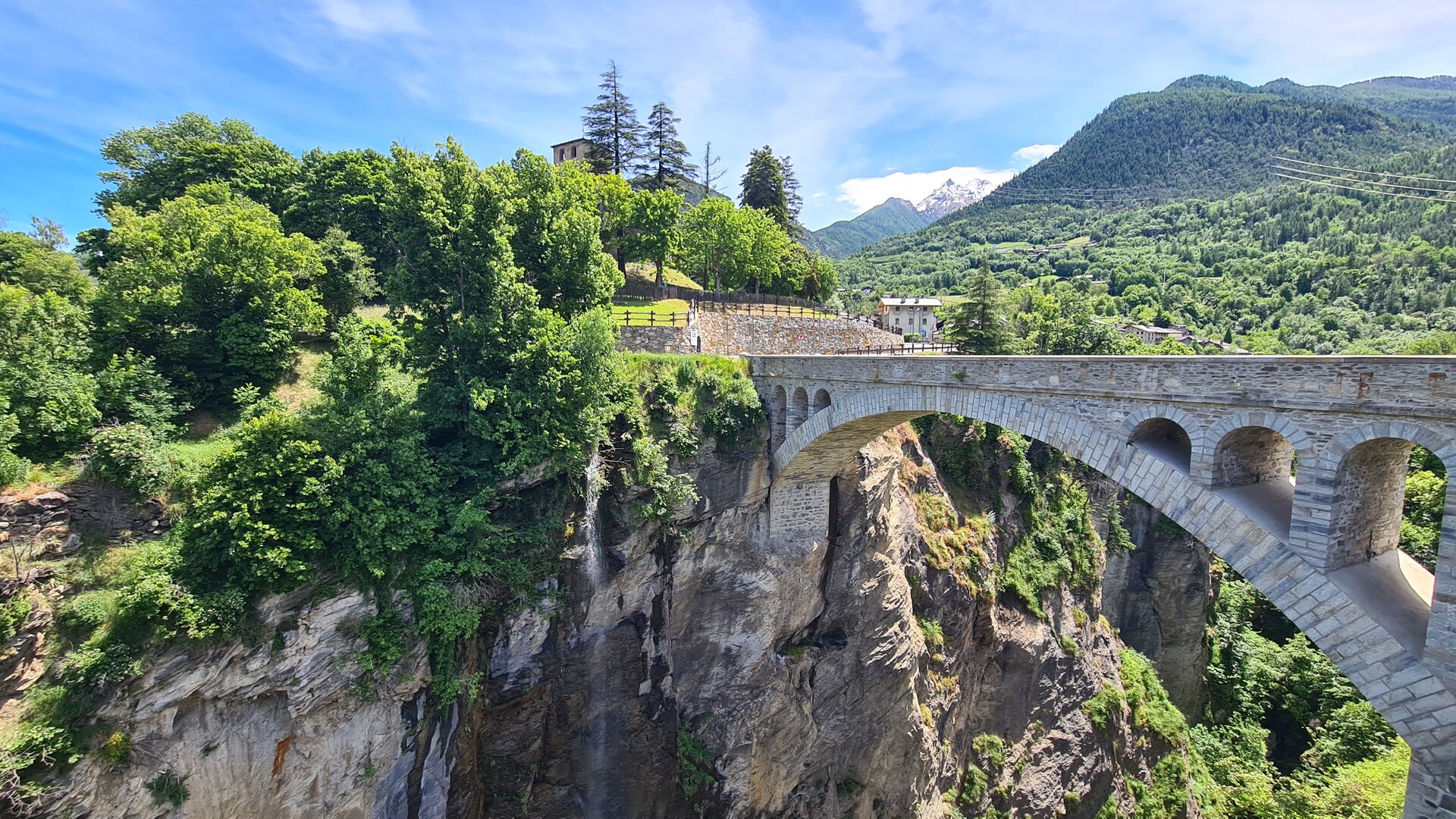
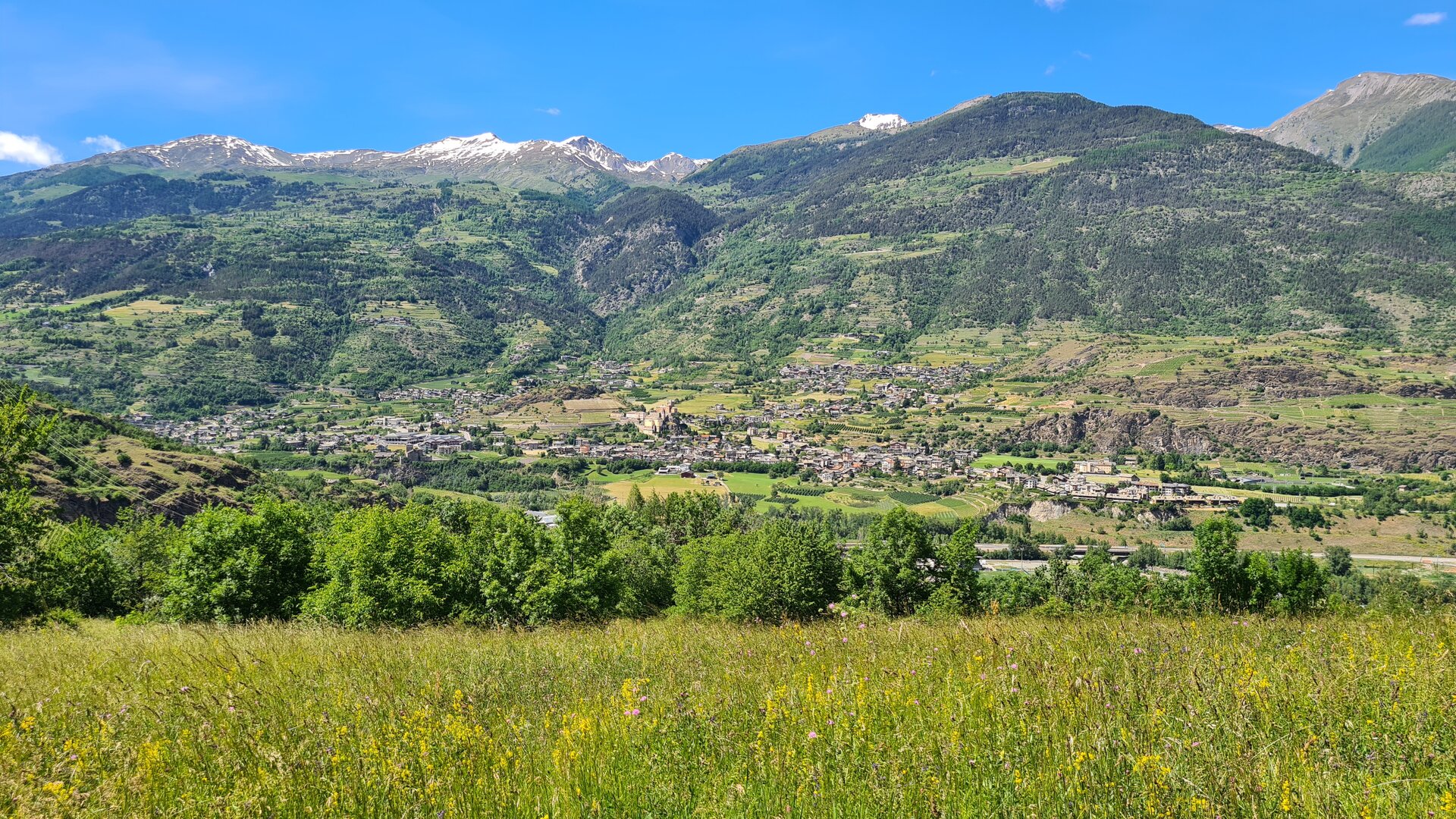
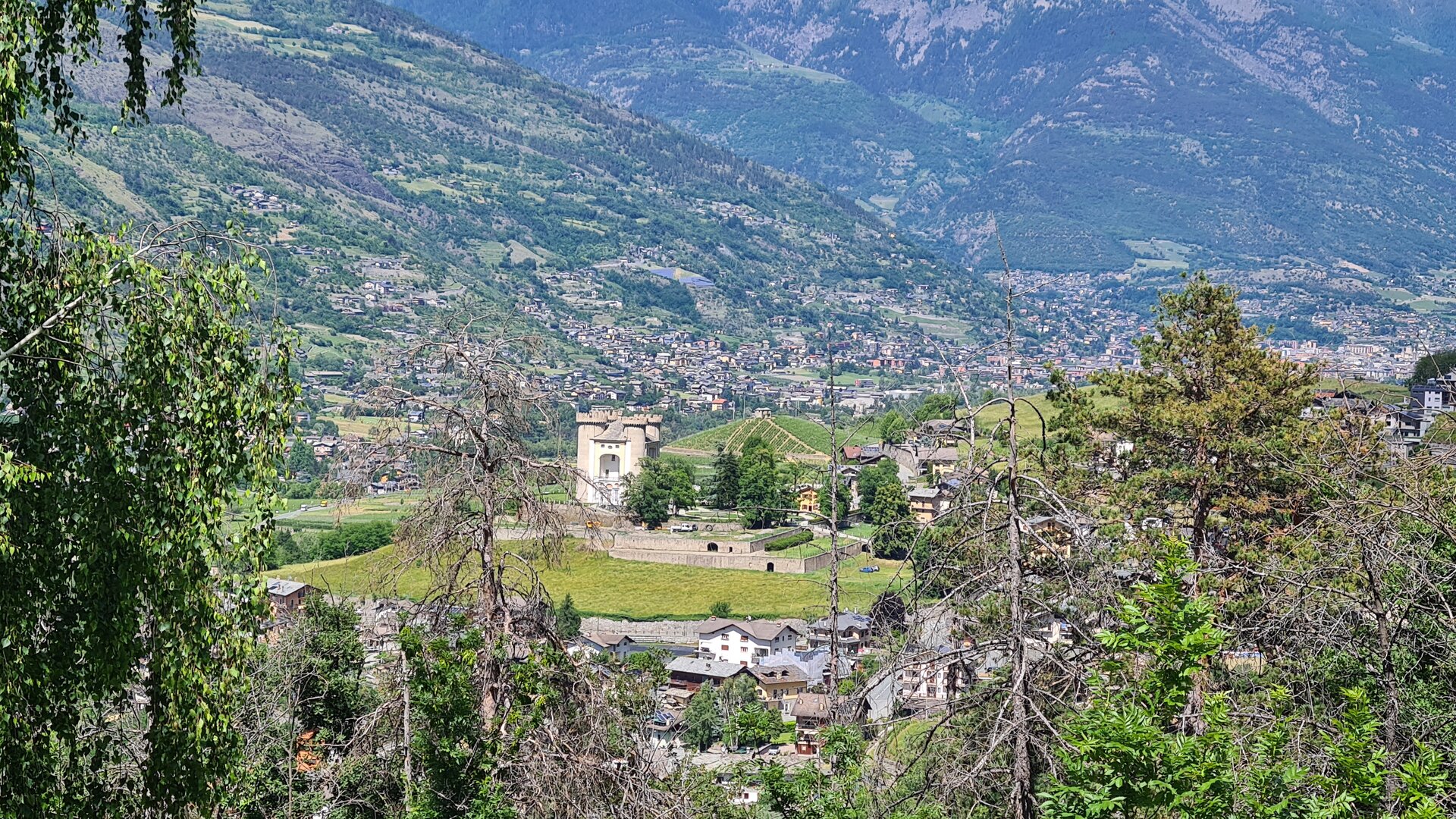
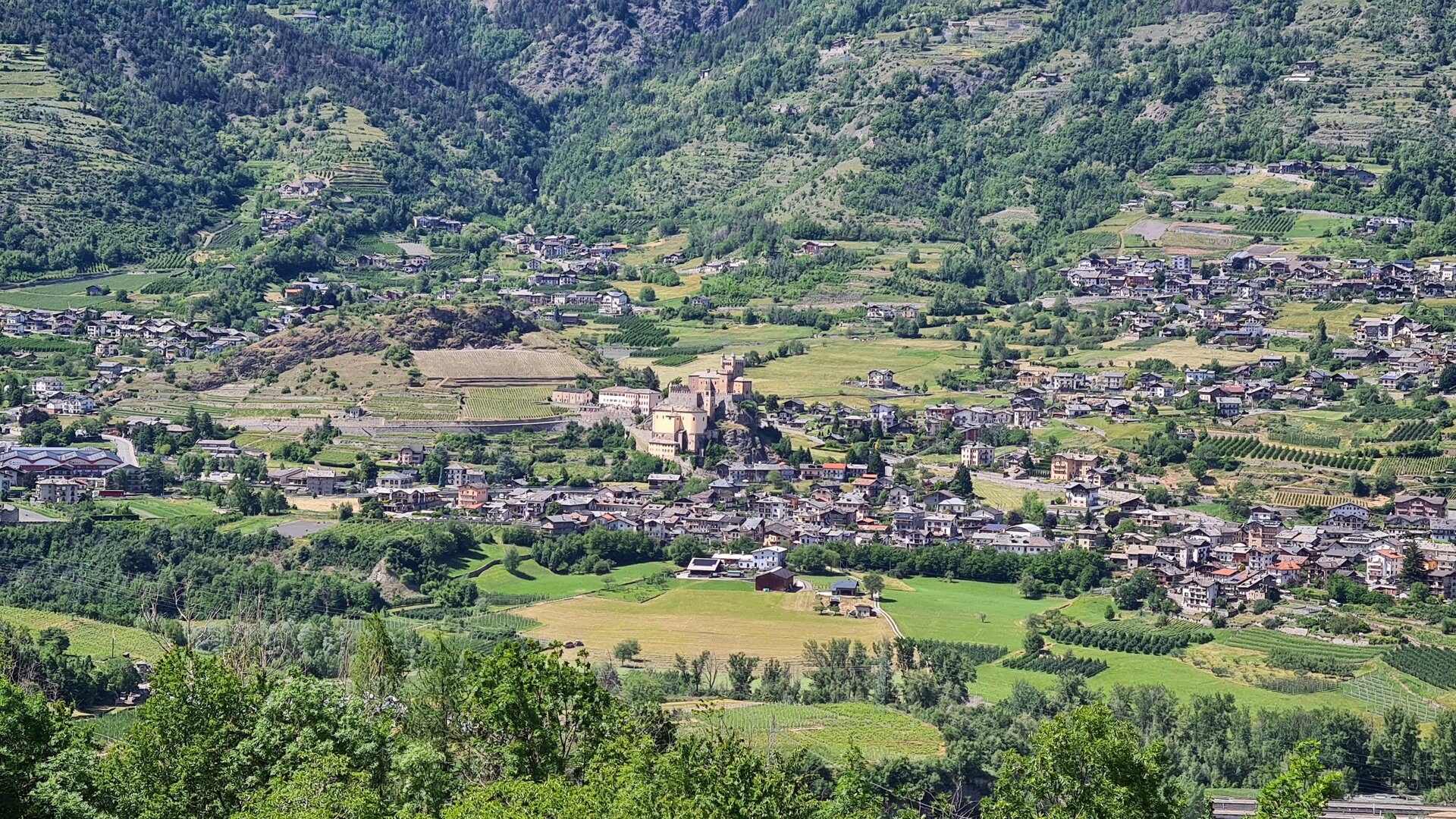
The Aosta Valley (Valle d’Aosta) is a mountainous region in north-western Italy, distinguished by its exceptional Alpine environment and strong cultural identity. Covering an area of approximately 3,260 square kilometers, it is the smallest Italian region, yet one of the most geographically complex. The territory is organized around a main valley carved by the Dora Baltea River, with numerous side valleys extending toward some of the highest mountain groups in Europe.
The region enjoys a predominantly Alpine climate, with cold winters and mild summers in the valley floor, while higher altitudes experience long snow seasons. This climatic diversity supports a rich variety of ecosystems and landscapes. Population density is low, with settlements concentrated along the valley floor and in accessible mountain areas.
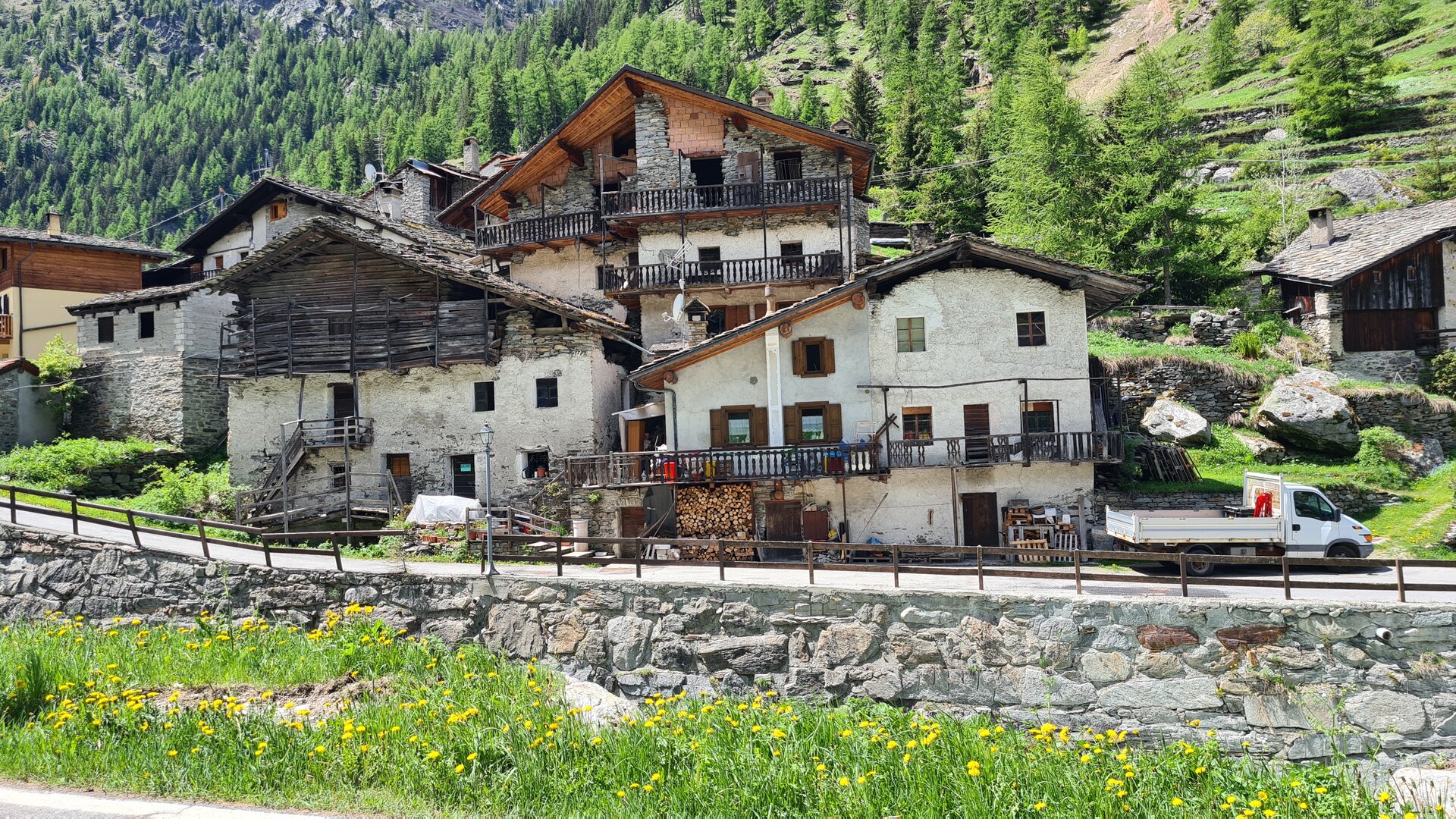
Agriculture is traditionally based on pastoral farming, dairy production, and vineyards cultivated on terraced slopes. Local products such as Fontina cheese and regional wines are internationally recognized. The Aosta Valley also stands out for its well-preserved traditions, folklore, and architecture, deeply influenced by its Alpine setting.
History
Human presence in the Aosta Valley dates back to the Neolithic period, as demonstrated by prehistoric rock engravings and megalithic sites. Before Roman conquest, the area was inhabited by the Salassi, a Celtic population that controlled key Alpine trade routes.
The Roman Empire incorporated the valley in the 1st century BC, transforming it into a strategic corridor linking Italy with Gaul. The founding of Augusta Praetoria Salassorum marked the beginning of a long period of urban and infrastructural development. Many Roman structures remain visible today, attesting to the importance of the city during antiquity.
During the Middle Ages, the Aosta Valley developed under the rule of local feudal lords and later the House of Savoy, which fortified the territory with an extensive system of castles and watchtowers. The region maintained strong autonomy thanks to its geography and strategic value.
In the 20th century, following the Second World War, the Aosta Valley obtained special autonomous status within Italy. This autonomy allows it to preserve its bilingual heritage, protect minority languages, and manage local governance, education, and cultural policies.
Geology
The geology of the Aosta Valley reflects the complex formation of the Western Alps, resulting from the collision of continental plates over tens of millions of years. The region includes portions of both the Penninic and Austroalpine geological domains, making it of particular scientific interest.
Glacial activity during the Ice Ages played a fundamental role in shaping the current landscape. U-shaped valleys, cirques, and hanging valleys are widespread, along with deposits of glacial debris. The presence of active and fossil glaciers continues to influence hydrology and slope stability.
The valley hosts diverse rock formations, including metamorphic and igneous rocks, which contribute to frequent landslides and rockfalls in steeper areas. Geological processes also created natural thermal springs, which have been used since Roman times and still support modern spa tourism.
Things to See
The Aosta Valley offers an exceptional concentration of attractions within a relatively small area:
Cultural and Historical Sites
- Aosta’s Roman Heritage: Including the Arch of Augustus, Porta Praetoria, Roman Bridge, and early Christian monuments.
- Medieval Castles: Over 100 castles and fortified residences, among them Fénis, Issogne, Verrès, and Bard Fort.
- Religious Architecture: Romanesque churches, chapels, and monasteries scattered throughout the valleys.
Natural Attractions
- Mont Blanc Massif: Western Europe’s highest mountain, accessible via panoramic cable cars and alpine trails.
- Gran Paradiso National Park: A protected area rich in wildlife such as ibex, chamois, and golden eagles.
- High-Altitude Lakes and Glaciers: Scenic destinations for hiking and photography.
Tourism and Activities
- Winter Sports: World-class ski resorts including Courmayeur, La Thuile, Cervinia, and Monterosa Ski.
- Summer Activities: Hiking, mountain biking, climbing, paragliding, and nature observation.
- Wellness Tourism: Thermal spas in Pré-Saint-Didier and Saint-Vincent.
- Traditional Events: Local festivals celebrating alpine culture, crafts, and gastronomy.