

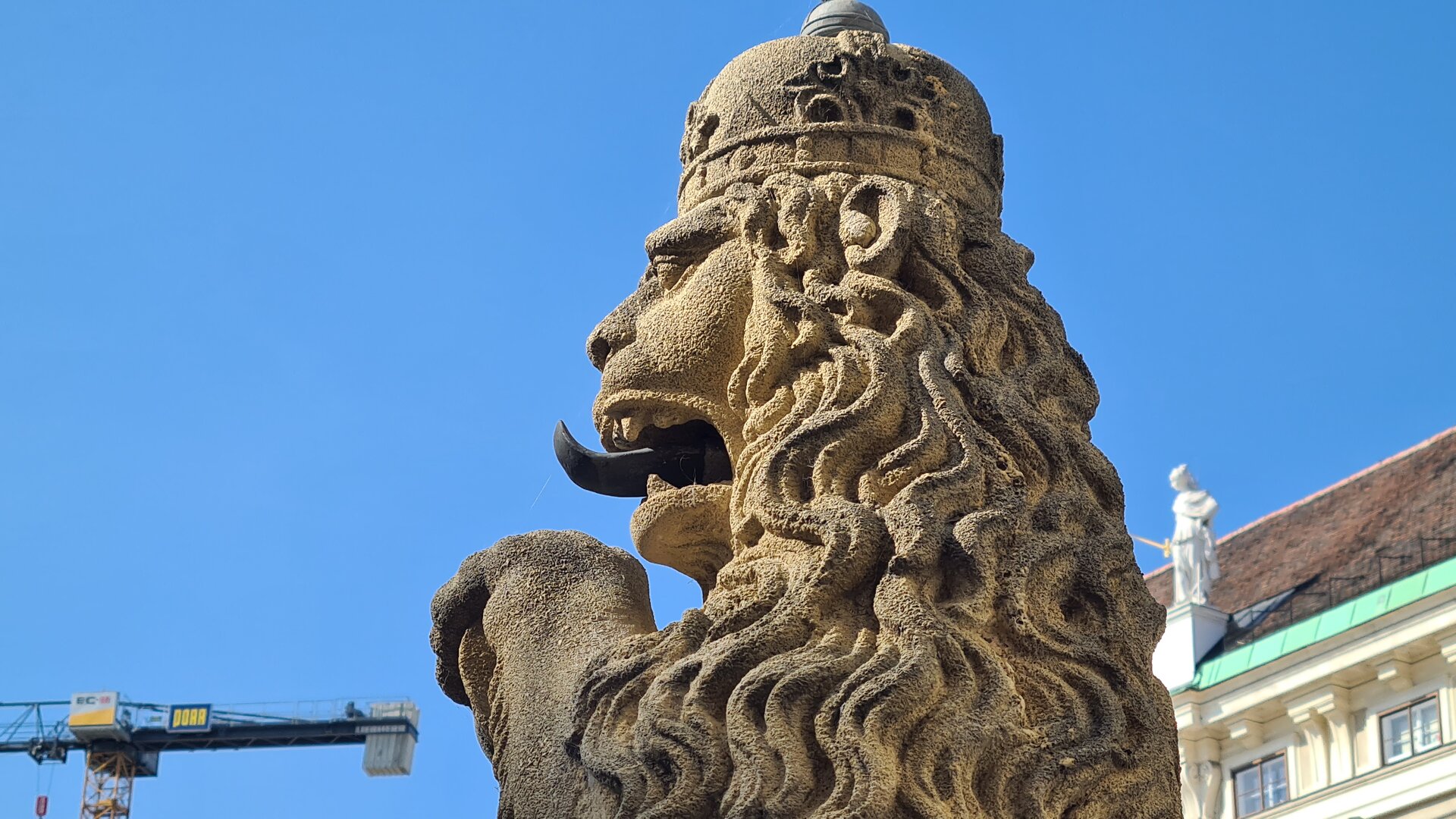
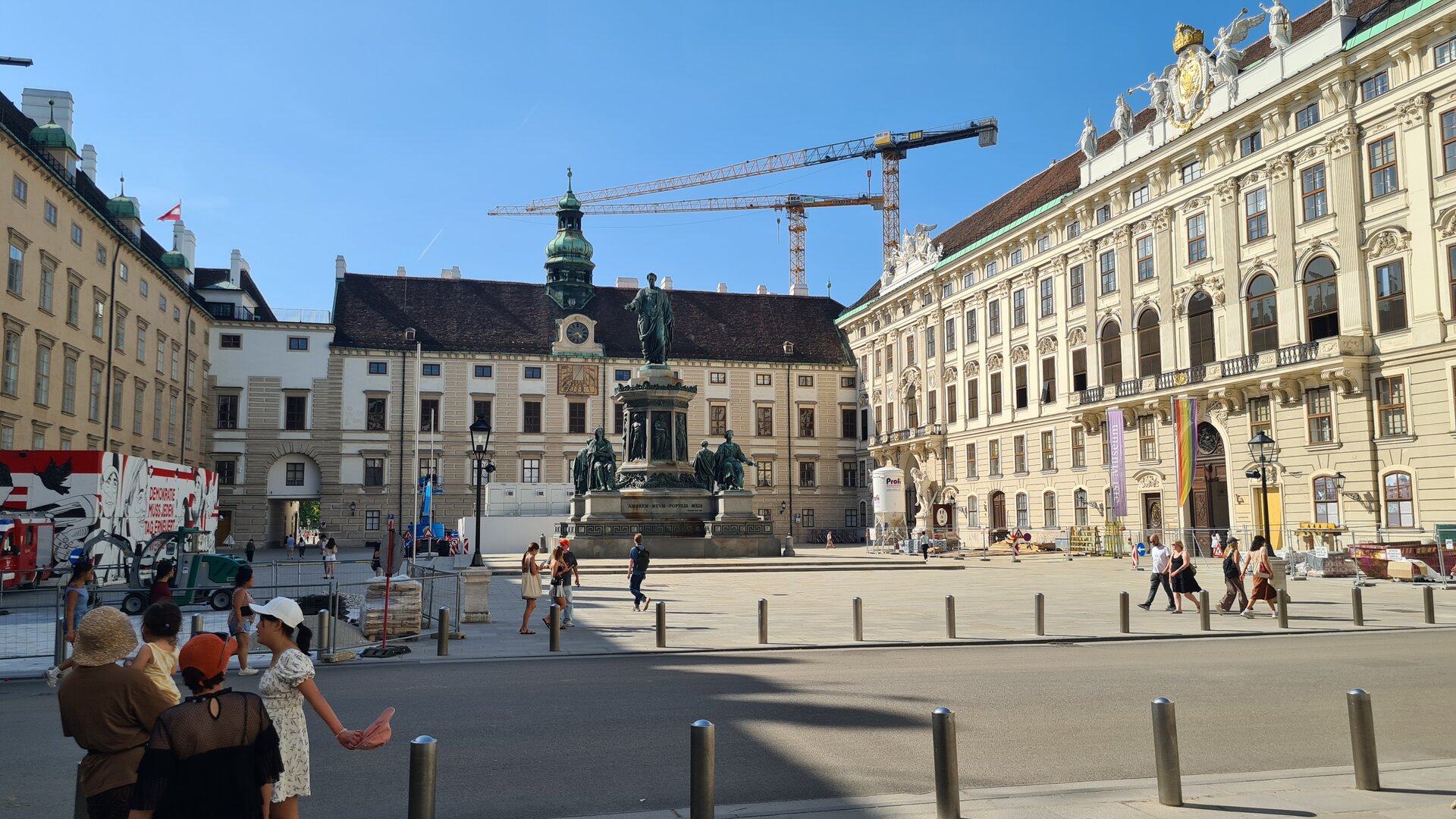

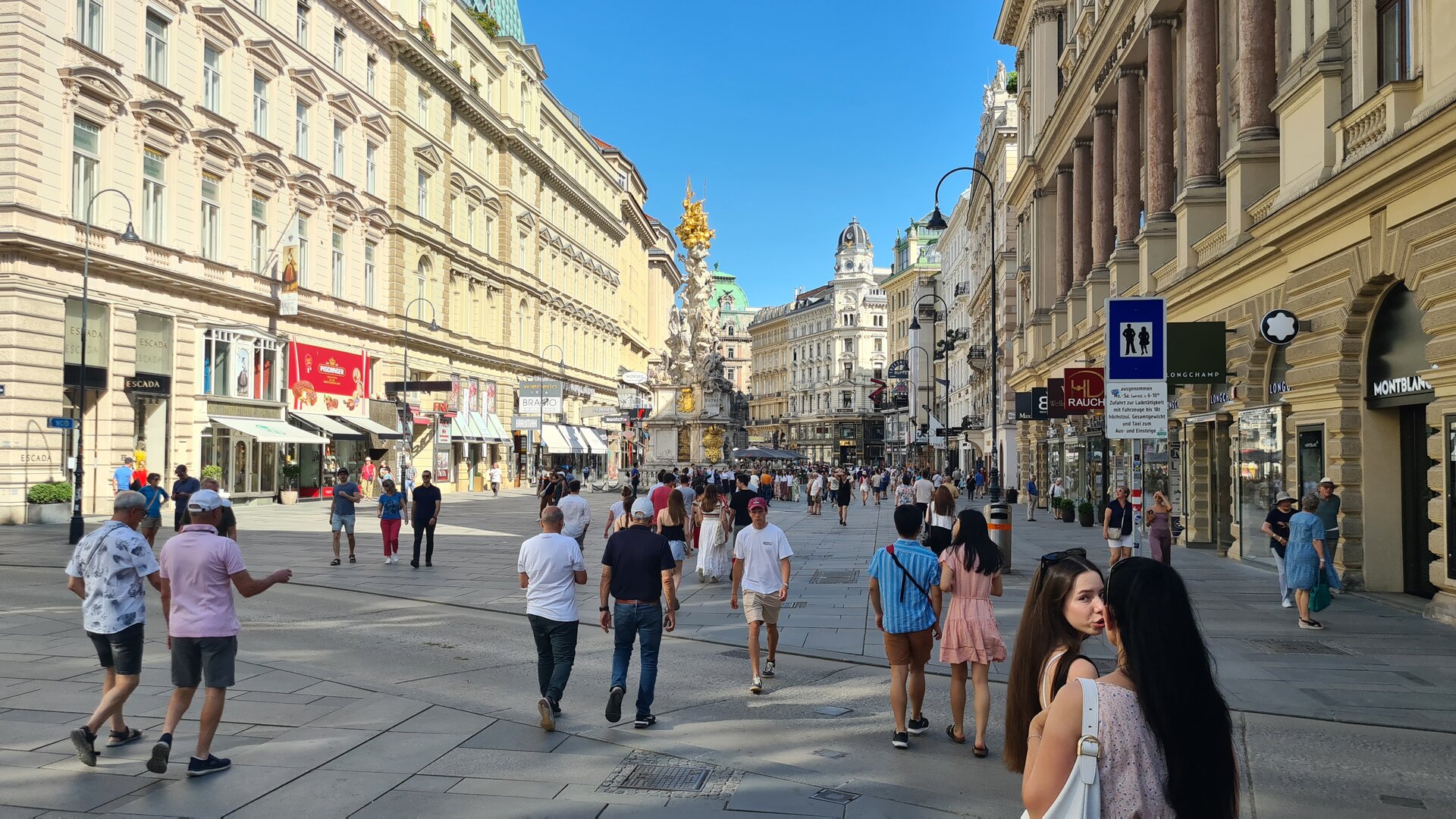
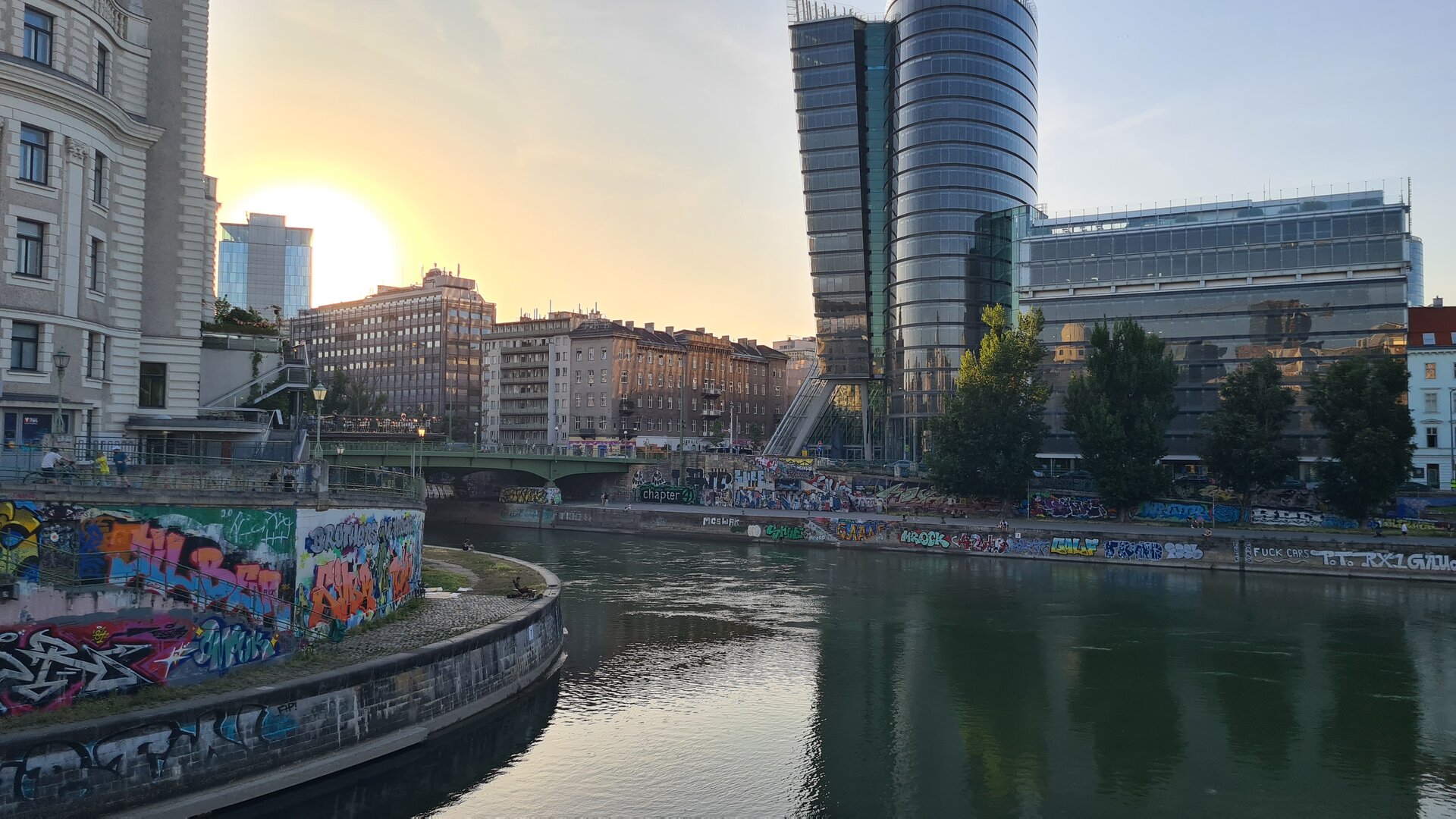
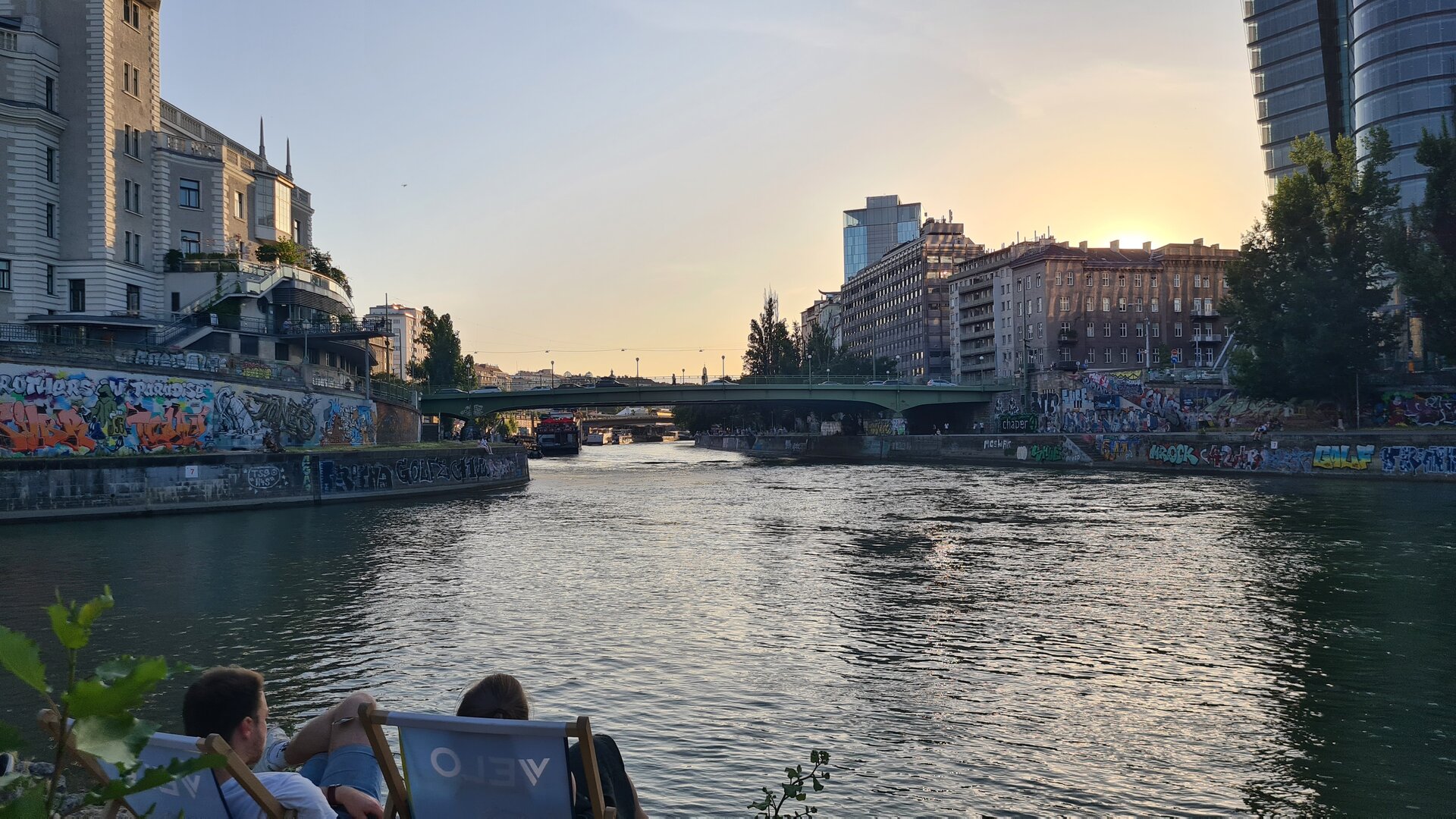
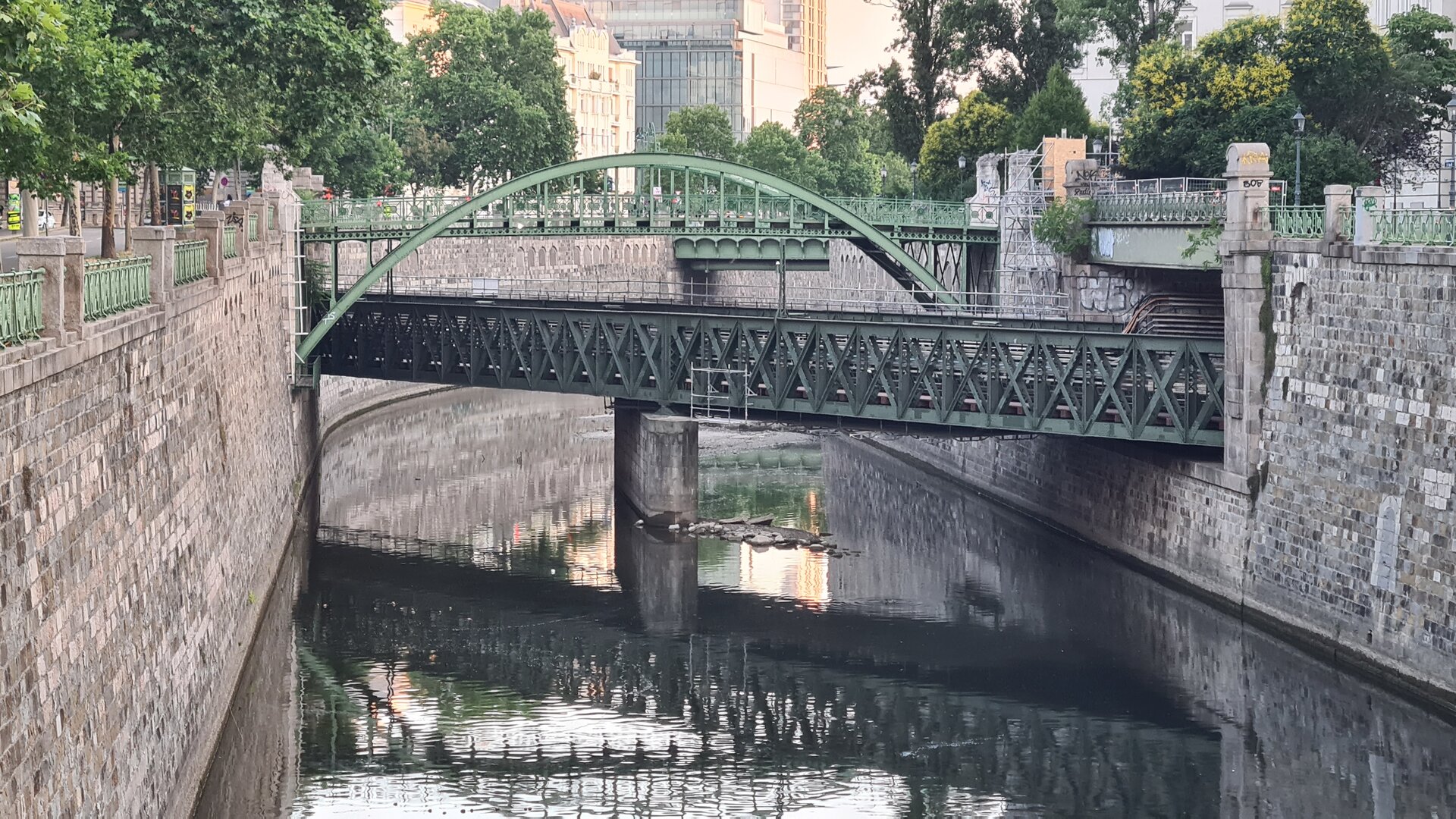





Vienna is the capital and largest city of Austria, located in the north-eastern part of the country along the Danube River. It is both a city and a federal state, serving as Austria’s political, economic, and cultural center. With a population of nearly two million inhabitants, Vienna is one of the most important metropolitan areas in Central Europe.
The city lies at the transition between the Alps and the Pannonian Plain, a position that has historically favored trade, cultural exchange, and strategic importance. Vienna is consistently ranked among the world’s cities with the highest quality of life, thanks to its efficient public transport system, extensive green spaces, and well-developed social infrastructure.
Vienna’s economy is based on services, administration, international organizations, finance, technology, and tourism. The city also hosts several major international institutions, including United Nations offices, reinforcing its global significance.
History
Vienna’s history spans more than two thousand years. Originally founded as the Roman military camp of Vindobona, it developed into an important frontier settlement along the Danube. After the fall of the Roman Empire, the area became part of various medieval realms and gradually grew in importance.
From the late Middle Ages onward, Vienna emerged as the capital of the Habsburg dynasty. As the center of the Holy Roman Empire and later the Austro-Hungarian Empire, the city became a major political and cultural hub. This period saw the construction of grand palaces, churches, and public buildings that still define Vienna’s cityscape.
The 19th century marked a phase of rapid expansion, symbolized by the construction of the Ringstraße, which replaced the old city walls. Despite the challenges of the 20th century, including two world wars, Vienna successfully reinvented itself as a modern European capital while preserving its historical heritage.
Geology
Vienna’s geological setting is characterized by its location at the intersection of several natural regions. To the west lie the foothills of the Alps, including the Vienna Woods, composed mainly of limestone and sandstone formations. To the east, the landscape opens into the Vienna Basin, a sedimentary basin shaped by tectonic movements.
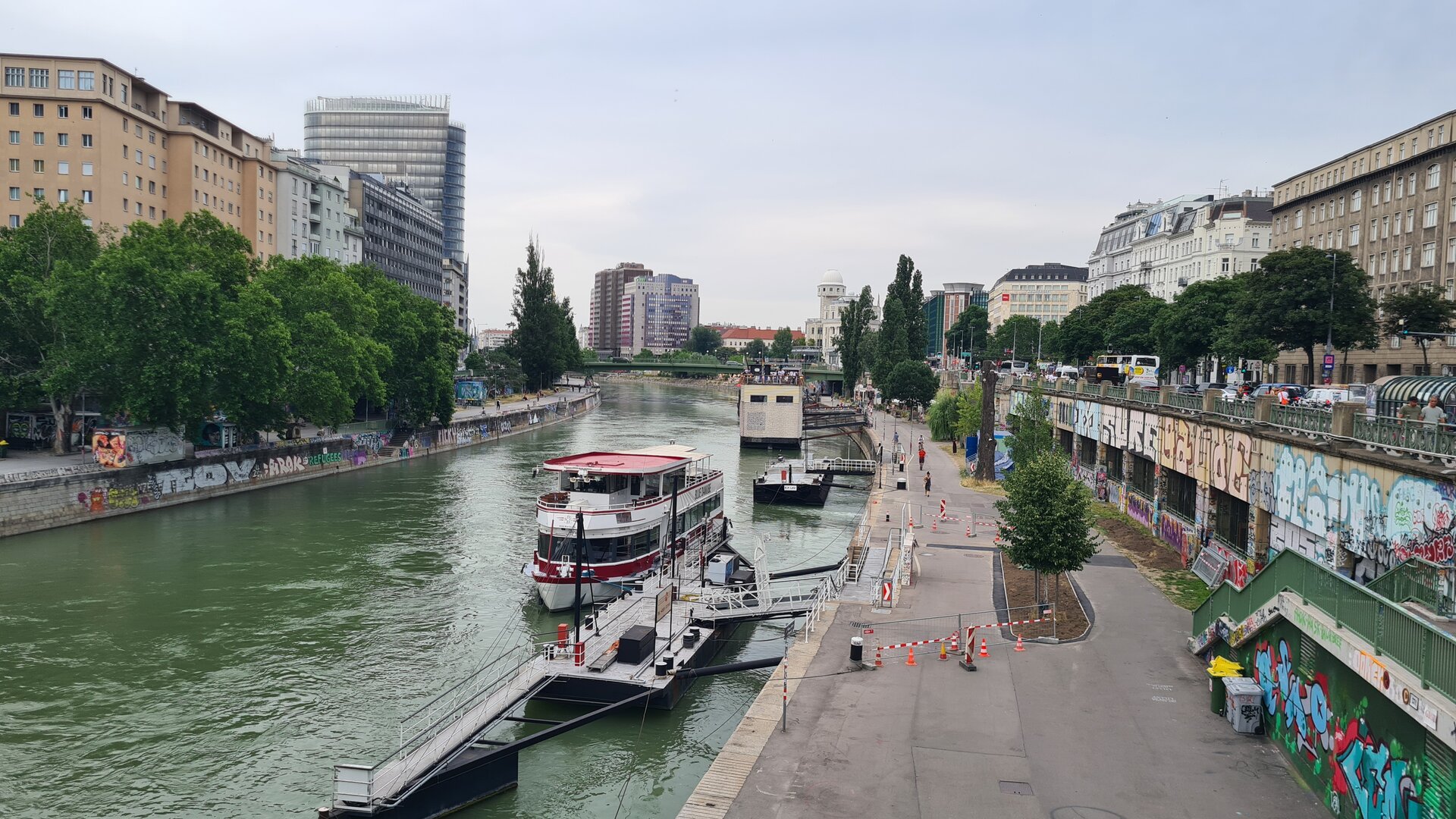
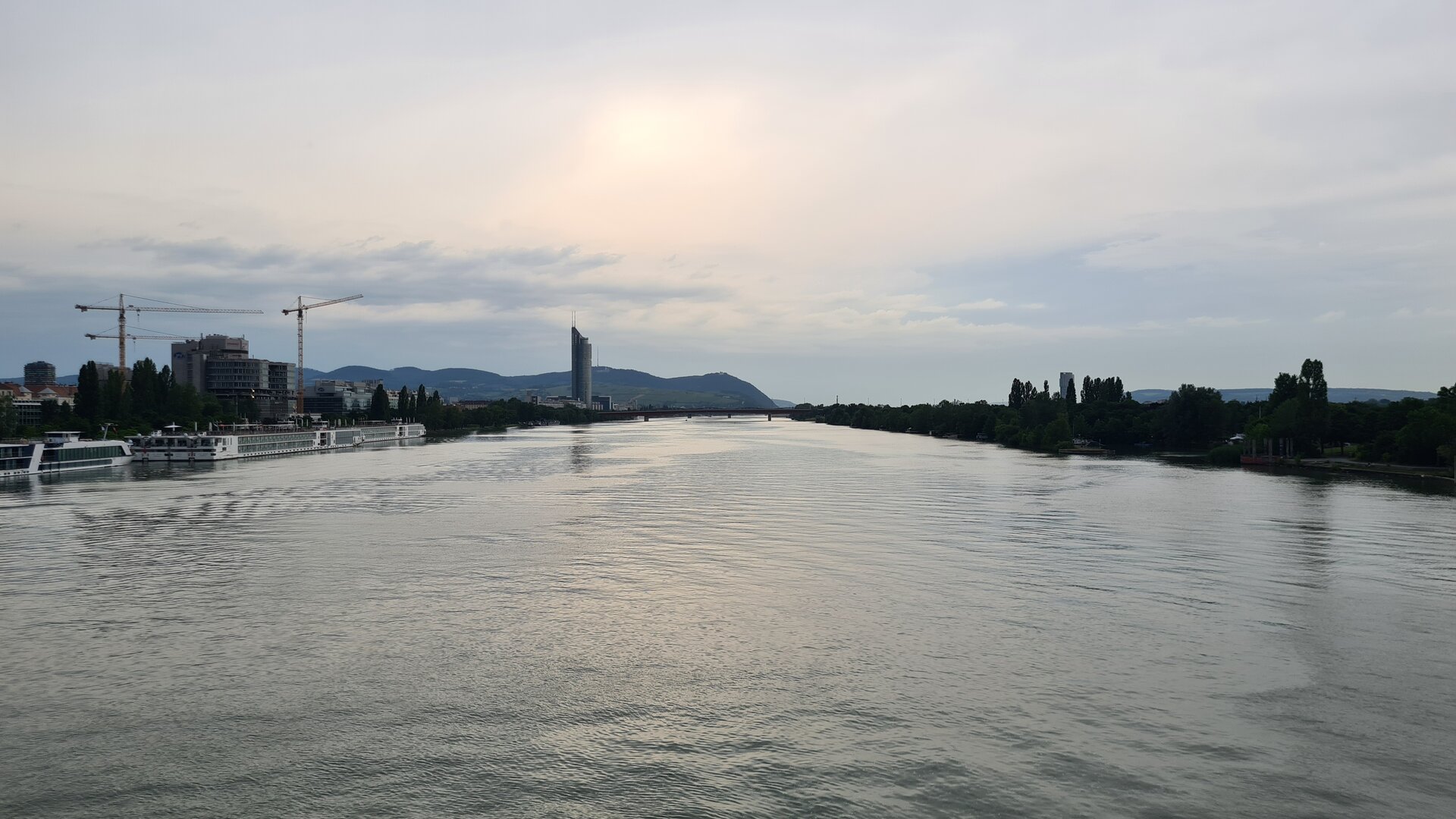
The Danube River has played a crucial role in shaping the city’s terrain, depositing sediments and influencing settlement patterns. Over time, river regulation and engineering projects have significantly altered the river’s course, reducing flood risks and enabling urban development.
This geological diversity contributes to varied soil types, which support vineyards, forests, and agricultural land within and around the city. The geological structure also explains the presence of natural thermal waters used in spas and wellness facilities.
Things to See
Vienna offers a rich concentration of cultural, historical, and architectural attractions:
Historical and Cultural Landmarks
- Historic City Center: A UNESCO World Heritage Site featuring medieval streets and imperial architecture.
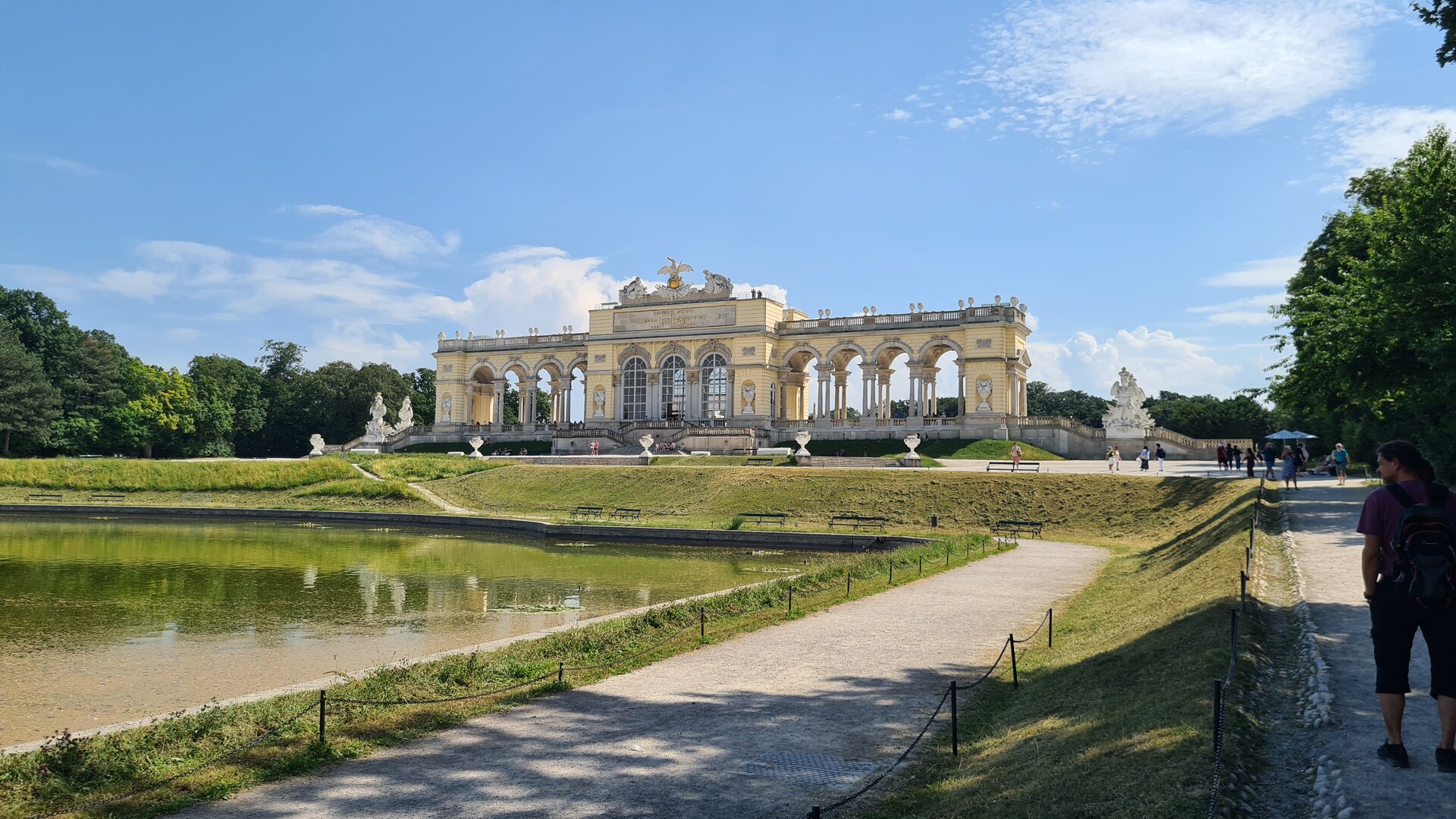
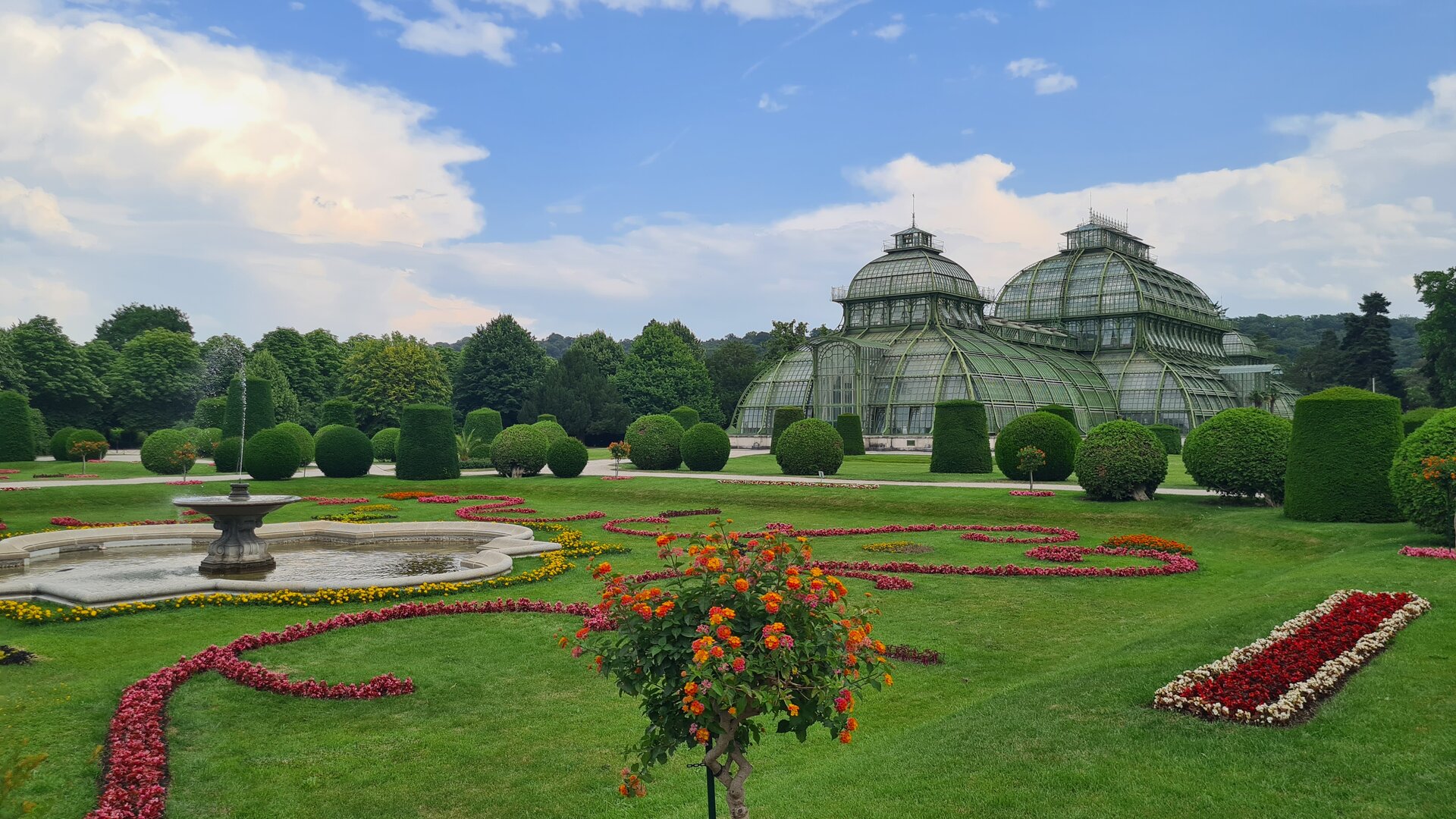
- Schönbrunn Palace: The former summer residence of the Habsburg emperors.
- Hofburg Palace: The imperial palace complex in the heart of the city.
- St. Stephen’s Cathedral: Vienna’s most iconic Gothic landmark.
Museums and Arts
- Kunsthistorisches Museum and Naturhistorisches Museum
- Belvedere Palace and its art collections
- MuseumsQuartier, one of the largest cultural complexes in the world
- Vienna State Opera and Musikverein, symbols of the city’s musical heritage
Urban Life and Nature
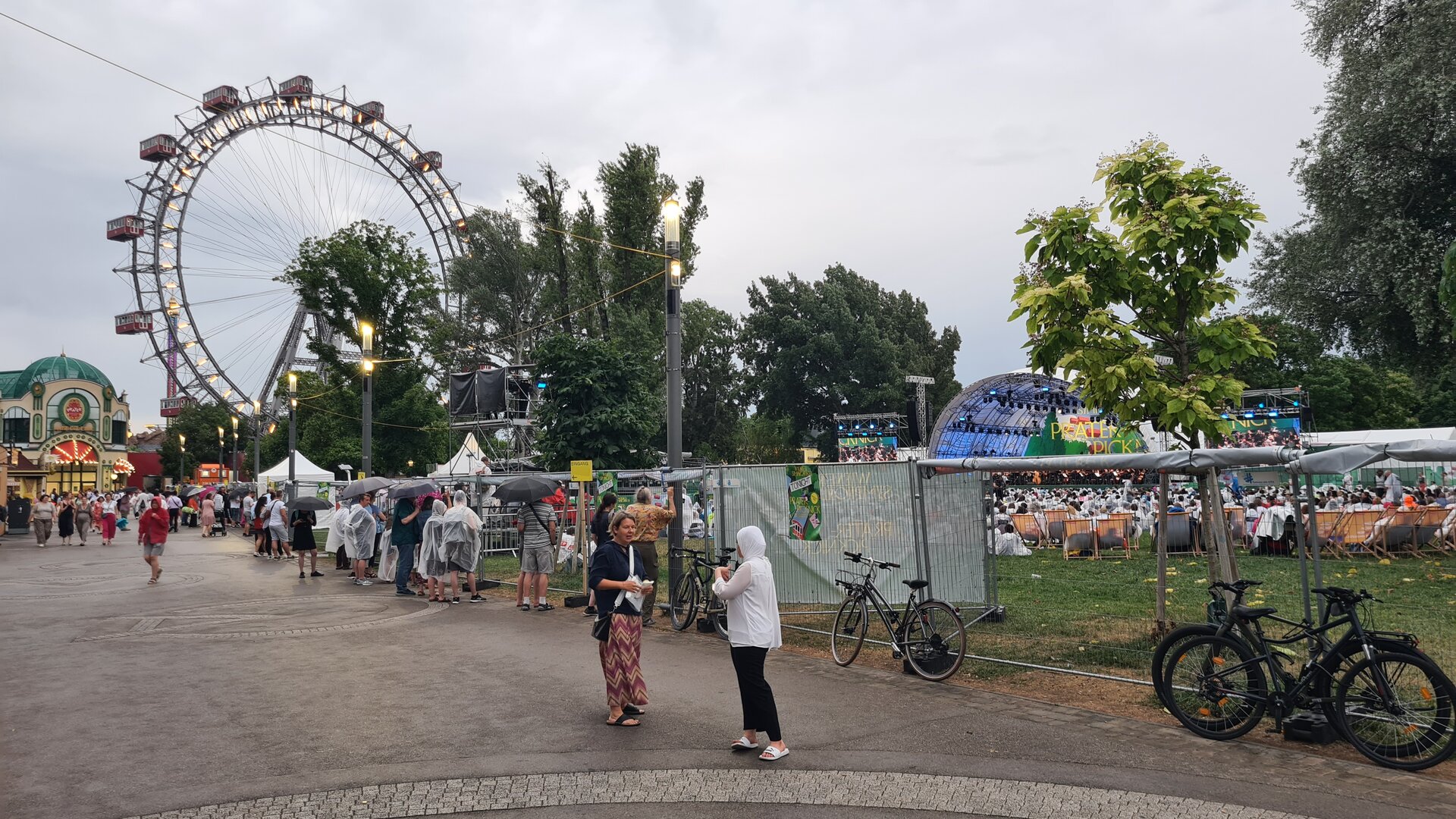
- Prater Park and the Giant Ferris Wheel
- Danube Island, a major recreational area
- Vienna Woods, offering hiking and panoramic views
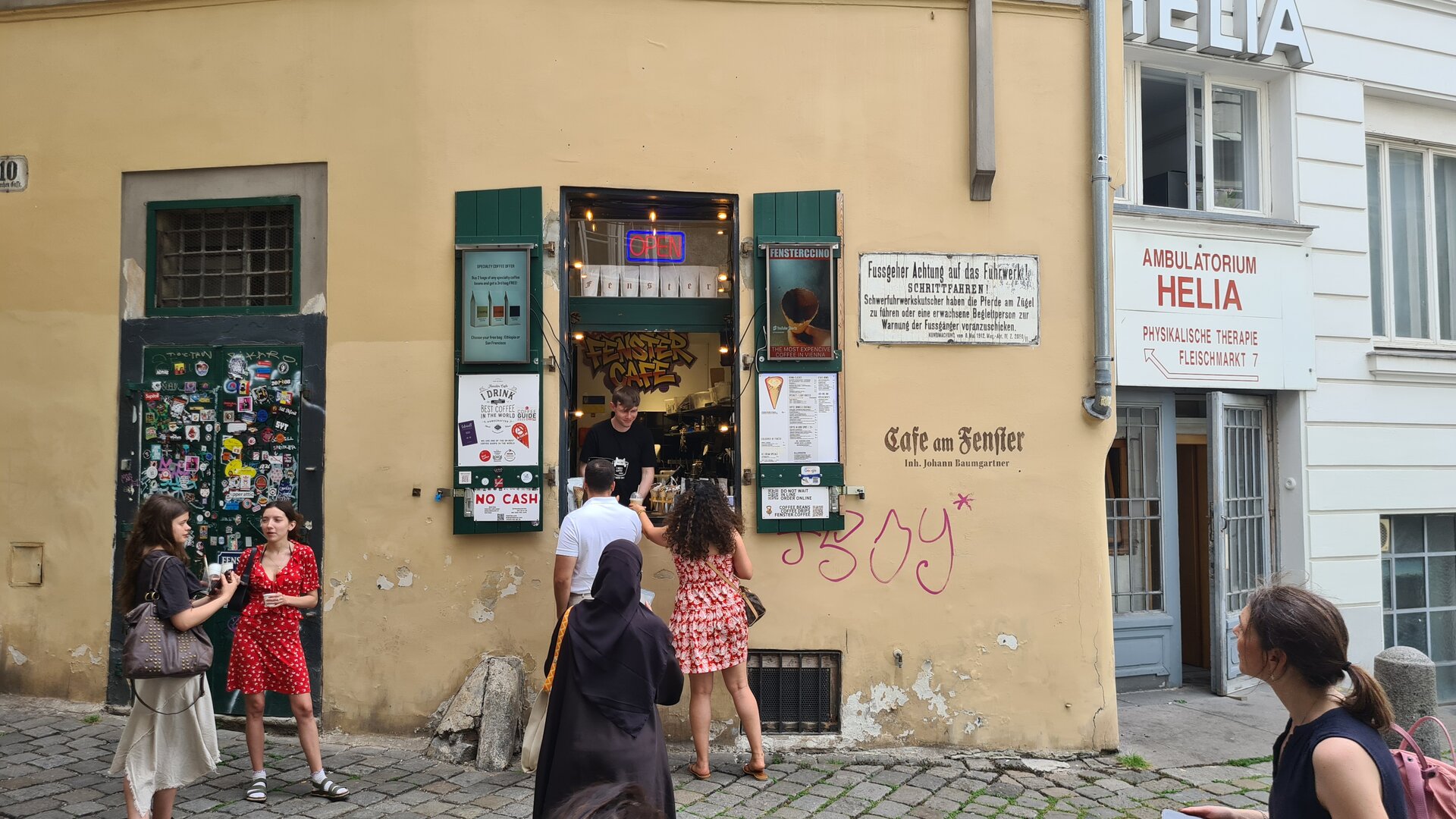
- Traditional coffee houses, recognized as part of Austria’s intangible cultural heritage