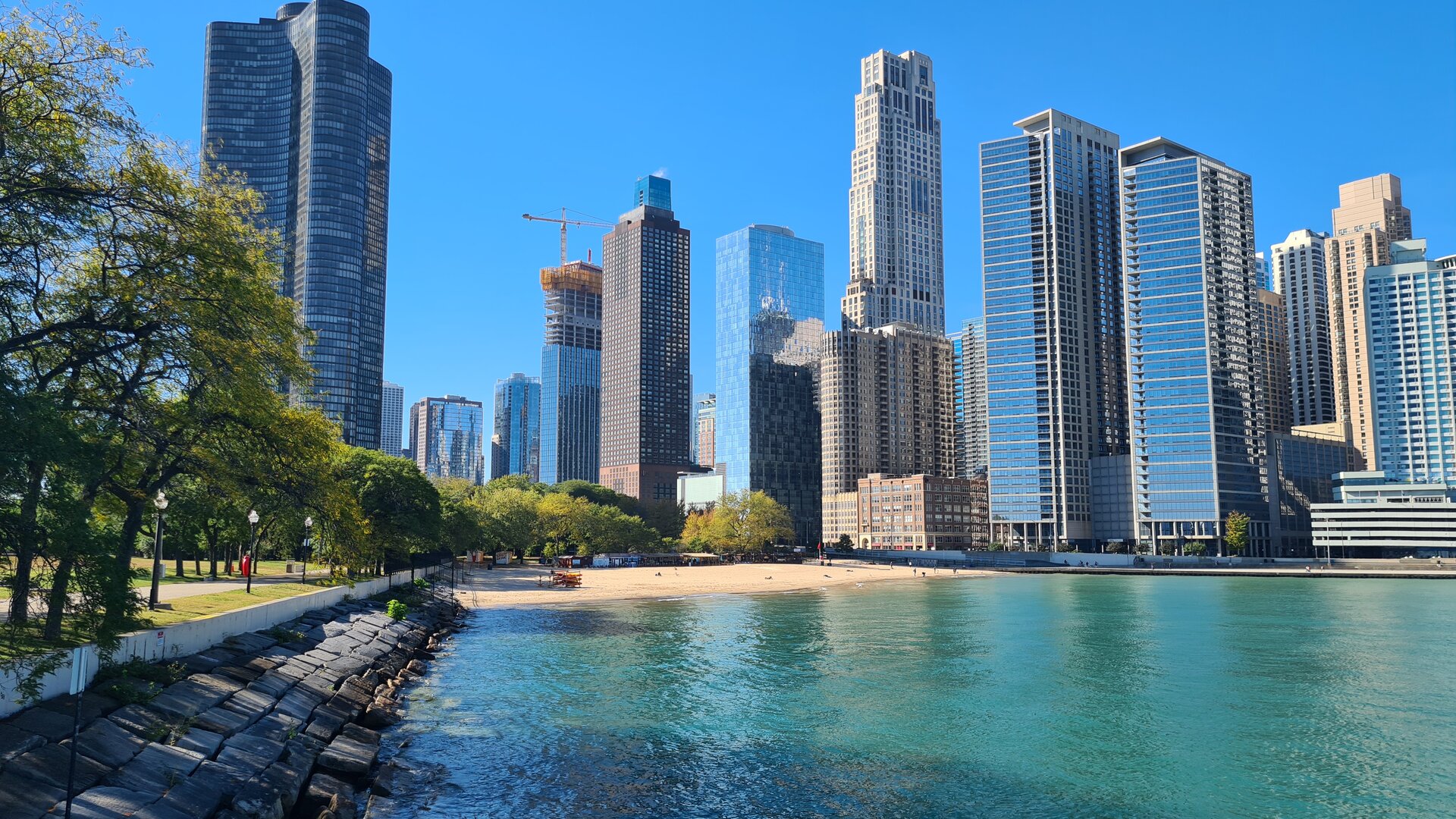







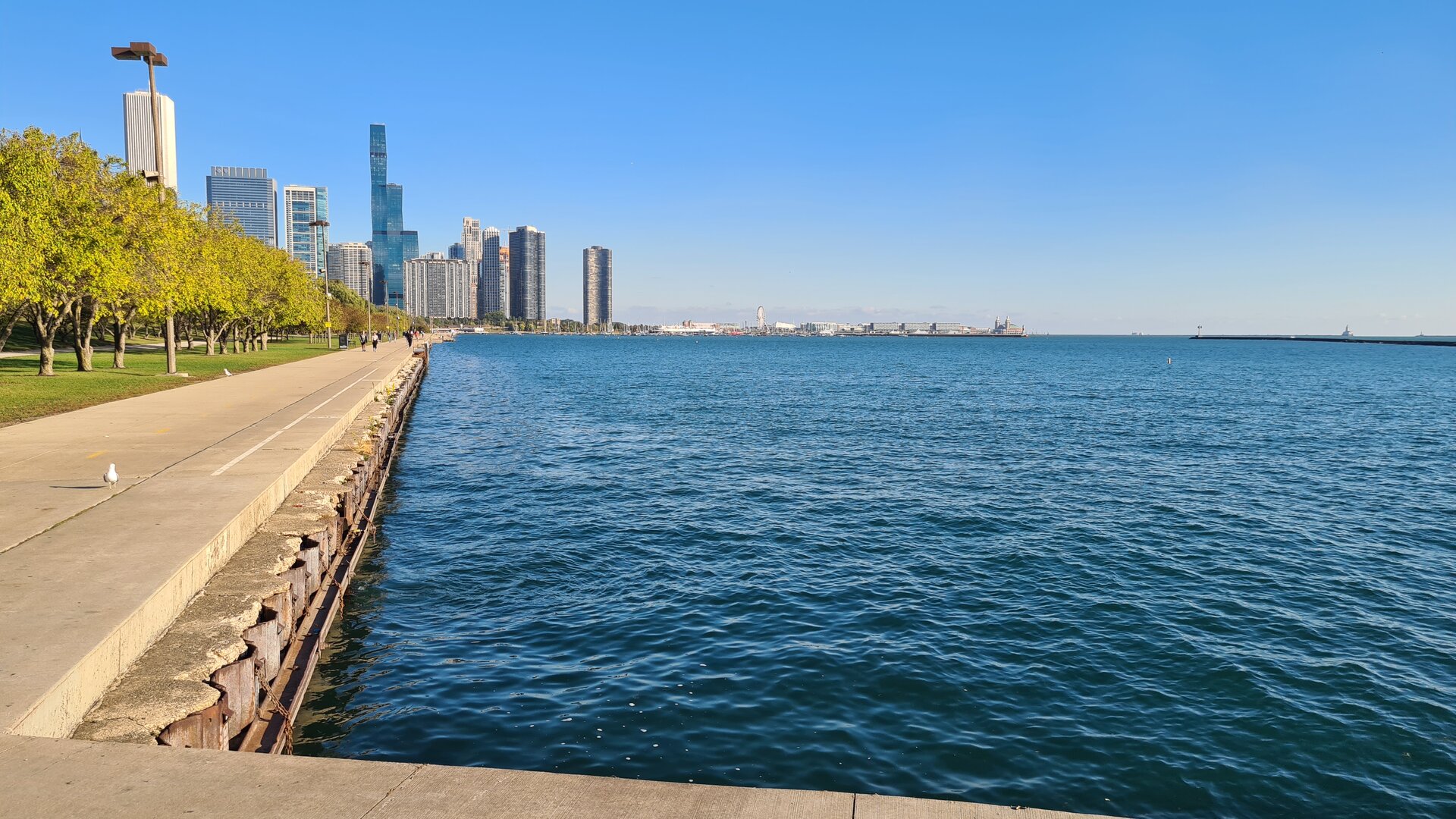

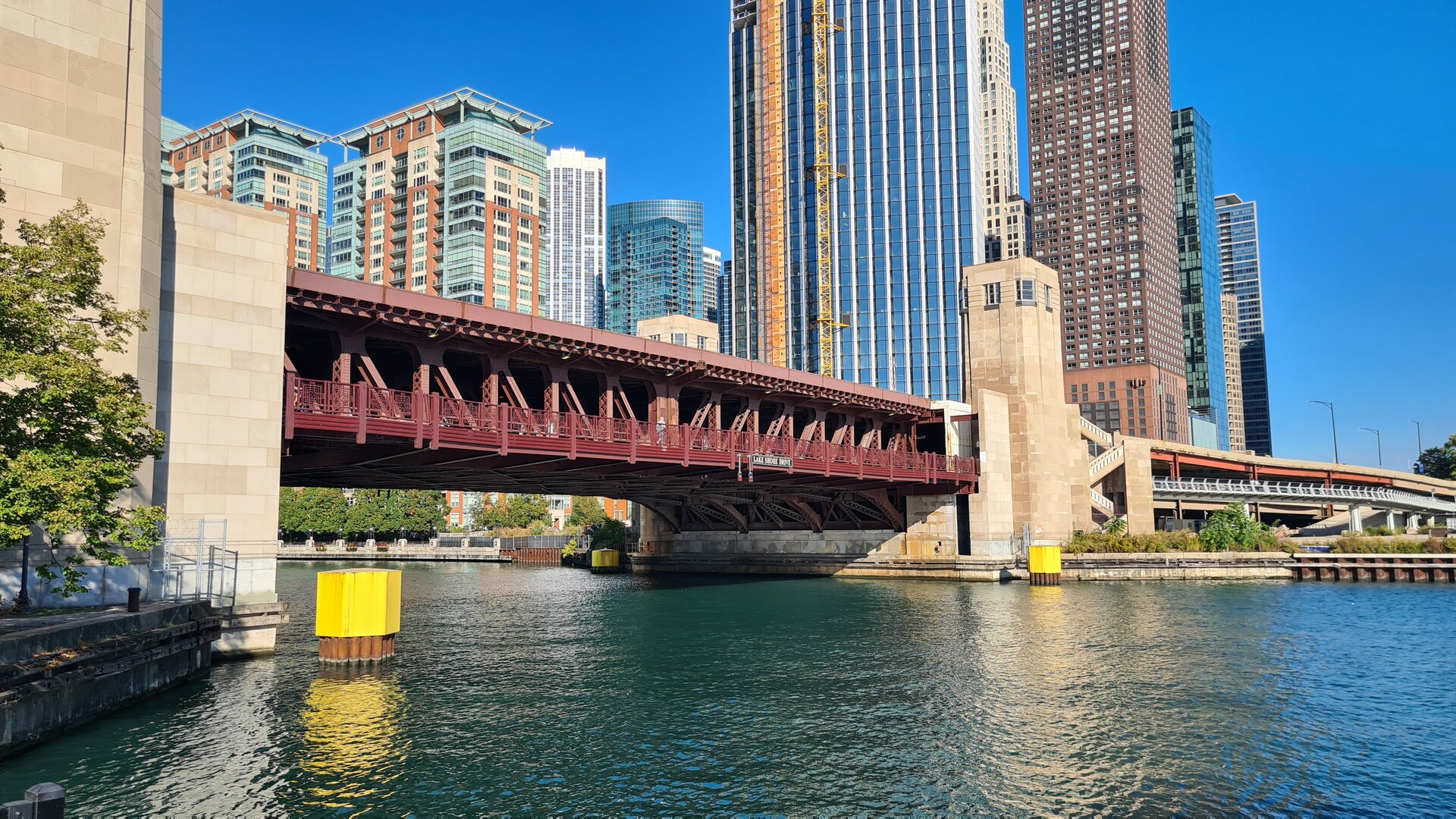
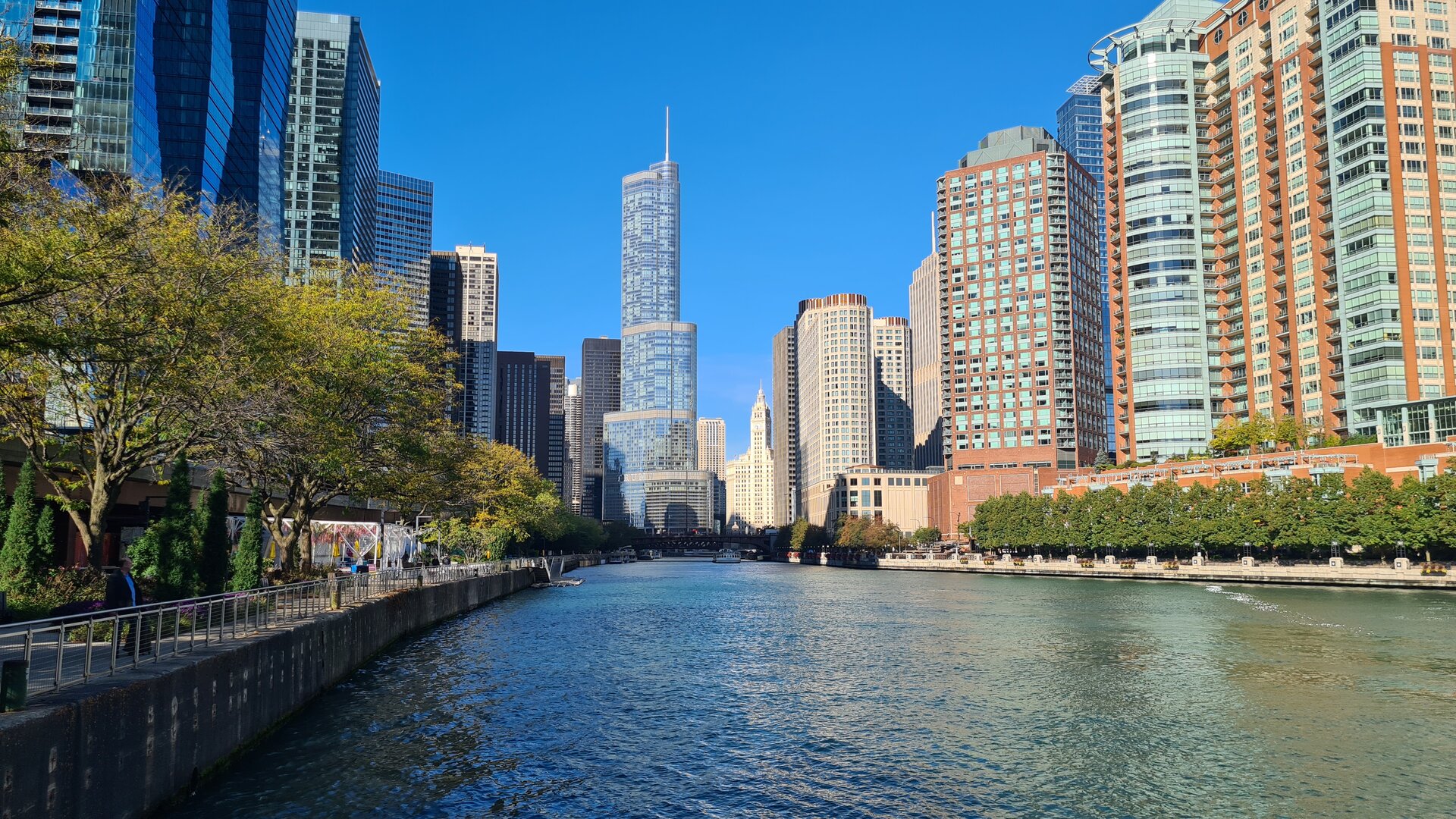






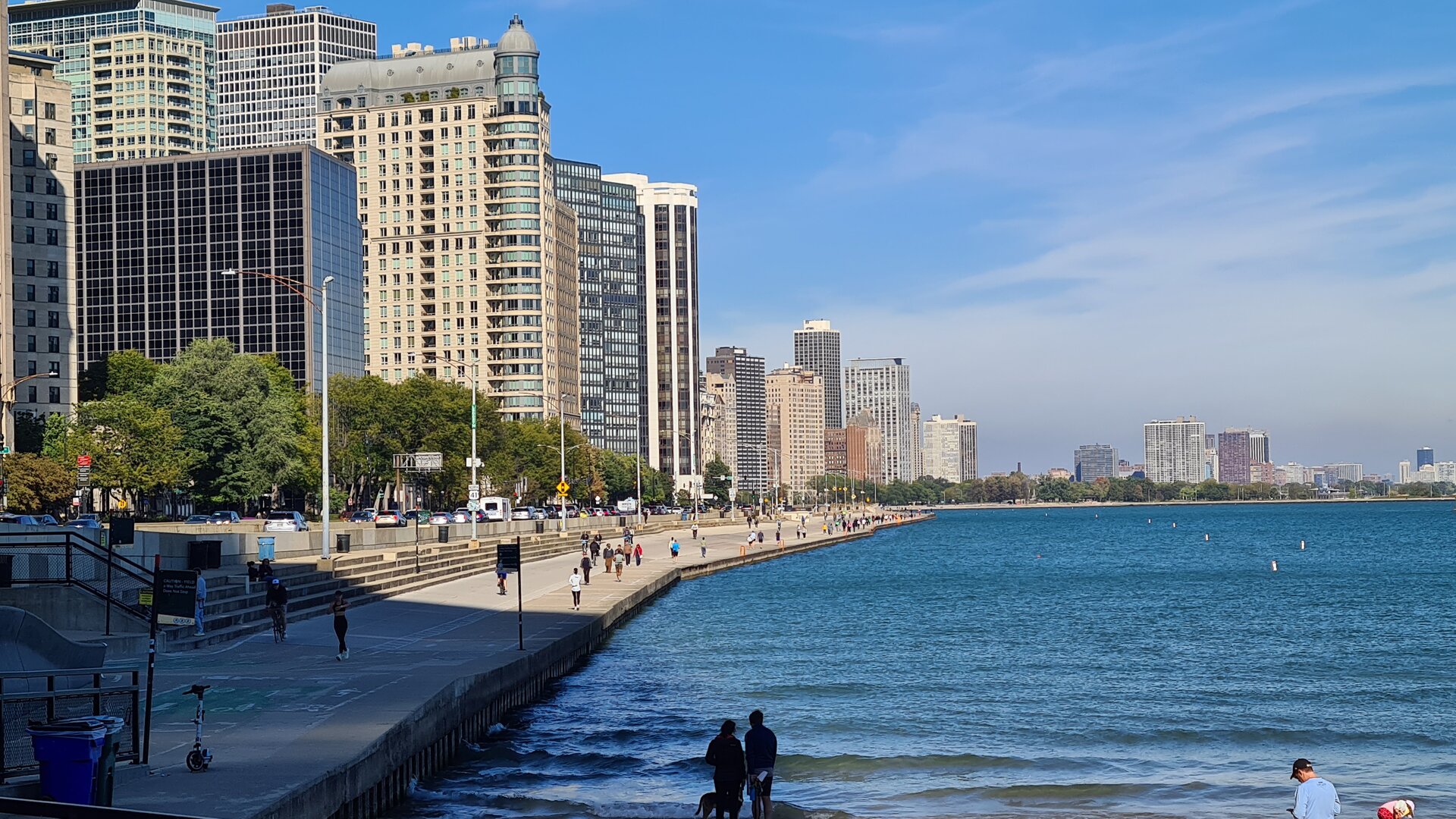


Chicago is the largest city in the state of Illinois and the third most populous city in the United States. Located in the Midwest, it lies along the southwestern shore of Lake Michigan and serves as a major economic, transportation, and cultural hub for the country. Its strategic position has historically made Chicago a key link between the eastern and western United States.
The city is known for its diverse population, vibrant neighborhoods, and strong architectural identity. Chicago’s economy is highly diversified, with major sectors including finance, commerce, manufacturing, logistics, technology, education, and tourism. It is also an important center for conventions, trade fairs, and corporate headquarters.
Chicago features a continental climate, with cold winters and warm summers, and benefits from extensive lakefront parks and green spaces that shape its urban character and recreational life.
History
Chicago’s history began as a small trading post in the late 18th century, located near important portage routes between the Great Lakes and the Mississippi River system. Officially incorporated as a city in 1837, it grew rapidly due to its role as a transportation hub for railways and waterways.
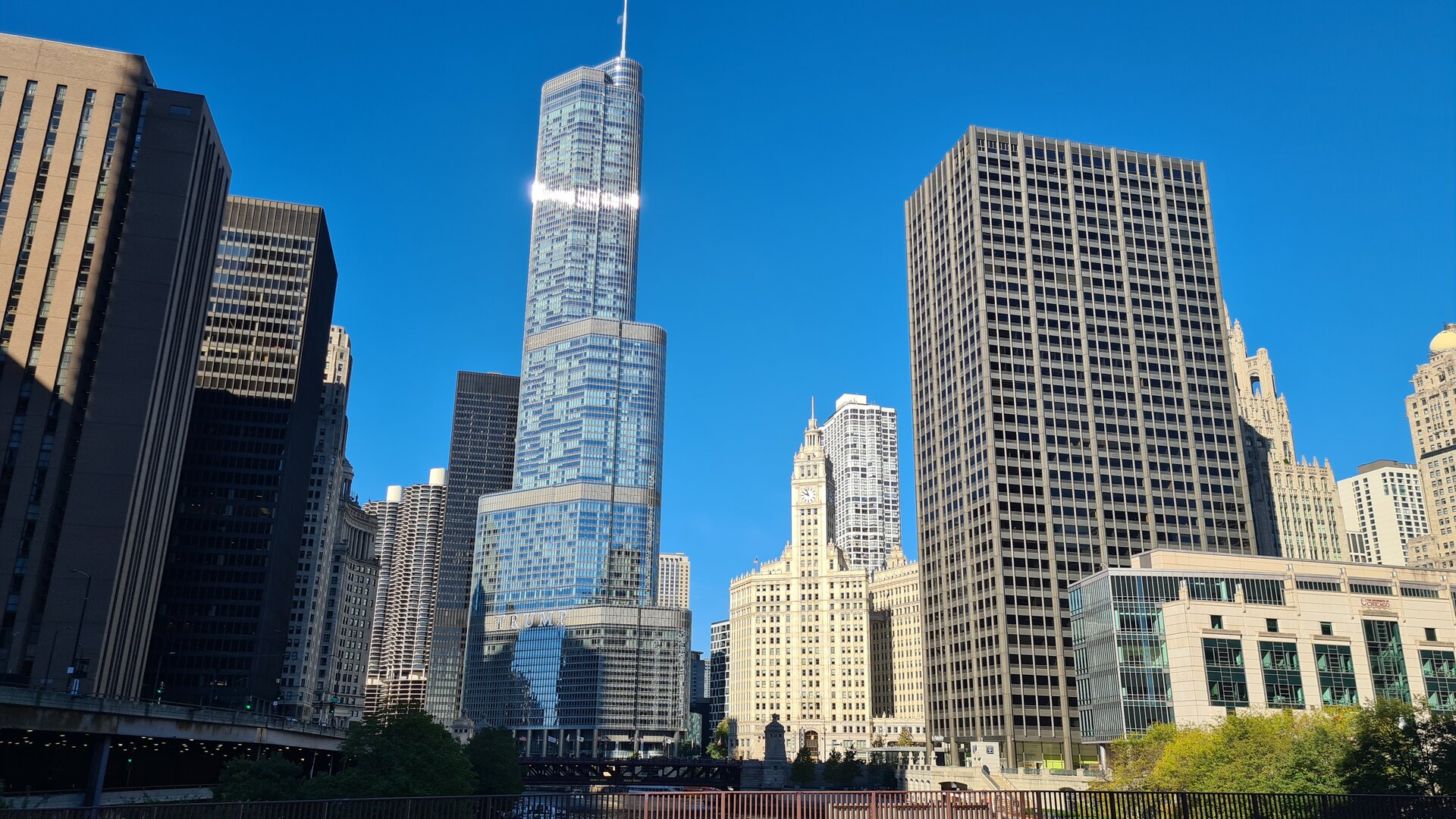
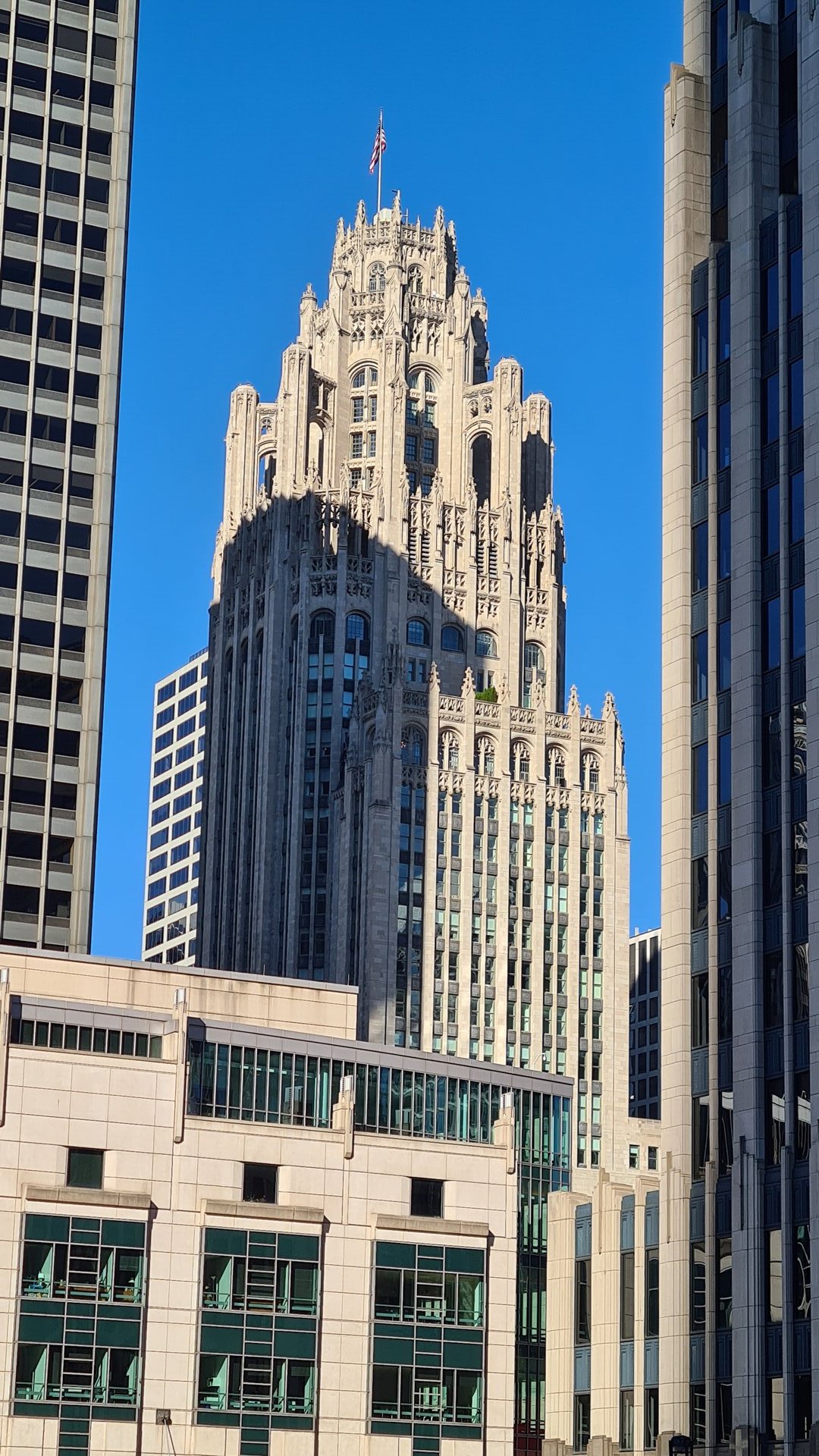
The Great Chicago Fire of 1871 marked a turning point in the city’s development. Although much of the city was destroyed, the rebuilding process transformed Chicago into a laboratory of modern architecture and urban planning. This period gave rise to early skyscrapers and the Chicago School of architecture.
During the 20th century, Chicago became a major industrial and cultural center, attracting large waves of immigrants from Europe and later from other parts of the United States and the world. Today, the city reflects this complex history through its multicultural identity and dynamic urban landscape.
Geology
Chicago’s geological foundation is largely shaped by glacial activity during the last Ice Age. The retreat of massive glaciers formed the flat terrain of the region and contributed to the creation of Lake Michigan, one of the Great Lakes.
The city sits on layers of sedimentary deposits, including clay, sand, and limestone, which influence construction techniques and infrastructure planning. The Chicago area has limited natural elevation changes, with the lakefront and surrounding plains defining much of its topography.
The presence of Lake Michigan plays a significant role in the city’s microclimate and environmental conditions, affecting weather patterns, water resources, and urban development.
Things to See
Chicago offers a wide range of cultural, architectural, and recreational attractions:
Architecture and Landmarks
- Downtown Chicago and the Loop, known for early skyscrapers and modern high-rise buildings
- Willis Tower, one of the tallest buildings in the Western Hemisphere
- John Hancock Center and other iconic examples of urban architecture
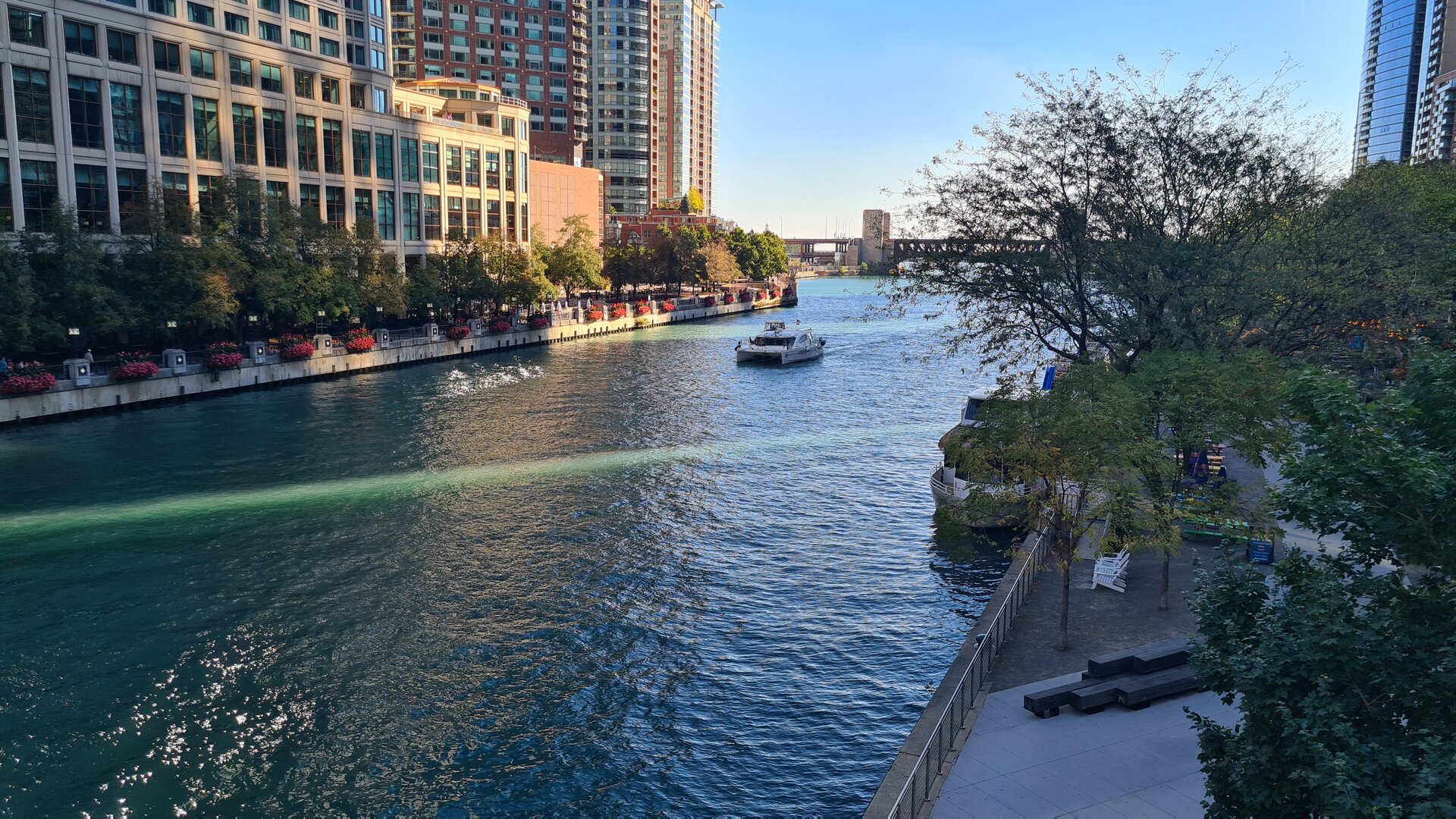
- Chicago Riverwalk, showcasing the city’s architectural heritage
Culture and Museums
- Art Institute of Chicago, one of the leading art museums in the world
- Museum Campus, home to the Field Museum, Shedd Aquarium, and Adler Planetarium
- Chicago Theatre and a vibrant performing arts scene
- Jazz and blues clubs reflecting the city’s musical traditions
Parks and Urban Life
- Millennium Park and its public art installations
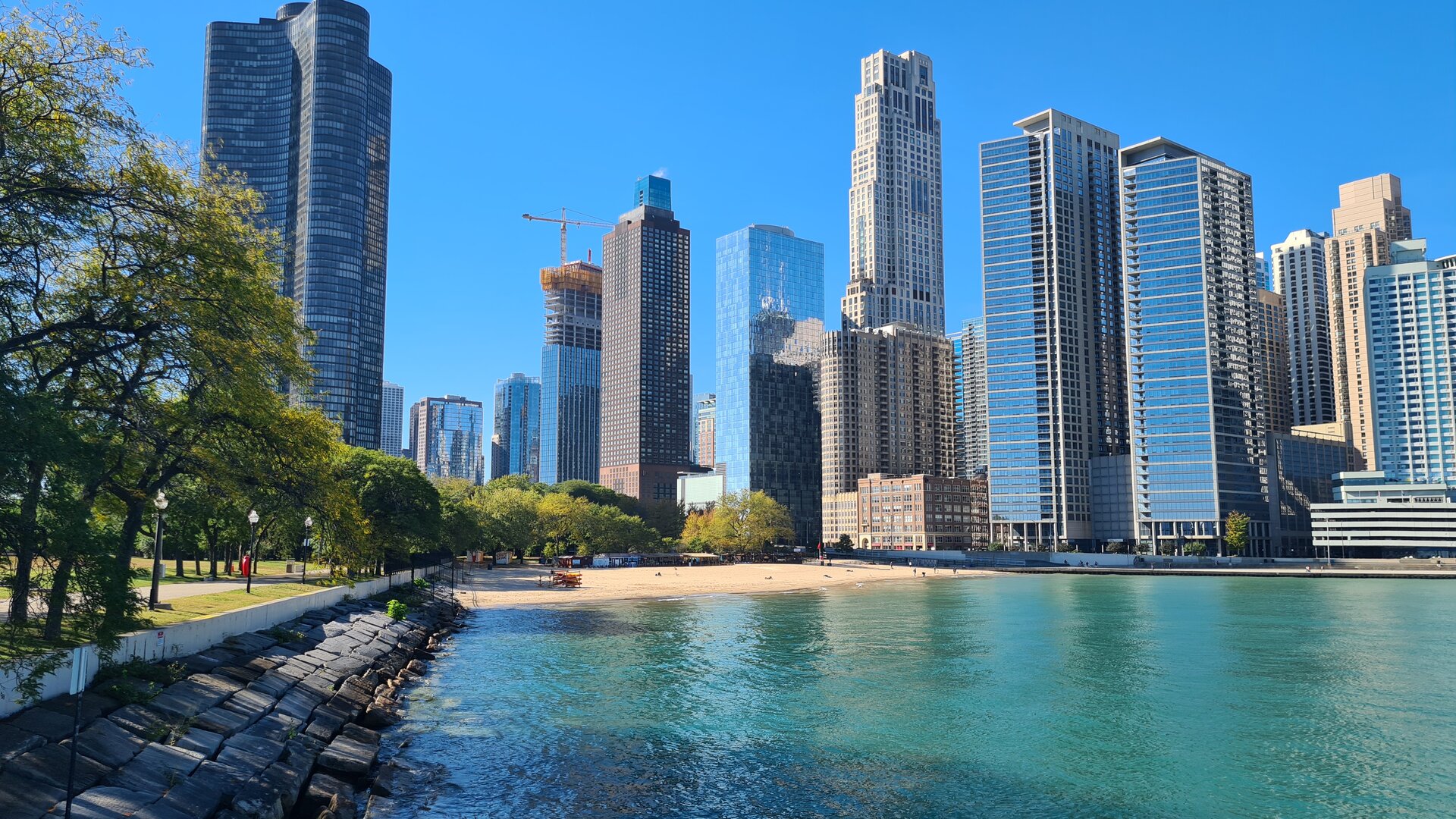
- Grant Park along the lakefront
- Navy Pier, a major recreational and entertainment area
- Extensive lakefront trails for walking and cycling