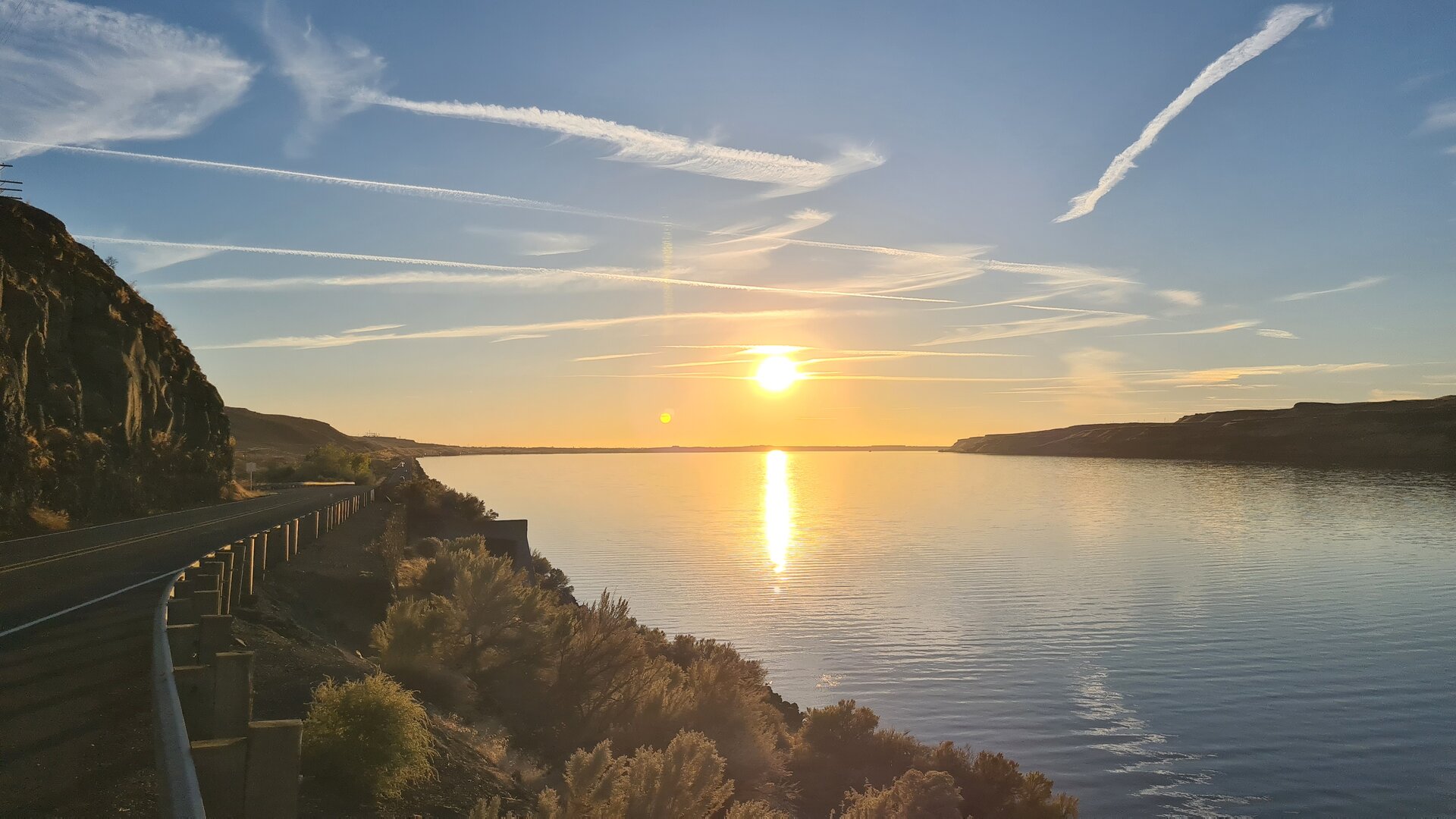

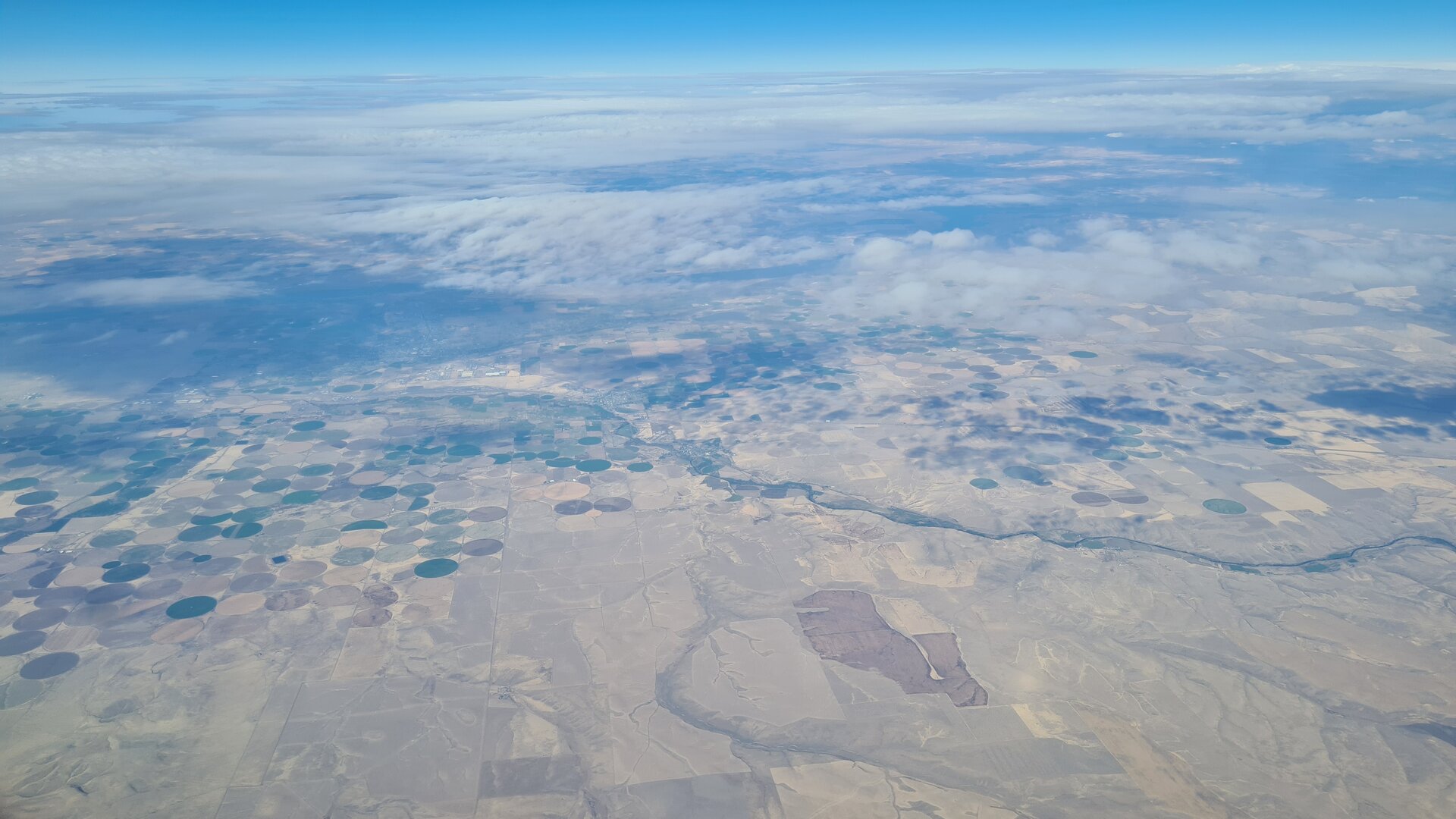
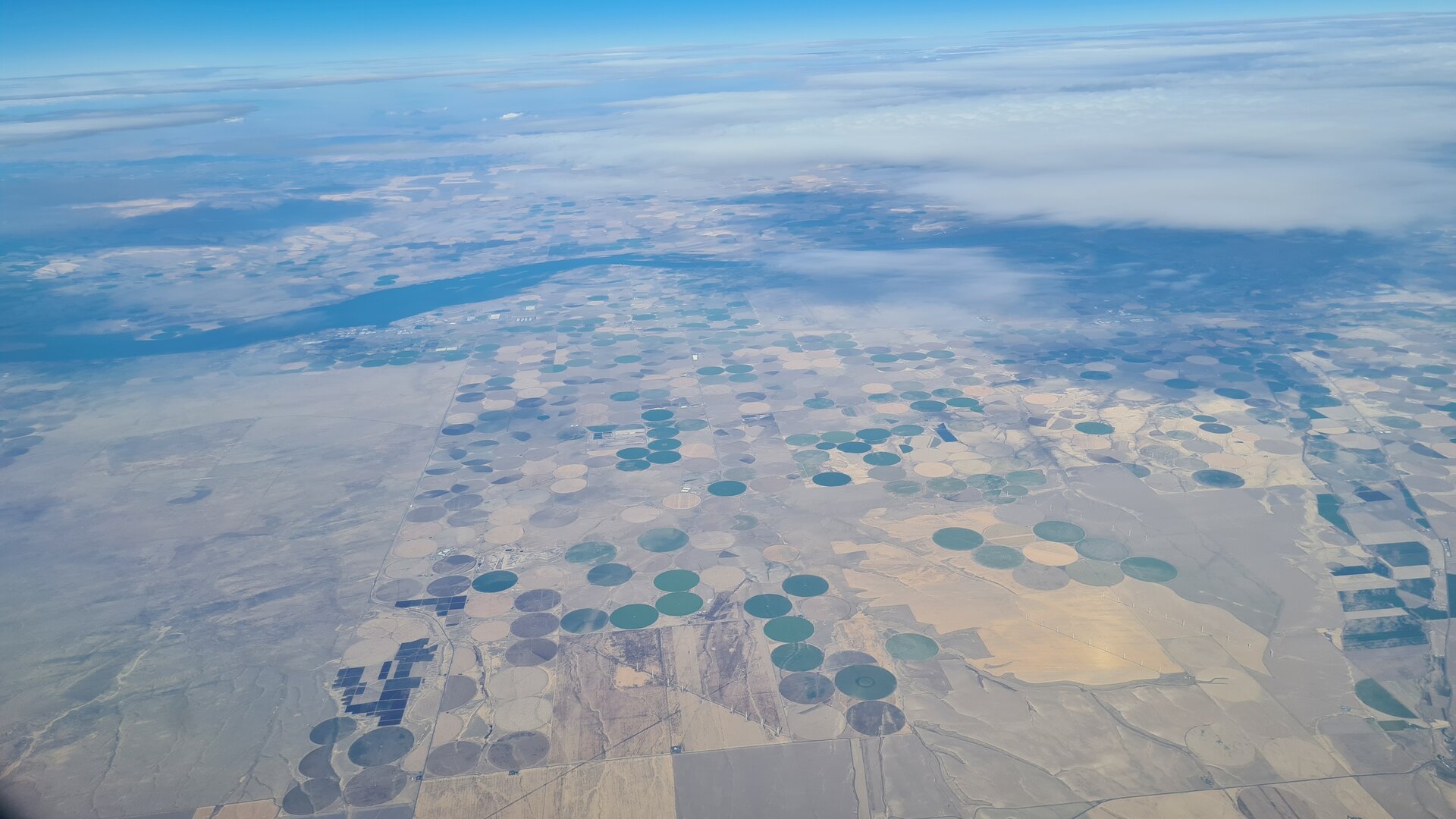
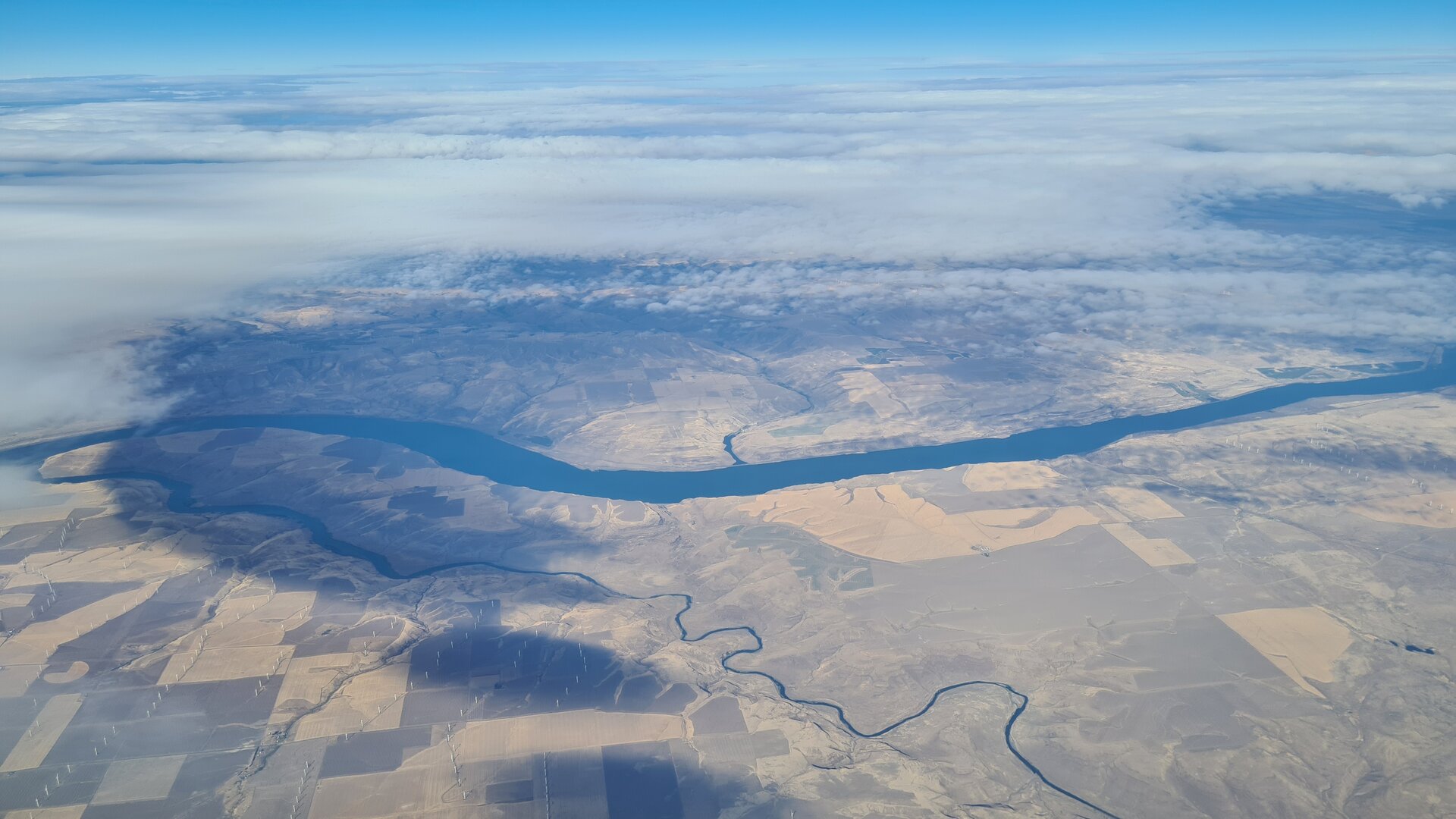
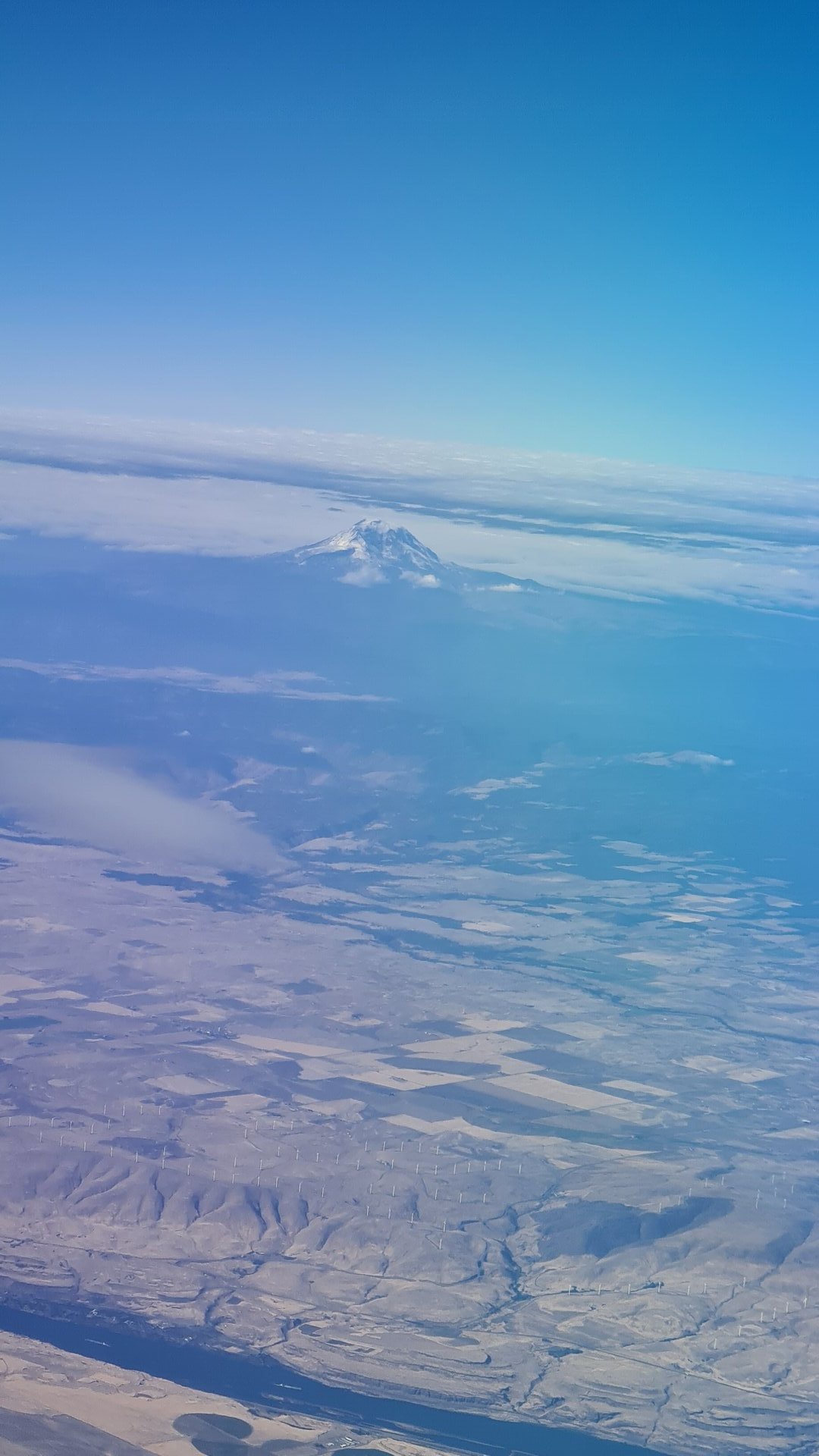
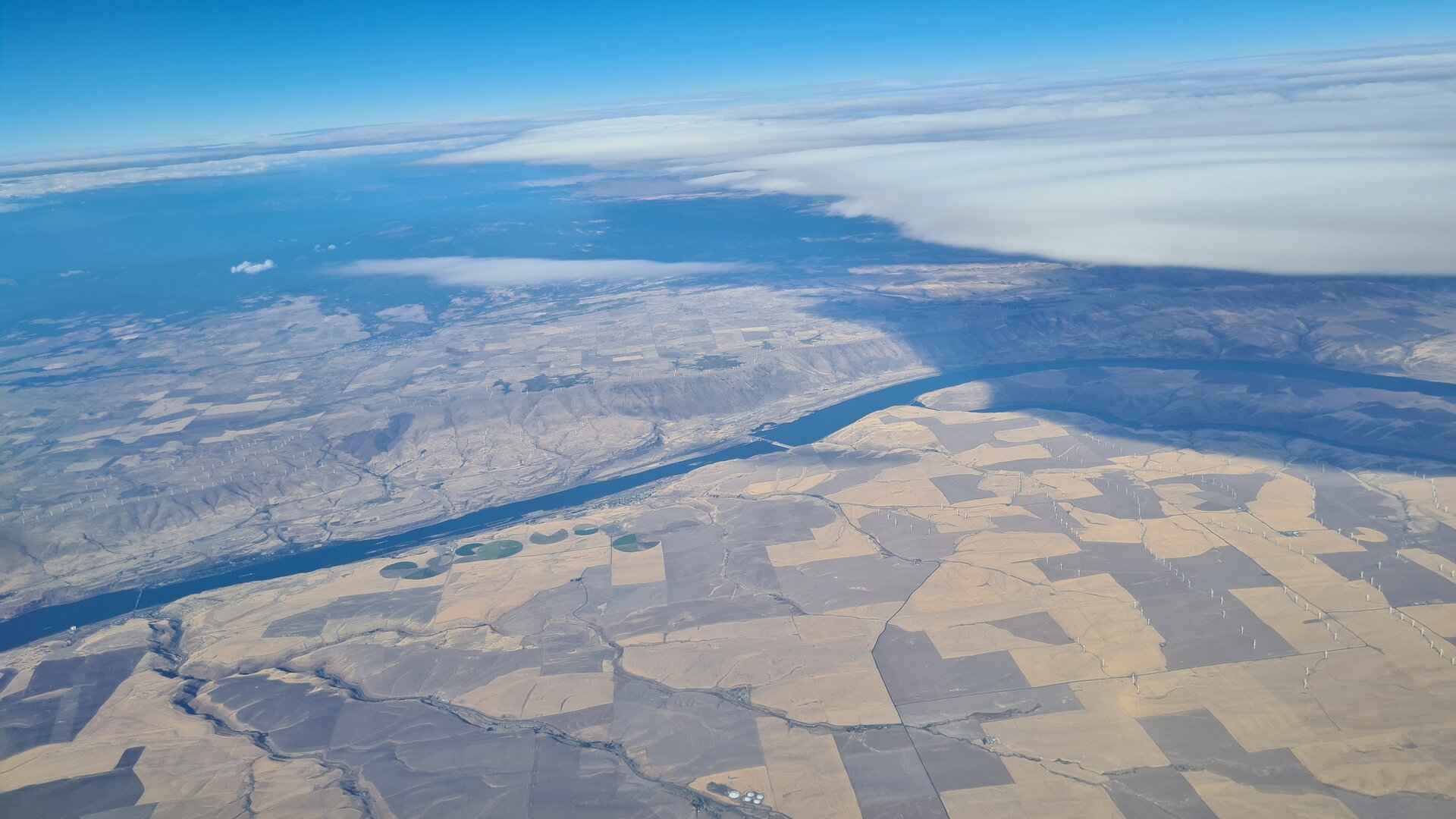
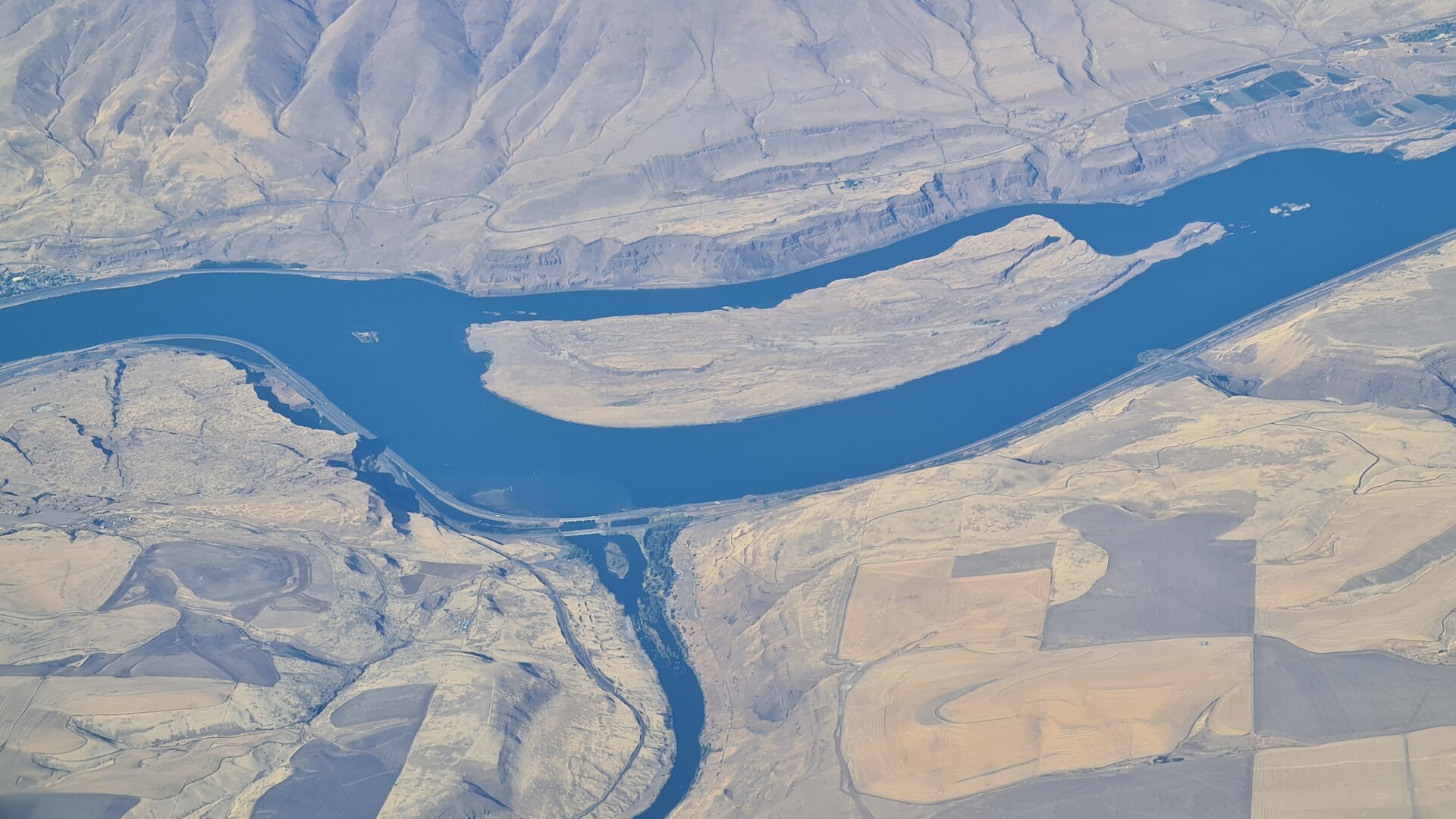
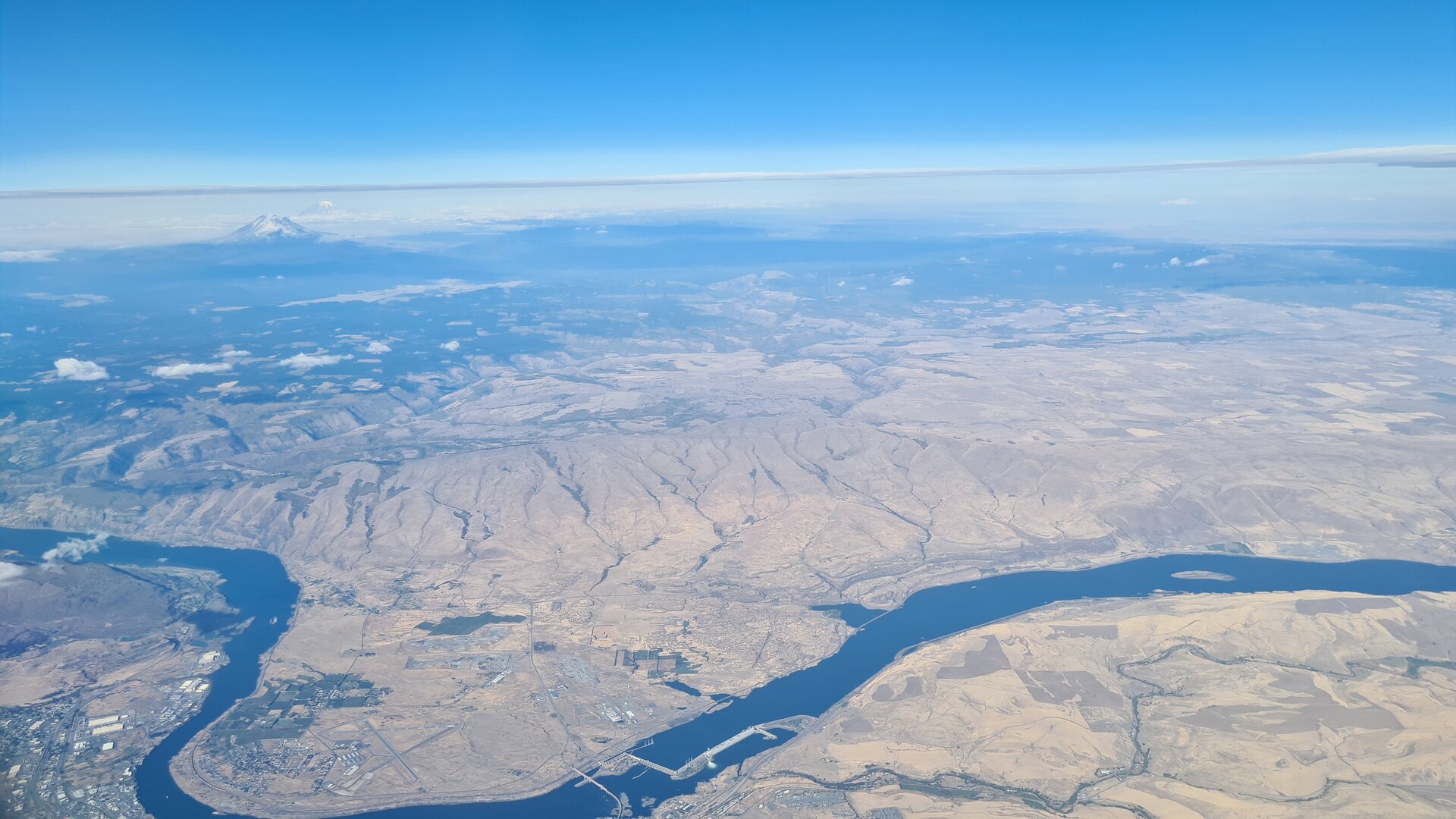
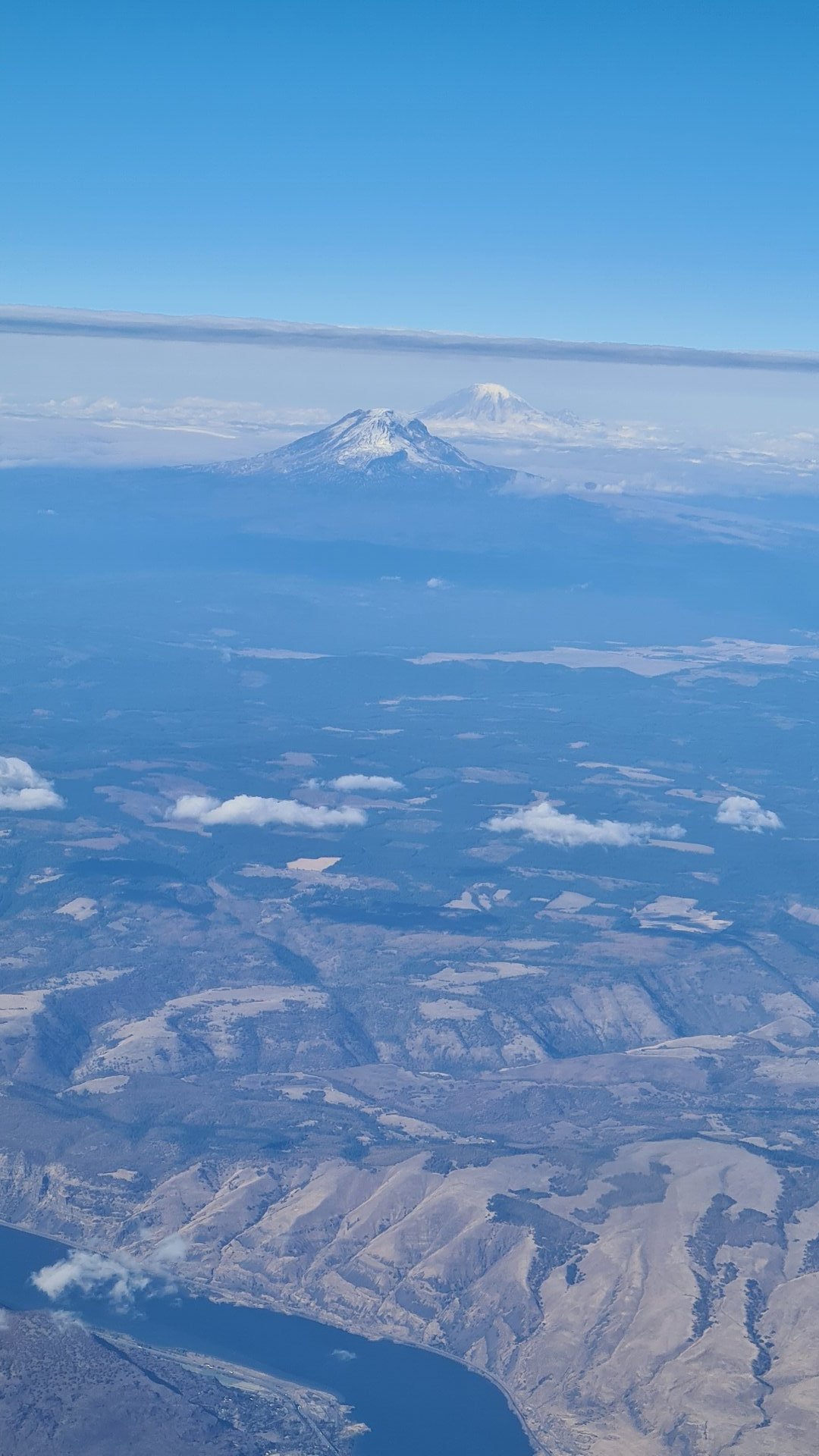
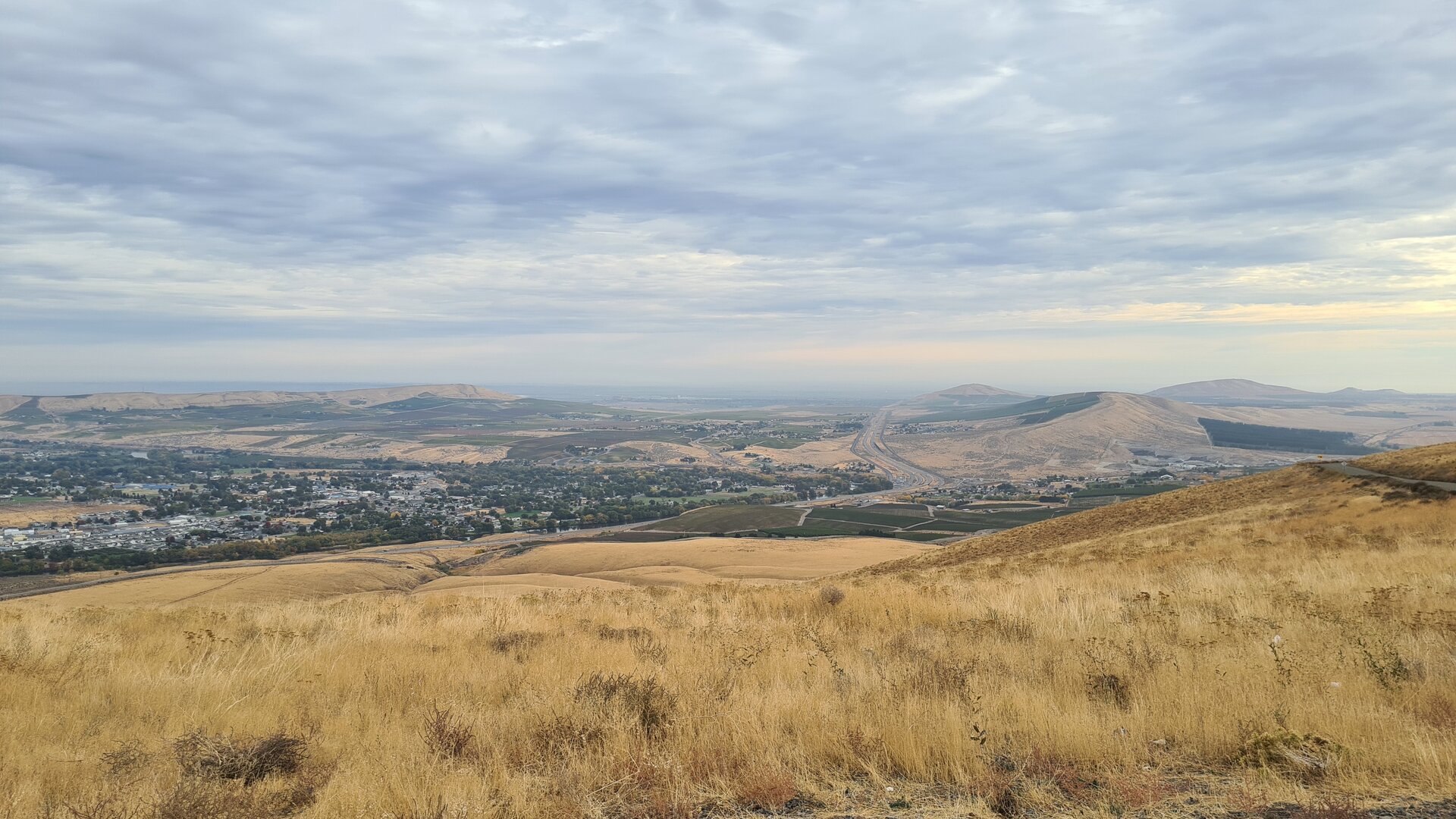

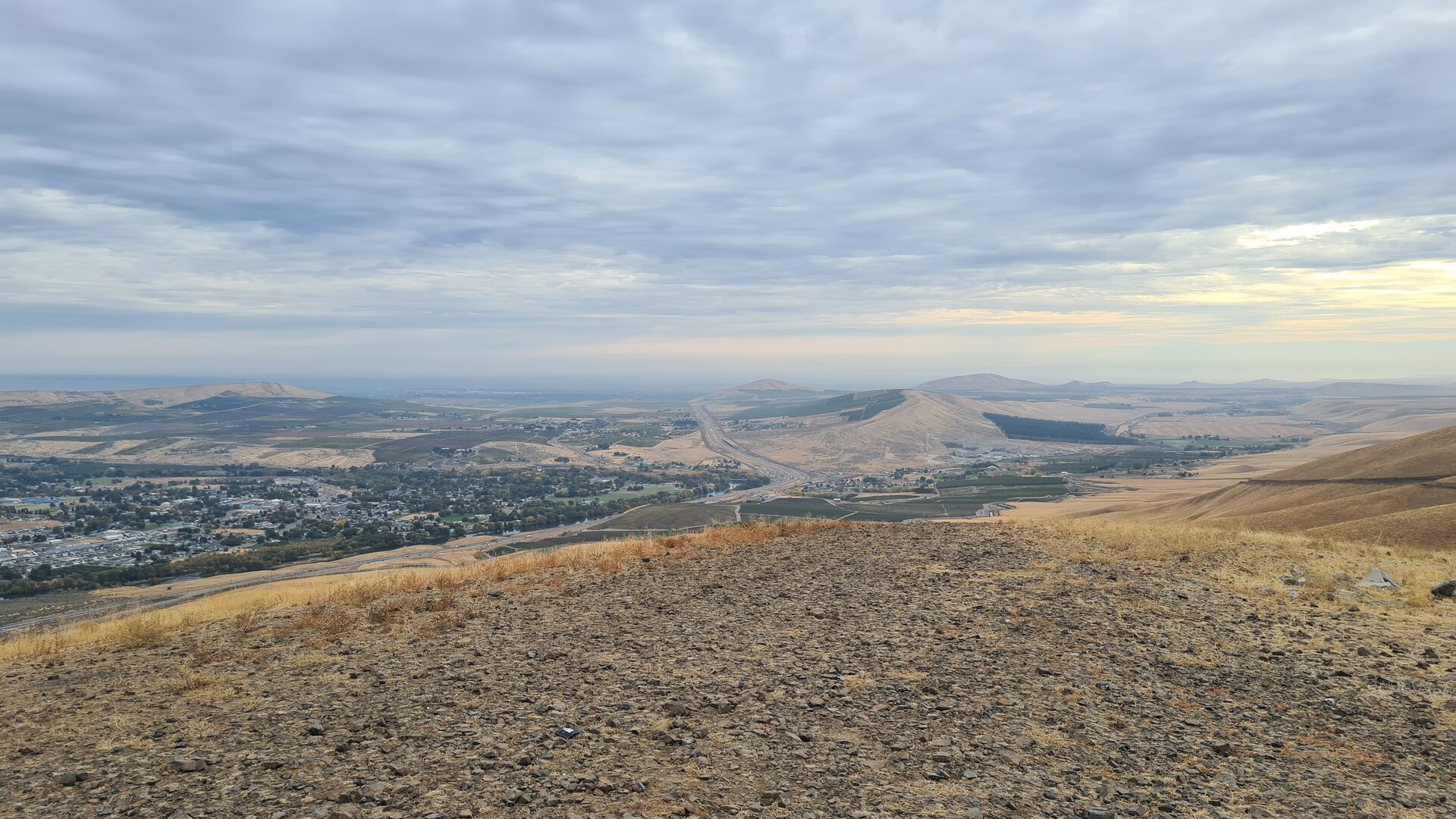
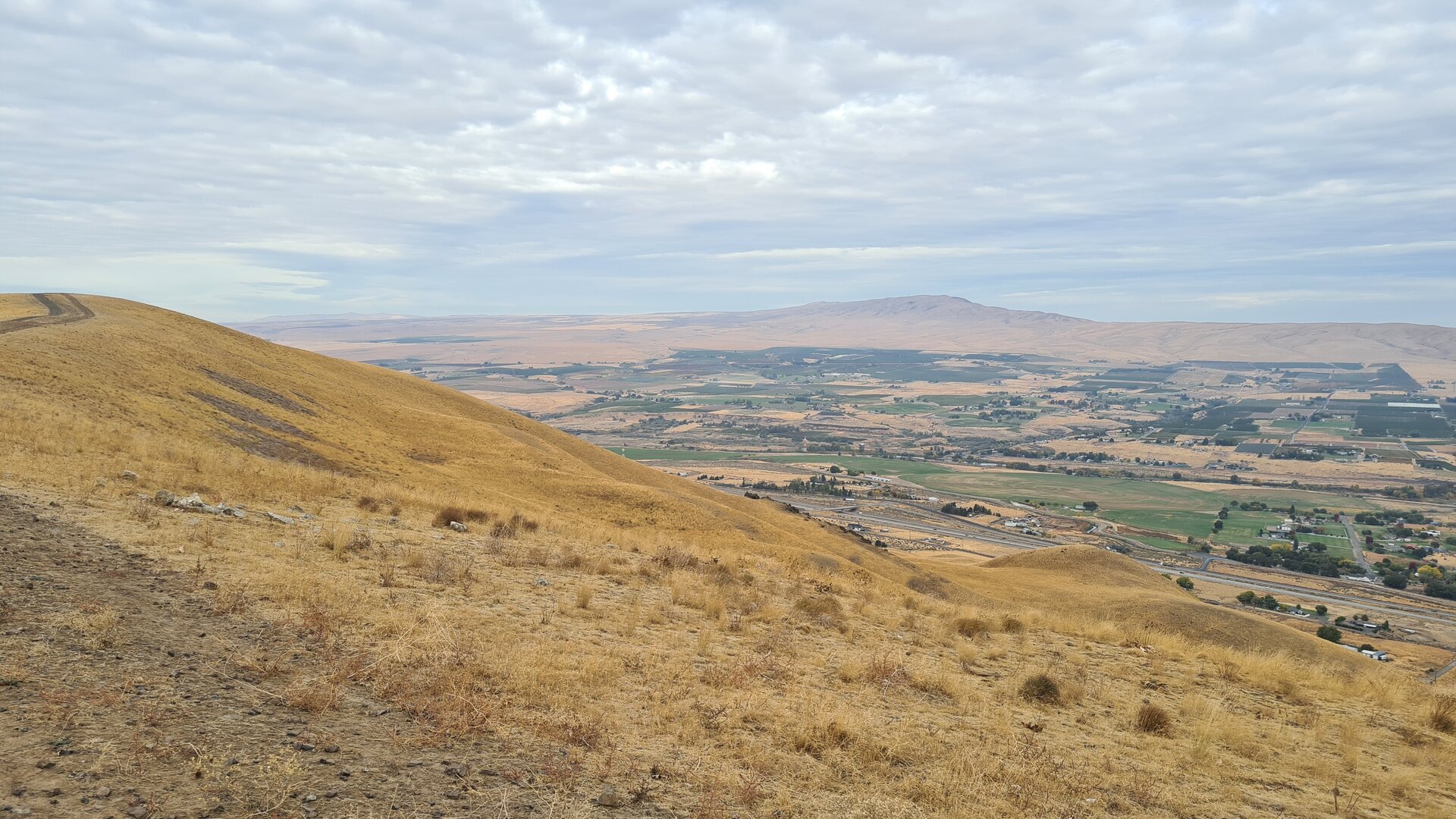




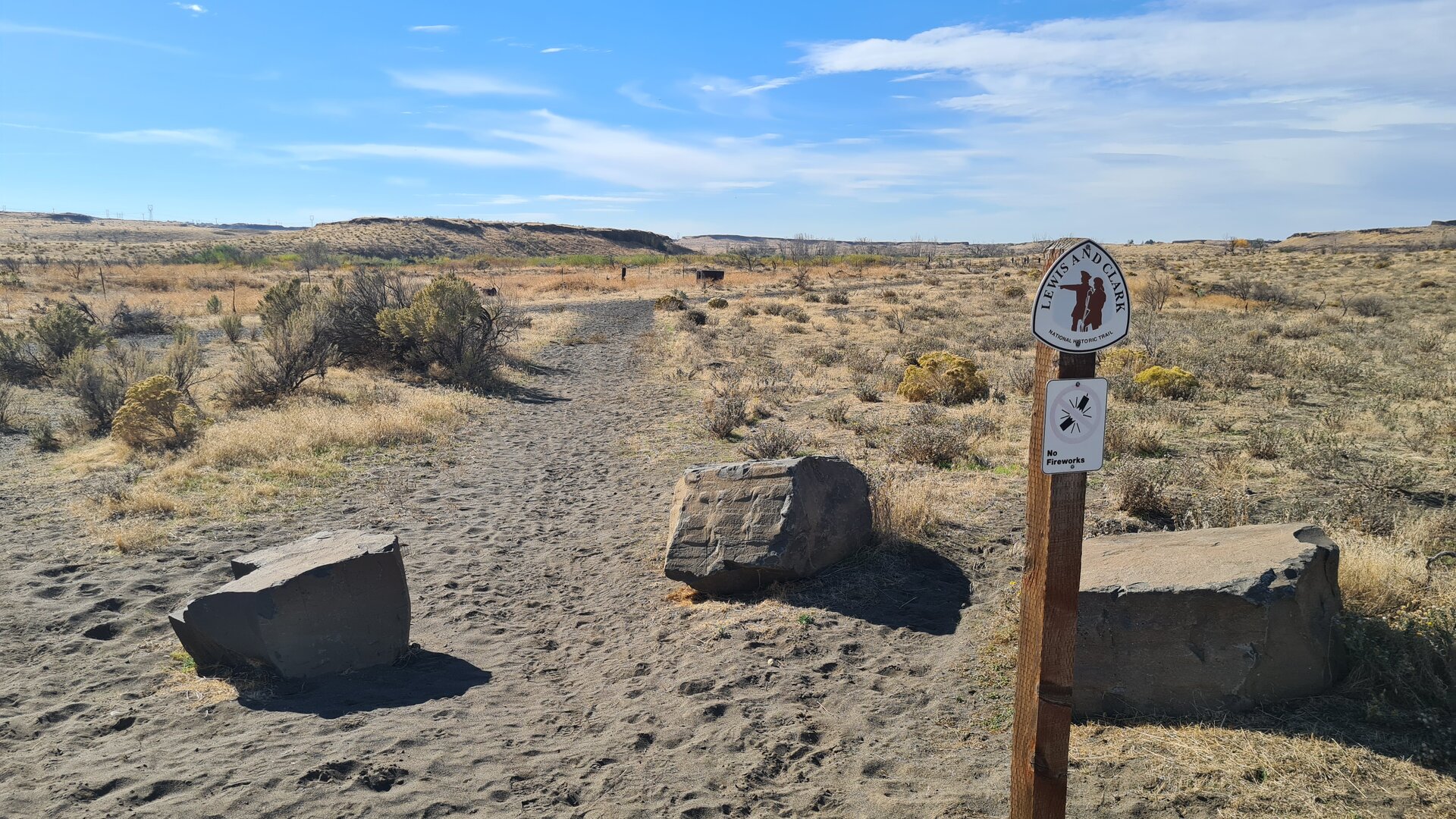
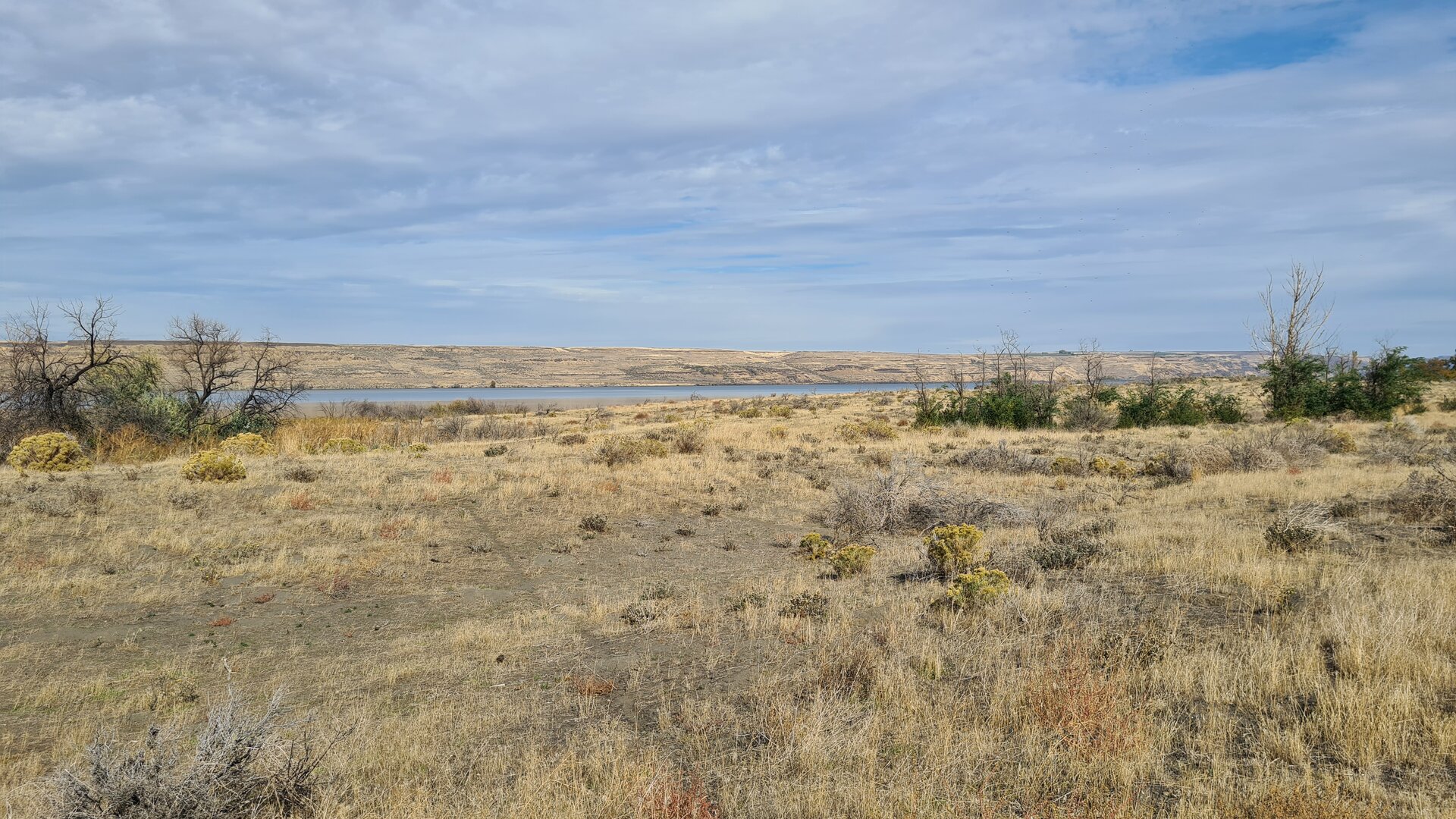
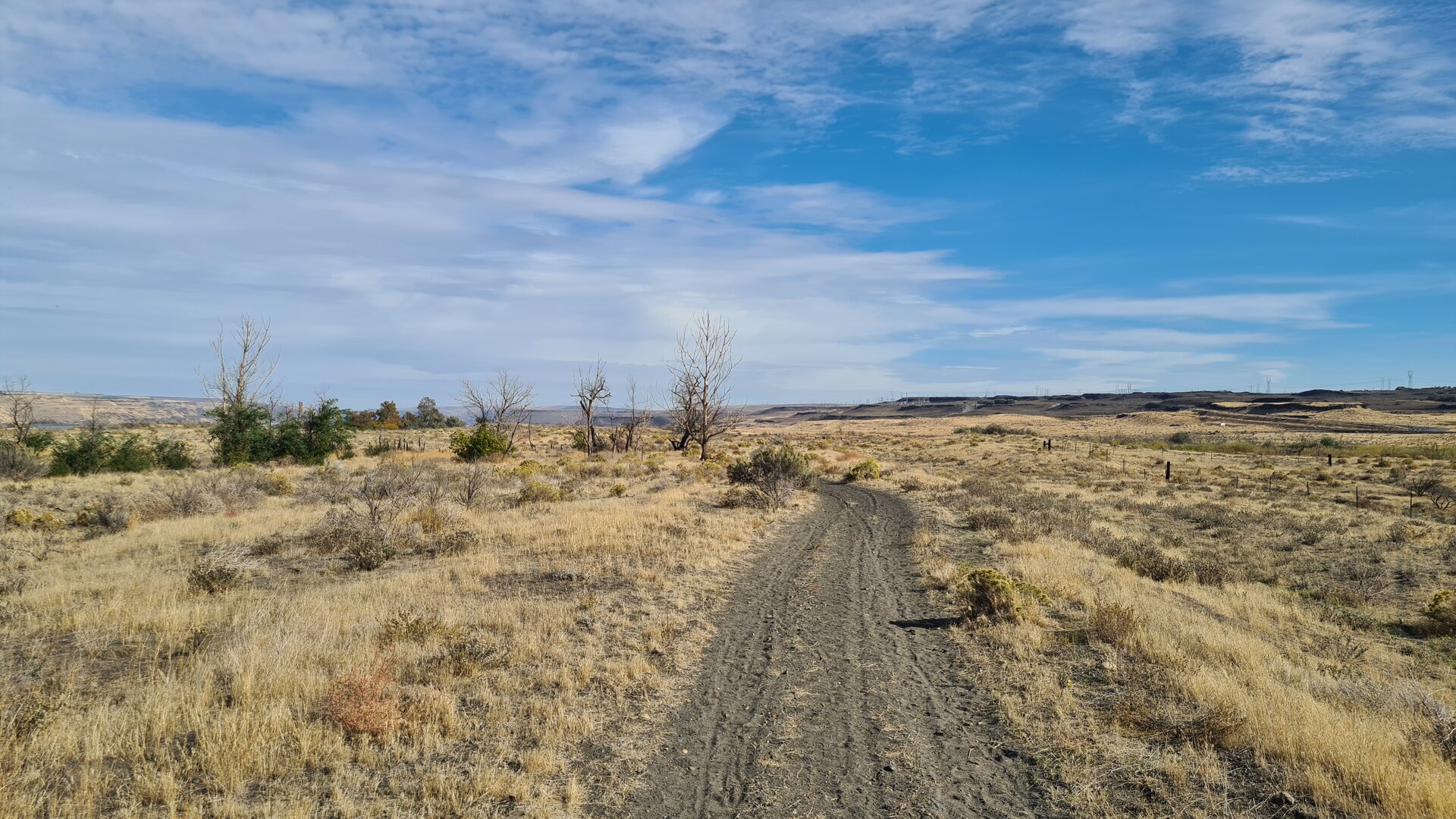
The Tri-Cities is a metropolitan area in south-eastern Washington State composed of the three cities of Kennewick, Pasco, and Richland. Located at the confluence of the Columbia, Snake, and Yakima rivers, the region lies approximately 200 miles east of Portland, Oregon, and is often considered part of the broader Pacific Northwest.
The area is known for its dry climate, wide-open landscapes, and strong connection to river systems. Unlike the coastal regions near Portland, the Tri-Cities has a semi-arid environment, with hot summers, mild winters, and abundant sunshine throughout the year.
The regional economy is driven by energy research, agriculture, food processing, healthcare, and education. The Tri-Cities is also one of Washington’s fastest-growing urban areas, offering a mix of urban services and access to outdoor recreation.
History
Before European settlement, the Tri-Cities region was inhabited by Native American tribes, including the Yakama, Umatilla, and Nez Perce, who relied on the rivers for fishing, trade, and seasonal migration.
The modern development of the area began in the early 20th century with the construction of irrigation projects that transformed desert land into productive farmland. A major turning point occurred during World War II with the establishment of the Hanford Site as part of the Manhattan Project. This brought rapid population growth and led to the founding and expansion of Richland.
In the post-war decades, the region diversified economically while maintaining its role in scientific research and agriculture. Today, the Tri-Cities reflects a blend of agricultural heritage, scientific innovation, and suburban growth.
Geology
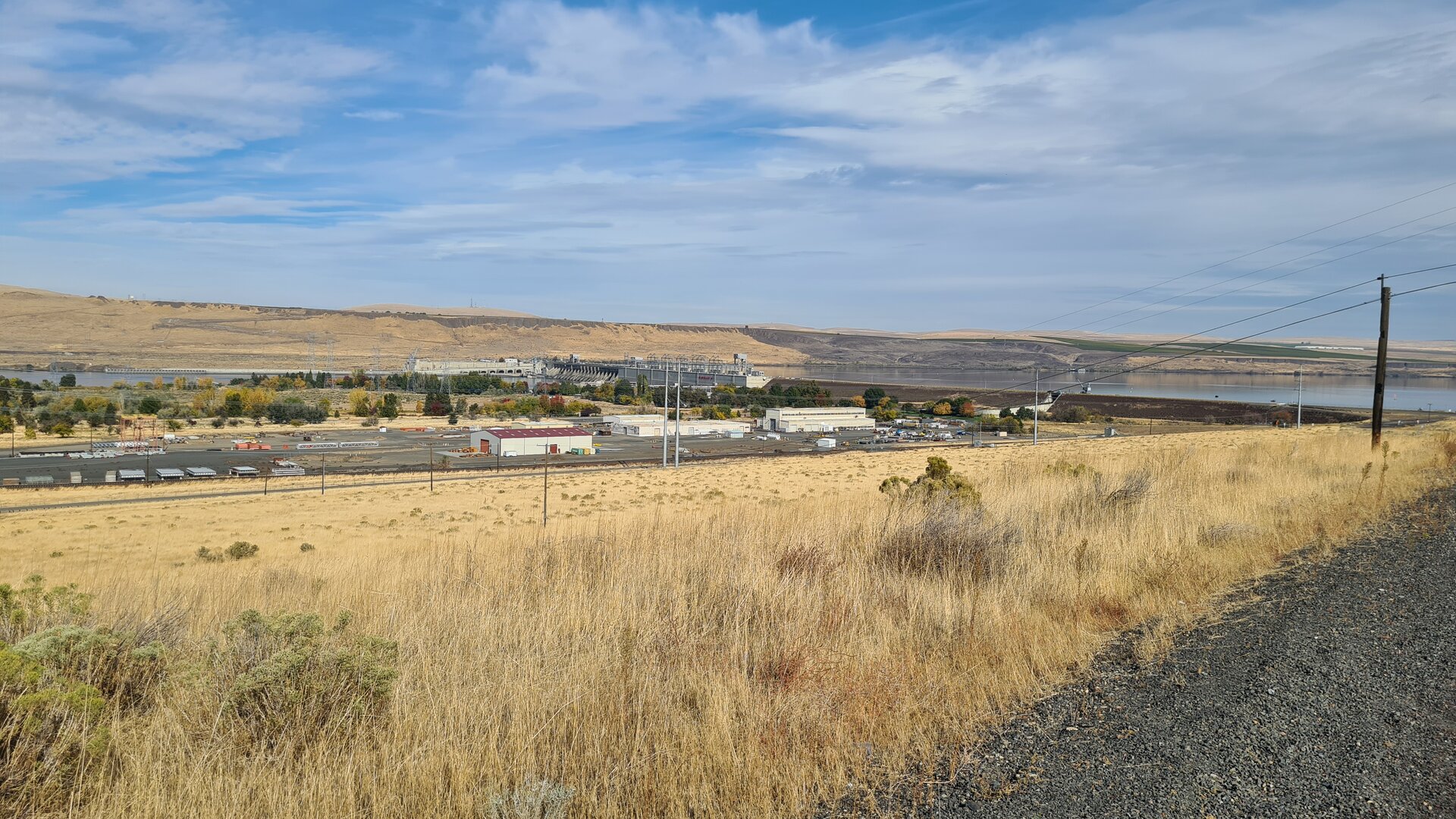
The geology of the Tri-Cities is shaped by ancient volcanic activity and dramatic flood events. The region lies within the Columbia Plateau, formed by massive basalt lava flows millions of years ago. These basalt layers dominate the subsurface geology and influence soil composition.
One of the most significant geological events affecting the area was the Ice Age Missoula Floods, which carved much of the surrounding landscape. These catastrophic floods shaped river channels, cliffs, and terraces that are still visible today.
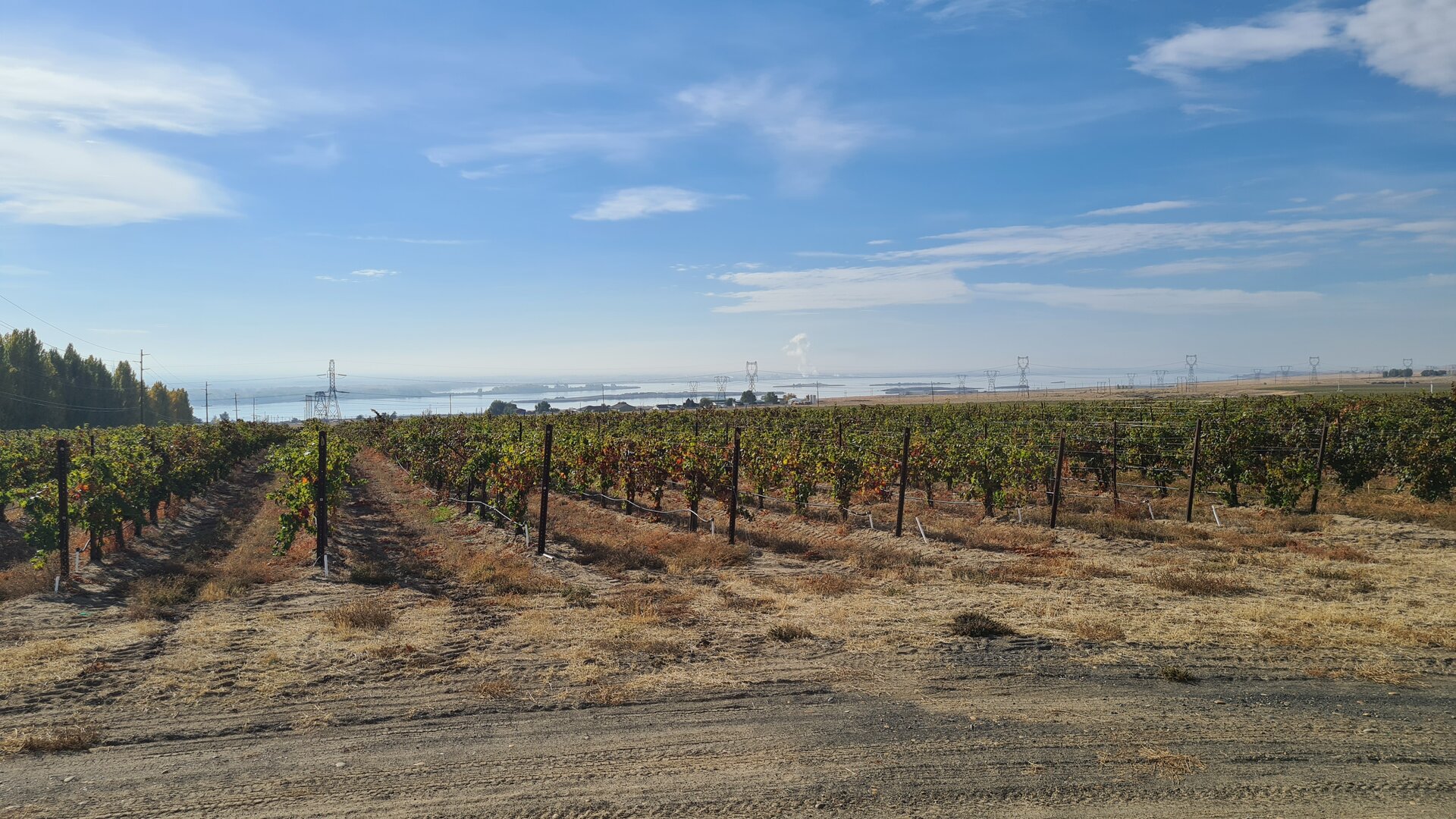
The combination of volcanic soils and river sediments has created fertile ground for agriculture, particularly vineyards and orchards. The geology also contributes to the region’s rolling hills, ridges, and distinctive desert scenery.
Things to See
The Tri-Cities offers a variety of natural, cultural, and recreational attractions:
Natural and Outdoor Attractions
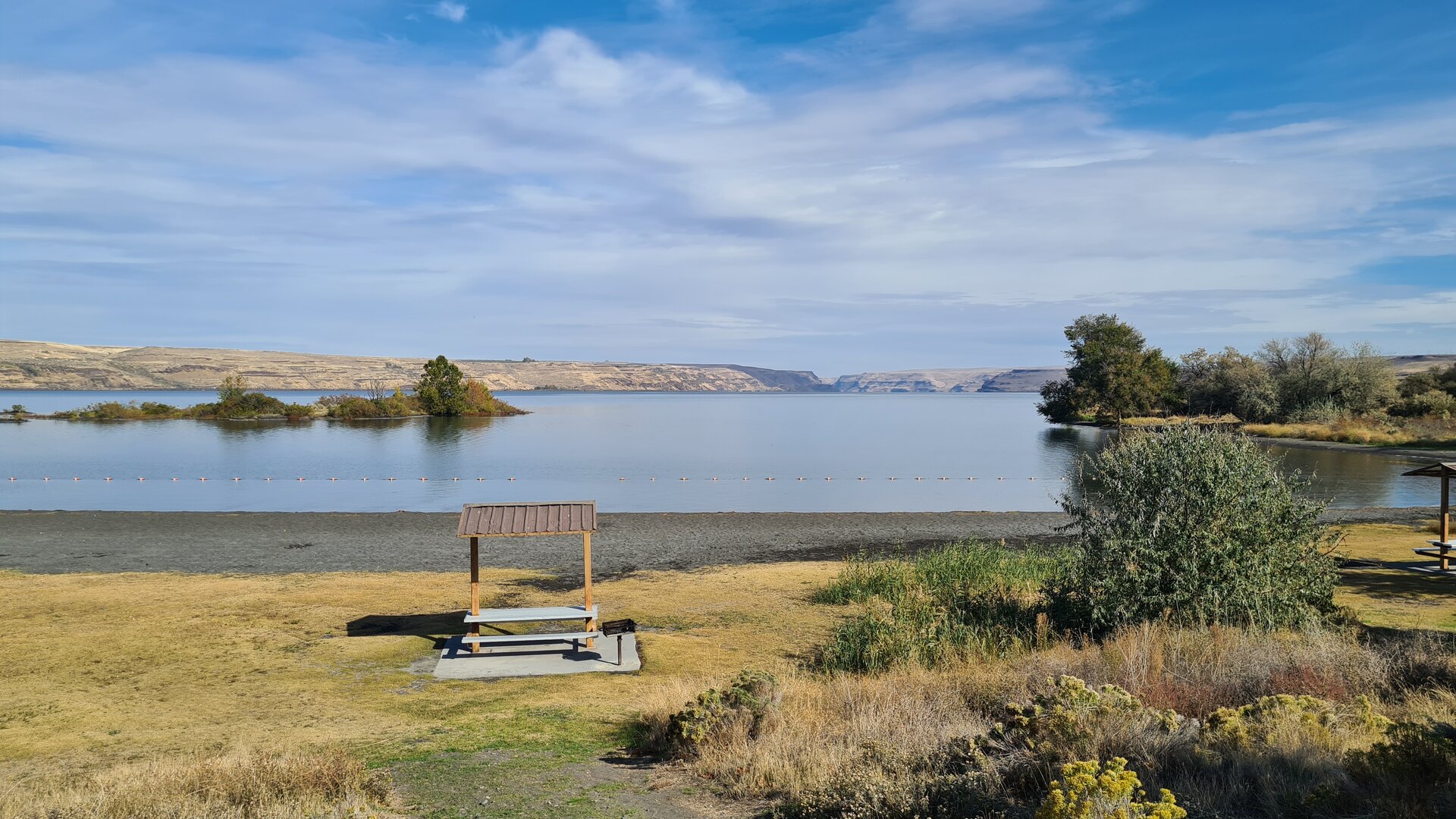
- Columbia River shoreline with parks, trails, and boating opportunities
- Sacajawea Historical State Park at the river confluence
- Badger Mountain and surrounding hiking areas
- Nearby wine regions within the Yakima Valley and Red Mountain AVA
Cultural and Educational Sites
- Hanford Reach National Monument
- REACH Museum focusing on regional history and science
- Local historical societies and heritage sites
- Community festivals celebrating agriculture and river culture
Recreation and Lifestyle
- Cycling and walking trails along the riverfront
- Water sports such as kayaking, paddleboarding, and fishing
- Golf courses and open recreational spaces
- Seasonal farmers’ markets and wine tasting events