Day 10 - Dakhla
7 June 2026



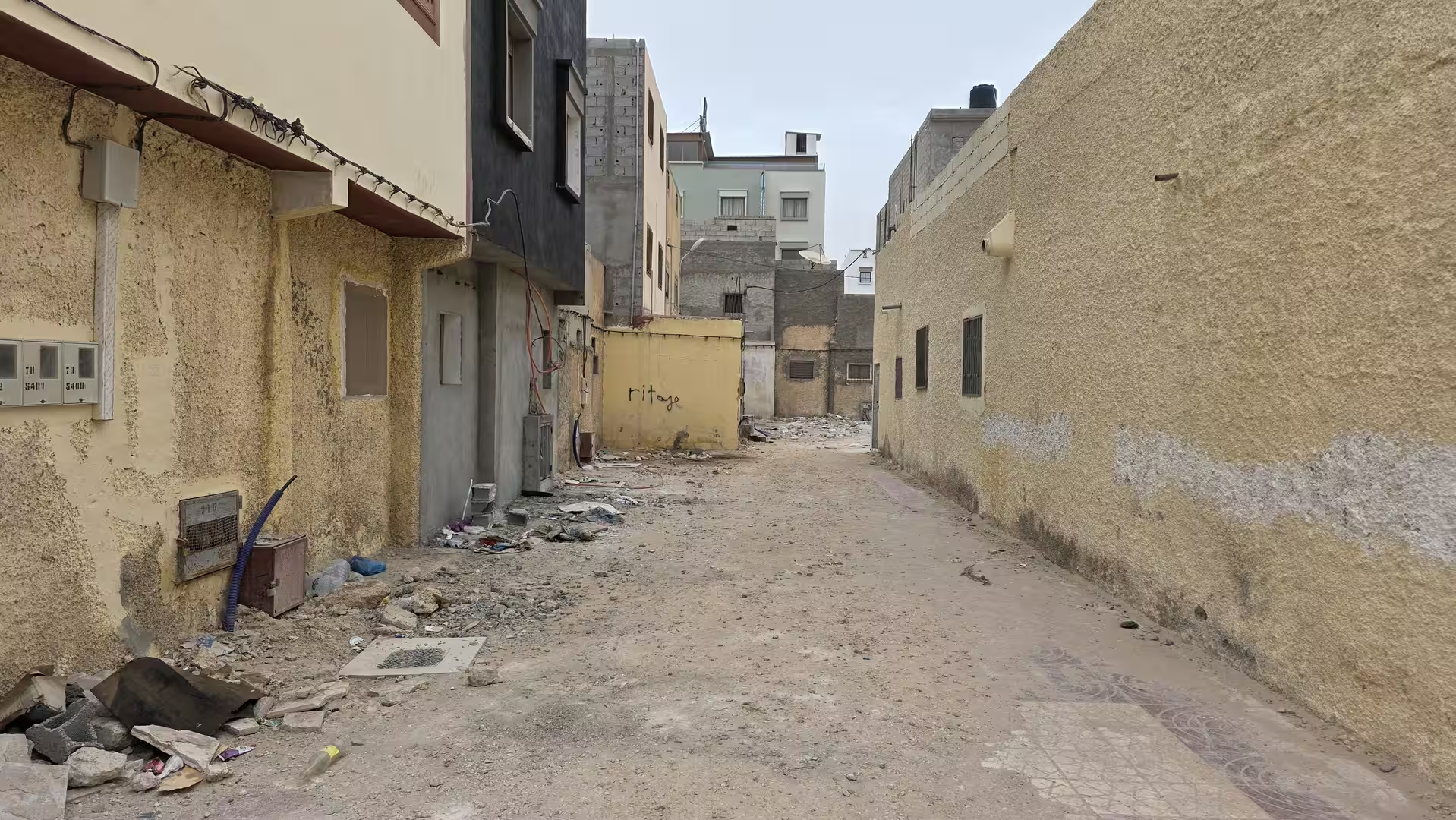
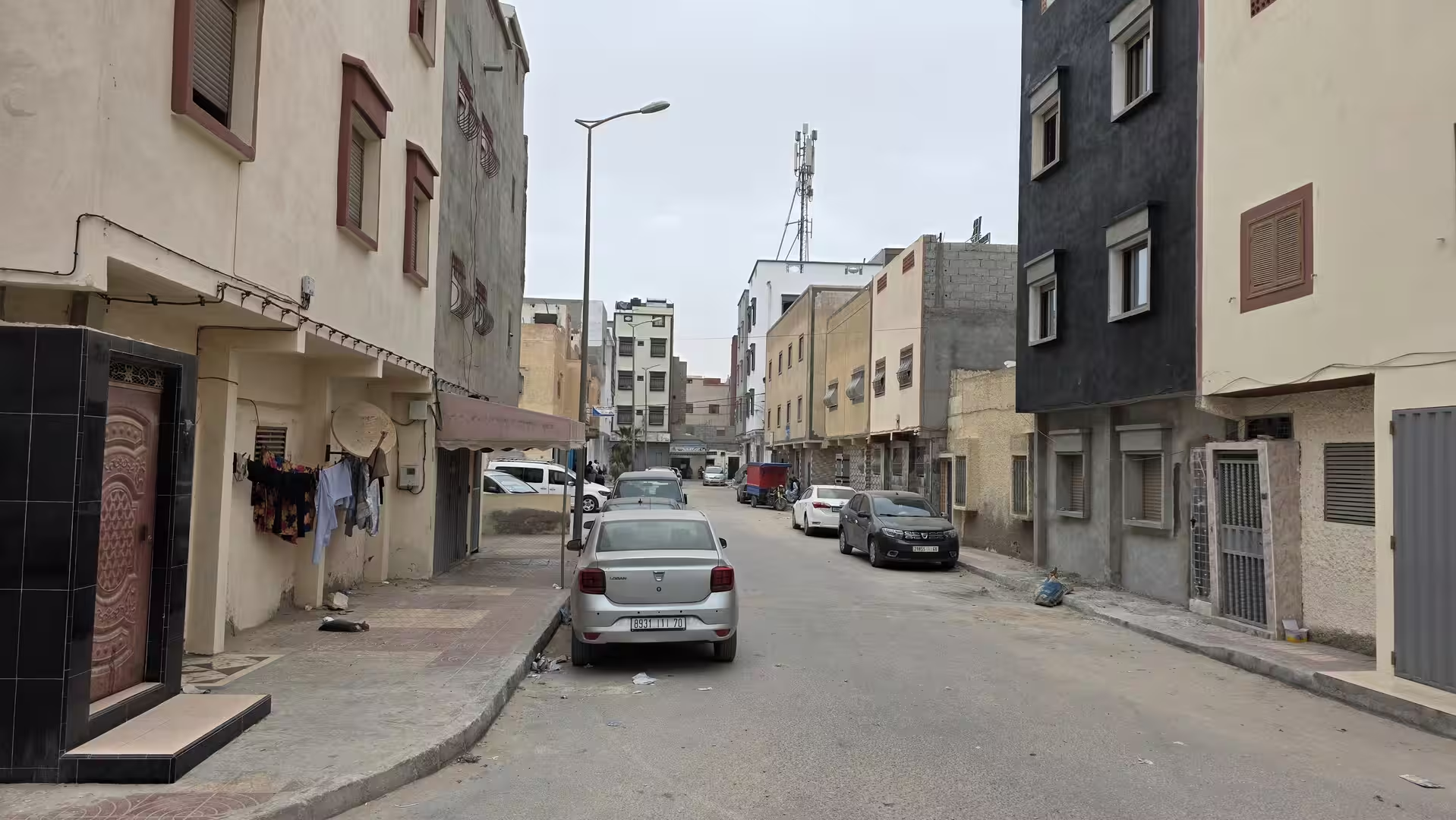
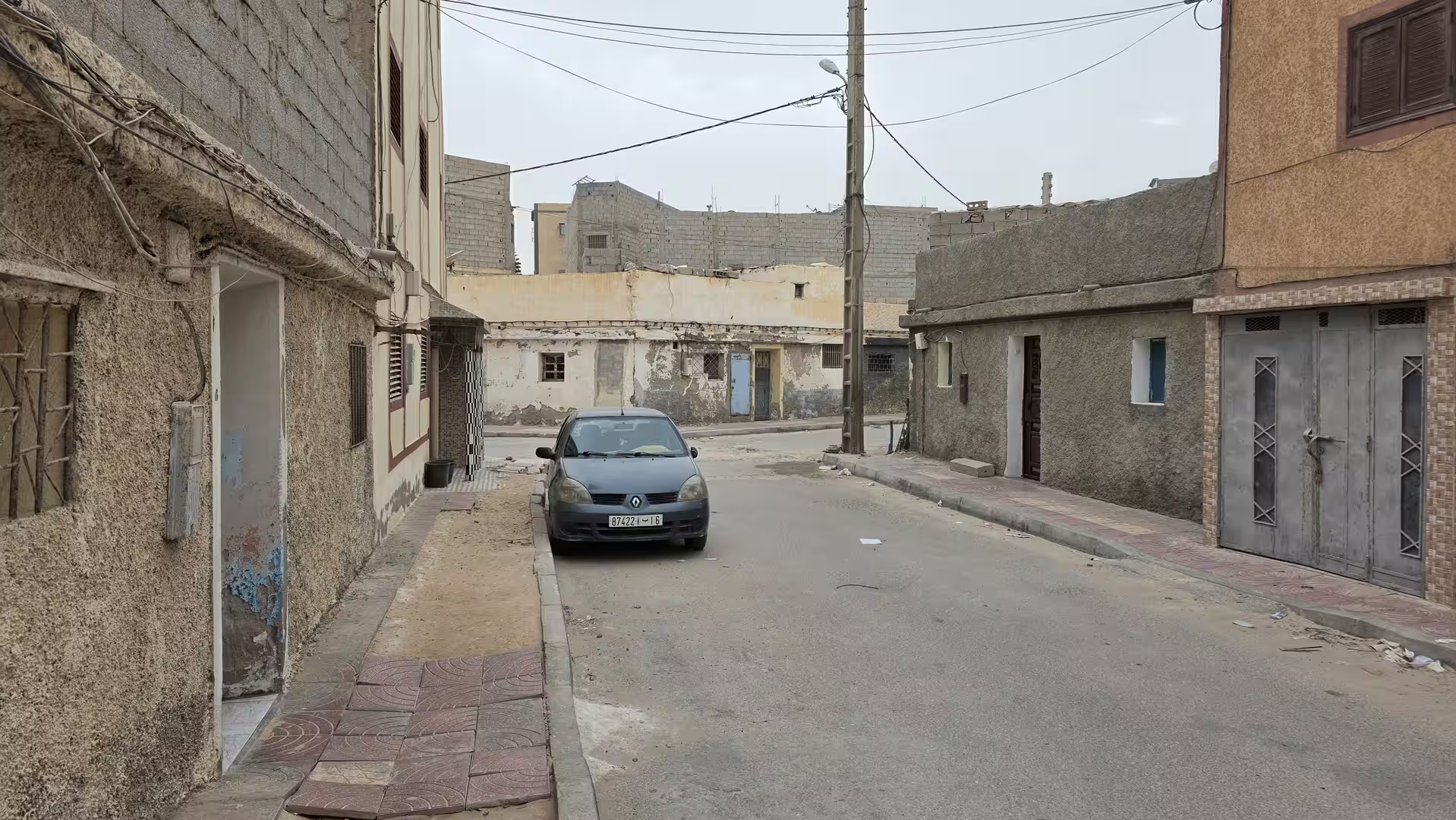
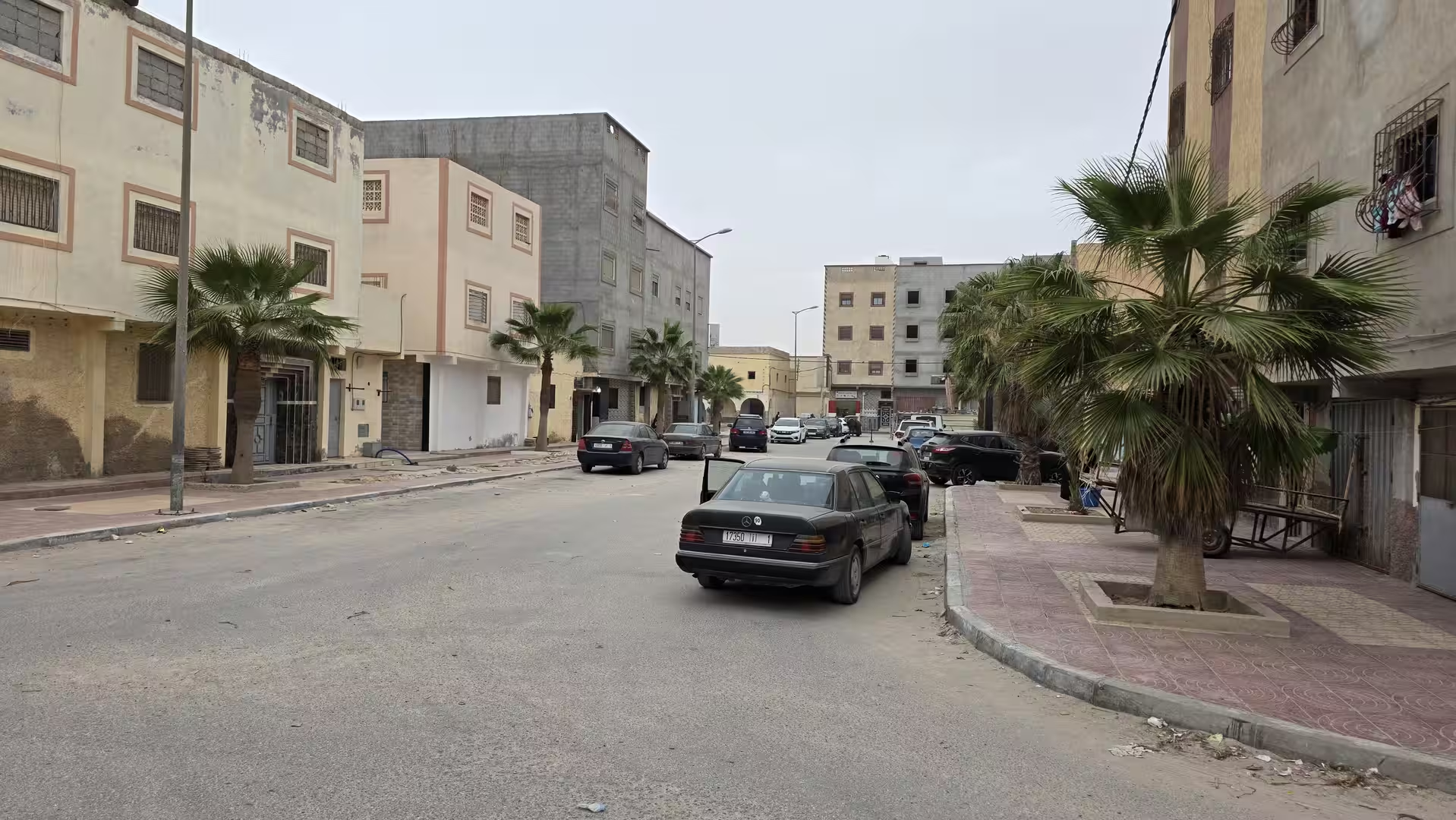
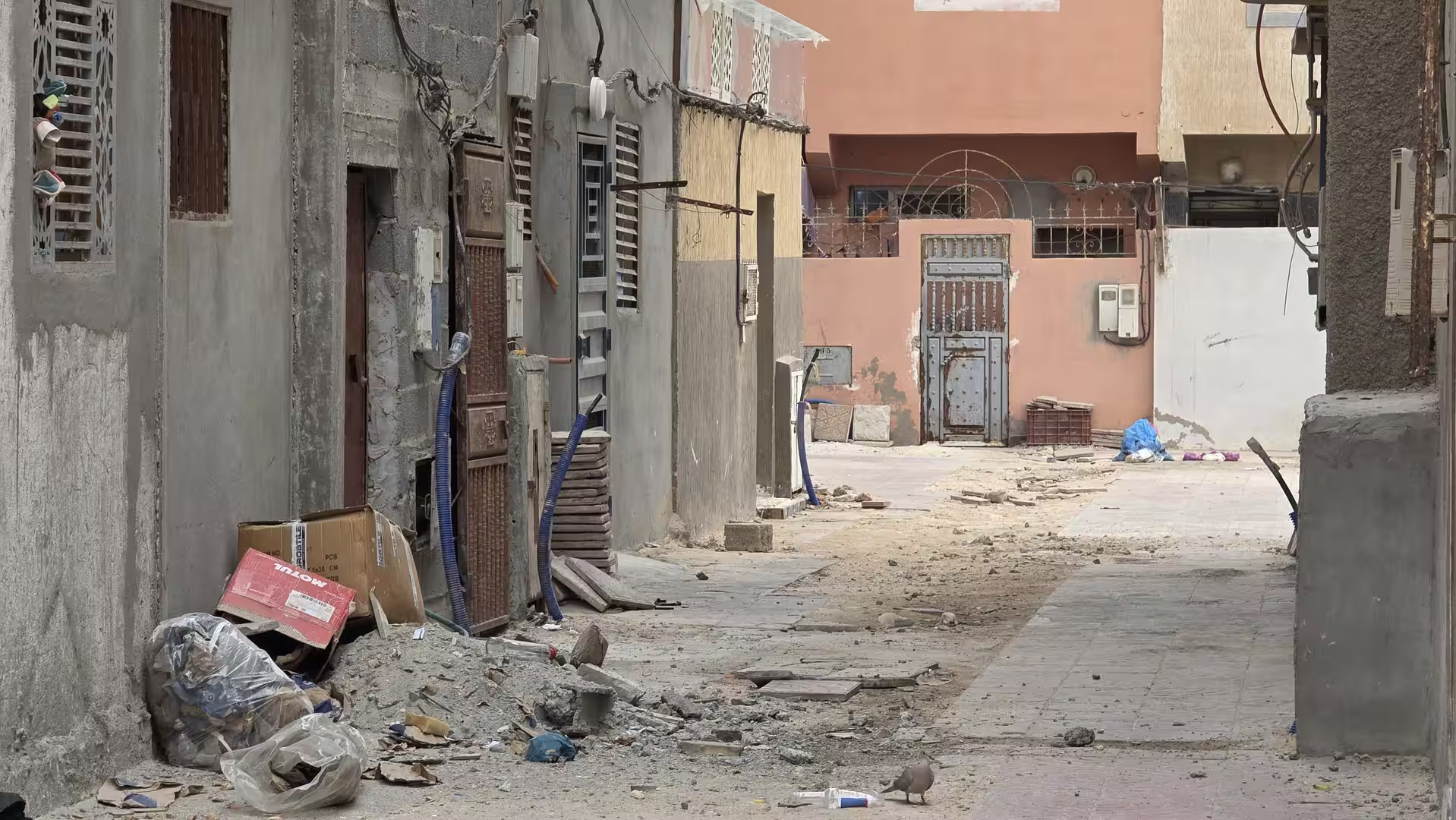
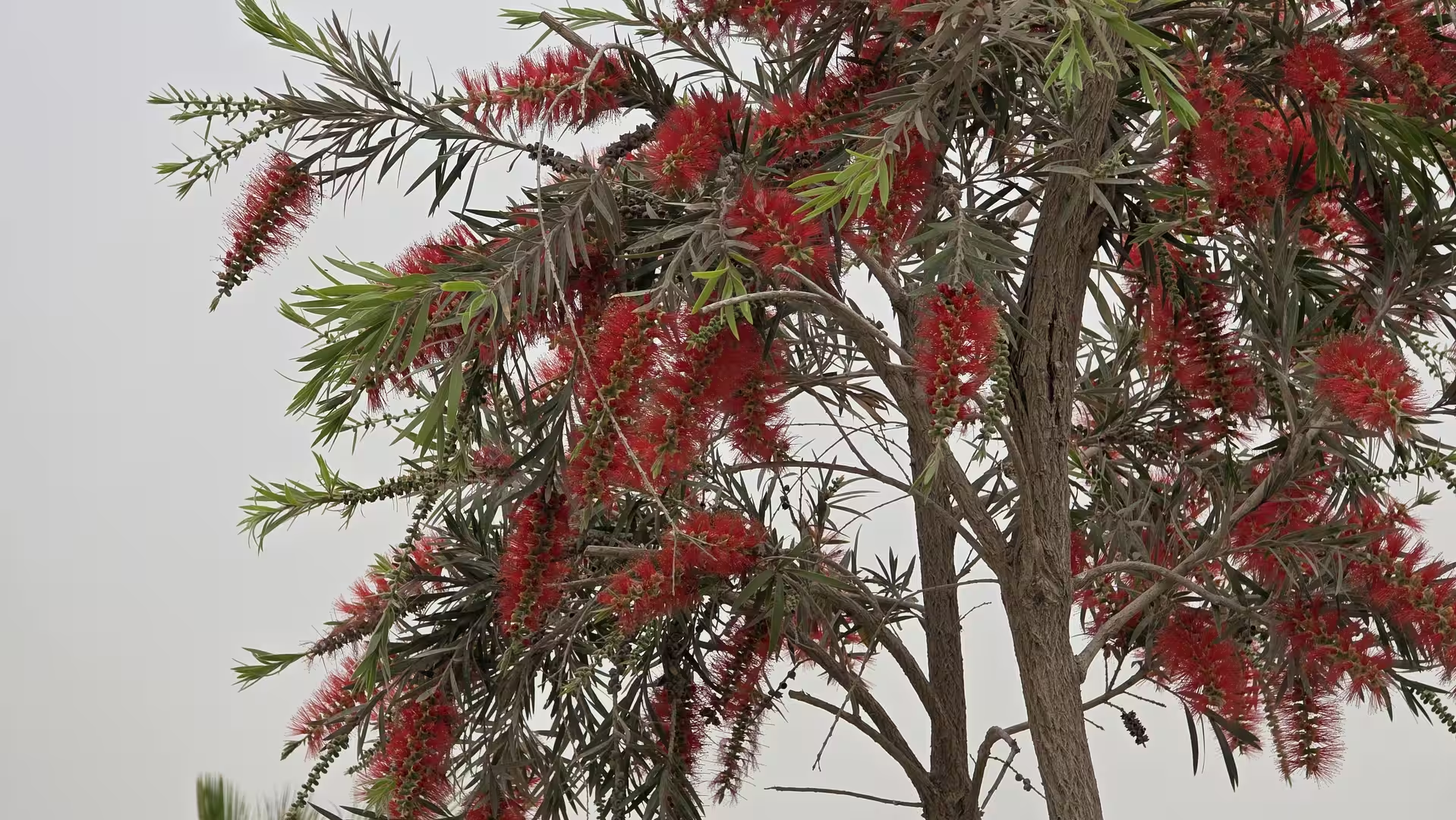
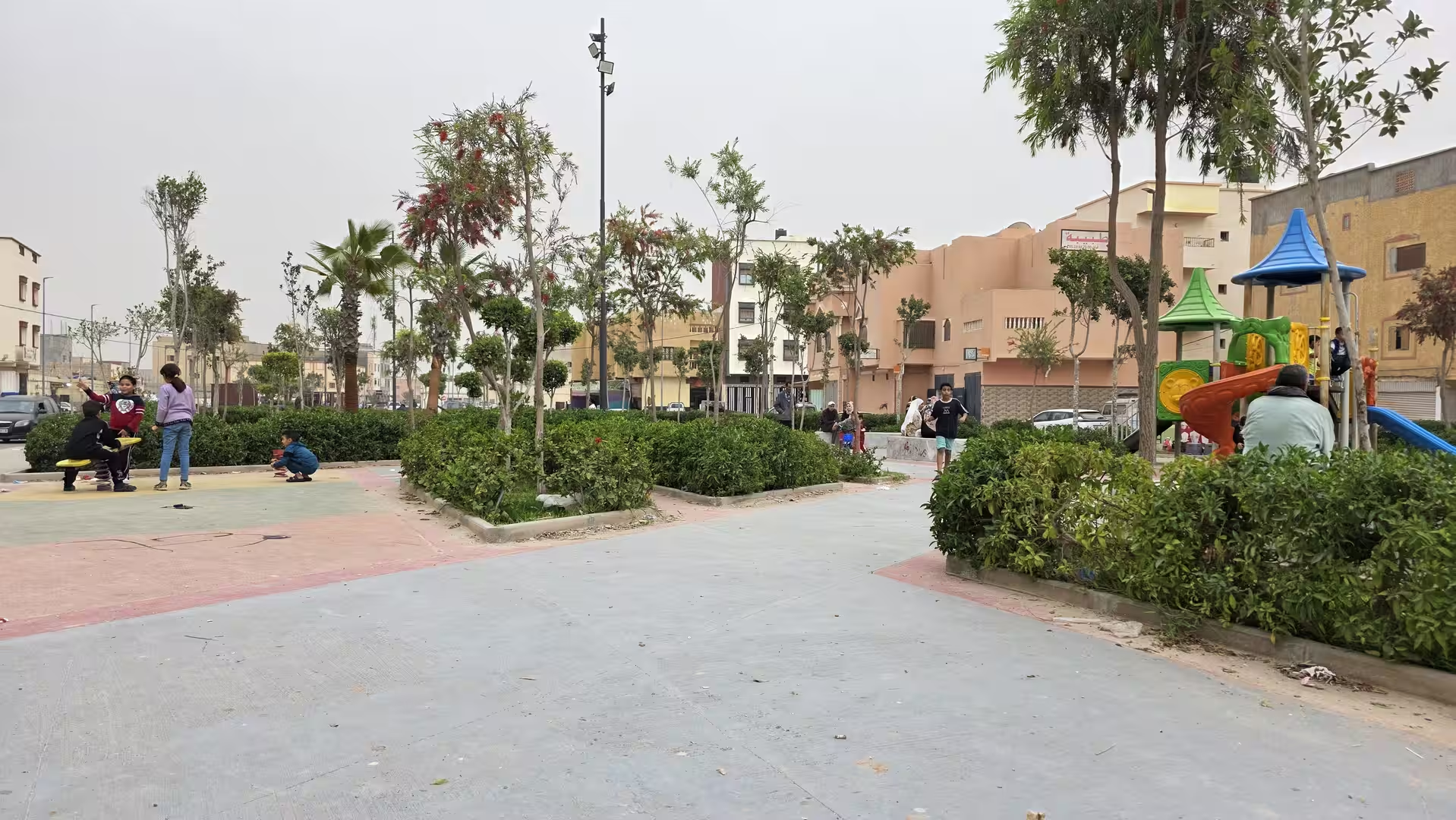
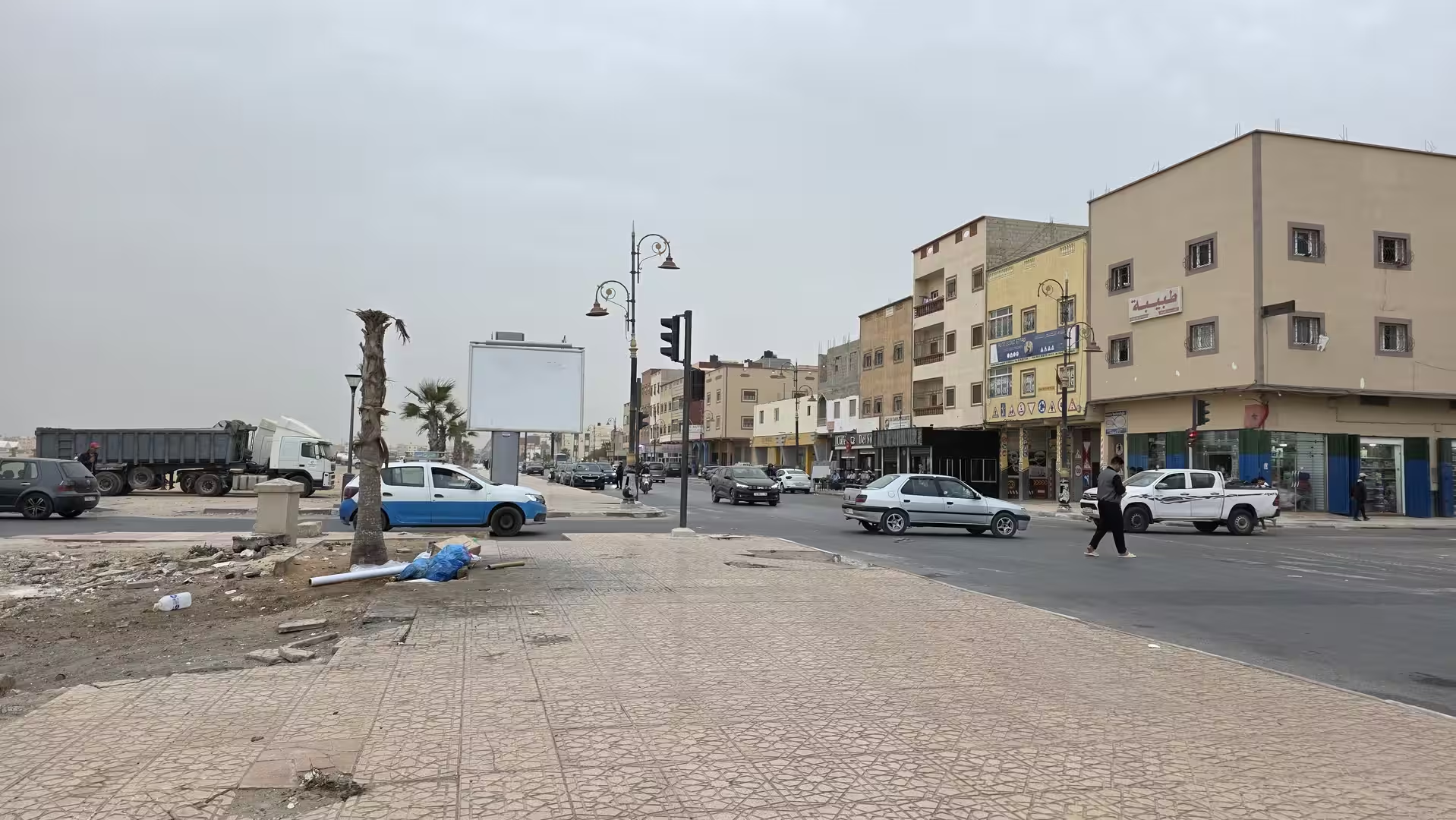


Journal Notes
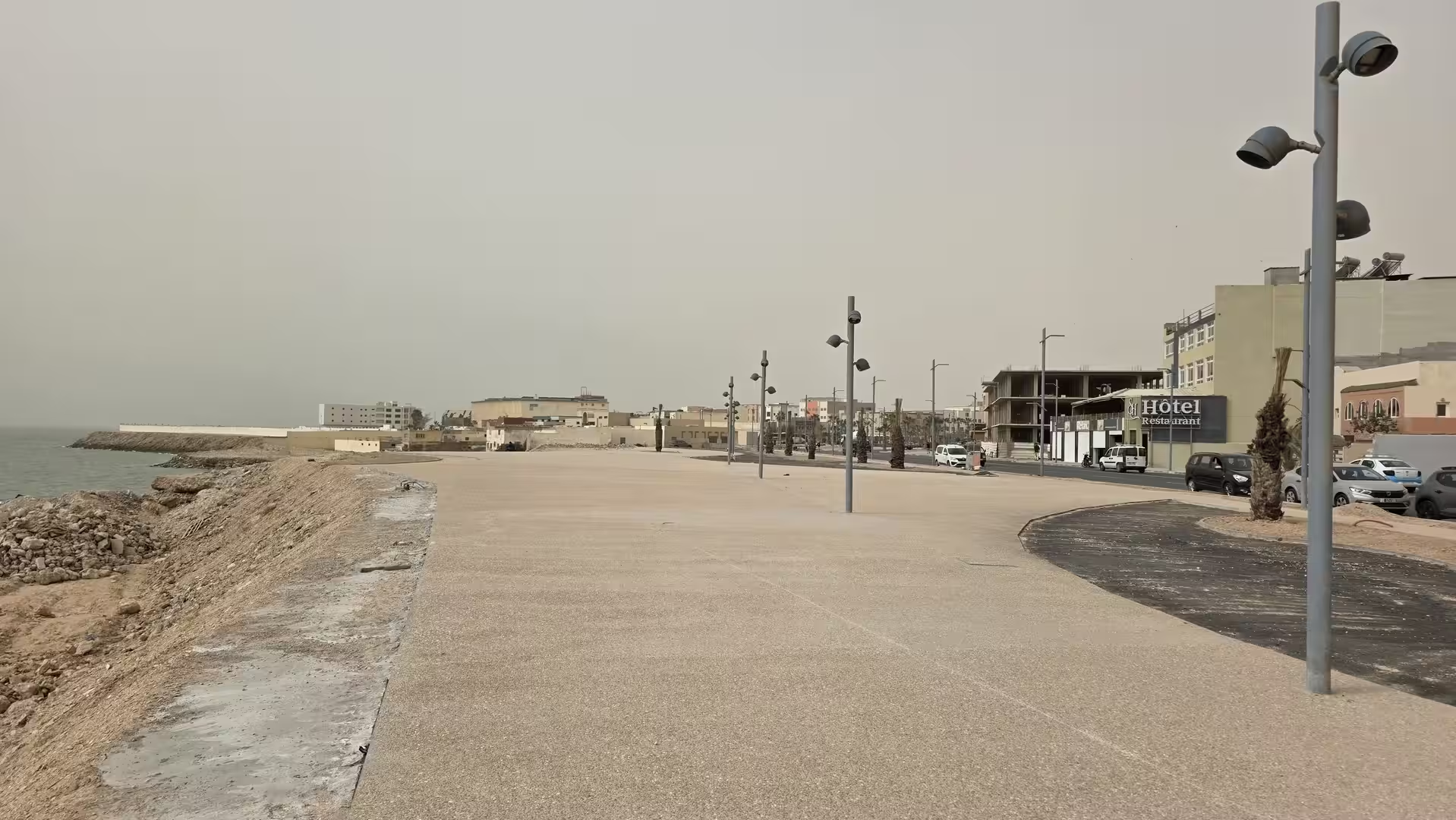
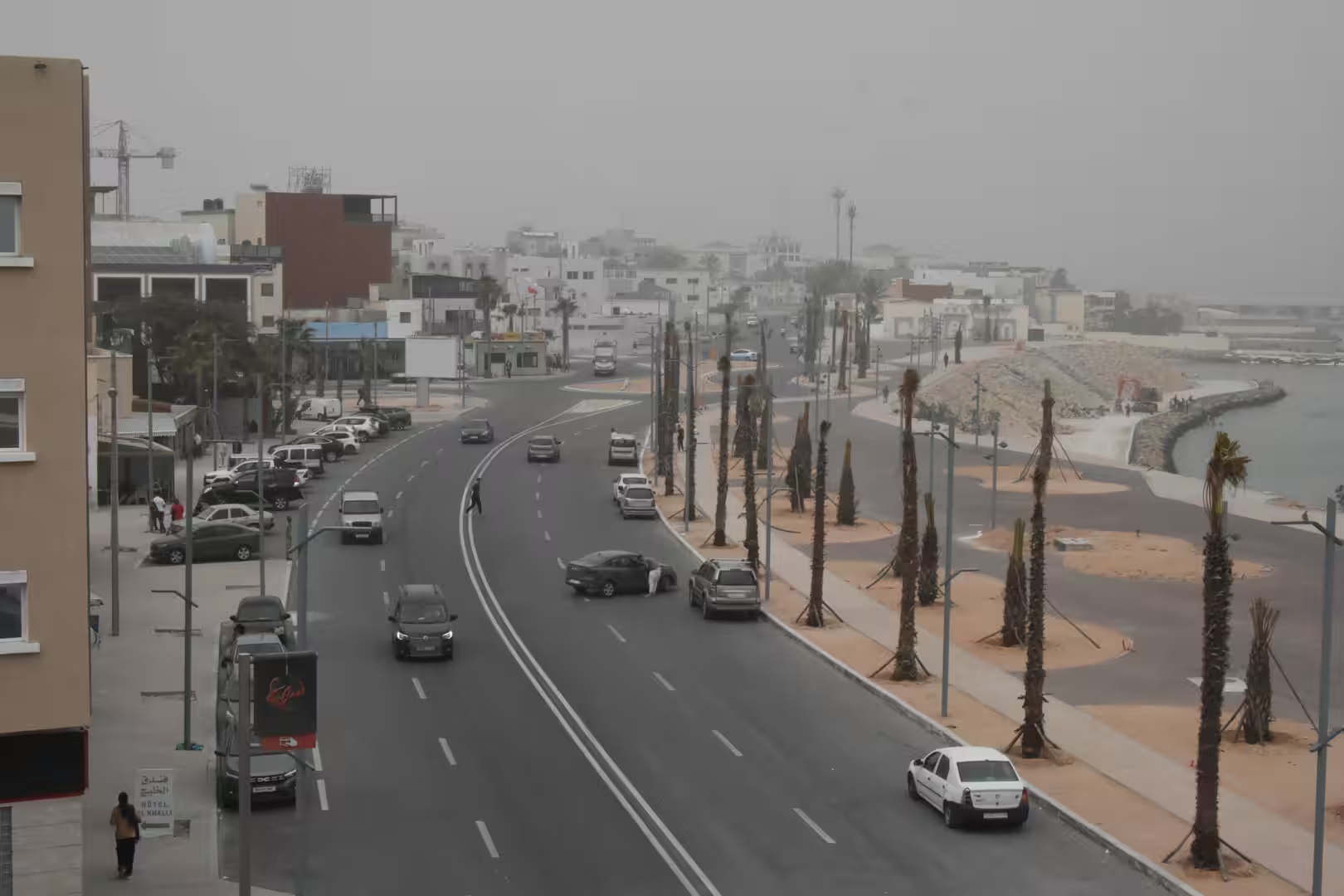
Dakhla is one of the most distinctive destinations on the Atlantic coast of Northwest Africa. Set on a narrow peninsula between the open ocean and a wide, sheltered lagoon, the city is surrounded by a landscape where desert, sea and sky meet in an almost uninterrupted horizon. Its location gives Dakhla a unique character: on one side, the Atlantic brings waves, wind and rich marine life; on the other, the calm lagoon creates shallow turquoise waters that have made the area famous among kitesurfers, windsurfers and nature lovers.
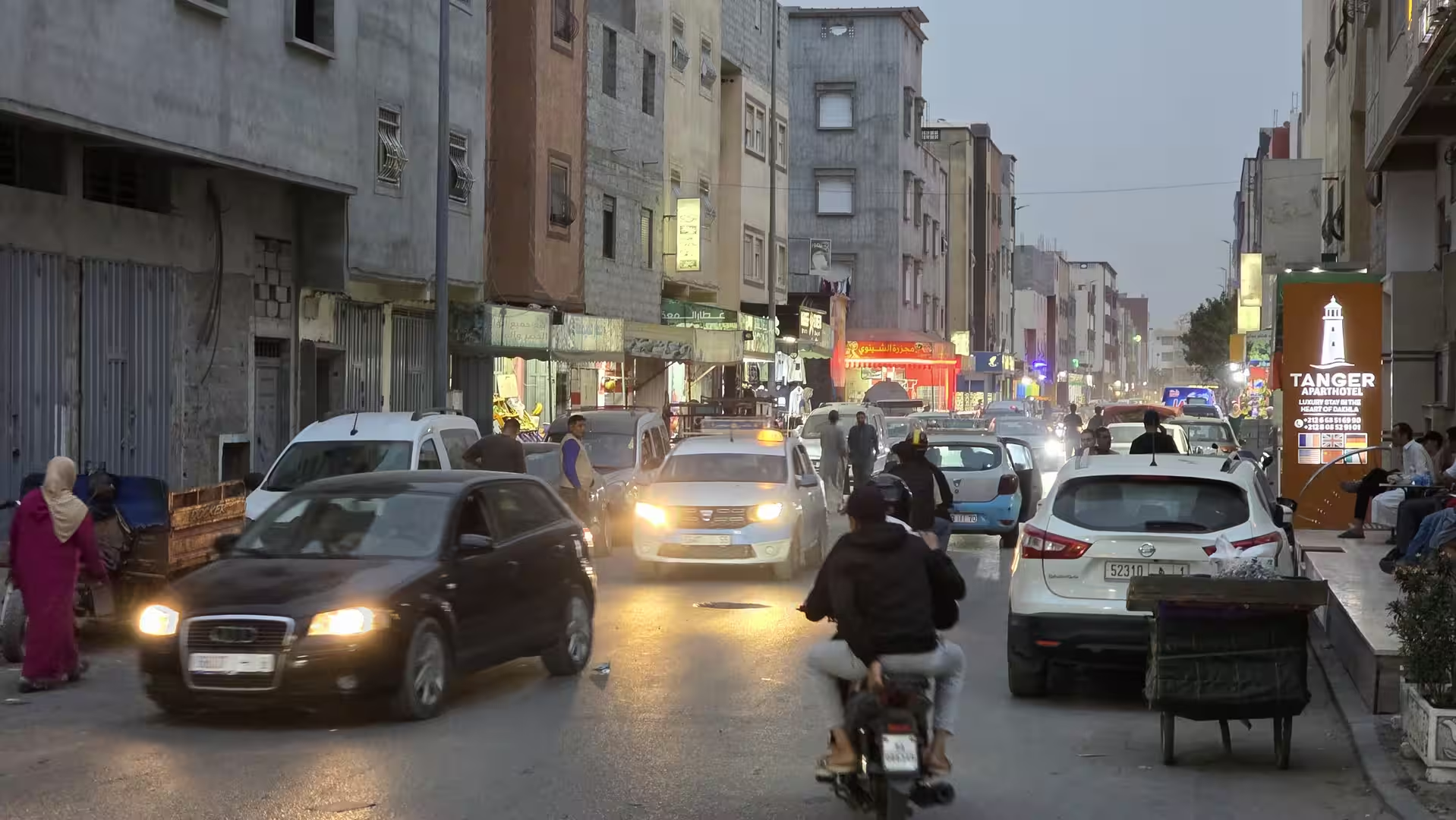
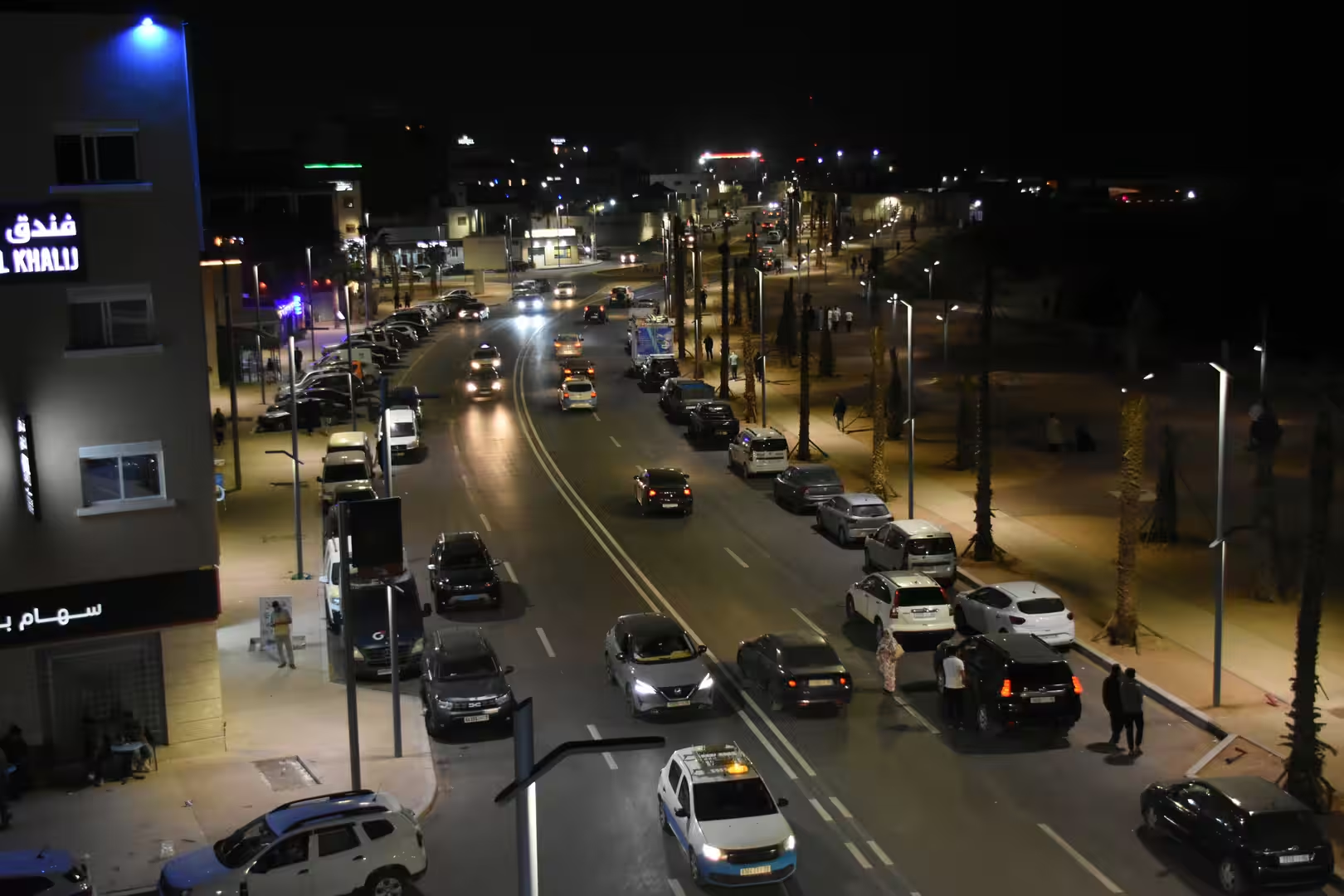
The atmosphere of Dakhla is shaped by contrast. It is remote, quiet and spacious, yet increasingly known as an international destination for adventure travel. The city itself remains closely connected to fishing, seafood, local trade and coastal life, while the surrounding area offers wide beaches, dunes, cliffs, desert plains and natural bays. For visitors, Dakhla is less about dense urban sightseeing and more about landscape, light, wind and open space. It is a place for people who enjoy nature, outdoor sports, solitude and the feeling of being at the edge of the desert.
Dakhla is especially known for its exceptional wind conditions. The lagoon provides flat, shallow water, while the Atlantic coast offers stronger waves and more exposed beaches. This combination makes the region attractive for both beginners and experienced water-sport enthusiasts. Beyond sports, Dakhla is also valued for its seafood, especially oysters and fresh fish, as well as for its calm desert scenery and spectacular sunsets over the lagoon.
History
The history of Dakhla is closely connected to its strategic position on the Atlantic coast and to the wider history of the Sahara. The region around Dakhla was historically part of trans-Saharan cultural and trade networks, influenced by nomadic communities, desert routes and coastal exchange. For centuries, the coast attracted interest because of fishing, maritime navigation and its proximity to routes linking West Africa, the Sahara and the Atlantic world.
In the late nineteenth century, during the period of European colonial expansion in Africa, Spain established a presence in the area. Dakhla became known as Villa Cisneros and developed as an administrative and military settlement within Spanish Sahara. Its sheltered bay and coastal position gave it practical importance, especially in relation to maritime activity and colonial control of the surrounding territory.
After the end of Spanish rule in the 1970s, Dakhla became part of the complex and politically sensitive history of Western Sahara. Today, the city is administered by Morocco, while the status of Western Sahara remains internationally disputed. This historical background is important for understanding Dakhla’s modern identity. The city is at once a coastal settlement, a former colonial outpost, a growing regional centre and a destination shaped by both Saharan traditions and Atlantic influences.
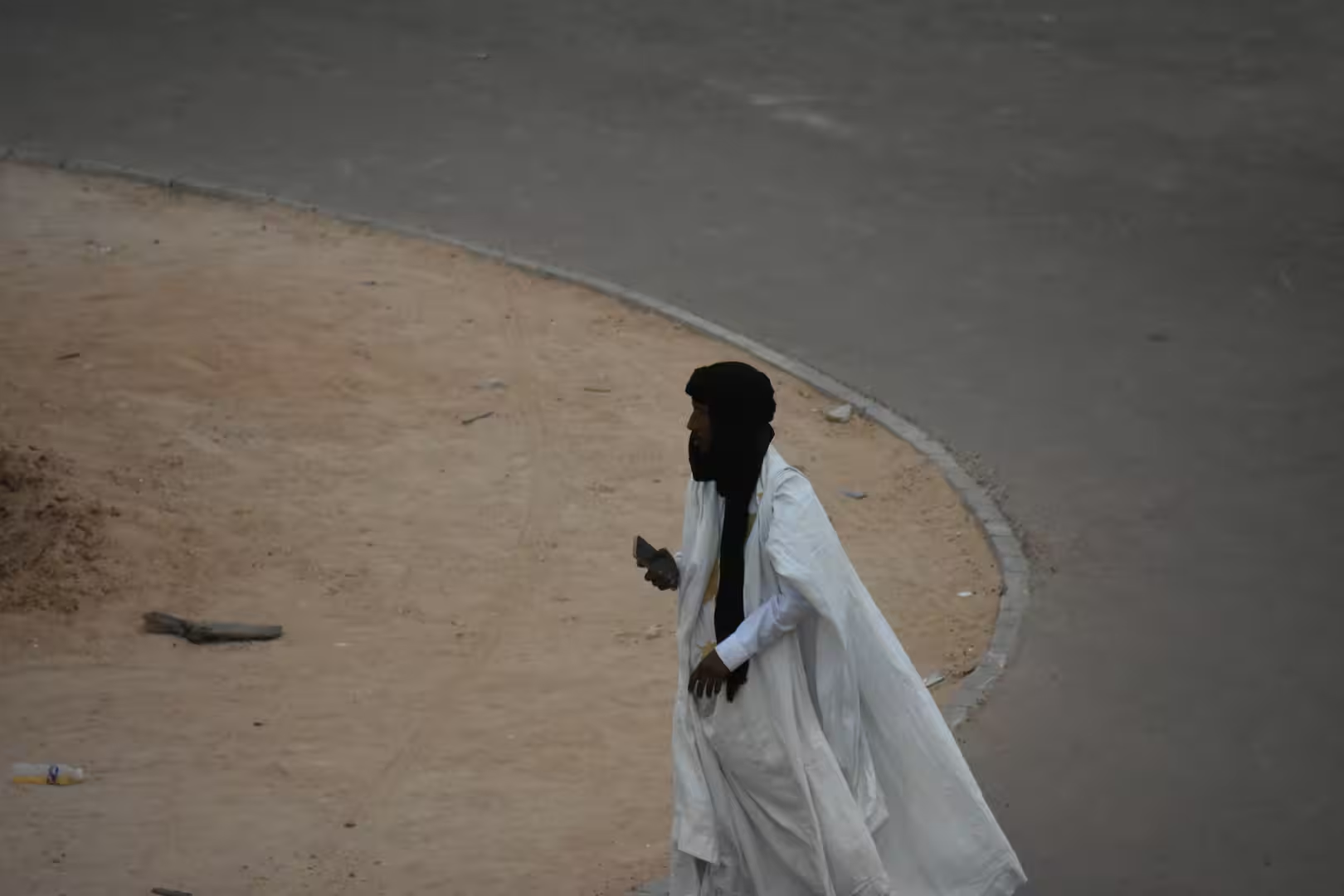
Despite this complex history, daily life in Dakhla is strongly connected to the sea and the desert. Fishing, trade, tourism and local culture continue to define the rhythm of the city. In recent years, Dakhla has gained increasing visibility as a destination for sustainable tourism, water sports and nature-based travel.
Geology and Landscape
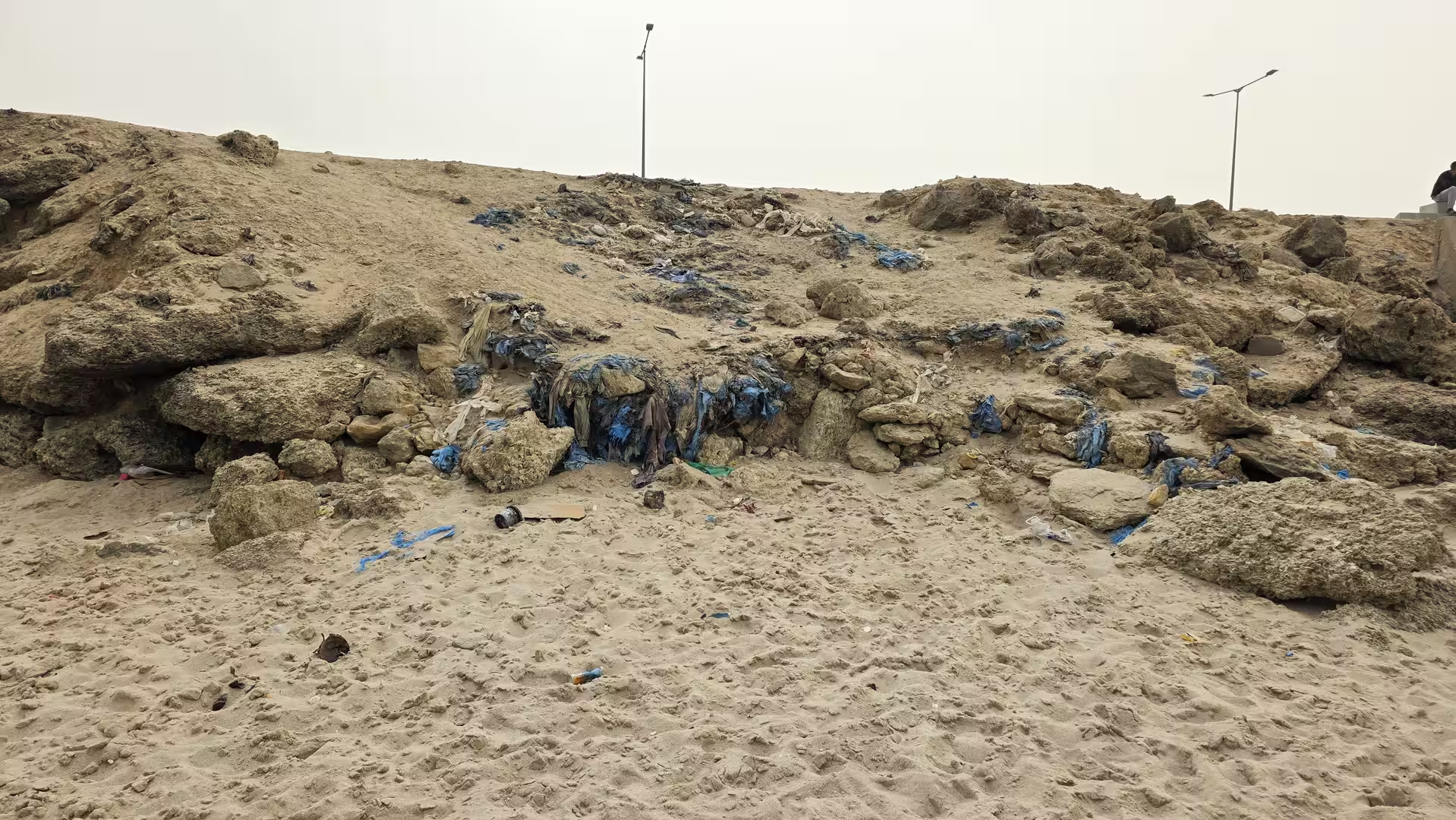
Dakhla’s landscape is defined by the meeting of the Sahara Desert and the Atlantic Ocean. The peninsula, lagoon and surrounding coastal plains form a dry, open environment shaped by wind, marine erosion, sedimentation and desert processes. The terrain is generally arid, with sandy surfaces, rocky plateaus, low cliffs, dunes and wide coastal flats. Vegetation is sparse, which makes the geological forms of the landscape especially visible.
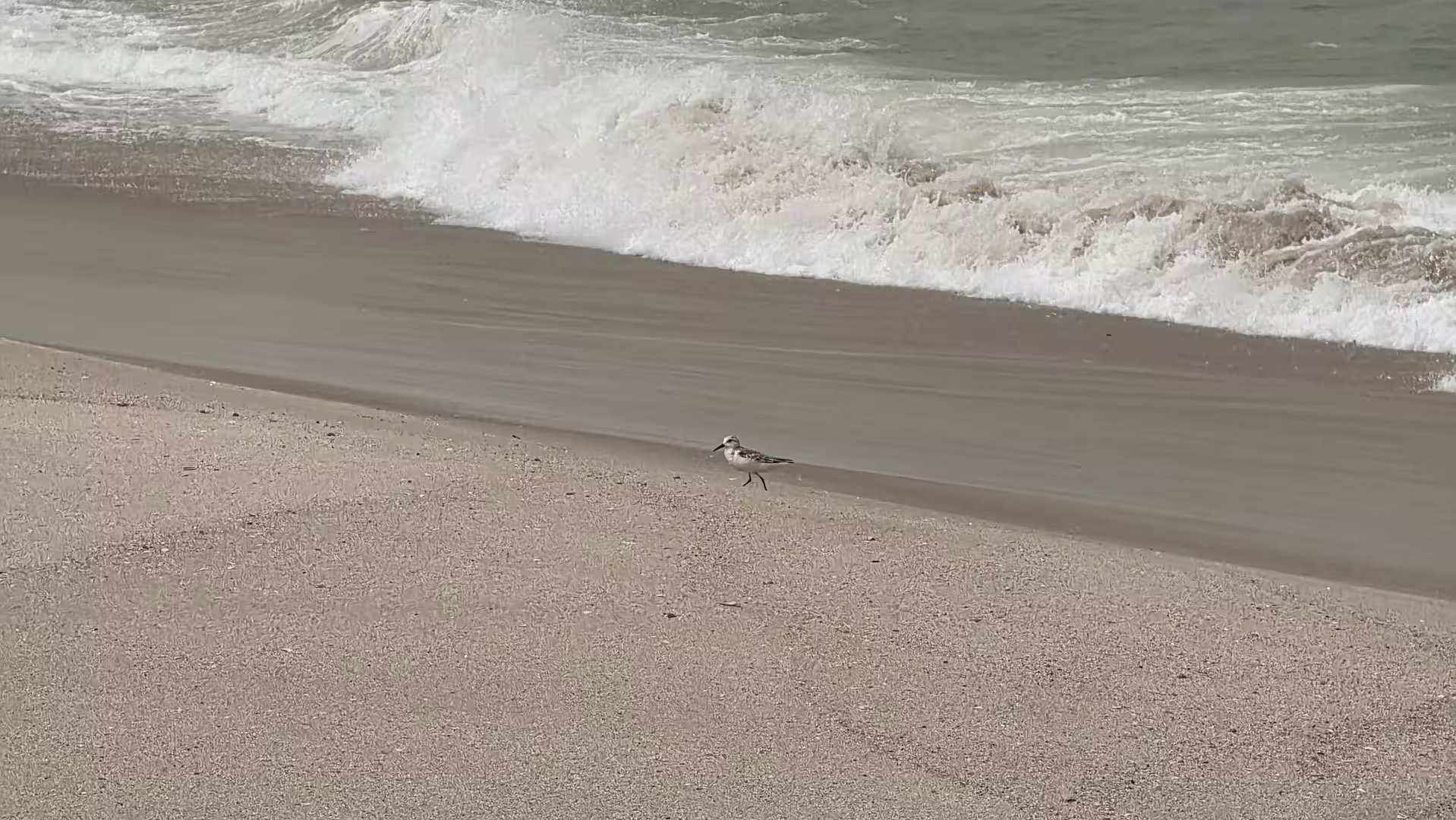
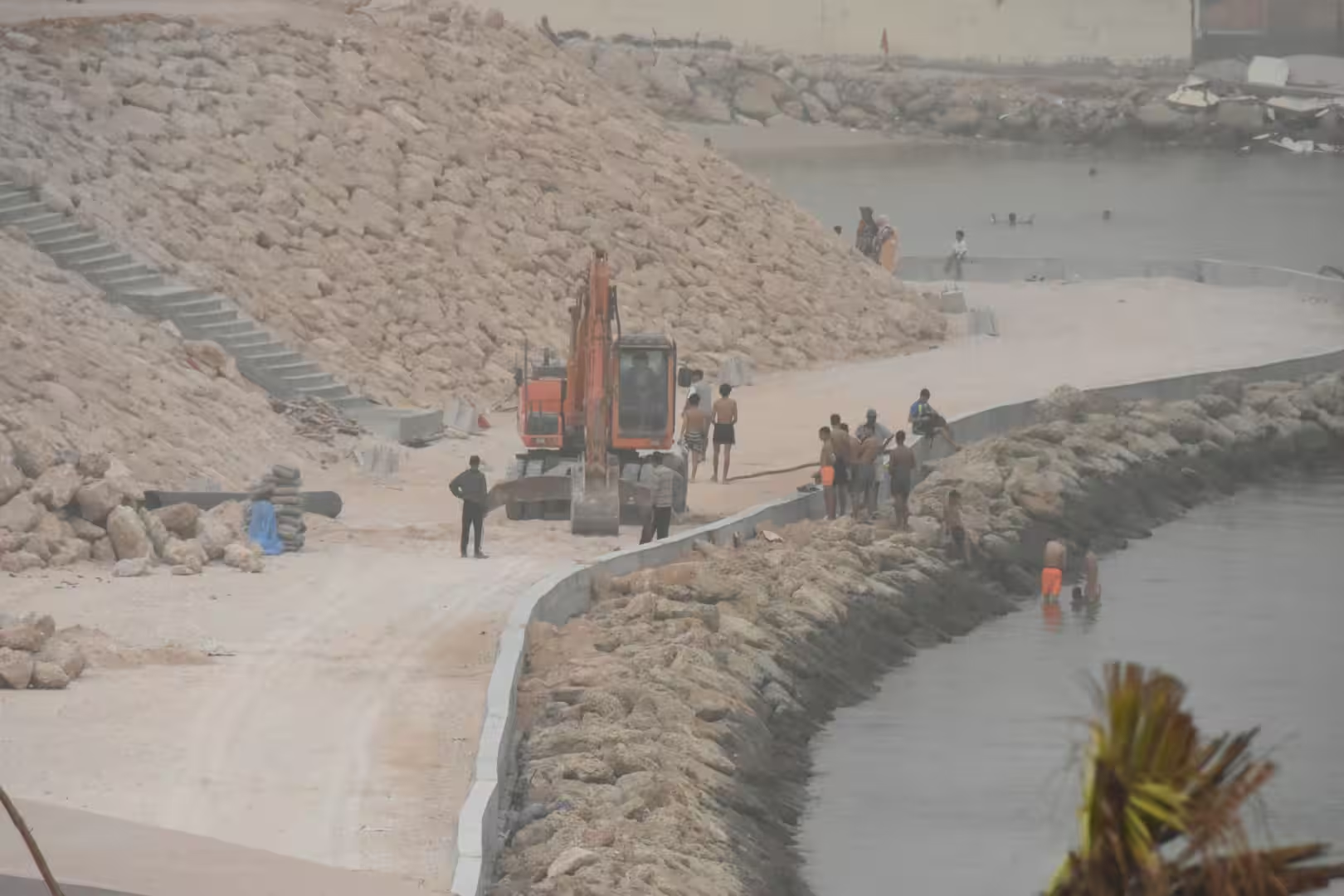
The lagoon is one of the most remarkable natural features of the region. Protected by the long peninsula, it creates a calm body of water separated from the more powerful Atlantic waves. This sheltered environment supports tidal flats, shallow waters and important habitats for birds and marine life. The contrast between the quiet lagoon and the exposed ocean coast is one of the main reasons Dakhla feels so geographically unique.
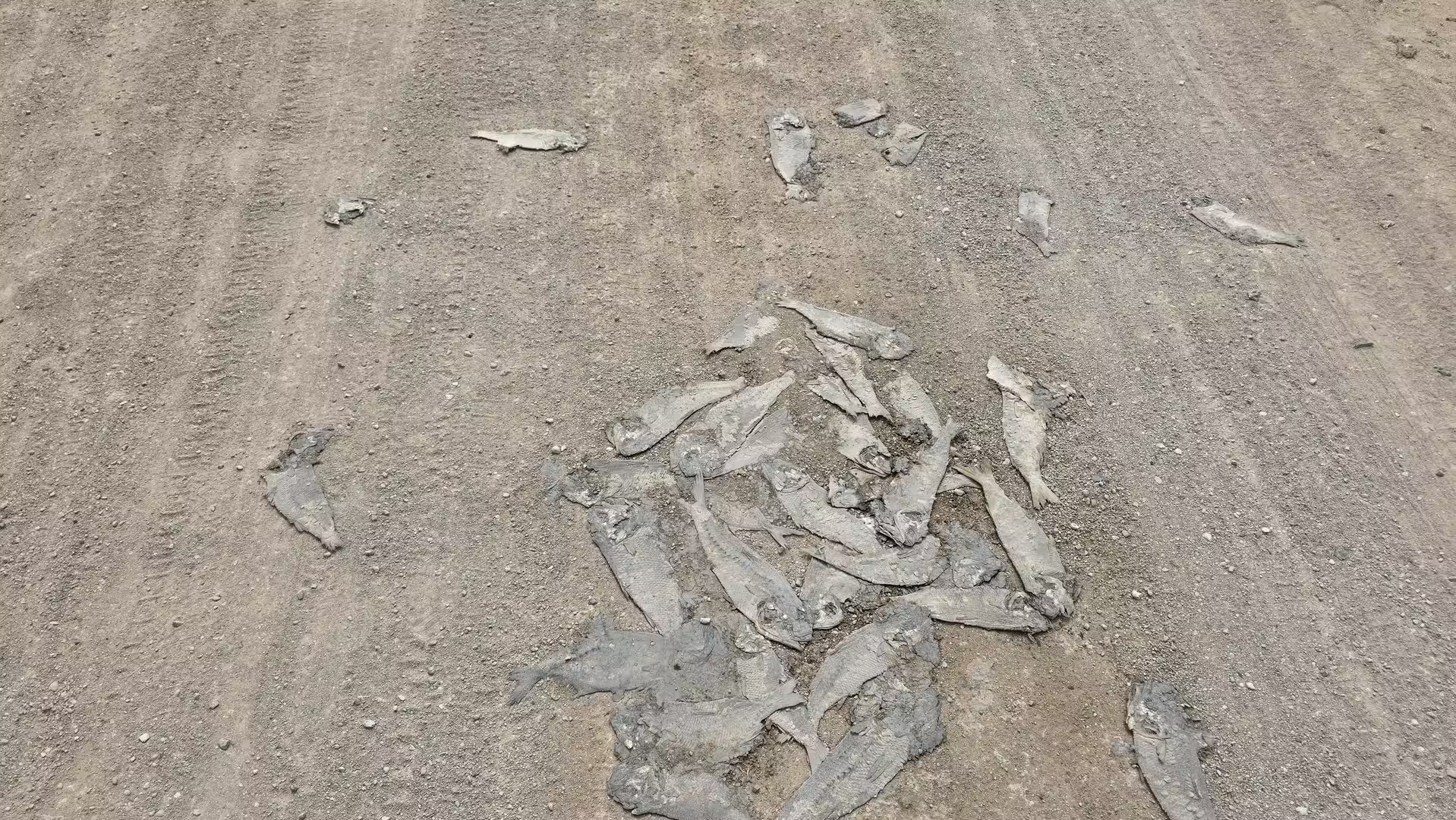
The Atlantic also plays a major role in the region’s natural richness. Offshore currents and upwelling systems bring nutrient-rich waters close to the coast, supporting fisheries and marine biodiversity. This explains why fishing has long been central to the local economy and why seafood is such an important part of Dakhla’s identity.
Inland from the coast, the Sahara dominates the scenery. The landscape becomes increasingly dry, open and mineral. Sand, stone, salt flats and wind-shaped surfaces create a sense of vastness. The geology is not dramatic in the sense of high mountains, but it is powerful in its simplicity: horizontal lines, exposed earth, pale desert colours and the constant presence of wind and light.
Things to See
One of the most important places to experience in Dakhla is the lagoon itself. Its calm, shallow waters are ideal for kitesurfing, windsurfing, stand-up paddling and boat excursions. Even for visitors who do not practice water sports, the lagoon is worth seeing for its colours, reflections and wide panoramic views. At sunrise and sunset, the water often turns silver, blue or gold, creating some of the most memorable scenery in the region.
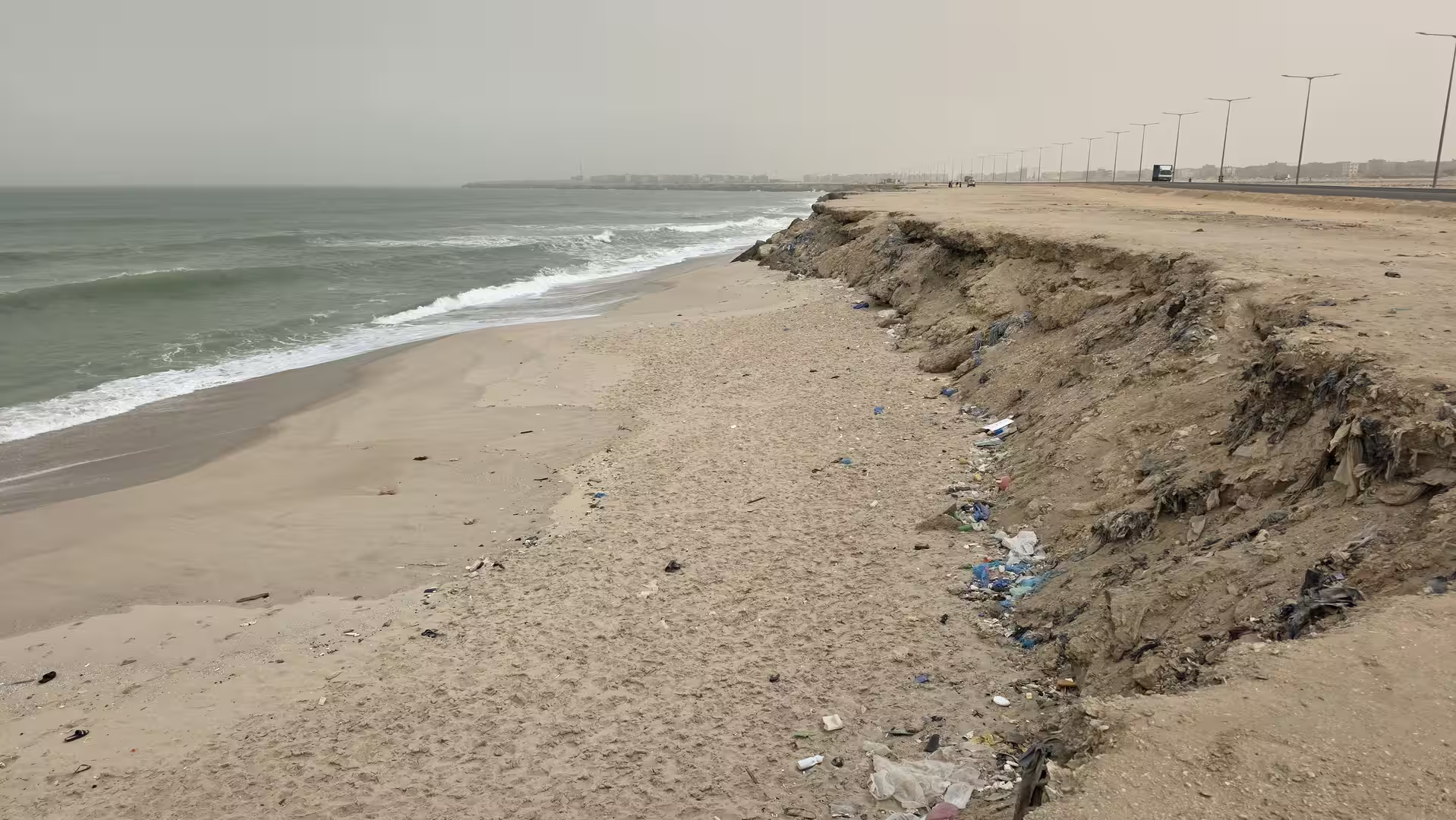
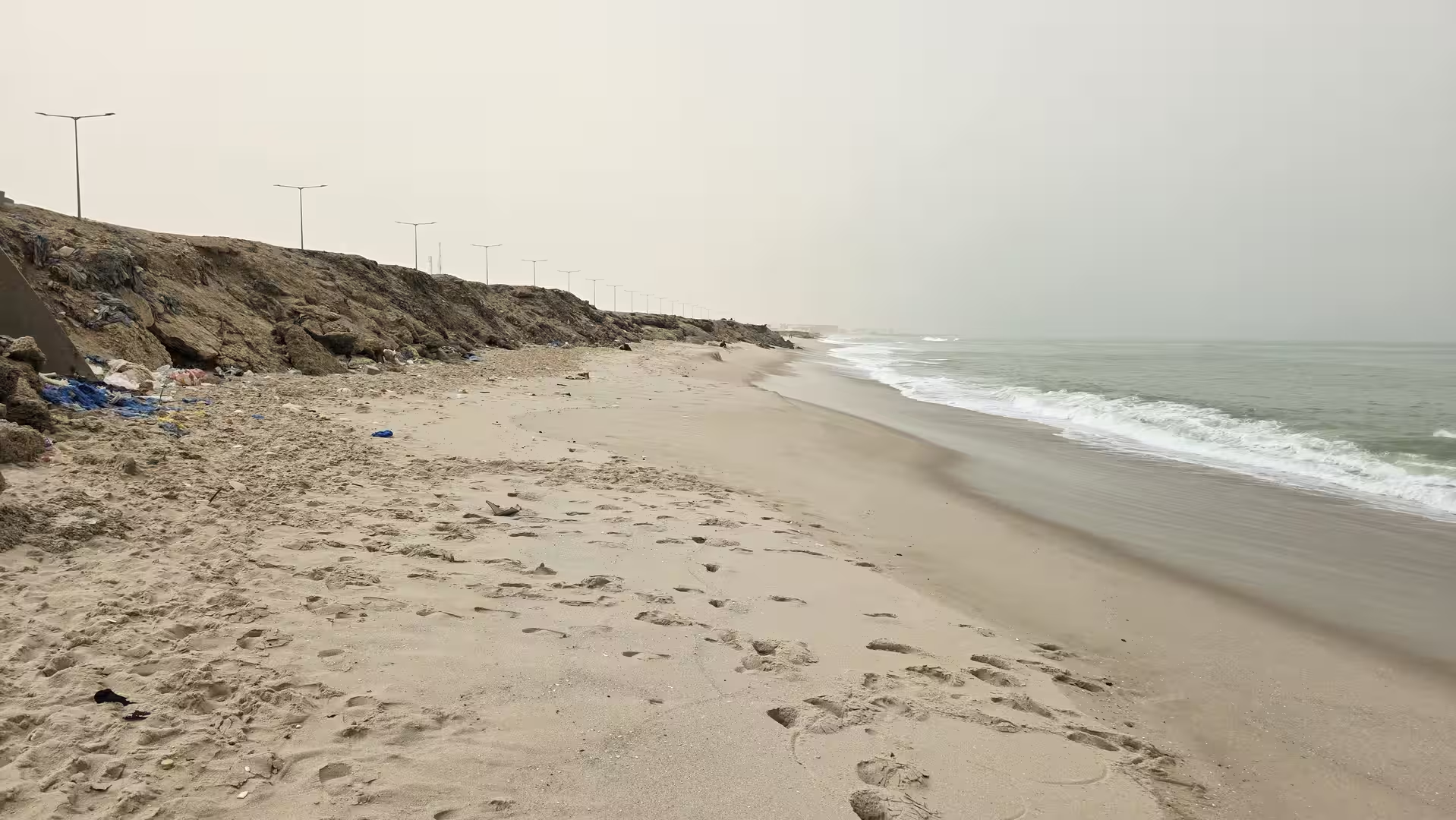
The Atlantic side of the peninsula offers a very different experience. Here, the coastline is wilder, with stronger waves, long beaches and a more exposed feeling. It is a good place for walking, photography and experiencing the raw energy of the ocean. Some beaches are especially popular with surfers and travellers looking for open, uncrowded coastal landscapes.
A visit to the dunes and desert areas around Dakhla is also highly recommended. The transition from sea to sand is one of the defining impressions of the region. Excursions into the desert reveal wide plains, soft dunes, rocky surfaces and remote viewpoints. These landscapes are particularly beautiful in the late afternoon, when the low sun creates strong shadows and warm colours.
Another highlight is the area known for natural thermal springs and desert-side bathing spots, where visitors can experience a more unusual side of the region. Depending on the season and local conditions, excursions may also include birdwatching, especially around wetlands and tidal areas where flamingos and migratory birds can often be observed.
Dakhla is also a destination for food lovers. The city and surrounding lagoon are known for fresh seafood, especially oysters, grilled fish and simple coastal cuisine. Eating seafood close to the water is one of the most authentic ways to experience the local character of the place.
For travellers, the true attraction of Dakhla lies not in a single monument, but in the combination of landscapes: lagoon, ocean, desert, wind, light and silence. It is a destination for slow exploration, outdoor activity and direct contact with nature. Dakhla offers a rare experience of space and simplicity, where the Sahara meets the Atlantic in one of the most striking coastal environments of North Africa.