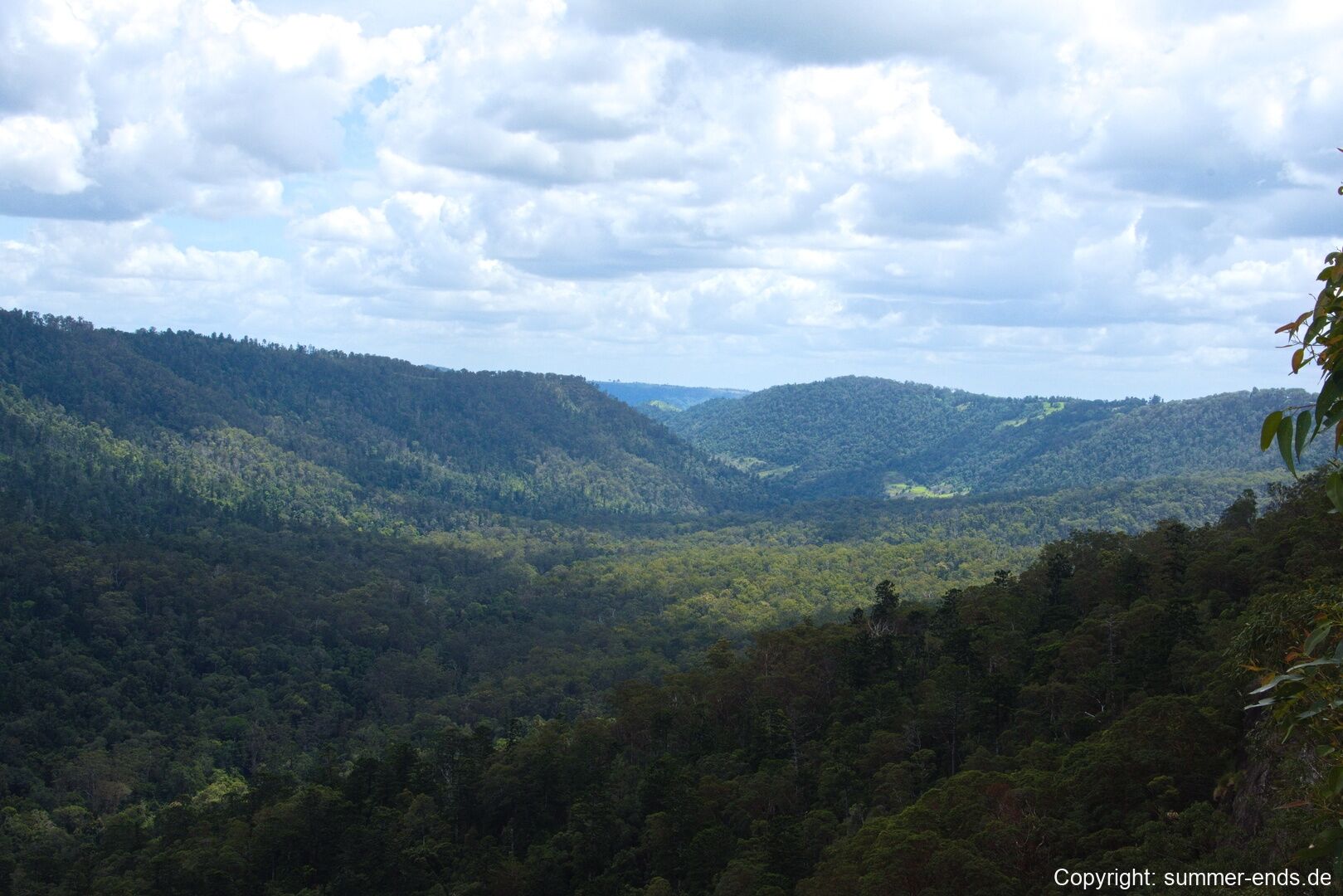
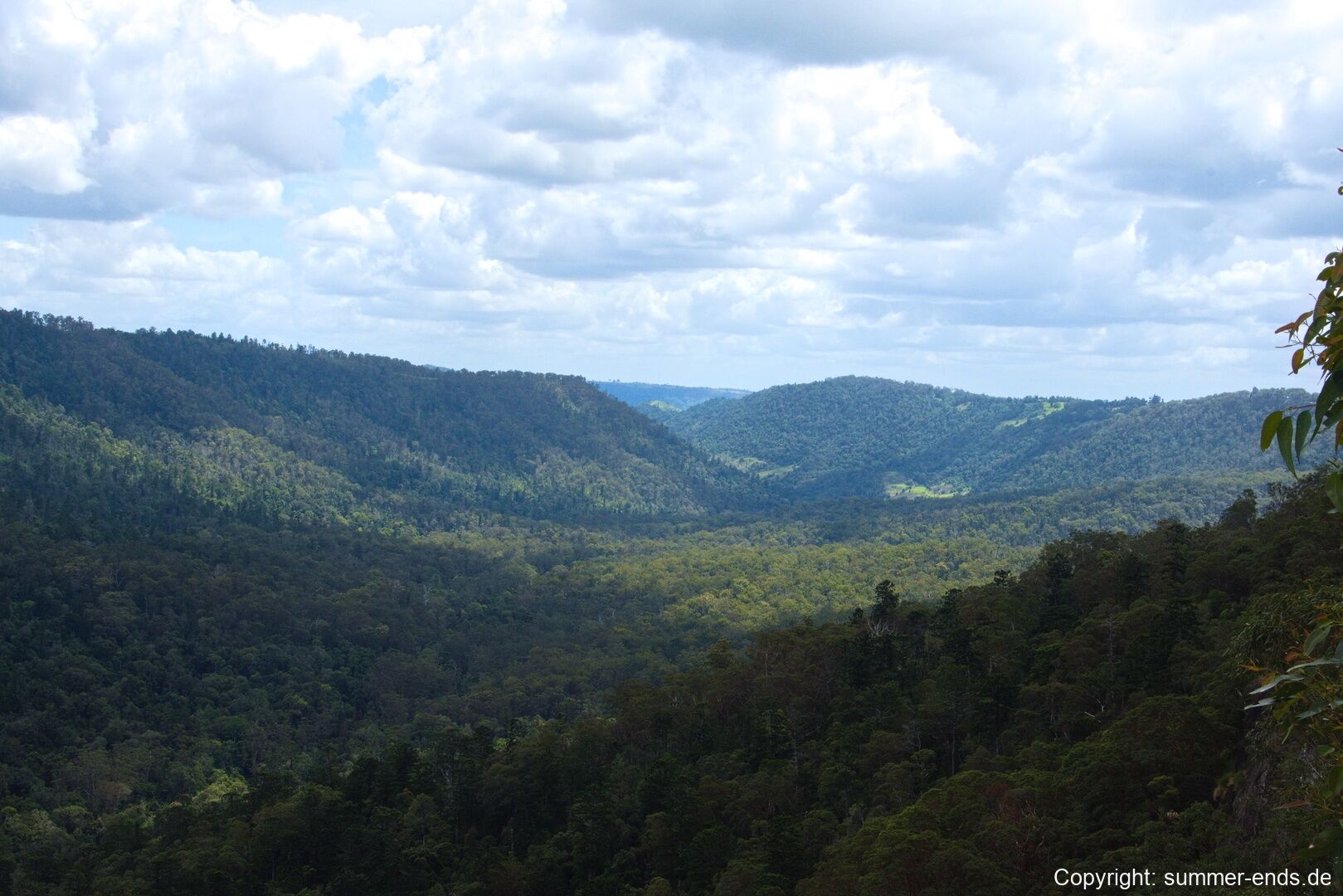

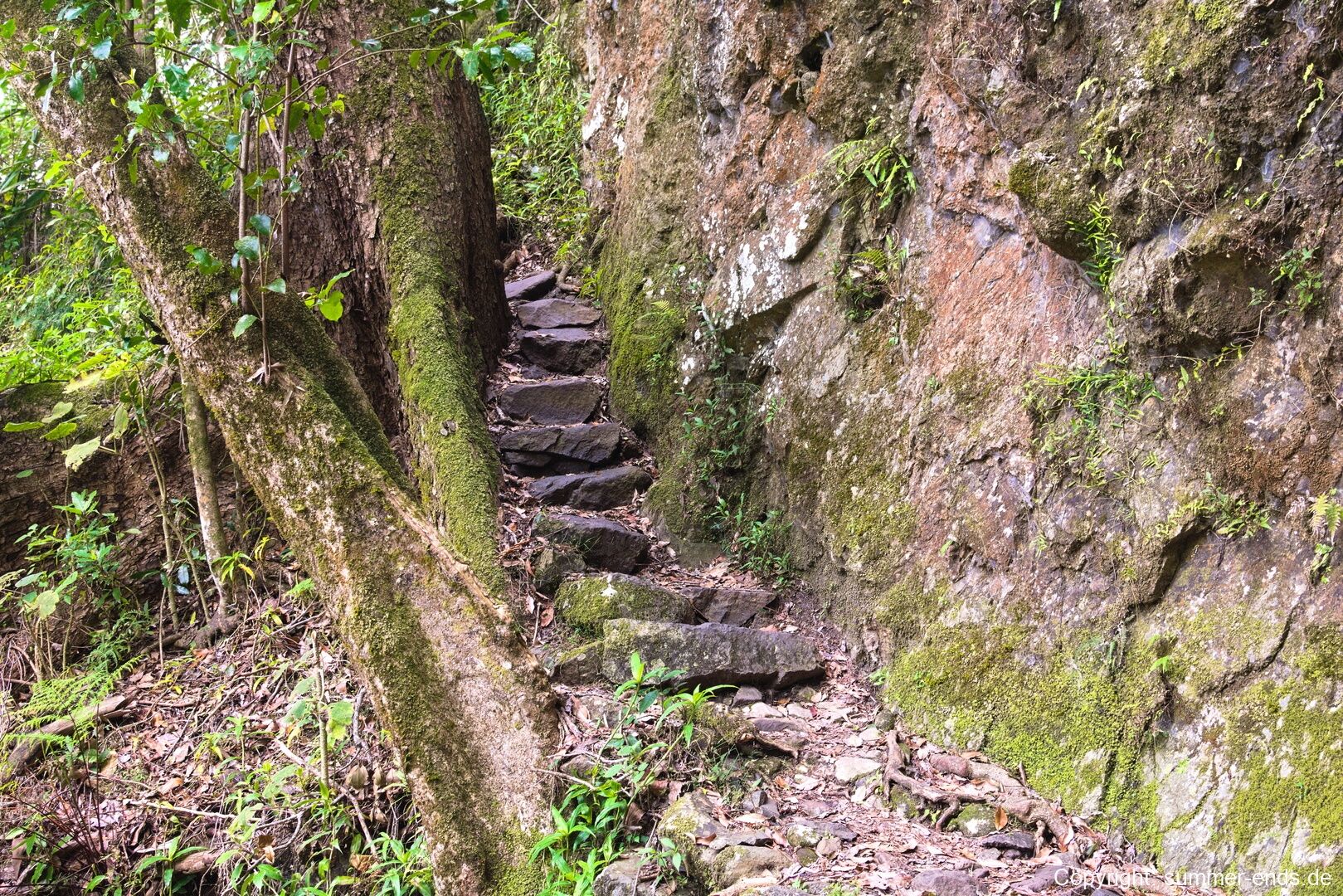


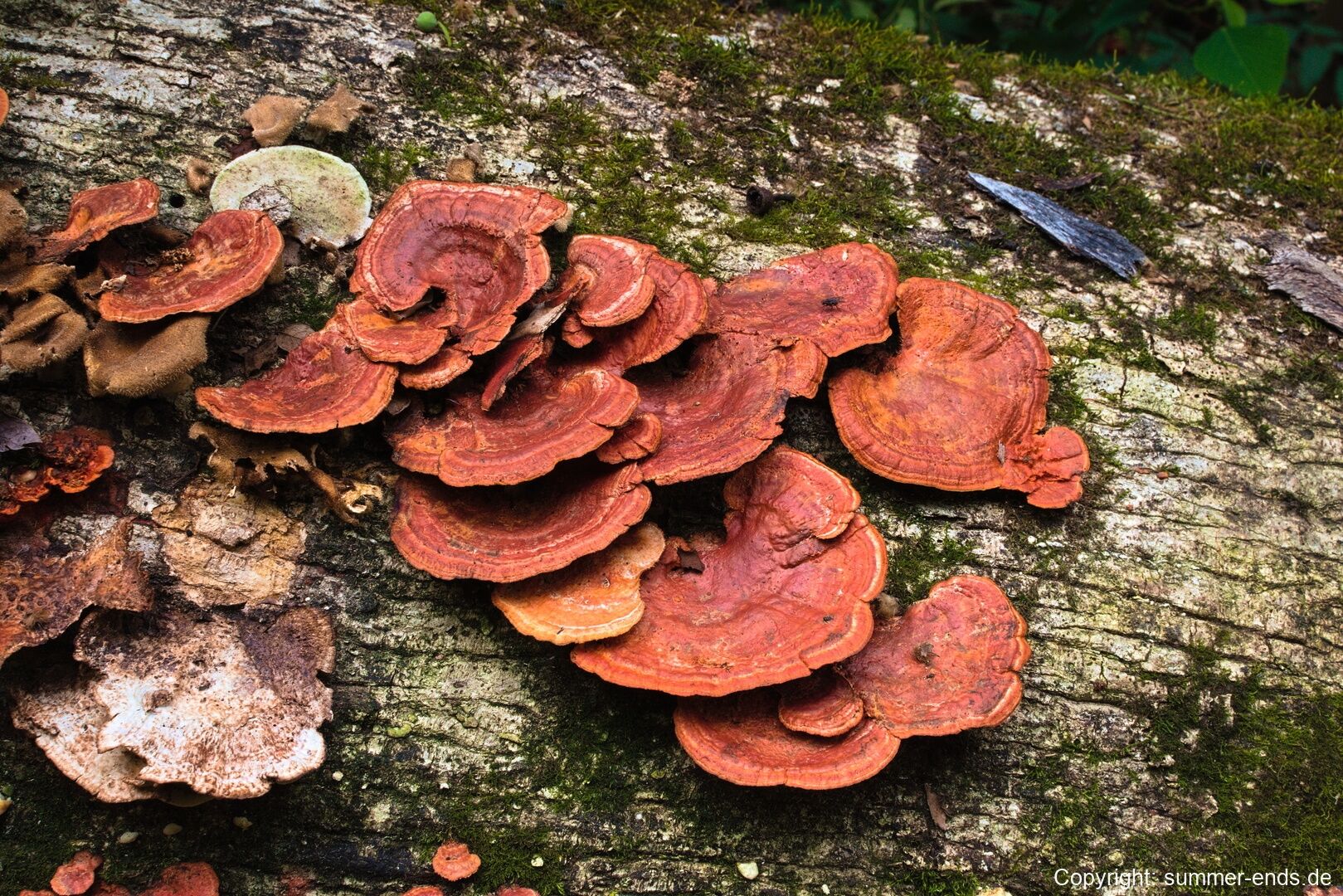

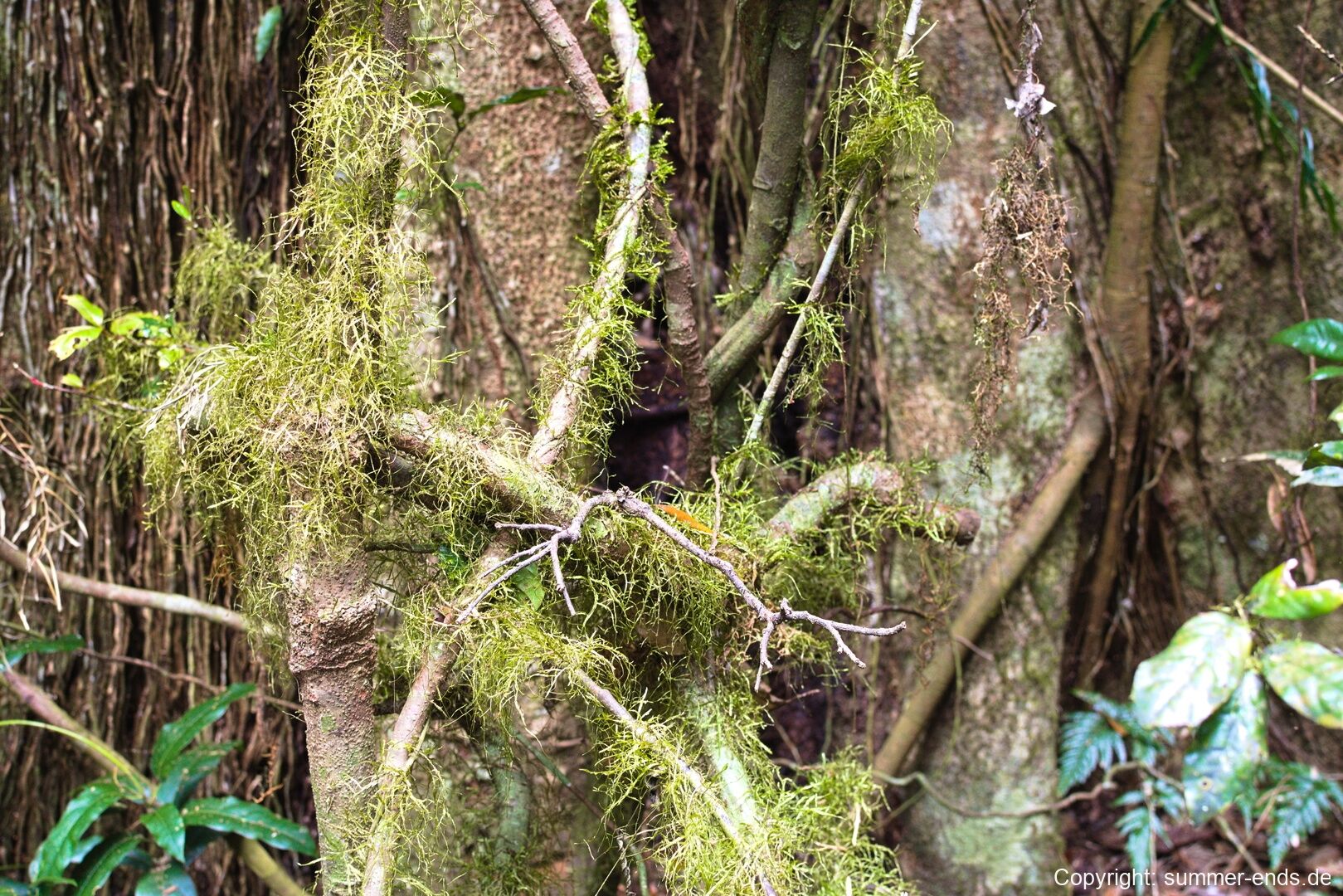

Binna Burra is a mountain locality and historic lodge area situated within Lamington National Park in the Gold Coast hinterland of Queensland, Australia. It lies on the western edge of the Gold Coast metropolitan region, approximately 90 kilometres south of Brisbane, at elevations ranging from about 800 to over 900 metres above sea level. Binna Burra forms part of the Gondwana Rainforests of Australia World Heritage Area and is embedded within a largely intact subtropical and temperate rainforest landscape. The area is characterized by steep escarpments, deeply incised valleys, high rainfall, and dense forest cover. Human settlement is extremely limited, with land use focused on conservation, research, recreation, and nature-based tourism rather than permanent residential development.
History
Prior to European contact, the Binna Burra area formed part of the traditional lands of the Yugambeh people, who maintained a strong cultural and spiritual relationship with the forested mountains, escarpments, and waterways of the region. Archaeological and ethnographic evidence indicates long-standing use of the area for travel routes, resource gathering, and ceremonial purposes, although dense rainforest conditions limited the visibility of material culture compared to coastal regions.
European exploration of the Lamington Plateau began in the late 19th century, primarily driven by interest in timber resources and scientific exploration. However, recognition of the area’s ecological significance led to early conservation efforts. Lamington National Park was declared in 1915, making it one of Queensland’s oldest protected areas.
Binna Burra Lodge was established in 1933 by conservation-minded individuals with the aim of promoting appreciation and protection of the rainforest environment. Over subsequent decades, Binna Burra became an important center for bushwalking, environmental education, and ecotourism. Despite periodic impacts from severe weather events and bushfires, the area has retained its role as a focal point for conservation-oriented visitation and research.
Geology
Geologically, Binna Burra is located on the Lamington Plateau, part of the northern rim of the ancient Tweed Shield Volcano. This large volcanic structure formed approximately 23 million years ago during the Miocene epoch and once dominated a vast area of northeastern New South Wales and southeastern Queensland. The plateau represents erosional remnants of this shield volcano, with resistant lava flows forming elevated surfaces and escarpments.
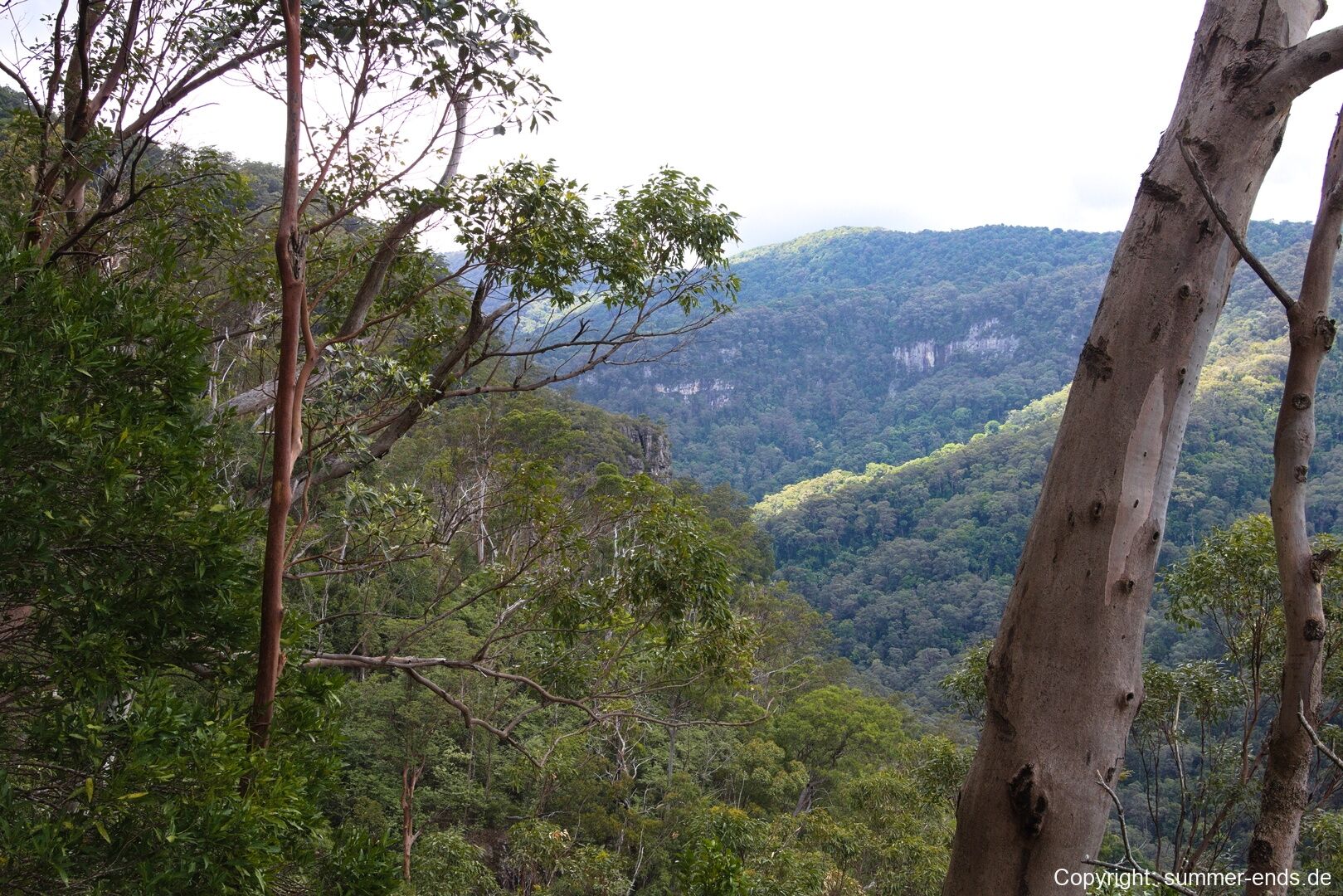
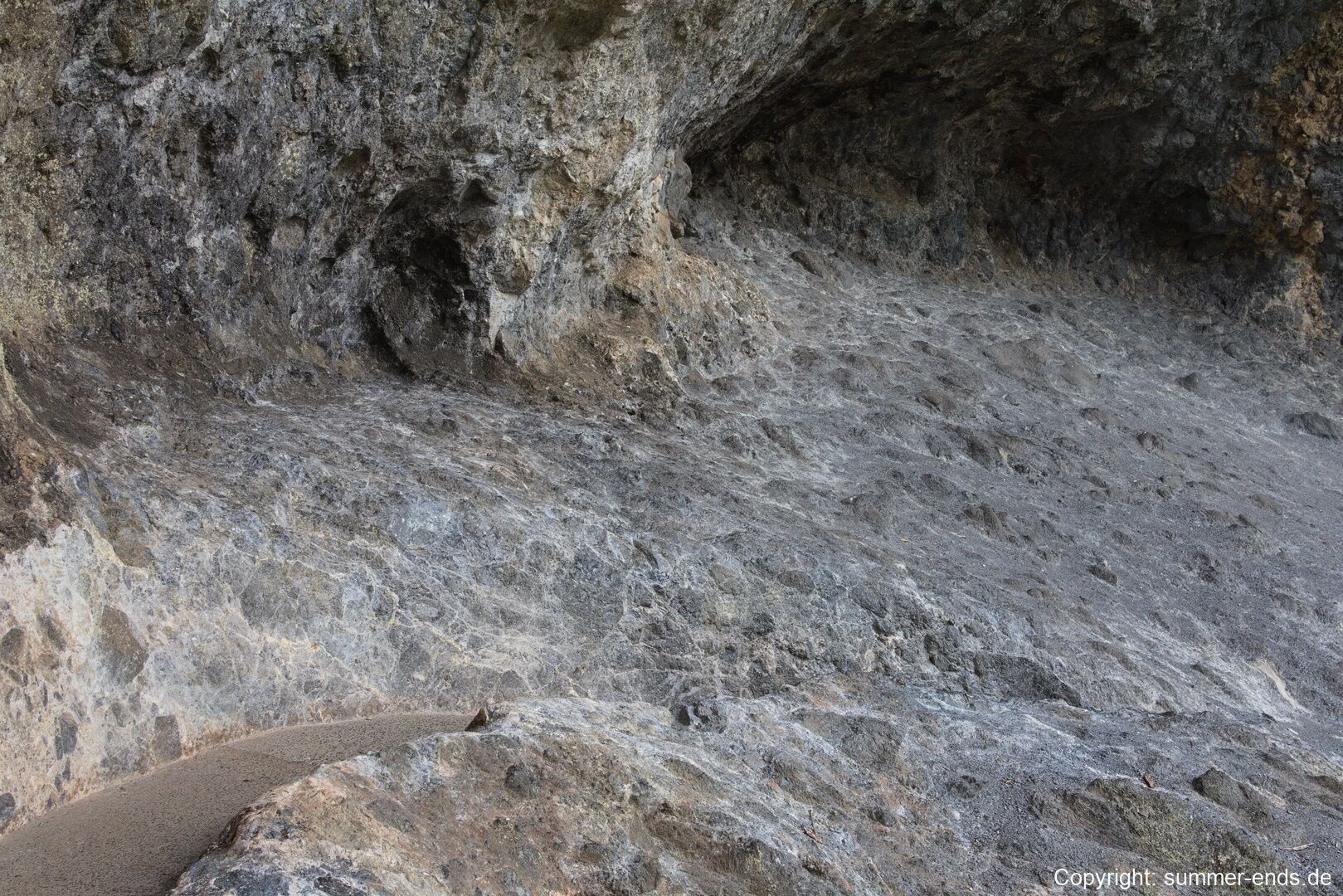
The bedrock consists primarily of basalt derived from successive volcanic eruptions, with interbedded volcanic ash layers and weathered profiles. Long-term erosion by rivers and mass-movement processes has dissected the volcanic plateau, producing steep cliffs, deep valleys, and prominent escarpments such as those visible near Binna Burra.
The basalt-derived soils are relatively fertile compared to surrounding sedimentary landscapes, supporting dense rainforest vegetation. High rainfall, combined with deeply weathered volcanic substrates, has contributed to extensive soil development and slope instability in some areas, influencing both vegetation patterns and geomorphological processes.
Things to See
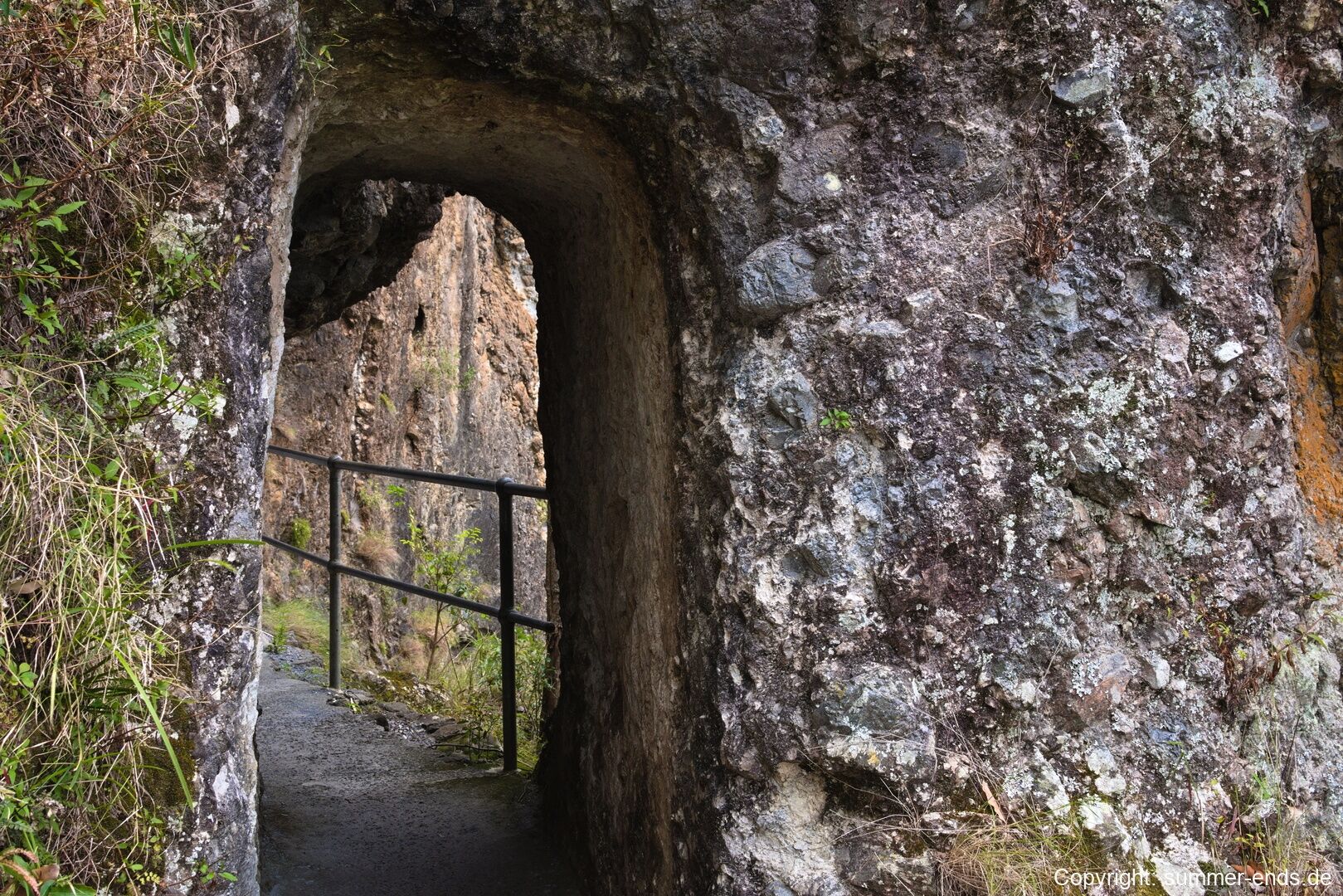
Key features of the Binna Burra region include the rainforest-clad escarpments and valleys of Lamington National Park, offering extensive views across the Gold Coast hinterland and, on clear days, toward the Pacific Ocean. Numerous walking tracks originate from Binna Burra, providing access to subtropical and temperate rainforest ecosystems, waterfalls, and creek systems shaped by volcanic geology.
Notable natural features include cliff-edge lookouts overlooking deep valleys, basalt outcrops, and remnants of ancient lava flows. The surrounding forests support high biodiversity, including ancient plant lineages such as Antarctic beech and a wide range of bird species, making the area significant for ecological observation.
The Binna Burra Lodge precinct itself represents an important cultural and historical site associated with conservation history and nature-based tourism in Australia, serving as a gateway to one of the most ecologically and geologically significant mountain landscapes in the region.