
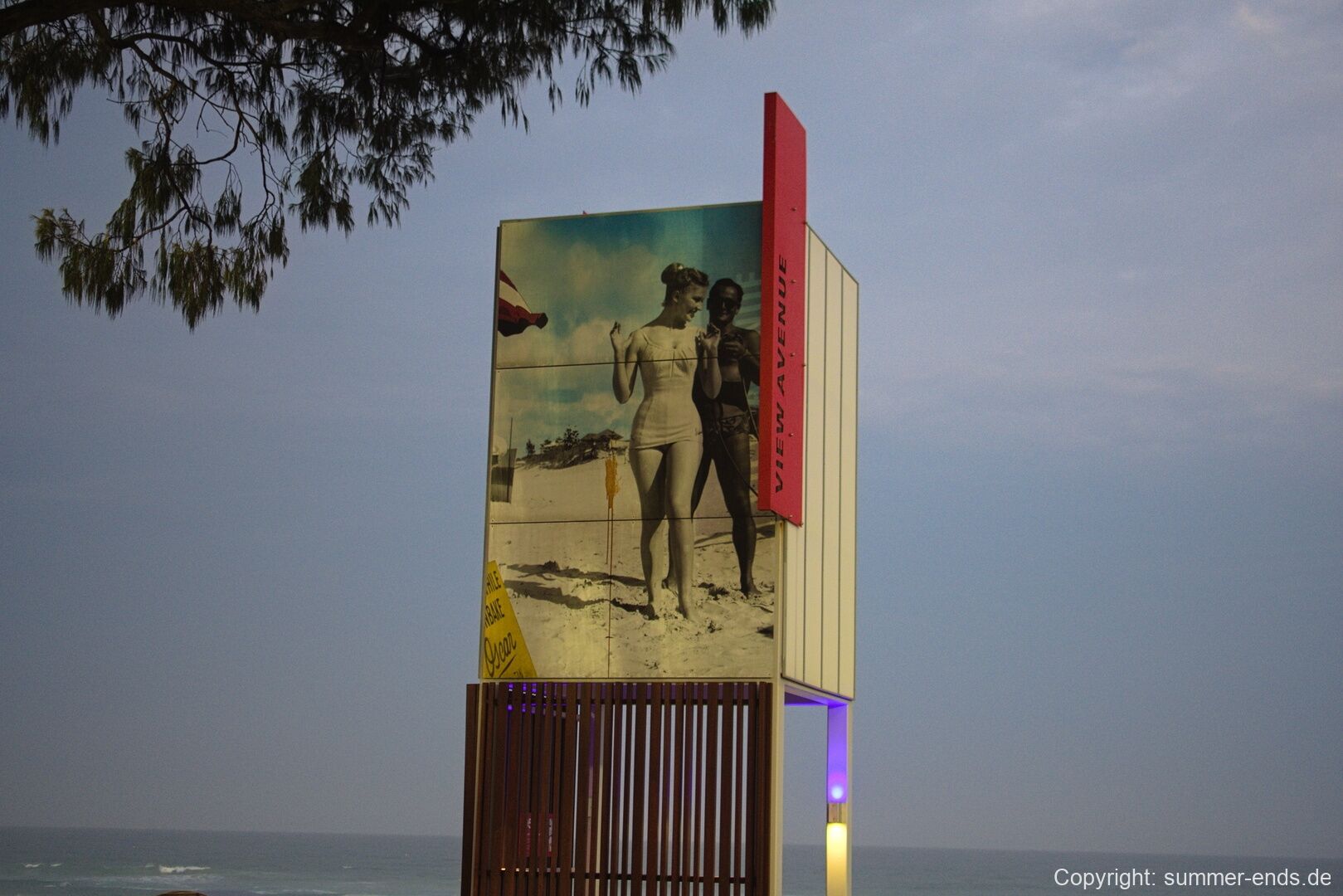
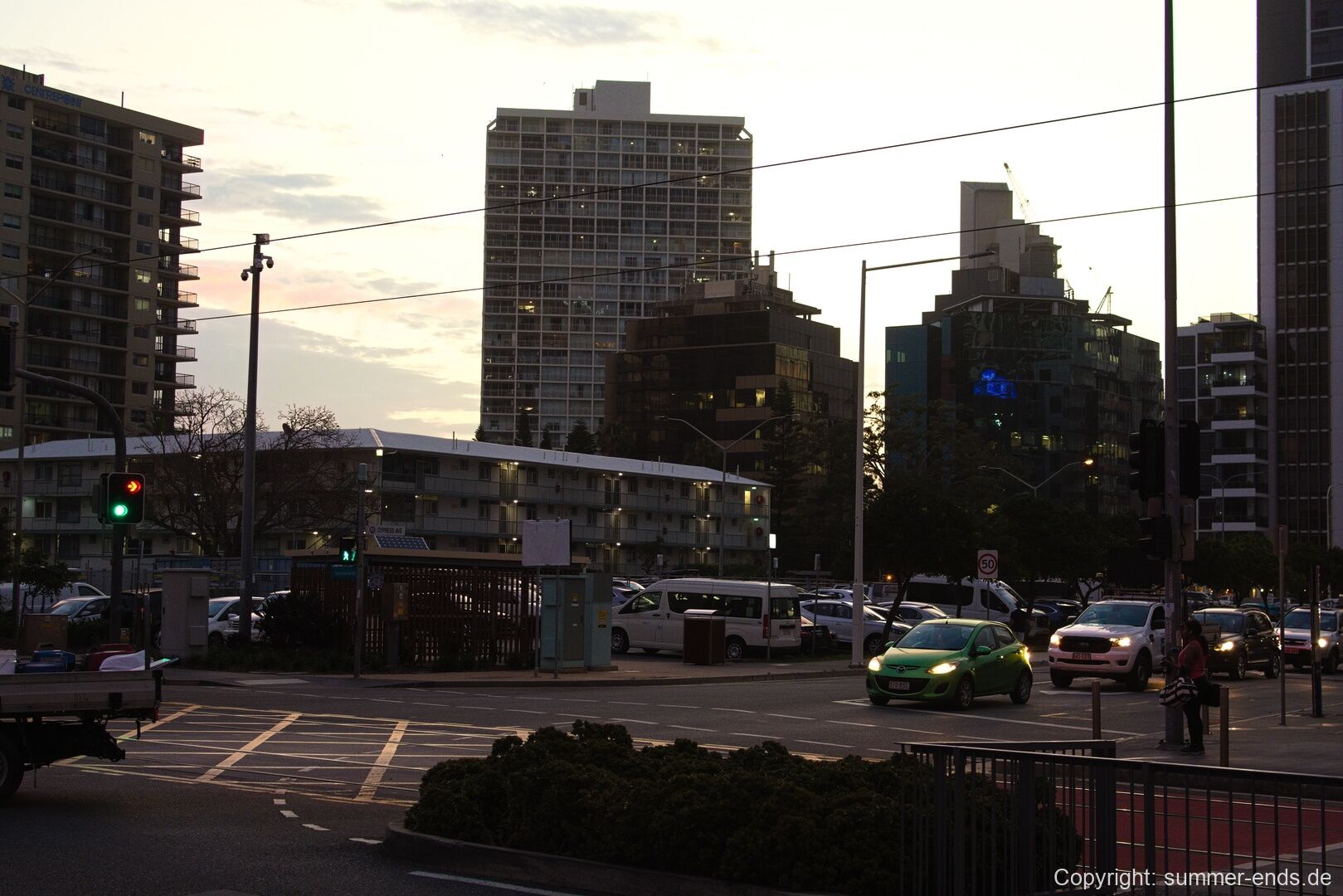
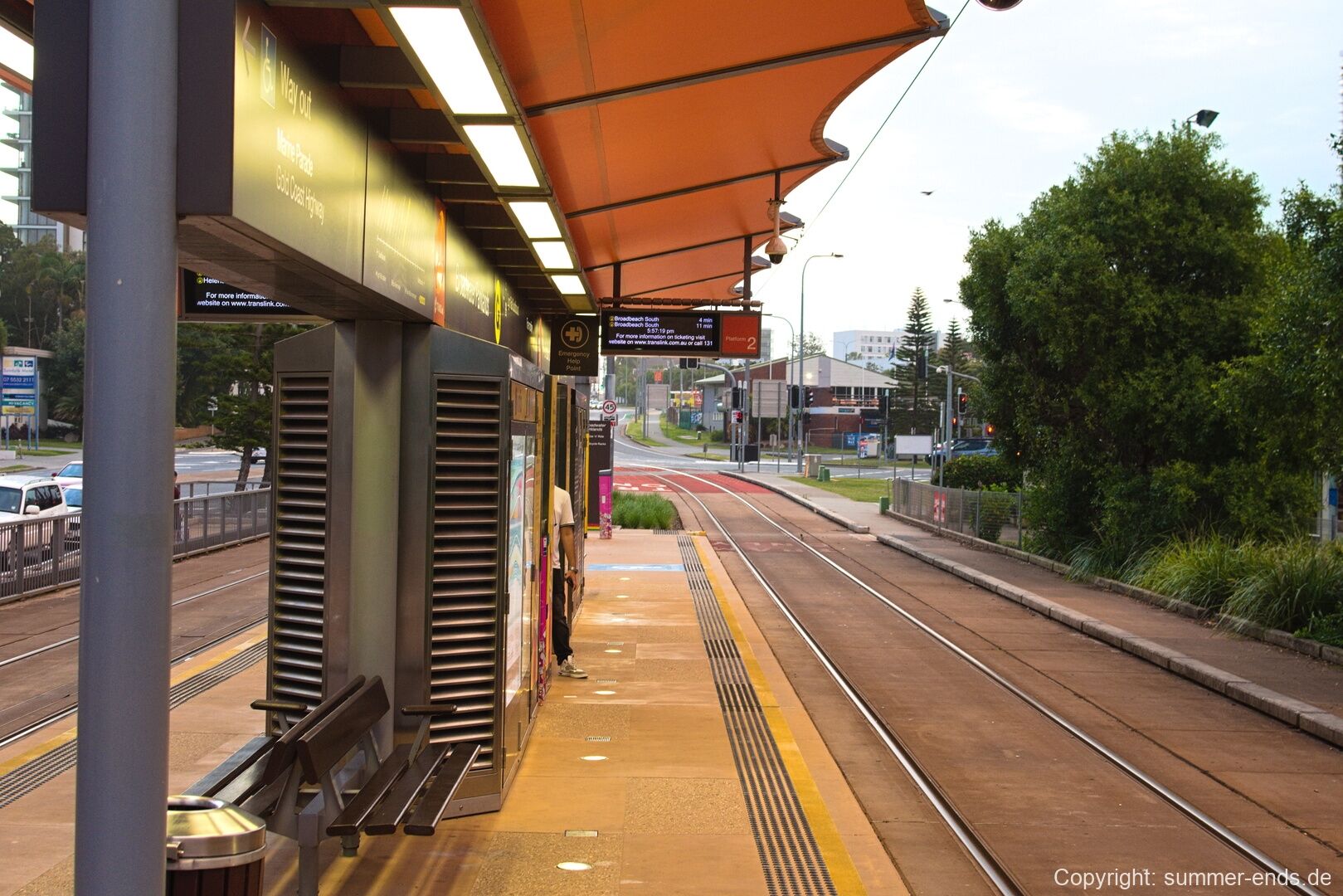
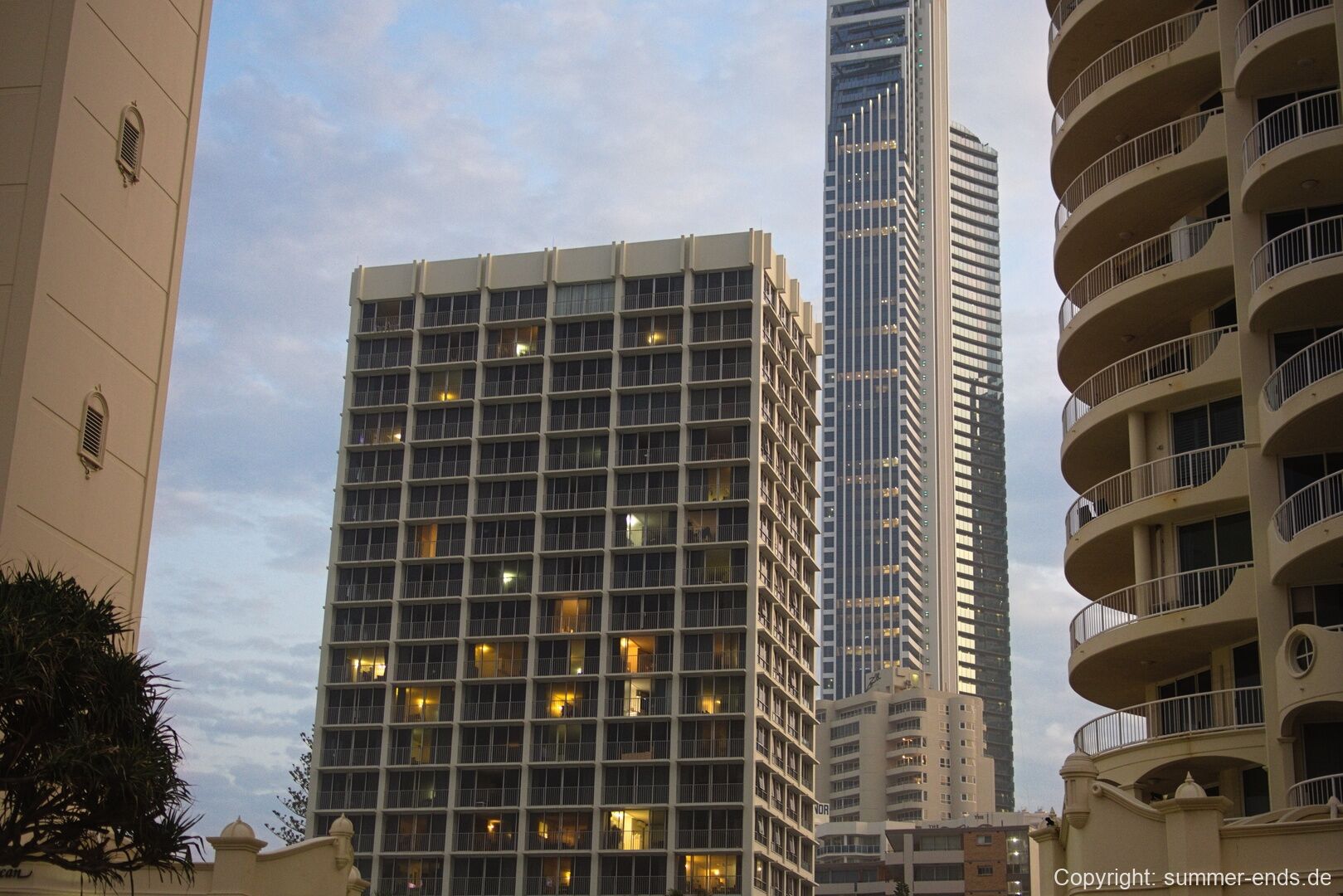
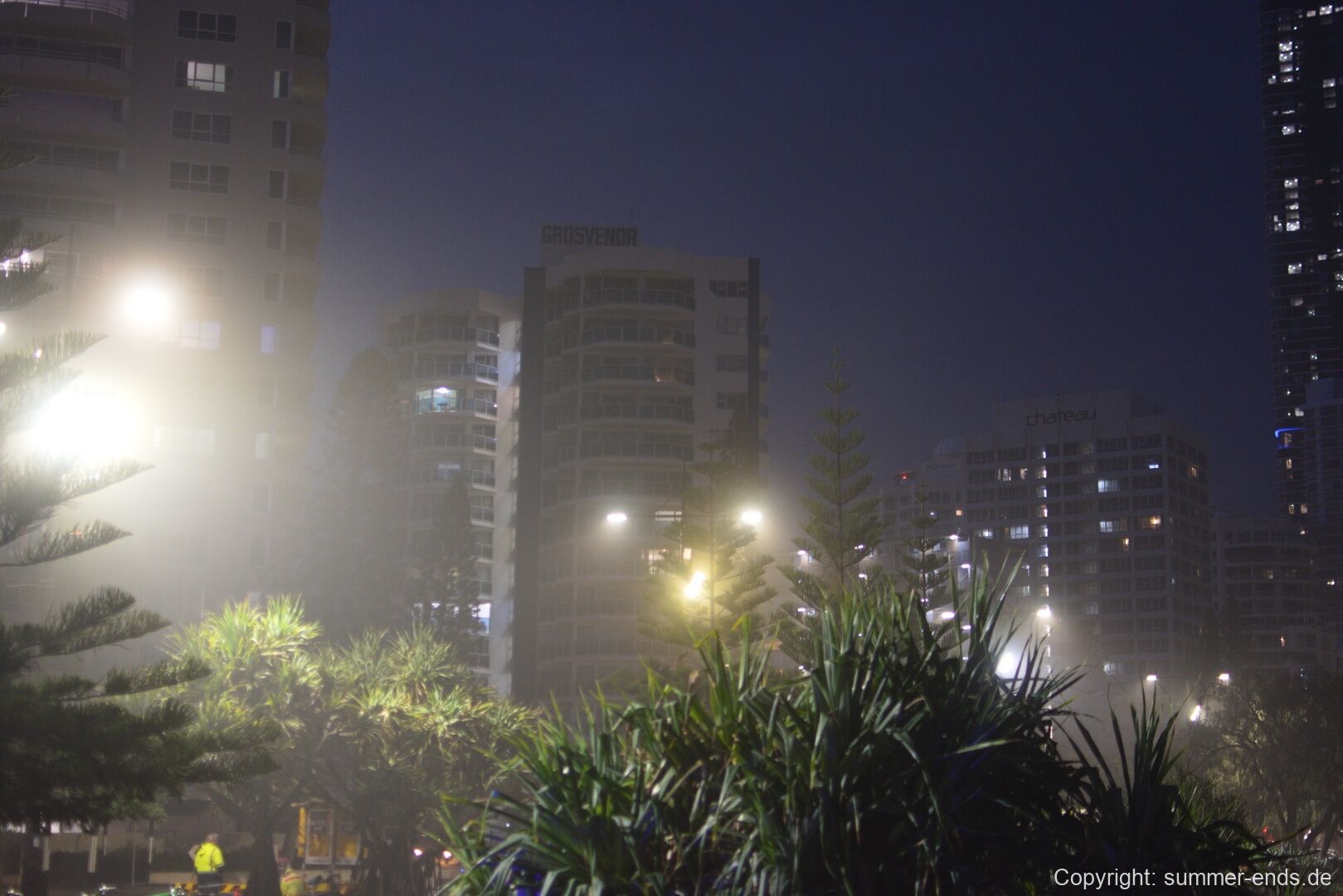
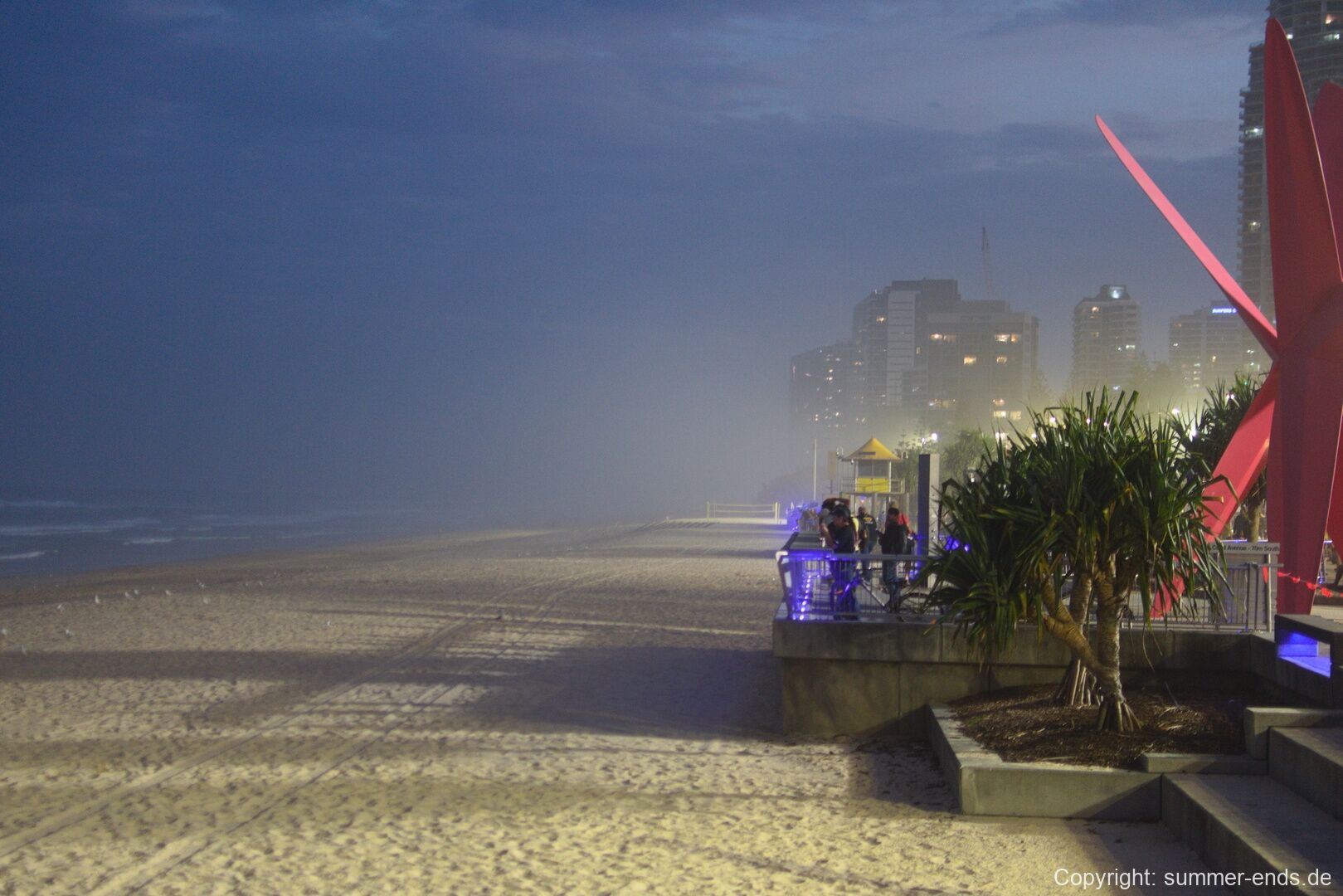
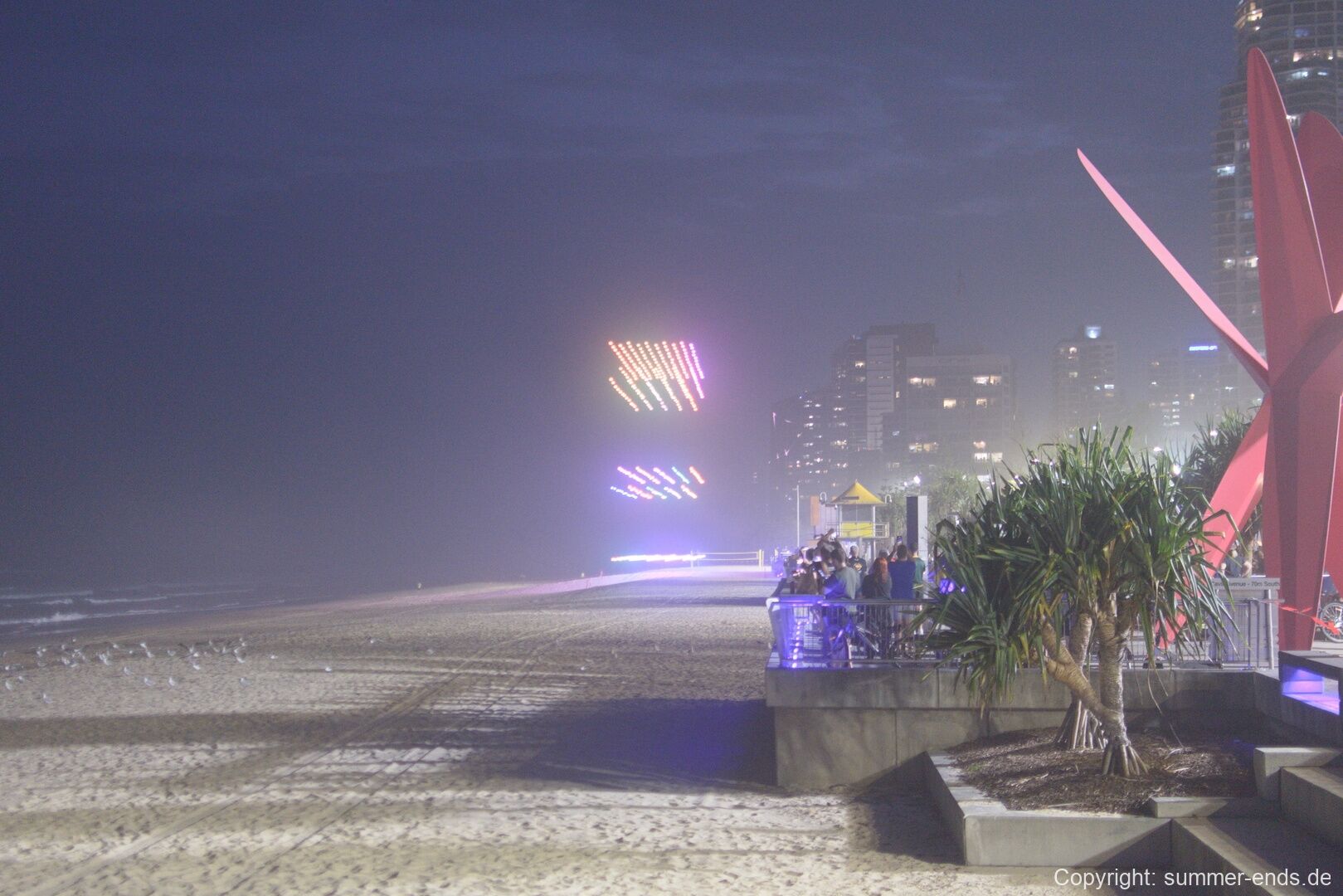
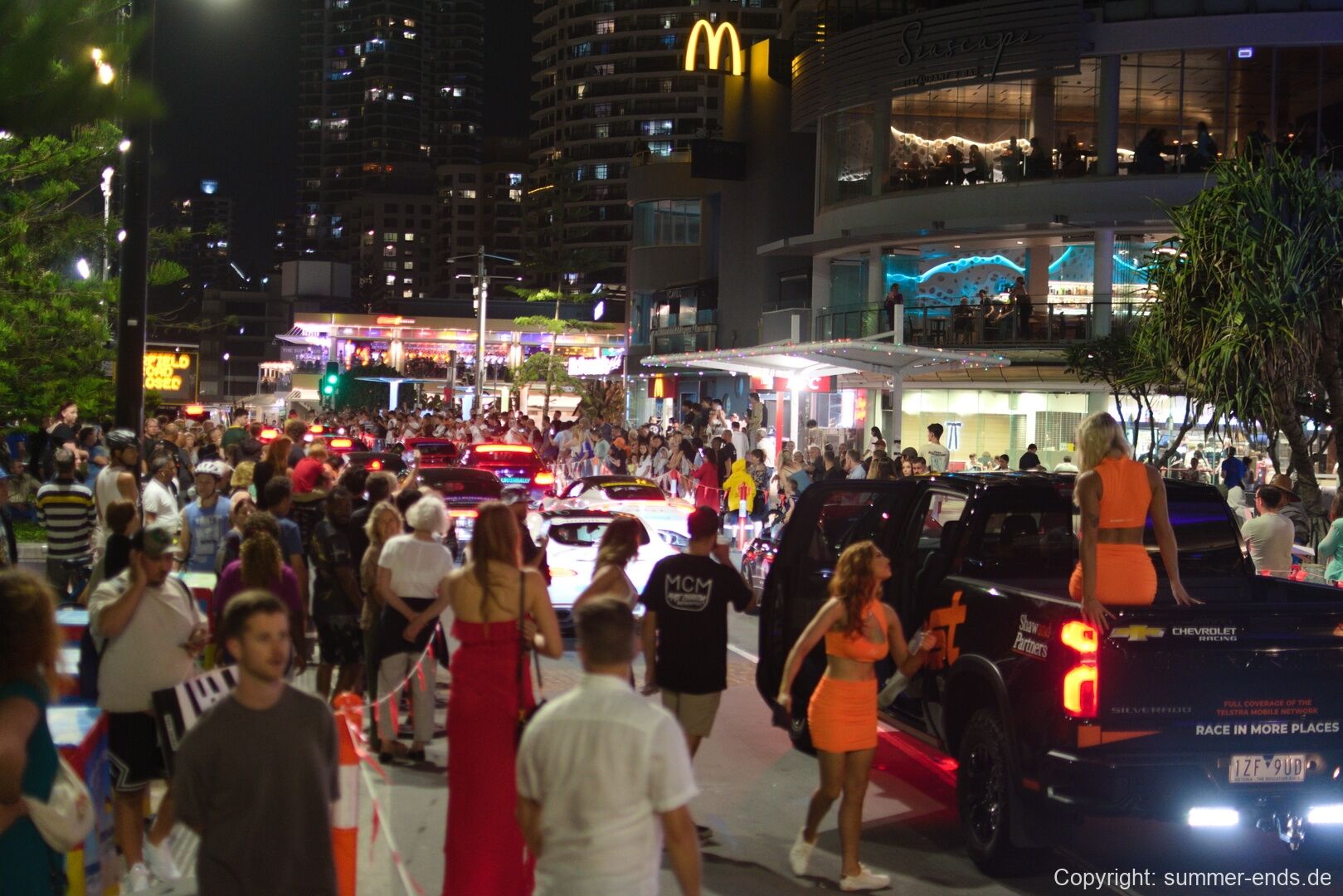

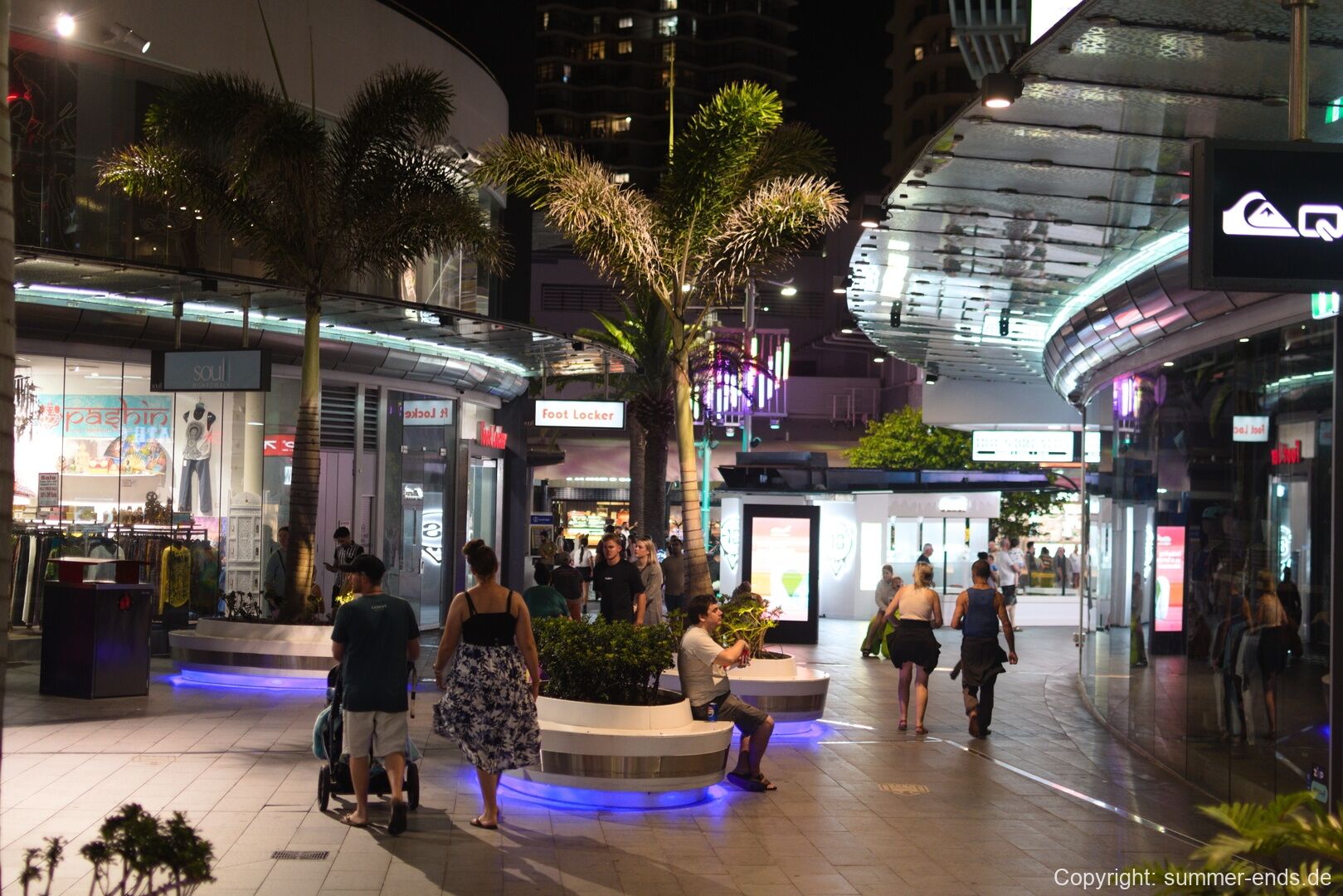
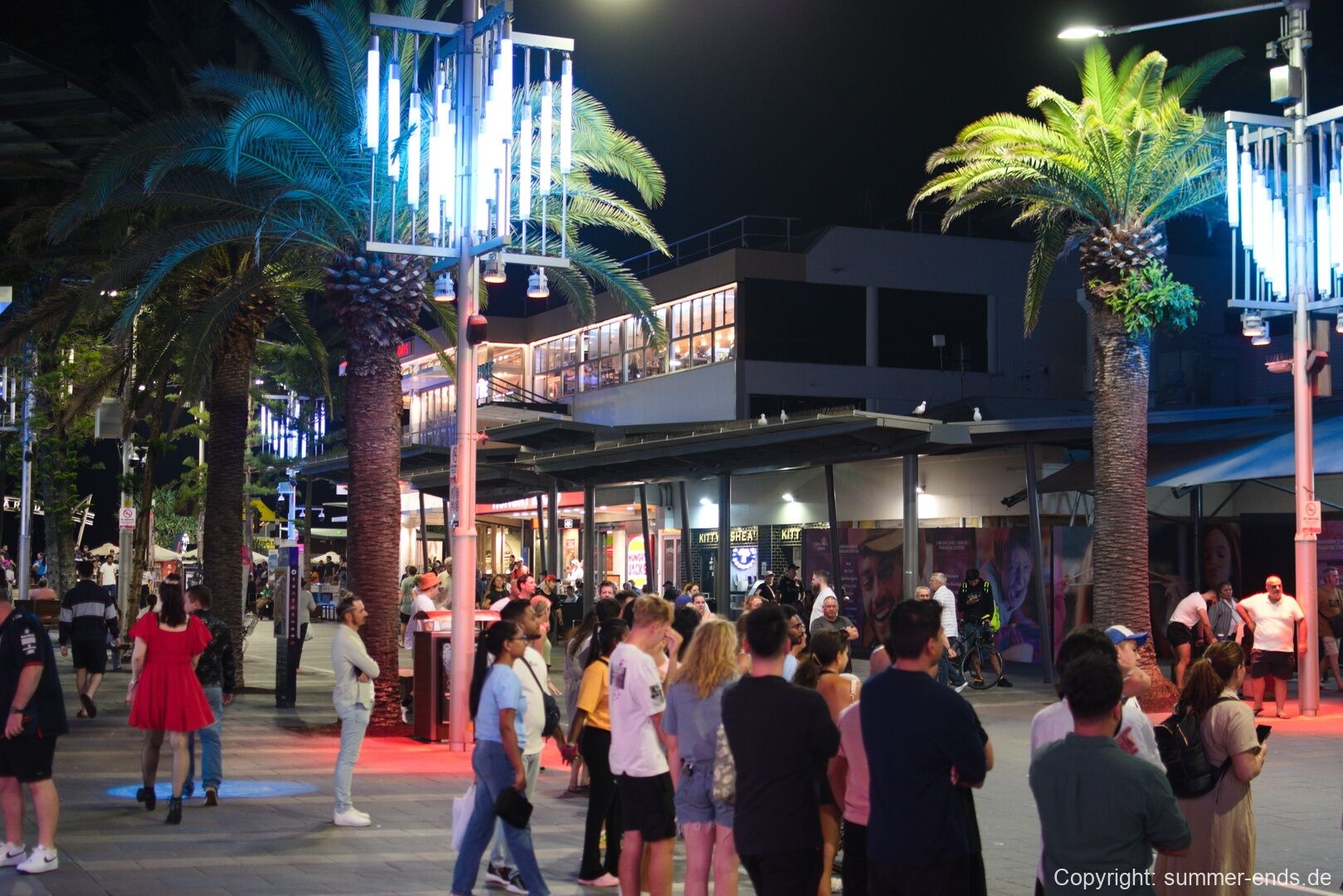
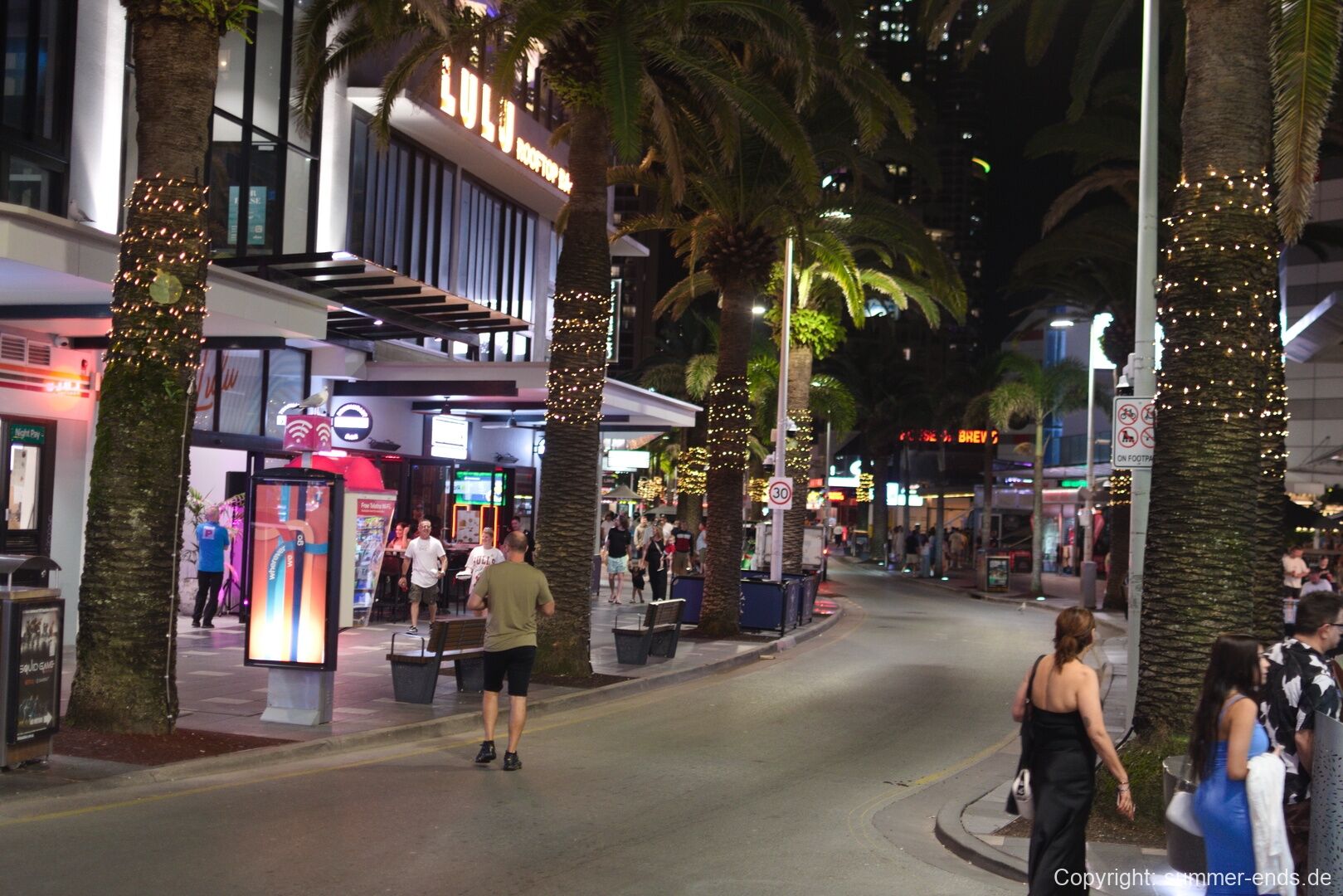
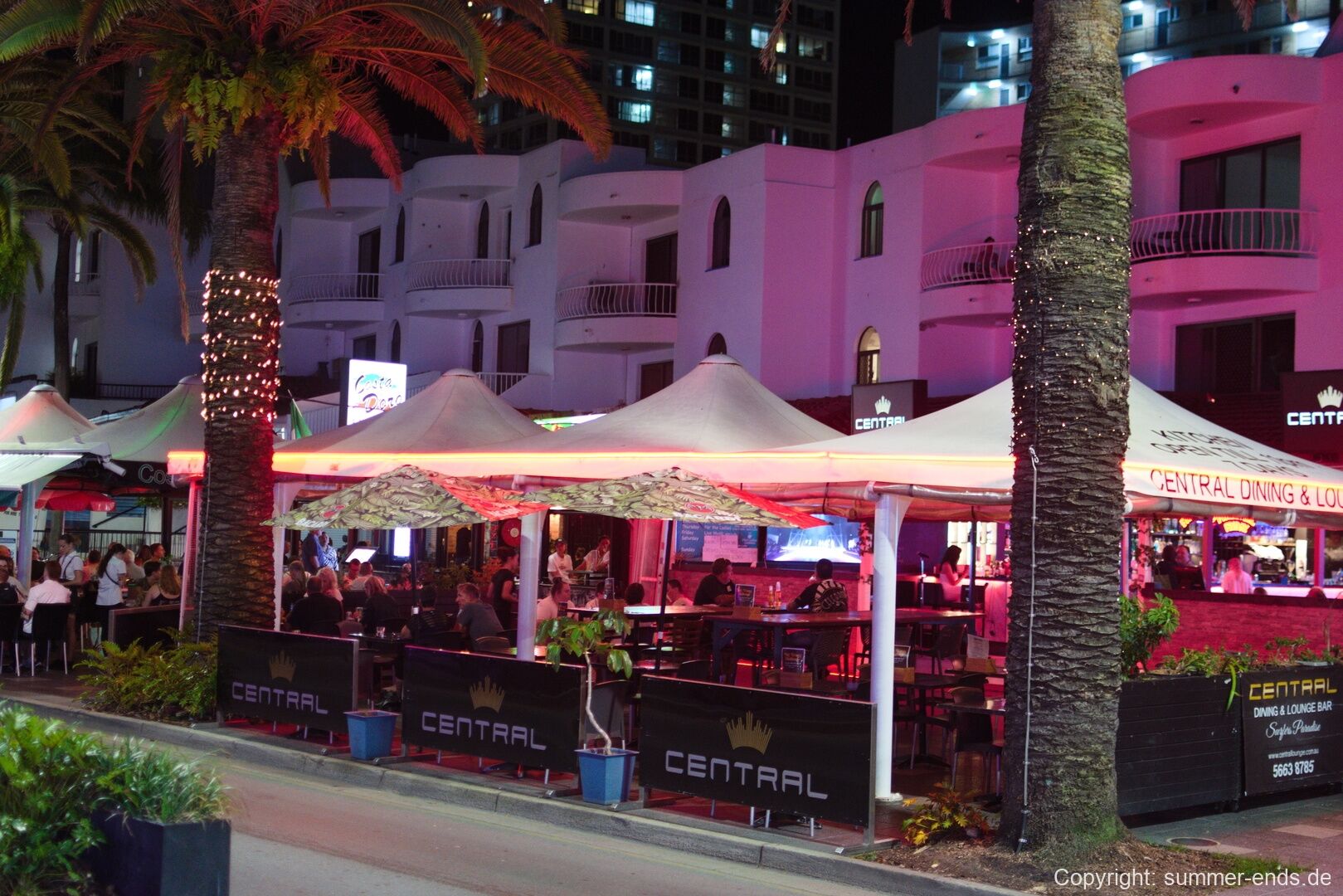
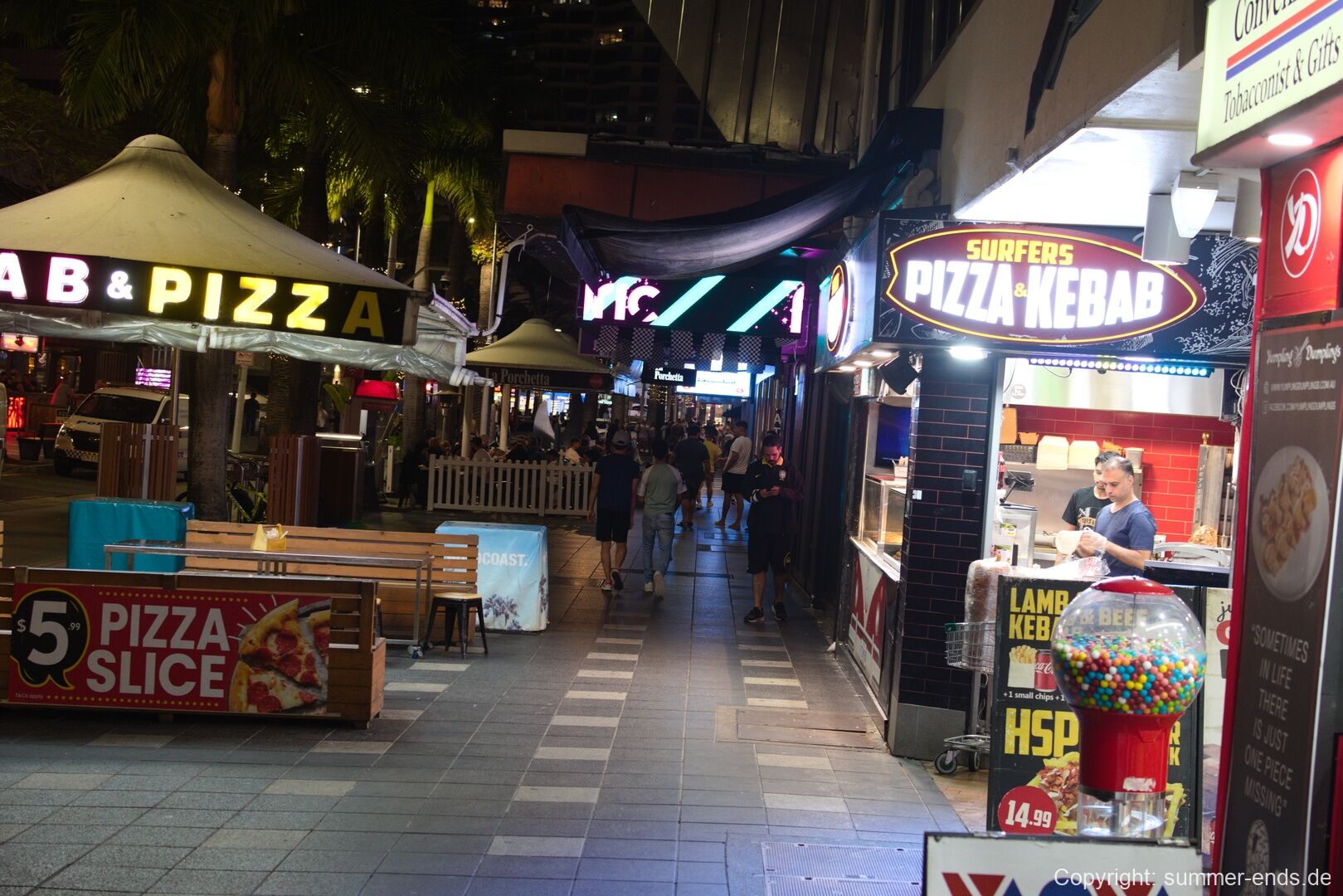
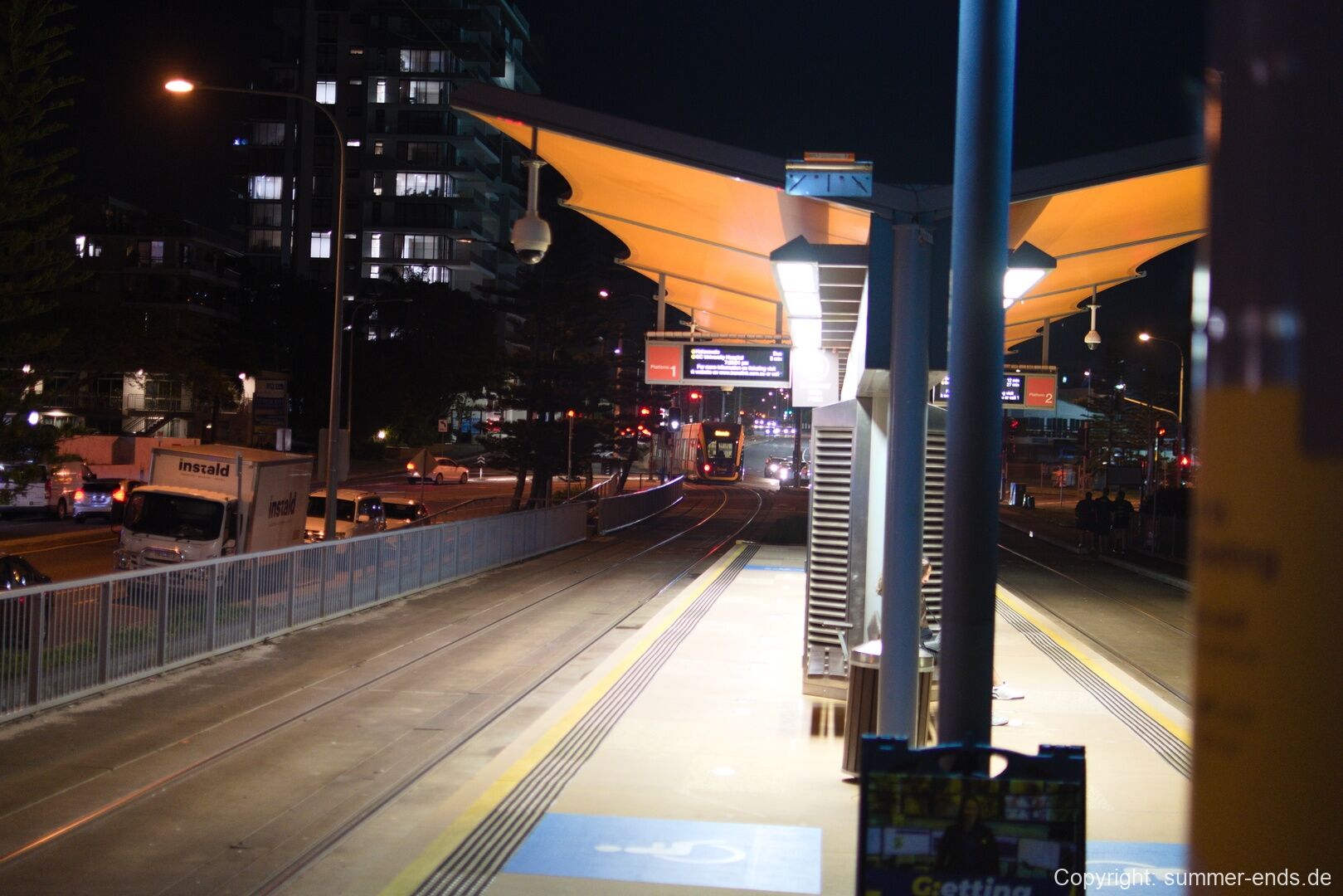
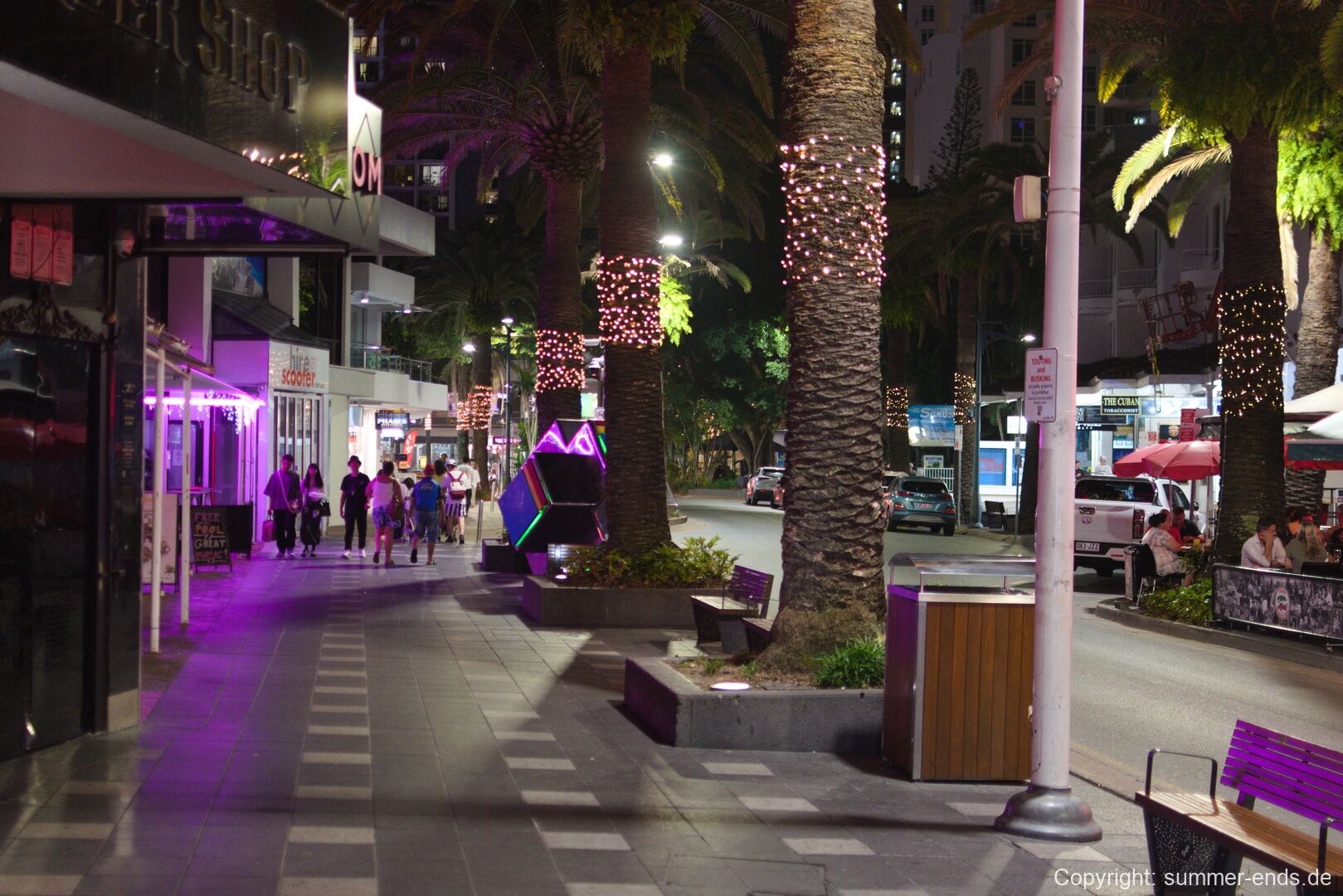
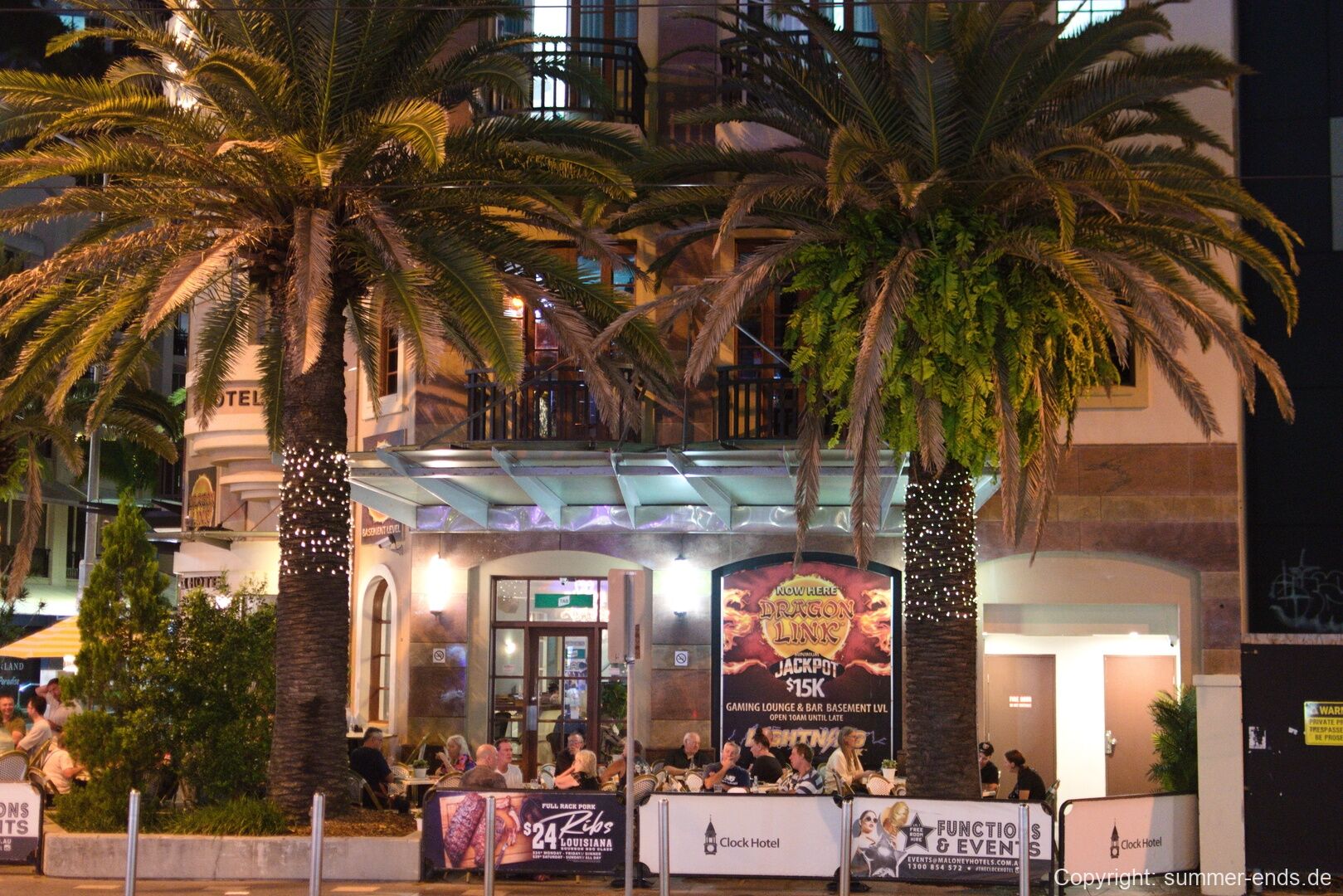
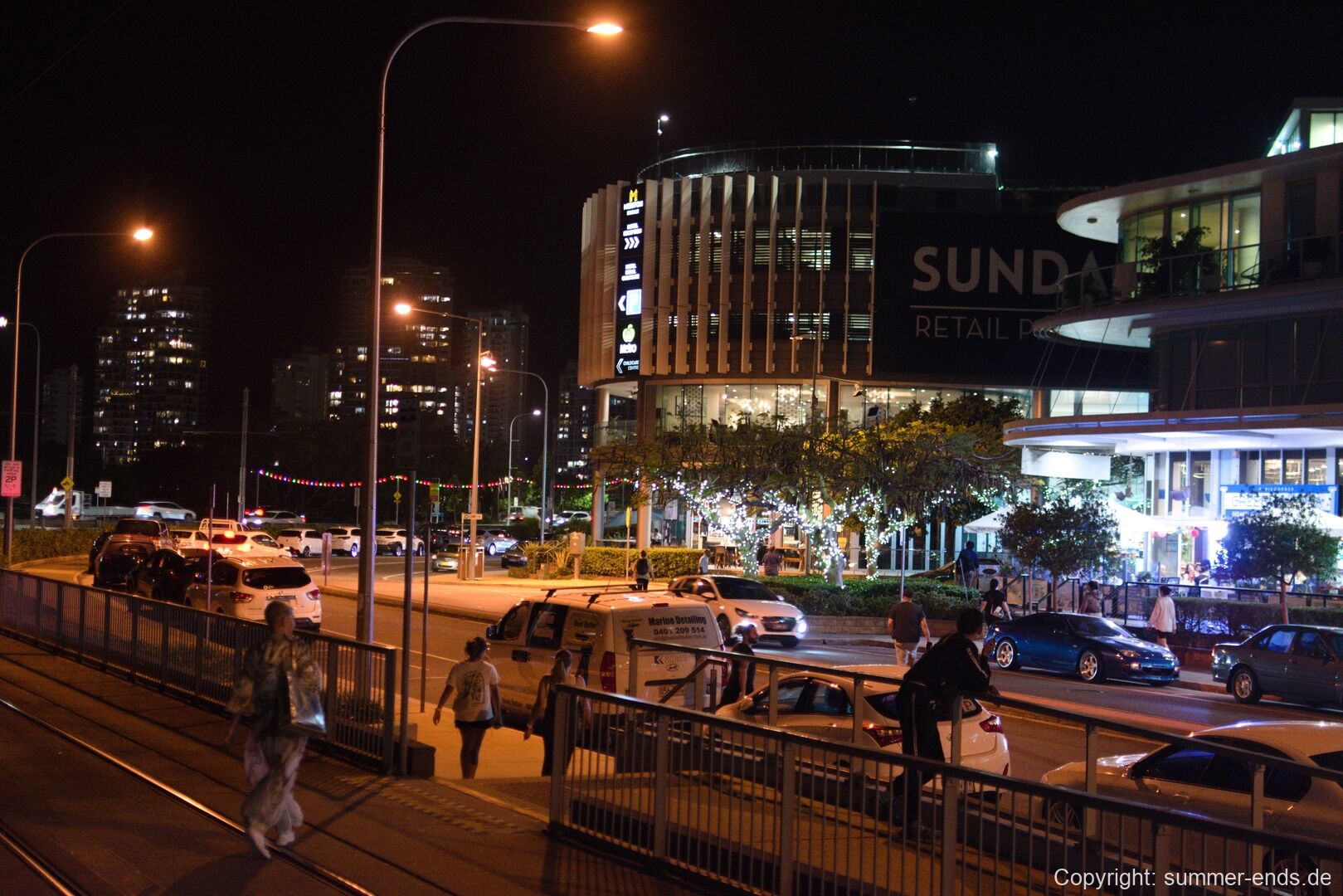

The Gold Coast is a major coastal region in southeastern Queensland, Australia, located approximately 70 kilometres south of Brisbane along the Coral Sea. It extends from the New South Wales border in the south to the southern suburbs of Brisbane in the north and encompasses a diverse range of landscapes, including sandy ocean beaches, coastal dunes, estuarine waterways, lowland plains, and mountainous hinterland areas. The region is one of Australia’s most significant urban and tourism centers, with a population exceeding half a million residents and a strong emphasis on coastal living, recreation, and service-based industries. Climatically, the Gold Coast experiences a humid subtropical climate characterized by warm summers, mild winters, and seasonally variable rainfall, influenced by both maritime conditions and orographic effects from the hinterland ranges.
History
Prior to European settlement, the Gold Coast region was part of the traditional lands of the Yugambeh and Kombumerri peoples. These Aboriginal groups maintained complex cultural, social, and economic systems closely tied to coastal, riverine, and forest environments. Archaeological evidence, including shell middens, stone tools, and ceremonial sites, demonstrates long-term occupation and use of the region’s diverse ecosystems.
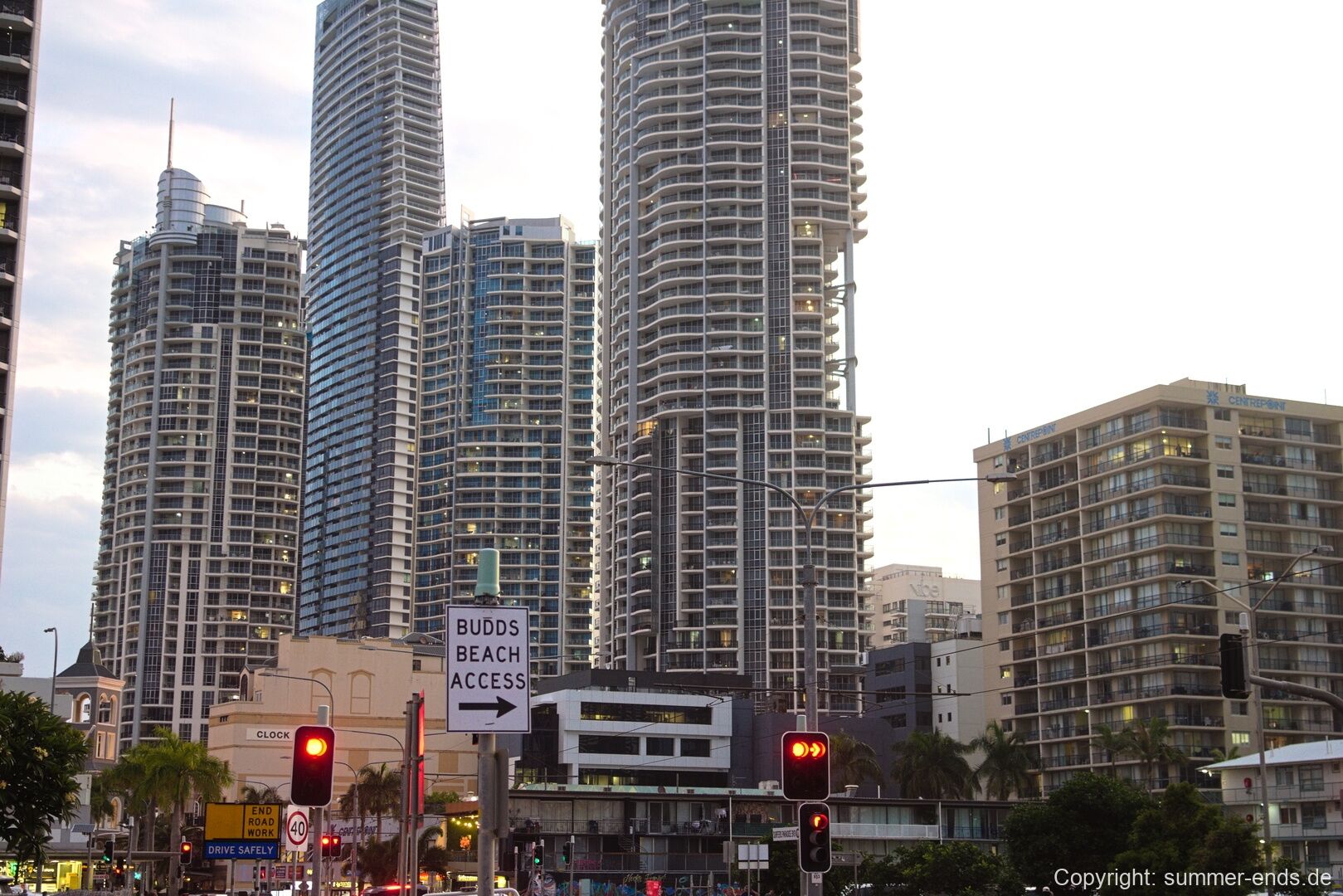
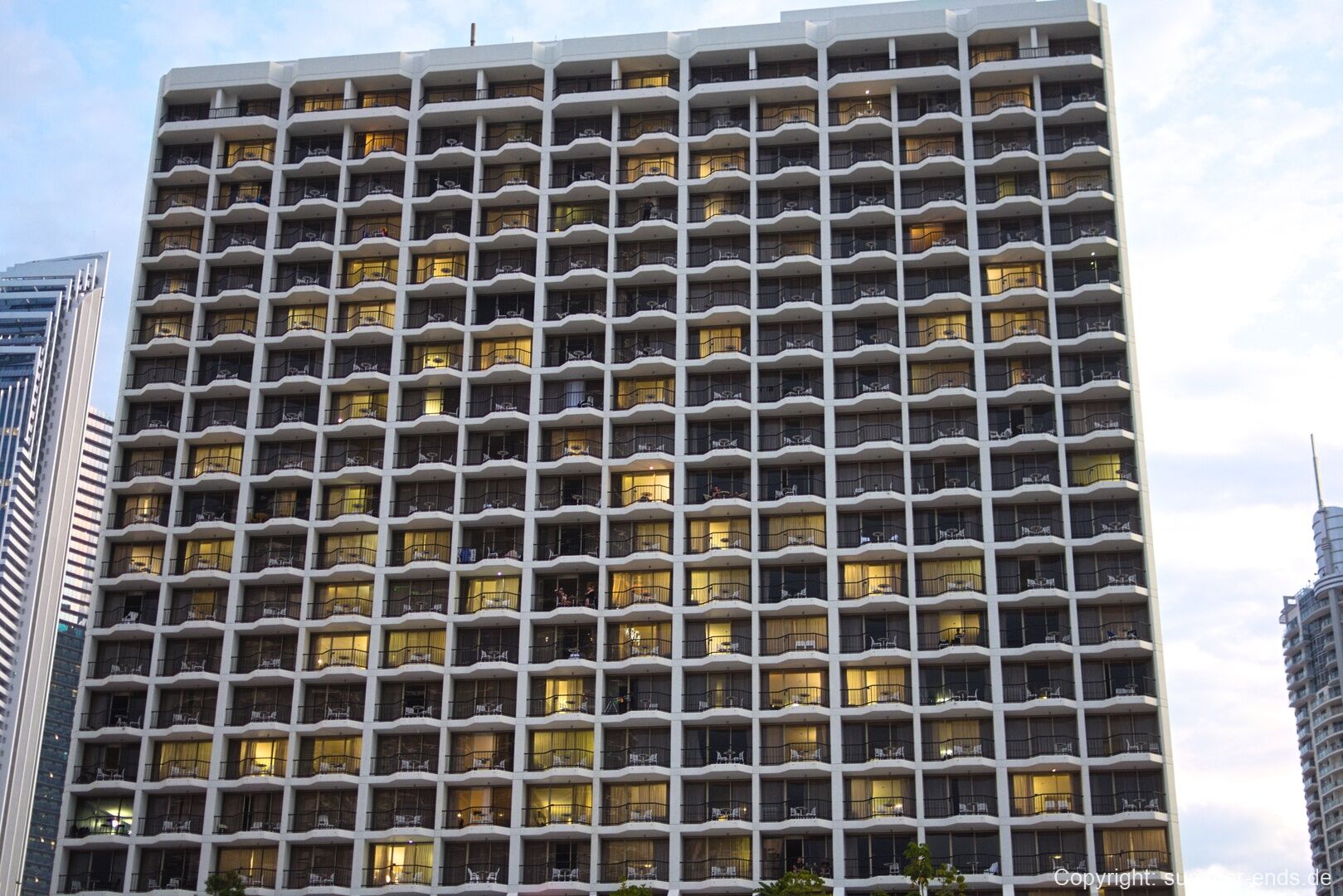
European exploration and settlement began in the mid-19th century, initially focused on timber extraction, grazing, and small-scale agriculture. The region remained sparsely populated until the late 19th and early 20th centuries, when improved transport links and coastal accessibility encouraged the development of seaside settlements. During the mid-20th century, the Gold Coast underwent rapid urbanization driven by tourism, real estate development, and population growth. High-rise construction along the beachfront, particularly in areas such as Surfers Paradise, transformed the coastline into one of Australia’s most recognizable urban beach landscapes. In recent decades, regional planning efforts have sought to balance continued growth with environmental protection and infrastructure development.
Geology
Geologically, the Gold Coast region encompasses both coastal sedimentary environments and ancient volcanic and metamorphic landscapes of the hinterland. The coastal plain consists primarily of Quaternary sand deposits formed by marine and aeolian processes, creating extensive beaches, dune systems, and barrier formations. These sediments are continually reshaped by wave action, longshore drift, and storm events.
In contrast, the hinterland areas form part of the eroded remnants of large shield volcanoes, most notably the Tweed Shield Volcano, which developed during the Miocene approximately 23 million years ago. Basalt flows from these volcanic systems created elevated plateaus and escarpments, which have since been deeply dissected by fluvial erosion. The resulting landscape includes steep valleys, prominent ridgelines, and fertile basalt-derived soils that support dense subtropical and temperate rainforest ecosystems. This geological contrast between coastal sands and volcanic uplands underpins much of the region’s ecological and visual diversity.
Things to See
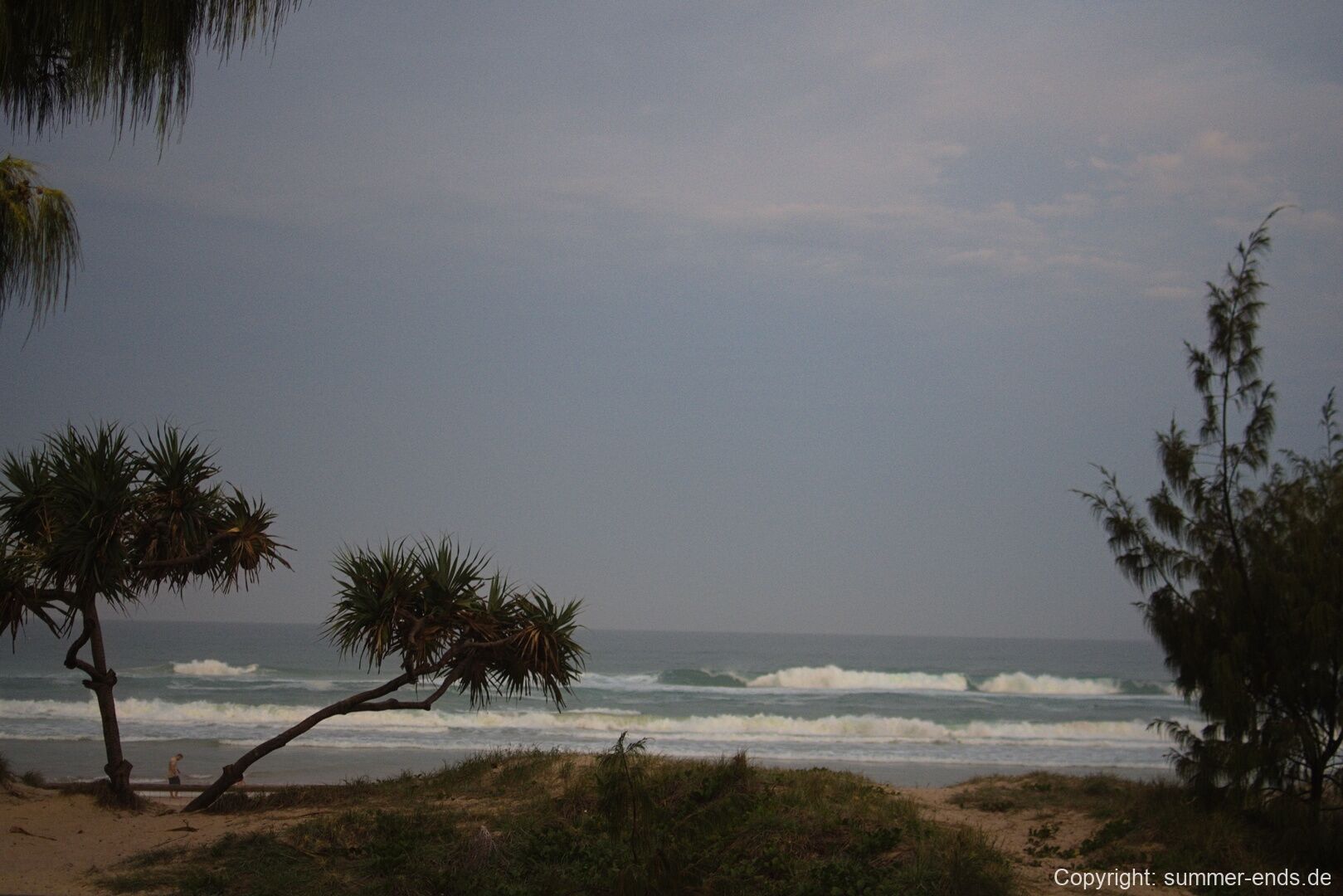
The Gold Coast offers a wide range of natural and cultural attractions reflecting its coastal and hinterland settings. Key features include the extensive ocean beaches such as Surfers Paradise, Burleigh Heads, and Coolangatta, known for their sandy shorelines, surf conditions, and coastal headlands. The network of rivers, estuaries, and artificial canals provides opportunities to observe coastal geomorphology and aquatic ecosystems.
Inland, the Gold Coast hinterland contains national parks such as Lamington, Springbrook, and Tamborine, which preserve rainforest landscapes, waterfalls, escarpments, and volcanic landforms. These areas offer walking tracks, lookouts, and access to World Heritage-listed ecosystems. Urban landmarks, coastal viewpoints, and cultural precincts further illustrate the region’s development as a major coastal city shaped by both natural processes and human activity.