Day 4 - From Fnideq to Oujda: A Long Road Across Northern Morocco
5 June 2026
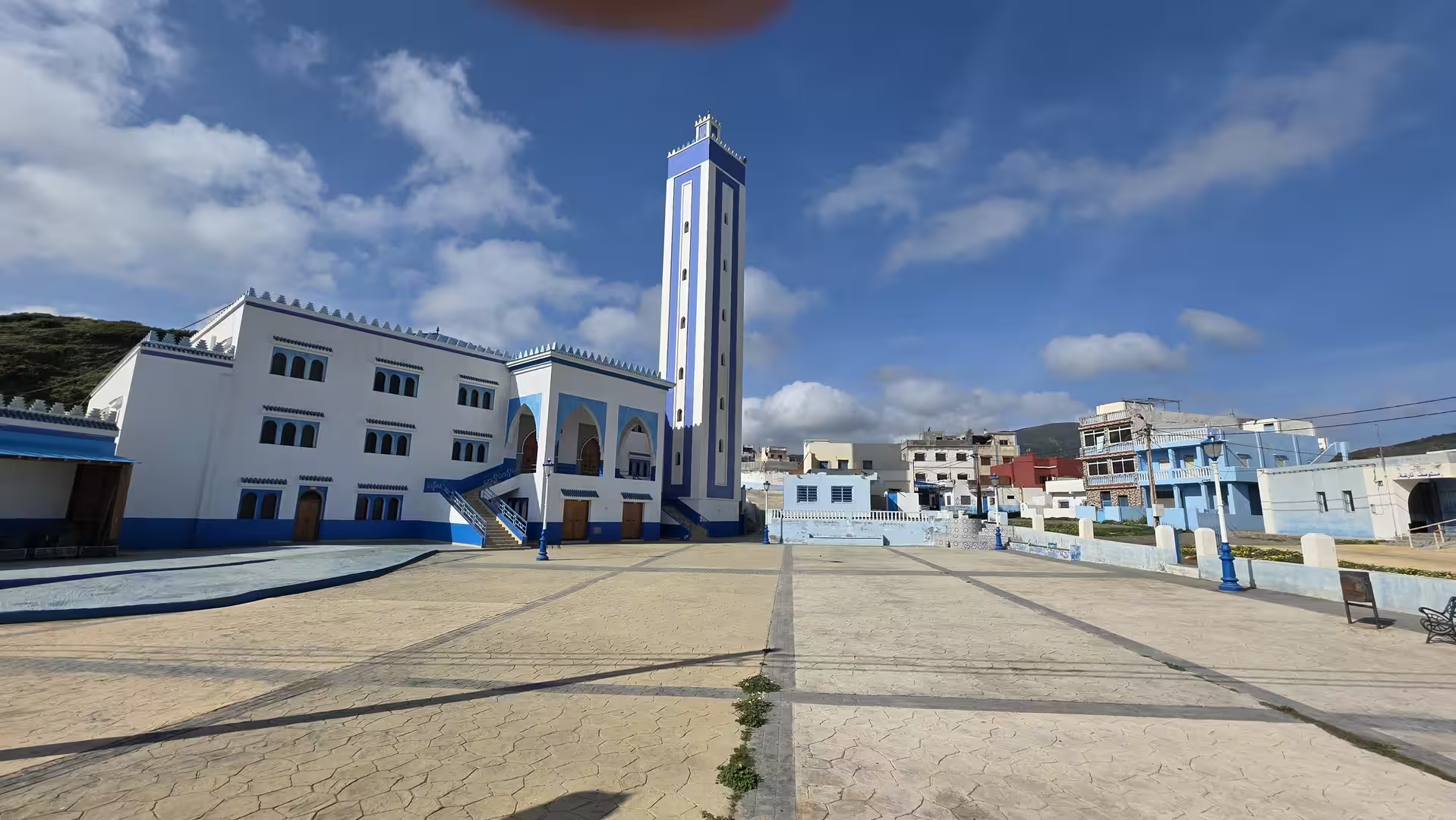
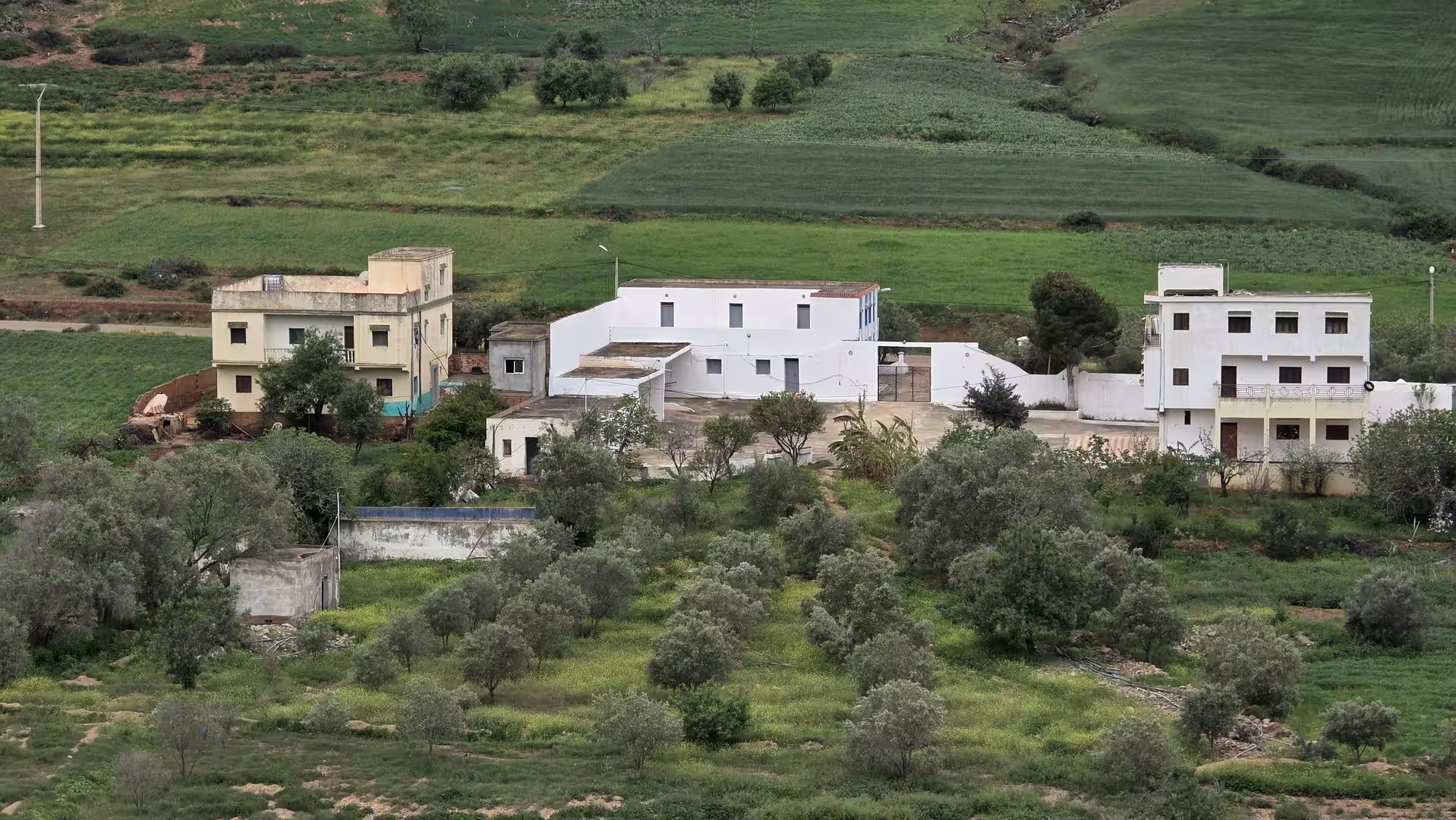

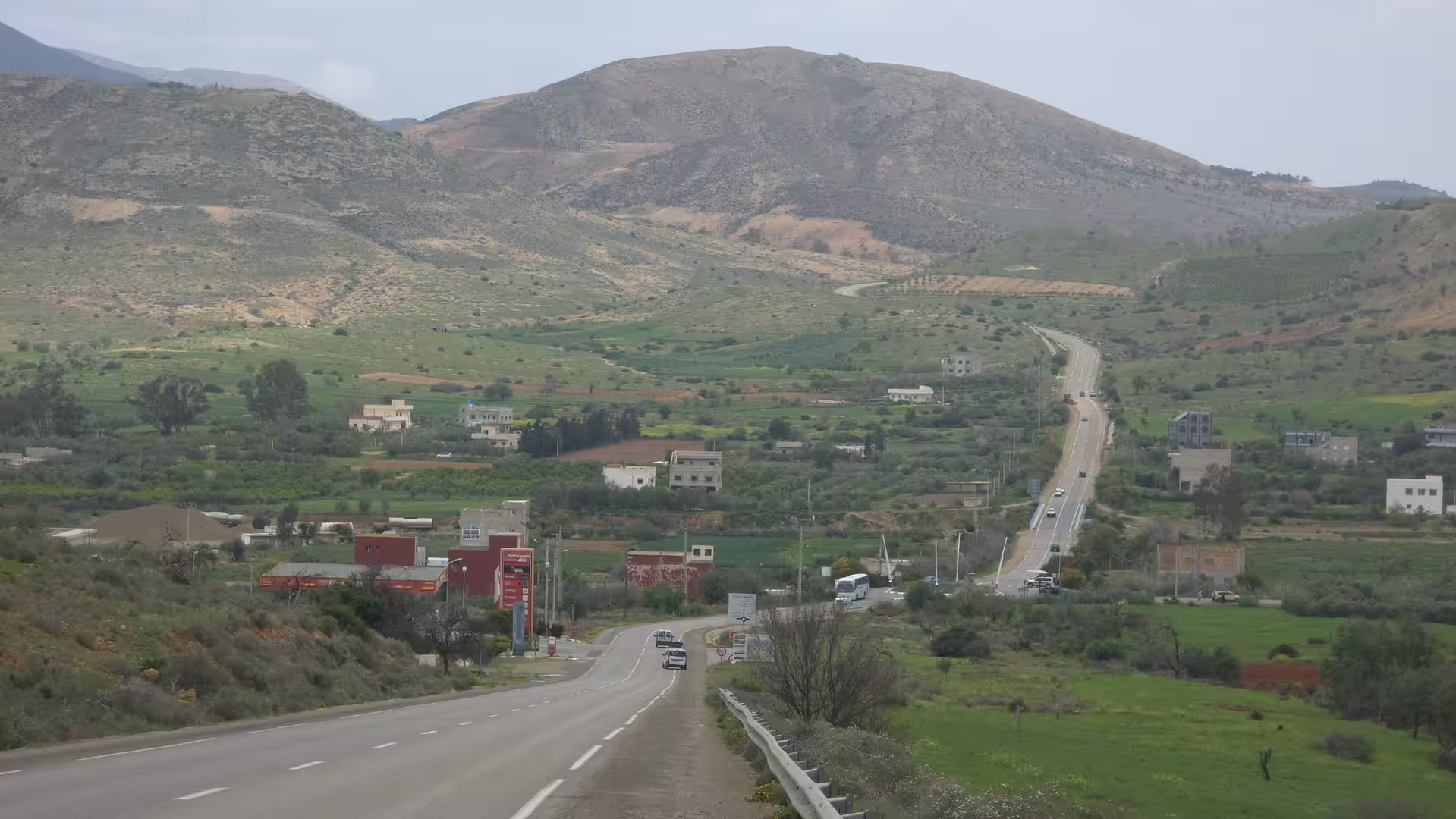
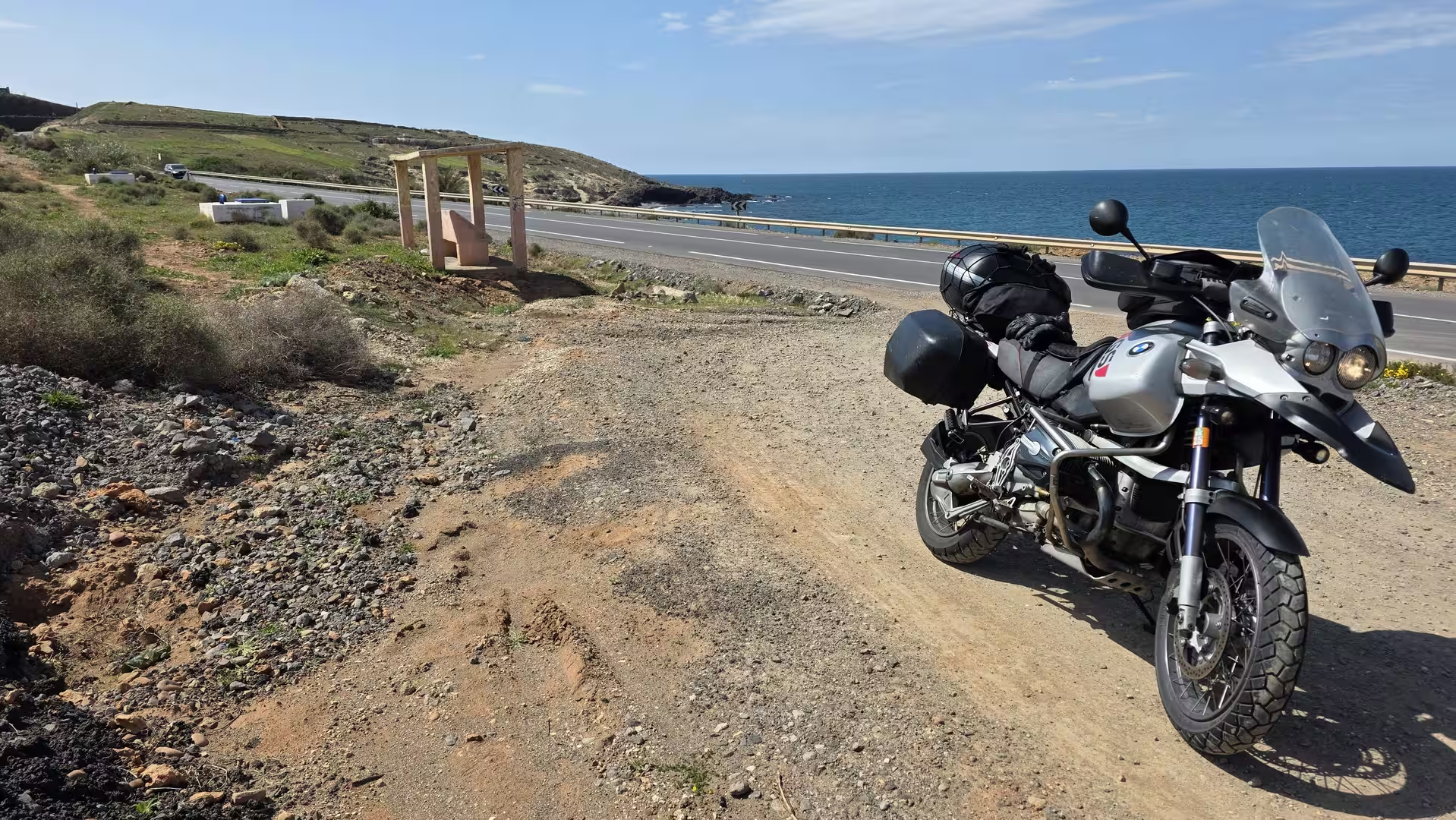


Journal Notes
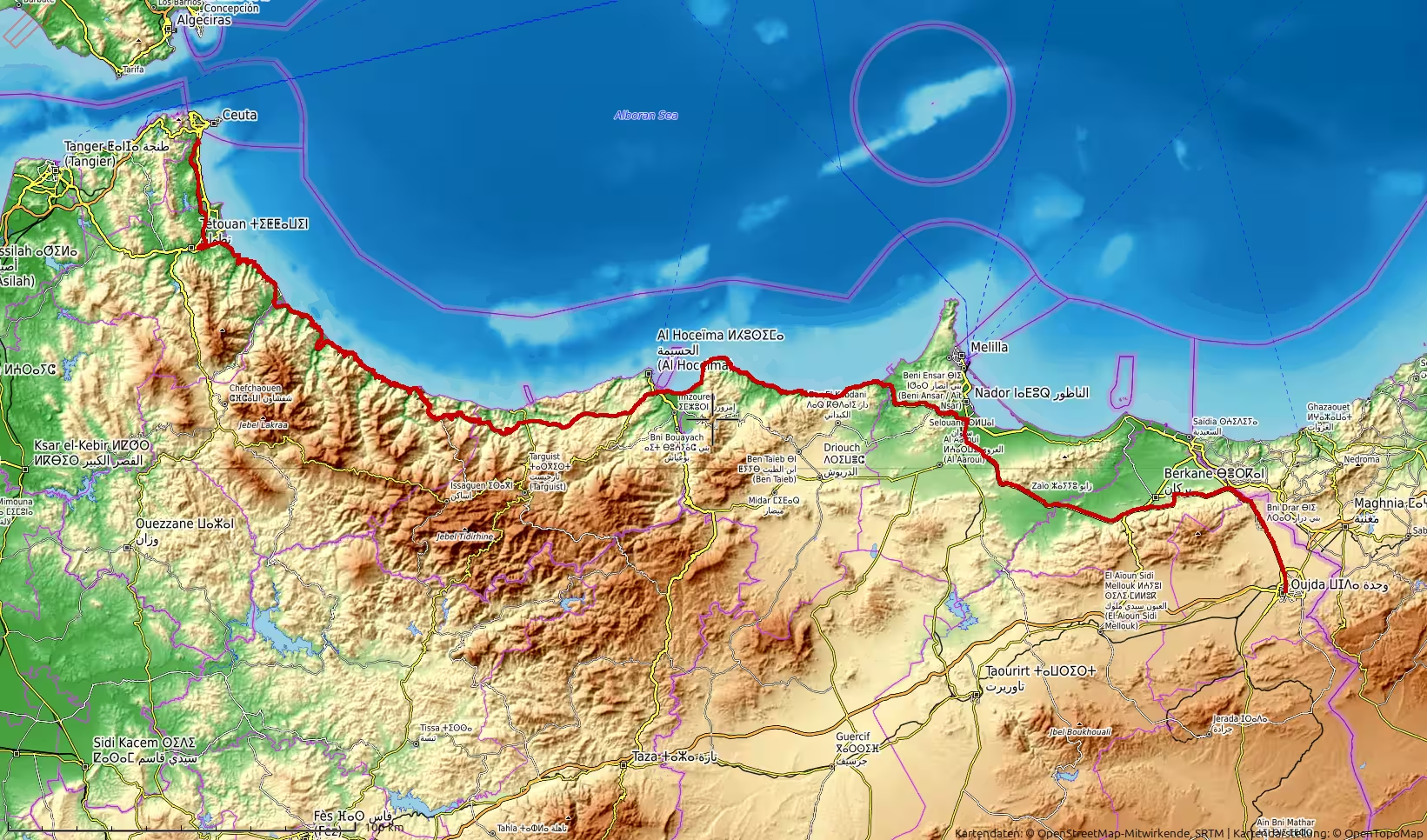
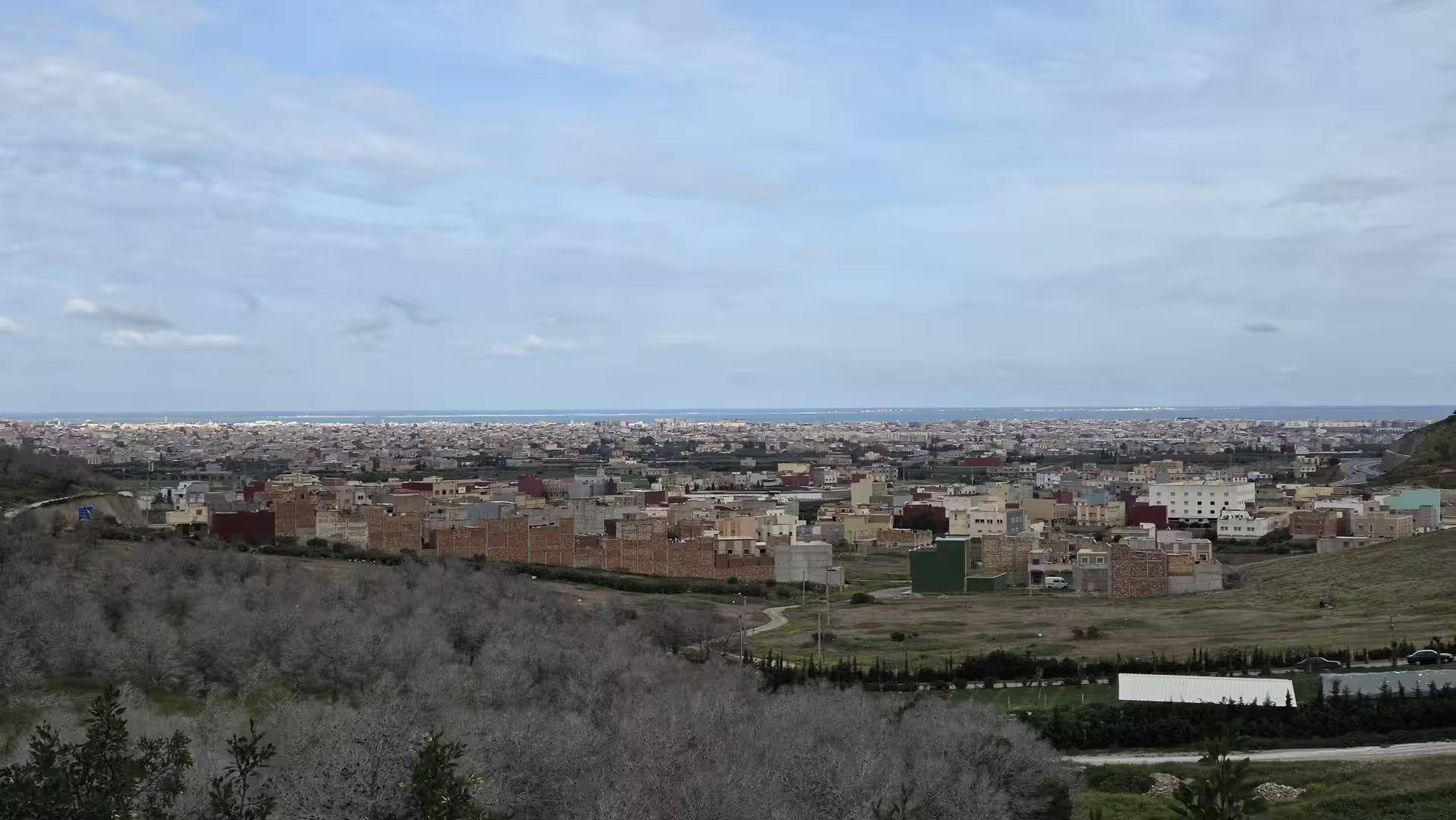
A long road journey across northern Morocco, from the Mediterranean coast near Fnideq to the inland city of Oujda. The route passes through Tétouan, the Rif Mountains, the Al Hoceima region, Nador, and the dry eastern landscapes of Morocco. Over more than 500 kilometers, the drive changes constantly: from busy coastal roads to winding mountain sections, from remote Mediterranean scenery to open inland terrain. It is a demanding but rewarding route for travelers who enjoy scenic driving, changing landscapes, and the feeling of crossing a country by road.
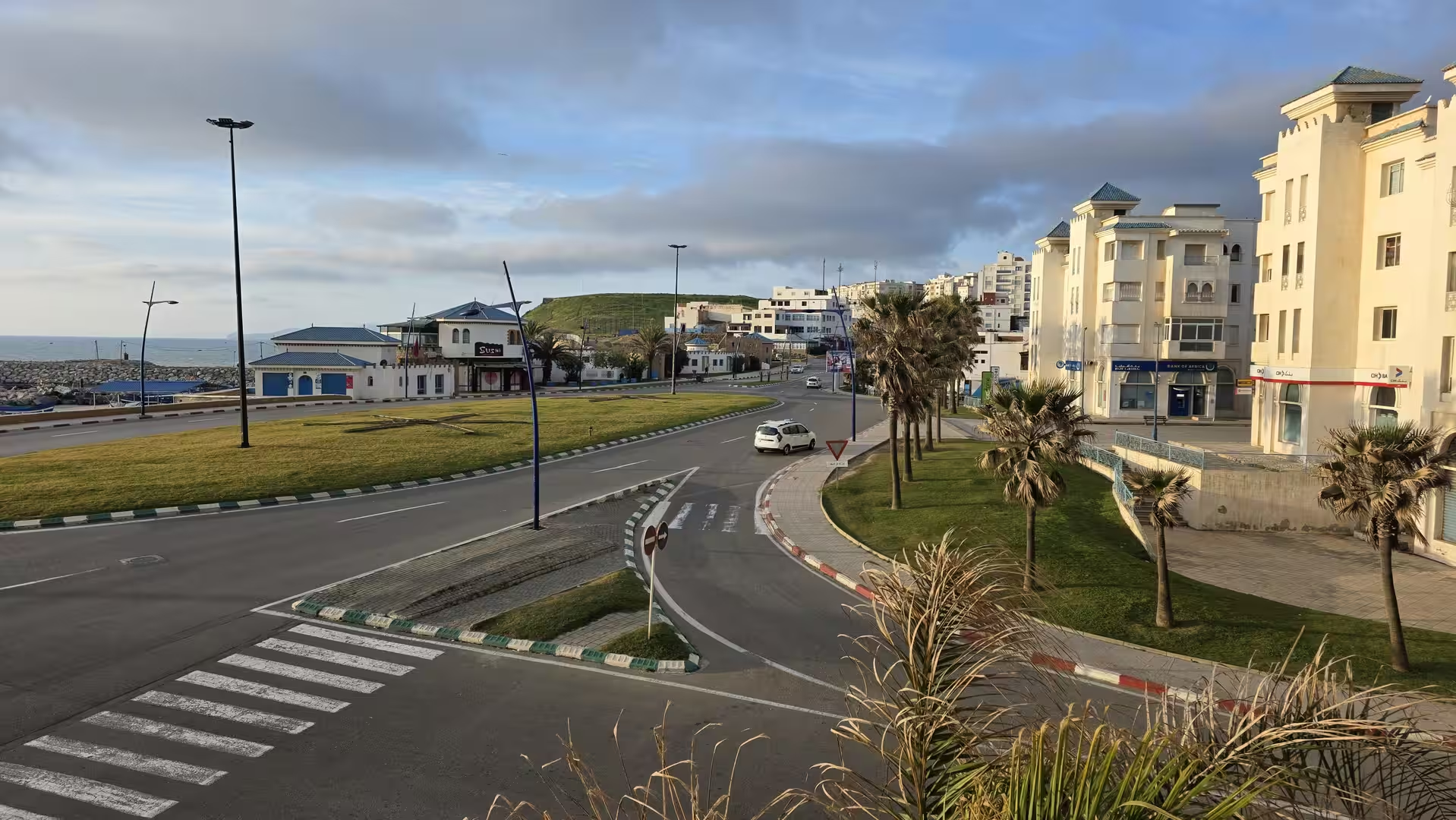
The journey began in the far north of Morocco, close to Fnideq and the Mediterranean coast. It was still morning when the route left the busy border region behind and turned south toward Tétouan. At first, the road passed through a landscape shaped by towns, traffic, and the closeness of the sea. The Mediterranean was never far away, but the mountains already appeared in the background, giving a first impression of the terrain that would define much of the day.
After Tétouan, the character of the journey changed noticeably. The road became more winding, the settlements smaller, and the landscape more dramatic. The route entered the western Rif, where the mountains rise close to the coast and the road follows the shape of the valleys and slopes. This was no longer a simple transfer between two places. It became a long scenic drive through one of the most varied regions of northern Morocco.
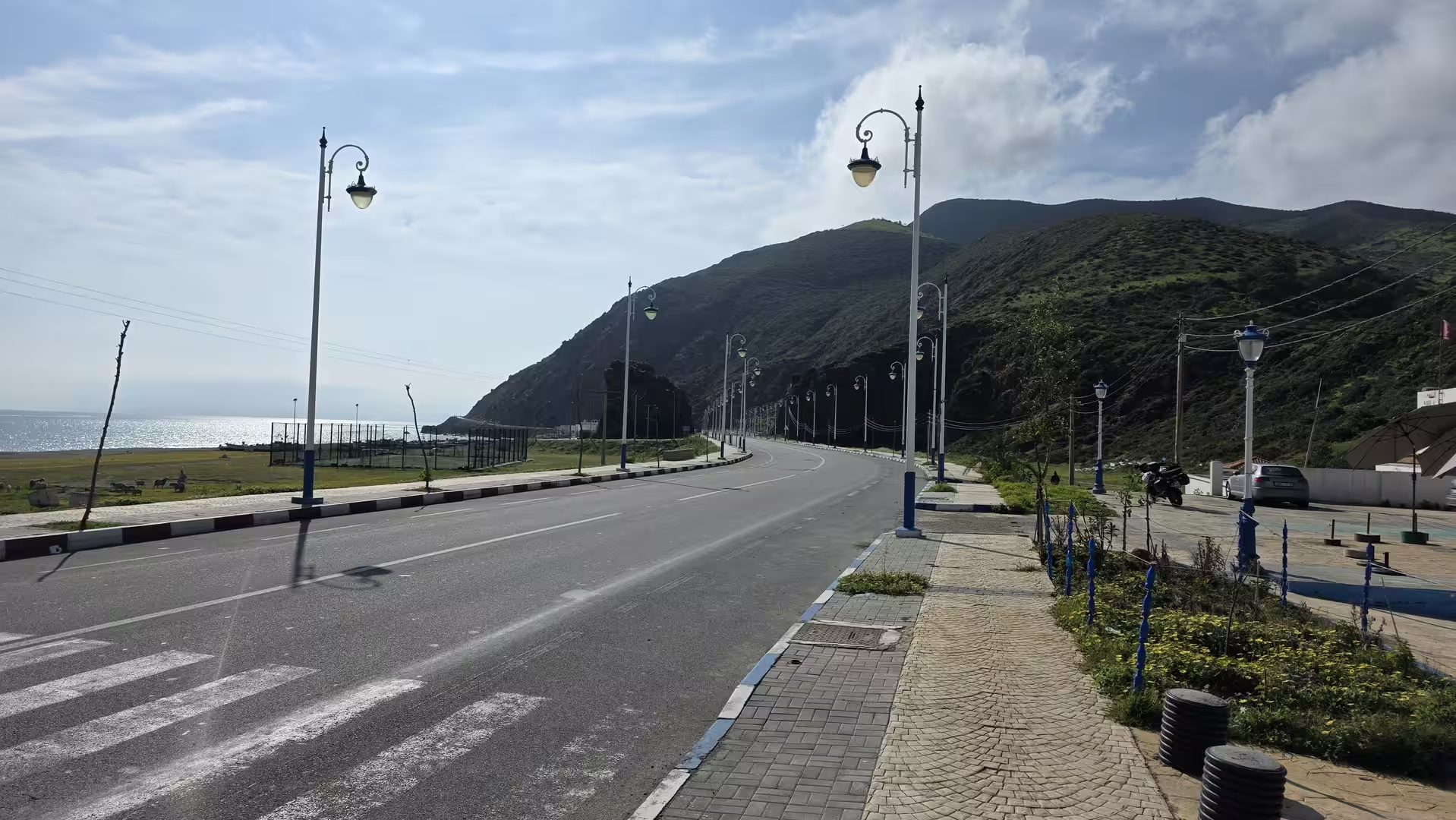
The road continued eastward, gradually approaching the Mediterranean coastline. Around the coastal areas beyond Tétouan, the scenery opened again and again toward the sea. The route passed through a mixture of hills, valleys, villages, and dry mountain slopes. Some sections felt enclosed by the terrain, while others offered wider views across the coast. The pace was naturally slower here. Curves, climbs, descents, and local traffic gave the drive a steady but unhurried rhythm.
Late in the morning, there was a longer stop in the Rif region. After several hours on the road, this break came at the right moment. It divided the day into two clear parts: the morning drive from Fnideq through Tétouan and into the western Rif, and the long continuation eastward toward Al Hoceima, Nador, and finally Oujda. In this part of Morocco, stopping is not just practical. It is part of the experience. The landscape invites pauses, whether for a view, a short rest, or simply to take in the atmosphere of the road.
After the break, the route continued through more mountainous terrain. The road climbed and descended repeatedly, moving between higher inland sections and lower areas closer to the coast. At its highest point, the track reached almost 800 meters above sea level. This constant change in altitude made the journey especially varied. At times the drive felt like a mountain crossing; at other moments, the Mediterranean landscape returned with bright light, open views, and the feeling of being close to the sea.
By early afternoon, the route approached the wider Al Hoceima region. This part of the journey had a different mood. The coast felt more remote, the mountains more rugged, and the road less connected to the busy western north of Morocco. Al Hoceima and its surroundings mark one of the most scenic parts of the northern coastline. The landscape here combines cliffs, hills, dry slopes, and coastal views, creating a strong contrast between the blue Mediterranean and the rough terrain of the Rif.
East of Al Hoceima, the journey slowly began to change again. The road still followed northern Morocco, but the landscape became broader and drier. The mountains no longer felt as tight around the route as before. The drive became more open, and the sense of distance increased. Short stops along the way broke up the afternoon, but most of the route continued steadily toward the east.
Later in the day, the road reached the wider Nador region. This was another transition point. Until then, the journey had been strongly shaped by the Mediterranean coast and the Rif Mountains. After Nador, the route turned more clearly inland. The scenery became less coastal and more continental. The land opened up, the colors became drier, and the journey started to feel like an approach to Morocco’s eastern interior.
The final stretch toward Oujda had a completely different atmosphere from the start of the day. The sea was now far behind, and the road crossed a wider inland landscape. The terrain rose again, and the destination lay at a noticeably higher elevation than the starting point near Fnideq. After hours of coastal roads, mountain curves, and changing scenery, Oujda appeared as the end of a long eastbound crossing.
The track ended in the early evening, after more than ten hours of travel and around 511 kilometers on the road. It had been a full day of driving, but also a journey through several different faces of northern Morocco. From the Mediterranean coast near Fnideq to the urban gateway of Tétouan, from the winding Rif roads to the Al Hoceima coast, from the Nador region to the dry inland approach to Oujda, the route showed how varied this part of the country can be.
This is not a route for travelers who only want to reach their destination quickly. It is a route for those who enjoy the road itself. The reward lies in the gradual changes: the morning light near the coast, the mountain roads of the Rif, the glimpses of the Mediterranean, the open eastern landscapes, and finally the arrival in Oujda. In a single day, the journey connects the sea, the mountains, and Morocco’s northeast, making it one of the most memorable long drives across northern Morocco.