
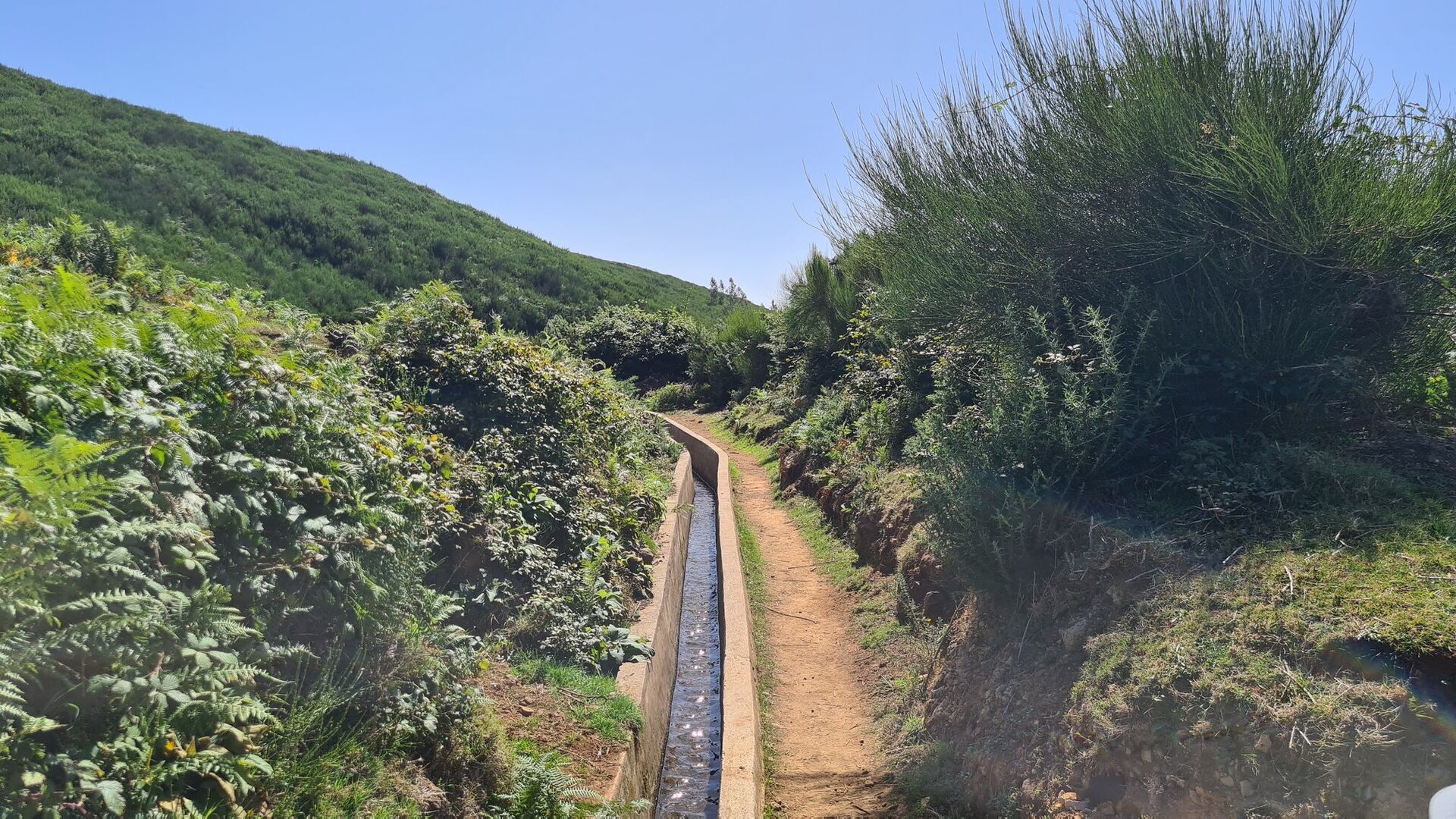



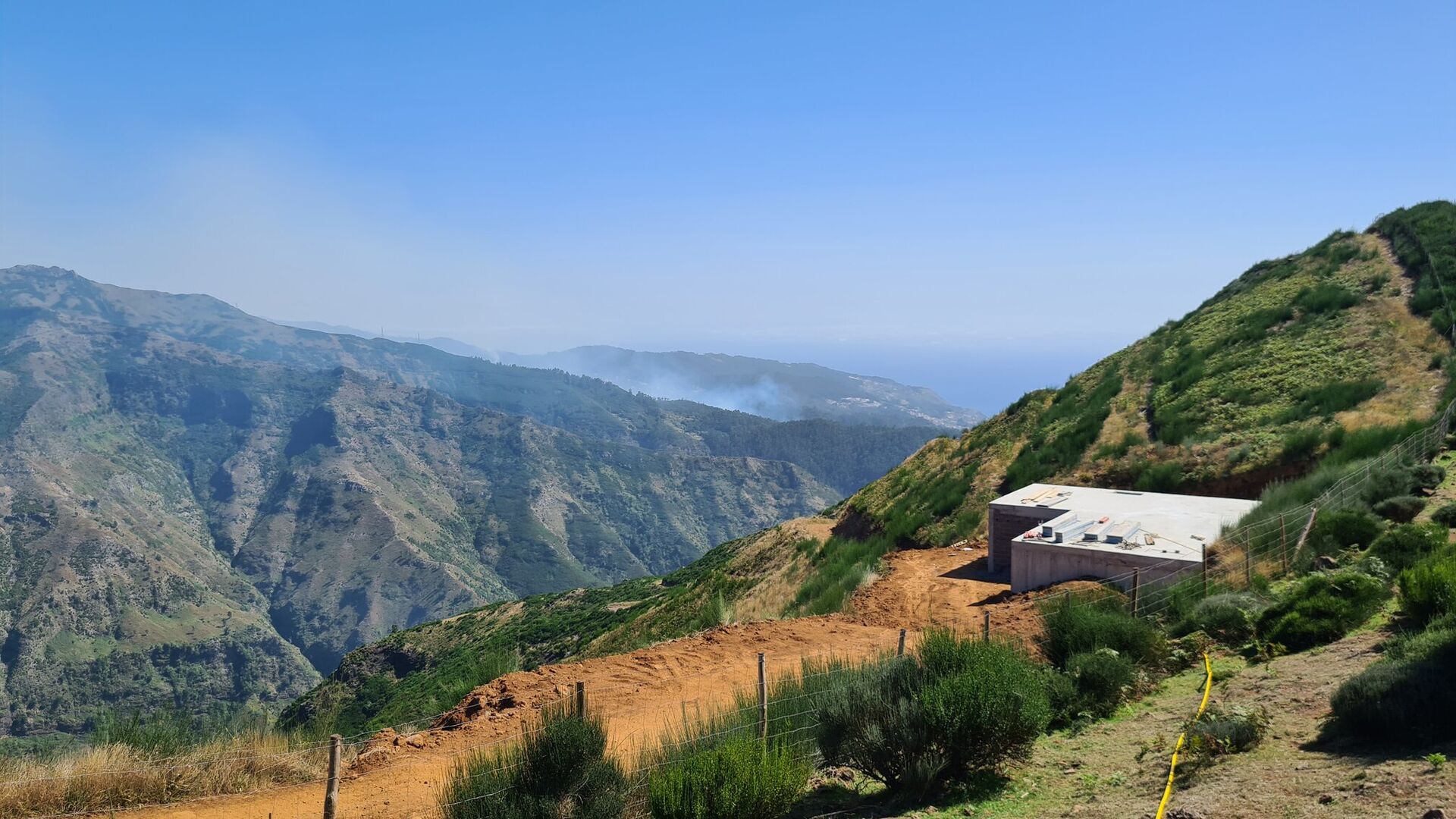

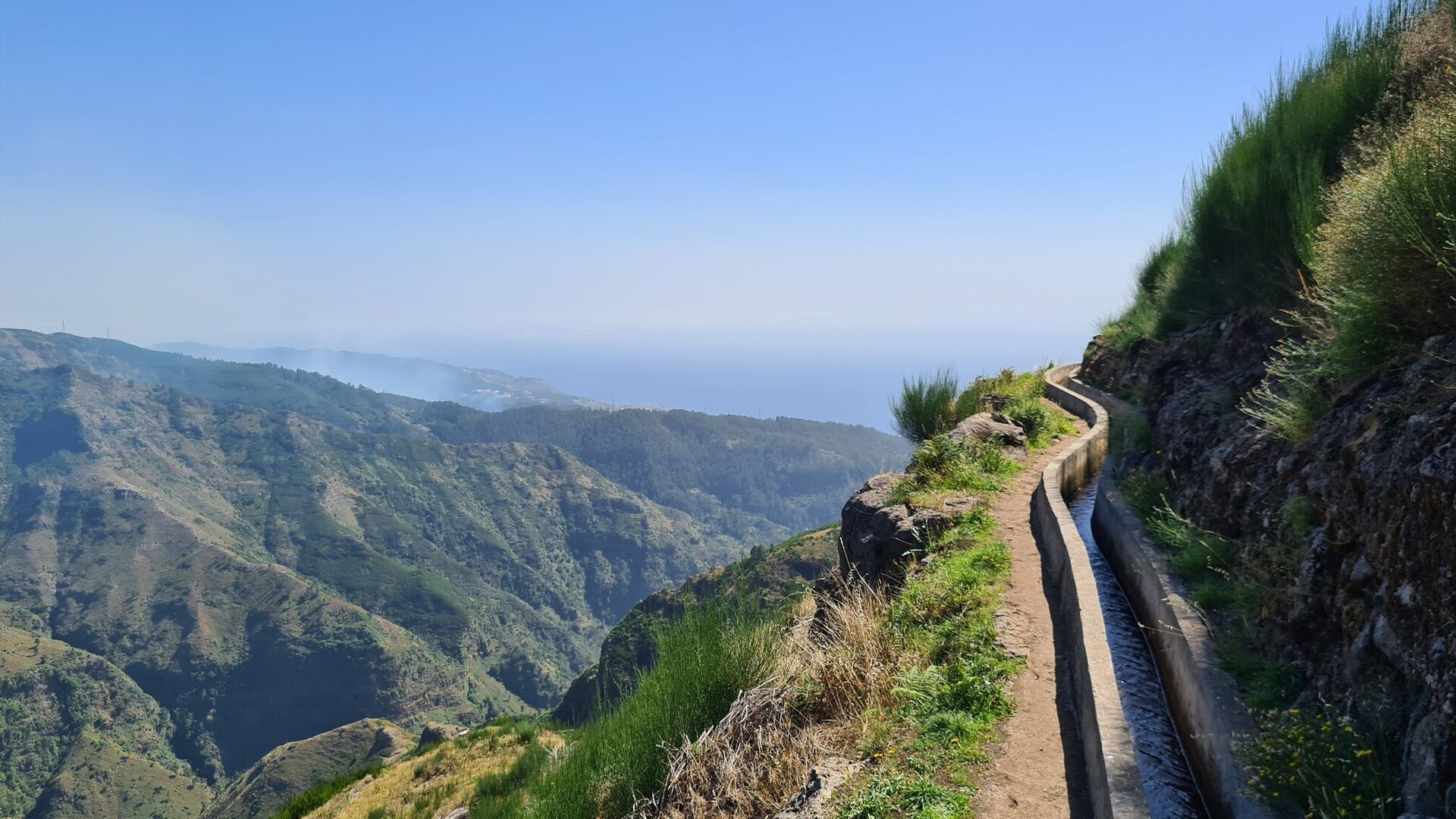
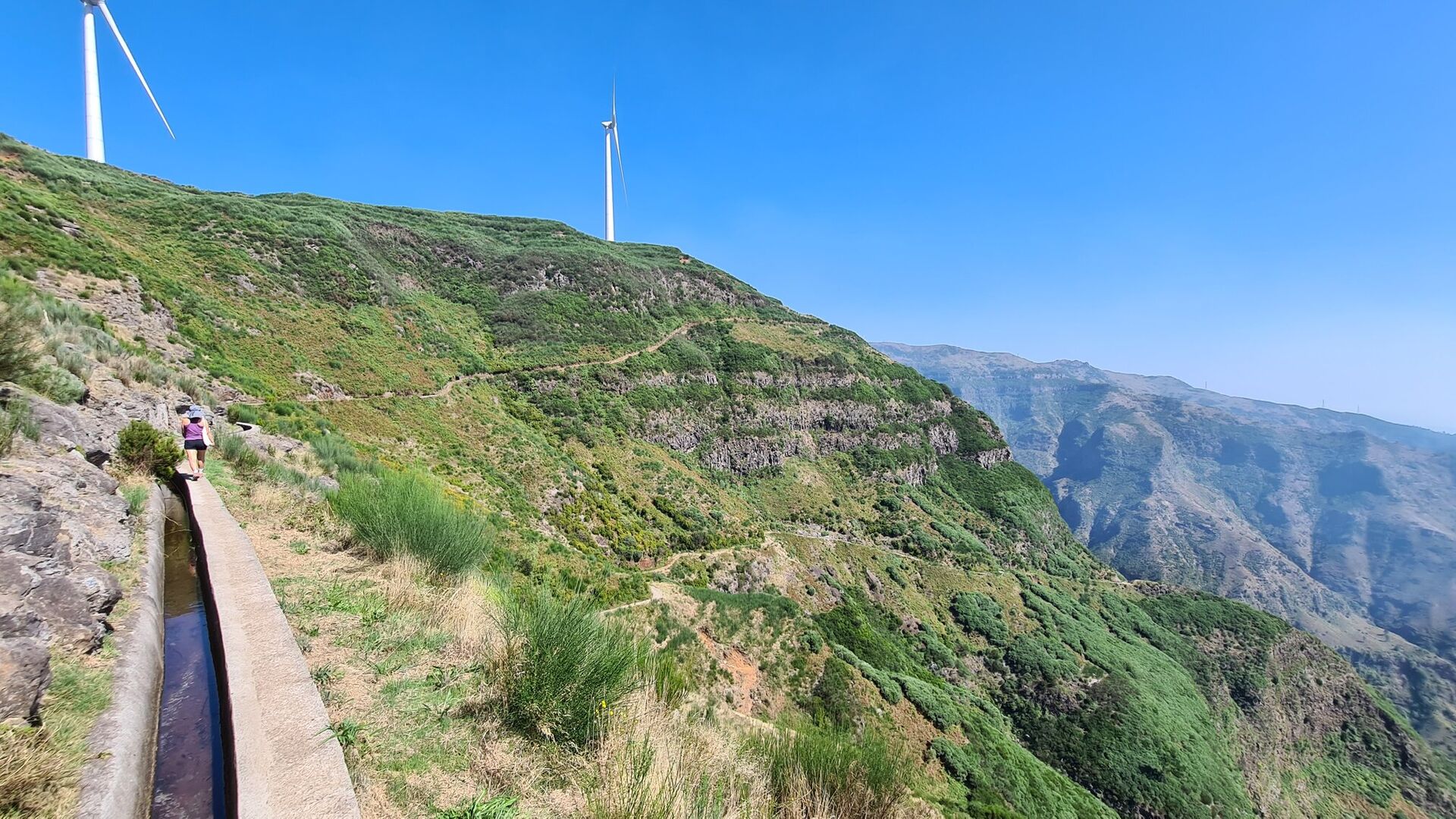
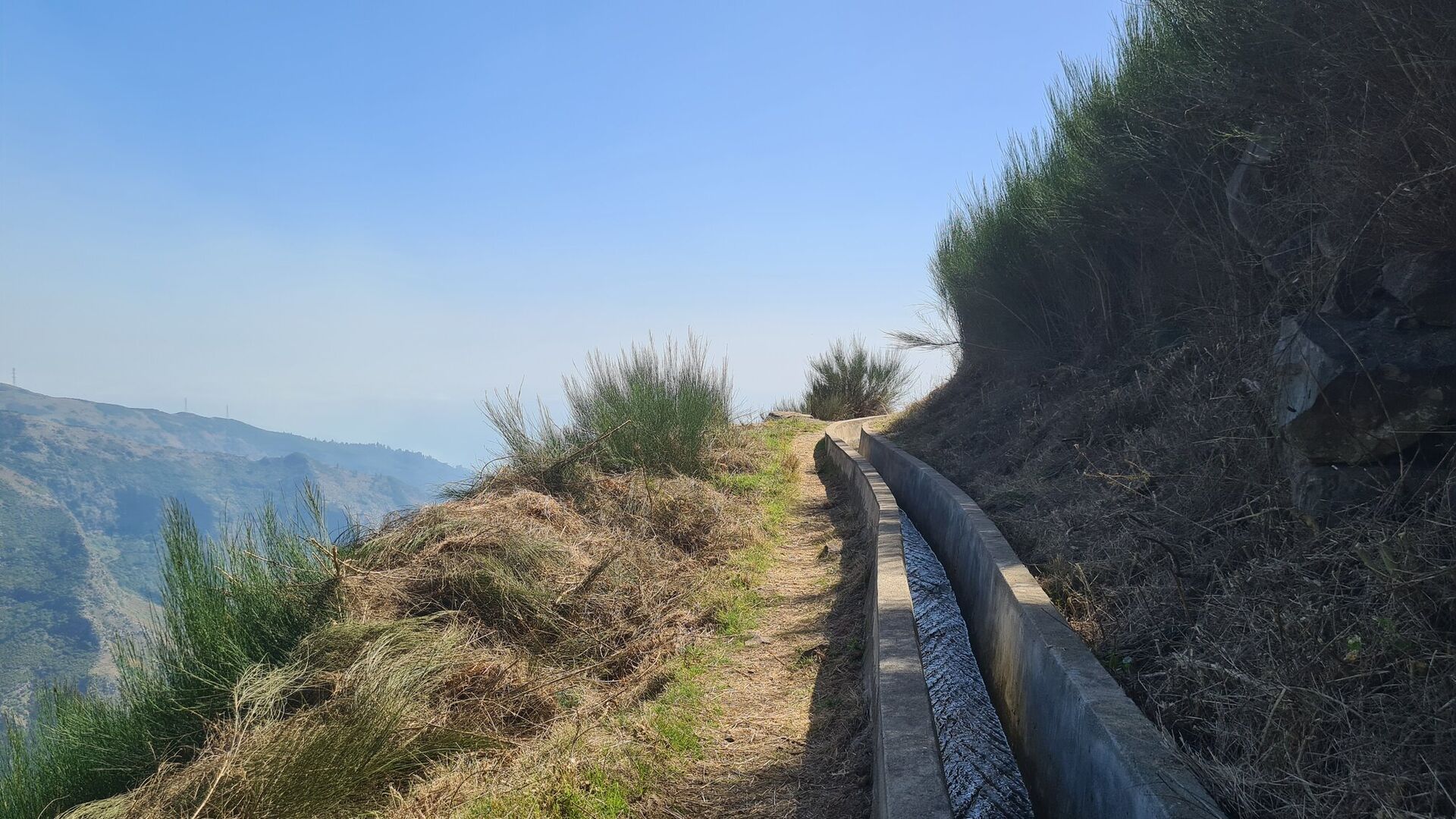
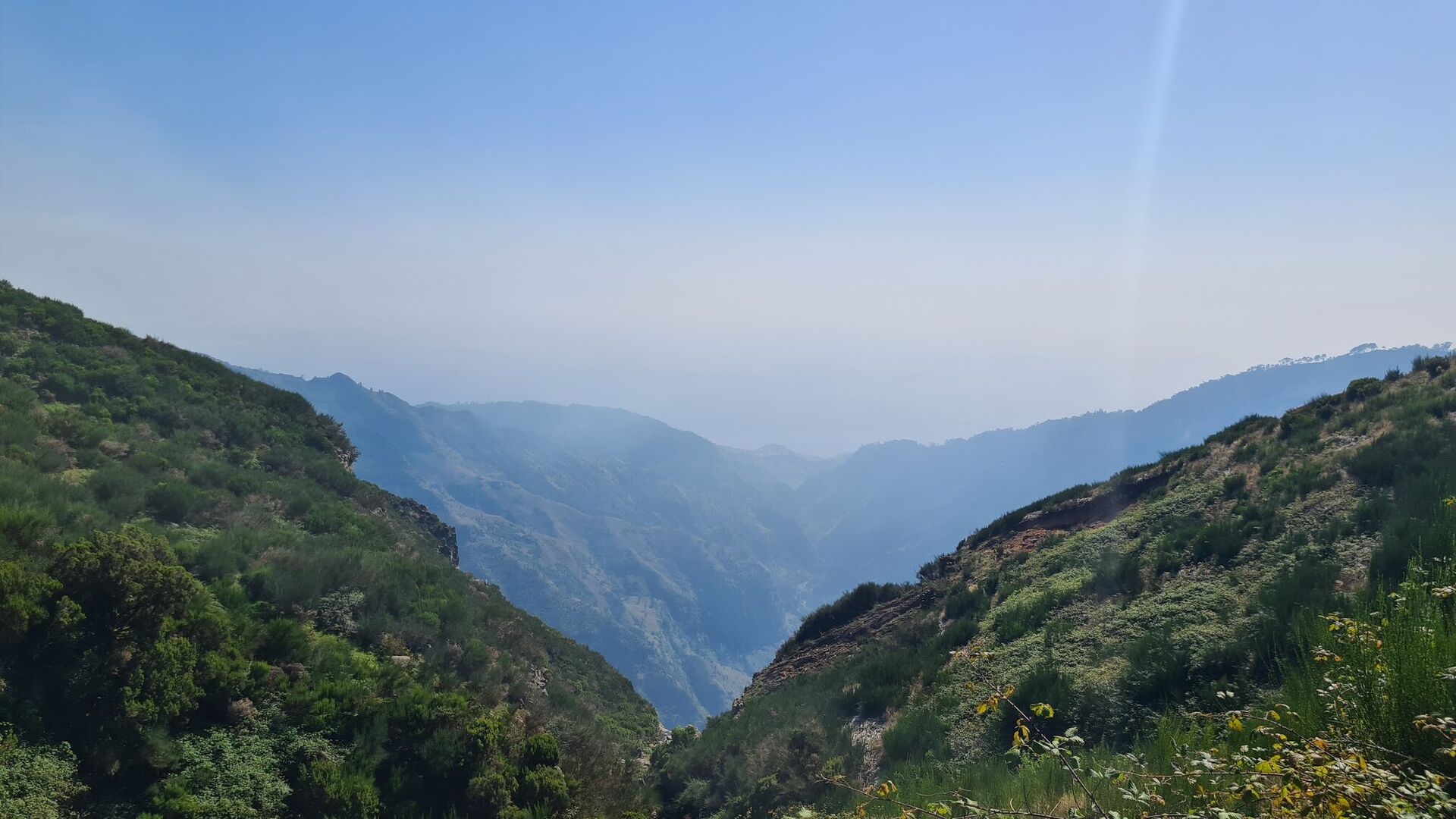
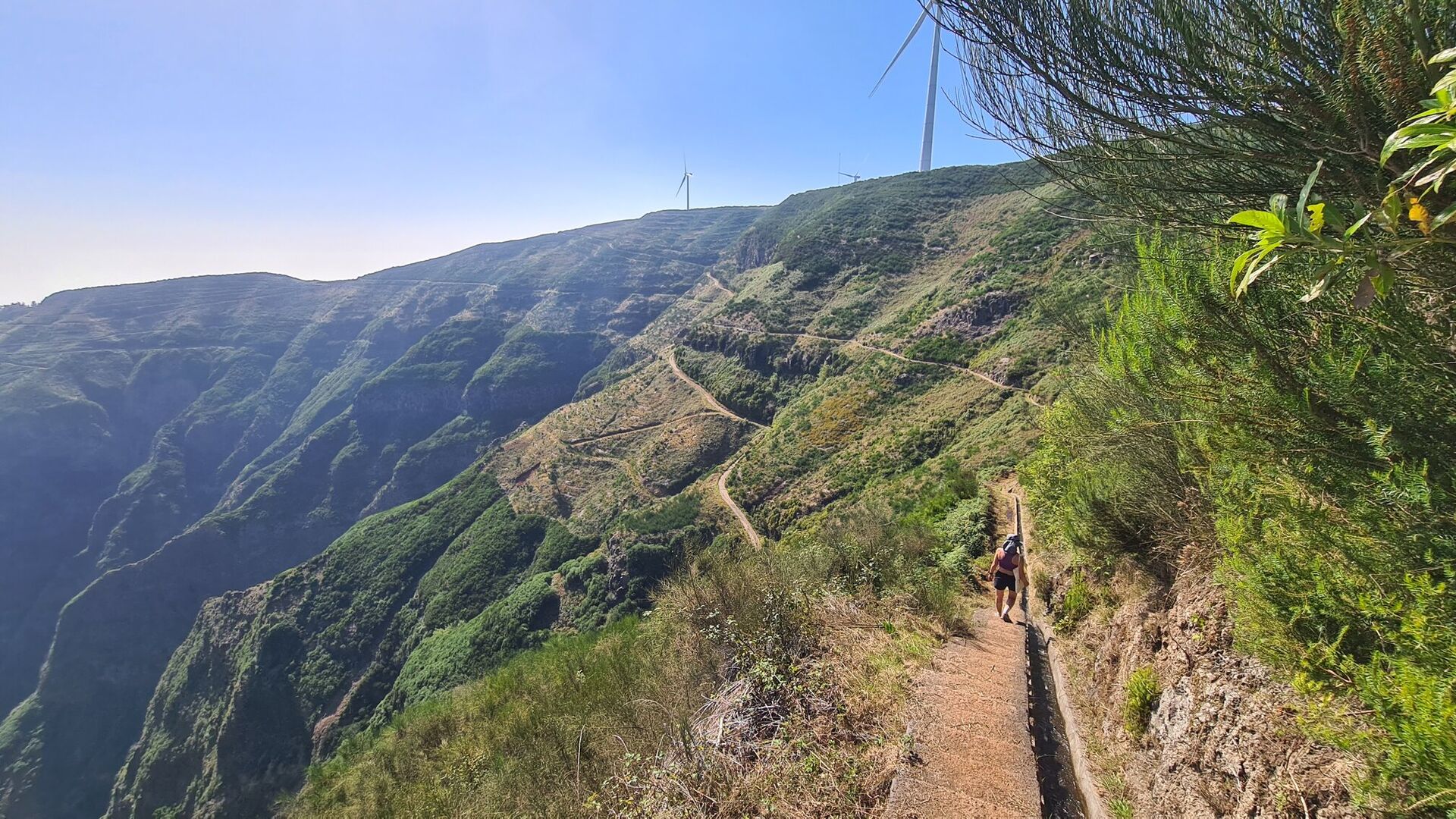

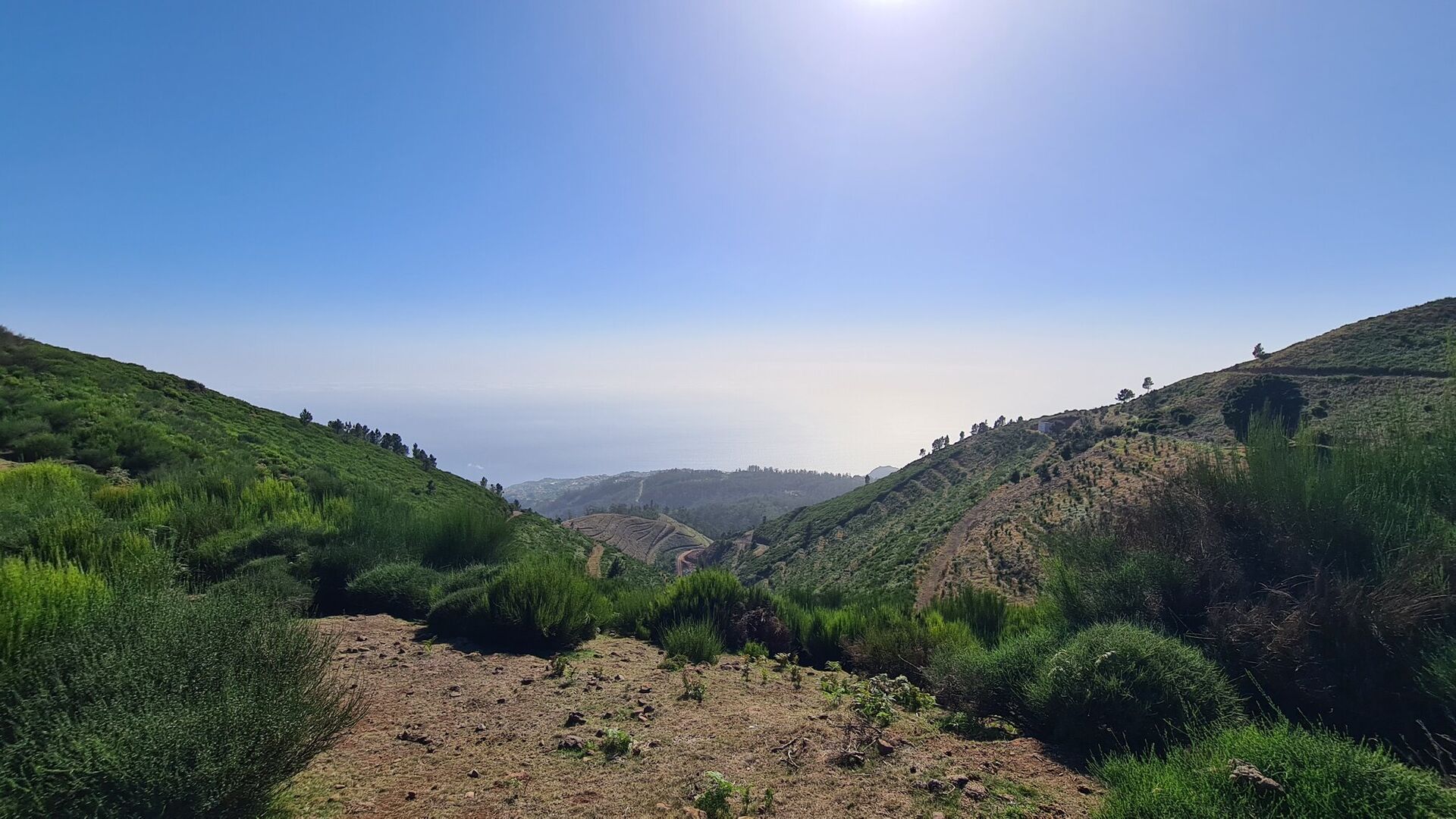

The levadas of Madeira represent one of the most extensive and historically significant water-management systems in the Atlantic island world. These linear irrigation channels traverse steep volcanic terrain, transporting water from the humid, high-precipitation regions of the island’s interior and northern slopes to drier agricultural zones, particularly along the southern coast. Beyond their technical function, levadas have profoundly shaped Madeira’s landscape, settlement patterns, and ecological structure and remain a defining feature of the island’s cultural and physical geography.
Historical Development
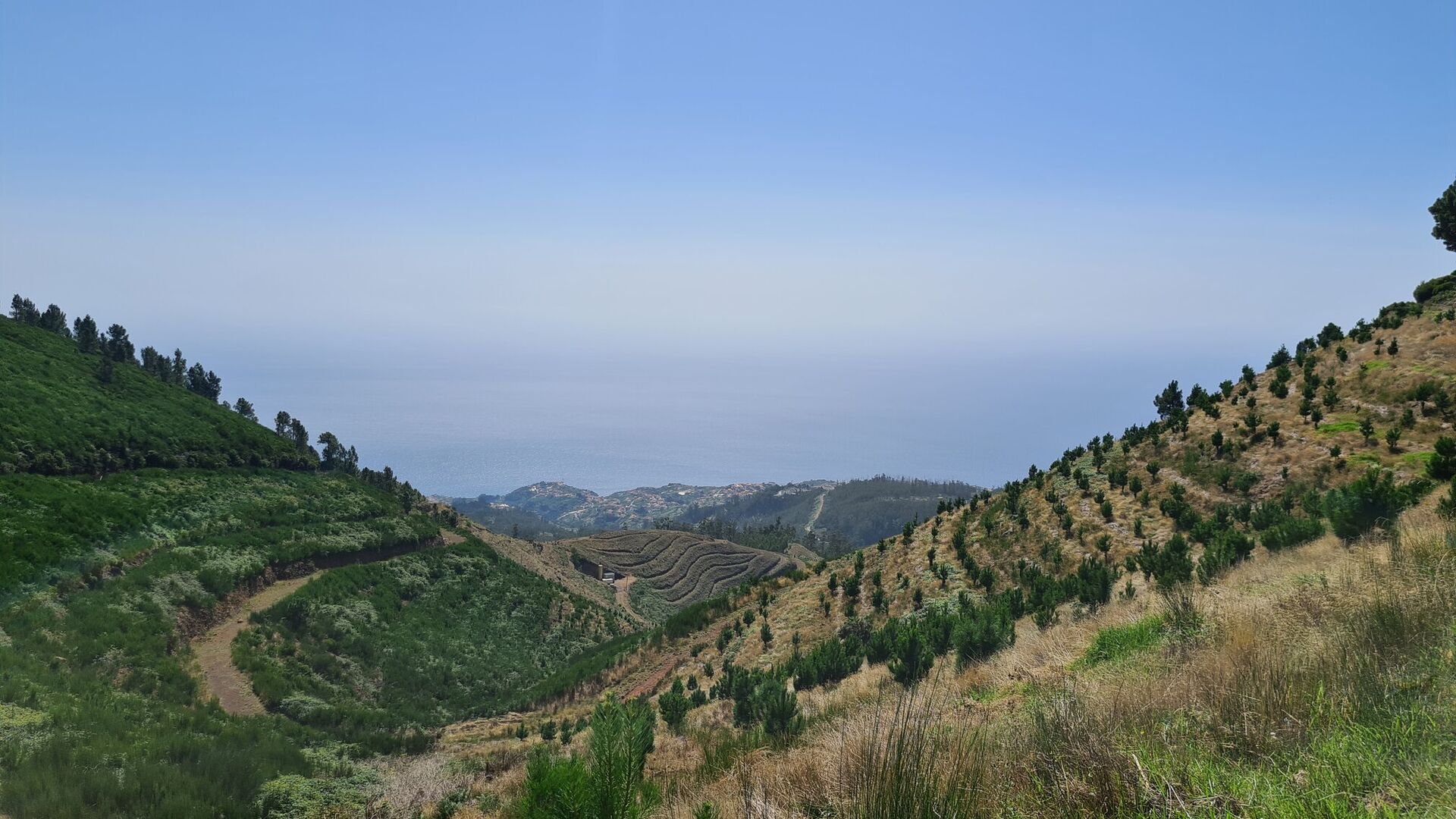
The construction of levadas began shortly after the Portuguese colonization of Madeira in the 15th century. Early settlers quickly recognized the uneven spatial distribution of rainfall caused by the island’s pronounced relief and orographic effects. While the northern and upland areas received abundant precipitation, southern slopes and coastal zones were comparatively dry but offered better conditions for settlement and agriculture.
To address this imbalance, settlers developed gravity-fed channels to divert water across watersheds and along contour lines. Initially built using simple tools and manual labor, early levadas were narrow, unlined channels carved into soil and rock. Over time, construction techniques evolved, incorporating stone lining, tunnels, aqueducts, and later concrete reinforcement.
During the height of sugarcane cultivation in the 15th and 16th centuries, levadas were critical to maintaining irrigation-dependent plantation agriculture. Their importance persisted as the island’s economy shifted toward viticulture and diversified agricultural production. Ownership and maintenance of levadas were historically governed by communal agreements, reflecting their central role in local livelihoods and social organization.
Engineering and Hydrological Function
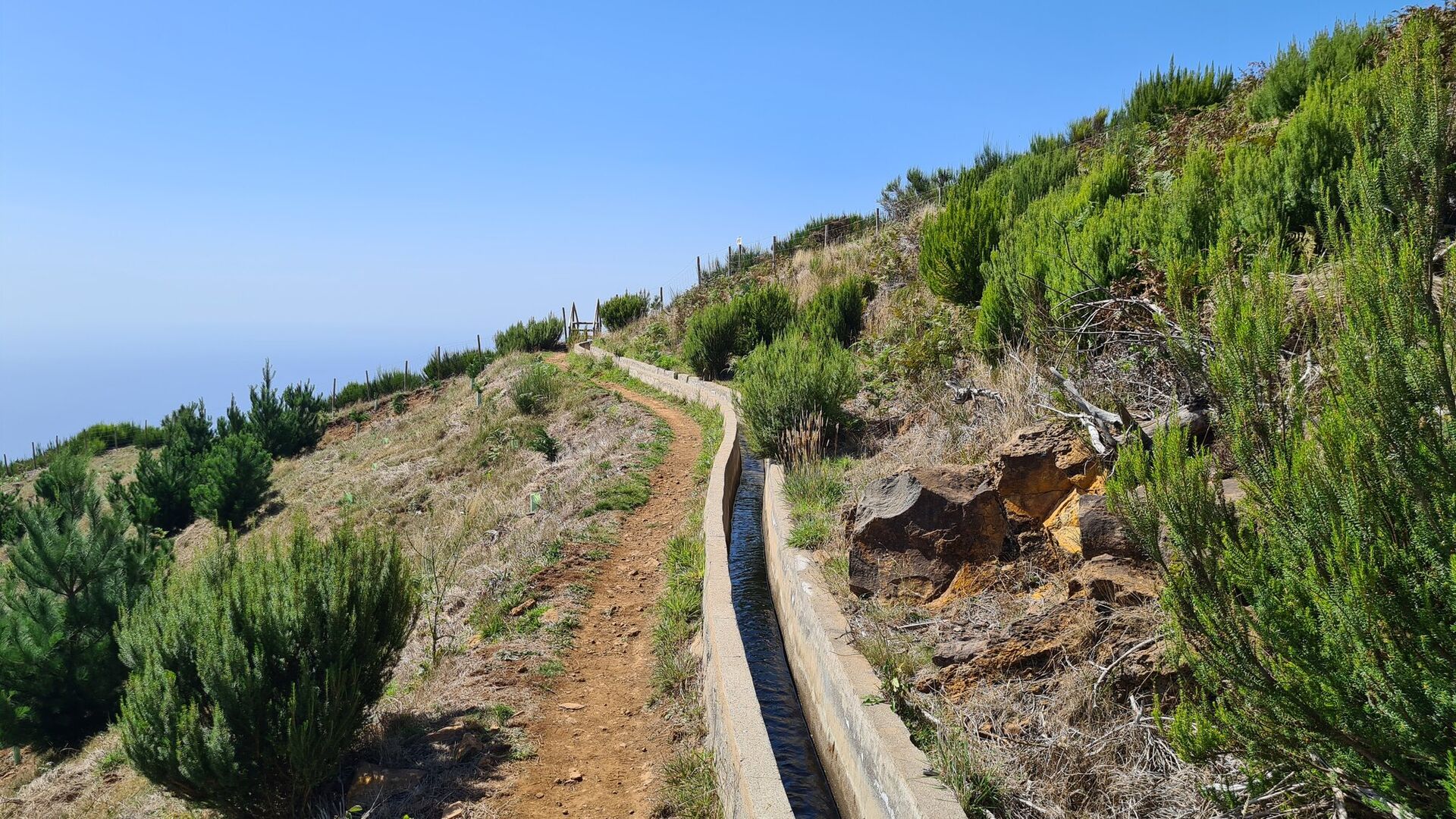
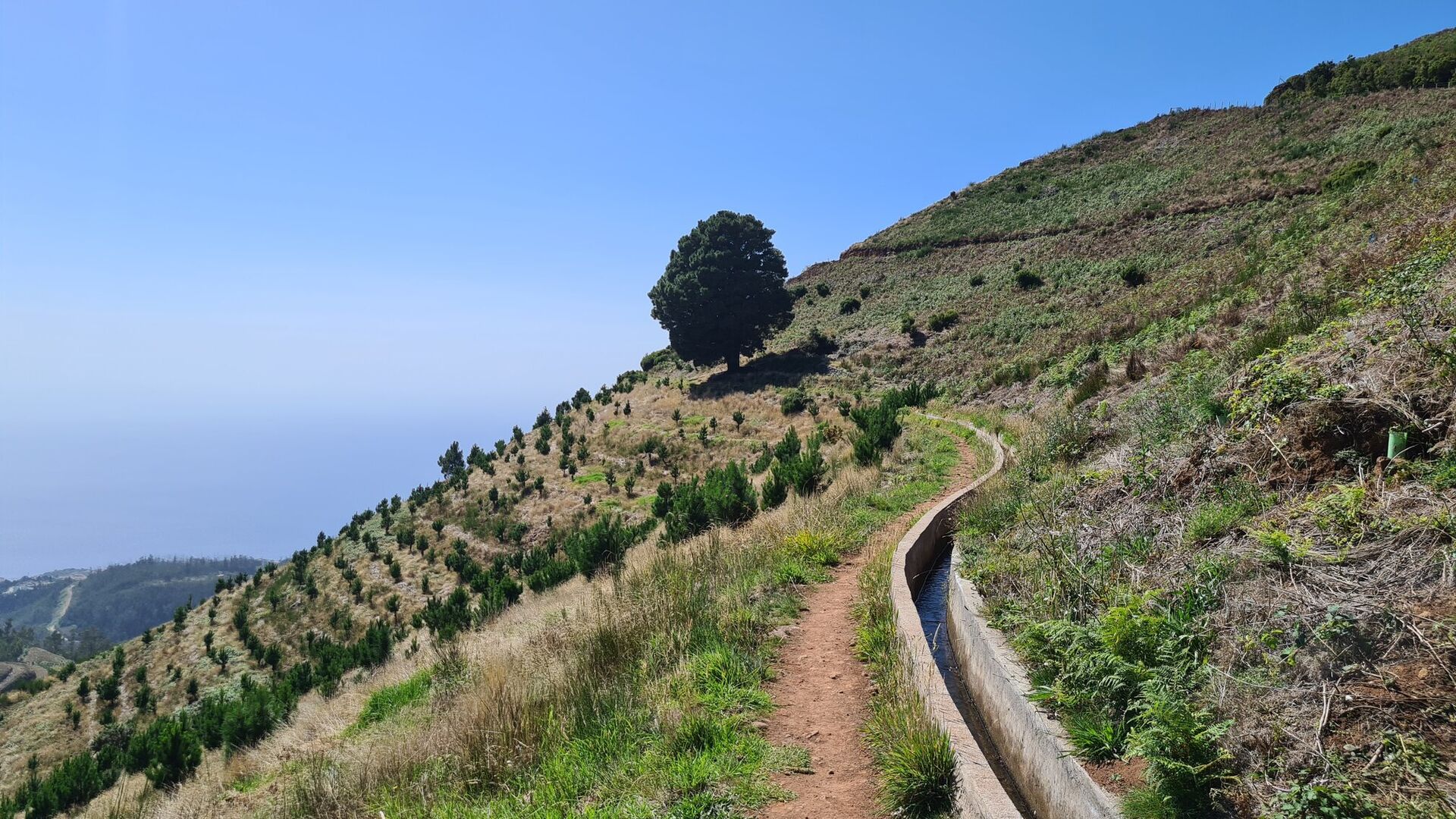
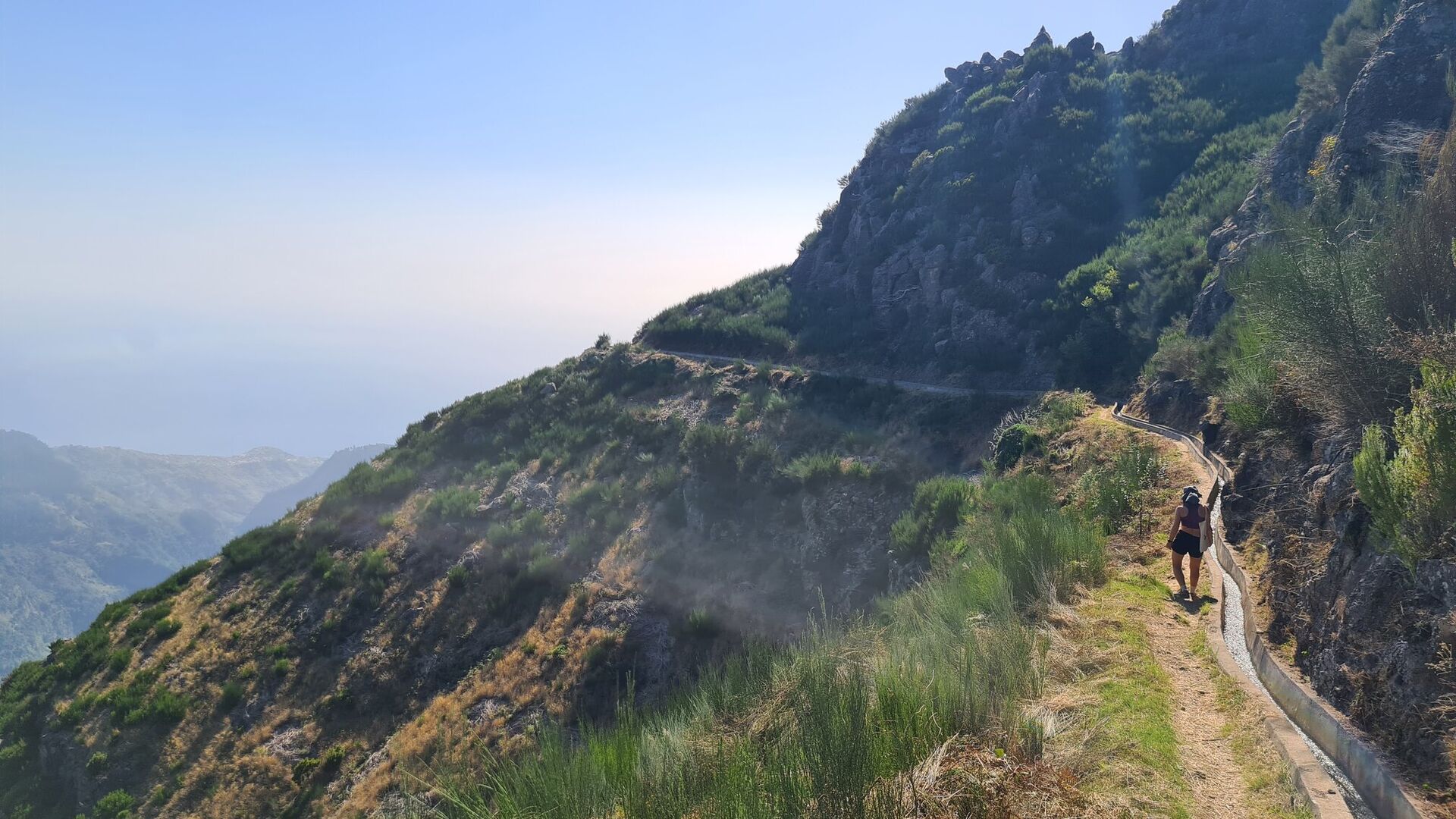
From an engineering perspective, levadas are gravity-driven water conveyance systems designed to maintain a minimal but constant gradient over long distances. This allows water to flow steadily without mechanical assistance, even across highly dissected terrain. Many levadas extend for tens of kilometers and include tunnels excavated through solid basalt, suspended channels along cliff faces, and stone aqueducts spanning ravines.
Hydrologically, levadas capture water from:
- perennial springs
- small upland streams (ribeiras)
- zones of high groundwater discharge
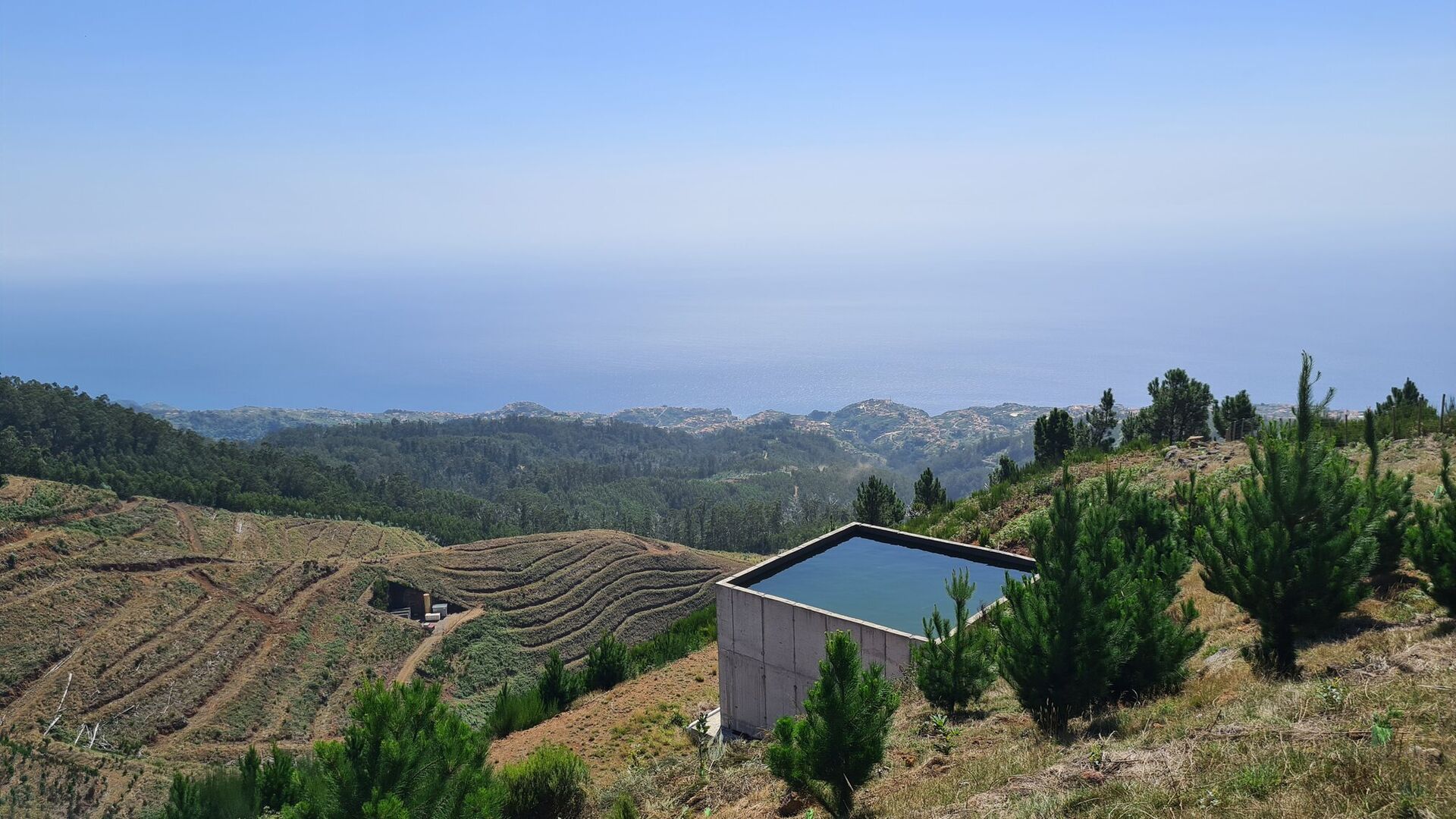
They redistribute this water to agricultural terraces, storage reservoirs, and settlements. In addition to irrigation, levadas contribute to groundwater recharge, regulate surface runoff, and locally modify soil moisture regimes. In modern contexts, parts of the levada system are also integrated into hydroelectric power generation and municipal water supply networks.
Geological and Geomorphological Context
The feasibility of levada construction is closely tied to Madeira’s volcanic geology. Basaltic bedrock provides structural stability for long, narrow channels carved into steep slopes. However, lithological variability—such as the presence of pyroclastic layers or altered volcanic material—also introduces zones of weakness that require reinforcement.
Geomorphologically, levadas act as linear features that intersect natural slope processes. They can influence erosion patterns by concentrating or redirecting water flow and, if poorly maintained, may contribute to slope instability. Conversely, in many areas, controlled water conveyance has reduced uncontrolled runoff and mitigated erosion over long periods.
Ecological Significance
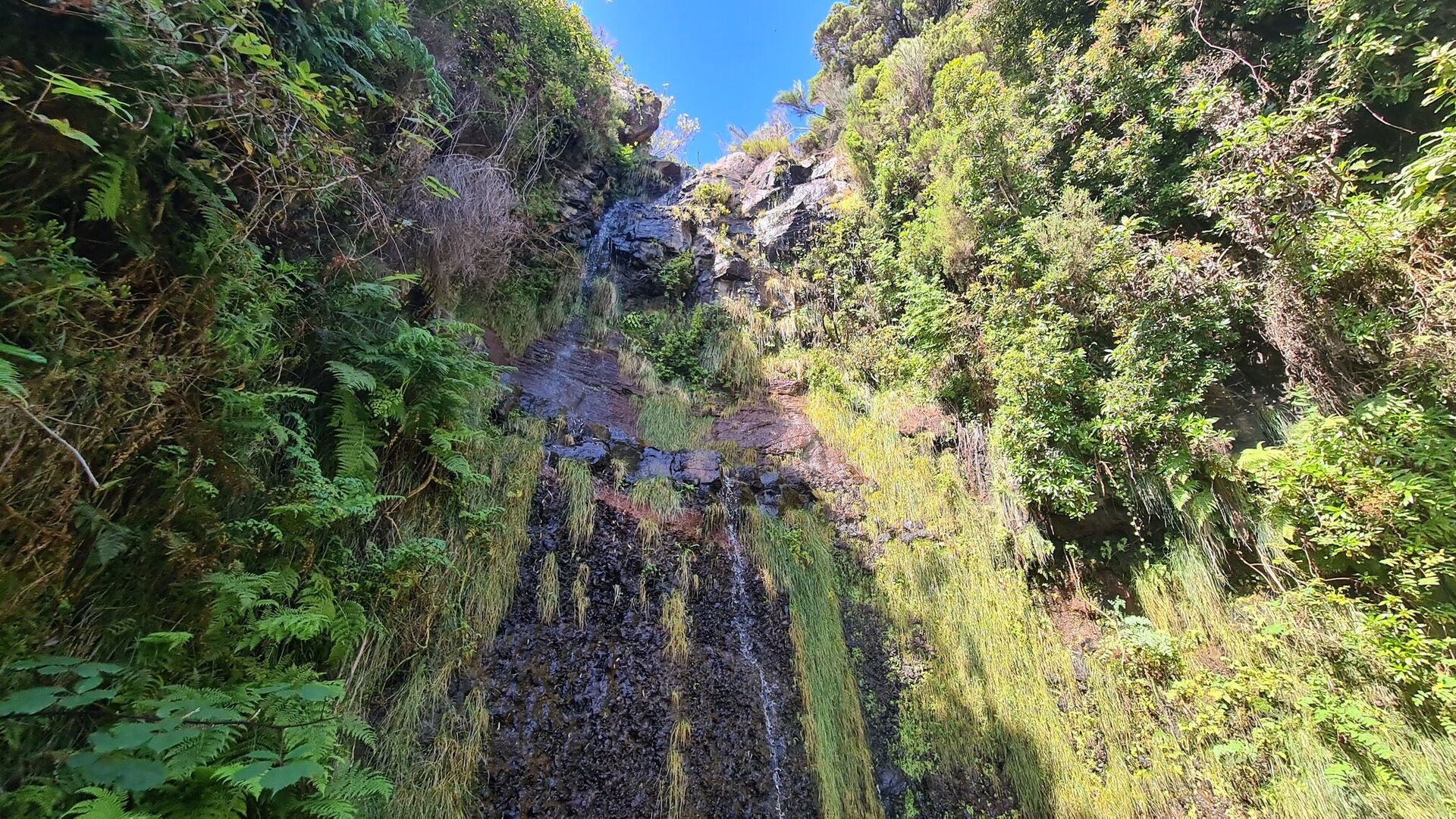
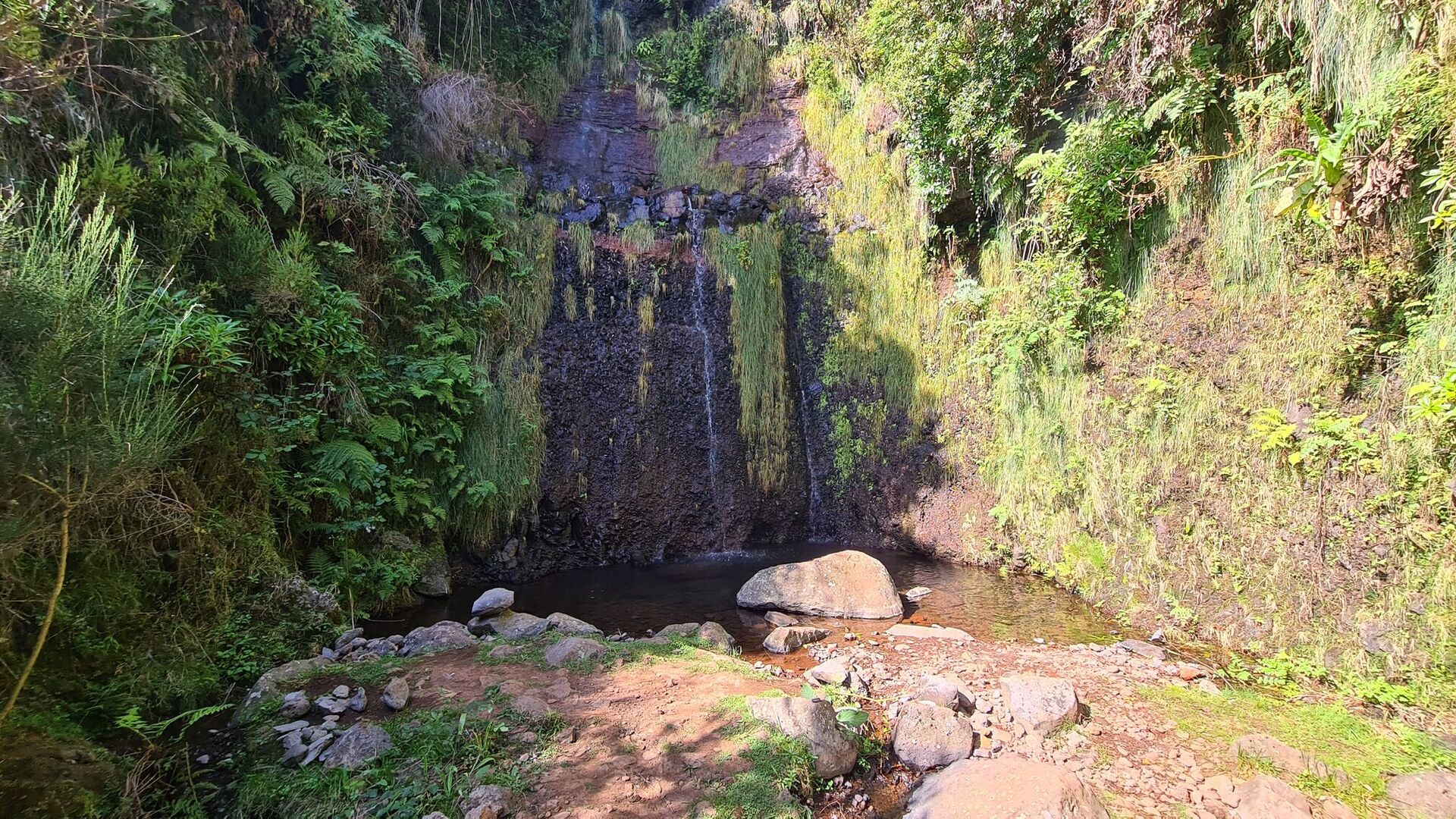
Ecologically, levadas function as artificial but ecologically integrated corridors. The continuous presence of water supports mosses, ferns, lichens, and shade-tolerant plant species along channel walls and paths. In humid zones, particularly within the Laurisilva forest, levadas enhance microhabitat diversity and provide dispersal routes for moisture-dependent organisms.
The narrow paths alongside levadas have minimal surface disturbance and often pass through otherwise inaccessible terrain, allowing large areas of native vegetation to remain intact. As a result, levada corridors contribute indirectly to biodiversity conservation, despite their anthropogenic origin.
Levadas and the Cultural Landscape
Levadas are inseparable from Madeira’s cultural landscape. Their routes determined where agriculture could be sustained, where villages developed, and how land was divided. Terraced fields, water-sharing schedules, and communal maintenance practices emerged directly from levada use.
Many levadas are still managed by local associations responsible for water allocation and upkeep, preserving traditional governance structures. This continuity illustrates the long-term integration of technical infrastructure into social and environmental systems.
Modern Use and Tourism
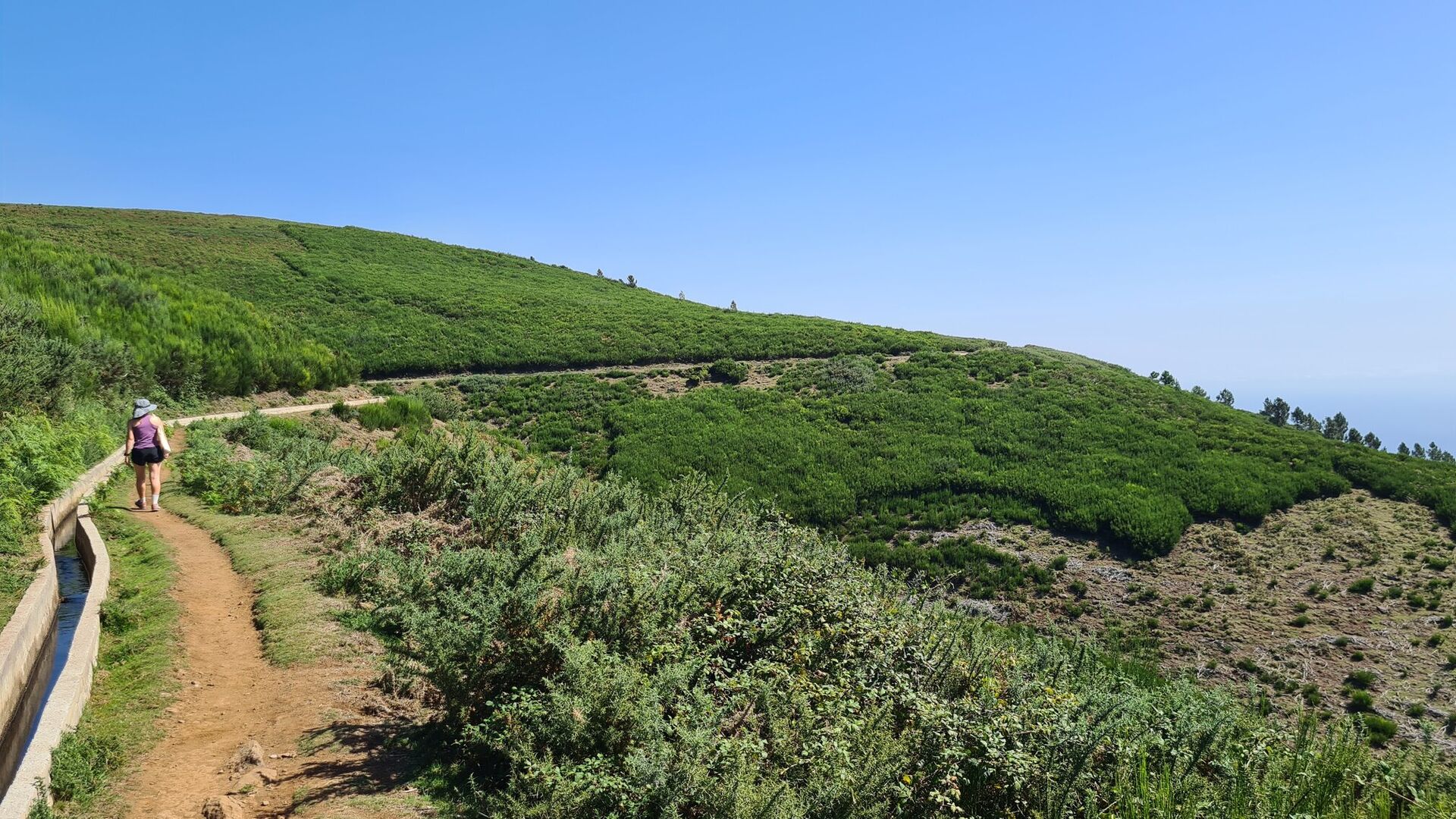
Today, levadas serve multiple functions beyond irrigation. Many have become walking routes, offering access to Madeira’s interior landscapes, forests, and valleys. These paths are valued for their gentle gradients, scenic variety, and educational potential, allowing visitors to observe geology, vegetation, and traditional land use at close range.
At the same time, increased foot traffic introduces challenges related to safety, erosion, and conservation. Sustainable management requires balancing public access with the protection of both infrastructure and surrounding ecosystems.