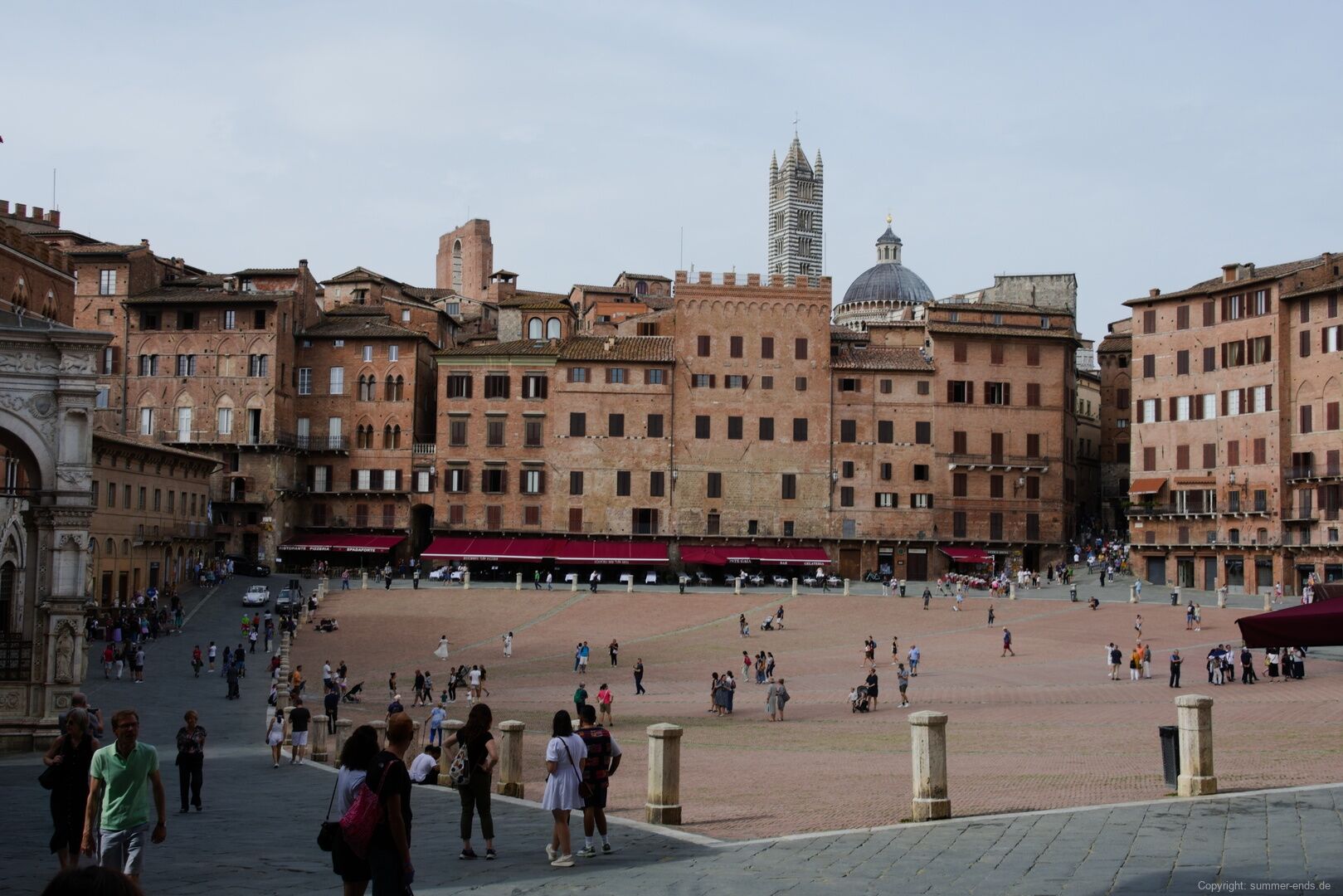
Siena is a historic city in central Italy, located in the Tuscany region approximately 70 kilometres south of Florence. It is situated on a series of hills overlooking the Tuscan countryside and forms part of a broader landscape of rolling ridges, river valleys, and agricultural land. Siena is renowned for its exceptionally well-preserved medieval urban fabric and has maintained a strong continuity of historical layout, architecture, and civic identity. The city functions today as a regional cultural, educational, and tourism center, while retaining a relatively compact scale and a close relationship to its surrounding rural landscape. Siena’s urban form is characterized by dense stone buildings, narrow streets, and a central civic space that reflects its medieval origins.
„2024 Italy – Siena“ weiterlesen2024 Italy – Liguria
Liguria is a coastal region in northwestern Italy, stretching along the Ligurian Sea between the French border to the west and Tuscany to the east. It is characterized by a narrow, crescent-shaped strip of land where steep mountains descend directly to the coastline, creating a strong contrast between marine and alpine environments. The region is bordered inland by the Maritime Alps and the Apennines, which limit the extent of lowland areas and have historically constrained settlement and transport. Liguria includes major urban centers such as Genoa, as well as numerous smaller coastal towns and villages. Its landscape is defined by rocky headlands, small coves, terraced slopes, and densely settled coastal plains, combined with a mild Mediterranean climate that has strongly influenced agriculture, vegetation, and patterns of habitation.
„2024 Italy – Liguria“ weiterlesen2024 Australia – October – Bundeena
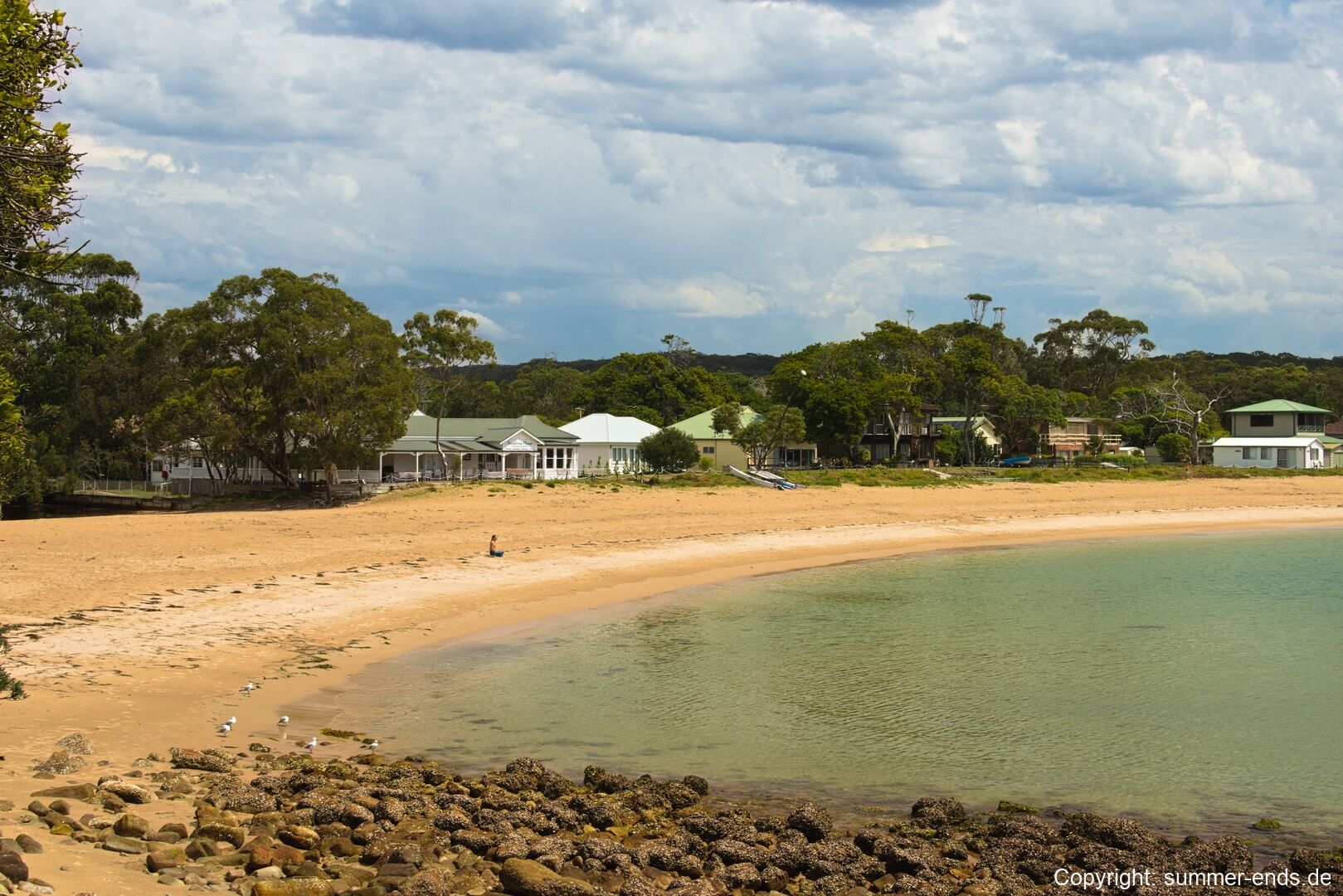
Bundeena is a small coastal settlement in the state of New South Wales, Australia, located on the southern edge of the Royal National Park, approximately 30 kilometres south of central Sydney. The village lies on Bate Bay, at the northern end of Jibbon Beach, and forms part of the Sutherland Shire local government area. Bundeena is characterized by its immediate proximity to protected national parkland, coastal environments, and sandstone plateaus. Development density is low, and the settlement has a predominantly residential and recreational character, strongly oriented toward outdoor activities, coastal landscapes, and nature-based tourism. Access to Bundeena is primarily via ferry from Cronulla or by a single road passing through the Royal National Park, contributing to its relative isolation and quiet atmosphere.
„2024 Australia – October – Bundeena“ weiterlesen2023 Madeira – Day 7
The levadas of Madeira represent one of the most extensive and historically significant water-management systems in the Atlantic island world. These linear irrigation channels traverse steep volcanic terrain, transporting water from the humid, high-precipitation regions of the island’s interior and northern slopes to drier agricultural zones, particularly along the southern coast. Beyond their technical function, levadas have profoundly shaped Madeira’s landscape, settlement patterns, and ecological structure and remain a defining feature of the island’s cultural and physical geography.
„2023 Madeira – Day 7“ weiterlesen2023 Madeira – Day 6
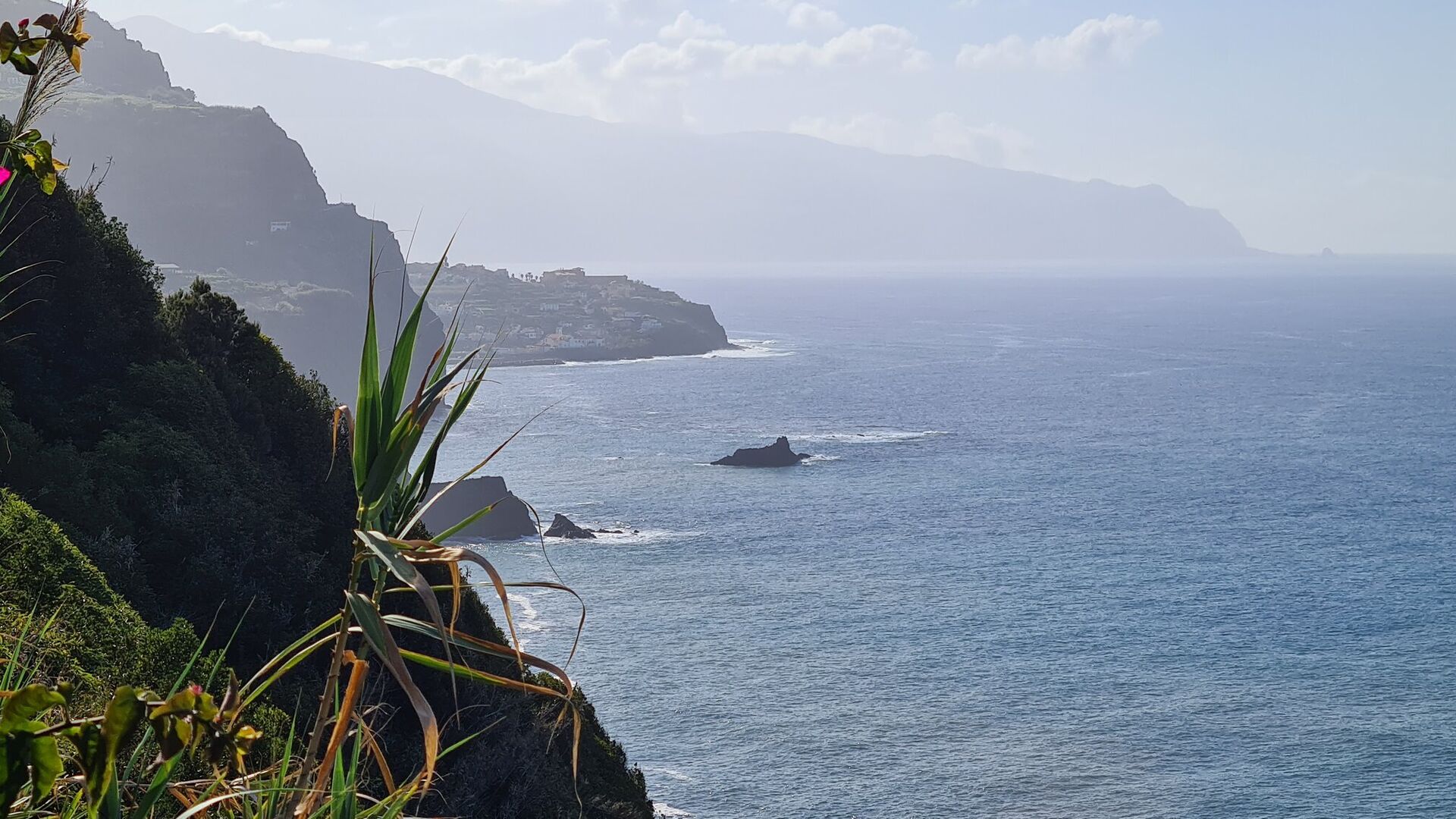
Madeira is the principal island of the Madeira Archipelago, an autonomous region of Portugal located in the northeastern Atlantic Ocean. Geographically and biogeographically, Madeira belongs to the Macaronesian island group, alongside the Azores, Canary Islands, and Cape Verde. The island rises steeply from the surrounding deep-sea basin and exhibits exceptionally high relief energy, with elevations ranging from sea level to over 1,800 meters within short horizontal distances.
„2023 Madeira – Day 6“ weiterlesen2023 Madeira – Day 4
oaventura is located on the northern coast of Madeira, within the municipality of São Vicente, and extends from the Atlantic shoreline into a steep, deeply incised valley system reaching the island’s interior highlands. The settlement pattern is predominantly linear, following the valley floor and lower slopes, reflecting long-term adaptation to rugged terrain and hydrological constraints. The region occupies a transitional zone between the coastal environment and the mountainous interior, resulting in pronounced gradients in climate, vegetation, and land use over short distances.
„2023 Madeira – Day 4“ weiterlesen2023 Madeira – Day 1
The Madeira Archipelago is an autonomous region of Portugal located in the northeastern Atlantic Ocean and belongs biogeographically to the Macaronesian island group (Azores, Madeira, Canary Islands, Cape Verde). The archipelago comprises the main island of Madeira, Porto Santo, and the uninhabited island groups of Desertas and Selvagens. Madeira is situated on the African Plate in an intraplate oceanic setting; the island rises steeply from the deep-sea basin and therefore exhibits exceptionally high relief energy, with elevations increasing from sea level to over 1,800 m within a very short horizontal distance.
„2023 Madeira – Day 1“ weiterlesen