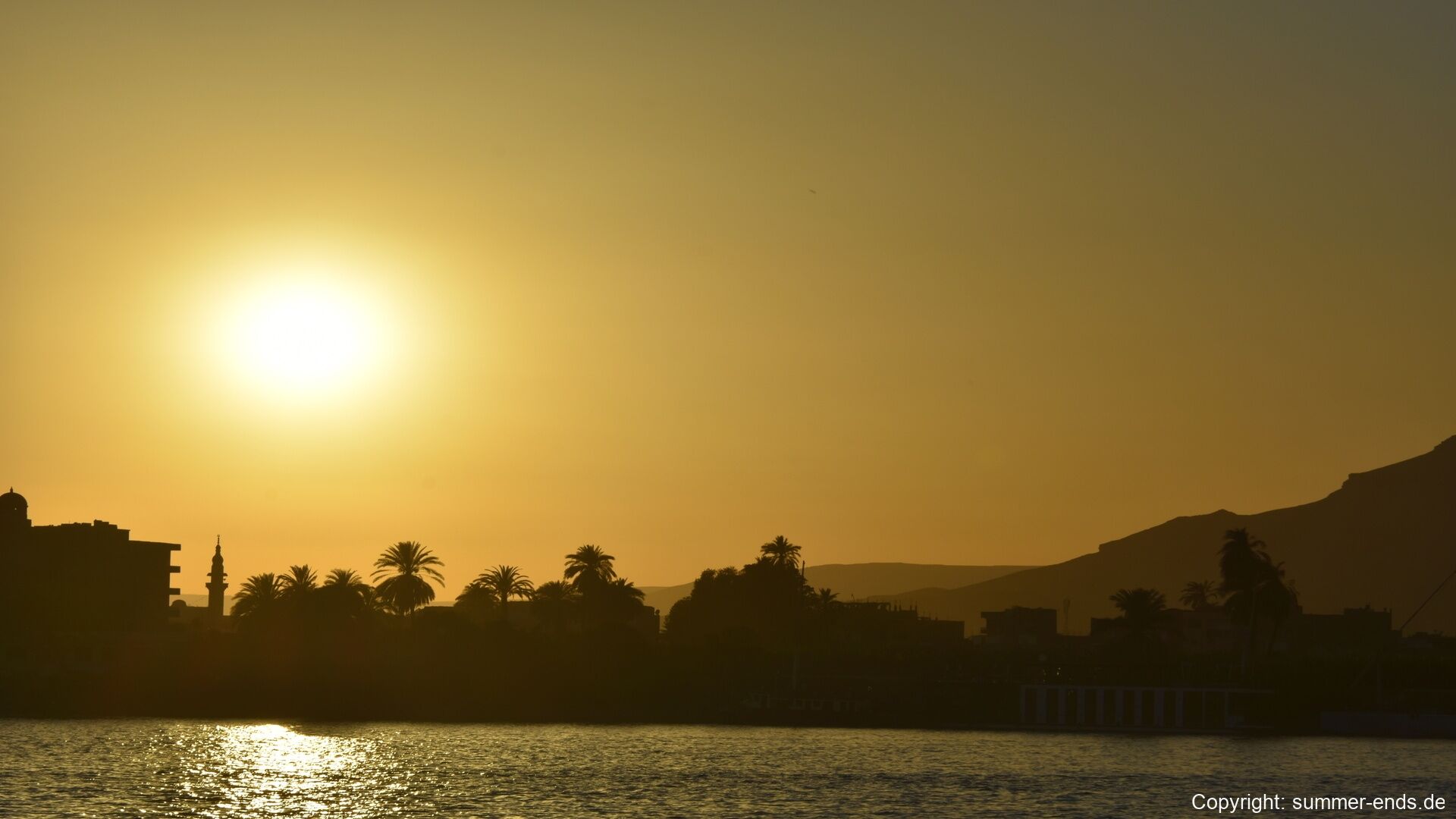
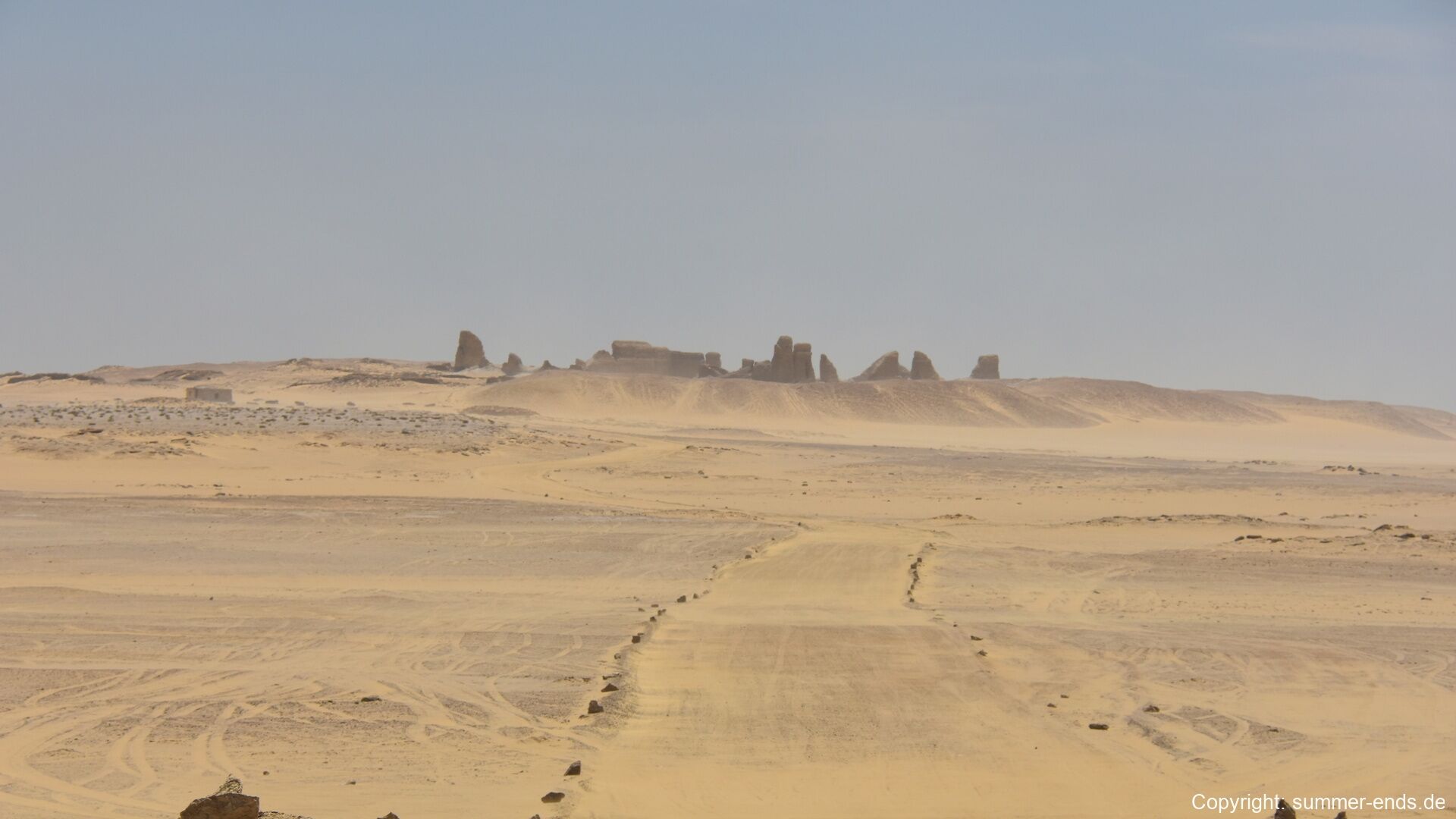
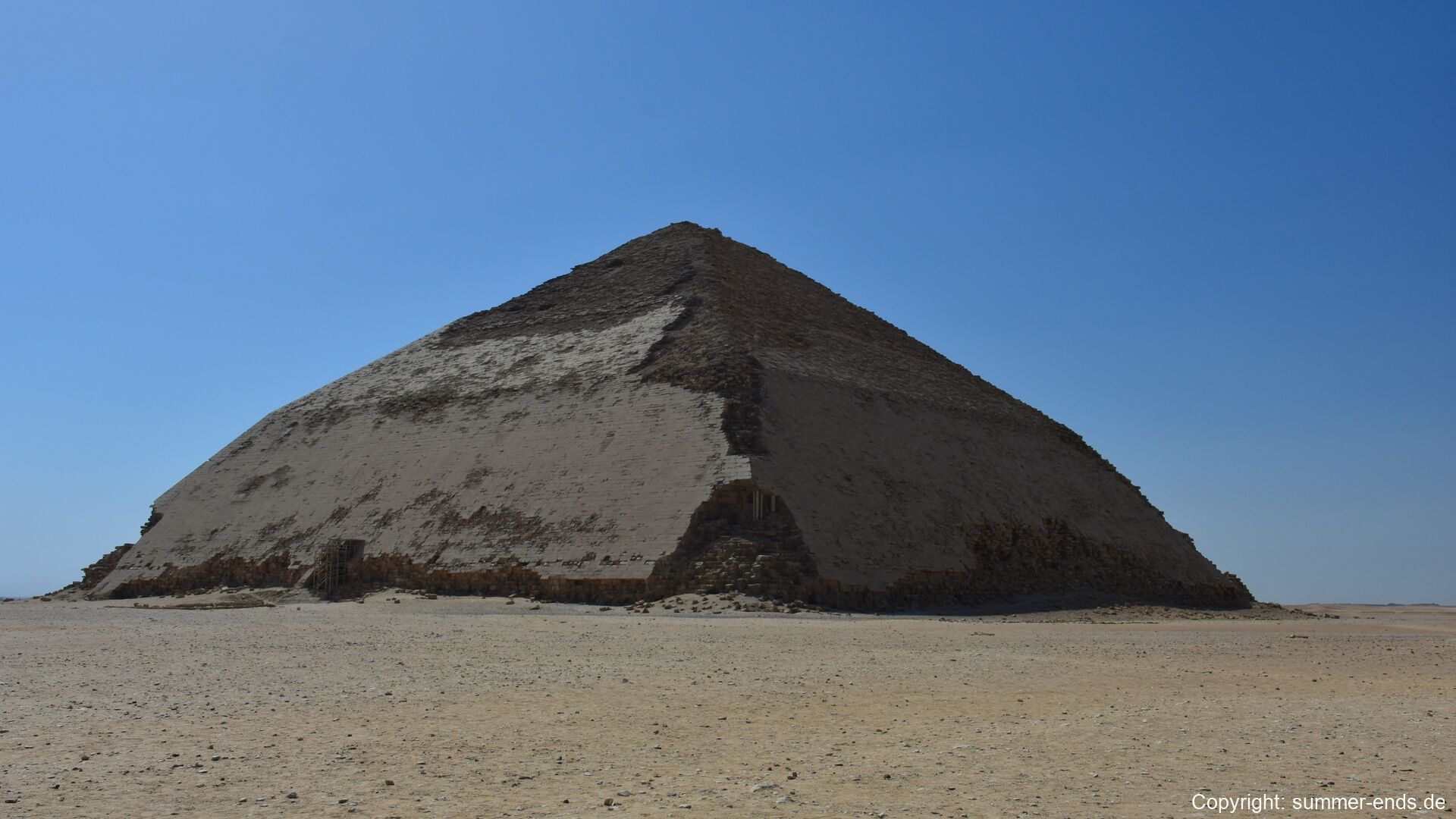
Lake Qarun, also known as Birket Qarun, is one of Egypt’s most ancient and ecologically significant natural lakes. Located in the heart of the Fayoum Depression about 80 kilometers southwest of Cairo, the lake lies at the intersection of human civilization, geology, and ecology. Once a vast freshwater body connected to the Nile, Lake Qarun has undergone dramatic transformations over thousands of years. Today, it is a saline, closed-basin lake covering approximately 214 square kilometers, though this surface area fluctuates with water management and climate conditions.
„2025 Egypt – Day 21 – Lake Qarun & Cairo“ weiterlesen2025 Egypt – Day 20 – Suez
Suez is a strategic port city in northeastern Egypt, located at the northern end of the Gulf of Suez on the Red Sea. As the southern gateway to the Suez Canal, the city serves as a major hub for international maritime trade, linking the Mediterranean Sea to the Indian Ocean via the Red Sea. With its mix of industrial zones, port facilities, and coastal location, Suez plays a vital role in Egypt’s economy, transportation network, and geopolitical standing.
Suez is also a historic city, positioned at the crossroads of Africa and Asia, and has been a focal point of military, economic, and engineering developments for centuries. Today, the city combines modern infrastructure with access to natural landscapes, including desert plains, coral-rich waters, and the nearby Eastern Desert mountains.
„2025 Egypt – Day 20 – Suez“ weiterlesen2025 Egypt – Day 19 – Red Sea
The Red Sea is one of the most biologically rich and geologically unique marine environments on Earth. Located between northeastern Africa and the Arabian Peninsula, it stretches over 2,000 kilometers from the Suez Gulf in Egypt to the Bab el-Mandeb Strait near Djibouti. Egypt’s eastern coastline, from Suez in the north to the Sudanese border in the south, borders the Red Sea and is world-renowned for its coral reefs, underwater ecosystems, and coastal resorts.
With crystal-clear waters, warm temperatures year-round, and an unparalleled diversity of marine life, the Red Sea has become one of Egypt’s leading destinations for diving, snorkeling, eco-tourism, and relaxation. Its unique geological setting as part of a tectonic rift zone has also made it a subject of intense scientific study.
„2025 Egypt – Day 19 – Red Sea“ weiterlesen2025 Egypt – Day 17 – Drive to the Red Sea
The journey from the Nile Valley to the Red Sea offers one of the most scenic and historically rich drives in Egypt. Traversing the Eastern Desert — a vast and rugged landscape between the fertile Nile floodplain and the Red Sea coast — this route links major inland cities like Luxor, Qena, or Cairo with coastal destinations such as Hurghada, Safaga, or El Quseir.
Whether you’re traveling for leisure, diving, or exploration, the drive across the Eastern Desert presents dramatic mountain views, ancient trade routes, and glimpses into the geology and history of one of Egypt’s most underexplored regions. Today’s well-paved roads trace paths that have been in use since pharaonic times, serving as arteries for trade, mining, and military campaigns.
„2025 Egypt – Day 17 – Drive to the Red Sea“ weiterlesen2025 Egypt – Day 16 – Abydos
Abydos is one of the oldest and most sacred archaeological sites in Egypt. Located in Middle Egypt, near the modern town of Al-Balyana in Sohag Governorate, Abydos was a major religious center for over three millennia. It served as the cult center of Osiris, the god of the afterlife, resurrection, and fertility.
„2025 Egypt – Day 16 – Abydos“ weiterlesen2025 Egypt – Day 15 – Assuan – Philae Temple
The Temple of Philae is one of the most beautiful and well-preserved ancient temple complexes in Egypt. Originally located on Philae Island in the Nile near Aswan, it was dedicated primarily to the goddess Isis, one of the central figures of ancient Egyptian mythology. Due to the flooding caused by the Aswan High Dam, the entire temple complex was relocated to nearby Agilkia Island during the UNESCO Nubian Monuments Campaign in the 1960s and 1970s.
„2025 Egypt – Day 15 – Assuan – Philae Temple“ weiterlesen2025 Egypt – Day 14 – Assuan – Elephantine Island
Elephantine Island is the largest island in the Nile at Aswan and one of the most historically significant sites in southern Egypt. Situated near the First Cataract, the island marks the ancient border between Egypt and Nubia and has been continuously inhabited since the Pre-Dynastic period.
Known in ancient times as Abu (meaning „elephant“), Elephantine served as a strategic military post, trading hub, and religious center. Today, the island contains extensive archaeological ruins, a Nubian village, and a museum, making it one of the most important attractions in Aswan for visitors interested in the intersection of ancient and modern cultures.
„2025 Egypt – Day 14 – Assuan – Elephantine Island“ weiterlesen2025 Egypt – Day 13 – Assuan
Aswan is a historic city located in southern Egypt, along the east bank of the Nile River, just below the First Cataract. Known in ancient times as Swenet, Aswan served as Egypt’s southern frontier and gateway to Nubia, making it a key center of trade, defense, and cultural exchange for thousands of years.
„2025 Egypt – Day 13 – Assuan“ weiterlesen